Minimally Invasive Surgery in Longueuil: Fast and Effective Recovery
July 8, 2026
Repentigny Chronic Back Pain Prevention for Disc Sufferers
July 8, 2026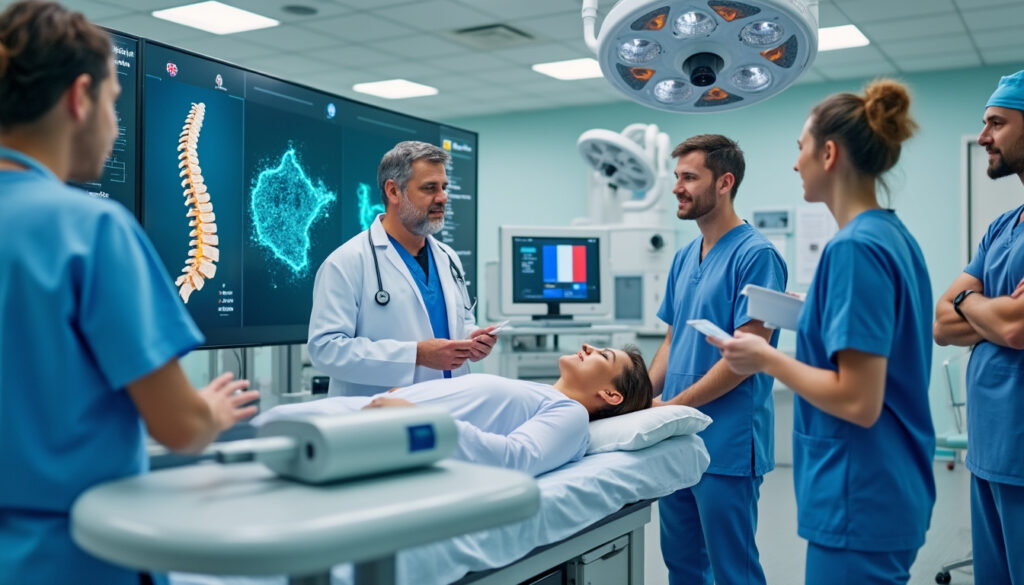
The evolving landscape of neck surgery in Montreal offers transformative possibilities for patients seeking effective, modern interventions that prioritize the preservation of cervical spine function. With advancements in minimally invasive surgical methods, cutting-edge technologies, and a patient-centered continuum of care, individuals affected by cervical conditions now have access to treatment options designed to optimize outcomes while safeguarding mobility. This progress comes at a crucial time for many Quebecois facing lengthy surgical waitlists or prohibitive costs associated with local private care, prompting exploration of international collaborations and innovative protocols. As the understanding of cervical spine biomechanics deepens and surgical tools become more precise, so too does the potential for improved quality of life for those living with cervical stenosis, herniated discs, and other spinal pathologies.
Dr. Sylvain Desforges, with over three decades of expertise and leadership in spinal health, stands at the forefront of these advancements. His thorough evaluations, combined with evidence-based guidance on surgical and conservative pathways, ensure patients receive personalized care aligned with the latest scientific insights. From comprehensive assessments to transatlantic coordination between Canadian and French healthcare providers, what emerges is a cohesive approach emphasizing safety, innovation, and patient empowerment. Exploring the nuances of different neck surgery types, the procedural journey, and the biomechanical advantages of modern interventions illustrates why the Montreal context is uniquely positioned for cervical preservation breakthroughs in 2026.
Exploring Types of Neck Surgery Available in Montreal and France
Neck surgery, or cervical spine surgery, encompasses a variety of techniques that address structural and neurological issues through tailored approaches. Broadly, surgical options fall into three key categories: simple decompression surgeries, fusion procedures, and motion-preserving surgeries. Each type responds to specific pathologies and patient goals, emphasizing a balance between symptom relief and functional integrity.
Simple Decompression Procedures
These surgeries primarily aim to alleviate pressure on the spinal cord or nerve roots caused by spinal stenosis, herniated discs, or bone spurs. Traditional decompression involves removing the offending tissue or bony overgrowth to restore adequate space around neural elements, thus reducing pain, numbness, and potential neurological deficits.
In Montreal, modern ultrasonic bone cutting tools have revolutionized decompression by allowing internal removal of pressure sources through minimally invasive incisions, sparing critical spinal structures. Unlike conventional methods requiring extensive bone removal and often fused stabilization, this innovation reduces operative risks and accelerates recovery.
Fusion Techniques and Their Role
Fusion surgery bonds two or more vertebrae, providing spinal stability when segments are unstable or severely degenerated. While effective in stopping abnormal motion and preventing further nerve irritation, fusion comes with trade-offs such as reduced neck mobility and potential increased stress on adjacent spinal levels.
Montreal surgical centers maintain careful patient selection criteria, aided by expert evaluations from professionals like Dr. Desforges, ensuring fusion is recommended only after exhaustive conservative and motion preservation alternatives are considered. This approach underscores the ethical commitment to preserving cervical function wherever possible.
Innovative Motion-Preserving Surgery
One of the most exciting developments in neck surgery is the advent of cervical disc prostheses and dynamic implants designed to maintain or restore natural spinal motion. Instead of immobilizing vertebral segments, these technologies allow patients to move more freely post-operation, minimizing complications related to stiffness and biomechanical imbalance.
France serves as a pioneering hub for motion-preserving surgeries offering devices and techniques not yet widely accessible in Canada. Dr. Desforges facilitates access to these advanced options through international coordination, thus expanding treatment choices for Quebec patients seeking cutting-edge care. Sources such as durable cervical prostheses approved for Quebec patients highlight the clinical benefits of these innovations.
Disc Prosthesis in Lévis: Full Restoration of Spinal Function
In Lévis, the advent of disc prosthesis marks a pivotal evolution in managing chronic back pain, especially for patients seeking alternatives to prolonged waits or costly private care in Quebec. This innovative approach revolves around replacing damaged intervertebral discs to…
The Patient Journey: From Early Evaluation to Post-Operative Recovery
The pathway toward neck surgery demands a comprehensive, multidisciplinary process to optimize outcomes and ensure informed decision-making. Dr. Sylvain Desforges’ extensive experience, backed by his qualifications (B.Sc., D.O., N.D.), ensures precise evaluation and personalized recommendations grounded in scientific rigor.
Initial Assessment and Diagnostic Workup
Evaluating cervical pathology begins with a detailed patient history focusing on symptomatology, functional limitations, and prior treatments. Physical examination assesses neurological status, range of motion, and biomechanical integrity. Imaging studies such as MRI, CT scans, and dynamic X-rays complement clinical findings, identifying nerve compression, spinal instability, or degeneration.
Dr. Desforges’ expertise in differential diagnosis enables distinguishing cervical stenosis effects from other neurological disorders, preventing misdiagnosis and unnecessary interventions. This precision is critical for patients to understand the exact nature of their condition and the rationale for proposed treatments.
Conservative Treatment Phase
Before contemplating surgical options, patients are encouraged to pursue at least 3 to 6 months of conservative care, including physical therapy, medication management, and advanced non-invasive treatments like neurovertebral decompression available at the renowned Clinique TAGMED. This step aligns with the principles of evidence-based practice and patient safety.
Where neurovertebral decompression wasn’t previously attempted, it constitutes an essential part of non-surgical management, shown to reduce nerve pressure and pain effectively. Dr. Desforges highlights that surgery must be the last resort after exhausting these modalities, ensuring patients are well-informed and empowered to make choices best suited to their unique circumstances.
Surgical Coordination and Patient Support
For patients opting or requiring surgery, comprehensive coordination is necessary, especially for transatlantic cases involving Montreal and France. Dr. Desforges plays a pivotal role in synchronizing care between specialty surgeons, rehabilitation teams, and travel logistics, maximizing efficiency and minimizing wait times.
The coordination ensures continuity from assessment through surgery to rehabilitation, with emphasis on personalized care plans that respect each patient’s anatomical and lifestyle context. This integrated approach sets Montreal apart as a hub for advanced cervical spine care with international collaboration.

Motion Surgery in Terrebonne: Preserve Natural Spinal Biomechanics
In the field of spinal care, preserving the natural mechanics of the spine while addressing debilitating conditions has become paramount. As patients in Terrebonne and across Quebec seek innovative treatment options to alleviate chronic back or neck pain, Motion Surgery…
Biomechanical and Functional Advantages of Modern Surgical Techniques
Preserving the natural biomechanics of the cervical spine is fundamental to maintaining long-term functionality and quality of life. Recent advances in surgical methods reflect a paradigm shift from purely corrective to restorative and preserving philosophies.
Conservation of Cervical Mobility
Traditional fusion often sacrifices mobility to stabilize the spine. In contrast, motion-preserving implants aim to replicate the natural movement of intervertebral discs. Patients who receive these implants typically experience better range of motion and reduced adjacent segment degeneration.
The benefit extends to daily activities requiring neck flexibility, such as driving, looking up or down, and maintaining posture. Maintaining this mobility translates into improved patient satisfaction post-surgery and greater independence in everyday life.
Reduction of Post-Operative Complications
Ultrasonic surgical technologies allow for precise bone sculpting without injuring surrounding nerves or soft tissues, reducing risks such as nerve damage, blood loss, and infection. These minimally invasive techniques also shorten hospital stays, promote faster healing, and mitigate surgical pain.
Studies from centers like the Cantor Spine Institute in Florida emphasize how ultrasonic decompression represents a safer alternative to traditional approaches, reducing the need for hardware such as rods and screws by over 90%, which decreases mechanical stress on adjacent vertebrae.
Long-Term Functional Outcomes
Patients benefit from preserved strength, sustained cervical function, and diminished likelihood of requiring subsequent corrective surgeries. The reduced biomechanical alterations ensure the cervical spine maintains its integrity and resilience over time.
This functional preservation supports ongoing participation in sports, work, and social activities, highlighting the human-centered dimension of advances in spine surgery.

Lumbar Disc Prosthesis in Saguenay: Innovative and Durable Solution
In the Saguenay region, the persistent challenge of chronic lumbar pain affects a significant portion of the population, driving a renewed interest in advanced and efficient treatment options. Traditional spinal surgeries, particularly fusion procedures, while effective in numerous cases, often…
Addressing Economic and Humanistic Benefits of Transatlantic Surgical Pathways
For many Quebec residents, access to timely and advanced neck surgery is hindered by long waitlists and high costs. The transatlantic medical coordination facilitated by experts such as Dr. Desforges offers an innovative solution combining quality, efficiency, and affordability.
Cost-Effective Access to Advanced Care
Seeking surgery in France, supported by Quebec-based pre-operative evaluation and post-operative follow-up, can reduce overall expenses related to private Canadian care. This option also bypasses protracted wait times in the public healthcare system, enabling earlier intervention when clinically indicated.
Streamlined Logistics and Personalized Service
By leveraging partnerships with leading clinics and surgeons abroad, the patient journey is strategically managed. Travel, accommodation, surgical appointments, and rehabilitation are orchestrated to decrease stress and optimize recovery trajectories.
This coordination aligns with Dr. Desforges’ philosophy emphasizing a human, reassuring experience, ensuring patients feel supported and confident throughout their medical journey.
Enhanced Patient Empowerment through Education
Comprehensive pre-surgical education and transparent communication eliminate uncertainties. Patients receive detailed explanations of surgical options, risks, benefits, and realistic expectations, enabling informed consent and collaboration in care decisions.

IntraSPINE® in Sherbrooke: Improve Posture and Reduce Pain
Chronic low back pain is an overwhelming condition affecting a vast number of individuals across Quebec and beyond, disrupting daily activities and diminishing quality of life. In Sherbrooke, an innovative solution has emerged that redefines the management of lumbar spine…
How Scientific Rigor and Ethical Practices Define Dr. Desforges’ Approach
Within the complex field of spine care, Dr. Sylvain Desforges is recognized as a pioneer and authority, applying more than 30 years of expertise alongside his academic credentials (B.Sc., D.O., N.D.). His leadership roles, including founding and presiding over major Canadian osteopathic organizations, highlight his commitment to advancing neck surgery evaluation with integrity.
Evidenced-Based Protocols and Patient Safety
Dr. Desforges commits to evidence-based practice, ensuring that all recommendations are grounded in robust scientific research and aligned with provincial and federal regulations, including those set by the Collège des médecins du Québec. Patient safety is paramount, guiding clinical decisions with a precautionary principle.
Innovative Techniques Supported by Research
His engagement with cutting-edge technologies, such as neurovertebral decompression, laser applications, and dynamic spinal implants, reflects an ongoing pursuit of therapies combining safety and efficacy. This innovative spirit promotes treatments that minimize invasiveness while enhancing outcomes, particularly for patients hesitant about traditional surgery options.
Transparency and Ethical Communication
Patients benefit from clear, jargon-free explanations, enabling them to understand their condition and all available interventions. This pedagogical approach demystifies complex spinal concepts and encourages questions, fostering trust and partnership. Dr. Desforges respects individual uniqueness, tailoring assessments and pathways accordingly.
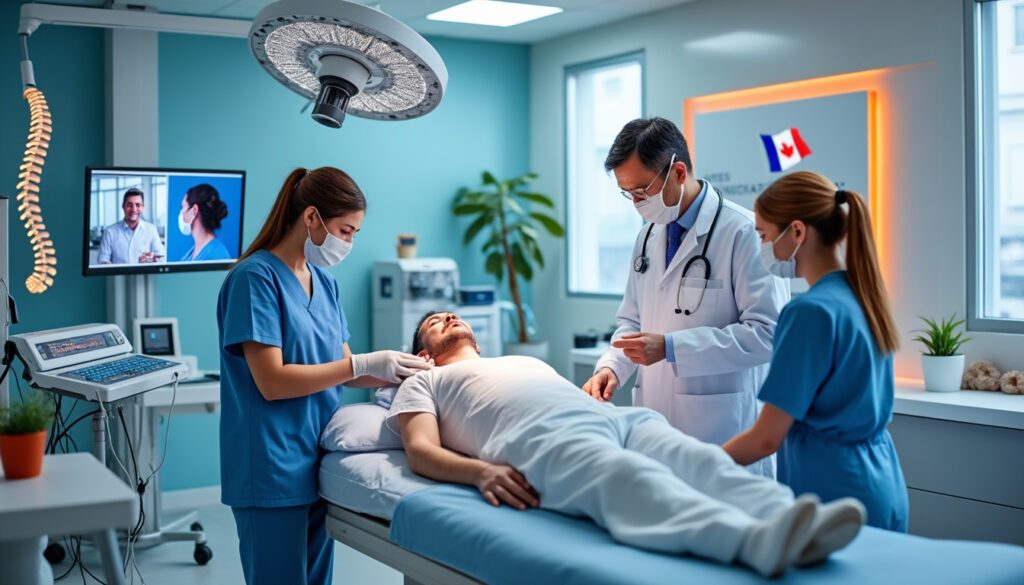
Spine Surgery in Trois-Rivières: Approved Motion Surgery Innovation
Spine health continues to be a vital concern for many individuals, especially those suffering from chronic back pain or spinal disorders. With over 30 years of experience in this field, Dr. Sylvain Desforges stands as a leading expert in spine…
Combining Cutting-Edge Technologies for Optimal Patient Recovery
State-of-the-art approaches in neck surgery hinge on the integration of advanced diagnostic, surgical, and rehabilitative tools, underscoring Montreal’s position as a leader in cervical spine care. These technologies enable personalized, minimally invasive treatments that restore function and reduce downtime.
Ultrasonic Bone Cutting and Minimally Invasive Surgery
Utilizing devices such as the Misonix ultrasonic surgical sculpting tool, surgeons can precisely remove bone spurs compressing the spinal cord without damaging delicate nerves. This tool’s high-frequency oscillation ensures efficient bone resection with minimal trauma, representing a leap forward in patient safety and recovery speed.
Dynamic Implants and Disc Prostheses
Innovations in implant design aim to mimic the natural biomechanical environment of the cervical spine. Unlike traditional screws and rods used in fusion surgeries, these devices maintain movement and reduce secondary stress on neighboring vertebrae, contributing to sustained mobility and reduced postoperative complications.
Rehabilitation Tailored to Preserve Function
Post-operative care is integrated with therapeutic protocols focusing on mobility restoration, muscle strengthening, and gradual reconditioning. Clinics such as the Canadian Spine Clinic specialize in customized rehabilitation plans that optimize long-term cervical spine health and patient autonomy.

TOPS™ in Gatineau: Maintain Mobility and Reduce Pain
The management of spinal conditions is evolving rapidly, with innovations that focus not only on pain relief but also on preserving spinal mobility and enhancing overall wellness. As patients increasingly seek treatments that allow them to maintain an active lifestyle,…
Patient-Centered Education and Shared Decision-Making
Effective neck surgery outcomes depend heavily on patient engagement and understanding. Dr. Desforges emphasizes an empathetic, clear communication model that respects patient concerns and encourages active participation throughout the treatment continuum.
- Clarification of diagnosis and treatment rationale
- Comprehensive overview of surgical and non-surgical options
- Risk-benefit analysis customized to patient context
- Support in navigating healthcare logistics, including international coordination
- Ongoing access to expert advice and follow-up care
This structured approach not only enhances patient confidence but also correlates with improved compliance and recovery success. A personalized and transparent process can reduce anxiety and dispel misconceptions frequently associated with neck surgery.

Cervical Disc Prosthesis in Quebec City: Highly Specialized Care
The field of spinal care has witnessed remarkable advancements over the past decades, particularly concerning the treatment of cervical spine disorders. Patients in Quebec City who suffer from debilitating neck pain and restricted mobility now have access to cutting-edge solutions…
Essential Role of Pre-Surgical Conservative Treatments
Before surgery is considered, longer-term conservative interventions must be thoughtfully exhausted. For patients with cervical spine disorders, this often means at least 3 to 6 months of comprehensive efforts to alleviate symptoms without operative risks.
Importance of Neurovertebral Decompression
Advanced non-invasive options like neurovertebral decompression, offered notably at the Clinique TAGMED, pioneered by Dr. Desforges, can significantly reduce nerve compression effects. This treatment involves gentle spinal traction combined with state-of-the-art modalities designed to improve intervertebral space and neurological function.
Monitoring Progress and Reassessing Surgical Necessity
Patients undergo careful monitoring to evaluate improvements or persistent deficits. Only when conservative therapy insufficiently controls symptoms or neurological compromise worsens should surgery be contemplated, thereby respecting patient safety and ethical practice.
Collaboration Across Disciplines
Dr. Desforges’ integrative model connects osteopathy, neurosurgery, physiotherapy, and pain management to establish a holistic plan. This fosters durable improvements and reduces the risk of premature surgical intervention.
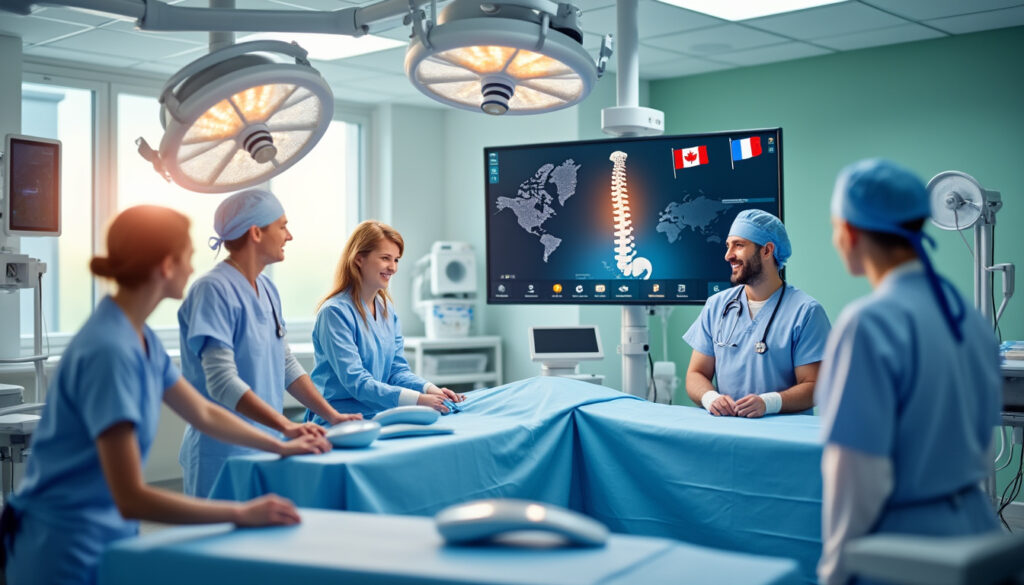
Minimally Invasive Surgery in Longueuil: Reduce Post-Surgical Pain
In 2026, the field of surgical care in Longueuil is undergoing a transformative era, anchored by the widespread adoption of minimally invasive surgery techniques. This evolution is particularly significant for patients grappling with spinal conditions such as herniated discs and…
Distinctive Features of the Montreal-France Medical Collaboration
One of the hallmark contributions from Dr. Desforges is the facilitation of a seamless, patient-focused transatlantic care network linking Quebec and France. This partnership multiplies treatment opportunities and accelerates access to highly specialized surgical innovations.
Optimizing Timelines and Quality
Patients benefit from reduced waiting times enabled by dual-system coordination, avoiding prolonged deterioration. Strict quality controls ensure that surgeons meet rigorous standards, and advanced equipment is employed consistently.
Personalized Surgical Planning
Assessments conducted in Montreal inform precise surgical plans tailored to individual anatomy and pathology. This customization extends throughout the surgical and rehabilitation phases in France, ensuring continuity and superior outcomes.
Value-Added Services Before and After Surgery
The comprehensive care model includes preoperative education, travel assistance, post-surgical rehabilitation guidance, and long-term follow-up with Montreal-based providers, all contributing to patient confidence and success.
Frequently Asked Questions on Neck Surgery and Cervical Preservation
What types of neck surgery prioritize cervical spine mobility?
Motion-preserving surgeries like cervical disc prostheses and dynamic implants aim to maintain natural neck movement, unlike fusion surgeries which limit mobility.
When should surgery be considered for cervical spine problems?
Surgery is recommended only after conservative treatments including neurovertebral decompression for at least 3 to 6 months have failed to alleviate symptoms or neurological issues.
How does ultrasonic technology improve neck surgery outcomes?
Ultrasonic bone cutters allow precise, minimally invasive removal of bone without damaging nerves, reducing complications, blood loss, and recovery time compared to traditional methods.
What advantages does international coordination offer patients needing neck surgery?
Transatlantic collaboration expedites access to advanced surgical techniques, ensures personalized care, reduces wait times, and integrates pre- and post-surgical services across borders.
How does Dr. Desforges ensure ethical and patient-focused care?
By grounding his evaluations in scientific evidence, following established medical regulations, employing clear communication, and tailoring pathways to each patient’s needs, Dr. Desforges promotes safe and respectful treatment.