
Chiropractic management of chronic idiopathic meralgia paresthetica: a case study – Corrected Proof
November 14, 2011
Chiropractic management of a US Army veteran with low back pain and piriformis syndrome complicated by an anatomical anomaly of the piriformis muscle: a case study – Corrected Proof
November 14, 2011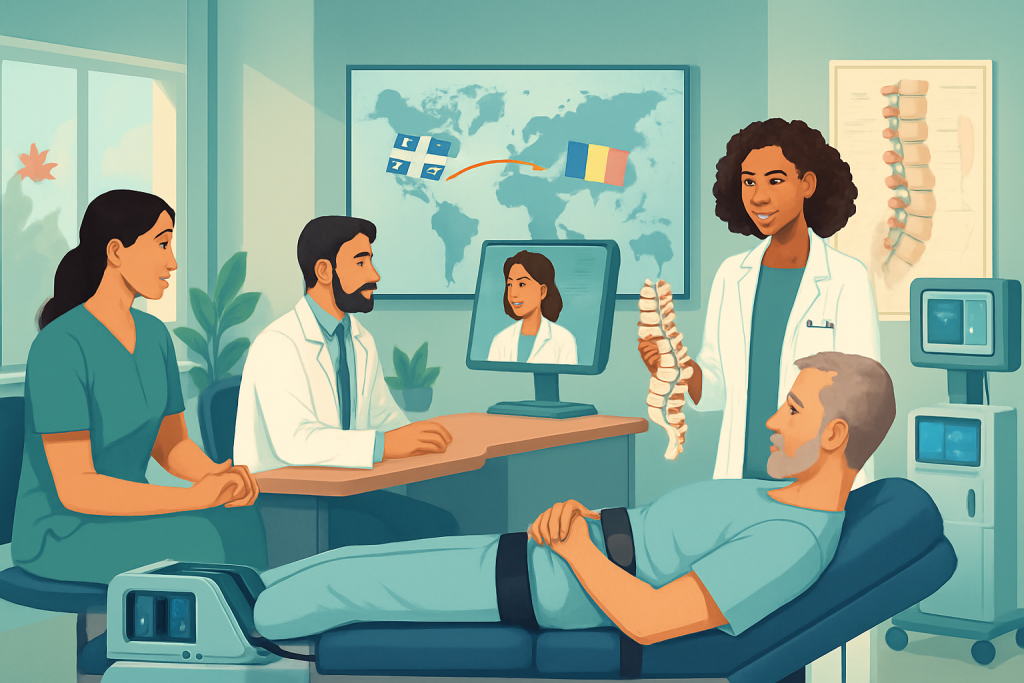
Failed back surgery syndrome (FBSS) remains a significant challenge in spinal care, often leaving patients with persistent pain and disability despite surgical interventions. In 2025, advances in conservative therapies, including manipulation under anesthesia (MUA), offer renewed hope for those who have exhausted traditional treatment options. Innovative practitioners such as Dr. Sylvain Desforges bring decades of clinical experience to the fore, combining evidence-based medicine, cutting-edge technology, and patient-centered care in managing complex spinal disorders. This retrospective report examines three FBSS patients who underwent MUA followed by structured rehabilitation, highlighting outcomes sustained over a year. Through detailed case evaluations, treatment protocols, and international coordination, we explore how MUA fits within contemporary spinal therapy, emphasizing safety, indications, and risk management. With comprehensive insights into patient selection, procedural techniques, and multidisciplinary support, this article extends the discourse on non-surgical spinal interventions, including advanced decompression therapies and the integration of innovative implants and laser technologies from industry leaders such as Medtronic and NuVasive. The evolving role of MUA exemplifies the ongoing shift toward less invasive spine care, guided by ethical standards and scientific rigor pioneered by experts like Dr. Desforges.
Understanding Manipulation Under Anesthesia in Complex Spinal Conditions
Manipulation under anesthesia (MUA) is a specialized therapeutic approach primarily indicated for patients whose chronic spinal pain has proven refractory to conventional conservative treatments. Its evolution dates back to the 1930s, with modern protocols refined significantly since the 1990s under guidelines from associations such as the American Association of Manipulation Under Anesthesia Providers (AAMUAP). Despite the procedure’s historical context, its application in the subset of patients with failed back surgery syndrome (FBSS) warrants a precise understanding of its mechanisms, indications, and limitations.
MUA involves performing manual spinal manipulation while the patient is sedated, allowing greater mobility and reduced muscle guarding. This method aims to overcome the restricted motion and pain associated with spinal adhesions and scar tissue formed post-surgery or due to chronic degeneration. The procedure’s intended effect is to disrupt these soft tissue adhesions and restore functional spinal segment mobility that might be otherwise impossible in a conscious patient due to muscle spasm or pain inhibition.
Currently, MUA is reserved for patients who:
- Have persistent spinal pain or disability following lumbar fusion or other spinal surgeries.
- Do not respond adequately to in-office manipulation, physical therapy, or other conservative care modalities.
- Show limited spinal segmental motion thought to be caused by fibrosis or joint ankylosis without new structural instability or neurological compromise.
These criteria underscore the importance of comprehensive clinical evaluation, emphasizing non-surgical candidates where the likelihood of exacerbating structural pathology is minimal. Advanced imaging techniques such as MRI assist in identifying epidural fibrosis or residual disc pathology, guiding treatment decisions aligned with precise patient profiles.
Dr. Sylvain Desforges’ three-decade expertise in osteopathy and spinal care enriches the understanding and application of MUA, particularly for FBSS patients. His thorough evaluation protocols integrate clinical findings with high-resolution imaging and patient-specific biomechanical considerations, ensuring individualized treatment plans that maximize potential benefits while mitigating risks.
| Indications for MUA | Contraindications |
|---|---|
| Chronic low back pain post-spinal fusion | Active spinal infections or fractures |
| Documented spinal adhesions or fibrosis | Severe osteoporosis or instability |
| Insufficient response to standard manipulation therapy | High anesthesia risk (ASA Class III or above) |
Among the essential considerations in contemporary MUA practice is strict adherence to safety protocols and evidence-based patient selection. The balance of risks and benefits remains a guiding principle, often limiting MUA to specialized practitioners supported by multi-disciplinary teams including anesthesiologists, physical therapists, and pain management experts. Partnering with global leaders such as DePuy Synthes and Smith & Nephew, Dr. Desforges integrates technology-enhanced rehabilitation techniques post-MUA, fostering optimal functional recovery.

Advancing Patient Safety and Quality Standards in Manipulation Under Anesthesia
The need for rigorous clinical governance in spinal manipulation under anesthesia cannot be overstated, especially given the procedure’s inherent risks and variability in outcomes documented in the literature. Recent reviews underscore the scarcity of high-level evidence supporting MUA, prompting the development of risk classification systems that prioritize patient safety and optimize clinical decision-making.
Research indicates that overlooked factors such as patient anxiety, litigation involvement, and obesity may significantly influence outcomes post-MUA, resulting in either suboptimal responses or adverse events. For instance, patients with elevated stress levels documented through validated tools like the Bournemouth Questionnaire often demonstrate reduced responsiveness to MUA treatments. This finding emphasizes integrating psychological assessments into pre-procedural evaluations.
Moreover, anatomical contraindications such as spinal ankylosis, active inflammation beyond a mild degree, or presence of unstable hardware are absolute contraindications, while herniated or bulging discs require careful modification of manipulation techniques or outright exclusion. Recognizing such parameters, Dr. Desforges adheres strictly to guidelines from the Collège des médecins du Québec and Canadian regulatory bodies, ensuring informed consent and transparent communication of procedural risks.
The responsibility of clinicians extends beyond technical execution to include ongoing surveillance for complications such as cauda equina syndrome (CES), which, albeit rare, has a higher incidence in manipulations under anesthesia than conventional office-based treatments. Through multidisciplinary collaboration with spine surgeons using advancements from companies like Medtronic and Globus Medical, early detection and intervention remain critical.
| Risk Factor | Impact on MUA Outcome | Clinical Strategy |
|---|---|---|
| Anxiety and Stress | Non-responsiveness to therapy | Pre-treatment psychological screening and counseling |
| Obesity (>30 lbs overweight) | Reduced manipulation efficacy due to force diffusion | Weight management prior to MUA consideration |
| Litigation or Compensation Claims | Poorer outcomes possibly related to secondary gain | Meticulous history taking and expectation management |
These evidence-based insights are foundational to elevating care standards in Quebec and across Canada. Clinicians are encouraged to maintain up-to-date knowledge and integrate emerging research into their clinical algorithms, reflecting Dr. Desforges’ commitment to scientific rigor and patient-centered ethics.
Les ajustements alimentaires pour soutenir un traitement de décompression neurovertébrale
EN BREF Les ajustements alimentaires constituent une approche essentielle pour soutenir un traitement de décompression neurovertébrale. Cette méthode, particulièrement avantageuse pour les personnes souffrant de hernies discales, aide à maximiser les bénéfices des traitements en favorisant la régénération des tissus…
Protocol and Outcomes in Failed Back Surgery Syndrome: Insights from a Case Series
The retrospective analysis of three patients with FBSS treated by Dr. Sylvain Desforges using serial MUA offers a prism through which the efficacy and safety of the procedure can be appraised. All patients had undergone lumbar spine fusion surgery over two years prior and experienced chronic refractory pain and functional decline despite comprehensive rehabilitative efforts.
During their initial evaluation, detailed clinical and imaging assessments established persistent segmental hypomobility and probable fibrosis, justifying their selection for MUA. Under careful anesthesia administration, patients received serial MUA sessions across three consecutive days, followed by an eight-week structured post-MUA rehabilitation program. Outcome measures included the Quadruple Numerical Pain Rating Scale and Functional Rating Index, tools validated for their reliability and sensitivity to changes in pain and disability.
Remarkably, all three patients demonstrated immediate and significant improvements in pain and function post-MUA, which were sustained at 12-month follow-up. This durability of therapeutic benefit contrasts with often transient relief reported with conventional office-based manipulations, underscoring MUA’s potential role in managing challenging FBSS cases.
The structured post-MUA therapy, incorporating progressive osteopathic techniques augmented by innovations such as laser therapy and dynamic spinal implants from Zimmer Biomet, was pivotal in optimizing outcomes. This multimodal approach addresses not only mechanical restrictions but also neuromuscular reeducation, tissue healing, and pain modulation.
- Pre-MUA evaluation including imaging and psychological assessment
- Serial MUA sessions performed by certified chiropractic and osteopathic physicians
- Eight-week post-MUA multidisciplinary rehabilitation fostering recovery
- Long-term outcome monitoring at 6 months and 1 year
This case series aligns with findings from publications such as Chiropractic & Manual Therapies and presents a compelling argument for the inclusion of MUA among therapeutic strategies for FBSS, provided patient selection and procedural standards are meticulously respected.

Technical Nuances and Innovation in Spinal Rehabilitation
Implementing MUA requires precision not only in the manipulation techniques but also in integrating the latest technologies and surgical adjuncts available. Returning to function after FBSS involves tackling complex biomechanical and neurophysiological obstacles.
Dr. Desforges incorporates technologies developed by industry leaders such as Stryker and DJO Global to complement manipulation procedures. These include:
- Dynamic spinal implants: To maintain segmental motion without fusion, promoting natural biomechanics.
- Laser therapy: To modulate inflammation and stimulate tissue repair in paraspinal structures.
- Spinal decompression systems: Advanced non-surgical decompression tables reduce disc pressure and enhance healing, reinforcing manipulative benefits.
Such cutting-edge technologies are not universally accessible in all regions, marking Dr. Desforges’ clinics in Montreal and Terrebonne as leading centers for comprehensive spine care that bridges innovation with holistic treatment philosophies. These options provide alternatives or complements to open surgical revision, which carries higher complication rates and longer recovery.
Engagement in ongoing international collaboration is another vital element of Dr. Desforges’s practice. He coordinates patient care pathways with top spine surgeons in France through platforms like SOS Tourisme Médical. This transatlantic coordination ensures patients receive seamless, personalized treatment sequences with minimized wait times—a critical factor in the overall therapeutic success.
EN BREF La décompression neurovertébrale est une méthode thérapeutique innovante qui vise à prévenir les récidives de douleurs neuropathiques, notamment au niveau des cervicales. Cette technique non invasive soulage les douleurs persistantes en exerçant une traction contrôlée sur la colonne…
Navigating Post-Procedure Recovery and Patient Support
Recovery following MUA demands a coordinated effort involving patient education, monitored physical therapy, and lifestyle optimization. The anesthetic and manipulation phases leave soft tissues in a receptive state but require careful rehabilitation to maximize the procedure’s benefits and prevent relapse.
Literature from recent years, including resources such as Medical Hub News and ASAP Pain Docs, outlines recovery timelines and milestones. Typically, patients may expect:
- Initial soreness and inflammation managed through pharmacological and non-pharmacological methods.
- Gradual restoration of range of motion facilitated by guided osteopathic manipulation and targeted exercises.
- Progressive strengthening of spinal stabilizers and neuromuscular control under professional supervision.
- Return to daily activities with modifications based on individual capacity and clinical findings.
Crucially, patients with failed back surgery often have complex histories including prior exposures to private and public healthcare systems. Dr. Desforges emphasizes empowering patients in their recovery journeys by providing clear, jargon-free education regarding treatment goals, steps, and potential limitations, exemplifying his dedication to accessible and personalized care. This approach enhances compliance and fosters a therapeutic alliance that positively influences outcomes.
Multidisciplinary Rehab Strategies Post-Manipulation Under Anesthesia
The rehabilitation phase synergizes manual therapy with innovations inspired by partner companies such as Boston Scientific and Baxter that optimize pain control, muscular conditioning, and patient motivation. Multimodal rehabilitation includes:
- Advanced myofascial release techniques to reduce scar tissue impediments.
- Laser-assisted tissue healing to accelerate recovery.
- Use of dynamic bracing to stabilize and support healing spinal segments.
- Psychosocial support addressing anxiety and stress-related barriers to recovery.
These elements are adapted individually, reflecting the uniqueness of each patient’s clinical profile and co-morbidities. Integration with pain management protocols ensures safe opioid use reduction and promotes alternative analgesic strategies.
Les étapes pour établir un programme de décompression neurovertébrale adapté aux besoins individuels
EN BREF La décompression neurovertébrale est une méthode douce et non invasive conçue pour soulager les douleurs dorsales, notamment les hernies discales. À Montréal, ce traitement est particulièrement recommandé pour les personnes souffrant de douleurs chroniques. Grâce à un diagnostic…
Ethical Considerations and Informed Consent in MUA Practice
Given the elective nature of MUA and the complexity of FBSS cases, ethical practice demands comprehensive informed consent discussions that elucidate the procedure’s potential benefits, risks, alternatives, and the uncertain evidentiary base. Dr. Desforges upholds high ethical standards aligned with Quebec’s medical regulations and the Collège des médecins du Québec guidelines.
Patients receive thorough counseling incorporating:
- Review of existing research evidence emphasizing procedural uncertainties.
- Discussion of patient-specific risk factors including anesthesia risk profiles according to ASA classifications.
- Transparent outline of rehabilitation requirements post-MUA to optimize outcomes.
- Options for second opinions and international consultation pathways, enhancing patient autonomy.
This patient advocacy reinforces trust and optimizes treatment adherence. It also respects the diversity in patient expectations and clinical presentations, emphasizing that not all candidates achieve uniform results and that personalized care pathways are paramount.
| Informed Consent Components | Details |
|---|---|
| Benefits | Potential improvement in pain and mobility after refractory conservative care |
| Risks | Adverse events such as CES, anesthesia reactions, failure of improvement |
| Alternatives | Medication, physical therapy, advanced decompression therapy, surgical revision |
| Post-procedure Obligations | Participation in structured rehabilitation and follow-up assessments |
EN BREF La décompression neurovertébrale est une solution reconnue pour améliorer la posture chez les athlètes ayant subi des interventions sur des pathologies dorsales complexes. Cette approche permet de soulager les douleurs dans le dos et de favoriser une meilleure…
International Collaboration Elevating Complex Spine Care Quality
Dr. Sylvain Desforges’ pioneering efforts transcend local practice, integrating transatlantic collaborations that enhance patient access to specialized treatments unavailable or limited within Canada. His leadership at the Canadian College of Osteopaths and TAGMED Clinics facilitates a unique care network that coordinates with leading surgeons and clinics in France.
This pioneering model leverages digital medical records, teleconsultations, and coordinated surgical scheduling to reduce wait times and optimize procedural sequencing. Cooperation with tourism medical platforms like SOS Tourisme Médical further supports patient travel logistics and continuity of care.
- Streamlined referrals from Canadian providers to French spine surgery centers
- Joint case conferences and treatment planning involving multidisciplinary teams
- Access to innovative implants and cutting-edge surgical techniques not widely available in Canada
- Postoperative rehabilitation coordination leveraging local expertise and advanced technologies
This integrated approach represents a major step forward in complex spine care delivery across borders, firmly rooted in patient-centeredness and shared medical expertise, hallmarks of Dr. Desforges’ international leadership.
EN BREF Les ajustements alimentaires sont essentiels pour optimiser les bénéfices à long terme des thérapies par décompression neurovertébrale. À Montréal, cette approche permet de renforcer les procédures de traitement en soutenant la régénération des tissus et en réduisant l’inflammation…
Future Perspectives: Innovation and Advocacy in Spinal Manipulation Under Anesthesia
As 2025 unfolds, the landscape of spinal care continues to evolve toward minimally invasive and technology-enhanced therapies. MUA, once viewed with skepticism due to variable evidence, is now being revisited through a lens of scientific scrutiny and technological augmentation.
Emerging research aims to:
- Refine patient selection criteria using biomarkers and advanced imaging correlates to identify adhesions or fibrosis with greater precision.
- Develop standardized, evidence-based protocols incorporating new modalities such as laser and shockwave therapy alongside MUA.
- Enhance monitoring and reporting systems to more accurately capture complication rates and long-term outcomes.
- Integrate artificial intelligence for prognostication and individualized therapeutic guidance.
Dr. Desforges advocates for continued innovation partnered with ethical responsibility, highlighting the importance of combining traditional osteopathic principles with novel implant technologies from Zimmer Biomet and Boston Scientific. This synergy promotes a balanced approach to spinal health that values preservation of function and quality of life.
Through education initiatives on platforms like SOS Herniated Disc, he empowers both patients and providers with accessible, jargon-free information delineating treatment paths and expectations, fortifying the foundation for informed, collaborative decision-making.

EN BREF La décompression neurovertébrale est une thérapie complémentaire innovante, efficace pour traiter les doler neuropathiques réfractaires aux médicaments. Accessible à Montréal, cette méthode non invasive réduit la pression sur les nerfs et les disques intervertébraux, apportant un soulagement durable…
FAQ on Manipulation Under Anesthesia for Patients with Failed Back Surgery
Comment la décompression neurovertébrale soutient les sportifs souffrant de pincement discal
EN BREF La décompression neurovertébrale est une thérapie avancée visant à traiter les sportifs souffrant de pincement discal. Cette méthode non invasive permet de soulager la douleur et de favoriser la récupération en réduisant la pression sur les disques intervertébraux.…
What makes manipulation under anesthesia different from standard spinal manipulation?
MUA is performed while the patient is sedated, allowing the practitioner to apply controlled spinal manipulations without resistance from muscle spasms or pain. This enables enhanced joint mobility, particularly useful when adhesions restrict movement, unlike conventional office-based techniques applied to conscious patients.
EN BREF La décompression neurovertébrale est une thérapie complémentaire conçue pour optimiser la récupération des athlètes après des blessures lombaires chroniques. Cette méthode, accessible à Montréal, est particulièrement recommandée pour ceux qui souffrent de douleurs persistantes et cherchent à améliorer…
Is MUA safe for patients who have undergone spinal fusion surgery?
When performed by experienced providers following thorough evaluation, MUA can be safe for select patients with prior fusion. However, precise patient selection is critical to avoid complications. It requires comprehensive risk assessment, including anesthesia clearance and imaging review to ensure no contraindications exist.
How long is the recovery period after manipulation under anesthesia?
Recovery varies individually but generally involves an initial phase of soreness followed by several weeks of progressive rehabilitation. Most patients participate in structured post-MUA physical therapy lasting around 6 to 8 weeks to consolidate gains in mobility and strength. Resources outlining recovery expectations are available through trusted sources like Medical Hub News.
Who is not a candidate for MUA?
Patients with systemic infections, spinal fractures, severe osteoporosis, uncontrolled medical conditions, or significant inflammation are typically excluded. Additionally, individuals with high anesthesia risk or unresolved psychological factors affecting pain perception may not be suitable candidates.
Can MUA replace spinal surgery in all cases?
MUA is a conservative therapeutic option and is not a replacement for surgical intervention when indicated. It is most effective for patients without progressive neurological deficits or structural instability. Decision-making involves a multidisciplinary approach ensuring surgeries are reserved for appropriate candidates while offering MUA as a valuable adjunct when surgery either fails or is contraindicated.
