Initial Assessments and Exams: Insights and Experiences Shared
November 23, 2025
Candiac Non-Surgical Neck Herniation Relief Program
November 23, 2025
The advancement of medical technology in spinal surgery continues to redefine patient care standards, particularly for international patients seeking complex procedures in France and Europe. The rigorous process of quality assurance and device certification plays an indispensable role in ensuring the safety, efficacy, and innovation of these medical devices. From implants approved under the CE marking to those cleared by the FDA, the integration of strict industry standards safeguards patient outcomes while enhancing the surgical journey.
Throughout 2025, healthcare institutions in France embed evolving quality management practices that prioritize the patient experience, underscoring the collection of patient-reported outcomes and satisfaction scores. Expert logistical coordination supports transatlantic patients from Quebec and Canada, aligning surgical expertise, certified implants, and personalized care pathways to deliver a comprehensive, secure healthcare encounter. Drawing on over three decades of clinical and industrial knowledge, this exploration delves into the multifaceted dimensions of medical device quality, regulatory compliance, and the pivotal role of real-world feedback from both patients and professionals.
Foundations of Quality Assurance and Device Certification in Spinal Surgery
Quality assurance in spinal medical devices is anchored in established regulatory frameworks critical for patient safety and operational success. Medical implants used in spinal surgeries undergo a meticulous certification process that involves conformity assessment to ensure alignment with European and international safety requirements.
The CE (Conformité Européenne) marking serves as a fundamental credential signifying that the device complies with the European Union’s stringent directives. This quality management benchmark mandates thorough clinical evaluations, design validations, and final product testing to confirm device reliability under real conditions. Moreover, implants intended for broader international distribution often seek the FDA’s (Food and Drug Administration) endorsement, adding a layer of verification for manufacturing standards and clinical efficacy within the American market.
Key components of quality assurance and certification include:
- Clinical Evaluation: Pre-market clinical trials and studies validate the safety and effectiveness of spinal implants, including dynamic stabilization systems such as TOPS and Intraspine.
- Production Quality Control: Manufacturing sites are subjected to rigorous audits, assessing process consistency, material integrity, and adherence to quality standards throughout the device lifecycle.
- Post-Market Surveillance: Continuous monitoring of devices after implantation screens for adverse events or device failures, facilitating traceability and timely corrective actions.
These principles are embedded in quality management systems governed by ISO 13485 standards, influencing everything from design control to supply chain management. Institutions maintaining certification, such as those certified by BSI, frequently undergo audits to remain in compliance, reflecting a commitment to ongoing improvement and patient safety.
| Quality Assurance Element | Purpose | Example Device |
|---|---|---|
| CE Certification | Ensures compliance with European safety and performance criteria | Premia Spine Disc Prosthesis |
| FDA Validation | Confirms adherence to US regulatory standards and quality manufacturing | TOPS Implant |
| Clinical Trials | Demonstrates real-world device effectiveness and safety | Intraspine Dynamic Stabilizer |
| Manufacturing Audits | Assesses sustained product quality and process robustness | Cousin Spine Implants |
| Post-Market Follow-Up | Tracks long-term implant performance and adverse reactions | B-DYN Facet Joint Implant |
Understanding the thorough nature of these certification processes and their relationship with device quality is crucial for patients considering surgical options overseas. Detailed guidance is available for those seeking to navigate the complex pathways of device validation and safety compliance through expert consulting, such as services offered by global regulatory consulting in the medical device sector.


Can Rehabilitation and Return to Work Prevent the Need for Surgery?
In the constantly evolving landscape of spinal healthcare, patients and practitioners alike grapple with a pivotal question: can the rigorous pathways of rehabilitation and structured return to work reduce or even eliminate the need for surgical intervention? The answer, as…
Integration of Patient Feedback and Real-World Data in Enhancing Device Quality
In modern healthcare environments, leveraging patient experiences and testimonials has become integral to continuous quality improvement of medical devices and care pathways. Regulatory bodies, including the Haute Autorité de Santé (HAS), emphasize the systematic collection and analysis of patient-reported outcomes (PROMs) and patient-reported experience measures (PREMs) via platforms such as e-satis.
Hospitals and surgical centers actively incorporate these data streams to:
- Identify technical device improvements: Feedback leads to engineering tweaks in dynamic implants, ensuring longevity and user comfort, for example refining stress distribution on B-DYN implants.
- Enhance clinical practices: Surgical teams adjust protocols in response to patient-reported challenges or outcomes, bolstered by real-time insights.
- Personalize patient journeys: Support systems and logistical arrangements adapt to specific patient needs enhancing satisfaction and recovery rates.
- Support professional training: Patient data informs continuous education, enhancing healthcare providers’ understanding of device impacts in various contexts.
| Feedback Channel | Objective | Application Example |
|---|---|---|
| e-satis Patient Surveys | Capture detailed patient satisfaction post-intervention | Quality audits in French regional hospitals |
| Commission Des Usagers (CDU) | Enforce patient rights and improve service reception | Handling of complaints and quality assurance reviews |
| Internal Audits | Verify compliance with device usage guidelines and standards | Routine monitoring of implant management processes |
| Clinician Feedback | Refine surgical techniques and device application | Multidisciplinary meetings for continuous care improvement |
These collaborative approaches between industry experts, healthcare teams, and patients are vital to maintaining the high standing of medical implants used in leading European centers. Insights derived from this cooperation enhance clinical outcomes and foster device innovations tailored to evolving patient needs, a process highlighted in publications such as comprehensive insights from industry experts.

Exploring the Overlooked Benefits of Spine Surgery in France
Spinal disorders are a significant health concern for many patients worldwide, yet the solutions and benefits of spine surgery often remain underappreciated. France, with its advanced healthcare infrastructure and pioneering surgical techniques, has emerged as a noteworthy destination for patients…
Certification Impact on Clinical Innovation and Customized Spinal Treatments
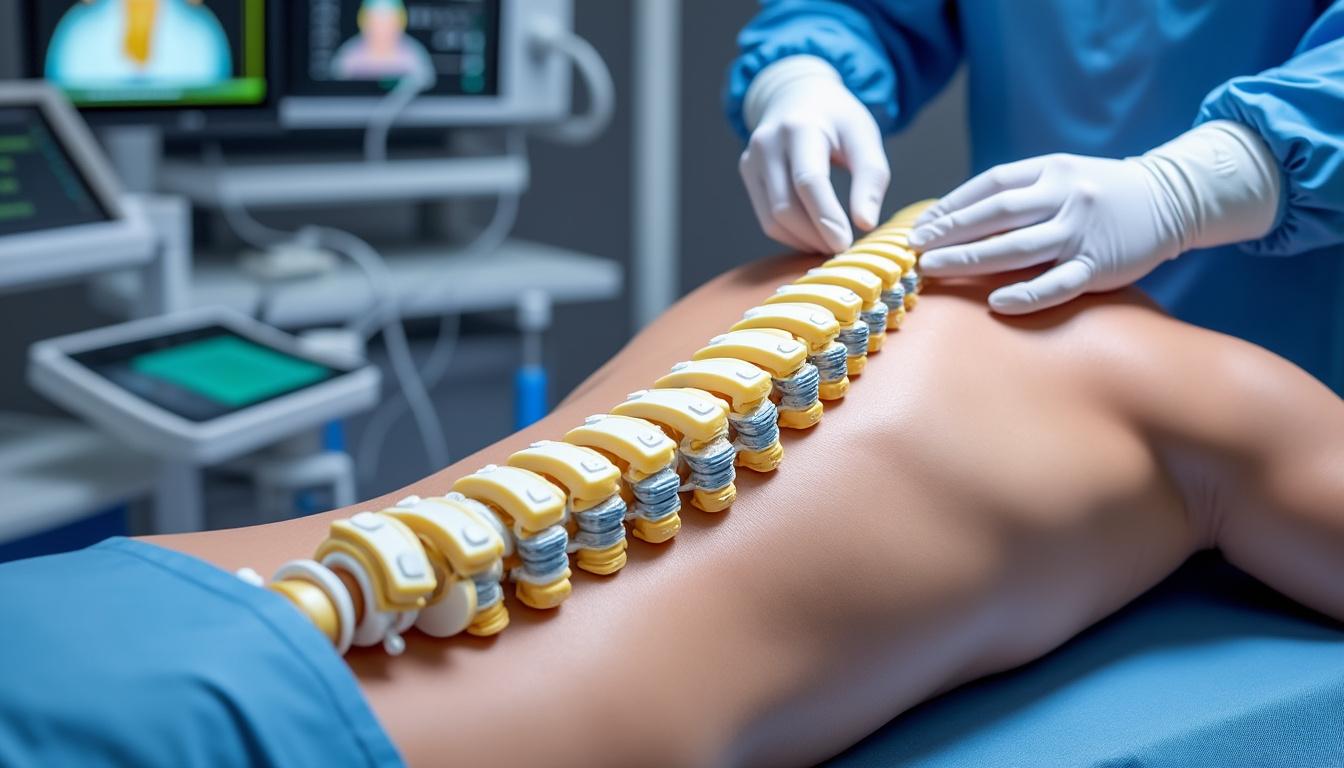
The certification and regulatory approval of medical devices directly influence innovation trajectories and the personalization of spinal surgery. Certified implants like TOPS and Intraspine exemplify the shift from traditional fusion techniques to dynamic stabilization that preserves vertebral mobility and reduces adjacent segment degeneration.
This focus on clinical innovation is supported by:
- Material advancements: Usage of composite materials and advanced surface treatments validated through rigorous testing improves implant longevity.
- Surgical technique compatibility: Devices validated for minimally invasive approaches allow reduced surgical trauma and faster patient recuperation.
- Functional preservation: Certified dynamic implants offer precise movement control post-surgery, preventing complications commonly seen with rigid fusions.
- Regulatory audits: Regular hospital inspections ensure adherence to up-to-date standards, prompting continuous refinement of clinical protocols.
| Implant | Certification | Clinical Benefits | Primary Indications |
|---|---|---|---|
| TOPS | CE & FDA | Maintains lumbar mobility, reduces adjacent degeneration risk | Lumbar stenosis, canal syndromes |
| Intraspine | CE | Dynamic stabilization, disc pressure reduction | Moderate vertebral instabilities |
| B-DYN | CE | Reduces facet joint stress, enhances postoperative comfort | Mild to moderate segmental arthrosis |
| Disc Prostheses | CE | Preserves segmental mobility, alleviates chronic pain | Cervical and lumbar disc herniations |
This paradigm shift toward device-driven personalized care is extensively supported by scientific literature and clinical experience. For further discussion of how certifications shape surgical decisions and outcomes, detailed expert analyses can be referenced at specialized clinical outcome resources.
Cousin Spine Technology and Franchir: Transforming Surgical Decision-Making
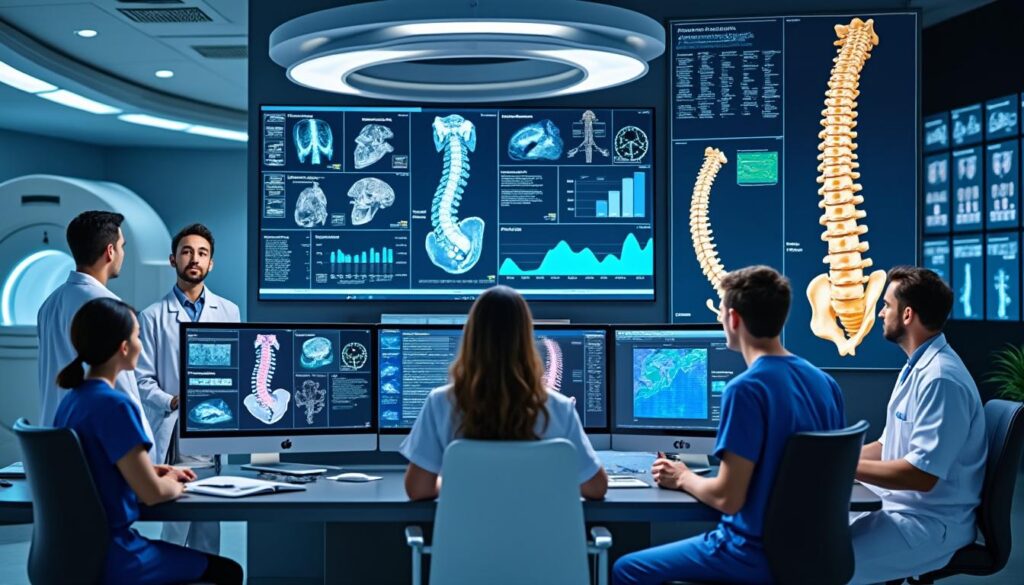
In recent years, the integration of advanced medical technologies has dramatically shifted how spinal surgeries are planned, performed, and managed. Among the transformative developments, the alliance between Cousin Spine Technology and Franchir stands out as a pioneering force redefining surgical…
Coordinating Transatlantic Patient Care: Logistics and Device Certification in Tandem
Successful integration of certified medical devices within surgical protocols depends heavily on meticulous organizational frameworks, particularly for international patients traveling for treatment. For patients from Quebec, a carefully managed journey orchestrates clinical expertise, device selection, and personal care.
Key logistical highlights include:
- Initial Assessment: Comprehensive medical evaluations by specialized teams, such as at TAGMED, focusing on conservative treatments balancing surgical indications.
- Tailored Placement: Selection of appropriate surgical centers equipped with certified implants and expert surgeons, facilitated by coordinators like Franchir.
- Travel and Accommodation Management: Optimized travel plans and lodging near treatment centers ensure patient comfort and access.
- Post-Surgical Support: Continuing care through services like Neurothérapie Montréal ensures recovery monitoring and pain management upon return home.
| Care Step | Responsible Entity | Description | Benefit to Patient |
|---|---|---|---|
| Medical Evaluation | TAGMED Team | Detailed dossier review and conservative therapy consideration | Appropriate surgical candidacy identification |
| Surgical Coordination | Franchir | Matching patient to expert surgeon and facility with certified devices | Maximized personalized care quality |
| Surgery | Specialized French Spine Surgeons | Utilization of CE and FDA certified implants with minimally invasive techniques | High-standard surgical outcomes |
| Recovery Follow-Up | Neurothérapie Montréal | Ongoing patient support and rehabilitation coordination | Improved long-term recovery |
Such well-orchestrated coordination is essential to deliver the full benefits of quality control and regulatory compliance, translating certifications into clinical success. Detailed guidance on surgical logistics and comprehensive care management is offered in resources emphasizing patient-centered frameworks, such as insights into patient care coordination.
Insights from Research on Preventing Post-Laminectomy Syndrome
Post-Laminectomy Syndrome (PLS), a chronic pain condition arising after spinal surgery, remains a formidable challenge in spinal surgery and pain management. Despite advances in surgical techniques, a significant subset of patients continues to experience persistent neuropathic pain and functional limitations,…
Patient Engagement in Regulatory Processes: Enhancing Device and Care Quality
Active patient involvement in healthcare decision-making has become a cornerstone of quality assurance policies and certification frameworks. Since the enactment of legislation promoting health democracy, such as France’s Kouchner Law, patients’ voices have been increasingly recognized as critical to advancing care quality and ensuring transparency.
Within healthcare facilities, structured entities like the Commission Des Usagers (CDU) provide platforms for patients to participate in quality monitoring and rights advocacy. Their involvement encompasses:
- Direct participation: Patients act as partners in clinical decision-making and quality improvement committees.
- Representation and oversight: Patient representatives engage in governance, ensuring care delivery aligns with regulatory mandates.
- Collaborative education: Trained patient experts contribute knowledge-based insights to staff training programs fostering mutual understanding.
The updated 2025 certification criteria incorporate these components as prerequisites for institutional accreditation, supporting comprehensive, participatory care models. By empowering patients, institutions foster trust and responsiveness that benefit both domestic and international patients undergoing spinal surgery.
| Engagement Mode | Role | Impact on Quality |
|---|---|---|
| Patient Surveys (e-satis) | Ongoing measurement of patient experience and satisfaction | Directed improvements in treatment pathways and service delivery |
| Patient Partners in Training | Participation in clinical teams’ educational initiatives | Enhanced communication and care understanding |
| Representation in Committees (CDU, CREX, RMM) | Monitoring rights and providing feedback on care quality | Supports transparency and continuous quality assurance |
This confluence of patient engagement and robust certification protocols is a hallmark of leading French healthcare institutions and a significant factor in their appeal to international patients seeking spine procedures.
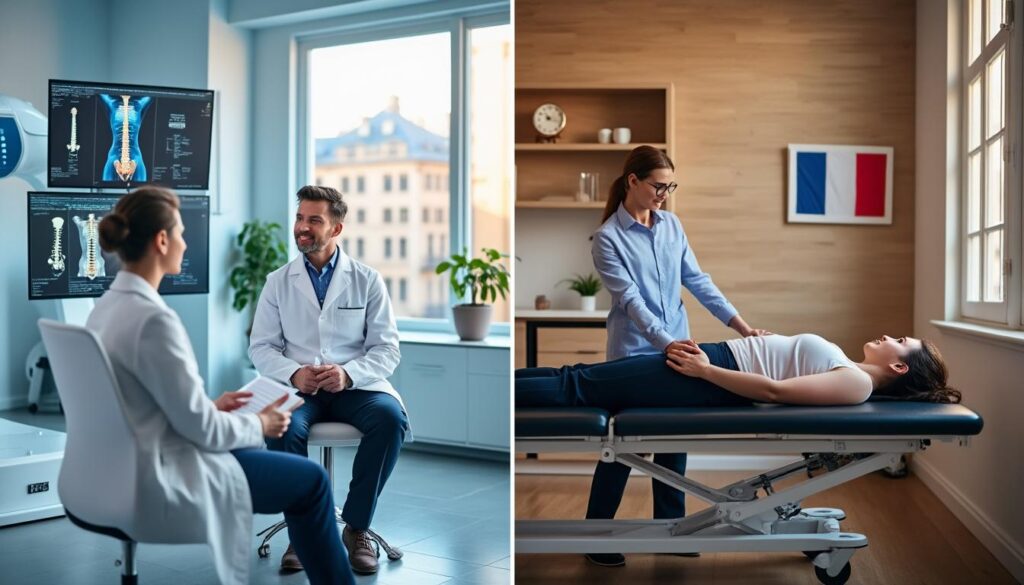
International Comparison: Spotlight on Spine Care Practices Between France and Quebec
The growing emphasis on spine health in Quebec has spotlighted the value of international collaboration in advancing patient care. With the challenges of prolonged wait times and high private care costs in Quebec, France emerges as an attractive alternative, boasting…
Evolution of Industry Standards and Regulatory Compliance in Device Manufacturing
Manufacturing quality standards directly influence the functional life and safety profile of spinal devices, underpinning regulatory certification efforts. Advances in materials science, precision engineering, and process controls have elevated expectations for implant performance and reliability.
Medical device manufacturers are subject to comprehensive quality system regulations like ISO 13485, which establishes requirements for design, manufacturing, and post-market support. Auditing bodies such as BSI provide ongoing oversight and training to uphold these standards.
Manufacturing processes include:
- Material Selection and Validation: Choosing biocompatible and durable materials validated through extensive laboratory and clinical testing.
- Process Control and Automation: Employing precision manufacturing techniques with in-line quality control checkpoints ensures reproducibility and defect minimization.
- Traceability Systems: Maintaining detailed records from raw materials to finished products ensures swift response to any adverse events.
- Continual Improvement Mechanisms: Implementing feedback loops integrating clinical and user data to refine manufacturing processes over time.
For manufacturers, partnering with specialized consultants offers insights into navigating evolving regulatory landscapes and optimizing quality control. Expertise from regulatory training providers and quality consulting firms helps bridge compliance gaps, accelerating product time-to-market while maintaining high standards.


Medical Logistics and Accommodation: Central Pillars in the Patient Care Journey
In the evolving landscape of global healthcare, the interplay between medical logistics and patient accommodation has become a cornerstone for effective and patient-centric care delivery. This synergy is particularly evident in the management of international patient journeys, where cross-border coordination,…
Expert Perspectives on Overcoming Certification Challenges
Industry veterans emphasize that achieving and maintaining device certification involves not only technical compliance but also strategic management of documentation, testing, and audit readiness. Common hurdles include aligning with diverse international regulations and updating quality management systems in response to evolving standards such as the EU MDR and IVDR.
Effective strategies recommended by experts encompass:
- Comprehensive Documentation: Maintaining detailed and auditable records for every phase of product development and manufacturing.
- Proactive Risk Management: Employing quantitative and qualitative tools to anticipate and mitigate device-related risks.
- Stakeholder Collaboration: Encouraging cross-functional cooperation between clinical, regulatory, and manufacturing teams enhances certification success.
- Continuous Staff Training: Investing in professional development keeps staff abreast of regulatory changes and quality best practices.
Adopting these approaches eases certification processes and bolsters device reliability, a message echoed in expert discussions and guidance documents accessible via sources like regulatory consulting platforms and quality management overviews from firms such as MDC Associates.
Aperçu du processus de certification des dispositifs médicaux
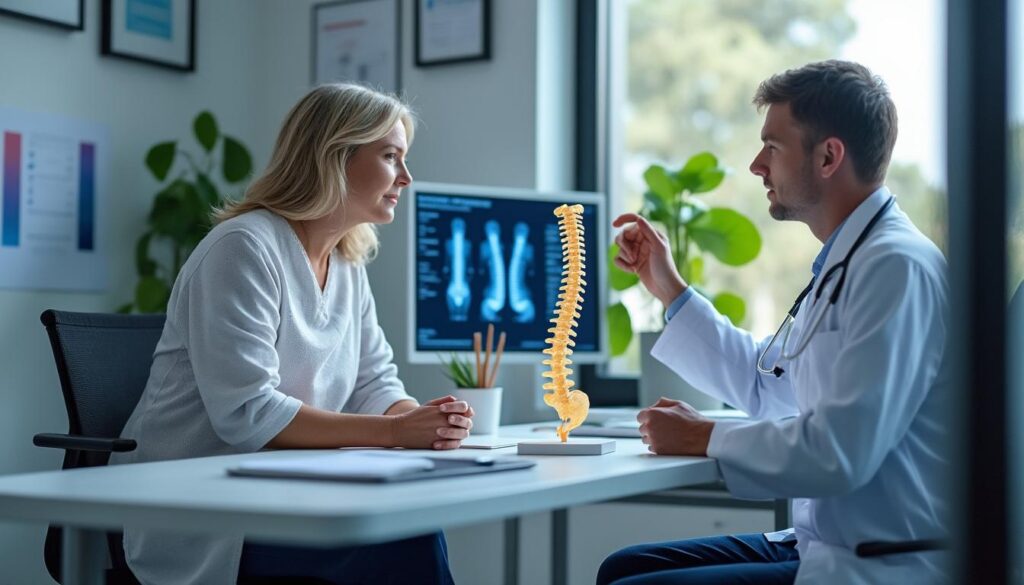
Comprehensive Guide to Eligibility Criteria for Back Surgery
The decision to undergo back surgery involves numerous complex considerations that extend beyond the presence of spinal discomfort. Through an international collaboration between healthcare experts in Quebec and France, patients facing severe spine conditions now have access to advanced surgical…
The Role of International Collaboration in Establishing Manufacturing Excellence
Global cooperation between regulatory bodies, manufacturers, and healthcare institutions has fostered a harmonized approach to quality and device certification. The mutual recognition of standards accelerates access to innovative spinal implants across multiple markets, benefiting patients worldwide.
International forums and working groups contribute to:
- Standard Development: Refining device safety and performance specifications to worldwide benchmarks.
- Best Practice Sharing: Disseminating effective quality management techniques and audit strategies across geographies.
- Training and Education: Delivering continuous learning resources to industry stakeholders to support regulatory adherence.
- Risk Reduction: Coordinating early warning systems for device-related adverse events globally.
Such initiatives enhance patient safety and streamline market access for spinal devices. Entities like EuroSpine and specialized consultancies offer ongoing education programs, details of which are accessible through resources like comprehensive guides on quality and certification.
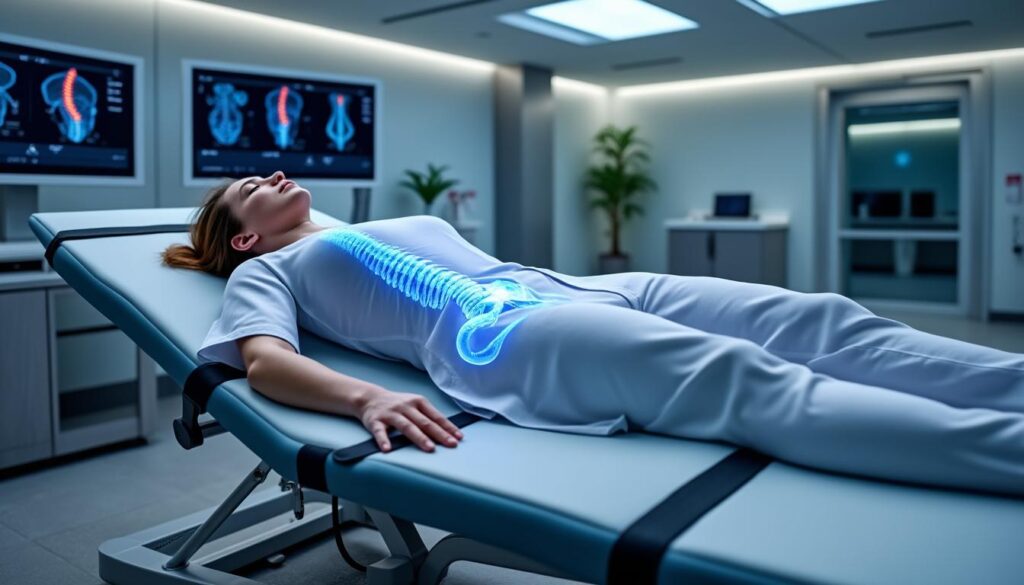
Unveiling the Hidden Benefits of Neurovertebral Decompression Therapy
Chronic back and neck pain remain pervasive health issues impacting millions, often leading to debilitating effects on daily life and overall well-being. Traditional management strategies frequently fall short due to lengthy wait times, high costs, or invasive procedures. Amid this…
Integration of Digital Innovations: Impact on Quality Control and Certification
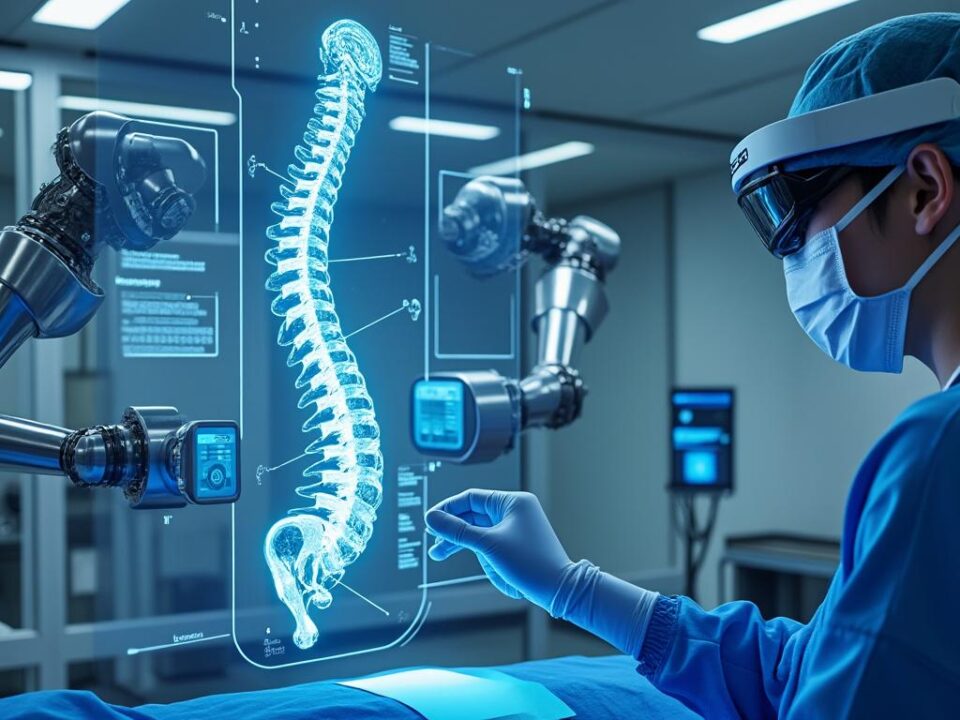
Digital technologies are revolutionizing medical device manufacturing and certification by enabling precise product design, production, and monitoring workflows. Tools such as 3D printing, robotic-assisted surgery platforms, and advanced imaging systems contribute significantly to device quality and personalized care.
Key digital integrations include:
- 3D Modeling and Printing: Custom implants with precise anatomical fit reduce complications and enhance outcomes.
- Robotic Navigation: Robots assist in implant placement, improving accuracy and reducing intraoperative risks.
- Real-Time Quality Monitoring: Sensors and automation detect deviations during manufacturing, ensuring defect-free devices.
- Data Analytics: Big data platforms analyze post-market device performance, informing continuous improvements and regulatory reporting.
The convergence of digital tech with regulatory frameworks necessitates updated compliance protocols, emphasizing new evaluation criteria and cybersecurity considerations. Emerging certification courses and training from international organizations are adapting curricula to this evolving landscape, as highlighted in training resources such as those offered by NSF.
How does medical device certification ensure patient safety?
Certification, including CE marking and FDA approval, ensures implants meet stringent criteria for safety, clinical performance, and manufacturing quality, providing high levels of patient protection.
What advantages do dynamic implants like TOPS offer compared to traditional fusion?
Dynamic implants preserve the mobility of the operated vertebral segment, reduce adjacent segment degeneration risks, and promote faster, more natural functional recovery.
How are patient testimonials incorporated into device improvements?
Patient feedback collected through tools like e-satis is analyzed to refine implants, guide team training, and enhance overall care quality.
What are the key steps for a Quebec patient planning spinal surgery in France?
Initial assessment by specialized teams such as TAGMED, personalized surgical coordination by Franchir, certified implant surgery by French specialists, and postoperative follow-up by Neurothérapie Montréal.
What is the role of the Commission Des Usagers in healthcare quality?
The CDU ensures respect for patient rights, facilitates their engagement in care processes, analyzes complaints, and supports continuous quality improvement within healthcare institutions.