IntraSPINE® in Sherbrooke: Personalized Minimally Invasive Procedure
November 26, 2025
Disc Herniation in Côte-des-Neiges–Notre-Dame-de-Grâce: Cutting-Edge Technologies and Neurovertebral Decompression Therapy Advances
November 26, 2025
In Terrebonne, chronic neck herniation presents a persistent challenge for many individuals striving to maintain quality of life amidst ongoing discomfort and limited mobility. As neck pain often stems from spinal disc herniation in the cervical spine, the need for innovative, evidence-based treatment methods has never been greater. Through a series of detailed case studies and clinical outcomes, healthcare experts illustrate how tailored interventions, including neurovertebral decompression and minimally invasive procedures, are transforming patient recovery trajectories. This comprehensive review highlights patient stories and data that underscore the importance of personalized management and the evolving landscape of rehabilitation strategies.
Spinal disc herniation involves the displacement of the disc material which can compress nerves in the neck, leading to radicular symptoms such as pain, numbness, and tingling. In Terrebonne, treatment approaches range from conservative physical therapies to advanced interventional techniques, all aimed at reducing pain while avoiding surgery whenever possible. The clinical evidence compiled here reflects both the successes and challenges faced by patients, providing a resource for residents and medical professionals alike who seek a deeper understanding of neck herniation care.
Comprehensive Evaluation of Cervical Spine Herniation: Clinical Case Analysis in Terrebonne
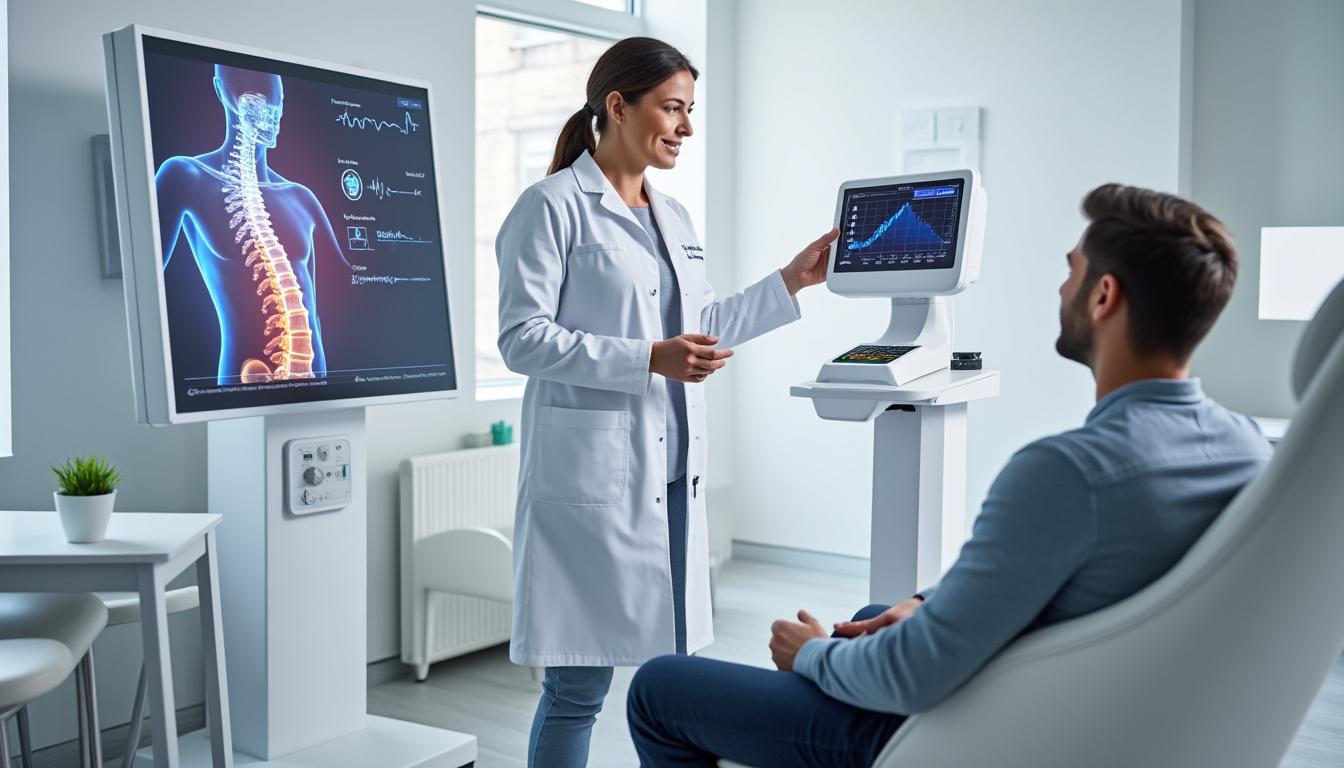
Cervical spine herniation affects adults across diverse age groups, with radicular pain being a common, debilitating symptom associated with nerve root compression. A thorough evaluation process plays a crucial role in determining the optimal treatment pathway. The expertise of Dr. Sylvain Desforges, recognized nationally for his 30+ years in spinal care and his leadership in osteopathy and alternative medical associations, is reflected in these detailed patient assessments at Clinique TAGMED in Terrebonne. His methodical approach involves combining clinical examination, patient history, and imaging techniques to establish a precise diagnosis without defaulting to surgical conclusions.
Typical case presentations include symptoms such as neck pain radiating into the arms, numbness along specific dermatomes, and functional impairment progressively limiting daily activities and physical exertion. For instance, one patient—a 41-year-old female athlete—reported persistent pain with shock-like sensations across the C7 dermatome, aggravated by routine fitness activities. Such detailed symptom mapping aligns with neurological examinations including a positive Spurling test, reinforcing suspicion of nerve root involvement. Magnetic Resonance Imaging (MRI) often confirms disc protrusion at C6-C7, with varying degrees of neural foraminal narrowing.
Key elements in the assessment protocol include:
- Symptom quantification and characterization: Using standardized tools like the Numerical Rating Scale (NRS) to evaluate baseline and activity-related pain.
- Neurological testing: Assessment of reflexes, muscle strength, and sensory changes to localize nerve root impairment.
- Imaging and its interpretation: MRI and fluoroscopic guidance combined with clinical findings enable targeted treatment planning.
| Clinical Parameter | Typical Findings for Cervical Herniation |
|---|---|
| Symptom Location | Neck pain radiating to arm, following dermatomal distribution (commonly C6 or C7) |
| Neurological Signs | Decreased reflexes, positive Spurling test, sensory deficits |
| Imaging Results | Disc protrusion or bulge at specific cervical levels with foraminal narrowing |
Such a structured evaluation framework strengthens decision-making and allows practitioners to consider both conservative and interventional options comprehensively. The inclusion of neurovertebral decompression as a treatment modality notably enhances patient outcomes in many cases documented in Terrebonne. Further details on these approaches are accessible through expert resources, including clinical case reports and articles such as those found at TAGMED’s protocol for avoiding neck surgery and neurovertebral decompression sessions in Terrebonne.
Boucherville Lumbar Disc Recovery Without Hospitalization
In the serene city of Boucherville, a transformative approach to treating lumbar disc conditions is reshaping patient experiences and redefining spinal care standards. This method focuses on delivering effective lumbar disc recovery without the need for hospitalization, combining modern technology,…
Minimally Invasive Techniques for Treating Cervical Disc Herniation: Exploring Percutaneous Laser Disc Decompression
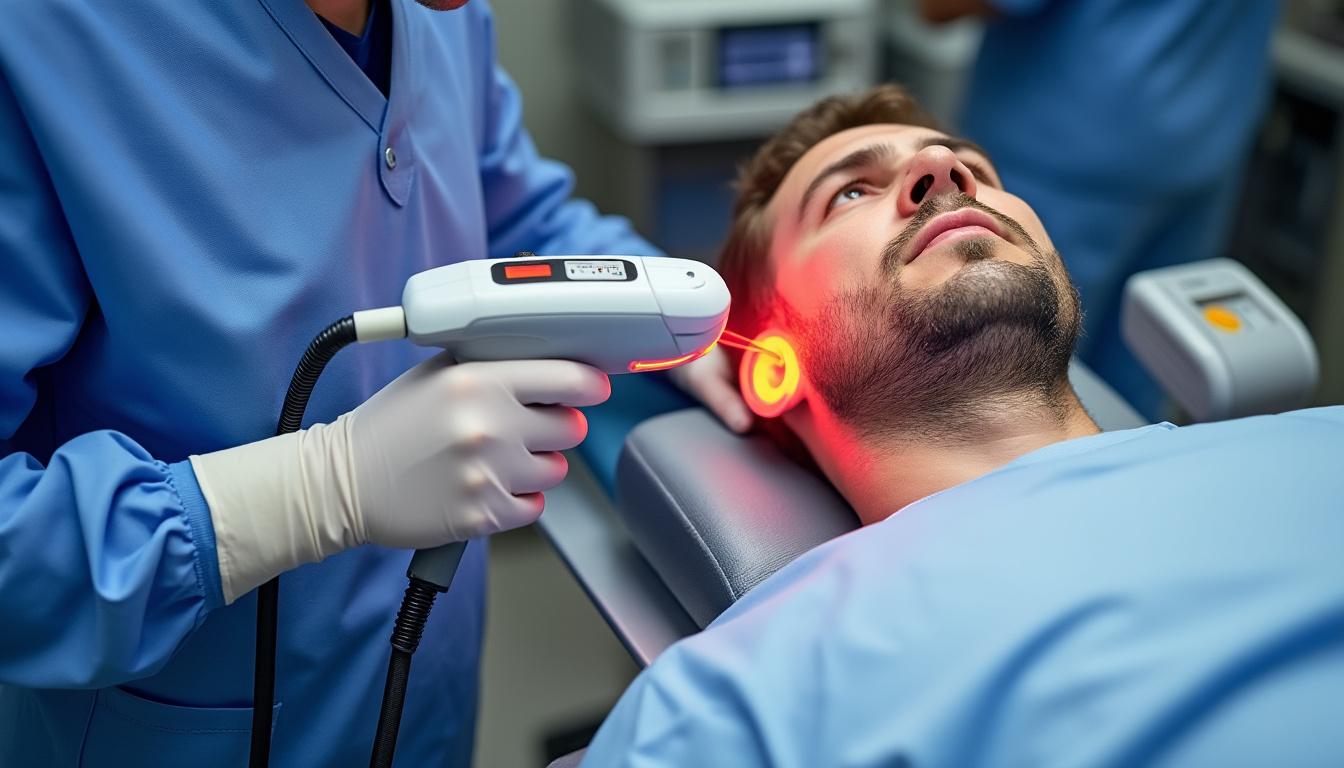
One of the forefront innovations in cervical spine care is Percutaneous Laser Disc Decompression (PLDD), which serves as a safe and minimally invasive alternative for patients who have not improved following conservative management. This intervention is gaining traction in Terrebonne among patients desiring shorter recovery periods and reduced procedural risks relative to traditional surgeries.
PLDD involves the insertion of a laser fiber through a fine needle into the affected disc to reduce intradiscal pressure by vaporizing nucleus pulposus tissue. The targeted tissue reduction alleviates nerve root compression, thereby diminishing radicular pain. The procedure is conducted under local anesthesia with fluoroscopic guidance, making it suitable for outpatient settings.
Essential indications for choosing PLDD include:
- Confirmed contained cervical disc herniation without significant disc sequestration.
- Persistent radicular pain unresponsive to physical therapy, medications, and other non-surgical interventions.
- Patient preference for a minimally invasive approach with quicker return to daily activities.
For example, a specific case of a 41-year-old woman in Terrebonne who underwent PLDD on a C6-C7 herniation reported remarkable improvement by 4 weeks: pain-free at rest and during light activities, with mild residual paresthesia. By 8 weeks, the patient had fully resumed intense physical activity with no residual symptoms. Such outcomes underscore PLDD’s value in comprehensive patient-centered care protocols.
| PLDD Procedure Phases | Description |
|---|---|
| Patient Preparation | Positioning, sedation with IV propofol for anxious patients, sterilization |
| Needle Insertion | Fluoroscopically guided needle placement into nucleus pulposus, avoiding vital structures |
| Laser Application | Optical fiber insertion and energy delivery to vaporize disc material |
| Post-procedure Monitoring | Vital sign tracking, early mobilization advice, infection prophylaxis |
Better understanding of such treatment methods can be found in published detailed case study analyses, such as the articles available on NYSORA’s cervical hernia case study and the surgical perspective provided by OrthoManhattan’s clinical cases.
Blainville Sciatica Relief in Professional Athletes
Sciatica pain is a significant challenge for many, particularly professional athletes in Blainville who rely on peak physical condition to perform. Chronic sciatic nerve discomfort can sideline even the most dedicated sports professionals, impacting their athletic performance, injury recovery, and…
Neurovertebral Decompression Therapy in Terrebonne: Case Outcomes and Patient Experiences
Neurovertebral decompression has become a cornerstone in managing spinal disc herniation for many patients in Terrebonne. This non-surgical mechanical therapy uses specialized traction tables to gently elongate the spine, targeting reduction of disc pressure and promoting retraction of herniated material. With its appeal rooted in safety and efficacy, it exemplifies Dr. Sylvain Desforges’ commitment to evidence-based and patient-centric care.
Clinical outcomes from diversified patient profiles receiving decompression therapy at TAGMED over recent years reveal consistent improvements in:
- Reduction of neck and arm pain intensity
- Improvement in neck mobility and functional capacity
- Decreased reliance on analgesics and anti-inflammatory medications
- Enhanced quality of life through return to sport and work
One study demonstrated positive dynamic changes in the intervertebral foramen during active cervical therapeutic exercises combined with decompression, as detailed in a recent report accessible via Springer Link’s outcomes analysis. These findings highlight how integrative strategies combining manual therapies with advanced decompression protocols yield superior rehabilitation results.
| Outcome Measures | Pre-Treatment | Post-Treatment |
|---|---|---|
| Pain (NRS Scale) | Average 7/10 | Average 2/10 |
| Neck Range of Motion | Reduced by 30% | Improved by 45% |
| Analgesic Use | Frequent | Rare or none |
This therapy is often supplemented by patient education regarding posture correction, ergonomic adjustments, and personalized home exercise programs, reinforcing the holistic model endorsed by Dr. Desforges. Insights into non-surgical care pathways in surrounding regions further enrich understanding, such as the experiences of patients documented on platforms addressing cervical herniation treatment without surgery in Blainville and advanced protocols in Saint Eustache.
Repentigny Neck Pain Solutions Without Surgery
In Repentigny and the greater Québec area, chronic neck pain has emerged as a pervasive challenge that profoundly disrupts daily life and well-being for many adults. Neck discomfort caused by cervical disc problems—ranging from mild irritation to severe herniation—can restrict…
Long-Term Rehabilitation and Return to Function After Neck Herniation in Terrebonne
Rehabilitation following an episode of neck herniation is pivotal to restoring full function and preventing relapse. The recovery phase involves graded exercise programs, therapeutic modalities, and active patient participation under professional guidance. Dr. Sylvain Desforges’ expertise is exemplified in tailoring rehab protocols that balance mechanical decompression benefits with musculoskeletal strengthening.
Typical rehabilitation components include:
- Gradual cervical strengthening exercises: Aimed at stabilizing the cervical spine and supporting intervertebral structures.
- Range of motion enhancement: Activities to restore neck flexibility without exacerbating symptoms.
- Neuromuscular re-education: Training patients for precise motor control to avoid future injury.
- Ergonomic and lifestyle modifications: Advice on work and home setup to minimize strain.
| Rehabilitation Phase | Key Objectives | Typical Duration |
|---|---|---|
| Acute Phase | Pain control, gentle mobilization | 1-3 weeks |
| Subacute Phase | Strengthening, range of motion restoration | 3-8 weeks |
| Maintenance Phase | Endurance, prevention of recurrence | 8+ weeks |
Clinical evidence supports that a well-monitored rehab plan significantly reduces disability scores and improves quality of life. Reports such as the one available on JOSPT cases provide practical insights into successful rehab after cervical disc herniation. Moreover, Dr. Desforges’ interdisciplinary coordination includes communication with spine surgeons and international centers to ensure optimized patient recovery trajectories.

Brossard Chronic Back Pain Managed with TAGMED Protocol
Residents of Brossard facing chronic back pain are increasingly turning to innovative treatments that offer hope beyond traditional therapies. The TAGMED Protocol, developed and implemented by renowned expert Dr. Sylvain Desforges, represents a breakthrough in non-surgical spinal therapy. This comprehensive…
Scientific Rigor and Ethical Practice in Neck Herniation Care: The Role of Evidence-Based Medicine in Terrebonne
Adhering to the highest scientific and ethical standards in patient care is a hallmark of Dr. Sylvain Desforges’ clinical practice. In Terrebonne, the integration of evidence-based medicine principles ensures that all treatment methods, including decompression and laser procedures, comply with Quebec and Canadian medical regulations. Dr. Desforges leverages his formal education (B.Sc., D.O., N.D.) and leadership roles to safeguard patient safety while fostering innovation.
This dedication is reflected in:
- Strict adherence to clinical guidelines: Following recommendations from the Collège des médecins du Québec regarding spinal disorder management.
- Regular incorporation of up-to-date research: Utilizing peer-reviewed literature and multi-disciplinary consensus models.
- Transparent communication: Clearly explaining indications, alternative options, potential risks, and expected benefits to both patients and healthcare professionals.
- Meticulous procedural protocols: Sterility, prophylaxis, and optimized patient monitoring to minimize complications.
| Protocol Component | Purpose |
|---|---|
| Pre-procedure assessment | Ensure patient suitability and exclusion of contraindications |
| Informed consent | Patient awareness and autonomous decision-making |
| Continuous monitoring | Immediate detection of adverse events |
| Post-procedure follow-up | Evaluate efficacy and address complications |
By maintaining this framework, Dr. Desforges’ practice in Terrebonne stands out as a model for combining innovation with responsibility. Interested readers may refer to extensive resources on clinical outcomes and ethical treatment, for example, the report available on biomedcentral’s study on surgical outcomes.
Terrebonne Neck Herniation Care for Older Adults
In Terrebonne, the increasing prevalence of neck herniation among older adults presents significant challenges to maintaining quality of life and independence. This condition, primarily involving the deterioration or displacement of cervical discs, often leads to debilitating pain and restricted mobility.…
International Collaboration and Transatlantic Coordination in Cervical Herniation Management
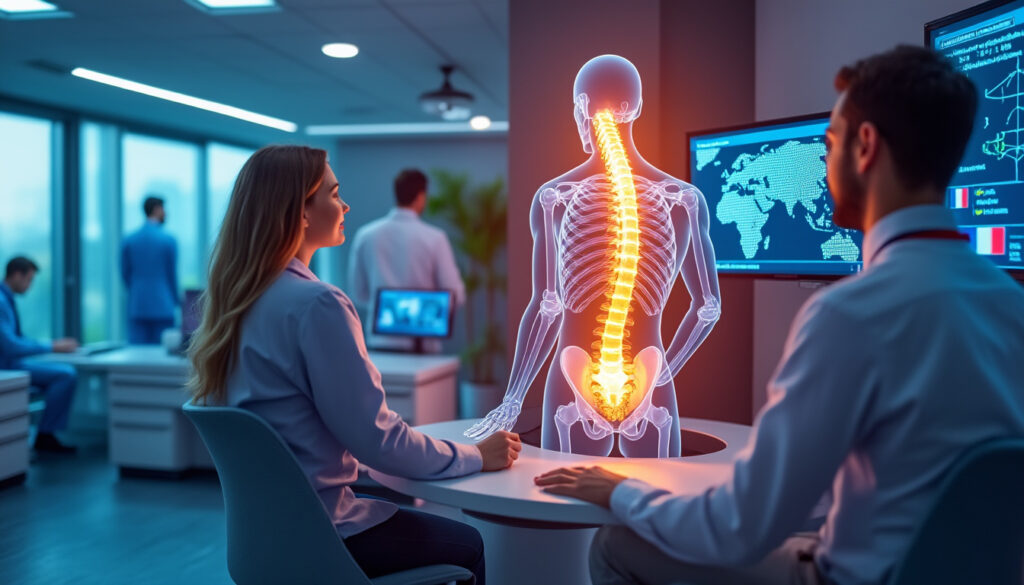
The global nature of modern healthcare increasingly encourages partnerships between Canadian and European providers, enhancing access to cutting-edge treatments and multidisciplinary opinions. Dr. Sylvain Desforges has pioneered collaborative models linking Terrebonne-based clinics with expert surgeons and research centers in France, facilitating expedited patient journeys and confirming best practices.
Key benefits of this international coordination include:
- Optimized treatment timelines: Reduced wait periods for surgical consultations and advanced interventions.
- Access to innovative implants and surgical techniques: Availability of dynamic spinal implants and minimally invasive options not yet widespread in Canada.
- Comprehensive patient support: Multilingual patient education, travel assistance, and continuity of care across borders.
- Integration with medical tourism platforms: Leveraging networks like SOS Tourisme Médical to streamline care pathways.
| Collaborative Aspect | Contribution to Patient Care |
|---|---|
| Shared Clinical Protocols | Harmonized treatment plans ensuring consistency |
| Remote Consultations | Enhanced diagnostic confirmation and second opinions |
| Patient Transport Coordination | Facilitated seamless transitions between countries |
| Post-treatment Follow-up | Personalized monitoring and adjustment of care |
This international approach reflects the commitment to individualizing spinal disc herniation care while maintaining global standards. Detailed insights into these initiatives are discussed on platforms including SOS Tourisme Médical, which Dr. Desforges collaborates with for patient referrals and ongoing support.
Laval Sciatica Recovery After Failed Injections
Living with sciatica can be a debilitating experience, especially when common treatments like injections fail to bring the relief patients hope for. In Laval and across Québec, many individuals suffering from this nerve pain find themselves at a crossroads after…
Distinctive Features of TAGMED’s Neck Herniation Protocol in Terrebonne
Among regional options, the care delivered by Dr. Sylvain Desforges and the TAGMED Clinics stands out for its holistic, science-driven, and technology-supported solutions. The clinic’s unique offerings include the integration of dynamic spinal implants, laser-based minimally invasive procedures, and neurovertebral decompression combined with personalized osteopathic care. This multidimensional protocol ensures every patient benefits from tailored strategies that address their specific spinal pathology.
Features that differentiate TAGMED include:
- Access to cutting-edge technologies: Including spinal decompression tables with dynamic adjustment capabilities and laser platforms designed for precision disc treatments.
- Highly experienced multidisciplinary team: Coordinated by Dr. Desforges, bringing expertise in osteopathy, naturopathy, and clinical rehabilitation.
- Inclusive preoperative and postoperative care: Comprehensive support encompassing pain management, physiotherapy, and ergonomic guidance.
- Emphasis on patient education: Transparent explanation of treatment options, expected outcomes, and self-care techniques.
| Service Component | Added Value |
|---|---|
| Innovative Treatment Technologies | Increased precision and safety in intervention |
| Experienced Leadership | Guided by an expert with 30+ years of clinical experience |
| Comprehensive Care Pathways | Seamless patient journey from assessment to rehabilitation |
| Patient Empowerment | Focus on education and engagement for sustainable results |
Residents interested in exploring this protocol can find more information on recovery without hospitalization or medication at chronic neck pain relief using decompression therapy and ongoing clinical outcomes shared through reputable case study repositories.
Montreal Chronic Neck Pain Solutions Without Invasive Care
Chronic neck pain affects countless individuals across Montreal and beyond, often leading to frustration due to persistent discomfort and limitations in daily activities. While invasive surgical options exist, many patients seek safer, more natural alternatives that focus on relief without…
Patient-Centric Communication and Support throughout the Neck Herniation Care Journey
At the core of quality spinal care is empathetic and clear communication, which Dr. Sylvain Desforges prioritizes. Understanding that every patient’s situation is unique, TAGMED’s approach aims to inform and motivate patients throughout their treatment journey.
Effective communication strategies implemented include:
- Simple explanation of complex medical terms: Avoiding jargon to ensure comprehensive understanding.
- Personalized consultation sessions: Allowing patients to express concerns and receive tailored advice.
- Access to educational materials: Including articles, videos, and FAQ resources.
- Encouragement of patient engagement: Motivation to ask questions and actively participate in decision-making.
| Communication Aspect | Patient Benefit |
|---|---|
| Clear Language Use | Improved understanding and trust |
| Empathetic Listening | Emotional reassurance and reduced anxiety |
| Educational Support | Empowers self-care and compliance |
| Prompt Response to Queries | Enhanced patient satisfaction and timely intervention |
Such an approach ensures that patients in Terrebonne feel supported every step of the way, from initial consultation to full recovery. This ethos is reflected in patient testimonials and ongoing case study outcomes published on platforms like Longueuil neck herniation recovery experiences, underscoring the human side of advanced spinal care.
What are the primary symptoms of cervical spine herniation?
Common symptoms include neck pain radiating into the arms, numbness, tingling in the dermatomal areas, and sometimes muscle weakness due to nerve root compression.
How does Percutaneous Laser Disc Decompression differ from traditional neck surgery?
PLDD is minimally invasive, performed under local anesthesia, and involves laser treatment to reduce disc size, resulting in less tissue disruption, faster recovery, and fewer complications compared to open surgery.
Can neurovertebral decompression therapy replace surgery for everyone?
While neurovertebral decompression provides significant benefits for many, its effectiveness depends on the herniation type and severity. Comprehensive evaluations determine suitable candidates to optimize treatment outcomes.
What role does patient education play in neck herniation recovery?
Patient education is crucial for understanding their condition, adhering to treatment plans, performing home exercises safely, and making lifestyle adjustments that support long-term spinal health.
How does international coordination improve patient care in Terrebonne?
International partnerships enhance access to innovative treatments, expert consultations, and personalized patient journeys, ensuring optimally timed interventions and comprehensive follow-up care.
Candiac Lumbar Disc Care Without Steroid Injections
Back pain caused by lumbar disc issues is a widespread condition affecting adults globally, posing significant challenges in everyday activities and overall quality of life. In Candiac and the greater Québec region, the quest for effective spinal care solutions has…