Terrebonne Neck Herniation Case Studies and Outcomes
November 26, 2025
Conservative Treatments vs Surgery: A Clear Guide for Quebec Patients
November 26, 2025
In the vibrant urban areas of Côte-des-Neiges–Notre-Dame-de-Grâce, persistent back pain caused by disc herniation remains a significant health challenge for many residents. This condition frequently undermines daily functioning and overall quality of life, especially for active individuals balancing hectic professional and personal demands. As traditional treatments face limitations, particularly in surgical wait times and recovery complications, recent breakthroughs in technology have introduced promising alternatives. Among these, neurovertebral decompression therapy stands out as a non-invasive, innovative approach offering effective relief while preserving spinal anatomy and function.
With the support of advanced diagnostic imaging and expert clinical evaluation, notably at the Clinique TAGMED, patients receive personalized treatment plans tailored to their unique spinal disorders. This aligns with cutting-edge spinal care approaches that prioritize safety, patient comfort, and ongoing monitoring. Simultaneously, the broader community benefits from a multidisciplinary strategy integrating osteopathy, physiotherapy, and neurologic expertise. This holistic management is reshaping spine care realities in Côte-des-Neiges–Notre-Dame-de-Grâce, making it a hub for advanced treatment and scientific innovation.
In this article, we explore the dynamics of disc herniation in this densely populated region, examine the progressive role of neurovertebral decompression, and highlight the contributions of experts like Dr. Sylvain Desforges, who bring over 35 years of clinical excellence to spinal therapy. We will also detail emerging minimally invasive techniques, international collaborations, and practical prevention strategies valuable to patients and healthcare providers alike.
Understanding Disc Herniation: Symptoms and Diagnostic Advances in Côte-des-Neiges–Notre-Dame-de-Grâce
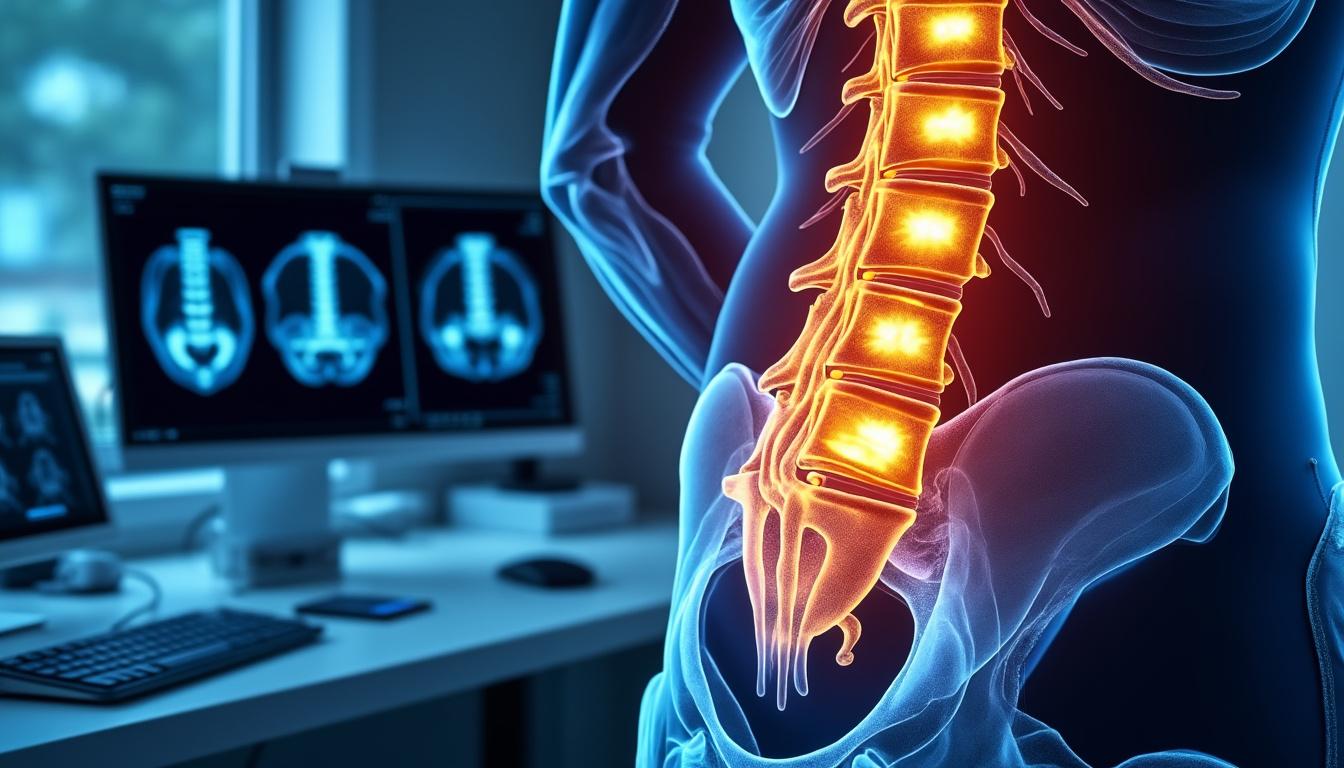
Disc herniation occurs when the soft inner material of an intervertebral disc pushes through a tear in the tougher exterior. This can irritate or compress nerves, causing symptoms ranging from localized back pain to radiating leg discomfort, numbness, or muscle weakness. In Côte-des-Neiges–Notre-Dame-de-Grâce, where urban lifestyles intensify physical strain and stress, the prevalence of these spinal disorders is notably high.
The classic clinical manifestations include:
- Severe lumbar pain: Often localized but sometimes radiating along the sciatic nerve, leading to sciatica symptoms.
- Neurological sensations: Tingling or numbness caused by nerve irritation.
- Muscle weakness: Diminishing patient mobility and posing risks such as impaired balance.
- Decreased spinal flexibility: Limiting functional movement like bending or rotation.
For precise diagnosis, thorough clinical evaluation combined with high-resolution imaging techniques such as MRI are indispensable. These tools help differentiate disc herniation from related conditions like bulging discs or spinal stenosis, ensuring targeted treatment. At Clinique TAGMED, this expertise is leveraged for accurate detection and individualized patient care.
| Symptom | Origin | Clinical Impact |
|---|---|---|
| Back Pain | Nerve compression by herniated disc | Limits daily activities and mobility |
| Sciatica | Irritation of sciatic nerve | Radiating leg pain, difficulty walking |
| Numbness | Partial nerve injury | Reduced sensation |
| Muscle Weakness | Motor nerve impairment | Increased fall risk, impaired posture |
Understanding the multifaceted nature of these symptoms helps patients and clinicians pursue the most appropriate treatment route, a process enhanced by comprehensive evaluations and patient-specific data.
IntraSPINE® in Sherbrooke: A Long-Lasting Solution for Chronic Lower Back Pain
Chronic lower back pain remains one of the most pressing health concerns in Sherbrooke and beyond, impacting millions and often diminishing daily quality of life. Despite the prevalence of lumbar discomfort, many face limited access to cutting-edge treatments amidst lengthy…
Neurovertebral Decompression: Principles and Clinical Benefits for Herniated Disc Patients
Neurovertebral decompression typifies a major advance in spinal therapy by addressing herniated discs through controlled mechanical traction that gently reduces internal disc pressure. This treatment encourages the retraction of protruded disc material, alleviating nerve compression while promoting disc hydration and regeneration.
The technique’s principal advantages include:
- Non-invasive methodology: No surgical incision or anesthesia needed, minimizing risks.
- Significant pain relief: Reduction in nerve irritation leads to symptom alleviation.
- Improved spinal mobility: Restored disc height and flexibility support daily function.
- Customized traction settings: Adapted to individual tolerance and pathology specifics.
- Complementary to rehabilitation: Supports integration with osteopathy, physiotherapy, and exercise programs.
Clinically, around 86% of patients receiving neurovertebral decompression at specialized centers such as TAGMED report meaningful improvement, affirming its role in non-surgical treatment models. The safety profile is also favorable, with minimal side effects and swift recovery timelines compared to traditional surgical options.
| Feature | Benefit | Clinical Outcome |
|---|---|---|
| Non-invasive | Reduced risk of infection and postoperative complications | Faster recovery without activity interruption |
| Controlled segmental traction | Targeted decompression of affected disc | Maximized relief and disc healing |
| Session-based therapy | Gradual adaptation to patient needs | Enhanced comfort and adhesion to treatment |
| Stimulated disc regeneration | Improved local circulation and hydration | Long-term structural benefits to the spine |
Exploring the nuances of neurovertebral decompression therapy’s impact reveals its unique combination of scientific rigor and personalized care that ensures patients are not just treated but supported throughout their journey.
Typical Neurovertebral Decompression Session: Step-by-Step Experience
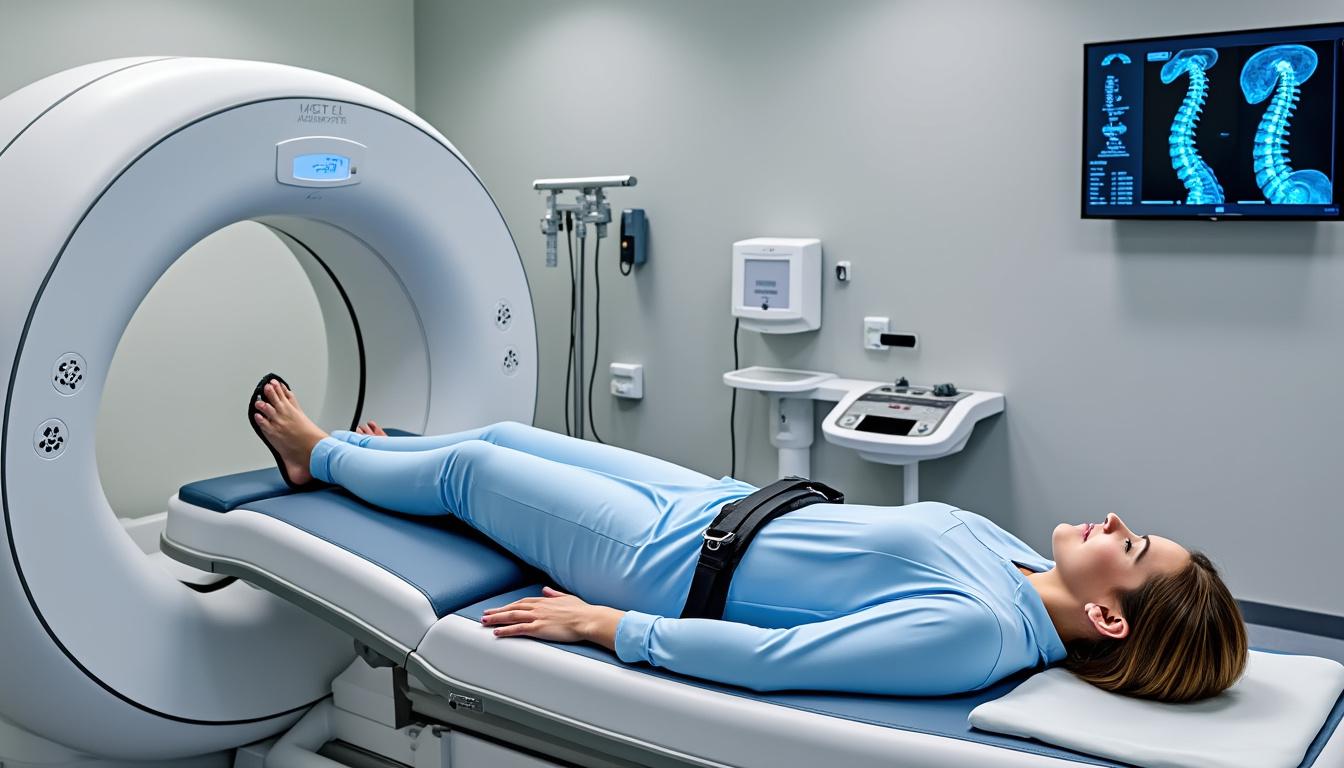
A typical session at the TAGMED Clinic involves:
- Patient positioning: Secure placement on a specialized traction table with adjustable harnesses.
- Customization: Precise setting of traction force based on clinical assessment and patient tolerance.
- Gradual traction application: Segment-specific mechanical stretch focused on the symptomatic spinal area.
- Continuous monitoring: Therapist observes patient response, modifying parameters as necessary.
- Patient relaxation: Sessions last 30 to 45 minutes in a calm environment to maximize comfort.
A full treatment course generally comprises 20 to 25 sessions spanning several weeks, delivering a progressive and pain-managed recovery. Such an approach aligns with Dr. Sylvain Desforges’ philosophy of combining innovative care with empathic patient support.
Herniated Disc Care in Sainte-Julie: Why TAGMED’s Neurovertebral Decompression Therapy Stands Out
In the vibrant community of Sainte-Julie, back pain—particularly that stemming from herniated discs—has become a widespread concern affecting people from all walks of life. The relentless search for effective, non-invasive treatments has brought renewed attention to a pioneering therapy that…
Clinique TAGMED: Leader in Advanced Spinal Therapy near Côte-des-Neiges–Notre-Dame-de-Grâce
Located near the heart of Montreal’s Côte-des-Neiges and Notre-Dame-de-Grâce neighborhoods, Clinique TAGMED operates at the forefront of spinal disorder management. Under the guidance of Dr. Sylvain Desforges, B.Sc., D.O., N.D., the clinic leverages over 30 years of expertise to deliver comprehensive, technology-driven treatments for herniated discs.
TAGMED’s strengths include:
- State-of-the-art equipment: Computerized spinal decompression tables that provide tailored, precise traction therapy.
- Multidisciplinary team: Osteopaths, physiotherapists, neurologists collaborating to manage patients holistically.
- Advanced imaging techniques: Integration of MRI and radiographic evaluation for refined diagnosis and monitoring.
- Patient-centered care: Individualized programs adjusting to patient progress and needs.
- Geographical accessibility: Proximity to Côte-des-Neiges allowing easy, continuous care.
| Aspect | TAGMED Advantage | Patient Benefit |
|---|---|---|
| Technology | Computerized decompression tables | Enhanced precision and patient comfort during therapy |
| Team | Multidisciplinary expertise | Comprehensive, coordinated care addressing all facets of spinal health |
| Diagnostics | High-resolution MRI access | Accurate diagnosis improves treatment outcomes |
| Patient Follow-up | Responsive treatment adaptations | Optimized therapeutic effectiveness |
| Location | Near Côte-des-Neiges | Convenient access supporting better treatment adherence |
This integration of expertise, technology, and personalized care underpins TAGMED’s recognition as a leader in advanced spinal therapy, illustrating the impact an innovative and ethical approach can have on patient well-being.
Back Surgery in Trois-Rivières: Alleviating Pain While Preserving Mobility
In Trois-Rivières, Quebec, the persistence of back pain affects a substantial portion of the population seeking effective and personalized solutions. Back pain, often caused by spinal disorders or herniated discs, can drastically diminish quality of life, limiting mobility and causing…
Comparative Overview of Treatment Options for Disc Herniation in Côte-des-Neiges–Notre-Dame-de-Grâce
The choice of treatment for herniated discs must consider symptom severity, disc condition, and patient preference. The following comparison highlights key differences among available therapies:
| Treatment Modality | Invasiveness | Duration | Risks | Efficacy | Recovery Timeline |
|---|---|---|---|---|---|
| Neurovertebral decompression | Non-invasive | 4–6 weeks | Low | High for uncomplicated hernias | Rapid, minimal downtime |
| Microsurgery (e.g., microdiscectomy) | Invasive | Single procedure + extended rehab | Moderate to high | Variable | Weeks to months |
| Medication (Anti-inflammatories, analgesics) | Non-invasive | Variable, often prolonged | Potential side effects | Temporary symptom relief | No work interruption necessary |
| Physiotherapy & Osteopathy | Non-invasive | 6–12 weeks | Low | Good for symptomatic management | Progressive with no time off |
This summary validates neurovertebral decompression as a compelling first-line intervention in many cases, blending scientific evidence with patient comfort and promising outcomes.
Disc herniation remains a significant health concern in Pointe-Claire, impacting the lives of a diverse population ranging from labor-intensive workers to the aging community. The condition, characterized by the displacement or rupture of the intervertebral disc, often leads to debilitating…
Emerging Minimally Invasive Surgical Innovations Near Côte-des-Neiges: The German Technique at Gosselies
For patients requiring surgical intervention, novel minimally invasive techniques are advancing rapidly. At Gosselies, Belgium, specialists utilize a refined endoscopic German technique that allows herniated disc removal through tiny incisions, significantly reducing trauma and postoperative discomfort.
Key features of this technique include:
- Minuscule incisions: Typically just a few millimeters, sparing muscle and soft tissues.
- Reduced bleeding risk: Targeted, delicate surgical approach minimizes hemorrhage.
- Lower infection rates: Fully closed surgery decreases tissue exposure.
- Faster recovery: Brief hospitalization and expedited return to daily activities.
- High surgeon expertise: Specialized training ensures procedural safety and efficacy.
While still more invasive than neurovertebral decompression, this procedure offers an essential option for refractory cases. Patients near Montréal and beyond benefit from international coordination facilitating access to such advanced care, overseen by experts like Dr. Sylvain Desforges.
TOPS™ in Gatineau: A High-Performance Solution for Lumbar Spine Care
In a region where chronic back pain increasingly affects quality of life, the quest for advanced and effective lumbar spine treatments is paramount. Lumbar spinal stenosis, a prevalent condition among Quebec’s aging population, often imposes persistent discomfort and mobility limitations.…
Preventive Strategies for Maintaining Healthy Spine Function in Côte-des-Neiges–Notre-Dame-de-Grâce
Prevention is paramount when addressing the long-term burden of disc herniation in an urban setting characterized by sedentary work and lifestyle stressors. Implementing simple, effective measures supports spinal health and mitigates recurrence risk.
Recommended practices include:
- Maintain proper posture: Use lumbar supports and avoid prolonged sitting to alleviate pressure on spinal discs.
- Regular physical activity: Engage in low-impact exercises such as swimming, walking, or yoga to strengthen spinal muscles and improve flexibility.
- Safe lifting techniques: Employ proper biomechanics like bending knees and hips rather than the back when handling loads.
- Weight management: Maintain healthy body weight to reduce mechanical stress on the spine.
- Stress management: Incorporate relaxation and mindfulness practices to decrease muscular tension exacerbating back pain.
| Preventive Measure | Implementation | Benefit to Spine Health |
|---|---|---|
| Posture correction | Lumbar support cushions; ergonomically designed chairs | Reduces spinal loading and disc compression |
| Physical exercise | Swimming, yoga, daily walking routines | Strengthens core and improves spinal flexibility |
| Lifting techniques | Using legs instead of back to lift | Prevents injury and herniation risk |
| Weight control | Balanced nutrition and active lifestyle | Decreases mechanical pressure on discs |
| Stress reduction | Mindfulness, relaxation exercises | Lowers muscle tension and pain |
Implemented consistently, these tips serve as vital components in preserving spinal integrity and reducing the socioeconomic impact of back disorders in Côte-des-Neiges–Notre-Dame-de-Grâce communities.
At Gouin Clinic, the landscape of herniated disc therapy has entered a transformative era marked by the integration of Personalized Treatment Plans and breakthrough Neurovertebral Decompression Therapy. This non-surgical approach is revolutionizing how spinal disorders are managed, offering patients an…
Economic and Social Ramifications of Disc Herniation Treatment in the Grand Montréal Area
The consequences of disc herniation extend beyond individual discomfort, significantly affecting economic productivity and social dynamics. Direct healthcare expenses from surgery, hospitalization, medication, and rehabilitation impose a financial strain on both public and private sectors.
Additional societal factors include:
- Work absenteeism: Loss of income and decreased workforce productivity due to prolonged sick leave.
- Healthcare resource utilization: Increased demand for emergency and primary care services.
- Psychological burden: Chronic pain contributes to anxiety, depression, and social isolation.
| Factor | Financial Impact | Social Consequence |
|---|---|---|
| Surgical procedures | High costs of hospital stays and follow-up care | Extended convalescence leading to social withdrawal |
| Sick leave | Reduced personal income and productivity loss | Increased stress and decreased social engagement |
| Outpatient visits | Growing healthcare expenditures | System strain and reduced care availability |
| Non-invasive treatments | Cost-effective alternatives | Faster return to societal participation |
Non-surgical therapies like neurovertebral decompression optimize recovery and reduce economic disruptions, underscoring their strategic value within healthcare policy and patient well-being frameworks for the region.

Cervical Disc Prosthesis in Quebec: Preventing Post-Operative Stiffness
Neck pain is one of the most common musculoskeletal complaints in Quebec, affecting a significant portion of the population annually. Often rooted in degenerative cervical disc diseases or herniated discs, this persistent discomfort severely impacts daily life and mobility. Fortunately,…
Dr. Sylvain Desforges’ Vision on Neurovertebral Decompression: Elevating Spinal Care in Montréal
Dr. Sylvain Desforges, B.Sc., D.O., N.D., an esteemed expert in osteopathy, emphasizes that neurovertebral decompression is a precise, gentle technique striving to reduce herniated disc pressure while enhancing hydration and encouraging natural disc repair. With over 35 years of experience leading Clinique TAGMED‘s innovative programs, he advocates for evidence-based, patient-centered interventions that prioritize long-term functional improvement over immediate cures.
According to Dr. Desforges, key aspects underpinning this method include:
- Precision traction: Localized application avoids unnecessary strain on unaffected spine segments.
- Gradual treatment progression: Multiple sessions cater to patient tolerance and optimize outcomes.
- Technological integration: Computerized equipment ensures real-time monitoring and personalized adaptation.
- Alternatives to surgery: A crucial option for many seeking less invasive solutions.
He also stresses the importance of transparency in communicating treatment goals, limitations, and timelines, ensuring patients have realistic expectations and active roles in their care journey. This commitment to scientific rigor and compassion makes Dr. Desforges a leading figure in the field, embodying a blend of innovation, ethics, and empathy essential to modern spinal therapy.
What symptoms indicate disc herniation?
Common symptoms include intense lower back pain, sciatica (radiating leg pain), numbness, tingling sensations, muscle weakness, and reduced mobility. It’s important to seek a clinical and imaging evaluation for accurate diagnosis.
Is neurovertebral decompression painful?
Generally, neurovertebral decompression therapy is painless. Patients often report a gentle stretching sensation that is comfortable and relaxing during sessions.
How many treatment sessions are typically needed?
A complete treatment usually involves 20 to 25 sessions over 4 to 6 weeks, adjusted to the severity of symptoms and patient response.
Can this therapy replace surgery?
For many patients with uncomplicated disc herniation, neurovertebral decompression offers a viable alternative to invasive surgery, though surgical options remain when conservative treatments fail.
Are there contraindications to neurovertebral decompression?
Yes, certain conditions such as vertebral fractures, infections, or pregnancy may preclude this treatment. A thorough medical evaluation is necessary before beginning therapy.

The prevalence of herniated disc conditions in Blainville has sparked considerable discussion and misconceptions about their causes, symptoms, and treatments. While the pain and disability associated with this spinal disorder are well documented, the emergence of non-surgical options such as…