Minimally Invasive Surgery in Longueuil: Reduce Recovery Time and Preserve Mobility
June 20, 2026
Disc Herniation in Terrebonne: Targeted Patients and Neurovertebral Decompression Therapy Explained
June 20, 2026
Sciatica pain is a persistent and often debilitating condition that affects many residents of Brossard and nearby areas. Despite numerous attempts at traditional physiotherapy, some patients find their symptoms worsen or fail to improve, leading to frustration and a diminished quality of life. This chronic pain, caused by irritation or compression of the sciatic nerve, often manifests as sharp, burning sensations radiating from the lower back down through the legs, sometimes extending to the feet. Understanding why conventional physical therapy may not always provide effective relief is crucial for individuals seeking long-term solutions to their sciatica symptoms.
Patients who have undergone physiotherapy without success are not left without options. Advanced non-surgical interventions tailored to the unique mechanical and neurological complexities of sciatica provide promising pathways to alleviate nerve pain and restore mobility. In Brossard and across Quebec, specialized clinics have adopted innovative approaches combining spinal decompression, laser therapy, and precise osteopathic evaluations to reduce the mechanical pressure on the sciatic nerve, enhance healing, and avoid invasive surgery.
Dr. Sylvain Desforges, a highly respected expert with over 30 years of clinical experience in spine care, leads these multidimensional efforts. Through his work at Clinique TAGMED and international collaborations, Dr. Desforges advances evidence-based, personalized care plans for patients whose sciatica relief was elusive following conventional exercise-based treatments. Highlighting the importance of timing, tissue tolerance, and nerve sensitivity, his approach emphasizes calming irritated discs and nerves before reintroducing movement in a safe, progressive manner.
With increasing awareness of the risks associated with inappropriate physical therapy exercises during acute phases of disc herniation or nerve inflammation, patients and healthcare practitioners alike benefit from understanding the limitations of traditional treatments and the advantages of state-of-the-art technologies. This detailed discourse explores the reasons behind physiotherapy failures, introduces alternative care strategies available in Brossard, and showcases success stories that inspire hope for those living with chronic sciatica.
Why Physiotherapy May Fail to Provide Sciatica Relief in Brossard
Physical therapy is often the first line of treatment for sciatica and lower back pain in Brossard, yet it does not guarantee lasting relief for all patients. The failure of physiotherapy in some cases stems from a variety of biomechanical and neurological factors that can exacerbate symptoms if not properly addressed. Sciatica is typically caused by irritation or compression of the sciatic nerve, frequently due to herniated discs, bulging discs, or spinal joint dysfunctions.
Conventional physical therapy treatments, including core strengthening, stretching, and general exercise, focus on improving overall musculoskeletal health and flexibility. While beneficial in non-acute phases, these interventions can inadvertently increase spinal loading or nerve tension when the affected disc is still sensitive or inflamed. For example, exercises like sit-ups or deep forward bends might increase compression on a lumbar disc at levels L4-L5 or L5-S1, worsening nerve irritation. Similarly, hamstring stretches aimed at reducing lower limb tightness can raise neural tension and produce exacerbated sciatic symptoms.
Another contributing factor is the timing and progression of physical therapy. Acute sciatica symptoms require careful management to avoid overloading the spine before significant healing occurs. Many patients try to maintain activity prematurely, which can lead to delayed symptom flare-ups that occur hours or days after therapy sessions. These flare-ups are a clear indication that the tissue tolerance has been exceeded and that the mechanical environment surrounding the disc and nerve remains hostile.
Understanding this mismatch between therapy and disc sensitivity is essential. Research highlights that appropriate interventions must consider the stage of disc healing, the amount of nerve root inflammation, and the mechanical irritants at play. Without this targeted evaluation, patients risk enduring chronic pain despite diligent physical therapy efforts. Greater awareness of these complexities supports more effective, tailored treatment plans and reduces the frustration of failed physiotherapy sessions.
Common Signs That Physiotherapy Is Worsening Sciatica
Despite the hopeful intention behind physical therapy, some patients experience a worsening of symptoms, which may include:
- Increased leg pain traveling further down the thigh, calf, or foot, indicating aggravation of nerve irritation.
- Heightened numbness or tingling sensations following therapy sessions or stretching exercises.
- Delayed exacerbation of pain, with symptoms intensifying several hours or even the next day after treatment.
- Development of muscle spasms or increased stiffness in the lower back region.
- Increased reliance on pain medications or rest post-exercise to manage heightened discomfort.
- Worsening sitting tolerance, especially after therapy or stretches.
Such signs suggest that the therapy regimen may not be well aligned with the mechanical and neural needs of the patient’s specific sciatica condition, warranting a reassessment of the treatment approach.

Boucherville Lumbar Disc Recovery Without Hospitalization
In the serene city of Boucherville, a transformative approach to treating lumbar disc conditions is reshaping patient experiences and redefining spinal care standards. This method focuses on delivering effective lumbar disc recovery without the need for hospitalization, combining modern technology,…
Innovative Non-Surgical Sciatica Relief Options in Brossard
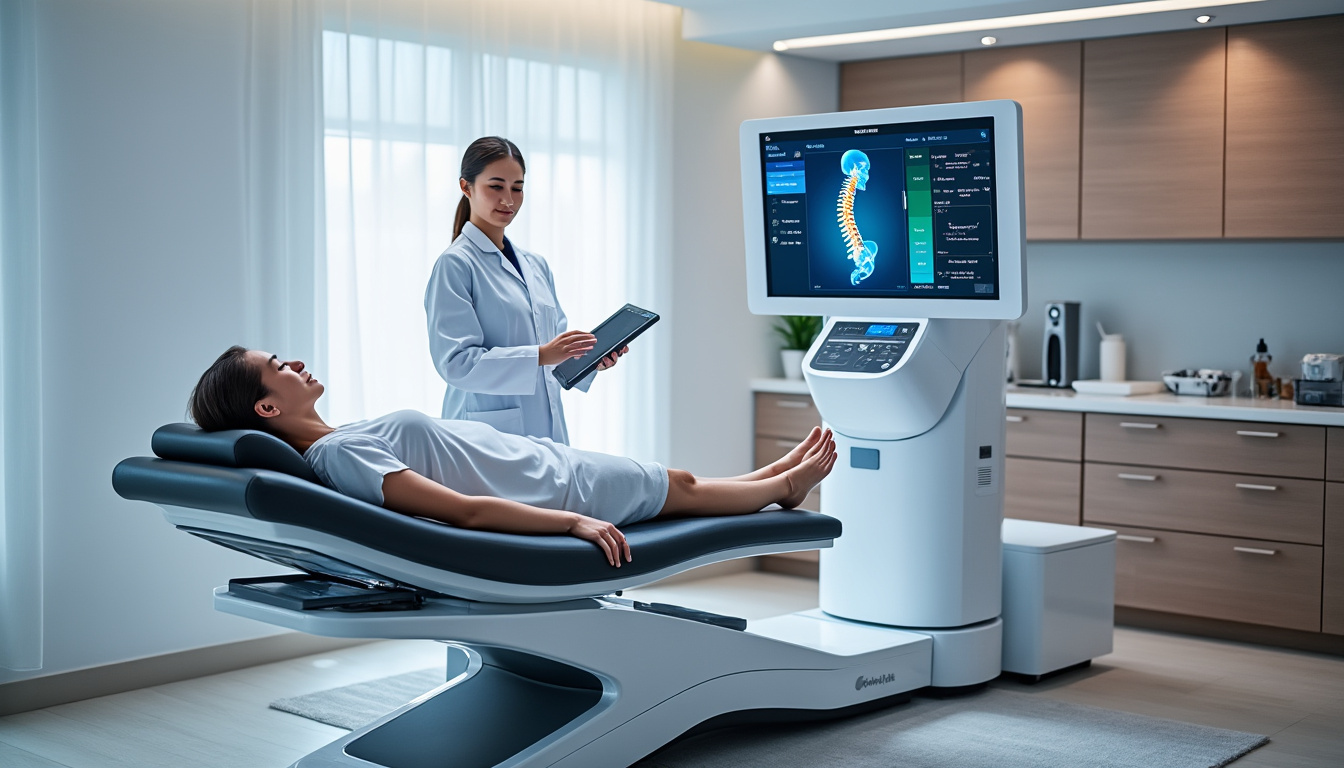
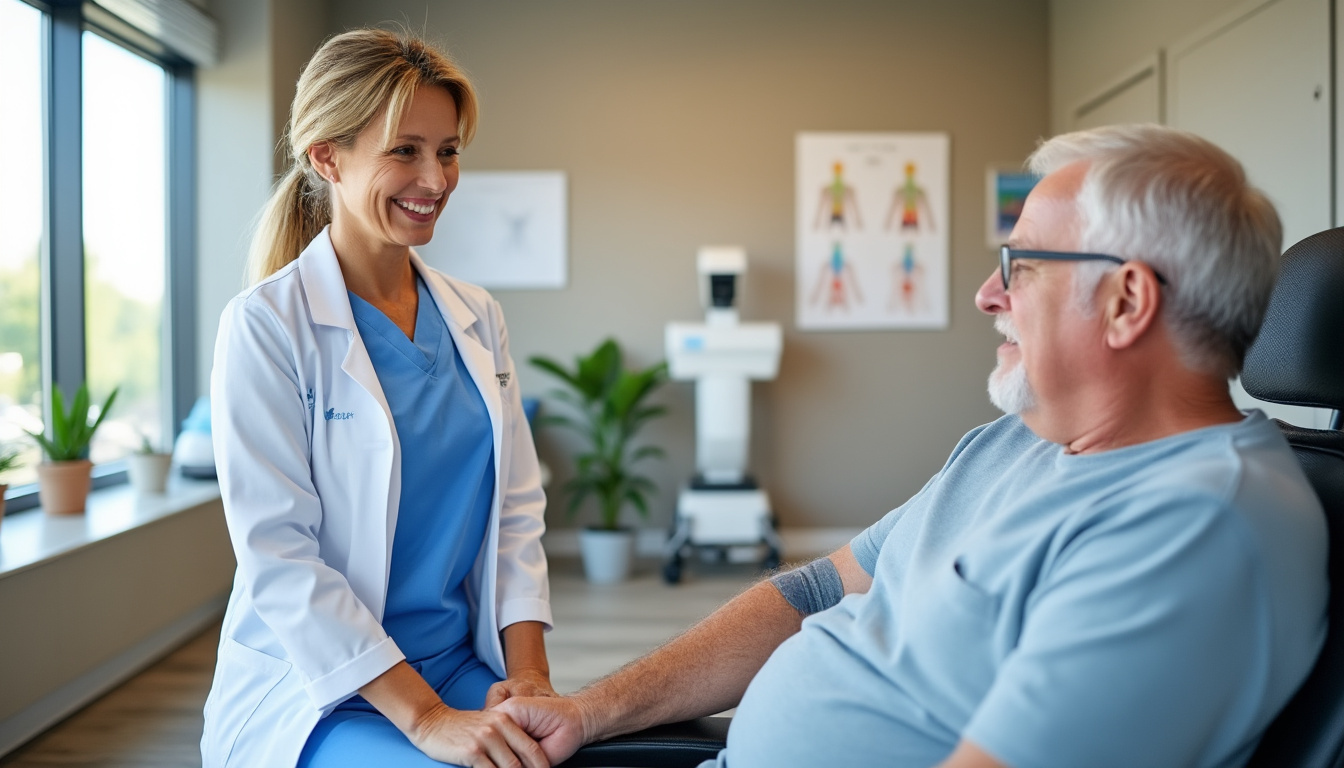
For Brossard residents facing persistent sciatica after failed physiotherapy, alternative therapies that target spinal decompression and nerve irritation offer hope. One such approach utilized by experts like Dr. Sylvain Desforges involves mechanical spinal decompression therapy. This treatment uses specialized tables to gently reduce pressure on herniated or bulging discs, allowing for improved blood flow and reduced nerve root inflammation without invasive surgery.
Complementing spinal decompression, laser therapy in Brossard has gained recognition for its ability to mitigate muscle stiffness and accelerate tissue regeneration. Low-level laser therapy applies focused light energy to affected areas, promoting cellular repair and reducing inflammation. Clinics specializing in these treatments ensure a personalized care plan that includes ergonomic advice, precise osteopathic manipulation, and therapeutic exercises designed to gradually rebuild function once symptoms have calmed.
By adopting such multi-modality treatment strategies, patients receive comprehensive support addressing both the mechanical causes of nerve pain and the soft tissue components that contribute to chronic discomfort. This patient-centered methodology, championed by Dr. Desforges, aligns with rigorous scientific standards and prioritizes safety and ethical care.
Benefits of Combining Spinal Decompression and Laser Therapy
This combined approach offers several clear advantages:
- Reduction of mechanical pressure on the herniated disc, decreasing nerve root irritation responsible for sciatica and chronic pain.
- Enhanced circulation in affected spinal segments, allowing nutrients and oxygen to promote healing.
- Non-invasive intervention that avoids the risks associated with surgery and steroid injections.
- Improved muscle flexibility and reduced stiffness through targeted laser therapy, facilitating better mobility.
- Personalized rehabilitation programs based on individual symptom patterns and tolerance levels.
These benefits underscore why many patients experience sustainable sciatica relief after previous physiotherapy efforts failed. For more information on advanced therapies available in the Brossard area, patients can consult specialized centers providing transparent guidance on treatment pathways.
Blainville Sciatica Relief in Professional Athletes
Sciatica pain is a significant challenge for many, particularly professional athletes in Blainville who rely on peak physical condition to perform. Chronic sciatic nerve discomfort can sideline even the most dedicated sports professionals, impacting their athletic performance, injury recovery, and…
Understanding the Role of Patient Evaluation in Successful Sciatica Management
Precise evaluation of patients experiencing sciatica is fundamental to devising an effective treatment plan, especially after prior physiotherapy has not yielded desired outcomes. Unlike general assessments, Dr. Sylvain Desforges applies an in-depth, disc-focused evaluation methodology that examines symptom behavior, mechanical irritants, and neurological sensitivity.
This evaluation process begins with a comprehensive review of previous therapies, identifying which exercises or positions alleviated or aggravated symptoms. Mapping the distribution and severity of pain, numbness, or tingling helps determine the specific nerve roots involved. Subsequent physical examination assesses tolerances to sitting, bending, loading, and stretching, highlighting movements that provoke or increase nerve irritation.
Such detailed analysis informs whether a patient would benefit from decompression-focused care before progressing to more conventional exercises. The timing of interventions matters deeply; premature loading of sensitized spinal segments can prolong nerve inflammation and delay recovery. Dr. Desforges’ approach ensures that treatment sequences are adapted to each patient’s healing phase, reducing mechanical stress initially and progressively rebuilding strength and mobility.
| Evaluation Phase | Purpose | Outcome |
|---|---|---|
| Review of previous treatments | Identify aggravating or helpful exercises | Customize subsequent care to avoid harmful loading |
| Symptom mapping | Locate nerve involvement and symptom spread | Targeted care for affected spinal segments |
| Physical tolerance testing | Assess response to movement and posture | Determine safe exercises and loading progression |
| Personalized intervention planning | Develop decompression and rehabilitation strategy | Optimized healing with minimization of flares |
Scientific rigor, ethics, and a focus on patient safety are central to this detailed approach, which respects Quebec’s medical guidelines and leverages innovation to enhance outcomes.
Transatlantic Collaboration for Enhanced Patient Care
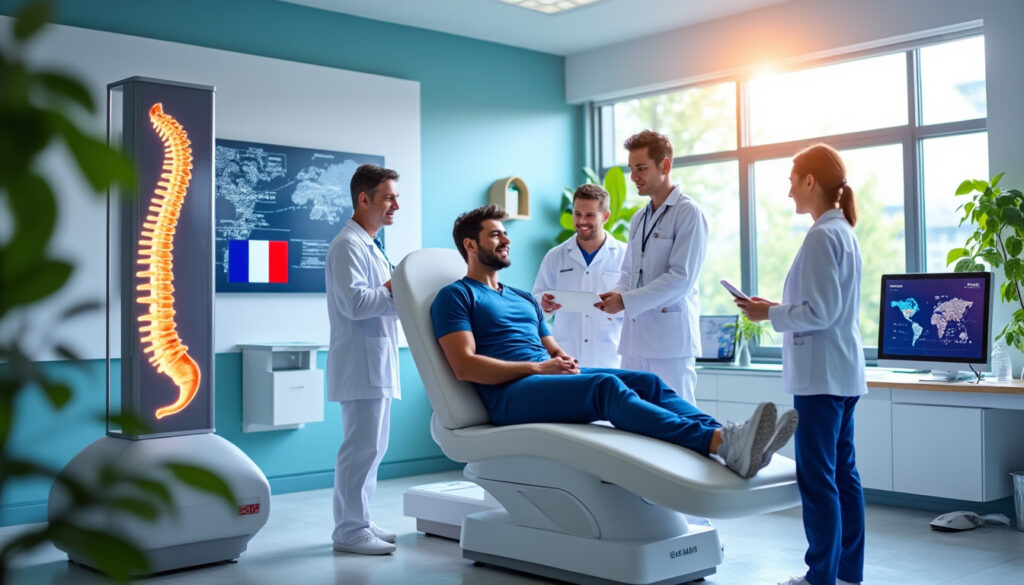
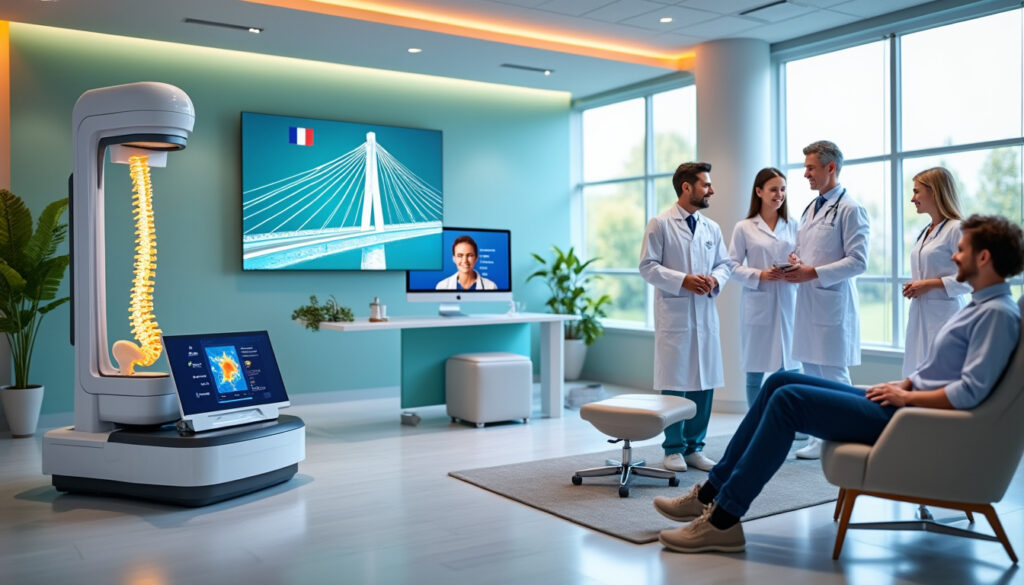
Recognizing that sciatica care can benefit from international expertise, Dr. Desforges facilitates transatlantic coordination between Canadian and French spine care teams. This collaboration involves exchange of patient data, joint evaluations, and streamlined treatment pathways that reduce wait times and improve access to advanced procedures and technologies often otherwise unavailable in Canada.
Working with surgical specialists and medical tourism platforms such as SOS Tourisme Médical, these partnerships allow Brossard patients to receive comprehensive evaluations and personalized recommendations, whether continuing conservative management or considering surgical options. The seamless communication between multidisciplinary professionals aims to optimize each patient’s recovery trajectory and overall quality of life.
Repentigny Neck Pain Solutions Without Surgery
In Repentigny and the greater Québec area, chronic neck pain has emerged as a pervasive challenge that profoundly disrupts daily life and well-being for many adults. Neck discomfort caused by cervical disc problems—ranging from mild irritation to severe herniation—can restrict…
Recognizing When Advanced Care Is Urgently Needed for Sciatica
While many sciatica cases respond to conservative care, some symptoms indicate the necessity for immediate medical evaluation to prevent serious neurological damage. Warning signs include:
- Loss of bladder or bowel control
- Saddle anesthesia, numbness in groin or inner thighs
- Rapidly worsening leg weakness or foot drop
- Sudden severe weakness in both legs
- Fever accompanying severe spinal pain
- Major trauma or history of cancer with new severe pain
Patients experiencing these symptoms should seek urgent evaluation to ascertain the cause and receive prompt intervention. Dr. Desforges’ clinic supports careful triage and referral where necessary, prioritizing patient safety and ethical standards.

Brossard Chronic Back Pain Managed with TAGMED Protocol
Residents of Brossard facing chronic back pain are increasingly turning to innovative treatments that offer hope beyond traditional therapies. The TAGMED Protocol, developed and implemented by renowned expert Dr. Sylvain Desforges, represents a breakthrough in non-surgical spinal therapy. This comprehensive…
Living with Chronic Sciatica: Patient Experiences from Brossard
Several residents of Brossard who struggled with chronic sciatica share inspiring success stories after transitioning from failed physiotherapy to specialized disc-focused care. Patients recount how personalized spinal decompression treatments reduced nerve pain and improved mobility, allowing them to return to daily activities without reliance on pain medications or injections.
These testimonials highlight how targeted decompression therapy, combined with advanced modalities like laser treatment and ergonomic education, helps break the cycle of chronic muscle stiffness and nerve irritation. Many emphasize the compassionate, reassuring atmosphere cultivated by Dr. Desforges and his team, which fosters trust and empowers patients in their recovery journey.
For a deeper understanding of how this care pathway transforms lives, prospective patients are encouraged to explore documented cases and to consider a comprehensive evaluation to assess their individual condition. Brossard’s herniated disc rehabilitation success stories show that lasting relief is achievable even after previous treatments failed.


Terrebonne Neck Herniation Care for Older Adults
In Terrebonne, the increasing prevalence of neck herniation among older adults presents significant challenges to maintaining quality of life and independence. This condition, primarily involving the deterioration or displacement of cervical discs, often leads to debilitating pain and restricted mobility.…
Effective Pain Management Strategies Beyond Failed Physiotherapy in Brossard
Managing chronic pain from sciatica requires a multifaceted approach that goes beyond traditional physical therapy. Pain management strategies utilized by experts include:
- Disc-focused spinal decompression to reduce nerve root pressure
- Laser therapy and ultrasound to address soft tissue inflammation and muscle stiffness
- Ergonomic counseling to optimize posture and reduce mechanical stress during daily activities
- Stepwise rehabilitation programs designed to rebuild core strength without aggravating symptoms
- Education to avoid movements or postures that may provoke delayed nerve irritation
These methods highlight the essential role of understanding the pathophysiology underlying nerve pain and advocate for personalized treatment sequences that respect tissue healing timelines. This approach reduces the likelihood of setbacks and enhances overall quality of life for individuals living with sciatic nerve pain.
Laval Sciatica Recovery After Failed Injections
Living with sciatica can be a debilitating experience, especially when common treatments like injections fail to bring the relief patients hope for. In Laval and across Québec, many individuals suffering from this nerve pain find themselves at a crossroads after…
Why Immediate Action and Specialist Evaluation Matters for Brossard Sciatica Patients
Many patients mistakenly believe sciatica pain will resolve on its own over time if left untreated. However, prolonged delays in appropriate care can cause worsening nerve damage, increased chronic pain, and decreased functional ability. Dr. Sylvain Desforges emphasizes that early, precise evaluation is critical to determine whether decompression or other advanced treatments are necessary before introducing physical activity that could exacerbate symptoms.
His expertise in osteopathy, alternative medicine, and innovative spinal technologies uniquely positions him to support patients through comprehensive evaluations and individualized care plans. His commitment to scientific rigor and patient safety reassures those facing complex sciatica conditions that their treatment will be rooted in the latest evidence and best clinical practices.
Patients living in Brossard and the Montreal metropolitan area can benefit from a consultation that clearly outlines the indications, benefits, and limitations of each treatment step, empowering them to make informed decisions about their health.
Montreal Chronic Neck Pain Solutions Without Invasive Care
Chronic neck pain affects countless individuals across Montreal and beyond, often leading to frustration due to persistent discomfort and limitations in daily activities. While invasive surgical options exist, many patients seek safer, more natural alternatives that focus on relief without…
How Patients in Brossard Can Start Their Journey to Sciatica Relief
Starting the path to effective sciatic nerve pain management begins with a thorough, disc-focused clinical evaluation that identifies the mechanical and neurological contributions to symptoms. Patients who have struggled with failed physiotherapy can seek specialized assessment at clinics like Clinique TAGMED, where comprehensive care planning integrates advanced spinal decompression therapy, laser treatment, and ergonomic guidance to safely restore function.
Dr. Sylvain Desforges and his team prioritize compassionate, patient-centered care that acknowledges each individual’s unique pain experience and healing timeline. Their focus on education ensures patients understand why some physical therapies previously failed and how new strategies optimize recovery opportunities.
Prospective patients are encouraged to contact clinics offering advanced interventions in Brossard or reach out for an evaluation that can provide personalized recommendations. This proactive approach offers hope for meaningful relief and improved quality of life for those enduring chronic sciatica.
{“@context”:”https://schema.org”,”@type”:”FAQPage”,”mainEntity”:[{“@type”:”Question”,”name”:”Why did my sciatica worsen after physical therapy?”,”acceptedAnswer”:{“@type”:”Answer”,”text”:”Sciatica symptoms can worsen if exercises increase pressure on herniated discs or irritating nerve roots before they have calmed down. Early or inappropriate loading may exacerbate nerve inflammation and cause delayed flare-ups.”}},{“@type”:”Question”,”name”:”Can spinal decompression therapy relieve sciatica after failed physiotherapy?”,”acceptedAnswer”:{“@type”:”Answer”,”text”:”Yes. Spinal decompression can reduce mechanical pressure on the affected discs and nerves, providing a less irritating environment that facilitates healing, especially when exercise-based therapies have not worked.”}},{“@type”:”Question”,”name”:”Is laser therapy effective for sciatic nerve pain management?”,”acceptedAnswer”:{“@type”:”Answer”,”text”:”Laser therapy helps reduce muscle stiffness and inflammation around affected spinal regions, improving circulation and tissue repair which can complement decompression treatments for better pain relief.”}},{“@type”:”Question”,”name”:”When should urgent care be sought for sciatica symptoms?”,”acceptedAnswer”:{“@type”:”Answer”,”text”:”Urgent medical attention is necessary if you experience loss of bladder or bowel control, saddle numbness, rapidly worsening weakness, or severe progressive symptoms that may indicate serious neurological damage.”}},{“@type”:”Question”,”name”:”Do I need an MRI before consulting with a spine care expert?”,”acceptedAnswer”:{“@type”:”Answer”,”text”:”While helpful, an MRI is not always required before your first evaluation. If prior imaging exists, bring it to the appointment to assist in diagnosis and care planning.”}}]}Why did my sciatica worsen after physical therapy?
Sciatica symptoms can worsen if exercises increase pressure on herniated discs or irritating nerve roots before they have calmed down. Early or inappropriate loading may exacerbate nerve inflammation and cause delayed flare-ups.
Can spinal decompression therapy relieve sciatica after failed physiotherapy?
Yes. Spinal decompression can reduce mechanical pressure on the affected discs and nerves, providing a less irritating environment that facilitates healing, especially when exercise-based therapies have not worked.
Is laser therapy effective for sciatic nerve pain management?
Laser therapy helps reduce muscle stiffness and inflammation around affected spinal regions, improving circulation and tissue repair which can complement decompression treatments for better pain relief.
When should urgent care be sought for sciatica symptoms?
Urgent medical attention is necessary if you experience loss of bladder or bowel control, saddle numbness, rapidly worsening weakness, or severe progressive symptoms that may indicate serious neurological damage.
Do I need an MRI before consulting with a spine care expert?
While helpful, an MRI is not always required before your first evaluation. If prior imaging exists, bring it to the appointment to assist in diagnosis and care planning.
Candiac Lumbar Disc Care Without Steroid Injections
Back pain caused by lumbar disc issues is a widespread condition affecting adults globally, posing significant challenges in everyday activities and overall quality of life. In Candiac and the greater Québec region, the quest for effective spinal care solutions has…