Lumbar Disc Herniation in Longueuil: Estimated Relief Duration and Neurovertebral Decompression Therapy Explained
June 19, 2026
Brossard Sciatica Relief After Failed Physiotherapy
June 20, 2026
Minimally invasive surgery in Longueuil is transforming the landscape of spinal care by offering patients an innovative alternative to traditional procedures. This approach focuses on minimizing tissue damage, leading to faster healing and the preservation of natural mobility. With cutting-edge medical technology, patients face shorter recovery times, less pain, and the opportunity to return quickly to their daily lives. Under the expert guidance of professionals like Dr. Sylvain Desforges, renowned for his extensive experience and leadership in spine health, the option of minimally invasive techniques becomes accessible and reassuring for patients striving for optimal outcomes.
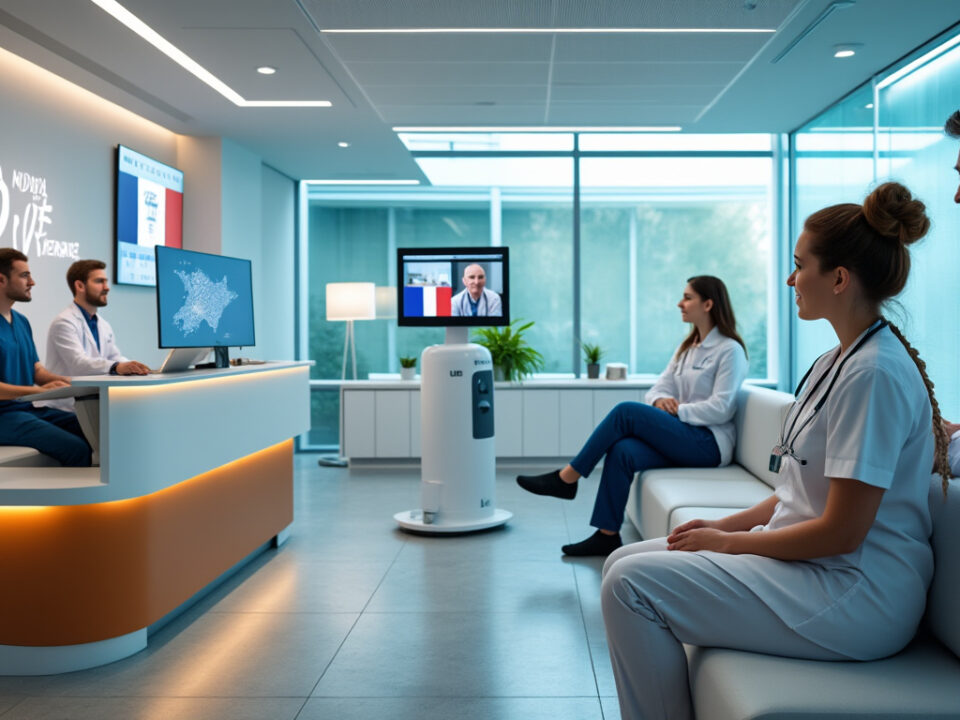
As healthcare continues to evolve, the integration of advanced surgical methods in Longueuil highlights a commitment to both scientific rigor and patient-centered care. These techniques not only reduce the physical toll of surgery but also align with ethical standards that prioritize safety and efficacy. Additionally, the collaboration between Canadian and French medical experts reflects a dynamic transatlantic partnership aimed at optimizing patient pathways. Such coordination ensures that individuals receive personalized treatment plans suited to their unique conditions, harnessing the best practices from around the world.
Understanding Minimally Invasive Surgery in Longueuil: Techniques and Benefits
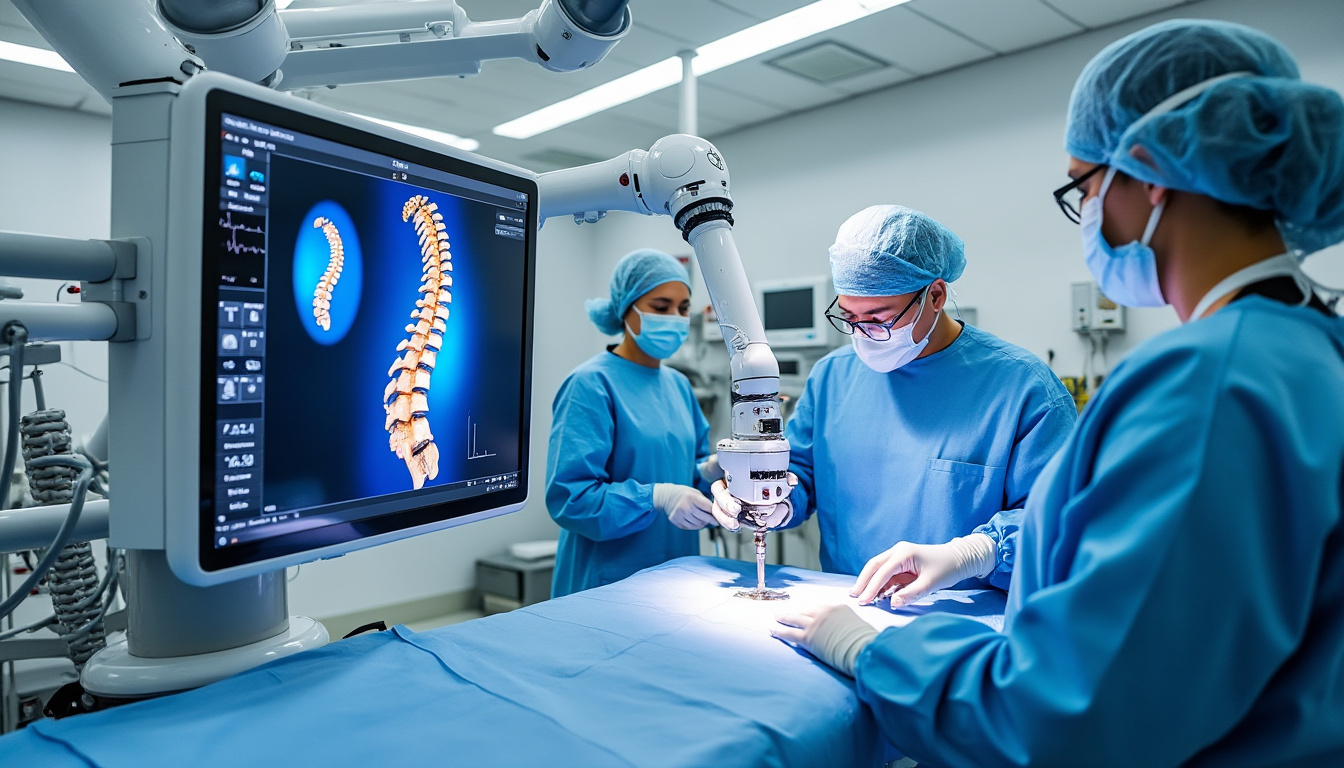
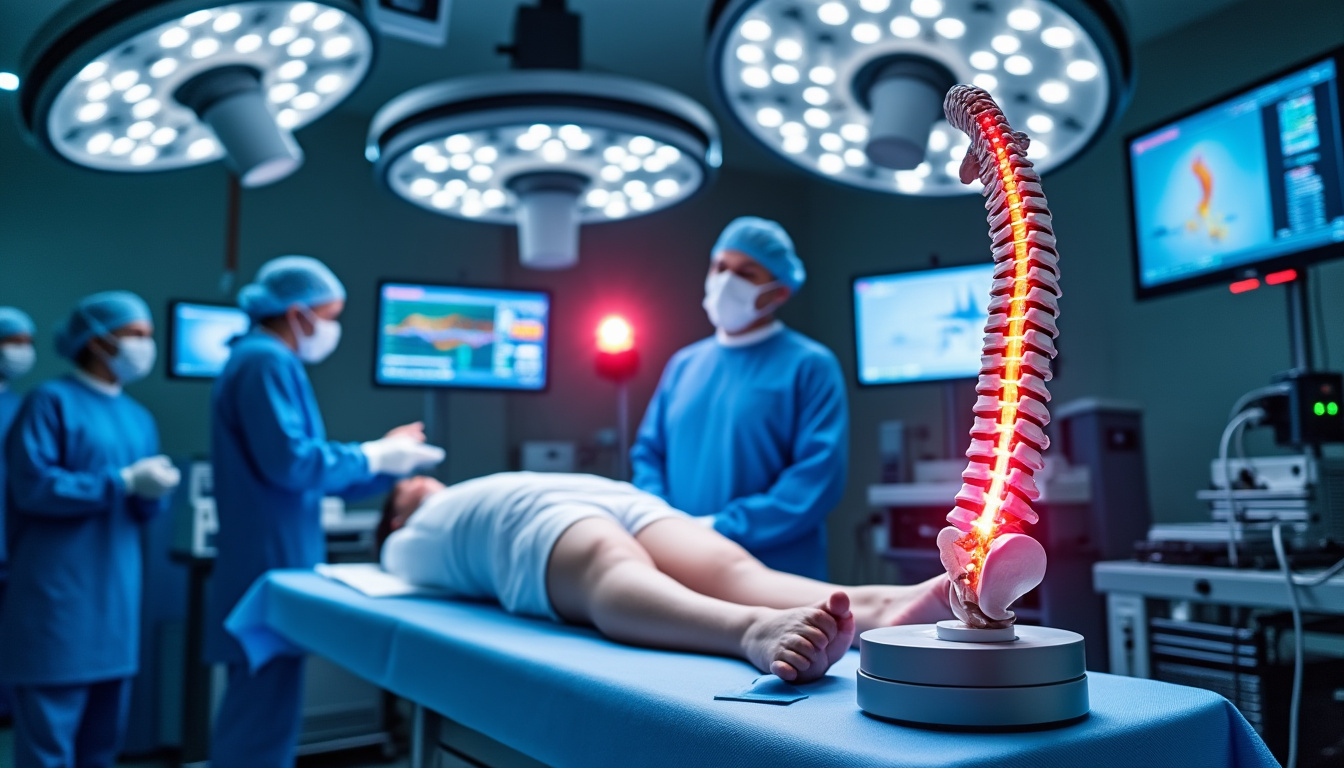
Minimally invasive surgery (MIS) represents a significant advancement in spinal treatment, fundamentally differing from traditional open surgeries. Instead of large incisions, MIS involves very small cuts that allow surgeons to use specialized instruments and modern imaging technology to address spinal issues. The benefits are clear: reduced trauma to surrounding tissues, less bleeding, and diminished postoperative pain.
This surgical approach is particularly effective for common spinal conditions such as herniated discs, spinal stenosis, degenerative disc disease, and spinal instability. For example, in cases where a herniated disc compresses nerves causing pain, MIS allows precise removal of the problematic tissue without disrupting the surrounding muscles and ligaments. This precision decreases the risk of complications and speeds healing.
Patients undergoing MIS in Longueuil typically experience less postoperative discomfort and can initiate mobilization earlier, which is crucial for preventing secondary complications like blood clots or muscle wasting. Hospital stays often last only one or two days, a stark contrast to the extended recovery required by open surgery.
The integration of advanced medical technology — including high-definition cameras, robotic assistance, and computer-guided imaging — allows surgeons to perform these delicate procedures with remarkable accuracy. For patients, this translates into both safety and efficacy, enhancing confidence in the treatment plan.

IntraSPINE® in Sherbrooke: Durable Solution for Chronic Low Back Pain
The management of chronic low back pain, a widespread condition affecting millions across Quebec and beyond, has reached a pivotal moment thanks to innovative medical technologies and coordinated care pathways. At the heart of this evolution lies the IntraSPINE implant,…
Types of Minimally Invasive Spine Surgery Available in Longueuil
Minimally invasive spine surgery encompasses several diverse techniques, each catering to different spinal pathologies and clinical goals. The main categories include:
- Decompression procedures: These aim to relieve pressure on spinal nerves caused by conditions like herniated discs or spinal stenosis. Using small incisions, surgeons can remove or reshape bone and soft tissue to alleviate nerve compression.
- Fusion surgery: Typically involves joining two or more vertebrae to stabilize the spine. Minimally invasive spinal fusion aims to reduce the impact on muscles and soft tissues, decreasing recovery time compared to traditional fusion.
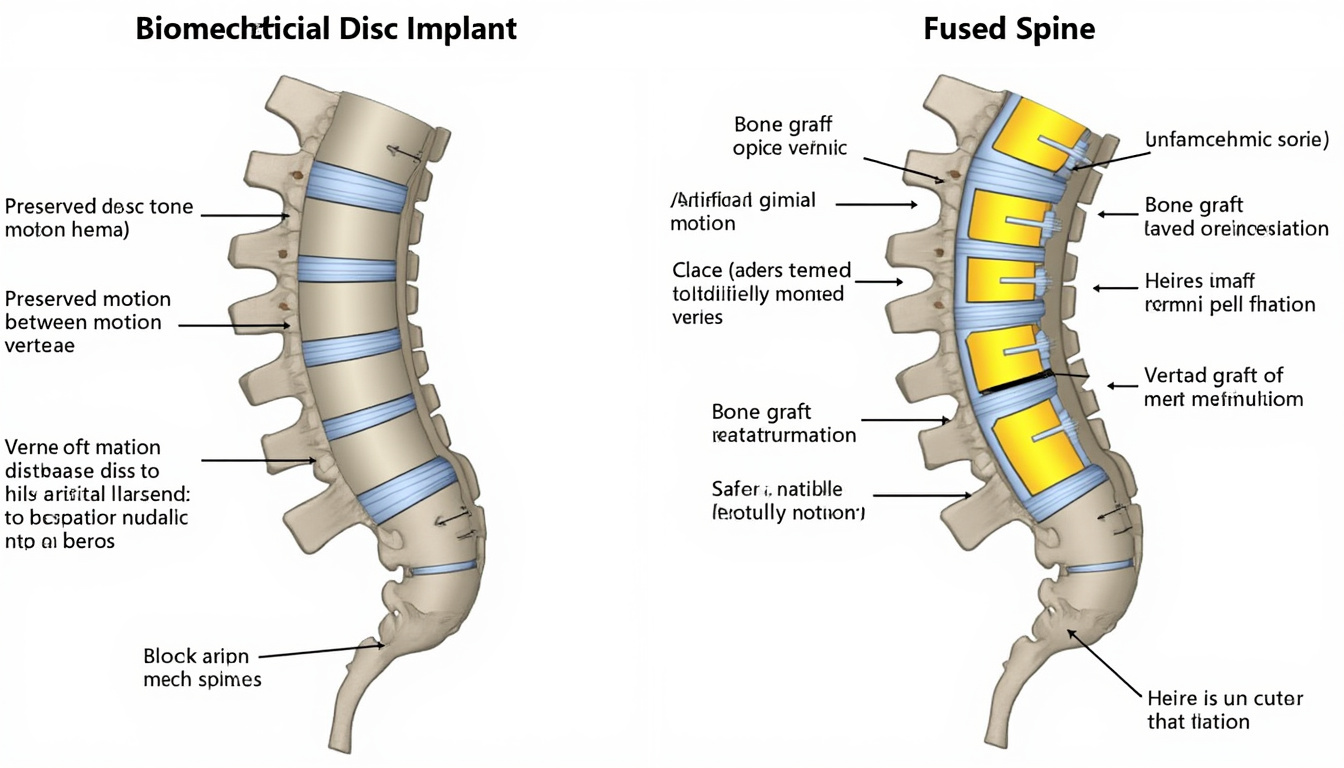
- Motion preservation surgeries: Using implants such as artificial discs, these procedures allow patients to maintain natural spinal motion instead of immobilizing segments with fusion. This advanced technique helps preserve biomechanical function and may reduce stress on adjacent vertebrae.
Each technique has its indications based on patient evaluation and pathology. The choice between fusion and motion preservation is often guided by the severity of the degeneration, spinal alignment, and patient activity levels. Experts like Dr. Desforges emphasize the tailored selection of these surgical options, ensuring that the chosen technique aligns precisely with the patient’s needs.
Minimally invasive procedures reduce hospital stays and promote faster recovery while maintaining or improving functional mobility. Patients in Longueuil considering surgery have the advantage of accessing innovative solutions, such as motion-preserving implants rarely available in traditional local care, highlighting the region’s commitment to pioneering approaches.
Minimally Invasive Fusion Versus Motion Preservation: A Closer Look
While spinal fusion remains a common approach for stabilization, minimally invasive motion preservation surgery is gaining popularity for suitable candidates. Fusion restricts movement at the affected segment, which can be necessary in cases of instability or deformity. However, restoring or maintaining motion by replacing damaged discs with artificial implants offers biomechanical advantages: it retains flexibility and may reduce the likelihood of adjacent segment deterioration.
For example, a patient with a single-level degenerative disc disease who wishes to maintain active lifestyles might opt for an artificial disc replacement performed through minimally invasive techniques. These surgeries emphasize not only pain relief but also long-term spinal health.
Spine Surgery in Trois-Rivières: Reduce Pain and Preserve Mobility
In recent years, spine surgery in Trois-Rivières has evolved notably, combining advanced medical expertise with innovative technologies to deliver patient-centered care. This growing field addresses the increasing demand among Quebec residents seeking effective solutions for chronic back pain and mobility…
Patient Pathways: From Evaluation to Recovery Across the Atlantic
For patients in Quebec seeking advanced spinal care, the journey often begins with a comprehensive evaluation conducted by experts like Dr. Sylvain Desforges. His extensive experience — supported by over 30 years in osteopathic and spine health fields — brings invaluable insight into thorough assessments that consider every patient’s unique situation.
Evaluation includes detailed clinical examination, imaging reviews, and functional assessments to outline the most appropriate care route. When surgery is considered, Dr. Desforges’s role is critical in coordinating the pathway, particularly for individuals opting for treatment in France, where certain minimally invasive and motion-preserving technologies are more accessible.
This transatlantic collaboration ensures not only swift access to surgery but also a continuum of care that integrates preoperative preparation, surgical expertise, and postoperative rehabilitation. The integration with partners such as the Clinique TAGMED in France, renowned for its advanced conservative care modalities including neurovertebral decompression, offers a strategic advantage. It enriches the pre-surgical phase with potential alternatives before invasive procedures are pursued.
The patient journey typically includes:
- Initial personalized assessment by Dr. Desforges
- Implementation of conservative treatments, including therapies unavailable locally
- Planning and scheduling of minimally invasive surgery in France
- Postoperative rehabilitation and follow-up facilitated by transatlantic medical teams
- Return to Quebec with continuous support for recovery and activity resumption
Such coordination guarantees efficiency, quality, and a patient-centric approach, minimizing waiting times and optimizing outcomes through seamless international collaboration.

Cervical Disc Prosthesis in Quebec City: Avoid Post-Surgery Stiffness
Chronic neck pain remains a significant challenge for thousands of residents in Quebec City every year, often leading them to seek effective spinal surgery options that minimize downtime and maximize long-term mobility. Among the recent advancements revolutionizing cervical spine care,…
The Crucial Role of Conservative Treatments Before Surgery
Any consideration of spine surgery must be preceded by a dedicated phase of conservative care lasting typically 3 to 6 months. This practice aligns with rigorous medical and ethical standards, ensuring surgery is reserved for cases truly necessitating invasive intervention.
During this period, patients are encouraged to explore all non-surgical options, such as physical therapy, targeted manual therapies, and especially advanced treatments like neurovertebral decompression. The Clinique TAGMED stands out here as a leading reference offering state-of-the-art, evidence-based conservative modalities tailored to spine health.
If a patient has not undergone neurovertebral decompression or if other conservative treatments prove insufficient, surgery should not be immediately considered. Instead, advancing conservative care increases the likelihood of symptom relief without surgical risks. This approach underscores Dr. Desforges’s commitment to scientific rigor and patient safety.
For example, many patients with herniated discs or degenerative conditions see notable improvement after dedicated decompression therapy, which gently relieves nerve pressure without surgery. When these measures do not provide satisfactory relief, minimally invasive surgery becomes a well-informed subsequent step rather than a first-line solution.
Minimally Invasive Surgery in Longueuil: Reduce Hospital Stay Duration
In recent years, advances in spinal care have dramatically reshaped the treatment landscape for patients suffering from debilitating spinal conditions. Particularly in Longueuil, the emergence of minimally invasive surgery (MIS) techniques offers a transformative alternative to conventional open surgeries. These…
Biometrics and Economic Benefits of Transatlantic Minimally Invasive Surgery
The decision to pursue minimally invasive spinal surgery in France via a transatlantic collaboration offers significant biomechanical and economic advantages for Quebec patients. Beyond immediate surgical benefits, motion-preserving techniques contribute to maintaining spinal biomechanics, which can prevent further degeneration and reduce the need for future interventions.
From an economic perspective, the model optimizes cost-efficiency by combining international expertise, reducing waiting times, and offering access to surgical technologies unavailable in Canada. Patients often appreciate the value in receiving advanced care with shortened hospital stays and quicker returns to professional and personal activities.
Table: Comparing Key Aspects of Transatlantic Minimally Invasive Spine Surgery Versus Local Traditional Surgery
| Feature | Transatlantic Minimally Invasive Surgery | Local Traditional Surgery |
|---|---|---|
| Access to Advanced Technology | Yes – cutting-edge implants and imaging | Limited by regional availability |
| Recovery Time | Significantly reduced (weeks instead of months) | Longer recovery (months) |
| Hospital Stay | 1-2 days outpatient or short inpatient | Several days to weeks |
| Post-surgical Mobility | Generally preserved or improved | Often reduced due to fusion |
| Waiting Time | Optimized through international coordination | Potentially long delays |
This cooperatively managed approach minimizes patient distress linked to waiting and uncertainty, while emphasizing a human-centered and motivating environment. The expertise of Dr. Desforges in evaluating all elements of the case prior to surgery plays a pivotal role in these optimizations.
IntraSPINE® in Laval: Modern Solution for Lumbar Stabilization
In the evolving landscape of orthopedic treatments, the city of Laval has become a hub for innovations addressing chronic lower back pain. Among the groundbreaking solutions gaining attention is the IntraSPINE device—a modern spinal implant designed to offer dynamic lumbar…
Advances in Technology Supporting Faster Healing and Less Pain
Modern minimally invasive surgeries in Longueuil harness technologies that revolutionize patient experience. Use of laser systems, neurovertebral decompression devices, and high-tech implants characterizes this era of innovation. These tools enhance precision and reduce tissue trauma, translating into markedly less postoperative pain and accelerated recovery timelines.
For instance, laser-assisted techniques enable targeted relief of nerve compression with minimal collateral damage. Similarly, dynamic implants preserve the spine’s natural motion and reduce mechanical stress post-operation. These advances result in patients regaining their function and daily activities rapidly and sustainably.
Furthermore, outpatient surgery options have grown thanks to improved anesthesia protocols and pain management strategies. Patients often return home the same day or after a very brief hospital stay, further emphasizing the benefits of minimally invasive surgery in reducing post-surgical recovery burdens.
Neck Surgery in Montreal: Maintain Cervical Flexibility and Function
Neck conditions causing persistent pain or functional loss place a substantial burden on individuals and healthcare systems, especially in urban centers like Montreal. Surgical interventions targeting the cervical spine have evolved tremendously, aiming not only to relieve symptoms but to…
Patient Mobility and Quality of Life Post Minimized Surgery
Maintaining or restoring patient mobility is a core objective in contemporary spinal surgery, especially through minimally invasive methods. Compared with traditional open procedures, these surgeries significantly reduce muscle and tissue disruption, facilitating quicker return of movement.
Many patients report a swift resumption of normal activities such as walking, light sports, and even work duties. This early mobilization is not only beneficial physically but also positively impacts mental health and overall quality of life.
Follow-up care is crucial; interdisciplinary teams including physiotherapists and osteopaths like those affiliated with Dr. Desforges provide tailored rehabilitation plans. These ensure that patients regain strength symmetrically and maintain spinal alignment conducive to long-term wellness.
In Longueuil, patients benefit from sustained care models that integrate patient education about biomechanics, safe movement practices, and gradual activity progression. Such programs underscore the comprehensive approach championed by Dr. Desforges and his teams internationally.

Disc Prosthesis in Lévis: Quick and Long-Lasting Results
Chronic back pain caused by degenerative disc disease continues to profoundly impact the quality of life for many residents in Lévis and the broader Quebec area. For decades, traditional spinal fusion surgery has been the primary solution for alleviating severe…
Why Choose an Expert in Spinal Evaluation and Minimally Invasive Surgery Coordination?
Dr. Sylvain Desforges, with his B.Sc., D.O., and N.D. qualifications and over 30 years of leadership as founder and president of the ACMA and other key organizations, is a recognized pioneer in spinal health. His expertise lies particularly in precision evaluation of spinal pathologies and guiding patients through complex treatment decisions.
His commitment to scientific rigor, ethical practice, and innovation ensures that each patient receives a thoroughly analyzed, evidence-based plan tailored to their unique condition. Unlike simple diagnostic categorization, his evaluations encompass biomechanical, physiological, and lifestyle factors that influence treatment success.
Furthermore, Dr. Desforges’s transatlantic coordination role ensures that patients looking beyond Quebec for advanced care receive streamlined access to the best minimally invasive surgical options, combined with comprehensive pre- and postoperative support.
His empathetic, clear communication style helps patients understand intricate procedures and empowers them to actively participate in decisions affecting their health and recovery journey. This human-centered approach promotes confidence and hope in what can sometimes be a daunting care pathway.

Motion Surgery in Terrebonne: Maintain Intervertebral Mobility
Back pain remains a widespread concern for many in Quebec, with traditional treatment pathways often imposing lengthy waiting periods and financial constraints. Recently, Motion Surgery in Terrebonne has emerged as a transformative option, attracting patients seeking spinal solutions that prioritize…
Steps to Take Now for Patients Considering Minimally Invasive Spine Surgery
If you are experiencing persistent back or neck pain despite conservative care, and wish to explore whether minimally invasive surgery in Longueuil or through international collaboration is right for you, the first step is a professional evaluation.
Engage with experts like Dr. Desforges who can assess your condition with the full depth of his expertise. This evaluation will help clarify indications, options, and realistic expectations about surgery or enhanced conservative therapies available at leading centers such as the Clinique TAGMED.
Remember, surgery is never the immediate default but a considered choice after trying targeted non-surgical interventions. Minimally invasive techniques, combined with motion-preserving technologies, offer excellent prospects for many patients when surgery becomes necessary.
Contacting the clinic or requesting an evaluation via trusted platforms is an important step toward reclaiming your mobility and quality of life.
What conditions can minimally invasive spine surgery treat effectively?
Minimally invasive procedures are highly effective for herniated discs, spinal stenosis, degenerative disc disease, and spinal instability, offering relief with reduced tissue trauma and faster recovery.
How long is the recovery time after minimally invasive spine surgery?
Most patients recover functionally within two to six weeks, with a significant reduction in pain, allowing them to return to daily activities much sooner than traditional surgery.
Why is conservative treatment important before considering surgery?
Conservative care, including therapies such as neurovertebral decompression, is essential to try before surgery to minimize invasive procedures and optimize patient outcomes.
What advantages does transatlantic surgery coordination offer?
It reduces waiting times, provides access to advanced medical technology, and ensures comprehensive care combining expertise from both Canada and France.
How does minimally invasive surgery help preserve long-term spinal mobility?
By reducing tissue damage and using motion-preserving implants like artificial discs, minimally invasive surgery maintains flexibility and function, reducing stress on adjacent spinal segments.