
The Importance of Spinal Decompression: Expert Recommendations Explained
October 27, 2025
Insights from Research on Post-Operative Care Following Spine Surgery
October 27, 2025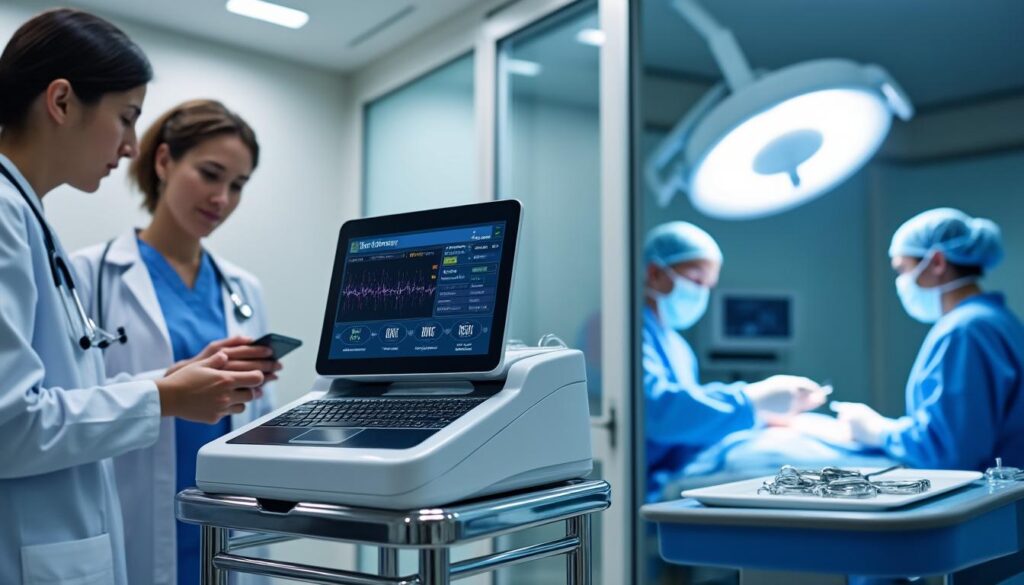
The evolving landscape of medical treatments increasingly highlights the significance of quality and certification in medical devices. Today, the question arises: can rigorous adherence to quality standards and proper certification of medical devices reduce the necessity for invasive surgical procedures? The domain of spinal surgery, where technological innovation meets critical patient outcomes, serves as a compelling case study. Devices certified to meet international standards not only ensure patient safety but can also provide alternative treatment pathways that delay or obviate the need for surgery. This discourse explores how certification protocols, quality control, and innovative device technologies collectively contribute to lessening surgical interventions while maintaining the highest standards of patient care.
Quality management and device certification emerge as pillars supporting safer, more effective, and less invasive treatment options. Understanding these frameworks is essential for healthcare providers, patients, and regulators as they shape the future of disease management. Particularly within complex fields such as spinal care, devices that are reliably manufactured and held to international standard certifications, including ISO 13485:2016 and FDA requirements, hold the key to both therapeutic success and reducing surgical burden. Ultimately, these advancements suggest a pathway wherein enhanced device quality could shift the balance from reactive surgical intervention to proactive, device-enabled care.
How International Quality Standards Elevate Medical Device Safety and Efficacy
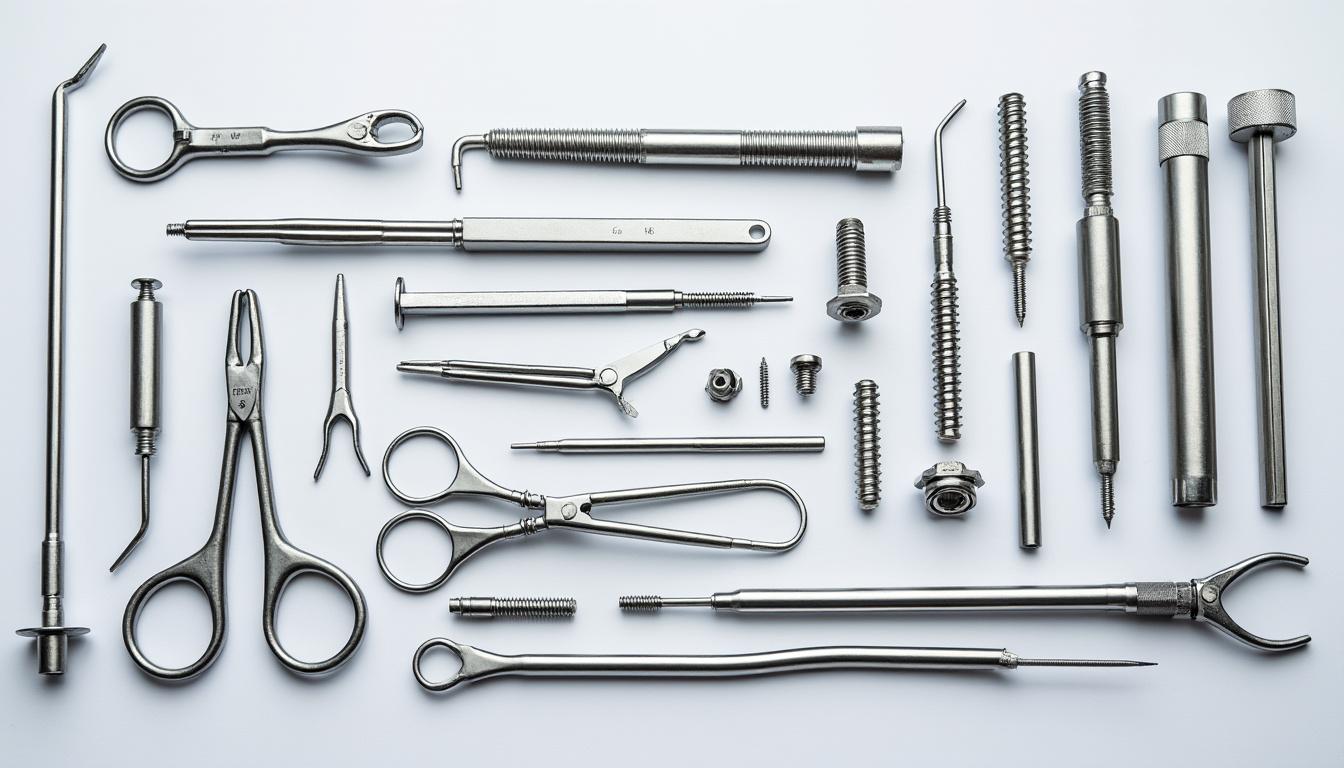
Medical devices wielded in spinal care and beyond must adhere to stringent quality standards to ensure patient safety and therapeutic effectiveness. These benchmarks are often encapsulated within internationally recognized certifications, notably ISO 13485:2016, a comprehensive quality management system designed specifically for medical device manufacturing and service provision. This standard mandates meticulous oversight throughout the device’s lifecycle, from conceptual design to final distribution, incorporating rigorous control of materials, supplier qualification, and thorough testing protocols.
The adherence to such standards minimizes risks like device failure, material defects, and adverse patient outcomes, fostering confidence among surgeons and patients alike. For example, suppliers to recognized companies such as Medtronic and Johnson & Johnson undergo exhaustive audits and evaluations that reinforce seamless manufacturing processes. Facilities equipped with advanced technologies, comparable to those utilized by Siemens Healthineers or GE Healthcare for imaging integration, ensure that implants and devices perform reliably within surgical environments.
Key aspects of ISO 13485:2016 in medical device certification include:
- Comprehensive risk analysis and mitigation strategies.
- Stringent supplier control and component traceability.
- Consistent manufacturing process validation and monitoring.
- Robust corrective and preventive action (CAPA) systems.
- Continuous evaluation ensuring post-market device performance.
This rigorous framework aligns with other regulatory regimes like the FDA’s Quality System Regulation, underscoring global harmonization in quality assurance. The resulting impact ensures that devices such as those manufactured by Stryker or Philips Healthcare retain mechanical integrity, biocompatibility, and usability under clinical conditions. Consequently, these certified devices support non-invasive interventions and reduce the progression toward surgical options.
| Quality Element | Role in Device Safety and Performance |
|---|---|
| Supplier Evaluation | Guarantees quality of raw materials and components critical to device functionality |
| In-Process Inspections | Enables early detection of manufacturing defects and ensures adherence to design specifications |
| Corrective and Preventive Actions (CAPA) | Addresses non-conformities and continuously improves production and quality systems |
| Documentation & Traceability | Ensures full accountability and compliance with regulatory bodies |
| Personnel Training | Assures competence and consistency in device production and clinical application |

Understanding Sciatic Pain: Key Symptoms and When to Seek Medical Advice
Sciatic pain is a prevalent condition impacting a wide demographic, manifesting primarily as intense pain radiating from the lower back down the leg. This pain stems from irritation or compression of the sciatic nerve, a major nerve extending through the…

The Stepwise Role of Functional Recovery in Achieving Successful Outcomes
The journey to full recovery following spinal surgery is often complex and multifaceted, demanding a meticulously structured approach to ensure optimal functional outcomes. In recent years, the concept of functional recovery through a stepwise approach has garnered significant attention in…
Innovative Certified Medical Devices Offering Alternatives to Invasive Spinal Surgery
Advancements in certified medical device technology now provide patients suffering from spinal issues with alternatives that are less invasive than traditional surgery. Dynamic implants, like the TOPS system or Intraspine interlaminar devices, are designed to preserve spinal mobility and delay or avoid fusion surgeries, which are often extensive and irreversible. These devices have undergone rigorous certification processes, assuring surgeons of their safety and performance over extended periods.
Preserving natural spinal motion helps in preventing downstream complications such as adjacent segment degeneration, a frequent consequence of fusion surgeries. As a result, patients experience reduced postoperative pain and improved functional outcomes. Boston Scientific and BD (Becton Dickinson) are exemplary companies advancing technologies that enable real-time monitoring and integration with surgical navigation systems, facilitating precise device placement and reducing intraoperative risks.
Typical clinical indications for utilizing dynamic implants include:
- Mild to moderate lumbar spinal stenosis with controlled segmental instability.
- Degenerative disc disease presenting with mechanical back pain resistant to conservative therapy.
- Patients requiring interventions that maintain natural spinal flexibility and extension.
Moreover, these devices have gained approval in markets adhering to both European CE and FDA regulations, indicating adherence to established performance benchmarks. Specialized centers in France such as those in Bordeaux, Toulouse, and Le Mans collaborate with experienced surgeons to implement these treatments, offering Canadian patients coordinated access through medical tourism and follow-up support. This cooperation integrates with best practices from manufacturers ensuring that each implant and device is tracked meticulously throughout its application, enhancing patient safety.
| Implant | Advantages | Primary Indications |
|---|---|---|
| TOPS System | Maintains segment mobility and decreases postoperative discomfort | Lumbar stenosis with moderate instability |
| Intraspine | Limits extensive spinal fusion and prevents adjacent segment degeneration | Degenerative disc conditions with segmental instability |
| B-DYN | Offers customized dynamic stabilization using advanced composite materials | Complex cases and physically active patients |

Transatlantic Patient Journey: Insights into Indications, Benefits, and Challenges
The emergence of the Transatlantic Patient Journey as a strategic model within healthcare continues to capture attention for its innovative potential, especially in specialized fields such as spinal surgery. This cross-border care pathway integrates rigorous medical evaluation from Quebec with…
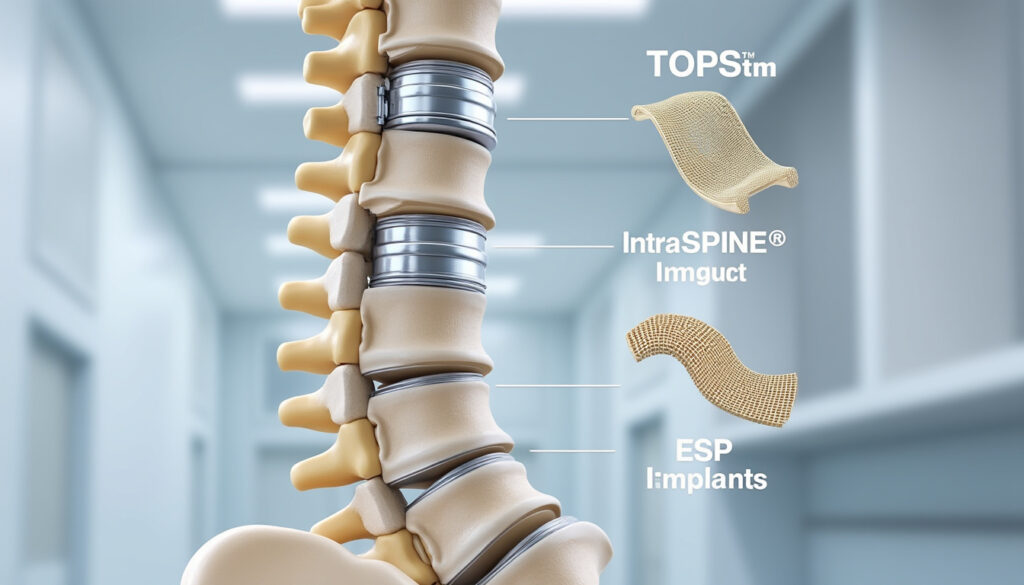
The evolving field of spinal surgery is witnessing a transformative shift, fueled by cutting-edge implant technologies such as TOPS, Intraspine, and ESP. These innovative implants redefine treatment possibilities by emphasizing preservation of natural spinal mechanics, while ensuring durable stabilization and…
Coordinated Canada-France Patient Pathways Ensuring Access to Certified Spinal Implants
In navigating complex spinal conditions, interdisciplinary and international collaboration is vital. For Canadian patients opting to pursue advanced spinal treatments available in France, a structured pathway coordinated by groups like SOS Tourisme Médical and Franchir streamlines care. Initial assessments by specialized teams including the TAGMED Clinic in Quebec focus on diagnosis and tailored conservative management, reserving referrals for implant-based interventions upon failure of non-invasive measures.
Subsequent steps involve comprehensive logistic support: identifying the appropriate French hospital, coordinating surgical appointments with expert spine surgeons experienced in dynamic implantations, arranging travel and accommodation logistics, and ensuring postoperative follow-up with providers such as Neurothérapie Montréal. This coordinated approach shortens waiting times and reduces patient stress, while capitalizing on international expertise and advanced medical certification that safeguards implant quality and patient outcomes.
- Initial conservative management and evaluation in Quebec.
- Personalized referral to certified surgical centers in France.
- Coordination of travel, lodging, and intra-operative translation services.
- Postoperative care and rehabilitation coordination in Quebec.
This model is illustrative of how medical logistics combined with high standards of device certification and quality control improves care access and supports less invasive treatment approaches.

Preparing for Surgery in France: Key Indications, Benefits, and Limitations
In an evolving global healthcare landscape, France emerges as a beacon of advanced surgical expertise, particularly attracting international patients seeking expedited and innovative medical interventions. Patients from regions experiencing long wait times, such as Quebec, increasingly view France as an…

Unveiling the Hidden Benefits of Quality and Certification in Devices
The landscape of device manufacturing and clinical application in 2026 has been fundamentally shaped by the rigorous interplay between quality management and certification processes. Within this complex framework, the hidden benefits of adhering to international standards and obtaining relevant certifications…
Key Regulations and Certifications Assuring Safe and Reliable Medical Devices in Europe and North America
Regulatory oversight forms the backbone of medical device assurance. In France and the European Union, medical devices must carry the CE mark, guaranteeing conformity with stringent EU Medical Devices Regulation (MDR) requirements. This designation reflects compliance with safety, efficacy, and manufacturing quality across the product’s lifecycle. Complementary to this, regulations such as the French quality management standards, exemplified by the Arrêté of September 8, 2021, stipulate rigorous controls within healthcare institutions.
On the American side, evolving frameworks like the FDA’s Quality Management System Regulation (QMSR), effective from early 2026, embed international standards such as ISO 13485:2016 into their mandates, creating a unified compliance environment. Prominent manufacturers like Abbott, Zimmer Biomet, and Philips Healthcare align their quality systems with these global requirements, contributing to the reliability and safety of the implanted devices offered to patients worldwide.
| Certification | Scope | Effective Date |
|---|---|---|
| CE Mark | Conformity with EU safety and efficacy standards | Mandatory for EU market access |
| ISO 13485:2016 | Medical device quality management system | Established and integrated with FDA QMSR by 2026 |
| FDA QMSR | FDA-mandated quality system for device manufacture in the US | February 2026 |
| French Arrêté (2021) | Quality management requirements for medical devices in health establishments | 2021 |

Why Experts Advocate for Comprehensive Preoperative Evaluations
In the complex and demanding field of spinal surgery, the emphasis on comprehensive preoperative evaluations has become a fundamental pillar supporting successful surgical outcomes. These evaluations, far beyond mere routine checks, integrate detailed analyses of patient health, surgical risk assessments,…
The Future of Surgery Lies in Stepwise Functional Recovery
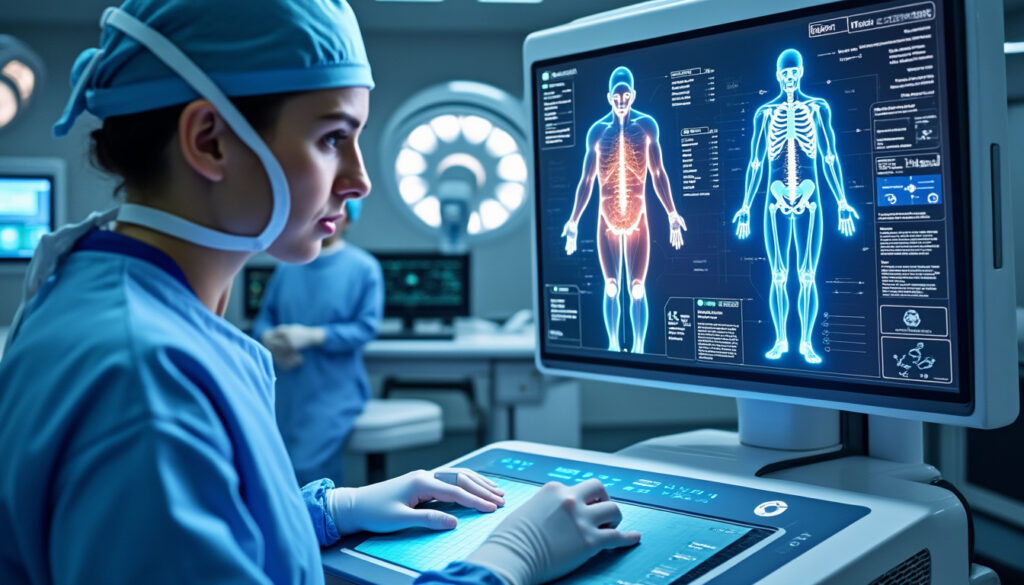
The evolution of surgical care in 2026 reveals a compelling shift toward approaches that prioritize the holistic recovery of patients, moving beyond traditional metrics like length of hospital stay or mortality rates. This modern paradigm highlights the principle that the…
Benefits Reported by Canadian Patients Beyond Surgery Thanks to Quality Medical Devices
Testimonials from Canadian patients treated through international programs underscore how choosing certified and high-quality devices significantly improves outcomes and diminishes the need for aggressive surgeries. For example, a patient undergoing implantation of the TOPS device in a highly specialized French center experienced rapid recovery with maintained spinal mobility and dramatically reduced pain intensity.
Reported benefits encompass:
- Reduced postoperative complications via certified implant safety.
- Decreased rehabilitation time owing to minimally invasive approaches.
- Preservation of natural spinal biomechanics and function.
- Enhanced confidence in treatment through comprehensive care coordination.
- Access to state-of-the-art medical technologies aligned with global best practices.
Such experiences are frequently corroborated by clinical studies emphasizing the vital role of certified device quality in lowering secondary interventions and improving quality of life.

Exploring Medical Device Quality Control in Depth
Detailed inspection and quality assurance at every production phase underpin the reliability of medical implants. Facilities specializing in medical devices incorporate cutting-edge testing, including mechanical endurance, biocompatibility assays, and performance simulations. Companies like Boston Scientific and BD (Becton Dickinson) exemplify the integration of these rigorous quality protocols, resulting in products ready to withstand demanding clinical applications.
Quality control extends into traceability systems enabling the tracking of every device element, which facilitates rapid responses in case of recall or identification of manufacturing deviations.
| Quality Control Step | Description |
|---|---|
| Material Certification | Ensures raw materials meet defined biocompatibility and strength standards |
| Prototype Testing | Validates device performance before market release |
| Batch Production Sampling | Monitors manufacturing consistency and identifies deviations |
| Post-Market Surveillance | Tracks device performance in clinical use for ongoing improvement |
Comparison of Certified vs. Non-Certified Medical Devices in Spinal Care
Filter the table by Aspect column (French text)
| Aspect | Certified Devices | Non-Certified Devices |
|---|
How do quality certifications reduce risks in spinal surgery devices?
Quality certifications such as ISO 13485 enforce rigorous controls over manufacture and materials, minimizing device failure and enhancing patient safety during and after spinal surgeries.
Can certified medical devices completely avoid the need for surgery?
While not all spinal conditions can be managed without surgery, certified medical devices enable less invasive alternatives that can delay or avoid extensive surgical procedures for many patients.
What roles do international standards play in medical device approval?
International standards harmonize requirements for safety, performance, and manufacturing quality, ensuring devices meet consistent benchmarks globally and facilitating cross-border patient care.
How does a coordinated patient pathway benefit those seeking surgery abroad?
Such pathways reduce wait times, facilitate logistics, and assure continuity of care before and after surgical intervention, enhancing treatment safety and patient experience.
Are there specific certifications essential for medical devices used in Canada and France?
Yes, devices must comply with European CE marking for France and FDA requirements for broader North American acceptance, alongside ISO 13485 certification for manufacturing quality.