Exploring the Impact of Conservative Treatments Versus Surgery on Achieving Successful Outcomes
November 13, 2025
Medical Referrals from Quebec: Essential Insights Every Patient Should Know
November 13, 2025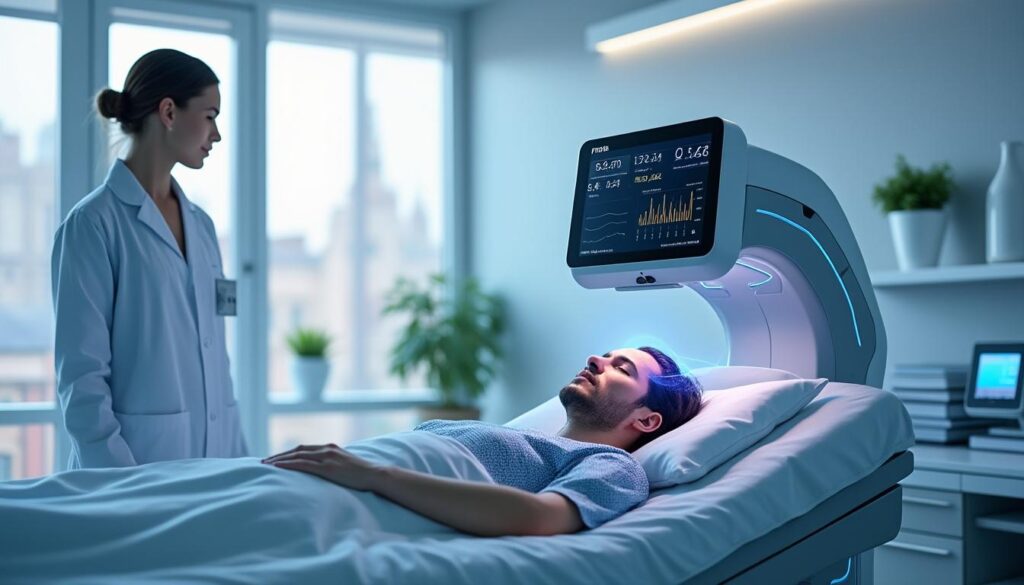
The landscape of spinal surgery and postoperative care has evolved considerably by 2025, with neuromodulation therapies such as repetitive transcranial magnetic stimulation (rTMS) emerging as promising adjuncts to traditional surgical approaches. This innovation focuses not only on mechanical correction but also on enhancing neurological recovery and managing persistent postoperative symptoms, particularly neuropathic pain and mood disorders. In cross-continental collaborations, advanced centers like Neurothérapie Montréal, led by experts in rTMS and allied neuromodulatory techniques, have pioneered integration of rTMS protocols following spine surgery interventions performed abroad, notably in France. Such integrative care pathways aim to reduce the likelihood of revision surgeries by improving analgesia and functional outcomes, an increasingly relevant consideration for healthcare systems and patients alike.
Concurrently, the convergence of cutting-edge neurosurgical techniques, including robotic-assisted spine surgery and spinal endoscopy courses advancing the art of minimally invasive procedures, has set new standards for primary interventions. Still, some patients experience chronic postoperative sequelae such as persistent pain or cognitive dysfunction that jeopardize recovery and necessitate further clinical decisions. As the role of neurophysiological support gains traction, rTMS offers targeted cerebral modulation that may attenuate pain circuits, alleviate depressive symptoms, and promote neuroplasticity, thereby augmenting rehabilitation and possibly circumventing subsequent surgical interventions. Understanding the mechanisms, clinical protocols, and real-world outcomes of such integrative therapies is vital for clinicians, patients, and healthcare strategists aiming to optimize post-surgical trajectories.
Understanding rTMS Mechanisms and Its Role in Postoperative Spinal Therapy
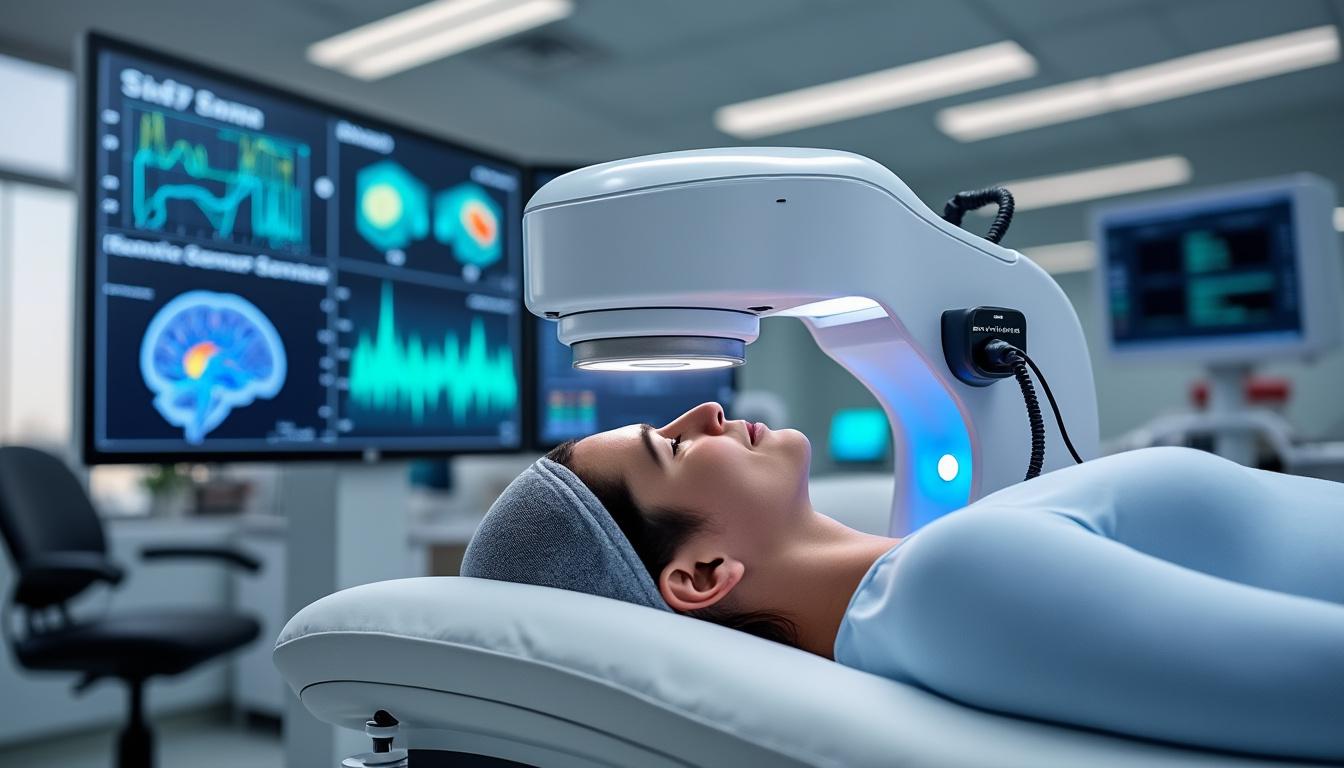
Repetitive transcranial magnetic stimulation (rTMS) operates through the application of magnetic fields generated by coils placed on the scalp to induce electrical currents within specific cortical regions. This non-invasive neuromodulatory method can alter neural excitability and synaptic plasticity, with the capacity either to potentiate or inhibit brain circuits linked to pain perception, motor control, or mood regulation. Postoperative spinal patients often contend with multilayered challenges, including neuropathic pain resulting from nerve injury, mood disturbances such as postoperative depression, and impaired motor function.
NeuroPulse and BrainWaveTech have contributed to advances in rTMS device precision, allowing refined targeting of the motor cortex or prefrontal regions pivotal in pain and mood modulation. For example, stimulation of the left dorsolateral prefrontal cortex has demonstrated efficacy in reducing depressive symptoms, which frequently co-exist with chronic postoperative pain syndromes. Additionally, stimulation over the motor cortex can modulate thalamocortical pathways implicated in neuropathic pain, attenuating hyperalgesia and spontaneous pain sensations.
Typical rTMS sessions last between 20 and 30 minutes and are conducted in outpatient settings, facilitating patient convenience and compliance. Guidelines emphasize adherence to exclusion criteria, including epilepsy, the presence of incompatible implants, and certain psychiatric instabilities to ensure patient safety. Clinical protocols vary from high-frequency excitatory stimulation for hypoactive cortical regions to low-frequency inhibitory patterns in hyperexcitable areas, tailored to individual neurophysiological profiles discerned through rigorous assessment.
- Neuropathic pain relief: rTMS modulates aberrant cortical activity linked to nerve injury, reducing pain intensity.
- Depression management: By targeting prefrontal circuits, rTMS reduces symptoms negatively impacting rehabilitation.
- Motor function recovery: Enhancement of neuroplasticity supports improved coordination and strength recovery.
| Aspect | Description | Benefit Post-Surgery |
|---|---|---|
| Device Precision (NeuroPulse, BrainWaveTech) | Focused magnetic stimulation on cortical targets | Improved symptom control with minimal side effects |
| Session Duration | 20-30 minutes outpatient | High patient compliance, no hospitalization needed |
| Safety Measures | Contraindications screening and side effect monitoring | Reduced adverse events risk |
Adoption of rTMSCare within comprehensive rehabilitation programs enhances functional gains, a conclusion supported by clinical trials accessible via resources such as published neurostimulation research and case series from expert centers. NeuroLink Medical’s integration protocols advocate for an individualized approach, dictating stimulation parameters based on ongoing neurofunctional evaluations.

Understanding Sciatic Pain: Key Symptoms and When to Seek Medical Advice
Sciatic pain is a prevalent condition impacting a wide demographic, manifesting primarily as intense pain radiating from the lower back down the leg. This pain stems from irritation or compression of the sciatic nerve, a major nerve extending through the…
Personalized Postoperative rTMS: A Strategic Approach to Avoiding Revision Surgeries
The pathway following complex spinal operations, particularly those addressing degenerative or traumatic pathologies, requires a multidisciplinary framework. Neurothérapie Montréal and its collaborators emphasize the pivotal role of personalized rTMS regimens initiated in the immediate postoperative phase to optimize outcomes. The strategic involvement encompasses preoperative neurofunctional assessments, intraoperative communication with surgical teams, and tailored post-op stimulation schedules coordinated via Cortex Integrations.
Key elements of personalized rTMS care post spine surgery include:
- Pre-surgical evaluation: Establishes baseline cognitive and motor function, screening for psychiatric comorbidities affecting therapy responsiveness.
- Targeted biopsychosocial intervention: Combines rTMS with physical therapy and psychological support enhancing pain and mood management.
- Longitudinal follow-up: Regular reassessment using validated scales ensures adaptive protocol adjustments responsive to patient progress.
Evidence collected by NeuroPath Innovations demonstrates that structured neurostimulation combined with multidisciplinary rehabilitation can substantially mitigate risks of persistent pain syndromes that often precipitate secondary surgical procedures. Such data, including randomized controlled trials like those reviewed in recent biomedical journals, highlight the capacity of rTMS to stabilize neurological function and reduce inflammatory mediators implicated in postsurgical maladaptation.
| Phase | Key Actions | Therapeutic Aims |
|---|---|---|
| Pre-operative | Neurofunctional testing, team coordination | Optimize protocol suitability, educate patient |
| Immediate Post-op | Initiate rTMS sessions, manage acute pain | Reduce inflammation, early neural modulation |
| Rehabilitation | Intensive rTMS with physical therapy | Strengthen motor recovery, decrease pain |
| Long Term | Periodic assessments and protocol modifications | Prevent recurrence, maintain functional progress |
Such a methodology is particularly crucial in Quebec-based patient cohorts undergoing surgery in France, where the logistics of postoperative coordination with entities like SOS Tourisme Médical and Franchir require seamless communication. This cross-border cooperation exemplifies a successful intercultural healthcare model that prioritizes patient safety and optimal recovery outcomes supported by PulseRecovery initiatives.

The Stepwise Role of Functional Recovery in Achieving Successful Outcomes
The journey to full recovery following spinal surgery is often complex and multifaceted, demanding a meticulously structured approach to ensure optimal functional outcomes. In recent years, the concept of functional recovery through a stepwise approach has garnered significant attention in…
Documented Patient Outcomes Demonstrating rTMS Effectiveness in Post-Surgical Recovery
Clinical experiences reflect that patients treated with tailored rTMS protocols achieve significant improvements, avoiding repeat surgeries in numerous cases. Consider a patient with a complex lumbar arthrodesis facing persistent neuropathic pain that compromised quality of life and occupational reintegration. Following NeuroSurg Solutions’ structured rTMS regimen combined with reinforced neurorehabilitation, the patient reported marked pain reduction exceeding 70% and regained functional independence.
Other illustrative successes include management of post-laminectomy syndrome where conventional pharmacotherapies and physical therapy fell short. Patients receiving rTMS care exhibited enhanced mood, reduced opioid dependence, and improved sleep quality. The synergy between neuromodulation and psychological support injects a positive behavioral reinforcement, critical for sustained recovery and avoiding further interventions. The cumulative data is strengthened by meta-analyses found in the neuromodulation-focused journal archives and corroborated by real-world patient registries.
- Neuropathy post-surgical relief: Reduction in nerve pain secondary to spinal procedures
- Psychological enhancement: Management of depression and anxiety limiting convalescence
- Functional restoration: Return to occupational and recreational activity without additional surgery
| Case | Intervention | Outcome |
|---|---|---|
| Patient A | rTMS with neurorehabilitation | 70% pain reduction, return to active work |
| Patient B | Targeted rTMS and psychological care | Improved mood, resumed sports activity |
| Patient C | Intensive rTMS plus coaching | Normalized activity, higher quality of life |
The role of trust and patient-clinician rapport cannot be overstated in these outcomes. Confidence in the multidisciplinary approach is a determinant of adherence, as emphasized by expert insights detailed on specialized platforms focusing on rTMS integration after spine surgery.

Transatlantic Patient Journey: Insights into Indications, Benefits, and Challenges
The emergence of the Transatlantic Patient Journey as a strategic model within healthcare continues to capture attention for its innovative potential, especially in specialized fields such as spinal surgery. This cross-border care pathway integrates rigorous medical evaluation from Quebec with…
Global Collaborations Enabling Optimized rTMS Post-Surgery Care for International Patients
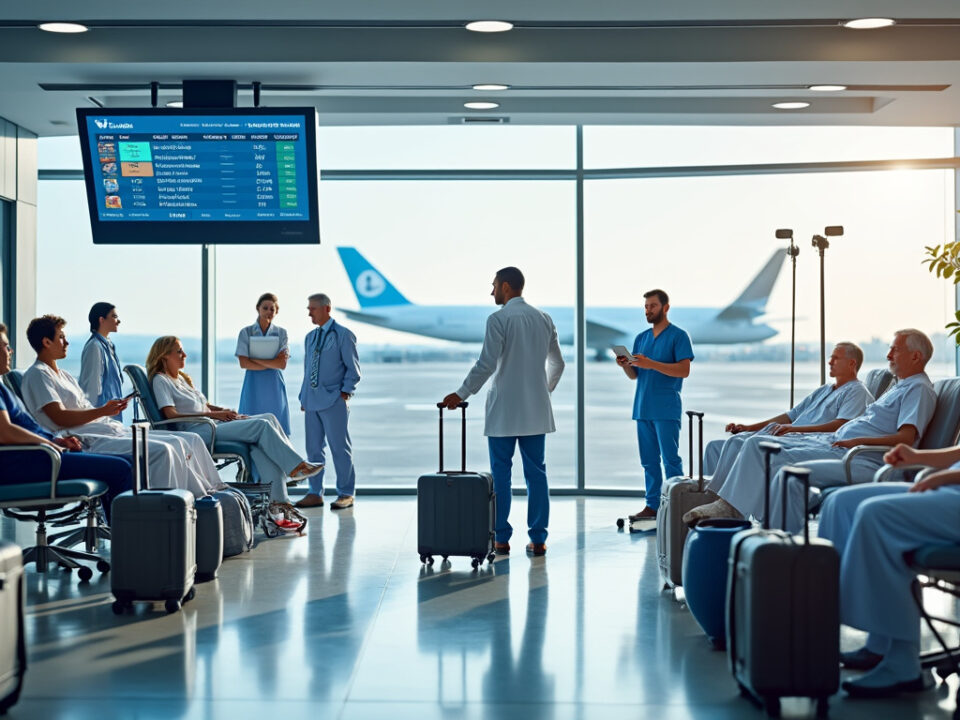
In the context of medical tourism and transatlantic care, networks such as those formed between French surgical centers, Neurothérapie Montréal, SOS Tourisme Médical, and Franchir illustrate an exemplary model of integrated care coordination. In addition to surgical excellence with advanced technologies like 3D robotic navigation provided by platforms such as eCential Robotics, the postoperative phase is meticulously planned to leverage rTMS therapies within a coherent continuum.
This alliance provides numerous advantages:
- Efficient medical record sharing ensures preoperative and postoperative data continuity.
- Logistical support facilitates patient travel, accommodation, and follow-up across continents.
- Multi-disciplinary expertise combining surgeons, neurologists, rehabilitation specialists, and psychosocial counselors.
- Cultural and linguistic alignment enhances patient comfort and adherence to protocols.
| Entity | Role | Contribution |
|---|---|---|
| Neurothérapie Montréal | Post-op rTMS and neurorehabilitation | Personalized neurofunctional care and clinical monitoring |
| Franchir | Pre-op surgical coordination | Patient orientation and surgical stay management in France |
| SOS Tourisme Médical | Patient support and logistics | Assistance with travel and post-op follow-up |
Beyond the clinical scope, this matchmaking between state-of-the-art surgical centers and advanced neuromodulation clinics exemplifies how interdisciplinary collaboration elevates standards of care worldwide, supported through networks like NeuroPath Innovations and Cortex Integrations.
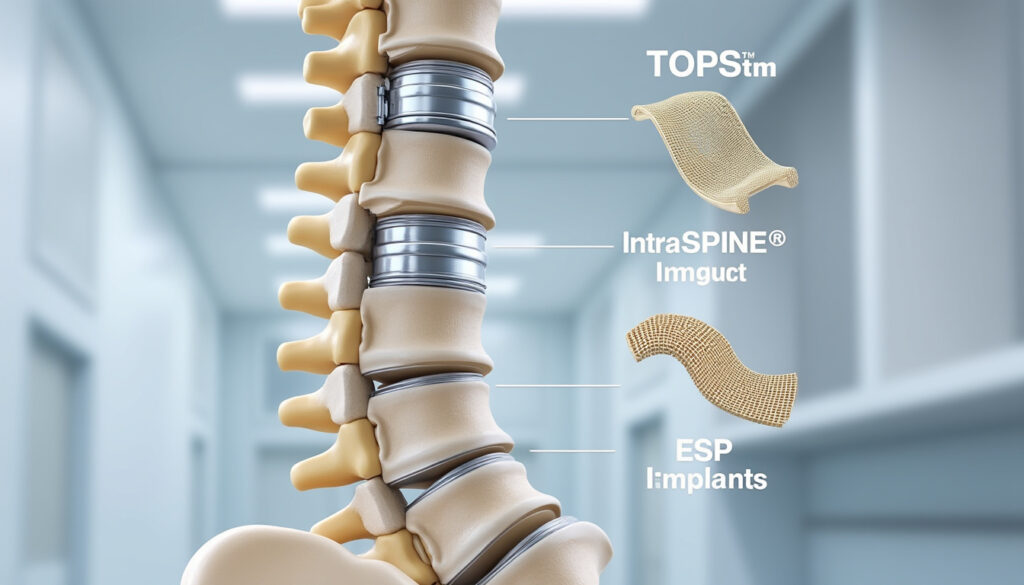
The evolving field of spinal surgery is witnessing a transformative shift, fueled by cutting-edge implant technologies such as TOPS, Intraspine, and ESP. These innovative implants redefine treatment possibilities by emphasizing preservation of natural spinal mechanics, while ensuring durable stabilization and…
Common Pitfalls to Avoid in rTMS Use After Spinal Surgery
Despite extensive benefits, missteps during rTMS integration can compromise outcomes or patient safety. NeuroSurg Solutions emphasizes careful patient selection as the cornerstone of success. For instance, overlooking contraindications such as a history of epilepsy or unstable psychiatric conditions can precipitate adverse events. Furthermore, under-evaluation of the individual neurophysiological profile may lead to suboptimal stimulation protocols that lack efficacy.
Additional challenges arise from poor interprofessional communication, especially when managing patients undergoing surgery abroad and returning home for follow-up care. Expectations management is also critical since rTMS acts as a complementary therapy rather than a substitute for surgical repair or conventional physical rehabilitation. Finally, psychosocial support is indispensable to address post-surgical emotional disturbances that may hinder recovery.
- Neglecting contraindications: Risks seizures or worsening psychiatric symptoms.
- Inadequate neuro-assessment: Misguided protocols diminishing treatment effectiveness.
- Fragmented care coordination: Interruptions in therapy reducing benefits.
- Unrealistic patient expectations: Result in frustration and poor adherence.
- Lack of psychological support: Poorly managed emotional health impairs rehabilitation.
| Common Error | Potential Consequence | Recommended Solution |
|---|---|---|
| Ignoring Contraindications | Severe adverse events | Comprehensive medical screening pre-treatment |
| Non-personalized Protocols | Limited or absent clinical improvement | Thorough neurofunctional evaluation |
| Poor Communication | Disrupted continuity of care | Regular multidisciplinary meetings |
| Unrealistic Expectations | Disappointment and treatment dropout | Transparent patient education |
| Insufficient Emotional Support | Increased risk of relapse or deterioration | Integrate psychological counseling into recovery |
Recognizing these pitfalls early is critical. Platforms such as expert clinical guides furnish detailed frameworks that assist practitioners in delivering safe and effective rTMS interventions in the spine surgery postoperative setting.
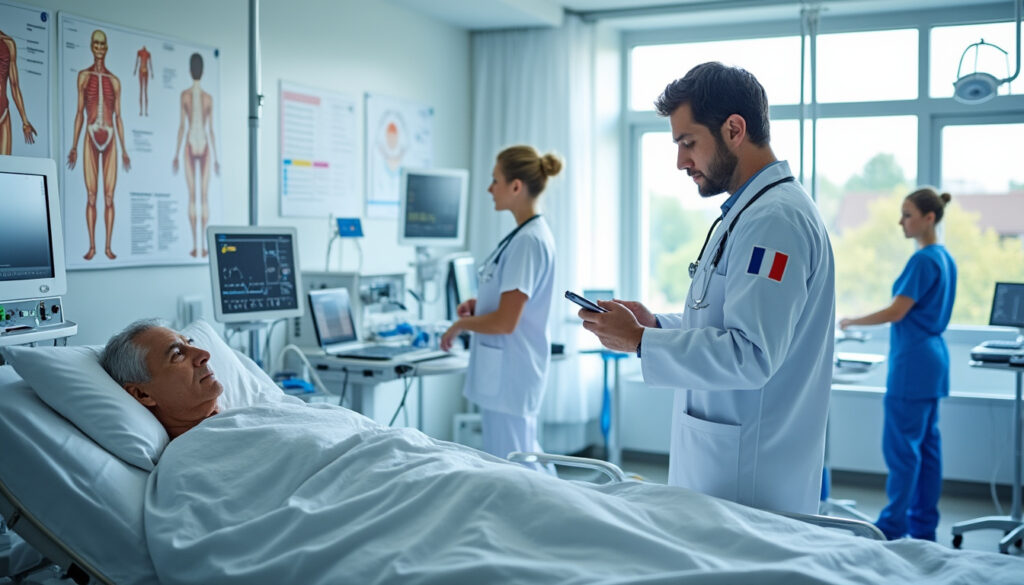
Preparing for Surgery in France: Key Indications, Benefits, and Limitations
In an evolving global healthcare landscape, France emerges as a beacon of advanced surgical expertise, particularly attracting international patients seeking expedited and innovative medical interventions. Patients from regions experiencing long wait times, such as Quebec, increasingly view France as an…
Emerging Technological Advances Enhancing rTMS Precision and Outcomes
Recent years have brought significant strides in neuromodulation device engineering and software integration, advancing the utility of rTMS in complex postoperative contexts. The advent of BrainWaveTech’s enhanced coil designs, integrated with NeuroPath Innovations’ adaptive stimulation algorithms, allows real-time modulation customized to neurophysiologic feedback. These developments coincide with the integration of brain-computer interfaces (BCIs) in rTMS therapy, enabling closed-loop systems that dynamically adjust based on patient cortical responses.
Furthermore, the inclusion of artificial intelligence in treatment planning singularizes protocols for maximum efficacy and minimal side effects. Platforms like NeuroLink Medical champion user-friendly interfaces allowing clinicians to optimize parameters efficiently, promoting widespread adoption even in community settings.
| Innovation | Description | Clinical Benefits |
|---|---|---|
| Advanced Coil Technology (BrainWaveTech) | Improved focality and depth of stimulation | More precise targeting; reduced discomfort |
| Closed-loop rTMS (NeuroPath Innovations) | Real-time cortical activity monitoring adjusts treatment | Individualized therapy responsive to neuroplastic changes |
| AI-driven Protocol Profiling (NeuroLink Medical) | Algorithmic adjustment of stimulation parameters | Enhanced outcomes; reduced adverse effects |
According to a comprehensive review discussing innovations in repetitive transcranial magnetic stimulation applications, these technological advances herald a new era in postoperative neurorehabilitation, bridging surgical innovation with neurotherapeutic precision. Such integrative tech further supports endeavors to minimize the need for secondary surgical interventions.

Unveiling the Hidden Benefits of Quality and Certification in Devices
The landscape of device manufacturing and clinical application in 2026 has been fundamentally shaped by the rigorous interplay between quality management and certification processes. Within this complex framework, the hidden benefits of adhering to international standards and obtaining relevant certifications…
Optimizing Patient Preparation for rTMS Post-Spine Surgery: Step-by-Step Protocols
Effective incorporation of rTMS into postoperative care necessitates meticulous patient preparation to maximize compliance and therapeutic outcomes. Expertise from Cortex Integrations and PulseRecovery focus on educating patients about realistic expectations, session protocols, and safety measures. Pre-treatment counseling includes psychological readiness and managing anxiety around novel neuromodulation devices. Detailed clinical pathways from preoperative planning to long-term follow-up guide patients through each recovery phase.
- Initial screening: Medical history evaluation, neurofunctional assessments identifying targets
- Patient education: Explaining procedure benefits, risks, and timelines
- Coordination with rehabilitation teams: Synchronizing rTMS with physical and cognitive therapies
- Scheduled follow-ups: Monitoring progress and customizing stimulation parameters
Documentation and continuous feedback loops contribute to adaptive care plans, increasing patient ownership over recovery. Evidence from clinical programs, such as those described in comprehensive preparation guides, underscores the importance of this holistic approach to circumventing repeat surgeries and enhancing sustained recovery.
| Preparation Step | Details | Benefits |
|---|---|---|
| Screening & Assessment | Identifying contraindications and stimulation targets | Ensures safety and maximizes effect |
| Patient Education | Setting realistic expectations and procedural explanations | Improves adherence and reduces anxiety |
| Interdisciplinary Coordination | Integration with rehab and psychological support | Enhances comprehensive recovery |
| Regular Monitoring | Ongoing protocol adjustments based on response | Optimizes therapy effectiveness |
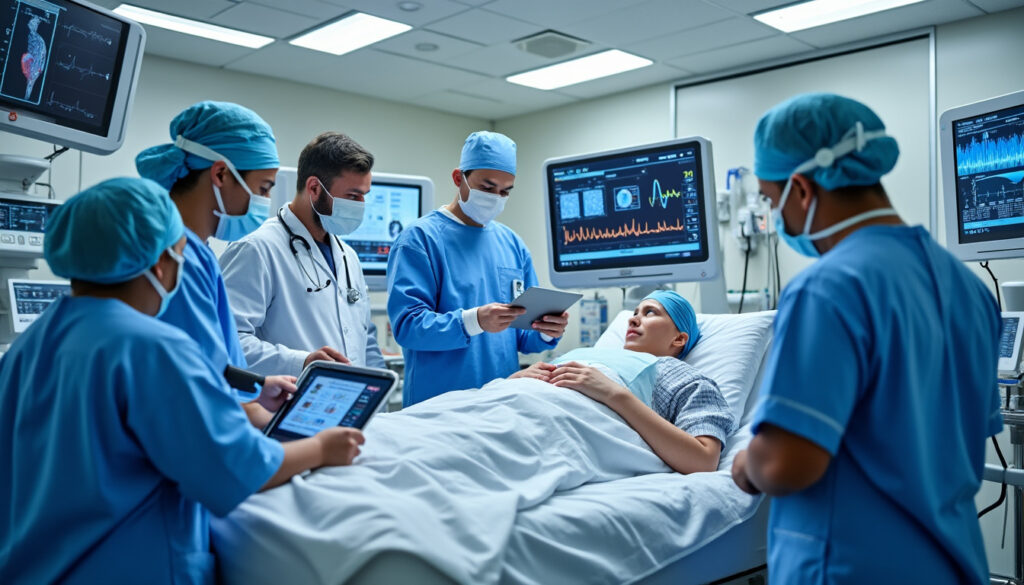
Why Experts Advocate for Comprehensive Preoperative Evaluations
In the complex and demanding field of spinal surgery, the emphasis on comprehensive preoperative evaluations has become a fundamental pillar supporting successful surgical outcomes. These evaluations, far beyond mere routine checks, integrate detailed analyses of patient health, surgical risk assessments,…
Latest Research Highlights on rTMS Application in Spine Surgery Recovery
In the ever-expanding body of literature, recent peer-reviewed studies have shed light on promising outcomes associated with rTMS in postoperative spine surgery populations. A pivotal double-blinded randomized controlled trial published in 2025 revealed that rTMS significantly diminished post-surgical neuropathic pain and cognitive dysfunction, corroborating insights from neuropsychiatric applications of rTMS.
Documents available through scientific collaborations showcase meta-analytical data supporting reduced dependence on opioids, enhanced neurocognitive recovery, and promising reductions in inflammatory biomarkers associated with surgical trauma. Investigations particular to Quebec and French centers reflect positive patient satisfaction rates and sustainable functional improvements.
Resources including this extensive journal article highlight mechanisms possibly explaining the neuroimmune modulation facilitated by rTMS, pointing to expanded applications in comprehensive postoperative care strategies alongside established surgical innovations. Studies emphasize continued research into optimal timing, dosage, and integration with rehabilitative exercise and psychological therapies.
| Study | Findings | Implications for Practice |
|---|---|---|
| Randomized Controlled Trial 2025 | Reduction of neuropathic pain and cognitive dysfunction | Supports rTMS as standard postoperative adjunct |
| Meta-analysis on Neuroimmune Effects | Decrease in pro-inflammatory cytokines | Potential for wider systemic benefits |
| Patient Reported Outcome Surveys | High satisfaction and improved quality of life | Endorse patient-centered care models |
Can rTMS Integration Post-Surgery Help Avoid Further Surgical Procedures?
Explore the key benefits of rTMS integration through this interactive infographic below. Hover or tap on the circles to learn more about each benefit.
Hover or tap a benefit
Discover how rTMS can improve post-surgery outcomes.
What are the main indications for rTMS after spinal surgery?
Major indications include management of refractory neuropathic pain, postoperative depressive symptoms, and support for neurophysiological rehabilitation.
Can rTMS truly help avoid repeat spinal surgeries?
In certain cases, rTMS significantly decreases persistent pain and functional deficits, potentially obviating the need for additional surgery, especially for post-laminectomy syndrome.
How is a typical rTMS session conducted post-surgery?
Patients are comfortably seated as targeted magnetic pulses are delivered via a coil on the scalp for 20-30 minutes, all in an outpatient setting.
What contraindications and risks should be noted?
rTMS is contraindicated in patients with epilepsy, incompatible implants, or unstable psychiatric disorders. Minor side effects like transient headaches may occur.
How does Neurothérapie Montréal coordinate postoperative care involving rTMS?
Under expert supervision, Neurothérapie Montréal ensures integrated care through neurofunctional assessment, personalized rTMS sessions, and collaboration with specialized French surgical centers, Franchir, and SOS Tourisme Médical.
The Future of Surgery Lies in Stepwise Functional Recovery
The evolution of surgical care in 2026 reveals a compelling shift toward approaches that prioritize the holistic recovery of patients, moving beyond traditional metrics like length of hospital stay or mortality rates. This modern paradigm highlights the principle that the…