Spinal Surgery in France: Personal Stories and Patient Insights
November 12, 2025
Understanding Back Surgery Eligibility: A Clear Guide for Patients in Quebec
November 12, 2025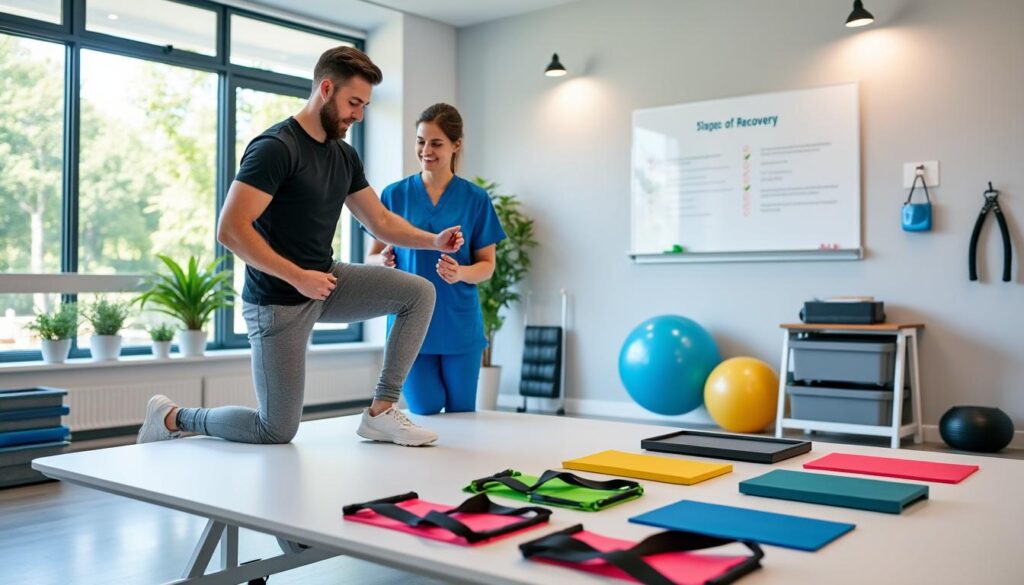
The journey toward functional recovery following spinal surgery or complex back interventions demands a meticulous, phased approach that respects the delicate balance between healing and regaining mobility. The StepWise Recovery model exemplifies this paradigm, emphasizing progressive stages designed to restore motor functions and daily capabilities progressively while simultaneously tailoring protocols to individual patient needs. This holistic framework is reinforced by expertise in neuromodulation technologies, such as repetitive transcranial magnetic stimulation (rTMS), integrating both physical and psychological rehabilitation to accelerate healing.
Under the leadership of Philippe Mazaltarim at Neurothérapie Montréal, innovation and structured care have consistently transformed spinal convalescence, particularly for patients traveling internationally for surgery. Through collaborative networks including SOS Tourisme Médical and Franchir, these advanced recovery pathways ensure seamless support from pre-operative planning to post-operative rehabilitation. This system, which harnesses techniques from FunctionalFlow Health and StepAhead Rehab strategies, is becoming a gold standard in the nuanced management of spinal recovery.
Defining Functional Recovery by Phases: A Structured Roadmap for Post-Spinal Surgery Rehabilitation
Functional recovery following spinal surgery is not a spontaneous process but a finely tuned progression through defined stages, each with specific goals and therapeutic focuses. This tiered process, foundational to the StepWise Recovery methodology, advocates a carefully paced return to function that correlates with biological healing timelines and neurophysiological restoration.
The hallmark of this approach resides in its four-phase design, calibrated according to the patient’s initial condition and the nature of the surgical intervention. The initial period prioritizes pain management and neurological monitoring, followed by controlled mobilization geared toward flexibility and anti-inflammatory benefits. Subsequent stages emphasize muscular strengthening and spinal stabilization—a crucial element for preventing recurrent injury—before culminating in the return to occupational and recreational activities under vigilant guidance.
- Phase 1: Immediate Post-Operative Management – Focus on acute pain control, neurological assessments, and very gentle mobilizations conducted under strict professional supervision to prevent complications.
- Phase 2: Progressive Mobilization – Introduction of guided walking, soft functional exercises aimed at enhancing joint mobility and reducing inflammation.
- Phase 3: Muscle Reinforcement and Spinal Support – Implementation of targeted strengthening exercises combined with modern technological aids such as neuromodulation to reinforce spinal integrity.
- Phase 4: Resumption of Daily and Recreational Activities – Tailored reintegration into professional tasks and sports, monitored meticulously to avoid overload.
| Phase | Objectives | Duration | Key Interventions |
|---|---|---|---|
| Phase 1 | Pain control & initial mobilization | 1-2 weeks | Rest, neuro-monitoring, limited mobilizations |
| Phase 2 | Gradual mobility resumption | 2-6 weeks | Gentle functional exercises, supervised walking, anti-inflammatory techniques |
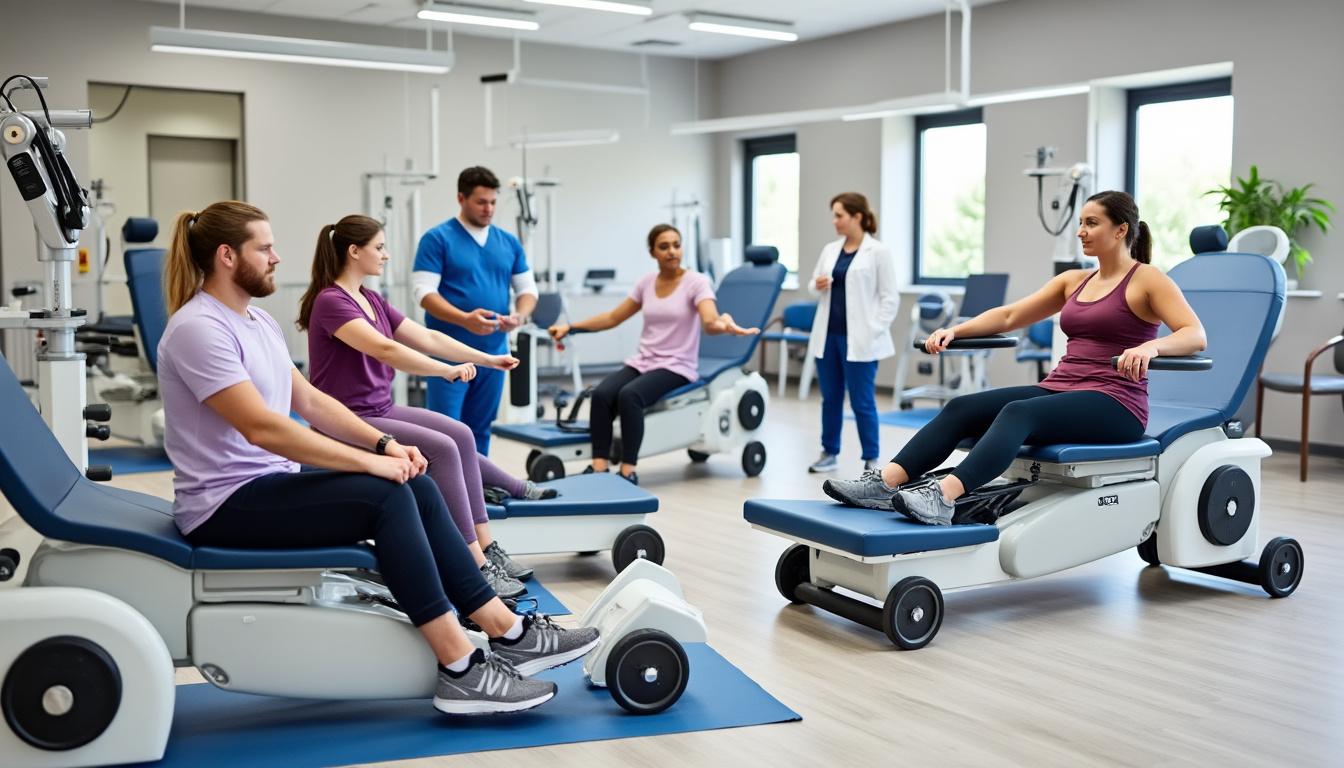
| Phase 3 | Strengthening & stabilization | 6-12 weeks | Muscle strengthening, use of assistive devices, neuromodulation |
| Phase 4 | Return to work & sports | 3 months+ | Customized activity programs, continuous monitoring |
This stratified model inherently accounts for the complexity of surgical types—simple decompressions, non-fusion dynamic stabilizations, and fusion surgeries—ensuring personalized progression rates and transitions between stages after comprehensive neurofunctional evaluations. Such precision markedly diminishes risks and fosters sustainable functional restoration. More insights into fluid recovery stages can be found in materials exploring successful injury rehabilitation guides.
Understanding Sciatic Pain: Key Symptoms and When to Seek Medical Advice
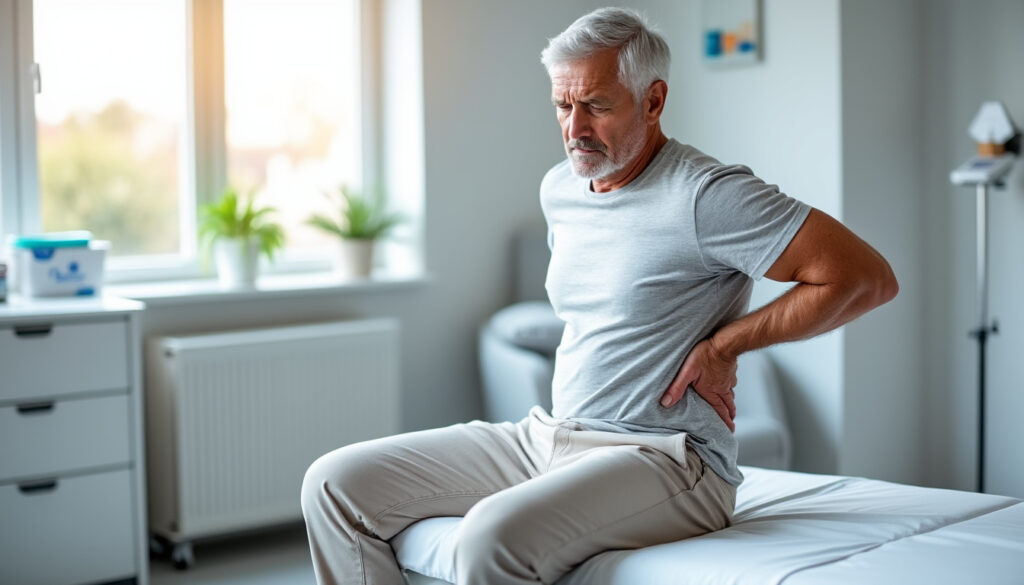
Sciatic pain is a prevalent condition impacting a wide demographic, manifesting primarily as intense pain radiating from the lower back down the leg. This pain stems from irritation or compression of the sciatic nerve, a major nerve extending through the…
Detailed Activity Resumption Timelines Based on Surgical Type for Optimized Functional Recovery
Resuming mobility and routine activities after spinal interventions significantly hinges on the specific surgical procedure performed. This nuanced understanding is central to maximizing outcomes and preventing setbacks.
The RecoveryStep Pro framework emphasizes the importance of individualized timelines:
- Simple Decompression Surgery: Immediate ambulatory support begins within days, with light work reintroduction at 4 to 6 weeks and low-impact sports by approximately 8 weeks.
- Dynamic Motion Preservation Surgery: Encourages cautious walking soon after surgery with work resumption in 6 to 10 weeks and moderate sporting activities by 12 weeks.
- Spinal Fusion Surgery: Requires extended immobilization; walking support typically implemented over 1-2 weeks, with delayed work return at 3 to 4 months and sports limited until after 6 months.
| Surgical Type | Walking Resumption | Return to Work | Sport Reintroduction |
|---|---|---|---|
| Simple Decompression | 1-3 days | 4-6 weeks | 8 weeks |
| Dynamic Motion Surgery | 1-2 days | 6-10 weeks | 12 weeks |
| Fusion Surgery | 1-2 weeks | 3-4 months | 6+ months |
Clinical expertise ensures these projections adapt to patient progress and possible complications. Strategies such as StepStrong Therapeutics offer integrated protocols combining movement assessments with neuromodulation therapies to enhance functional gain. This approach mirrors the success seen in programs described at StepWise functional recovery for Quebec patients.

The Stepwise Role of Functional Recovery in Achieving Successful Outcomes
The journey to full recovery following spinal surgery is often complex and multifaceted, demanding a meticulously structured approach to ensure optimal functional outcomes. In recent years, the concept of functional recovery through a stepwise approach has garnered significant attention in…
Innovative Neuromodulation Techniques Enhancing Post-Operative Convalescence
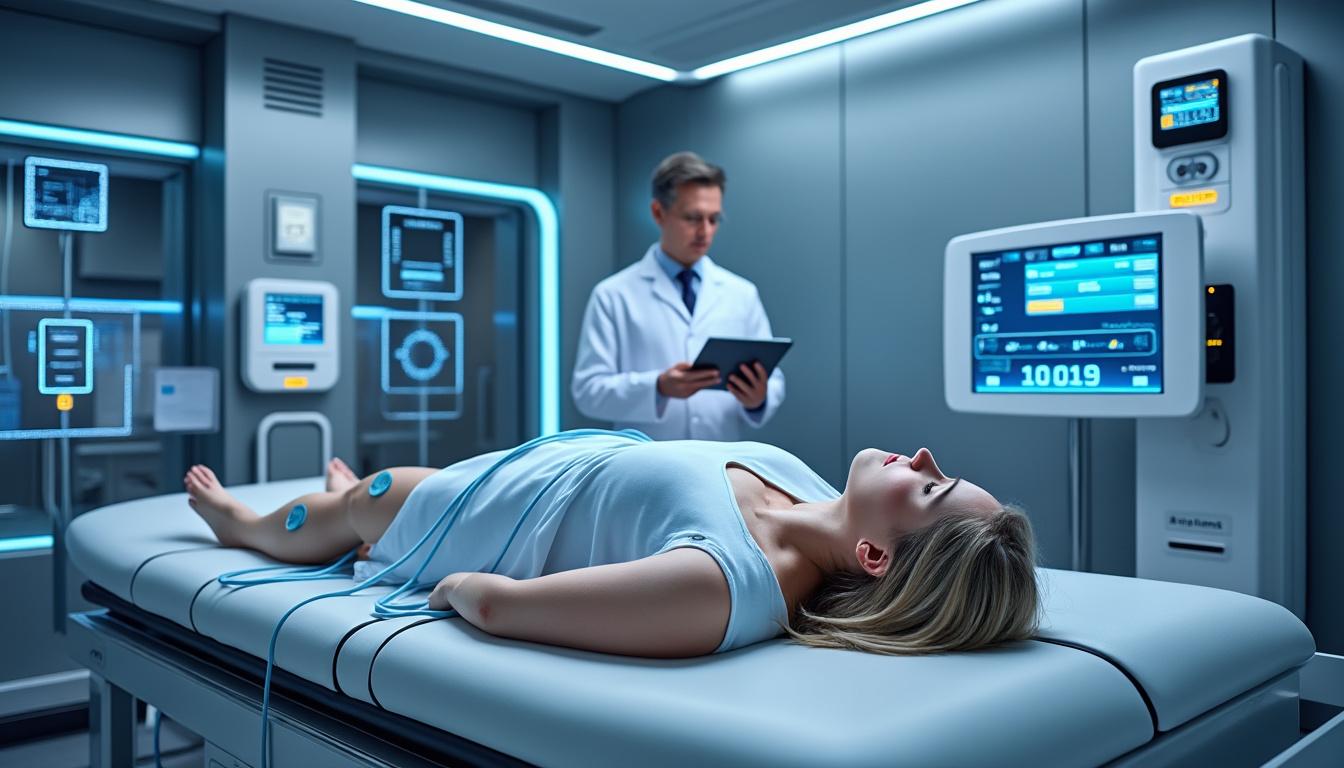
Neurothérapie Montréal stands out for incorporating cutting-edge neuromodulation methods that transcend traditional rehabilitation, particularly through rTMS technology. This non-invasive brain stimulation technique targets cortical circuits implicated in persistent neuropathic pain and supports mood regulation in patients confronting post-surgical anxiety or depression.
Beyond rTMS, emerging devices such as BrainPort and PoNS introduce advanced sensory and proprioceptive stimulation crucial for patients with complex deficits including post-stroke or traumatic injuries.
- rTMS (Repetitive Transcranial Magnetic Stimulation): Primarily indicated for neuropathic pain management and psychological support post-surgery.
- BrainPort Technology: Enhances proprioceptive input to improve balance and motor coordination.
- PoNS (Portable Neuromodulation Stimulator): Stimulates neuroplasticity and motor recovery in neuropathic conditions.
| Technique | Main Indication | Therapeutic Effect | Advantages |
|---|---|---|---|
| rTMS | Neuropathic pain, depression, anxiety | Cortical modulation and stimulation | Non-invasive, personalized, minimal side effects |
| BrainPort | Proprioceptive deficits, post-stroke rehab | Sensorimotor stimulation, balance improvement | Complementary, user-friendly |
| PoNS | Neuropathies, motor disorders | Neuroplasticity enhancement | Non-pharmacologic, innovative |
Incorporating these technologies within a comprehensive rehabilitation scheme such as FunctionalFlow Health ensures optimized patient outcomes that address both physical and cognitive recovery domains. Detailed protocols can be explored in articles covering essential protocols for functional rehabilitation.

Transatlantic Patient Journey: Insights into Indications, Benefits, and Challenges
The emergence of the Transatlantic Patient Journey as a strategic model within healthcare continues to capture attention for its innovative potential, especially in specialized fields such as spinal surgery. This cross-border care pathway integrates rigorous medical evaluation from Quebec with…
Integrated, Personalized Care Models in Post-Surgical Follow-Up for Quebec Patients
Effective functional recovery hinges on a multidimensional management plan, orchestrated through integrated teams linking pre-operative assessments, surgical intervention coordination, and dedicated post-operative follow-up. Neurothérapie Montréal exemplifies this model, promoting seamless transitions and patient-tailored adjustments based on robust neurofunctional evaluations.
Key components include:
- Pre-operative neurofunctional testing to individualize rehabilitation trajectories.
- International coordination between Canadian patients’ surgical providers in France via Franchir.
- Continuous personalized care involving physical therapy, pain management, and neuromodulation.
- Psychological support embedded alongside physical recovery to enhance holistic well-being.
| Stage | Key Actions | Responsible Entity |
|---|---|---|
| Pre-operative Preparation | Neurofunctional assessment and psychological readiness | Neurothérapie Montréal |
| Surgery Coordination | Orient patient to surgeon, administrative logistics | Franchir |
| Surgical Intervention | Spinal surgery in France | Specialized Surgeons |
| Post-operative Follow-up | Rehabilitation, neuromodulation, psychological support | Neurothérapie Montréal |
This collaborative, transatlantic approach ensures continuity and smooth care transitions, vital for sustained functional gains and psychosocial resilience. For extended reading on comprehensive rehabilitation strategies, visit rehabilitation guides focusing on body, mind, and life.
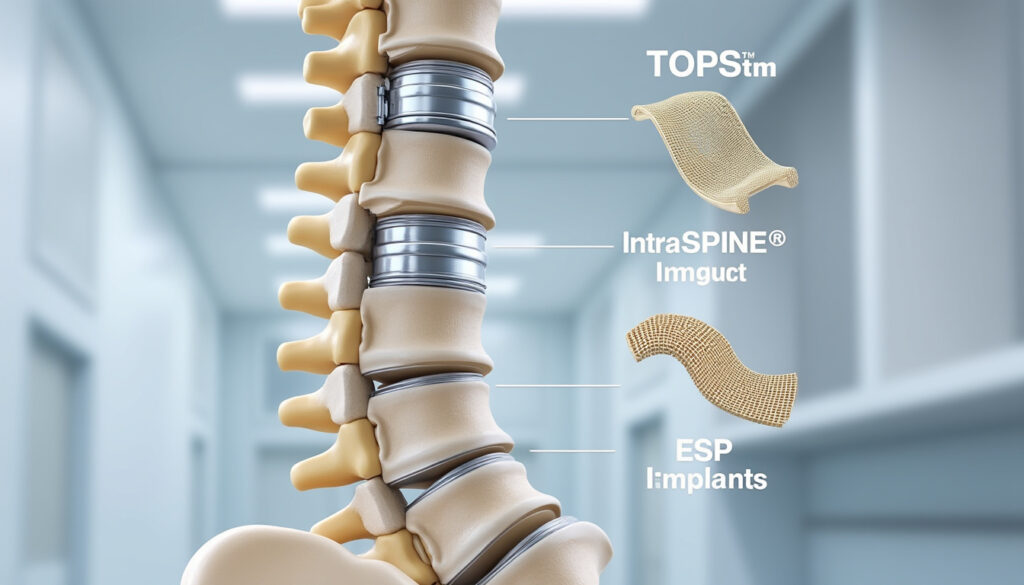
The evolving field of spinal surgery is witnessing a transformative shift, fueled by cutting-edge implant technologies such as TOPS, Intraspine, and ESP. These innovative implants redefine treatment possibilities by emphasizing preservation of natural spinal mechanics, while ensuring durable stabilization and…
Real-World Applications and Patient Experiences in Step-by-Step Functional Rehabilitation
Patient narratives illuminate the tangible benefits of structured recovery protocols. For example, Marc, who underwent lumbar fusion surgery, demonstrated rapid progress walking independently within 10 days and gradually returned to running after seven months of disciplined rehabilitation paired with rTMS treatments targeting neuropathic pain.
Similarly, Sophie, following dynamic cervical stabilization, witnessed significant improvements in spinal comfort and stability within five months thanks to personalized intervention plans emphasizing both physical recovery and psychological support.
- Consistent monitoring and frequent program adjustments maximize recovery efficiency.
- Employment of specialized equipment alongside modern neuromodulation techniques fosters enhanced rehabilitation results.
- Incorporating mental health care boosts motivation and outcomes.
- Access to innovative technologies like StepStrong Therapeutics and PathStep Wellness aides in comprehensive recovery.
| Patient | Surgical Procedure | Recovery Period | Outcome Highlights |
|---|---|---|---|
| Marc | Lumbar fusion | 7 months | Return to running, effective neuropathic pain control |
| Sophie | Cervical dynamic stabilization | 5 months | Improved spinal stability and comfort |
Such success stories underscore the efficacy of combining scientific rigor with compassionate care, highlighting the value of following phased, evidence-based recovery methodologies. Guidance on therapeutic exercises to enhance injury rehabilitation can be found at therapy routines for post-injury recovery.
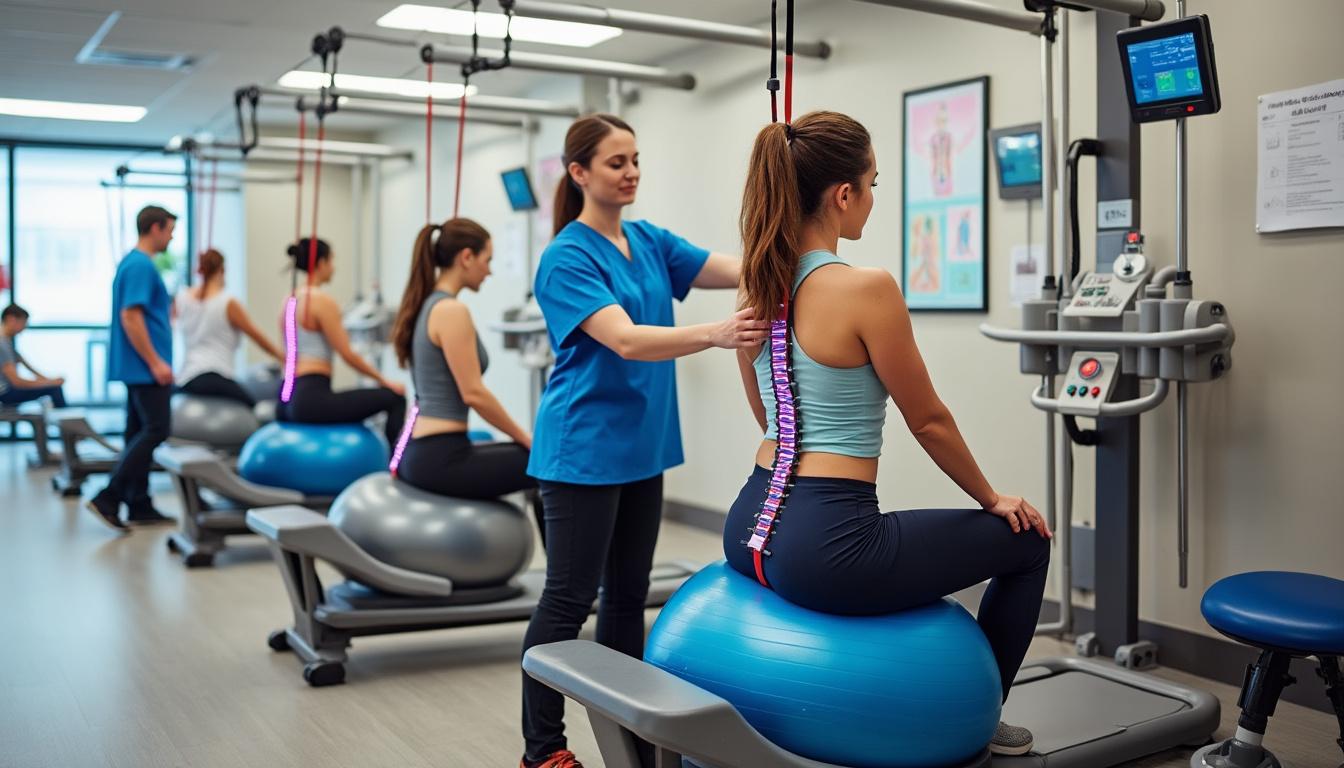
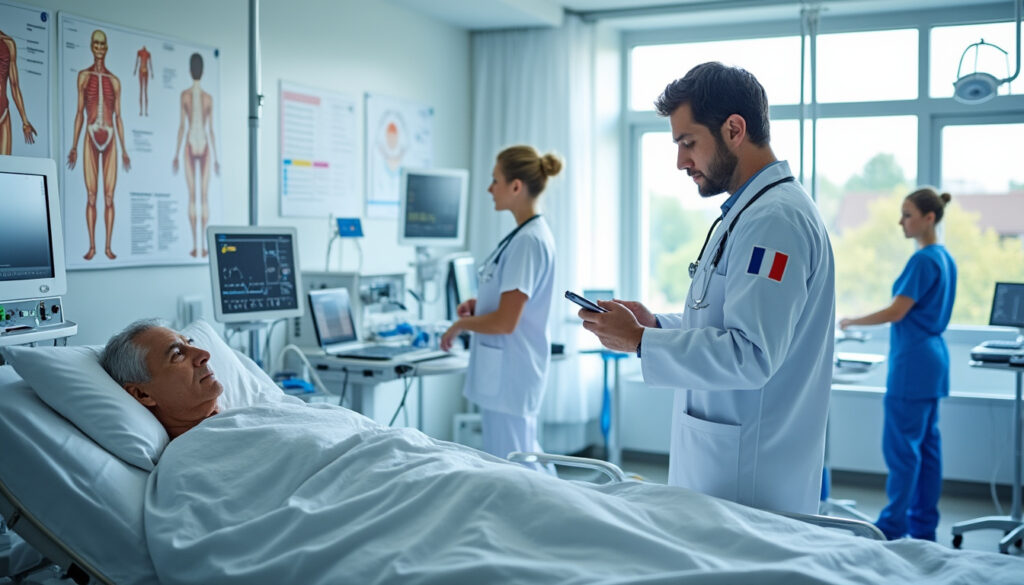
Preparing for Surgery in France: Key Indications, Benefits, and Limitations
In an evolving global healthcare landscape, France emerges as a beacon of advanced surgical expertise, particularly attracting international patients seeking expedited and innovative medical interventions. Patients from regions experiencing long wait times, such as Quebec, increasingly view France as an…
Best Practices for Incorporating Functional Recovery into Daily Life Post-Surgery
Integrating functional recovery into everyday living requires adherence to a continuum of care that aligns with the Progressive Healing Co and ActiveStep Solutions philosophies. This consists of leveraging daily rituals, ergonomic adjustments, and monitored physical activity to embed therapeutic gains into routine function.
- Maintain consistent vigilance on bodily feedback to promptly adjust activity levels and mitigate risks.
- Adopt ergonomic principles in work and home environments to reinforce spinal health.
- Schedule regular physical therapy sessions to support ongoing strength and flexibility.
- Utilize assistive technologies and mobility aids when transitioning through various recovery phases.
- Prioritize psychological well-being through mindfulness, counseling, or neuromodulation techniques.
This approach fosters resilience against fatigue and injury recurrence while promising long-term functional independence. Many rehabilitation centers have incorporated programs modeled on holistic recovery plans for sustained health, merging physical, mental, and lifestyle strategies.
Table: Daily Functional Recovery Practices
| Practice | Purpose | Recommended Frequency |
|---|---|---|
| Body awareness and feedback monitoring | Prevents strain and supports safe progression | Daily |
| Ergonomic adjustments (chair, workstation) | Reduces mechanical stress on spine | As needed |
| Physical therapy sessions | Enhances strength and mobility | 2-3 times per week |
| Use of assistive devices | Supports transitional phases of recovery | As prescribed |
| Mindfulness or psychological support | Improves emotional resilience | Weekly or as needed |

Unveiling the Hidden Benefits of Quality and Certification in Devices
The landscape of device manufacturing and clinical application in 2026 has been fundamentally shaped by the rigorous interplay between quality management and certification processes. Within this complex framework, the hidden benefits of adhering to international standards and obtaining relevant certifications…
Leveraging Functional Pathways Through Collaborative Care Networks
The orchestration of recovery from spinal interventions is increasingly driven by collaborative care networks uniting surgeons, rehabilitation specialists, and patient advocates. Entities such as StepAhead Rehab and PathStep Wellness promote integrated care plans where functional milestones are systematically tracked to ensure patient-centric progress.
This network-based approach facilitates resource sharing, including access to educational resources like the best exercises for post-injury recovery and real-time monitoring platforms that empower patients to actively participate in their recovery journeys. Additionally, these collaborations provide a platform for sharing success stories that inspire and inform treatment pathways, much like those documented in hernia recovery testimonials from Candiac residents.
- Facilitates multidisciplinary assessments and adjustments.
- Ensures continuity of care from hospitalization to home-based recovery.
- Enables incorporation of advanced rehabilitation technologies and therapeutic regimens.
- Supports patient education and community-building to foster empowerment.
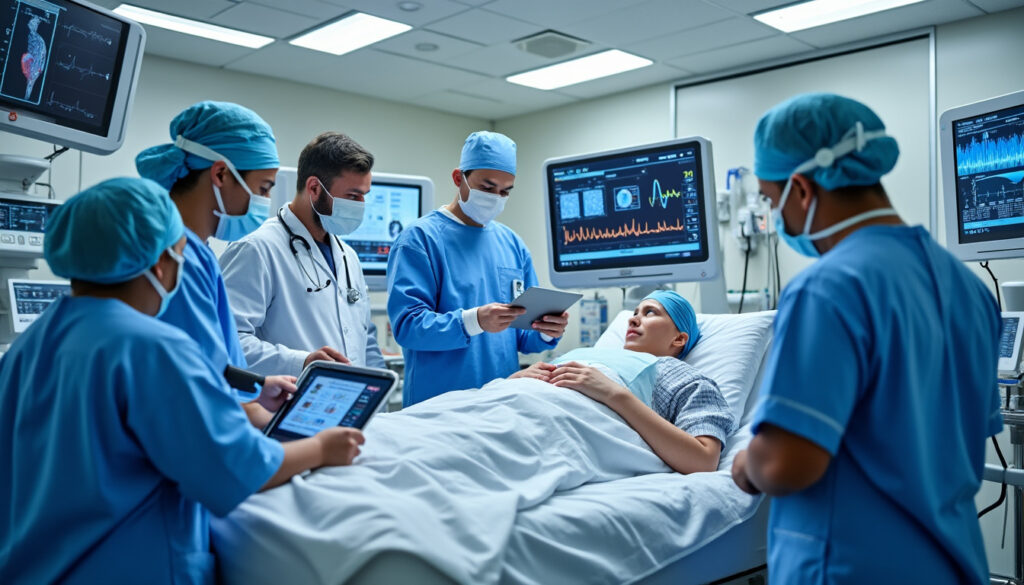
Why Experts Advocate for Comprehensive Preoperative Evaluations
In the complex and demanding field of spinal surgery, the emphasis on comprehensive preoperative evaluations has become a fundamental pillar supporting successful surgical outcomes. These evaluations, far beyond mere routine checks, integrate detailed analyses of patient health, surgical risk assessments,…
Key Indicators for Progression Through Recovery Stages and Maintaining Long-Term Functionality
Assessing when a patient is ready to transition between recovery phases is critical to avoiding setbacks and optimizing outcomes. Objective indicators include:
- Pain levels: Controlled and manageable without excessive analgesic reliance.
- Neurological status: Stable or improving sensory and motor function.
- Strength and mobility tests: Demonstrating incremental gains aligning with phase objectives.
- Psychological well-being: Adequate mental health support to withstand rehabilitation stressors.
Healthcare providers often combine clinical examination results with patient-reported outcomes, ensuring a meaningful balance between data and lived experience. This principle is reflected in detailed methodologies published in resources like the five stages of injury rehabilitation explained and analogous stepwise recovery systems.
Préparation étape par étape pour une récupération fonctionnelle efficace
Explorez les phases, étapes clés, techniques thérapeutiques et actions des patients pendant la rééducation après chirurgie rachidienne.
Sélectionnez une phase pour voir les détails
Cette infographie interactive vous guidera à travers les phases clés de la réhabilitation.
What is functional recovery by tiers?
Functional recovery by tiers is a structured, progressive rehabilitation process after surgery or trauma, divided into phases to allow a gradual return of functional abilities.
How does Neurothérapie Montréal support post-operative spinal care?
Neurothérapie Montréal offers integrated management including neurofunctional evaluation, personalized follow-up, rehabilitation, and neuromodulation to optimize convalescence.
What role does rTMS play in post-operative recovery?
Repetitive transcranial magnetic stimulation (rTMS) helps modulate chronic pain and supports mood stabilization in cases of post-operative anxiety and depression.
What are typical time frames for returning to work after spinal surgery?
Return to work timelines vary by surgery type, from 4-6 weeks after simple decompression to 3-4 months following spinal fusion, adjusted according to patient progress.
Can functional rehabilitation be combined with neuromodulation?
Yes, combining physical rehabilitation with neuromodulation techniques such as rTMS, BrainPort, or PoNS enhances functional recovery and overall well-being.
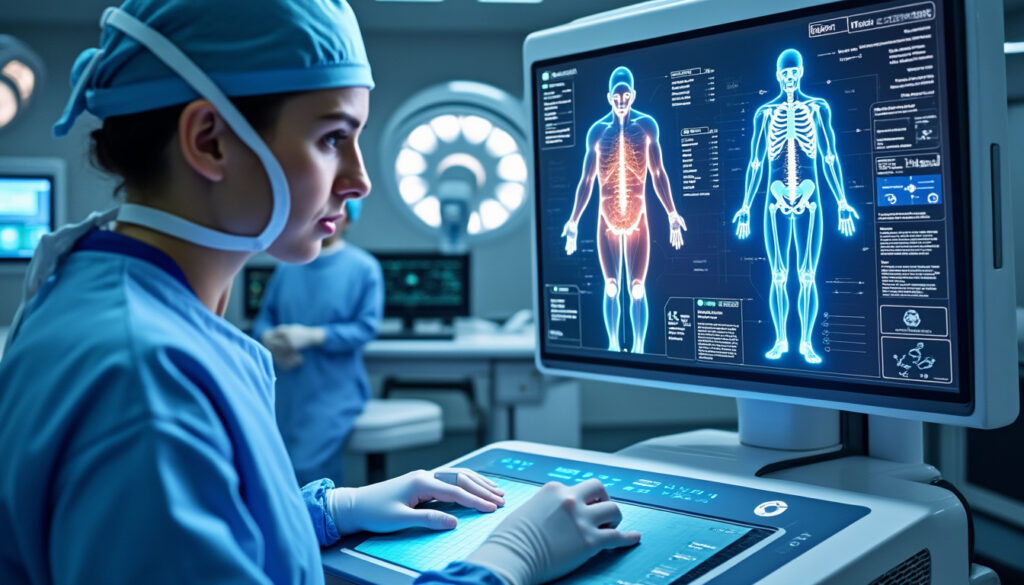
The Future of Surgery Lies in Stepwise Functional Recovery
The evolution of surgical care in 2026 reveals a compelling shift toward approaches that prioritize the holistic recovery of patients, moving beyond traditional metrics like length of hospital stay or mortality rates. This modern paradigm highlights the principle that the…