
The spine, a marvel of human engineering, relies heavily on the integrity of its intervertebral discs to maintain flexibility, absorb shocks, and protect the delicate nerves branching from the spinal cord. However, when these discs suffer from degeneration or injury, the resulting herniated disc can significantly impact quality of life through pain, numbness, and weakness. Leading experts such as Dr. Sylvain Desforges, with over three decades of clinical experience and a deep commitment to scientific rigor and patient-centered care, emphasize understanding the complex causes behind herniated discs to tailor precise, non-surgical treatment paths. This understanding empowers patients facing spinal discomfort to navigate their options confidently, leaning on innovative technologies and personalized evaluations rather than defaulting to invasive surgery.
Herniated discs primarily occur when the soft, gel-like center (nucleus) of a spinal disc pushes beyond the tough outer layer (annulus), potentially compressing spinal nerves. Despite being commonly linked to ageing and wear, the causes of herniated discs are multifaceted and vary broadly between individuals. Recognizing risk factors such as occupational strain, genetic predisposition, and lifestyle habits is fundamental in both prevention and management. The complex interplay between mechanical stress, disc degeneration, and nerve involvement invites a nuanced conversation tailored to each patient’s unique spinal health status. Thus, exploring causes not only sheds light on prevention strategies but also guides specialists like Dr. Desforges to apply advanced, evidence-based therapies ranging from osteopathic manipulation to cutting-edge spinal decompression technology.
Exploring the Structural Role and Vulnerability of Intervertebral Discs in Herniation
Intervertebral discs serve as critical shock absorbers and allow for the spine’s normal flexibility. Composed of a nucleus pulposus surrounded by the annulus fibrosus, these discs position themselves adjacent to spinal nerves, making their integrity vital for nervous system health. Over time, and influenced by various factors, the annulus may weaken or tear, enabling the nucleus to bulge or herniate outward. This herniation can impinge upon nerve roots, triggering symptoms characteristic of nerve compression.
One hallmark of disc aging is the degeneration process, starting as early as the twenties for many individuals. X-ray or MRI scans often reveal disc desiccation and fissuring in these age groups, with near ubiquity among the elderly. This degeneration results in loss of hydration and elasticity, diminishing the disc’s ability to absorb shock and withstand mechanical stresses. Notably, some patients never experience symptoms despite significant degenerative changes, illustrating the complex relationship between anatomical changes and clinical manifestations.
- Disc degeneration: Loss of water content and elasticity in the nucleus pulposus.
- Annulus fibrosus damage: Development of fissures or tears that can allow herniation.
- Proximity to nerves: Herniation often compresses spinal roots causing neurological symptoms.
- Age-related changes: Disc degeneration begins early but symptoms appear variably.
Understanding these structural nuances is crucial for clinicians, particularly when considering interventions such as those offered at Clinique TAGMED, where osteopathic methods complement advanced technological therapies to restore spinal function without invasive surgery. This approach aligns with the practices advocated by Dr. Sylvain Desforges, who underscores the importance of thorough evaluation and personalized care.
| Component | Function | Changes Leading to Herniation |
|---|---|---|
| Nucleus Pulposus | Shock absorption, maintains disc height | Dehydration, loss of elasticity, displacement through annulus |
| Annulus Fibrosus | Contains nucleus, provides structural integrity | Fissures, tears, weakening of outer layers |
| Adjacent Nerves | Transmit sensory and motor signals | Compression causing pain, numbness, weakness |
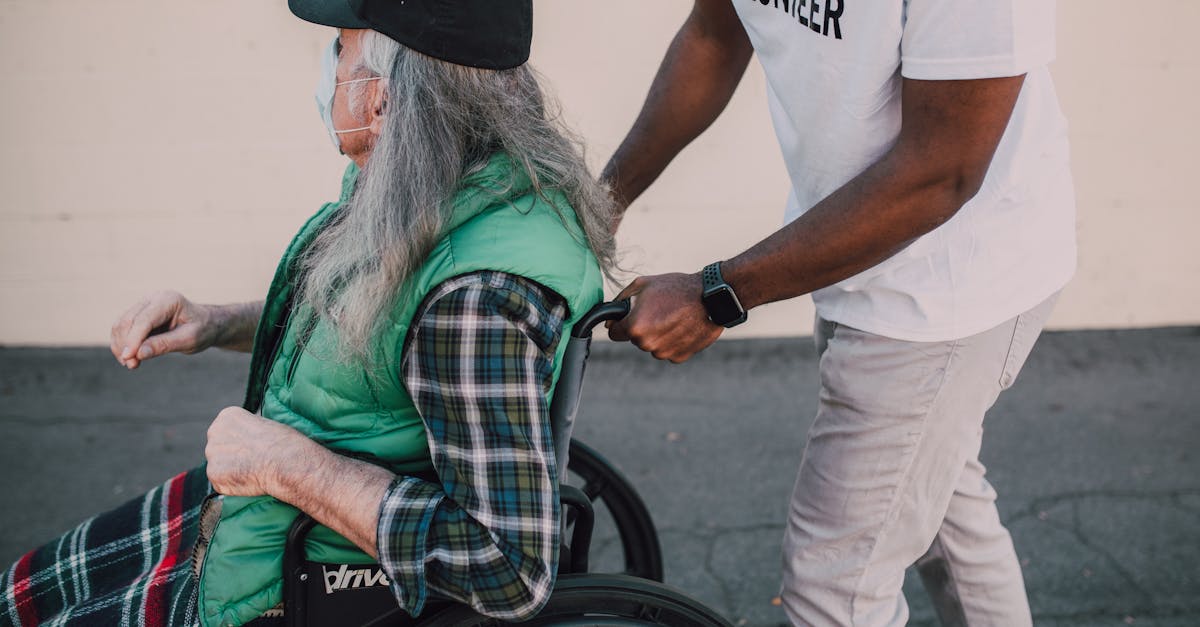
Identifying Primary Causes of Herniated Discs: Aging and Mechanical Stress
Though herniated discs can sometimes arise suddenly after trauma, they most frequently result from a slow, progressive degeneration driven by aging and mechanical stress. The natural decline in disc water content and elasticity weakens the annulus fibrosus, predisposing it to fissures even from ordinary movements. This ‘wear and tear’ phenomenon accounts for the majority of cases, with many individuals developing signs of disc degeneration in their twenties and thirties.
However, this degenerative process typically progresses silently, often without any symptoms. When symptoms do appear, they often correlate with additional aggravating mechanical factors such as:
- Repetitive bending or twisting: High-demand occupations involving repeated spinal flexion can accelerate disc damage.
- Heavy lifting: Poor technique or excessive loads increase intradiscal pressure beyond tolerable limits.
- Poor posture: Sustained spinal misalignment adds uneven mechanical stress to discs.
- Excess body weight: Increased axial load on lumbar discs hastens degeneration.
These factors, individually or combined, heighten the risk for disc herniation. For example, occupations involving repetitive duties such as construction labor or warehouse work expose workers to cumulative microtrauma, accelerating disc breakdown. Similarly, individuals who engage in frequent heavy lifting with improper form may precipitate acute annulus tears leading to symptomatic herniation.
| Risk Factor | Mechanism of Impact | Example |
|---|---|---|
| Age | Degeneration and drying out of discs | Progressive: Most elderly show disc degeneration |
| Heavy lifting | Increased pressure causing annulus tears | Improper lifting in manual labor |
| Poor posture | Uneven load distribution accelerating wear | Long hours at a desk without ergonomic support |
| Excess weight | Greater axial load on spine | Obesity-related low back pain |
Dr. Desforges and his team at TAGMED Clinics incorporate ergonomic education and personalized biomechanical assessments in their comprehensive evaluations to tailor preventive advice and conservative care plans. Their mission aligns with bridging advanced technology and patient education effectively, empowering patients beyond traditional therapies found in less specialized settings.
Genetics and Lifestyle Contributors Influence Herniated Disc Risk
Beyond mechanical and age-related factors, genetics and lifestyle choices exert considerable influence over an individual’s risk of developing a herniated disc. Certain hereditary traits predispose some people to weaker annulus fibrosus integrity or more rapid disc degeneration. In recent large cohort studies, genetic markers associated with connective tissue strength and disc composition have emerged as predictors of increased susceptibility. Understanding this genetic component forefronts personalized treatment models.
At the same time, lifestyle habits such as smoking and inactivity further compound risk. Smoking is known to reduce oxygen supply to spinal discs, hastening degeneration and impairing healing processes. Conversely, sedentary lifestyles lead to diminished spinal support musculature, increasing vulnerability to injury. Regular movement and exercise promote nutrient diffusion into discs and encourage spinal flexibility.
- Genetic predisposition: Influence on disc structural quality and repair capacity.
- Smoking: Decreases oxygenation and accelerates disc wear.
- Physical inactivity: Leads to weakness in spinal stabilizing muscles.
- Occupational sitting and vibration exposure: Prolonged driving can increase spinal stress.
In his practice, Dr. Desforges highlights the importance of these factors during consultations. He facilitates comprehensive lifestyle assessments and integrates education about risk reduction into patient interactions, emphasizing compassionate support and realistic goal-setting for managing symptoms and preventing exacerbation.
| Factor | Effect on Disc Health | Preventive/Management Strategy |
|---|---|---|
| Genetics | Weaker annulus, faster degeneration | Early evaluation, tailored conservative care |
| Smoking | Reduced oxygen supply, impaired healing | Smoking cessation programs |
| Inactivity | Muscle weakness, poor spinal support | Prescribed exercise, physical therapy |
| Occupational factors | Prolonged sitting with vibration stresses the spine | Ergonomic interventions, regular breaks |

Common Symptoms and Nerve Implications of Herniated Discs
Symptoms of a herniated disc range widely, influenced primarily by the location of the herniation and the degree of nerve root compression. Although some patients remain asymptomatic, others experience significant discomfort and neurological deficits. The hallmark symptoms frequently implicate nerve dysfunction due to direct or indirect compression.
Characteristic symptoms include:
- Radicular pain: Sharp or burning pain radiating along the path of the affected nerve, such as sciatica in the lumbar region or cervical radiculopathy affecting the arm.
- Numbness and tingling: Sensory disturbances in dermatomal patterns served by the compressed nerve roots.
- Muscle weakness: Caused by impaired nerve signaling to the muscles, sometimes influencing coordination or grip strength.
- Reflex changes: Altered or diminished reflex responses on physical examination.
The presentation varies by spinal level affected. Herniations in the lower lumbar region tend to cause pain radiating to buttocks, thighs, calves, and feet, whereas cervical herniations may produce radiating pain to the shoulder, arm, and hand.
| Symptom | Description | Example |
|---|---|---|
| Radicular pain | Sharp, burning pain along nerve distribution | Sciatica affecting the leg |
| Numbness | Sensory loss or tingling in affected dermatome | Numbness in fingers with cervical herniation |
| Muscle weakness | Decreased strength in muscles served by affected nerves | Difficulty lifting objects |
| Reflex changes | Reduced tendon reflexes | Absent knee-jerk reflex with L4 nerve root involvement |
Such symptoms warrant prompt medical evaluation to determine the severity of nerve involvement and guide appropriate conservative or interventional treatment. For comprehensive educational resources on symptoms and care strategies, patients can refer to MSD Manuals or detailed therapeutic insights at SOS Herniated Disc.
Diagnostic Assessment and Imaging Modalities for Herniated Disc Evaluation
Diagnosing a herniated disc necessitates a detailed clinical history and physical examination by experienced evaluators such as those led by Dr. Sylvain Desforges at TAGMED Clinics. The process aims to differentiate herniation from other spinal or peripheral nerve conditions, ensuring tailored and accurate treatment delivery.
Because plain X-rays reveal only bone and alignment issues, they cannot directly detect disc herniation. Instead, advanced imaging techniques serve as the cornerstone of confirming diagnosis:
- Magnetic Resonance Imaging (MRI): Provides excellent visualization of soft tissues, including discs, nerves, and spinal cord.
- Computed Tomography (CT) Myelography: Involves contrast administration to delineate spinal canal structural changes.
- Electromyography (EMG): Assesses nerve function, helping to differentiate herniated disc symptoms from other neuropathies.
This multifaceted diagnostic approach is critical in forming a complete clinical picture, encompassing symptom severity, neural impact, and disc morphology. Evaluations performed by experts ensure compliance with Quebec and Canadian medical standards, preserving safety and efficacy. These assessments lay the groundwork for rigorous, innovative, and patient-specific treatment plans.
| Diagnostic Tool | Capability | Typical Use |
|---|---|---|
| X-ray | Bone structure and alignment | Exclude fractures, deformities |
| MRI | Soft tissues, disc morphology, nerve impingement | Confirm herniation and nerve compression |
| CT Myelography | Detailed spinal canal visualization | Alternative when MRI contraindicated |
| EMG | Assess nerve conduction, differentiate neuropathies | Confirm nerve involvement |
Non-Surgical Treatment Modalities and Conservative Management
Leading with science and patient safety, non-surgical approaches remain pivotal in managing herniated discs, with the goal of relief without invasive procedures. Initial strategies include:
- Anti-inflammatory medications: Reduce nerve root inflammation to mitigate pain.
- Physical therapy: Tailored exercise regimens to strengthen spinal support muscles and enhance flexibility.
- Spinal decompression therapy: Advanced non-surgical techniques to gently relieve pressure on affected discs and nerves, a specialty at clinics like TAGMED.
- Ergonomics and postural education: Utilization of specialized supports such as Tempur-Pedic and BackJoy products helps maintain spinal alignment during daily activities.
Patients receive continuous support and follow-up assessments to adjust treatment plans dynamically. Evidence-based medicine guides the inclusion of orthobiologics cautiously, given ongoing research into their efficacy and risks.
| Treatment | Purpose | Expected Outcome |
|---|---|---|
| Anti-inflammatory drugs | Pain and inflammation reduction | Symptom relief, improved mobility |
| Physical therapy | Muscle strengthening, flexibility | Stabilization of spine, reduced recurrence |
| Spinal decompression therapy | Relieve nerve pressure non-surgically | Decreased pain, nerve recovery |
| Ergonomic support products | Postural correction | Reduced mechanical stress |

Surgical Considerations and Innovations in Herniated Disc Treatment
Surgery is a considered option when conservative management fails or when neurological deficits worsen. Procedures such as microdiscectomy provide effective decompression of nerve roots, especially in lumbar disc herniation. In cervical cases, options include laminoforaminotomy, disc replacement, or spinal fusion, depending on patient needs.
Recent years have witnessed innovations such as dynamic spinal implants designed to preserve physiological motion and laser therapies aimed at minimally invasive disc repair. These advances align with Dr. Desforges’ commitment to integrating technology with ethical standards to deliver safer and more functional outcomes. The decision for surgery always follows comprehensive evaluation, respecting the patient’s unique context and adhering to medical guidelines.
| Surgical Procedure | Application | Advantages |
|---|---|---|
| Microdiscectomy | Lumbar herniated discs | Minimally invasive nerve decompression |
| Laminoforaminotomy | Cervical spine nerve root decompression | Preserves spinal alignment |
| Disc replacement | Cervical and lumbar discs | Maintains motion, decreases adjacent segment stress |
| Spinal fusion | Severe instability or recurrent herniation | Stabilizes spine, reduces pain |
Prevention Strategies Incorporating Lifestyle and Ergonomics
Prevention of herniated discs centers on minimizing mechanical stress and promoting disc health through informed lifestyle choices. Key recommendations include:
- Exercise regularity: Strengthening trunk and core muscles stabilizes the spine.
- Postural awareness: Using ergonomic chairs such as those from Herman Miller or supports like Innova can reduce deleterious loading.
- Weight management: Keeping a healthy weight reduces excess spinal load.
- Quit smoking: Enhances disc oxygenation and repair.
- Proper lifting techniques: Utilize leg muscles, avoid twisting motions to prevent annulus damage.
Clinicians like Dr. Desforges integrate these guidelines during patient interactions, fostering motivational, individualized programs that leverage ergonomic equipment such as Teeter inversion tables for spinal decompression and devices by Mueller for support and rehabilitation.
| Prevention Strategy | Action | Benefit |
|---|---|---|
| Regular exercise | Core strengthening routines | Improved spinal support |
| Ergonomics | Use of supportive chairs and posture aids | Reduced axial load |
| Weight control | Healthy diet and activity | Lower mechanical stress |
| Smoking cessation | Quit tobacco use | Enhanced disc healing |
| Lifting techniques | Leg use, avoid twisting | Prevents annulus injury |
Personalized Approaches to Evaluation and Treatment with Dr. Sylvain Desforges
With over 30 years of clinical experience, Dr. Sylvain Desforges exemplifies the intersection of scientific rigor, ethical practice, and innovation in spinal health. As the founder of Clinique TAGMED and leading Canadian associations focused on osteopathy and alternative medicine, he offers a unique perspective on herniated disc care. His approach favors comprehensive, non-surgical evaluations that respect individual patient contexts.
Patients receive clear explanations of complex spinal conditions, enabling informed decision-making. Therapies combine the latest in spinal decompression technology with osteopathic techniques, supported by a multidisciplinary team. This personalized care philosophy ensures treatment plans prioritize patient safety, efficacy, and long-term outcomes. For patients seeking advanced alternatives to surgery, Dr. Desforges’ clinic represents a beacon of hope backed by decades of expertise and state-of-the-art interventions.
- Comprehensive spinal evaluations: Detailed assessment beyond symptoms to identify root causes.
- Integration of innovative therapies: Use of neurovertebral decompression and laser technologies.
- Ethical and evidence-based care: Compliance with Quebec and Canadian medical regulations.
- Empathetic patient education: Clear, accessible explanations fostering patient empowerment.
- Tailored treatment plans: Based on individual needs and lifestyle factors.
Patients in Québec seeking specialized herniated disc care can connect with Dr. Desforges at Clinique TAGMED to initiate evaluations. His leadership in the Canadian College of Osteopaths and Alliance Canadienne de Médecine Alternative also ensures patients benefit from cutting-edge research and professional collaboration.
What are the main causes of a herniated disc?
The primary causes are disc degeneration due to aging, mechanical stress from repetitive activities or heavy lifting, genetic predisposition, and lifestyle factors such as smoking and poor posture.
Can a herniated disc heal without surgery?
Yes, many herniated discs resolve naturally over time through processes like resorption, especially when non-surgical treatments like physical therapy and spinal decompression are employed.
When should I seek urgent medical attention for a herniated disc?
Immediate evaluation is essential if you experience severe leg weakness, loss of bowel or bladder control, or significant sensory changes in the saddle area, as these can indicate cauda equina syndrome requiring emergency intervention.
What diagnostic tests are used to confirm a herniated disc?
MRI is the most effective imaging to visualize disc herniation and nerve compression. CT myelography and EMG may also be employed to complement the diagnosis.
How does Dr. Sylvain Desforges personalize herniated disc treatment?
Dr. Desforges performs meticulous evaluations considering each patient’s unique history, lifestyle, and presentation, then provides integrative treatment with advanced spinal decompression technology, osteopathic care, and patient education focused on non-surgical management.