TOPS™ Implant: A Modern Solution for Chronic Back Pain
August 17, 2025
Minimally invasive surgery in Longueuil: quick recovery with minimal discomfort
August 17, 2025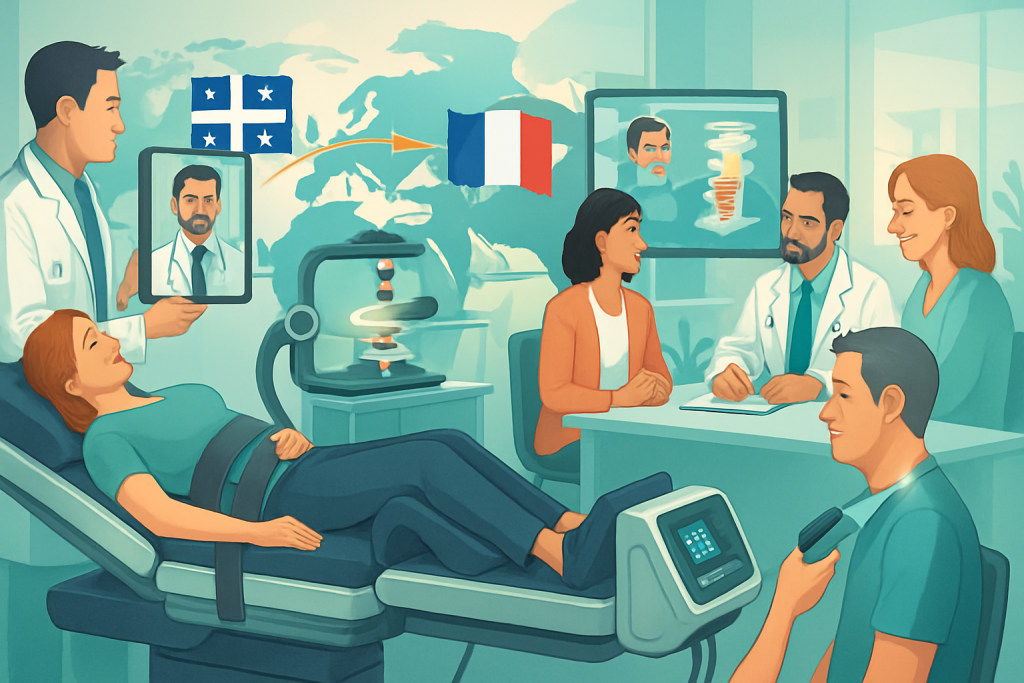
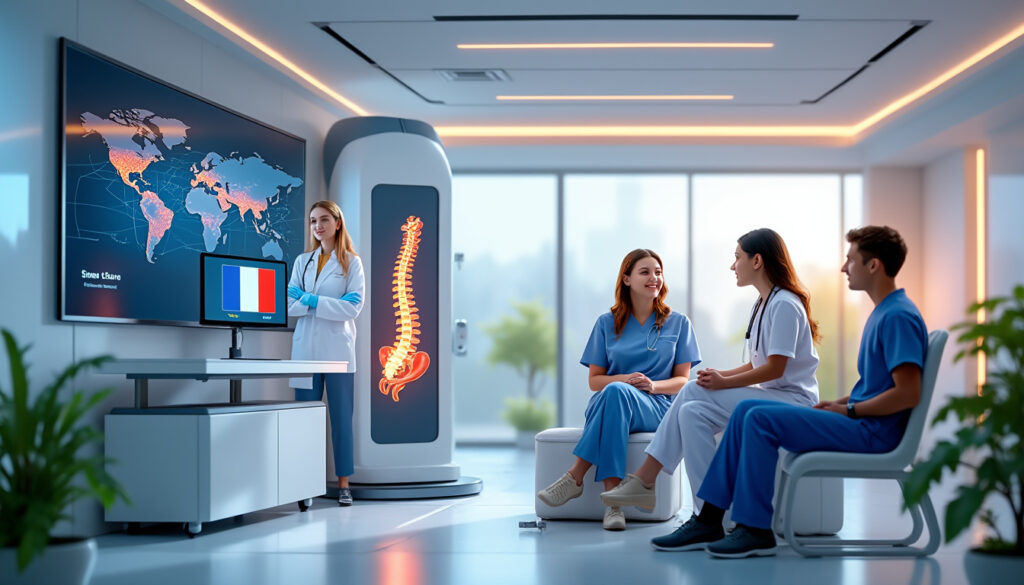
In the quest for effective relief from cervical herniated disc symptoms, patients in Terrebonne are increasingly turning their attention to advanced non-invasive treatments. Among these, precise spinal decompression therapy emerges as a beacon of hope, offering a scientifically grounded and patient-centered approach to alleviating chronic neck pain. Spearheaded by expert practitioners committed to innovation and evidence-based care, such as Dr. Sylvain Desforges at the Clinique TAGMED, this therapy leverages state-of-the-art technology to restore spinal health without surgical intervention. In a medical landscape where patients seek accessible yet highly specialized options, the integration of Cervical Disc Recovery programs through NeckCare Innovations and DecompressPro Solutions ensures customized treatment pathways that respect each individual’s unique health profile. Furthermore, international coordination bridges therapeutic expertise across continents, linking Quebec’s Terrebonne Spine Relief initiatives with world-renowned spine care strategies in France. Through these concerted efforts, solution-oriented care like that offered by the Spinal Restore Clinic and the Herniated Help Center represents a paradigm shift—prioritizing non-invasive, safe, and effective interventions that empower patients towards lasting wellness.
Understanding the Role of Precision Spinal Decompression in Cervical Herniated Disc Treatment in Terrebonne
Cervical herniated discs, where the intervertebral disc protrudes and applies pressure on adjacent nerves, often manifest as localized neck pain, radiating discomfort, or neurological symptoms like numbness and weakness. Within the broader context of Terrebonne’s spinal health offerings, Precision Spinal Decompression stands out as a specialized, non-surgical approach designed to directly relieve this nerve compression. Employing technologically advanced traction devices, this therapy gently stretches the cervical spine segments, creating negative pressure within the discs.
This vacuum effect encourages the retraction of herniated material and facilitates nutrient-rich fluid inflow, enhancing tissue repair. Unlike traditional traction methods, the precision of this therapy minimizes muscle reflex contractions that can inhibit effective decompression, optimizing outcomes for a diverse patient population. Detailed assessments by experienced caregivers, including comprehensive evaluations by Dr. Sylvain Desforges, ensure the therapy’s indication is carefully matched to patient pathology, increasing safety and efficacy.
How the Therapy Targets Cervical Herniations
- Controlled Traction Cycles: The cervical spine is subjected to programmed cycles of gentle, controlled distraction alternating with relaxation phases.
- Spinal Segment Isolation: Advanced sensors tailor the decompression to focus on affected vertebral segments.
- Optimization of Neurovascular Flow: Increased disc space reduces nerve root pressure and fosters improved blood flow, accelerating healing.
- Patient Comfort and Monitoring: Continuous feedback ensures treatments remain within patient tolerance levels for maximal convenience and minimal discomfort.
Clinical data has demonstrated promising improvements in pain reduction and neurological symptom relief following precision spinal decompression. Importantly, as evidenced in concurrent studies published along with therapeutic advancements at the Clinique TAGMED, patients report enhanced mobility and reduced reliance on analgesics post-treatment. This integrative approach is distinctly suited for the neuroanatomical complexities of cervical spine disorders.

Boucherville Lumbar Disc Recovery Without Hospitalization
In the serene city of Boucherville, a transformative approach to treating lumbar disc conditions is reshaping patient experiences and redefining spinal care standards. This method focuses on delivering effective lumbar disc recovery without the need for hospitalization, combining modern technology,…
Innovative Technologies and Techniques Driving Effective Cervical Disc Recovery
The evolution of spinal decompression technologies is central to unlocking superior outcomes for cervical herniated disc patients. Early methods like inversion therapy and conventional traction, while historically valuable, lacked the precision and adaptability required. Advances culminate in systems like the DRX9000 and DecompressPro, which leverage sophisticated computer-guided controls, pressure sensors, and motorized traction to achieve NeckCare Innovations that are tailored and dynamic.
These systems adjust to real-time patient reactions, mitigating muscular resistance—a key obstacle in older traction methods. Additionally, the integration of medical-grade laser therapy and shockwave modalities at facilities such as the Spinal Restore Clinic enhances the regenerative environment by stimulating cellular repair mechanisms and breaking down scar tissue.
Specifics of Leading-Edge Therapy Systems
| Technology | Functionality | Therapeutic Benefit |
|---|---|---|
| DRX9000 | Computer-controlled spinal decompression with adjustable traction force | Precisely targets herniated discs; improves disc height and reduces nerve pressure |
| DecompressPro Solutions | Real-time sensor feedback for dynamic traction adaptation | Minimizes muscle spasms; increases patient comfort and treatment effectiveness |
| Laser Therapy | Low-level lasers applied to spine post-decompression | Stimulates tissue repair and reduces inflammation |
| Shockwave Therapy | Focused acoustic waves on spinal musculature | Breaks down scar tissue; enhances blood flow to treated areas |
Facilities offering these technologies, including Clinique TAGMED, bring together clinical expertise and innovation under one roof, positioning themselves at the forefront of Terrebonne Spine Wellness. This amalgamation fosters personalized care plans that tackle the multifaceted nature of cervical disc disease.
Blainville Sciatica Relief in Professional Athletes
Sciatica pain is a significant challenge for many, particularly professional athletes in Blainville who rely on peak physical condition to perform. Chronic sciatic nerve discomfort can sideline even the most dedicated sports professionals, impacting their athletic performance, injury recovery, and…
Clinical Expertise Enhanced by Dr. Sylvain Desforges’ Groundbreaking Evaluation and Care Approach
Over three decades of clinical experience underpin Dr. Desforges’ approach to treating spinal ailments, positioning him as a visionary leader in the field. Possessing formal qualifications in osteopathy and natural medicine (B.Sc., D.O., N.D.), his commitment is twofold: employ the latest medical advances responsibly and foster empathetic patient engagement throughout their treatment journey.
Dr. Desforges stands as the founder and current president of pivotal organizations such as the Alliance Canadienne de Médecine Alternative (ACMA) and the Canadian College of Osteopaths. These roles reflect a sustained dedication to professional development and the propagation of scientific rigor, patient safety, and ethical practice within Quebec and beyond.
- Comprehensive Patient Evaluations: Dr. Desforges emphasizes thorough assessments over quick diagnoses, engaging in detailed discourse with patients to understand symptoms and medical history.
- Personalization of Therapy: No two patients are alike; treatment protocols respect individual physiological and symptomatic nuances.
- Multidisciplinary Integration: Collaboration with surgeons, physiotherapists, and rehabilitation experts ensures holistic care and maximizes recovery chances.
- Technological Innovation Adoption: Among supporters of cutting-edge methods, Dr. Desforges incorporates equipment and protocols often not widely accessible throughout Canada alone.
His expertise has been internationally recognized for coordinating care across continents, particularly with partners in France through platforms like SOS Tourisme Médical. Such coordination accelerates access to advanced spinal surgery when indicated, while prioritizing conservative management options like spinal decompression whenever feasible.

Repentigny Neck Pain Solutions Without Surgery
In Repentigny and the greater Québec area, chronic neck pain has emerged as a pervasive challenge that profoundly disrupts daily life and well-being for many adults. Neck discomfort caused by cervical disc problems—ranging from mild irritation to severe herniation—can restrict…
Patient Journey: Navigating Treatments and Care Coordination between Canada and France
Patients benefiting from Dr. Desforges’ leadership experience not only receive advanced local care but also enjoy the advantage of international collaboration. The transatlantic coordination between Quebec and France delivers diverse options for surgical interventions and rehabilitation, minimizing waiting times and optimizing care quality.
This patient-centered network leverages:
- Pre-treatment Evaluation and Shared Medical Records: Seamless transmission of diagnostic images and history allows clinicians on both sides of the Atlantic to review cases collaboratively.
- Specialized Referral Networks: Selection of premier spine surgeons and clinics ensures prompt access to high-quality operative care when necessary.
- Post-operative and Rehabilitation Integration: Post-surgery follow-ups can be coordinated in Quebec with tailored therapy plans to complement the recuperation process.
- Telemedicine Consultations: Remote session options improve accessibility and continuity of care, especially in the recovery phase.
These features position the Herniated Help Center and affiliated spine wellness teams as champions of personalized and responsive care. The combination of local expertise and international resources epitomizes modern, patient-first spinal treatment.

Brossard Chronic Back Pain Managed with TAGMED Protocol
Residents of Brossard facing chronic back pain are increasingly turning to innovative treatments that offer hope beyond traditional therapies. The TAGMED Protocol, developed and implemented by renowned expert Dr. Sylvain Desforges, represents a breakthrough in non-surgical spinal therapy. This comprehensive…
Comparing Spinal Decompression with Alternative Therapies for Cervical Disc Issues
While spinal decompression therapy has gained substantial traction as a non-invasive remedy, it is essential to contextualize its role amidst a variety of complementary and alternative treatments offered in Terrebonne and Montreal.
| Condition | Spinal Decompression | Osteopathy | Chiropractic | Physiotherapy | Medication |
|---|---|---|---|---|---|
| Herniated Disc | Highly effective for targeted decompression and healing | Effective for managing musculoskeletal alignment and pain relief | Effective but variable; dependent on technique and condition | Often supportive; increases mobility and strength | Useful for short-term pain relief; not curative |
| Sciatica | Highly effective by alleviating nerve root pressure | Effective for symptom management | Often effective | Essential phase for rehab | Reduces pain and inflammation |
| Facet Syndrome | Moderately effective; helps reduce joint compression | Effective in relieving pain | Effective | Important for functional restoration | Temporary symptom control |
| Degenerative Disc Disease | Effective in decompressing discs to slow progression | Beneficial adjunct | Variable results | Key to maintaining function | Often necessary for symptom management |
This overview clearly highlights the unique advantages of spinal decompression therapy within multidisciplinary frameworks. As part of a carefully monitored care protocol, it can significantly reduce the need for more invasive measures.

Terrebonne Neck Herniation Care for Older Adults
In Terrebonne, the increasing prevalence of neck herniation among older adults presents significant challenges to maintaining quality of life and independence. This condition, primarily involving the deterioration or displacement of cervical discs, often leads to debilitating pain and restricted mobility.…
Safety, Contraindications, and Patient Selection for Spinal Decompression Therapy
Ensuring patient safety and identifying appropriate candidates is paramount in the application of spinal decompression therapy. Though generally regarded as safe and effective, there are conditions where treatment is contraindicated or requires guarded use.
- Absolute Contraindications: Recent vertebral fractures, spinal tumors, active infections, and advanced osteoporosis.
- Relative Contraindications: Pregnancy, spinal implants, previous recent spinal surgery—treatment only post thorough assessment.
- Potential Risks: Temporary worsening of symptoms, muscle soreness, and in rare cases, exacerbation of nerve irritation.
- Precautions: Complete medical history, imaging studies, and comprehensive neurological evaluation prior to therapy initiation.
As highlighted in credible resources like the Herniated Disc Help Center’s guidelines, and reinforced by Dr. Desforges’ extensive clinical experience, adherence to these safety protocols significantly minimizes adverse outcomes. Patient education is also critical, ensuring transparent communication regarding treatment expectations and limitations.
Ongoing research continues to refine patient selection criteria and optimize therapeutic protocols, underscoring the importance of consulting with a dedicated expert in spinal decompression before proceeding.
Laval Sciatica Recovery After Failed Injections
Living with sciatica can be a debilitating experience, especially when common treatments like injections fail to bring the relief patients hope for. In Laval and across Québec, many individuals suffering from this nerve pain find themselves at a crossroads after…
Practical Steps for Patients Considering Neurovertebral Decompression Therapy in Terrebonne
Those contemplating spinal decompression as a therapeutic option can anticipate a structured care pathway grounded in individualized assessment and evidence-based strategies. To facilitate this journey, the following practical steps are recommended:
- Initial Evaluation: Schedule comprehensive clinical evaluation with expert assessors like Dr. Sylvain Desforges at Clinique TAGMED, including review of imaging (MRI, X-rays) and symptom history.
- Treatment Planning: Collaborate with your care team to develop a personalized treatment regimen aligning with clinical findings and patient goals.
- Pre-Treatment Preparation: Follow guidelines concerning physical readiness, such as posture awareness and managing acute inflammation.
- Therapy Sessions: Engage in regular decompression sessions, monitored closely to adjust parameters and optimize comfort.
- Integrated Rehabilitation: Incorporate complementary therapies like osteopathy and physiotherapy to support recovery and maintain gains.
- Post-Therapy Maintenance: Adhere to maintenance protocols, lifestyle modifications, and periodic evaluations to sustain spinal health.
Clinics like TAGMED provide patient-centric education and support tools, including downloadable health history forms and care instructions, facilitating smooth initiation and continuity of care. For a detailed overview of treatment stages and expectations, resources such as SosHerniatedDisc.com’s patient guides offer valuable insights.
Montreal Chronic Neck Pain Solutions Without Invasive Care
Chronic neck pain affects countless individuals across Montreal and beyond, often leading to frustration due to persistent discomfort and limitations in daily activities. While invasive surgical options exist, many patients seek safer, more natural alternatives that focus on relief without…
Frequently Asked Questions about Cervical Herniated Disc and Spinal Decompression Therapy
What distinguishes spinal decompression therapy from traditional traction?
Spinal decompression uses advanced computer-controlled equipment with real-time feedback to precisely adjust traction force, minimizing muscle resistance and targeting specific spinal segments. Traditional traction applies uniform, unregulated pulling force, often less comfortable and less effective.
How many sessions are typically required for cervical disc decompression?
Depending on severity, most treatment plans involve multiple sessions over several weeks. Individual progress is assessed regularly to tailor the course.
Is spinal decompression therapy painful?
Most patients find the treatment relaxing and tolerable, with occasional sessions prompting mild soreness that subsides quickly.
Can spinal decompression completely heal a herniated disc?
The therapy reduces disc protrusion and nerve pressure, promoting healing and symptom relief. However, it may not completely reverse severe disc damage; rather, it aims to manage symptoms and improve function.
Do I need a medical referral to start decompression therapy?
A referral is not mandatory, but a thorough initial consultation with a qualified spinal expert is essential to confirm suitability and formulate treatment plans.
Candiac Lumbar Disc Care Without Steroid Injections
Back pain caused by lumbar disc issues is a widespread condition affecting adults globally, posing significant challenges in everyday activities and overall quality of life. In Candiac and the greater Québec region, the quest for effective spinal care solutions has…