Exploring Herniated Discs in Côte-des-Neiges–Notre-Dame-de-Grâce: The Benefits of TAGMED and Neurovertebral Decompression Therapy
November 4, 2025
Why Experts Advocate for Conservative Treatments Over Surgery
November 4, 2025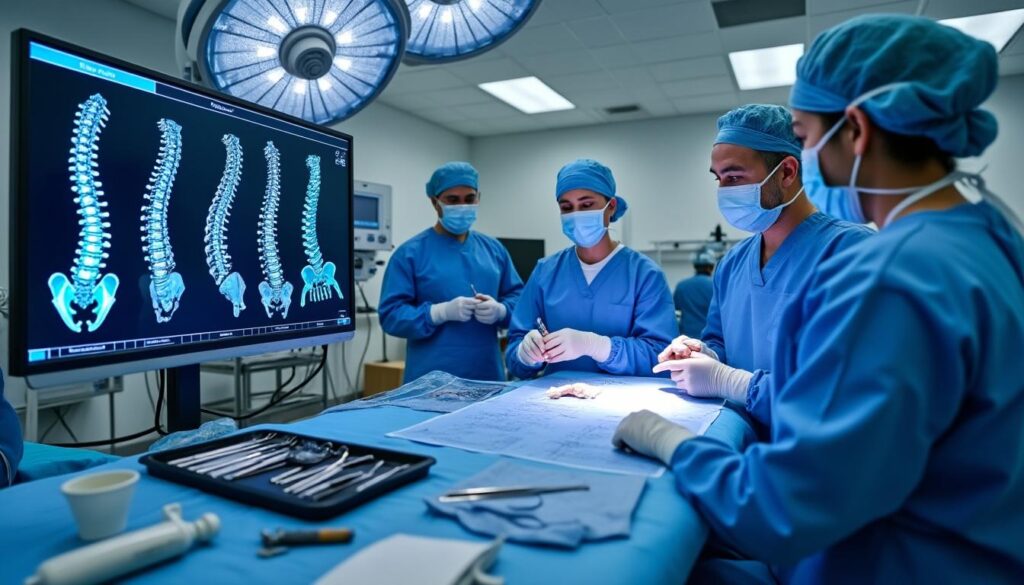
Chronic spinal pain remains a pressing health concern worldwide, affecting millions with debilitating lumbar and cervical discomfort. In regions such as Quebec, lengthy wait times and costly private care options compel many patients to seek advanced and innovative surgical solutions abroad. France stands out as a leader in this field, offering a broad spectrum of spinal surgeries ranging from straightforward decompression methods to sophisticated fusion and motion-preserving procedures. The French approach integrates cutting-edge technology with personalized patient care, providing dynamic alternatives that prioritize not only symptom relief but also preservation of natural spinal mobility.
These surgical techniques vary fundamentally in their biomechanical impact and therapeutic goals. Simple surgeries focus on targeted nerve decompression, employing minimally invasive strategies that maintain spinal motion. Fusion surgeries provide rigid stabilization essential in cases of significant instability but at the expense of segmental motion, potentially affecting adjacent spinal segments over time. The latest evolution in the surgical armamentarium—motion preservation techniques—seeks to bridge these worlds, stabilizing affected areas while sustaining mobility through innovative implants and devices approved and developed by leading medical companies such as Medtronic, Zimmer Biomet, and Stryker. This guide explores these modalities in depth, revealing the nuances of surgical decision-making and outlining the comprehensive patient journey from initial evaluation to postoperative rehabilitation within a transatlantic framework.
Advanced Simple Surgery Techniques for Targeted Spinal Decompression
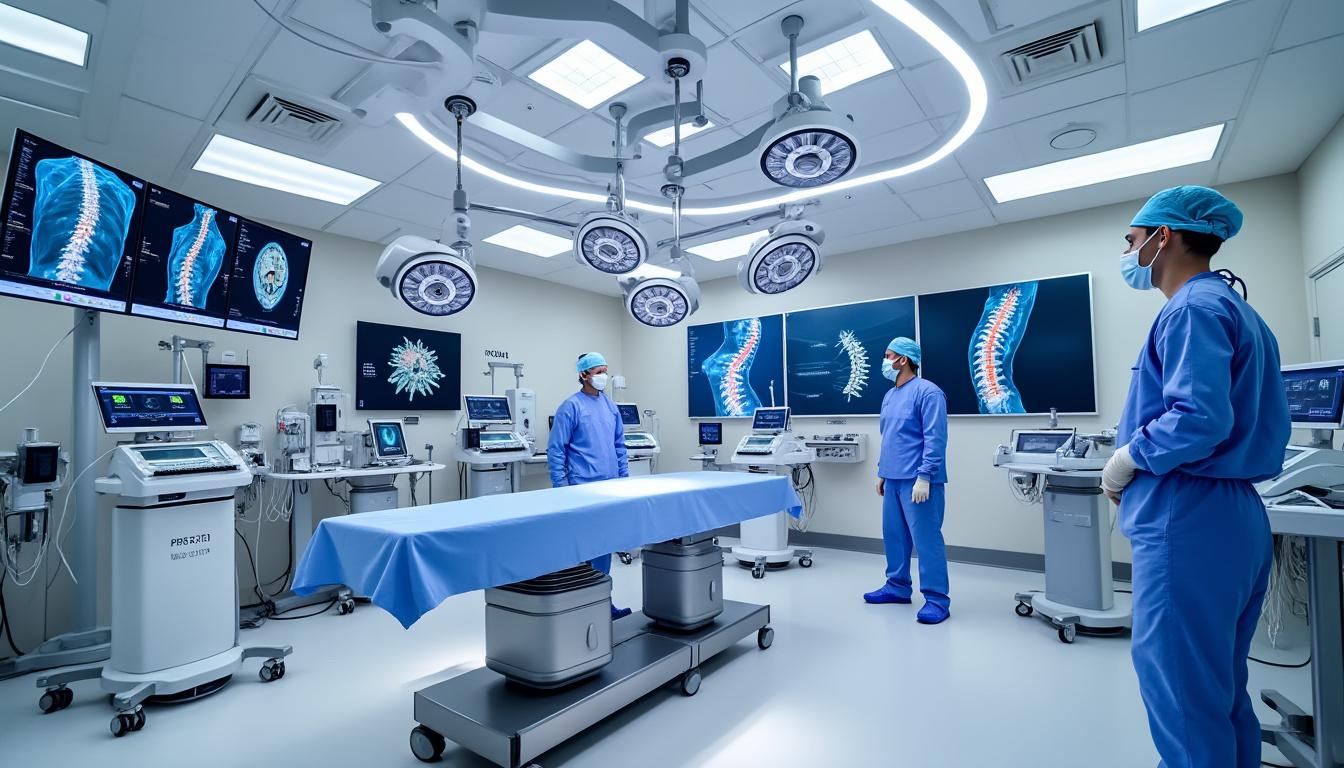
Simple spinal surgery is characterized by focused decompression of nerve structures without extensive alteration of spinal biomechanics. Procedures such as discectomy, laminectomy, or micro-decompression aim to alleviate nerve root compression caused by herniated discs or spinal stenosis while preserving the natural mobility of the involved segments. These interventions often leverage minimally invasive technologies, including endoscopy and microsurgery, promoting faster recovery and reduced postoperative morbidity.
Such methods are especially suitable when neuropathic symptoms stem from localized lesions without evidence of spinal instability or deformity. Indications include:
- Contained lumbar or cervical disc herniations causing radiculopathy
- Mild to moderate foraminal or central stenosis
- Absence of spondylolisthesis or segmental instability on imaging
For example, a patient presenting with unilateral radicular pain due to a posterolateral disc protrusion may benefit from a minimally invasive discectomy, which relieves nerve pressure and spares the ligamentous and bony structures critical to maintaining segmental motion. The evolution of robotic and navigation-assisted techniques has further refined these procedures, minimizing trauma and enhancing surgical precision. Facilities across France, supported by innovations from manufacturers like NuVasive and Alphatec Spine, provide state-of-the-art operative environments where such surgeries are routinely performed.
Recovery timelines are notably short, with many patients resuming daily activities within weeks. Complications are infrequent, thanks to improved visualization and less invasive approaches. However, limitations exist: simple surgery alone inadequately addresses cases involving significant vertebral instability or scoliosis. In those scenarios, more robust interventions such as fusion or dynamic stabilization become necessary.
| Technique | Main Objective | Mobility Impact | Recovery Duration | Limitations |
|---|---|---|---|---|
| Simple Decompression (Discectomy, Laminectomy) | Relieve nerve compression | Preserves natural motion | Days to weeks | Not suitable for significant instability |
The surgical expertise underpins the success of simple surgery, as illustrated by sources such as SpineHealth.org and SOS Herniated Disc, which emphasize the balance between decompression and biomechanical preservation critical for long-term patient outcomes.

Can Rehabilitation and Return to Work Prevent the Need for Surgery?
In the constantly evolving landscape of spinal healthcare, patients and practitioners alike grapple with a pivotal question: can the rigorous pathways of rehabilitation and structured return to work reduce or even eliminate the need for surgical intervention? The answer, as…
Robust Spinal Fusion Techniques: Indications, Methods, and Outcomes
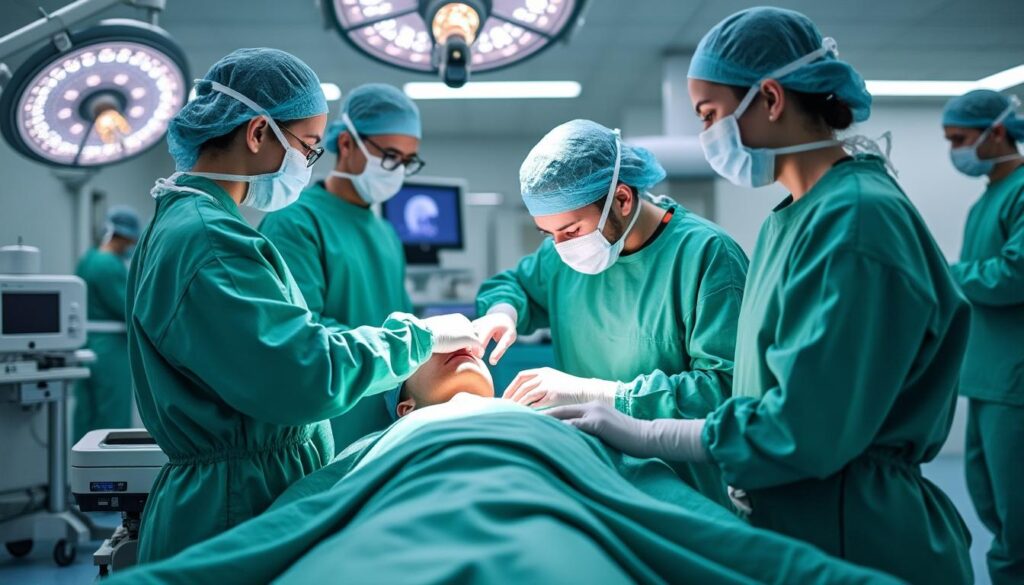
Spinal fusion is a cornerstone in managing cases where vertebral stability is compromised due to degenerative changes, traumatic injury, deformities such as scoliosis, or advanced spondylolisthesis. It involves rigid fixation and bony fusion of one or more spinal segments to eliminate pathological motion and provide durable mechanical support. Though effective, fusion results in permanent loss of mobility at the treated levels, potentially precipitating adjacent segment degeneration.
Typical indications for fusion include:
- Unstable vertebral fractures
- Progressive scoliosis or kyphosis
- Spondylolisthesis grades II and above with symptoms
- Severe disc degeneration with segmental instability
Advanced fusion techniques employ anterior, posterior, or combined approaches using pedicle screws, rods, interbody cages, and bone grafts. Renowned manufacturers such as DePuy Synthes, Globus Medical, and Smith & Nephew provide a spectrum of implants and biologics designed to enhance fusion rates and biomechanical stability.
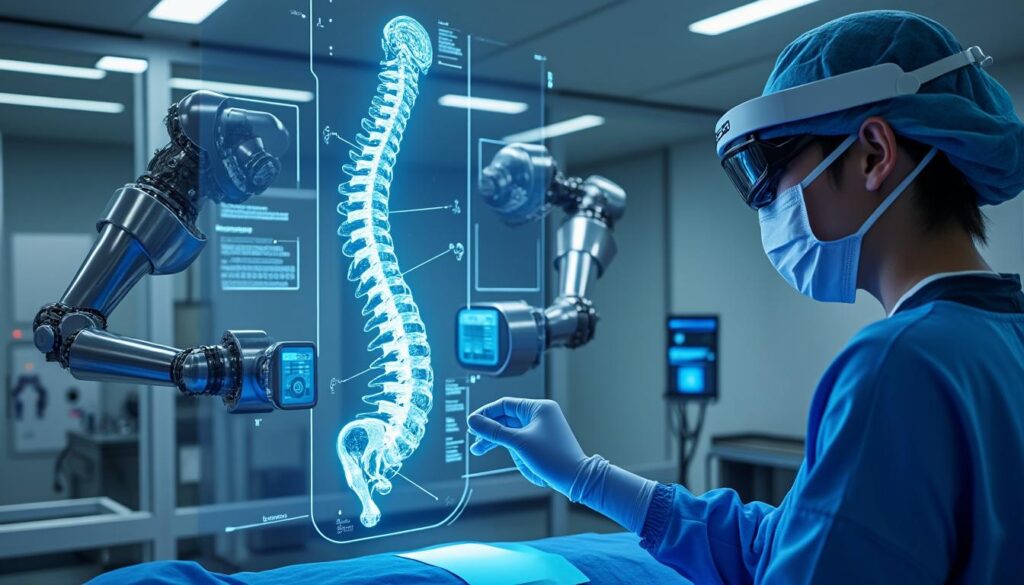
Emerging robotic navigation platforms like those from eCential Robotics allow precise hardware placement, reducing operative time and minimizing complications. Such innovations are detailed in studies gathered by institutions like the Mayo Clinic, illustrating how technology integration is revolutionizing fusion surgery.
The trade-off inherent in fusion surgery is the degree of postoperative stiffness, which may limit range of motion and alter spinal load distribution. Patients often face extended recovery periods, ranging from several months to upwards of a year, necessitating comprehensive rehabilitation. Risks include pseudarthrosis (nonunion), hardware failure, and adjacent segment disease, conditions which hydroxyapatite-coated and surface-treated implants attempt to mitigate.
| Fusion Approach | Purpose | Impact on Motion | Recovery Time | Risks/Drawbacks |
|---|---|---|---|---|
| Posterior Lumbar Fusion | Eliminate segmental motion, stabilize spine | Complete loss at fused segment | 6-12 months | Adjacent segment degeneration, stiffness |
The decision-making process requires multidisciplinary evaluation, recognizing that fusion represents a durable yet irrevocable alteration of spinal dynamics. Resources such as Mayo Clinic guides provide essential frameworks for candidate selection and surgical planning.
Exploring the Overlooked Benefits of Spine Surgery in France
Spinal disorders are a significant health concern for many patients worldwide, yet the solutions and benefits of spine surgery often remain underappreciated. France, with its advanced healthcare infrastructure and pioneering surgical techniques, has emerged as a noteworthy destination for patients…
Motion Preservation Surgery: The Latest Frontier in Spinal Care
Motion preservation represents an emerging paradigm, focusing on maintaining spinal segment mobility while addressing pathological instability or nerve compression. These techniques employ dynamic stabilization devices or artificial disc replacements, aiming to reproduce natural biomechanics and reduce the risks associated with fusion.
Key motion-preserving options include:
- Dynamic stabilization systems (e.g., TOPS, Intraspine, LP-ESP)
- Artificial disc replacement implants
- Minimally invasive interlaminar prostheses
These implants typically allow 60-80% preservation of the segment’s natural motion, a significant advantage in preventing adjacent segment degeneration. They are recommended for:
- Patients with moderate spinal stenosis and segmental instability
- Early disc degeneration without overt deformity
- Individuals desiring to retain maximal spinal function
French centers specializing in motion preservation leverage products manufactured by industry leaders such as Boston Scientific, Alphatec Spine, and Aesculap, alongside expert surgical teams. Studies, including those highlighted on Maxim Spine and referenced on Spine.md, report quicker rehabilitation and better functional outcomes compared to fusion.
A dynamic implant like the TOPS system stabilizes the posterior elements while permitting controlled motion in flexion, extension, and rotation. This translates to reduced biomechanical strain across the spinal column and improved quality of life postoperatively.
| Technique | Function | Preserved Motion (%) | Typical Recovery | Challenges |
|---|---|---|---|---|
| Dynamic Stabilization (e.g. TOPS) | Spinal stabilization, motion maintenance | 60-80% | 4-6 weeks | Requires precise patient selection |
As the field progresses, the integration of motion preservation reshapes surgical decision-making, offering enhanced options for patients confronting spinal pathologies. Insights about these advancements can be explored through expert platforms such as Fondren’s blog on fusion-sparing surgeries and educational resources maintained by international spine societies.
Cousin Spine Technology and Franchir: Transforming Surgical Decision-Making
In recent years, the integration of advanced medical technologies has dramatically shifted how spinal surgeries are planned, performed, and managed. Among the transformative developments, the alliance between Cousin Spine Technology and Franchir stands out as a pioneering force redefining surgical…
Transatlantic Coordination in Spinal Surgery: A Model for Patient-Centered Care
Overcoming the inherent challenges of cross-border spinal care, the collaboration between Quebec and French institutions exemplifies an integrated, seamless patient pathway. Under expert supervision, patients undergo initial comprehensive assessments in Quebec, including advanced neurovertébral decompression protocols and posture-related therapies aiming to optimize nonsurgical outcomes preoperatively.
Subsequent surgical referrals are meticulously tailored, facilitated by dedicated agencies managing logistics, imaging, and surgical center selection. This coordination provides:
- Priority access to renowned French spine surgeons and facilities
- Streamlined administrative navigation including visa and accommodation arrangements
- Postoperative follow-up managed by multidisciplinary teams in Quebec, ensuring continuity of care
Facilities such as Clinique TAGMED and Neurothérapie Montréal exemplify excellence in conservative management and rehabilitation, complementing French surgical expertise. The integration of robotic guidance and 3D navigation platforms, powered by cutting-edge technologies from companies like Smith & Nephew and NuVasive, ensures state-of-the-art surgical precision throughout the procedure.
This transatlantic model enhances patient confidence, reduces treatment delays, and maximizes surgical outcomes in a framework combining technical innovation with humane care principles. For detailed patient navigation insights, platforms like SOS Herniated Disc’s international comparison provide valuable perspectives.
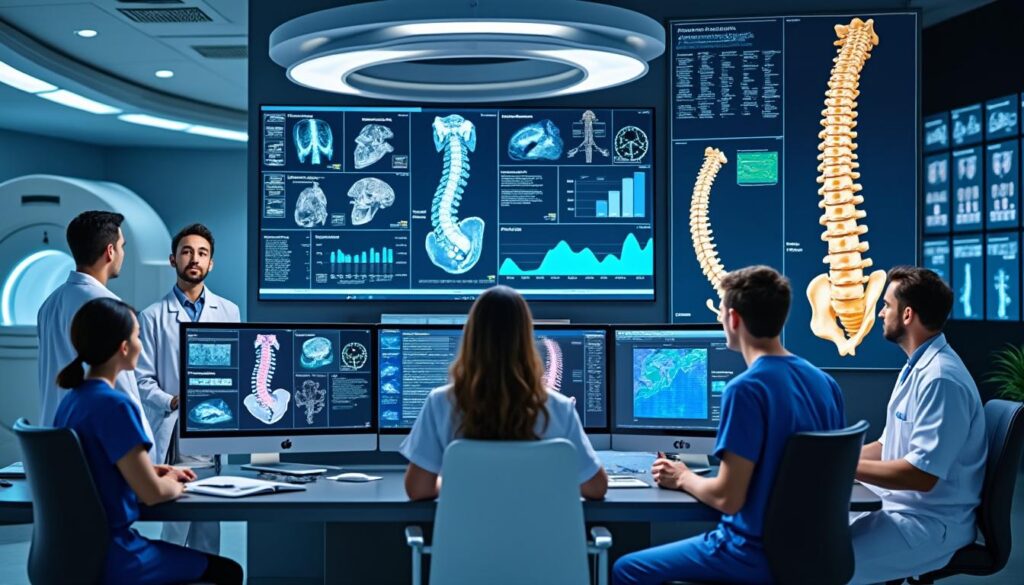
Insights from Research on Preventing Post-Laminectomy Syndrome
Post-Laminectomy Syndrome (PLS), a chronic pain condition arising after spinal surgery, remains a formidable challenge in spinal surgery and pain management. Despite advances in surgical techniques, a significant subset of patients continues to experience persistent neuropathic pain and functional limitations,…
Biomechanical Advantages and Economic Impact of Motion-Preserving Spinal Surgery
The significance of biomechanical preservation in spine surgery cannot be overstated. By retaining segmental motion through dynamic implants and motion-sparing approaches, patients benefit from:
- Improved spinal flexibility and function postoperatively
- Reduced adjacent segment disease due to lower biomechanical stress transfers
- Decreased neuropathic pain related to nerve root irritation
- Accelerated return to work and normal routines
Economic benefits emerge from shorter hospital stays, diminished rehabilitation durations, and lessened indirect costs linked to disability. These factors contribute to cost-effectiveness at system levels, particularly relevant in publicly funded healthcare contexts facing surgical backlog challenges.
| Benefit Category | Impact on Patient | System-Level Implications |
|---|---|---|
| Biomechanical Preservation | Maintained mobility, less pain | Lower reoperation rates |
| Economic Efficiency | Faster recovery, fewer complications | Reduced healthcare costs |
| Patient-Centered Care | Better satisfaction and function | Optimized resource utilization |
Clinical evidence continues to mount supporting these interrelated benefits, with comprehensive analyses elaborated by sources like SpineHealth and PMC’s extensive reviews. The convergence of biomechanical and economic considerations will shape future spine surgery standards.
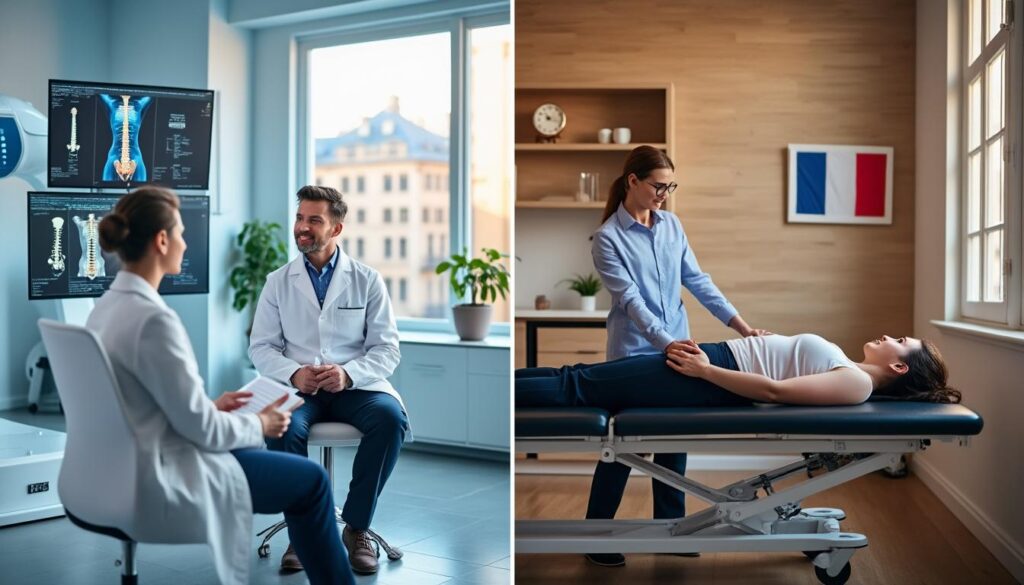
International Comparison: Spotlight on Spine Care Practices Between France and Quebec
The growing emphasis on spine health in Quebec has spotlighted the value of international collaboration in advancing patient care. With the challenges of prolonged wait times and high private care costs in Quebec, France emerges as an attractive alternative, boasting…
Essential Preoperative Criteria and Conservative Care Strategies in Spinal Surgery
Rigorous patient selection is paramount before any surgical intervention for spinal pathology. Current guidelines underscore the necessity of exhausting conservative treatments spanning several months prior to operative consideration. This approach maximizes nonsurgical success and clarifies surgical indications.
Core conservative modalities include:
- Robot-assisted neurovertébral decompression employing controlled traction
- Osteopathic and physical therapies aimed at biomechanical optimization
- Ergonomic education and lifestyle modifications
- Pharmacological pain management tailored to individual response
When conservative measures fail and specific signs emerge, surgery becomes a justified option. Indications warranting surgical consideration encompass:
- Persistent debilitating pain unresponsive to nonsurgical care
- Progressive neurological deficits affecting motor or sensory functions
- Confirmed segmental instability or deformity on imaging
- Radiologic progression concordant with clinical deterioration
These principles, embraced by leading French and Canadian spine centers, ensure ethically sound and outcome-focused treatment pathways. Educational insights on these protocols can be explored at institutions such as Spine.md and Dr. Saadat’s resource on motion-preserving surgery.
Medical Logistics and Accommodation: Central Pillars in the Patient Care Journey
In the evolving landscape of global healthcare, the interplay between medical logistics and patient accommodation has become a cornerstone for effective and patient-centric care delivery. This synergy is particularly evident in the management of international patient journeys, where cross-border coordination,…
Innovations in Implant Technology Transforming International Spinal Surgery Practice
Recent years have witnessed remarkable advancements in implant technologies driving the evolution of spinal surgery. Dynamic stabilization devices such as TOPS, Intraspine, and LP-ESP represent forefront innovations engineered to emulate physiological spinal motion. Their design integrates flexible components that permit controlled segmental mobility while preventing pathological instability.
Other innovations include:
- Bioresorbable implants reducing long-term foreign body presence
- Surface modifications enhancing osteointegration and reducing infection risk
- Next-generation artificial discs mimicking natural disc biomechanics
- Integration with navigation and robotic-assisted platforms
Medtronic, Stryker, and Boston Scientific stand at the vanguard of such research and development, ensuring broad clinical availability worldwide. These technologies improve surgical precision, enhance patient outcomes, and reduce complication rates. The ongoing research capturing these advancements is extensively documented, as reflected in analyses like those on The Future of Surgery: Pioneering Innovations in Implant Technology.
| Manufacturer | Innovative Technology | Clinical Impact |
|---|---|---|
| Medtronic | Dynamic stabilization systems | Enhanced motion retention and stability |
| Stryker | 3D navigation-integrated implants | Improved surgical accuracy and safety |
| Boston Scientific | Artificial disc technology | Natural disc function restoration |
Comprehensive Guide to Eligibility Criteria for Back Surgery
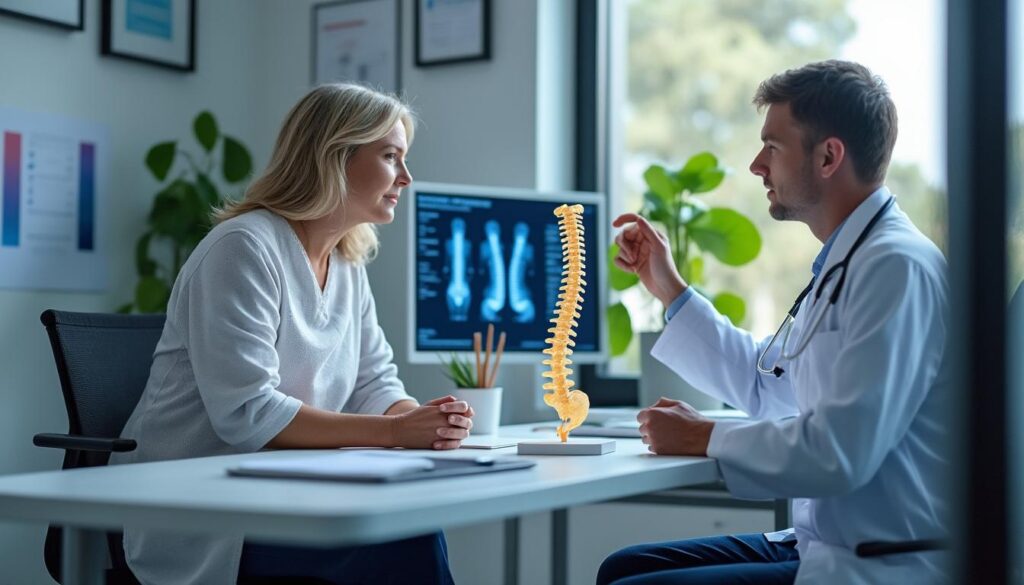
The decision to undergo back surgery involves numerous complex considerations that extend beyond the presence of spinal discomfort. Through an international collaboration between healthcare experts in Quebec and France, patients facing severe spine conditions now have access to advanced surgical…
Comprehensive Postoperative Rehabilitation and Neuromodulation Integration
Postoperative care encompasses tailored rehabilitation programs designed to optimize functional recovery and minimize complications. Multidisciplinary teams emphasize physical therapy, pain management, and neuromodulation techniques such as repetitive Transcranial Magnetic Stimulation (rTMS) to enhance neurorehabilitation.
Rehabilitation milestones include:
- Early mobilization protocols
- Customized exercise regimens restoring strength and flexibility
- Psychosocial support addressing chronic pain syndromes
- Adjunctive neuromodulation therapies to reduce neuropathic pain and facilitate cortical reorganization
Clinical reports and expert insights on integrating rTMS in postoperative care pathways, like those published by SOS Herniated Disc, reveal promising outcomes in pain reduction and functional gains.
Interactive Comparison Table
What are the primary differences between simple surgery and spinal fusion?
Simple surgery targets nerve decompression while preserving spinal motion, ideal for mild cases without instability. Fusion involves fusing vertebrae to provide rigid stability, suitable for severe degeneration or deformity but sacrifices segmental mobility.
How does motion preservation surgery benefit patients compared to traditional fusion?
Motion preservation maintains a significant portion of natural spinal movement, reducing adjacent segment degeneration and enabling faster recovery and improved functional outcomes compared to fusion.
When should patients consider spinal surgery after conservative treatments?
Surgery is considered when conservative measures fail after 3-6 months, and patients present persistent pain, neurological deficits, or radiologic evidence of instability requiring intervention.
Which companies lead in manufacturing spinal implants for motion preservation?
Leading manufacturers include Medtronic, Zimmer Biomet, Stryker, Boston Scientific, and Alphatec Spine, known for innovative dynamic stabilization devices and artificial discs.
What role does robotic-assisted surgery play in spinal procedures?
Robotic assistance enhances surgical precision, reduces operative time, lowers complication rates, and supports accurate implant placement in both fusion and motion-preserving surgeries.
Unveiling the Hidden Benefits of Neurovertebral Decompression Therapy
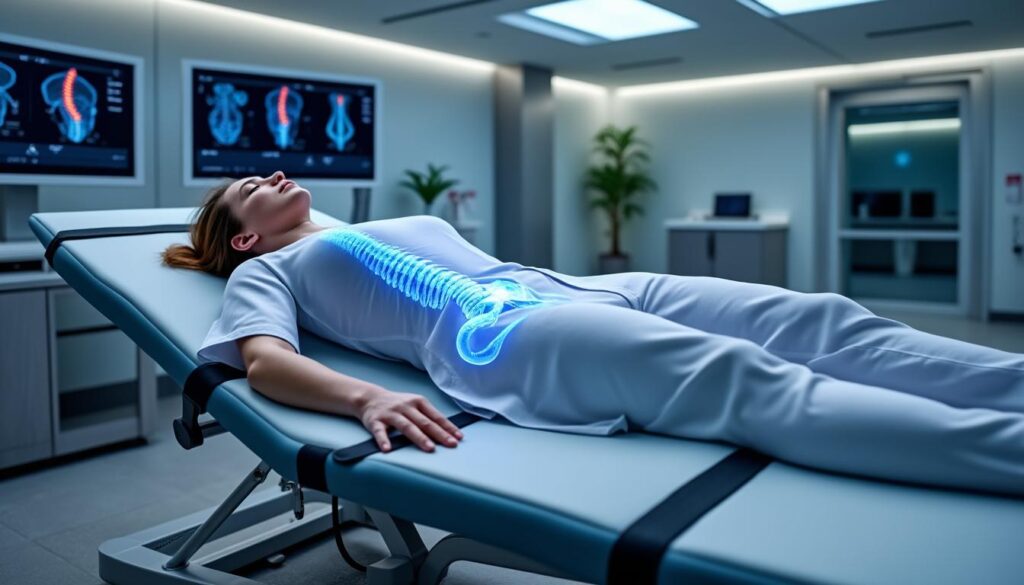
Chronic back and neck pain remain pervasive health issues impacting millions, often leading to debilitating effects on daily life and overall well-being. Traditional management strategies frequently fall short due to lengthy wait times, high costs, or invasive procedures. Amid this…