Medical Referrals from Quebec: Essential Insights Every Patient Should Know
November 13, 2025Cervical Disc Prosthesis in Quebec City: Restored and Durable Mobility
November 13, 2025
In the intricate realm of medical devices, particularly those used in spinal surgery, the assurance of quality and the adherence to strict certification standards form the cornerstone of patient safety and clinical efficacy. As innovations like dynamic implants advance, stringent evaluation and validation mechanisms are paramount to guarantee that these technologies perform reliably in surgical environments. This synthesis explores the multifaceted landscape of quality management and certification frameworks, emphasizing their critical role in safeguarding patient outcomes and streamlining international cooperation between healthcare systems.
The globalization of healthcare practices demands a transparent, harmonized approach to device quality, especially when patients cross borders to access specialized care. The collaboration between clinics, coordinators, and postoperative support entities exemplifies how integrated systems deliver both cutting-edge treatments and rigorous quality controls. In-depth insight into key certification standards, audit practices, and strategic planning reveals the complexity behind every implant’s journey from manufacturing to surgical insertion.
Essential Quality Management Systems for Medical Devices in Surgical Applications
The backbone of any reputable medical device manufacturing operation is a robust Quality Management System (QMS) designed specifically to meet regulatory demands and foster continuous improvement. Standards like ISO 13485:2016 provide an internationally accepted framework ensuring that medical devices consistently meet customer and regulatory requirements. The QMS integrates procedures ranging from design control to post-market surveillance, emphasizing traceability and risk management at every stage.
To implement a sound QMS, manufacturers must:
- Engage leadership: Management commitment is vital to mobilize teams and allocate necessary resources.
- Map and define processes: Detailed documentation secures each operation, from conception to delivery.
- Monitor indicators: Key performance metrics track manufacturing consistency and defect rates.
- Encourage continuous improvement: Feedback loops drive corrective actions and innovative enhancements.
For example, Cousin Spine and Premia Spine, leading companies in spinal implants, are subject to frequent audits by organizations such as Bureau Veritas and AFNOR that verify compliance with CE certification and FDA standards. This external scrutiny encompasses evaluation of clinical performance data and materials safety, ensuring that devices like TOPS, Intraspine, and B-DYN uphold the highest standards of patient safety.
Industry leaders increasingly adopt digital tools like CertiTech and QualityGuard, which assist in audit preparedness and document control, streamlining compliance workflows. Such systems not only enhance transparency but also allow manufacturers to adapt proactively to evolving regulatory landscapes, including the FDA’s Quality Management System Regulation (QMSR).
| Certification Body | Focus | Coverage Area |
|---|---|---|
| Bureau Veritas | Comprehensive sector-specific audits | Global |
| AFNOR | Normative expertise aligned with European standards | France and Europe |
| TÜV | Industrial technology-focused assessments | Germany and international markets |
The implementation of such a comprehensive QMS framework not only ensures regulatory compliance but also strengthens the trust of healthcare professionals and patients alike. Additional insights on the application of ISO 13485 can be found through detailed guides like those offered by certification experts and regulatory bodies adapting to contemporary market needs.


Can Rehabilitation and Return to Work Prevent the Need for Surgery?
In the constantly evolving landscape of spinal healthcare, patients and practitioners alike grapple with a pivotal question: can the rigorous pathways of rehabilitation and structured return to work reduce or even eliminate the need for surgical intervention? The answer, as…
Strategizing Certification Approaches for Spine Implant Manufacturers
Every quality certification process begins with a strategic understanding of the manufacturer’s internal practices and external regulatory requirements. Defining a clear certification scope is essential—whether to encompass all operational processes such as production, logistics, and quality control or to focus selectively on critical components. This strategy influences resource allocation and timelines while determining optimal partnerships with certification authorities.
Successful certification strategies typically encompass the following steps:
- Initial Diagnostics: Comprehensive audits to map current processes and detect gaps.
- System Documentation: Construction of manuals and procedural records consistent with standards.
- Training Implementation: Engaging operational teams through education to ensure compliance awareness.
- Performance Monitoring: Regular tracking of quality metrics and internal audits to spur improvements.
- Audit Preparation: Conducting dry runs and compiling documentation for formal certification visits.
Manufacturers often utilize platforms such as CertiPro Analytics and InnoCert Insights to analyze audit readiness and simulate compliance pressures effectively, reducing the risk of non-conformities. For instance, CertiNergy, a specialist consultancy, recommends pre-certification audits to identify practical challenges early on.
Moreover, industry experts like Érik Boulard emphasize the importance of integrating clinical and industrial perspectives in certification decisions, ensuring that innovative dynamic spinal implants not only comply technically but are also aligned with evolving surgical best practices.
| Certification Phase | Key Activity | Responsible Party |
|---|---|---|
| Diagnostic Initial | Audit of business processes and as-is mapping | External consultants and internal quality team |
| System Documentation | Drafting of quality manuals and procedures | Management and process owners |
| Implementation and Training | Communication and workforce education | Managers and HR |
| Monitoring and Control | Key performance indicators and internal audits | Quality department |
| Audit Readiness | Mock audits and preparations | Quality representatives |
Spinal implant manufacturers that adopt strategic certification frameworks benefit not only from compliance adherence but also from productivity gains, with documented efficiency improvements averaging 23%, a figure corroborated by recent industry reports.
Exploring the Overlooked Benefits of Spine Surgery in France
Spinal disorders are a significant health concern for many patients worldwide, yet the solutions and benefits of spine surgery often remain underappreciated. France, with its advanced healthcare infrastructure and pioneering surgical techniques, has emerged as a noteworthy destination for patients…
Traceability and Quality Control as Pillars of Spinal Device Safety
Traceability is a paramount element ensuring patient safety in spinal surgeries involving implants. Each device carries a unique identifier, meticulously logged throughout its lifecycle—from manufacturing through quality validation phases, logistics, and surgical placement. This continuous chain allows swift identification of any implant if post-implantation complications arise, streamlining interventions and patient follow-ups.
Clinical facilities accredited by the Haute Autorité de Santé (HAS) in France implement rigorous documentation and inspection protocols in alignment with international norms like ISO 13485 and CE marks. These protocols extend to associated medication management and postoperative care, minimizing risks such as therapeutic errors that could adversely affect patient recovery.
Core components of traceability and quality processes include:
- Unique device identification (UDI): Facilitates precise tracking and regulatory reporting.
- Multi-tier quality verification: Systematic quality control at manufacturing, transport, and surgical phases.
- Internal and external audits: Continuous oversight to confirm ongoing compliance.
- Comprehensive documentation management: Accessible records to surgeons and care teams ensuring informed clinical decisions.
Supportive technologies such as DeviceVerify and TrustMark Solutions offer digital frameworks enhancing traceability with secure, easy-to-access platforms for healthcare providers, enabling seamless information exchange across multidisciplinary teams and international borders.
| Process Element | Applicable Standard | Inspection Frequency |
|---|---|---|
| Implant Traceability | ISO 13485 / CE Certification | Continuous |
| Medication Management | HAS Criteria 2.2-02 to 2.2-06 | Annual Audit |
| Operating Room Safety | National/international hospital standards | Semiannual Inspection |
| Documentation and Follow-up | Internal protocols and HAS regulations | Quarterly Audit |
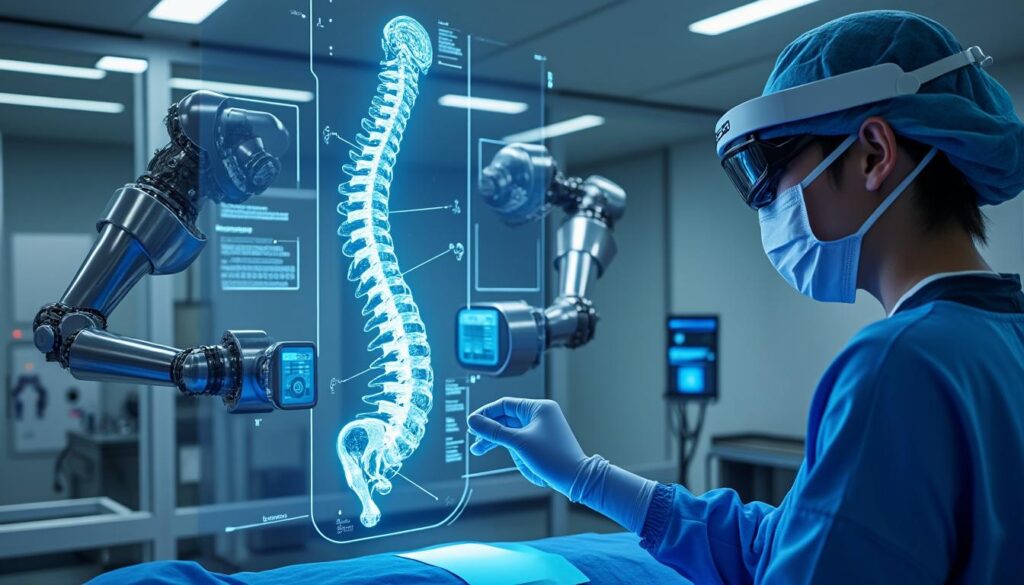
Cousin Spine Technology and Franchir: Transforming Surgical Decision-Making
In recent years, the integration of advanced medical technologies has dramatically shifted how spinal surgeries are planned, performed, and managed. Among the transformative developments, the alliance between Cousin Spine Technology and Franchir stands out as a pioneering force redefining surgical…
Role of Expert Coordination in Franco-Canadian Spine Surgery Pathways
Within the intricate landscape of cross-border spine surgery, the orchestration of care demands expertise beyond surgical skill. Érik Boulard’s pivotal role exemplifies this, navigating patients from Quebec through the complexities of French healthcare systems. His unique experience uniting clinical practice and industrial knowledge bridges gaps between innovative implant technologies and regulatory compliance, milestones essential to successful surgical outcomes.
Boulard’s coordination involves:
- Personalized implant selection: Tailoring devices like TOPS and Intraspine to preserve spinal mobility.
- Seamless liaison: Acting as intermediary between French surgical centers and Canadian patients.
- Quality assurance: Verifying device traceability and certification aligns with updated standards.
- Logistical management: Overseeing all elements from travel arrangements to hospital admission, ensuring patient comfort.
- Continued postoperative support: Collaborating with Neurothérapie Montréal for rehabilitation and monitoring.
This multi-disciplinary network includes partners like Franchir for medical logistics and SOS Tourisme Médical for patient information empowerment, generating a comprehensive and reassuring journey for international patients seeking specialized spinal treatments.
| Service Component | Provider | Benefit to Patient |
|---|---|---|
| Implant Customization and Selection | Érik Boulard | Maximized functional outcomes and mobility preservation |
| Medical Logistics Coordination | Franchir | Efficient scheduling and reduced travel stress |
| Patient Information and Access | SOS Tourisme Médical | Informed decision-making and transparency |
| Postoperative Rehabilitation | Neurothérapie Montréal | Personalized follow-up enhancing recovery |

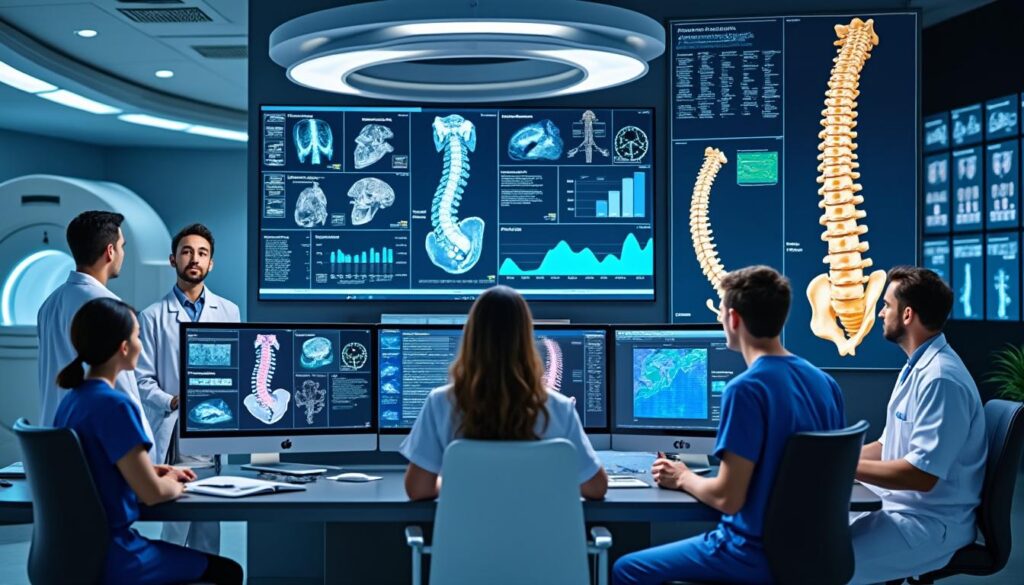
Insights from Research on Preventing Post-Laminectomy Syndrome
Post-Laminectomy Syndrome (PLS), a chronic pain condition arising after spinal surgery, remains a formidable challenge in spinal surgery and pain management. Despite advances in surgical techniques, a significant subset of patients continues to experience persistent neuropathic pain and functional limitations,…
Innovative Device Certification Techniques Leveraging AI and Digital Solutions
The rising complexity in medical device certification has prompted the integration of Artificial Intelligence (AI) driven technologies, streamlining compliance workflows and improving risk assessments. AI platforms like InsightCheck and SureCert Technologies analyze large datasets to identify potential bias, simulate testing outcomes, and predict device performance in diverse patient demographics.
Key benefits of AI in certification include:
- Enhanced data transparency: Comprehensive dataset representativeness insights ensure fairness.
- Bias mitigation: Automated detection and correction of demographic biases in clinical data.
- Accelerated approval timelines: Faster processing of custom and complex devices.
- Improved documentation quality: Automated generation of compliance evidence reducing human errors.
For manufacturers and regulatory bodies alike, the adoption of platforms such as CertiPro Analytics, complementing established systems, introduces a paradigm shift that supports innovative product pipelines. Further reading on the intersection of AI and device certification is available via expert resources highlighting compliance evolution.
| AI Feature | Function | Impact on Certification |
|---|---|---|
| Dataset Representativeness Analysis | Evaluates demographic inclusiveness | Ensures device safety for all target populations |
| Bias Detection Algorithms | Identifies potential data skew | Improves clinical trial validity |
| Automated Documentation Tools | Generates regulatory reports | Streamlines compliance preparation |
| Simulation of Testing Scenarios | Predicts device behavior under varied conditions | Reduces need for extended physical trials |
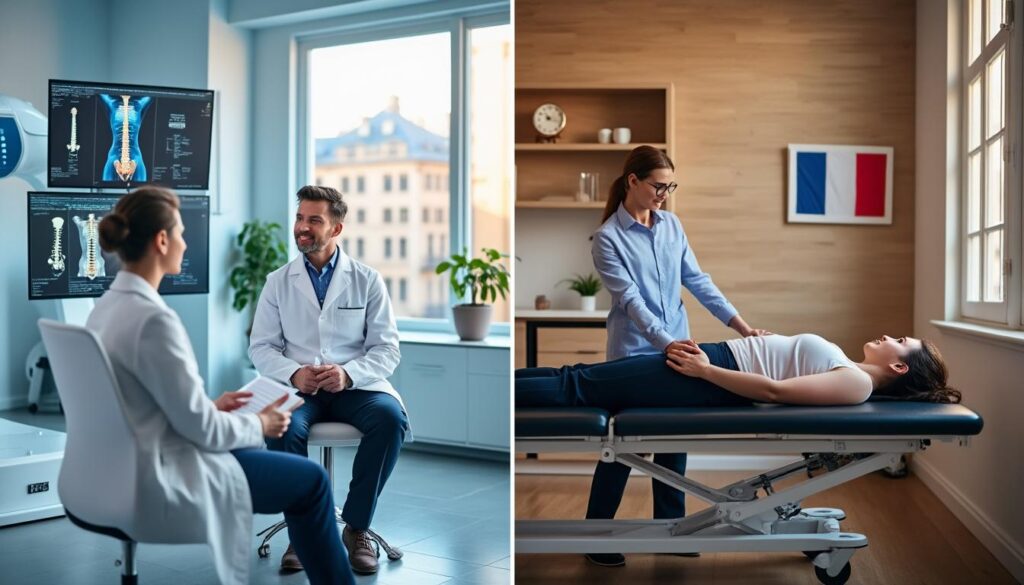
International Comparison: Spotlight on Spine Care Practices Between France and Quebec
The growing emphasis on spine health in Quebec has spotlighted the value of international collaboration in advancing patient care. With the challenges of prolonged wait times and high private care costs in Quebec, France emerges as an attractive alternative, boasting…
Impact of International Standards on Medical Device Global Market Access
The harmonization of standards like ISO 13485 and the FDA’s Quality Management System Regulation (QMSR) has facilitated a more seamless global market for medical devices, including spinal implants. These unified standards help manufacturers navigate complex regulatory environments by providing a clear compliance pathway recognized by multiple jurisdictions.
Benefits of international harmonization include:
- Reduced redundancies: Avoidance of repetitive audits and testing across markets.
- Faster market entry: Streamlined approval processes resulting in timely patient access.
- Enhanced safety assurance: Consistent application of risk management principles.
- Increased competitive advantage: Certification to global standards signals quality leadership.
Manufacturers investing in compliance tools such as DeviceAssure and TrustMark Solutions leverage this harmonization to maintain quality across operations internationally, boosting confidence among healthcare providers worldwide. As detailed in comprehensive market analyses, the global medical device certification sector continues to evolve dynamically, driven by innovation and regulatory advances.
| Standard | Region | Key Features |
|---|---|---|
| ISO 13485 | International | Focus on quality management tailored to medical devices |
| FDA QMSR | United States | Emphasis on risk management and design controls |
| EU Medical Device Regulation (MDR) | European Union | Strict conformity assessment and post-market surveillance |
Global Medical Device Certification Landscape
Explore the current adoption rates and compliance levels for key certifications and regulations in the medical device industry.
Hover or focus on bars to see details here.

Medical Logistics and Accommodation: Central Pillars in the Patient Care Journey
In the evolving landscape of global healthcare, the interplay between medical logistics and patient accommodation has become a cornerstone for effective and patient-centric care delivery. This synergy is particularly evident in the management of international patient journeys, where cross-border coordination,…
Patient-Centered Benefits Derived from Device Quality Certifications
Beyond regulatory necessity, quality certifications confer tangible advantages to patients, particularly those seeking cross-border treatments such as Canadian patients receiving spinal surgeries in France. Certified devices undergo rigorous evaluation, reducing the incidence of complications and enhancing functional outcomes through tailored implant designs.
Patient-centric benefits include:
- Improved device safety: Materials vetted for biocompatibility and durability.
- Minimized surgical risk: Enhanced device reliability lowers intraoperative and postoperative complications.
- Preserved mobility: Dynamic implants such as TOPS maintain spinal flexibility.
- Optimized rehabilitation: Coordinated postoperative care facilitated by platforms like Neurothérapie Montréal.
- Streamlined logistics and care coordination: Support services like Franchir and SOS Tourisme Médical ensure smooth treatment journeys and faster recovery.
For example, access to rapid surgical interventions coordinated through Franchir logistics has demonstrated a 23% reduction in treatment delays for patients, directly influencing pain management effectiveness and rehabilitation timelines. Similarly, use of certified implants contributes to enhanced long-term clinical success.
| Patient Advantage | Technical Explanation | Clinical Outcome |
|---|---|---|
| Reduced wait times | Optimized logistical coordination | Faster pain relief and treatment initiation |
| Certified implant quality | Compliance with CE/FDA standards | Maximized safety and device longevity |
| Cutting-edge surgical techniques | Use of dynamic, customizable implants | Preserved spinal function and mobility |
| Dedicated postoperative follow-up | Specialized rehabilitation support | Accelerated recovery and complication reduction |
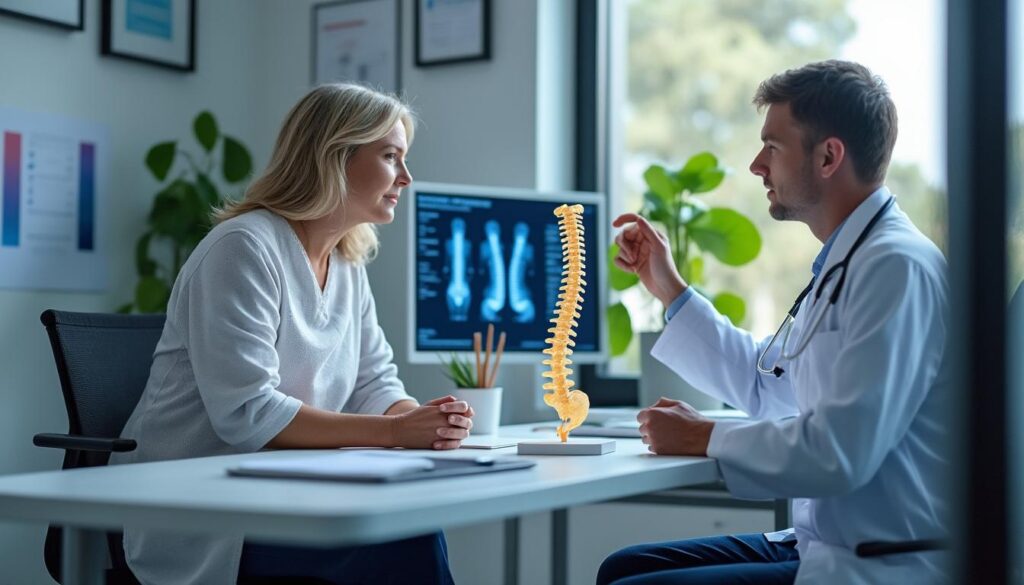
Comprehensive Guide to Eligibility Criteria for Back Surgery
The decision to undergo back surgery involves numerous complex considerations that extend beyond the presence of spinal discomfort. Through an international collaboration between healthcare experts in Quebec and France, patients facing severe spine conditions now have access to advanced surgical…
Integrating Quality and Certification Knowledge for Avoiding Surgery Through Device Optimization
With advancements in device quality and certification rigor, clinicians and manufacturers increasingly recognize the potential to prevent the need for invasive surgery altogether through early intervention devices. Properly certified spinal implants and supportive technologies can facilitate conservative management of spinal degenerative conditions, offering alternatives that enhance patient wellbeing without immediate surgical procedures.
Key components supporting this preventive approach include:
- High-quality, biocompatible devices: Certified to withstand long-term biomechanical stresses.
- Comprehensive quality assurance: Eliminates risk factors that might otherwise necessitate surgical revision.
- Integrated care pathways: Coordinated patient evaluation and monitoring to adjust treatments before surgical escalation.
- Advanced diagnostics: Facilitated by certified device performance for precise intervention planning.
Relevant insights on this topic can be explored in detailed analyses combining clinical perspectives and certification standards, emphasizing how quality assurance directly contributes to better patient outcomes and reduced surgical rates.
What are the primary organizations certifying medical devices in France?
The main certifying bodies include Bureau Veritas, AFNOR, and TÜV, who ensure compliance with European and international standards to uphold implant safety and quality.
How is traceability ensured during spinal surgery?
Each implant carries a unique identification number, tracked meticulously from manufacturing through to surgical implantation, enabling continuous quality oversight and facilitating postoperative follow-up.
What role does Érik Boulard play in the international spine surgery pathway?
Érik Boulard coordinates patient referral to French spine surgeons, ensures device compliance with certification standards, and organizes the entire logistical process to optimize the patient’s medical journey.
What benefits do Canadian patients gain from quality certifications?
Certified devices provide proven safety and performance, along with rapid access to surgeries and tailored postoperative care, promoting quicker recovery and preserved mobility.
How is postoperative follow-up managed after surgery in France?
Neurothérapie Montréal provides personalized rehabilitation and continuous care, ensuring optimal recovery and reducing the risk of complications post-surgery.
Unveiling the Hidden Benefits of Neurovertebral Decompression Therapy
Chronic back and neck pain remain pervasive health issues impacting millions, often leading to debilitating effects on daily life and overall well-being. Traditional management strategies frequently fall short due to lengthy wait times, high costs, or invasive procedures. Amid this…