

Neck pain represents a prevalent health challenge impacting individuals across all age categories and lifestyles. Whether originating from acute injury, prolonged poor posture, or underlying medical conditions, accurate diagnosis is critical for effective care. As technology advances and clinical practices evolve, healthcare providers can now access a variety of diagnostic tools designed to identify the precise causes of neck discomfort. The intricate anatomy of the cervical spine calls for thorough assessment protocols that encompass physical examination, specialized tests, and advanced imaging studies. This multidisciplinary approach ensures prompt identification of disorders ranging from muscle strains to nerve impingements or degenerative changes, ultimately guiding personalized treatment strategies.
Patients suffering from neck pain often experience a spectrum of symptoms such as stiffness, radiating pain, numbness, or weakness in the arms, which can signal complex underlying issues. Evaluating these symptoms requires an expert with extensive clinical insight and technological resources. Dr. Sylvain Desforges, renowned expert in spinal evaluation and therapy, exemplifies such expertise. With over 30 years of clinical experience and leadership in osteopathic and alternative medicine associations, Dr. Desforges emphasizes evidence-based, patient-centered diagnostics. His approach integrates advanced neurovertebral decompression and laser therapy technologies within a comprehensive diagnostic framework, tailored to individual patient needs.
In this detailed overview, we explore fundamental and specialized diagnostic procedures for neck pain, integrating up-to-date research and clinical insights. Key tests, including physical examination techniques and imaging modalities provided by leading manufacturers like Siemens Healthineers and Philips, are presented alongside their clinical significance. This comprehensive guide is designed to empower patients and clinicians alike to understand the diagnostic journey towards effective neck pain management.
Comprehensive Physical Examination: Foundation for Accurate Neck Pain Diagnosis
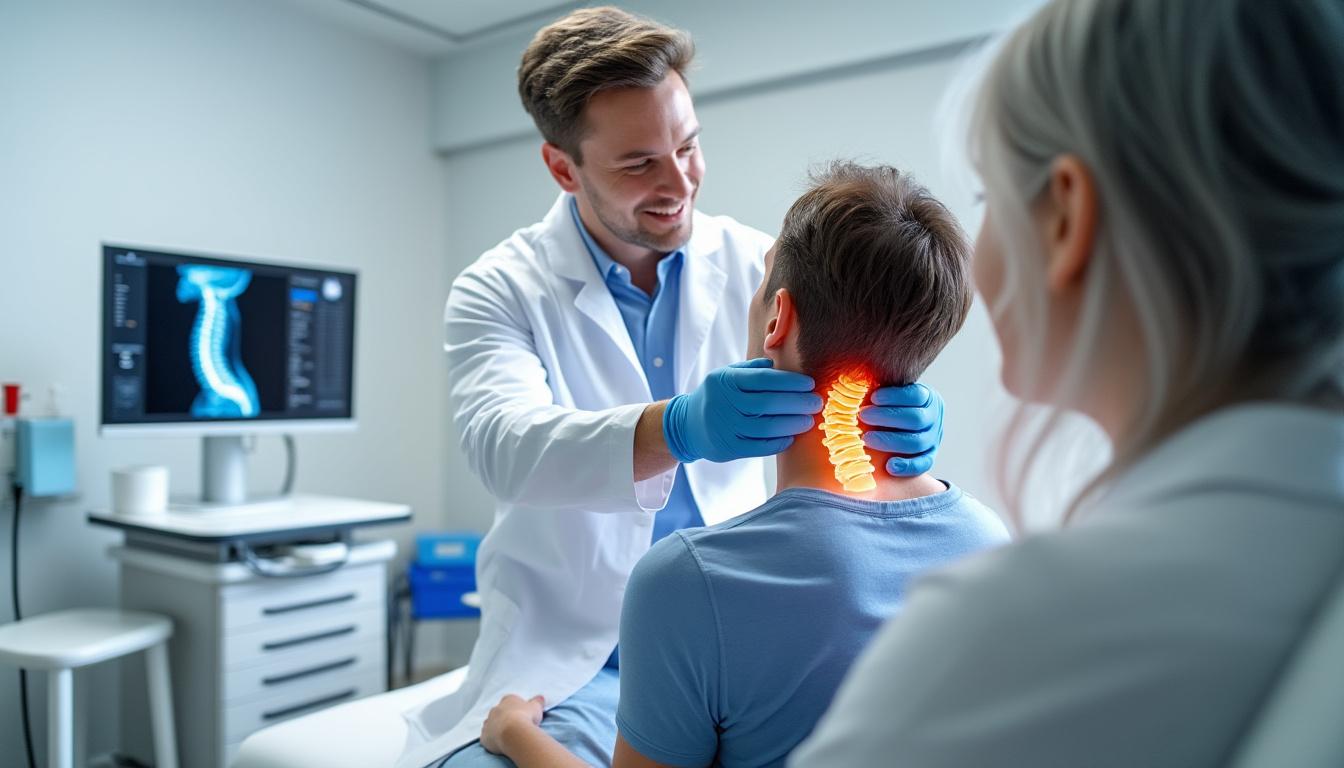
The initial step in diagnosing neck pain involves a detailed physical examination aimed at uncovering the source and extent of discomfort. A methodical approach begins with inspection of posture and spinal alignment, palpation of cervical muscles and bony structures, and assessment of active and passive range of motion. Strength testing and neurovascular evaluation further aid in detecting nerve involvement or muscular deficits.
Key components of the physical examination include:
- Inspection: Observing head alignment, shoulder height, and visible muscular atrophy.
- Palpation: Applying gentle pressure to detect tenderness, muscle spasm, or deformities.
- Range of Motion (ROM): Testing flexion, extension, lateral bending, and rotation to evaluate mobility limitations.
- Strength assessment: Evaluating neck and upper limb muscle force to reveal weakness suggestive of nerve impairment.
- Neurological evaluation: Checking reflexes, sensation, and coordination to identify neurological deficits.
Dr. Sylvain Desforges employs this thorough examination protocol at Clinique TAGMED, supplemented by state-of-the-art biomechanical assessments to enhance diagnostic precision. His integration of osteopathic principles ensures that structural and functional factors are both considered, reflecting the multifactorial nature of neck pain.
| Physical Exam Component | Purpose | Clinical Insight |
|---|---|---|
| Inspection | Visual assessment of posture, alignment | Detects asymmetries, muscle wasting |
| Palpation | Identify tenderness and muscle tension | Localizes pain sources like trigger points |
| Range of Motion | Measure joint flexibility | Highlights stiffness, mechanical restrictions |
| Strength Testing | Assess muscular power | Sheds light on nerve root involvement |
| Neurological Screening | Check reflexes, sensation, coordination | Reveals central or peripheral nerve deficits |
Specialized Provocative Tests for Cervical Radiculopathy and Related Disorders
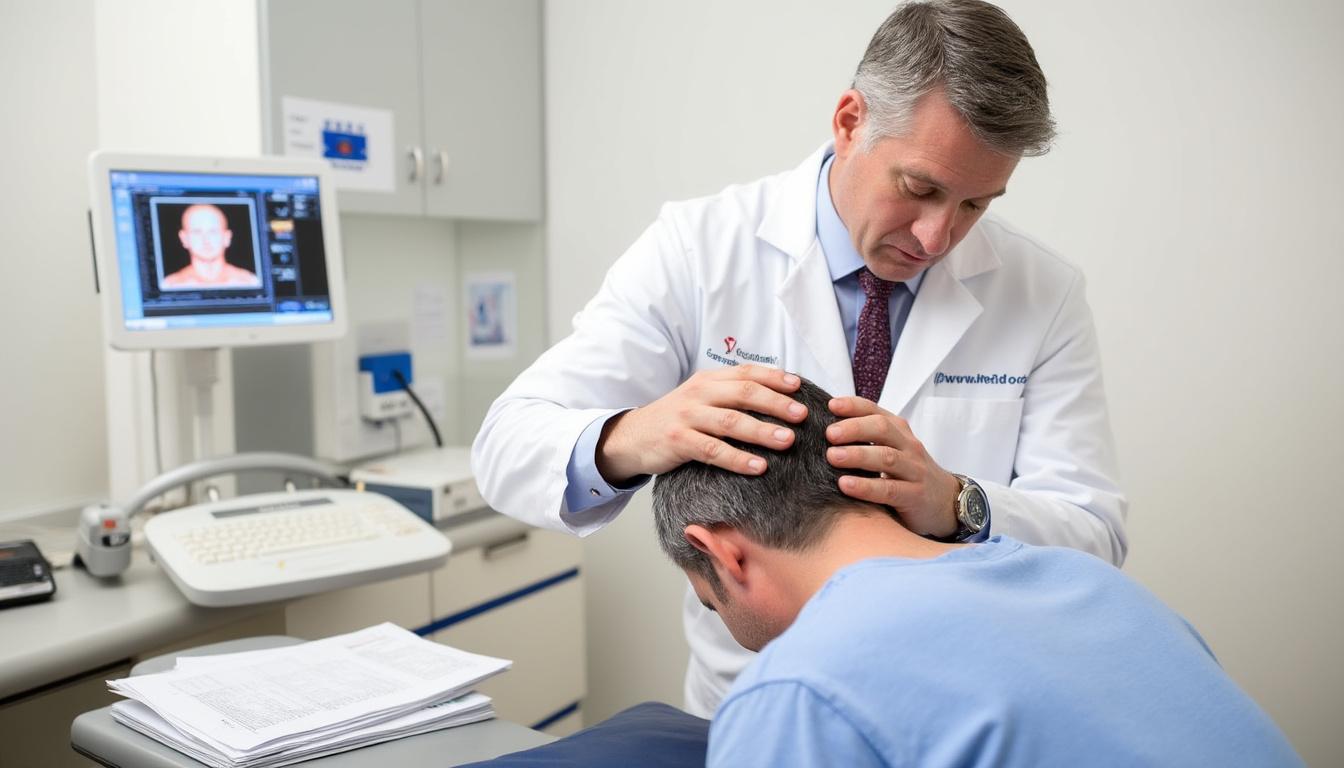
To further pinpoint nerve root irritation or compression, standardized special tests play a crucial role in the neck examination. These provocative maneuvers help differentiate cervical radiculopathy from muscular or joint-origin pain through symptomatic responses elicited by specific positioning or forces.
Prominent special tests widely employed include:
- Spurling’s Test: The examiner applies axial load with the neck in extension and lateral rotation towards the symptomatic side. Reproduction of radiating arm pain suggests nerve root impingement. Studies cite sensitivity ranging from 30 to 93% and specificity from 74 to 95%, demonstrating its diagnostic value.
- Shoulder Abduction Relief Test (Bakody’s Sign): Elevating the affected arm above the head may alleviate radicular symptoms by reducing nerve traction, assisting in diagnosis.
- Cervical Distraction Test: When axial traction applied to a slightly flexed neck reduces symptoms, it indicates nerve root involvement or facet joint origin. Its specificity can reach 97%.
- Hoffman’s Sign: A reflex test assessing upper motor neuron dysfunction; positive findings often indicate spinal cord compression.
- Lhermitte’s Sign: Neck flexion causing electric shock sensations radiating along the spine suggests possible demyelinating processes or cord pathology, although nonspecific.
In practice, Dr. Desforges carefully integrates these tests with patient history and imaging findings, ensuring a comprehensive evaluation that avoids over-reliance on any single test. This balanced diagnostic methodology underscores the importance of combining clinical expertise with scientific rigor.
| Special Test | Indication | Sensitivity (%) | Specificity (%) |
|---|---|---|---|
| Spurling’s Test | Cervical radiculopathy | 30-93 | 74-95 |
| Shoulder Abduction Relief Test | Cervical radiculopathy evaluation | 17-78 | 75-92 |
| Cervical Distraction Test | Cervical radiculopathy and facet syndrome | 44 | 97 |
| Hoffman’s Sign | Spinal cord compression | 58 | 78 |
| Lhermitte’s Sign | Myelopathy/demyelination | Nonspecific | Nonspecific |
Advanced Imaging Techniques: Harnessing Cutting-Edge Technology for Neck Pain Diagnostics
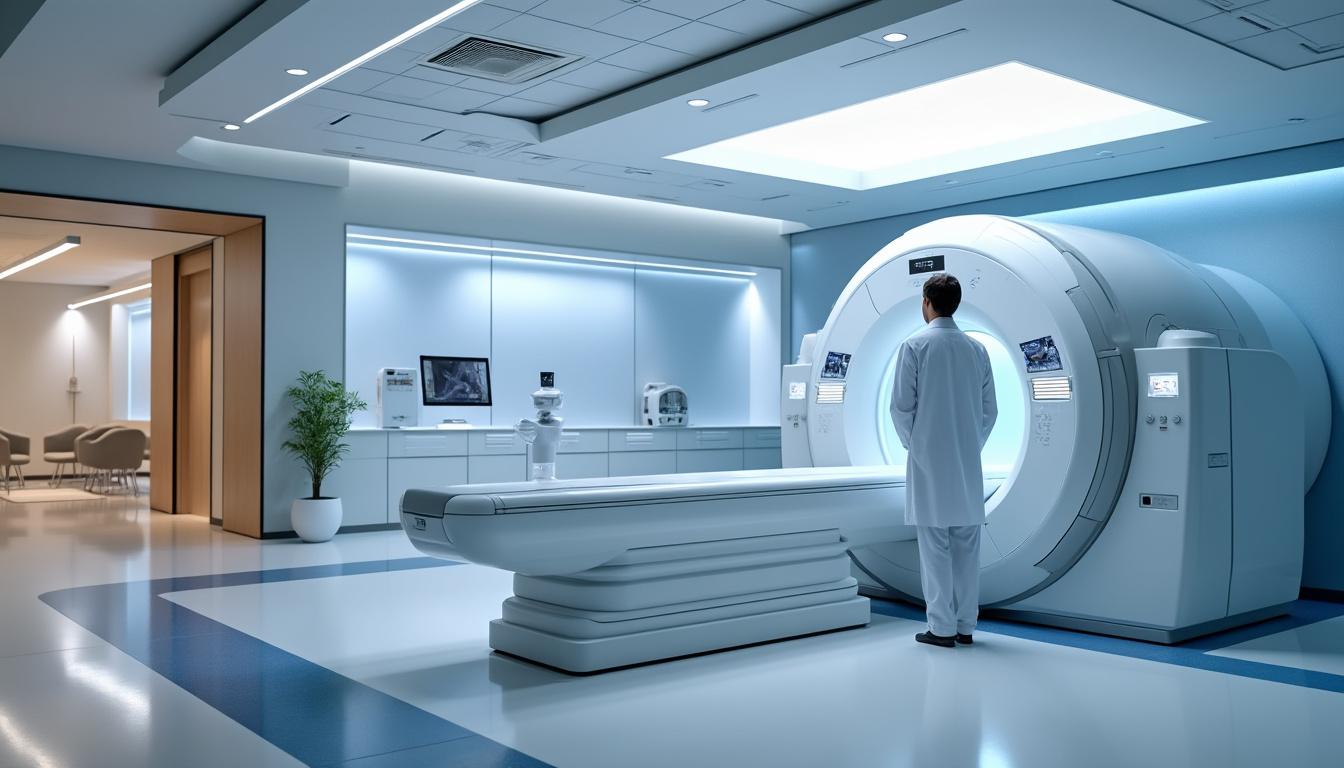
Imaging plays an essential role in the precise evaluation of neck pain when clinical examination alone cannot definitively establish the diagnosis. Modern imaging technologies, developed by leading providers such as Siemens Healthineers, GE Healthcare, Canon Medical, and Philips, offer detailed visualization of osseous, discal, vascular, and neural structures.
Commonly utilized imaging modalities include:
- X-rays: Provide baseline assessment of cervical vertebrae alignment, fracture detection, and degenerative changes.
- Magnetic Resonance Imaging (MRI): Offers high-resolution visualization of soft tissue, including herniated discs, spinal cord, and nerve roots.
- Computed Tomography (CT) Scan: Delivers excellent bone detail and assessment of spinal canal dimensions, useful in trauma and complex bony anomalies.
- Myelography: Utilizes contrast dye to evaluate spinal canal and nerve root patency, often combined with CT for enhanced clarity.
- Electromyography (EMG) and Nerve Conduction Studies (NCS): Provide functional evaluation of nerve integrity and are crucial when symptoms suggest radiculopathy or neuropathy.
These sophisticated diagnostic tools support Dr. Desforges’ commitment to evidence-based practice, enabling personalized care plans that judiciously incorporate non-invasive therapies or referral for surgical consultation when necessary. The use of advanced imaging also facilitates the monitoring of treatment progress and surgical planning, elevating patient safety and therapeutic outcomes.
| Imaging/Test | Primary Focus | Best Use Scenario |
|---|---|---|
| X-ray | Bone alignment and degenerative changes | Initial assessment, fractures, spinal deformities |
| MRI | Soft tissues, discs, nerves | Suspected herniated disc, nerve impingement |
| CT Scan | Bone detail, spinal canal evaluation | Complex bone pathology, trauma |
| Myelography | Spinal canal and nerve roots | When MRI contraindicated or unclear |
| EMG/NCS | Functional nerve assessment | Radiculopathy symptoms, neuropathy |
Blood and Laboratory Testing in Neck Pain Evaluation: Uncovering Systemic Causes
While most neck pain cases arise from mechanical or neurological factors, systemic illnesses or infections can also contribute to symptoms. To exclude or identify such conditions, Dr. Sylvain Desforges incorporates targeted laboratory testing within the diagnostic workflow. This may include blood tests for inflammatory markers, autoimmune profiles, infection screening, and metabolic panels.
Laboratory tests commonly requested consist of:
- Complete Blood Count (CBC): Detects infection or anemia potentially exacerbating symptoms.
- Erythrocyte Sedimentation Rate (ESR) and C-Reactive Protein (CRP): Measure systemic inflammation that may indicate autoimmune or infectious conditions.
- Rheumatoid Factor (RF) and Anti-Cyclic Citrullinated Peptide (anti-CCP): Identify potential rheumatoid arthritis involvement affecting cervical joints.
- Blood cultures: If infection is suspected.
Integrating laboratory findings with clinical examination aids in differentiating neck pain etiologies and ensuring appropriate referral when systemic disease management is required. This comprehensive diagnostic strategy reflects a commitment to holistic patient care upheld at Clinique TAGMED.
| Laboratory Test | Purpose | Significance for Neck Pain Diagnosis |
|---|---|---|
| Complete Blood Count (CBC) | Detect infection, anemia | Unexplained systemic symptoms with neck pain |
| ESR and CRP | Measure systemic inflammation | Autoimmune or infectious etiologies |
| Rheumatoid Factor (RF), anti-CCP | Diagnose rheumatoid arthritis | Inflammatory joint disease affecting cervical spine |
| Blood Cultures | Detect bloodstream infections | Suspected infection-related neck pain |
Electrophysiological Testing: Precise Assessment of Nerve Function in Cervical Disorders
Electromyography (EMG) and nerve conduction studies (NCS) constitute indispensable tools in the nuanced evaluation of nerve function implicated in neck pain. By measuring electrical activity within muscles and peripheral nerves, these tests differentiate radiculopathies, peripheral neuropathies, and motor neuron diseases.
Key features of electrophysiological testing include:
- Localization: Pinpoints the site of nerve dysfunction along the cervical spine or peripheral nerves.
- Severity Assessment: Grading the extent of nerve injury or demyelination.
- Treatment Guidance: Informing conservative or surgical intervention decisions.
Dr. Desforges integrates EMG/NCS results with clinical and imaging data to develop comprehensive, evidence-based care plans. Access to cutting-edge electrophysiology labs equipped by companies like Medtronic and Carestream ensures accuracy and patient comfort during these sensitive assessments.
| Test | Measures | Clinical Use |
|---|---|---|
| Electromyography (EMG) | Muscle electrical activity | Diagnose nerve/muscle disorders |
| Nerve Conduction Study (NCS) | Speed and strength of nerve signals | Detect nerve compression or injury |
Emerging Diagnostic Technologies and Their Role in Modern Spine Care
Advances in medical technology continue to transform neck pain diagnosis. Innovations such as dynamic spinal implants, laser-assisted nerve imaging, and neurovertebral decompression devices introduce unparalleled precision and patient-centered care. Dr. Sylvain Desforges champions the integration of these cutting-edge tools within his comprehensive evaluation approach.
Noteworthy emerging diagnostics include:
- Dynamic Spinal Implants: Providing real-time biomechanical data aiding in the assessment and treatment planning of cervical instability, offered in clinical research environments.
- Laser-Assisted Nerve Imaging: Enhancing visualization of nerve inflammation and scarring for better targeted therapies.
- Neurovertebral Decompression Systems: Non-invasive devices assisting in evaluating therapeutic potential before actual decompression treatments.
These technologies complement traditional diagnostic modalities and augment personalized care pathways. Facilities equipped with products from Esaote and Hologic reinforce this modern diagnostic paradigm, ensuring patients receive safe, effective, and innovative evaluations.
| Technology | Function | Clinical Advantage |
|---|---|---|
| Dynamic Spinal Implants | Real-time spine motion data | Improved diagnosis of instability |
| Laser-Assisted Nerve Imaging | Visualize nerve inflammation | Targeted treatment planning |
| Neurovertebral Decompression Systems | Evaluate decompression benefits | Non-invasive treatment assessment |
Patient-Centered Communication and Education: Essential Elements in Diagnostic Evaluation
Effective diagnosis extends beyond technological evaluation; it encompasses clear communication and education tailored to each patient’s unique condition. Dr. Sylvain Desforges advocates for transparent discussions regarding diagnostic findings, treatment options, and expectations, fostering informed decision-making.
Principles of patient education during neck pain diagnosis include:
- Demystifying medical jargon: Using accessible language to explain complex findings.
- Setting realistic expectations: Clarifying potential outcomes and limitations of treatments.
- Encouraging questions: Creating a trusting environment for patients to express concerns.
- Personalizing information: Tailoring education based on patients’ lifestyles and goals.
This empathetic approach enhances patient engagement and adherence to treatment plans, ultimately improving clinical outcomes. TAGMED Clinic exemplifies this practice, where every patient receives comprehensive support and personalized guidance through the diagnostic process.
| Education Aspect | Purpose | Benefit |
|---|---|---|
| Clear Language | Explain conditions simply | Enhanced patient understanding |
| Expectation Management | Define realistic outcomes | Improved satisfaction and compliance |
| Interactive Dialogue | Encourage questions | Better patient-provider relationship |
| Personalized Guidance | Tailored information delivery | Optimized treatment adherence |
Criteria for Selecting Appropriate Diagnostic Tests: Balancing Necessity and Precision
Choosing which diagnostic tests to perform is a critical decision that involves balancing clinical necessity with patient safety, cost-effectiveness, and diagnostic yield. Overuse of imaging or invasive testing can lead to unnecessary procedures, delayed treatment, and increased patient anxiety.
Factors influencing test selection include:
- Symptom severity and duration: Persistent, severe, or worsening symptoms often warrant advanced imaging.
- Evidence of neurological deficits: Motor weakness, reflex changes, or sensory loss guide electrophysiological and imaging evaluations.
- Failure of conservative treatment: Tests are considered when non-invasive therapies do not achieve symptom resolution.
- Suspected systemic or infectious causes: Laboratory and imaging tests help exclude these conditions.
- Legal or insurance documentation: Certain tests may be necessary to meet external requirements.
Dr. Desforges stresses adherence to Quebec and Canadian medical guidelines, ensuring diagnostic pathways are justified, evidence-based, and ethically sound. This disciplined approach protects patient welfare while promoting efficient resource utilization.
| Test Selection Factor | Typical Diagnostic Tool | Rationale |
|---|---|---|
| Severe or Prolonged Symptoms | MRI, CT Scan | Detailed anatomical evaluation |
| Neurological Signs | EMG/NCS, MRI | Assess nerve involvement |
| Conservative Treatment Failure | Advanced Imaging, Electrophysiology | Identify persistent pathology |
| Systemic Disease Suspected | Blood Tests, Imaging | Rule out infection, inflammation |
| Legal Documentation Needed | Imaging and Documentation Reports | Support claims and decisions |
Strategies for Coordinated Multidisciplinary Assessment of Neck Pain
Given the complexity of cervical spine disorders, an interdisciplinary diagnostic approach enhances accuracy and comprehensive care planning. Integration of expertise from osteopaths, radiologists, neurologists, physiotherapists, and pain specialists ensures that all facets of a patient’s condition are addressed.
Key elements of multidisciplinary assessment include:
- Collaborative evaluation: Sharing findings and insights among specialists to refine diagnosis.
- Unified diagnostic protocols: Standardized testing procedures ensuring consistency and quality.
- Patient-centered coordination: Streamlining appointments and communication to reduce burden.
- Innovative diagnostic options: Employing advanced technologies accessible across disciplines.
Clinique TAGMED, founded by Dr. Desforges, embodies this progressive model, integrating alternative medicine and conventional diagnostics. The clinic’s dedication to scientific rigor and compassionate care exemplifies best practices in spine health management.
| Multidisciplinary Aspect | Benefit | Implementation Example |
|---|---|---|
| Collaborative Evaluation | Holistic diagnosis | Regular clinical case conferences |
| Unified Protocols | Consistent quality | Shared standardized tests like Spurling’s |
| Patient-Centered Coordination | Improved experience | Combined appointment scheduling |
| Innovative Diagnostics | Advanced care options | Use of laser-assisted nerve imaging |
Patients interested in comprehensive evaluation are encouraged to consult professionals offering expert clinical judgment supported by advanced, evidence-based diagnostics. Learn more about effective neck pain diagnosis and tests at sosherniateddisc.com.
What is the most reliable physical test for diagnosing cervical radiculopathy?
Spurling’s test is among the most reliable provocative tests for cervical radiculopathy with sensitivity ranging between 30% and 93% and specificity up to 95%, particularly useful when combined with other clinical findings.
When should imaging studies be ordered for neck pain?
Imaging is advisable when neck pain persists beyond a few weeks, is associated with neurological symptoms such as numbness or weakness, or follows trauma. It is also necessary when conservative treatment fails or when more serious conditions are suspected.
How do electrophysiological tests complement imaging in neck pain diagnosis?
Electromyography (EMG) and nerve conduction studies (NCS) assess nerve function independently of structural imaging, confirming nerve involvement, localizing lesions, and determining severity, which guides treatment planning.
What role do laboratory tests play in evaluating neck pain?
Laboratory tests help identify systemic or inflammatory causes of neck pain, such as infections or autoimmune diseases, guiding appropriate referrals and management strategies beyond musculoskeletal causes.
How does multidisciplinary assessment improve neck pain diagnosis?
Combining expertise from various disciplines leads to comprehensive evaluation, reducing misdiagnosis, and ensuring that complex disorders are thoroughly investigated, resulting in personalized and effective treatments.