Repentigny Chronic Neck Pain Recovery Through Spinal Decompression
October 27, 2025
The Importance of Spinal Decompression: Expert Recommendations Explained
October 27, 2025
Spinal care has emerged as a critical health priority amid the growing prevalence of musculoskeletal disorders affecting millions worldwide. In Canada, particularly Quebec, challenges such as prolonged waiting lists and costly treatments often impede timely access to advanced spinal interventions. Conversely, France’s established expertise in spinal surgery, combined with cutting-edge technology, offers an enticing alternative, fostering international patient care collaborations. This landscape has paved the way for a transatlantic partnership blending innovation and patient-centered strategies, aiming to enhance clinical outcomes while optimizing care pathways. Exploring the nuances between spinal care modalities in France and Quebec reveals compelling insights into how surgical techniques, healthcare infrastructures, and patient management philosophies converge to improve quality of life for individuals suffering from debilitating spinal conditions.
Over the past three decades, leading specialists such as Dr. Sylvain Desforges have championed rigorous evaluation protocols and personalized treatment plans that foreground patient engagement and evidence-based practice. The partnership between Quebec-based clinics and renowned French spinal centers integrates advanced decompression technologies and dynamic implant systems unavailable locally. Such collaborations leverage networks including Franchir, Neurothérapie Montréal, and SOS Tourisme Médical to streamline the patient journey from conservative therapies through surgical intervention and postoperative rehabilitation. As health systems strive to balance cost-effectiveness with clinical excellence, these cross-jurisdictional efforts exemplify a blueprint for maximizing benefits through shared expertise and innovation.
Advanced Spinal Surgical Techniques in France: Opportunities for Quebec Patients
The French spinal surgical landscape offers a broad spectrum of innovative options spanning traditional fusion approaches to motion-preserving technologies and minimally invasive procedures. This diversity is not only a reflection of clinical sophistication but also an adaptive response to varied etiologies encountered in complex spinal pathologies.
Fusion Surgery (Arthrodesis) remains a cornerstone technique in managing severe degenerative disc disease, spondylolisthesis, or spinal osteoarthritis characterized by instability or intractable pain. French centers employ state-of-the-art implants developed by companies like Medtronic and DePuy Synthes, which ensure biomechanical stability and promote biological integration.
- Various surgical access routes including open and minimally invasive methods enhance surgical safety and patient recovery.
- Implant technologies incorporate robust materials with excellent osteointegration properties.
- Long-term pain relief is achieved albeit at a trade-off of permanent segmental motion loss.
- Studies in France have highlighted concerns regarding adjacent segment degeneration post-fusion, necessitating judicious patient selection and technique modifications.
To address limitations inherent in fusion, motion-preserving surgeries such as cervical and lumbar disc arthroplasties are gaining prominence. Devices like the TOPS and Intraspine implants, supported by clinical data from SpineGuard and NuVasive, strive to maintain segmental mobility, reduce biomechanical stress on adjacent levels, and improve postoperative function, particularly in younger or more active cohorts.
- Stringent indications limit motion-preserving surgery to patients without significant spinal instability.
- Enhanced patient satisfaction has been reported, reflecting preserved physiological spinal mechanics.
- Cost considerations and regulatory approvals influence widespread adoption, particularly outside France.
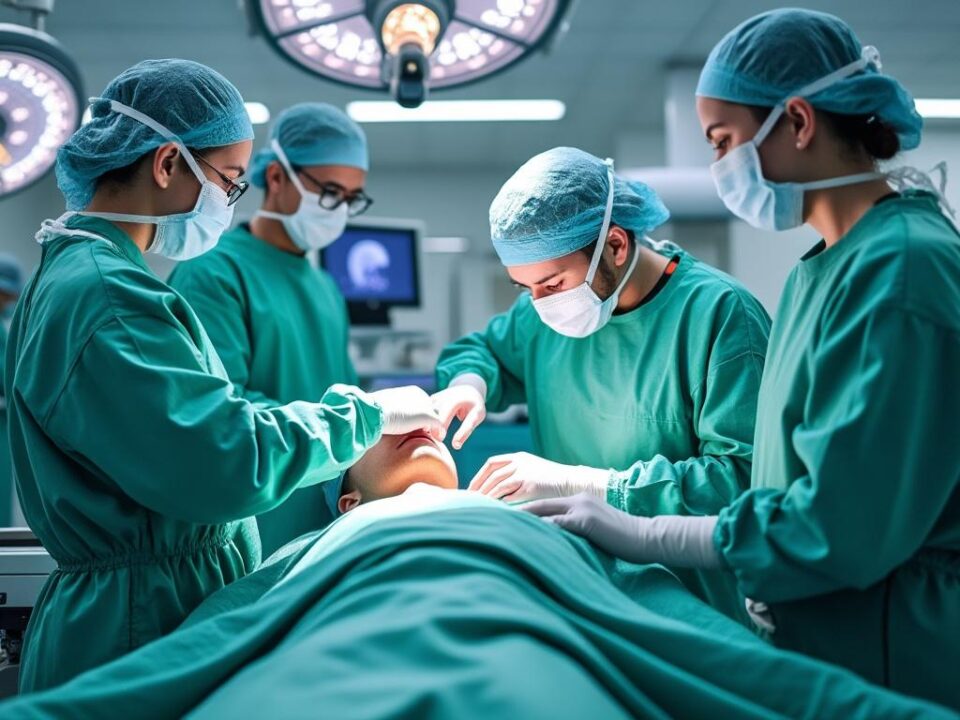
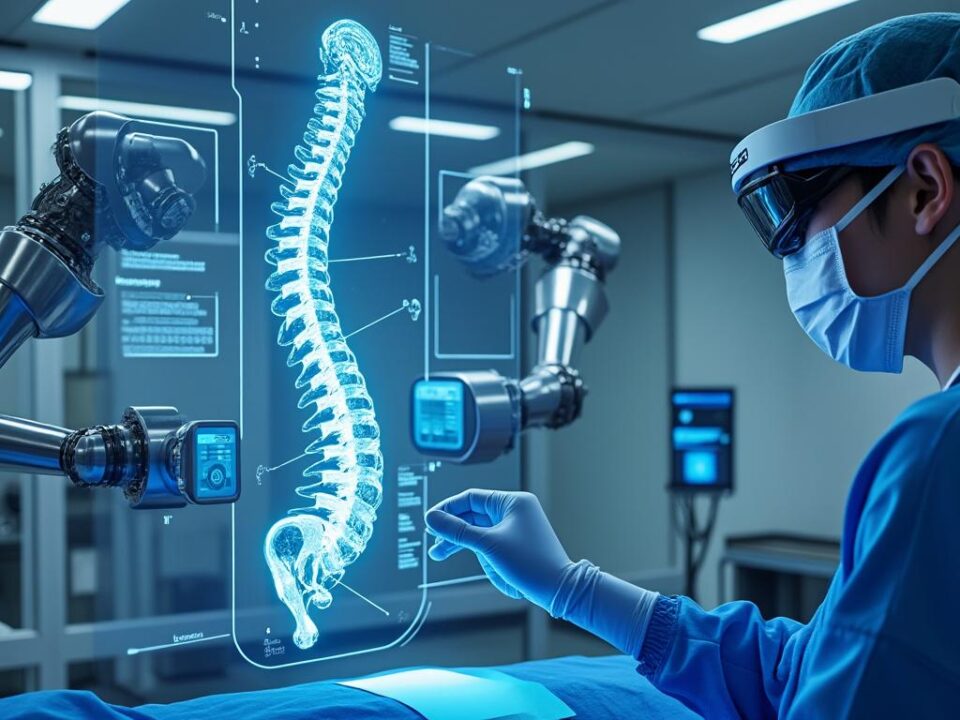
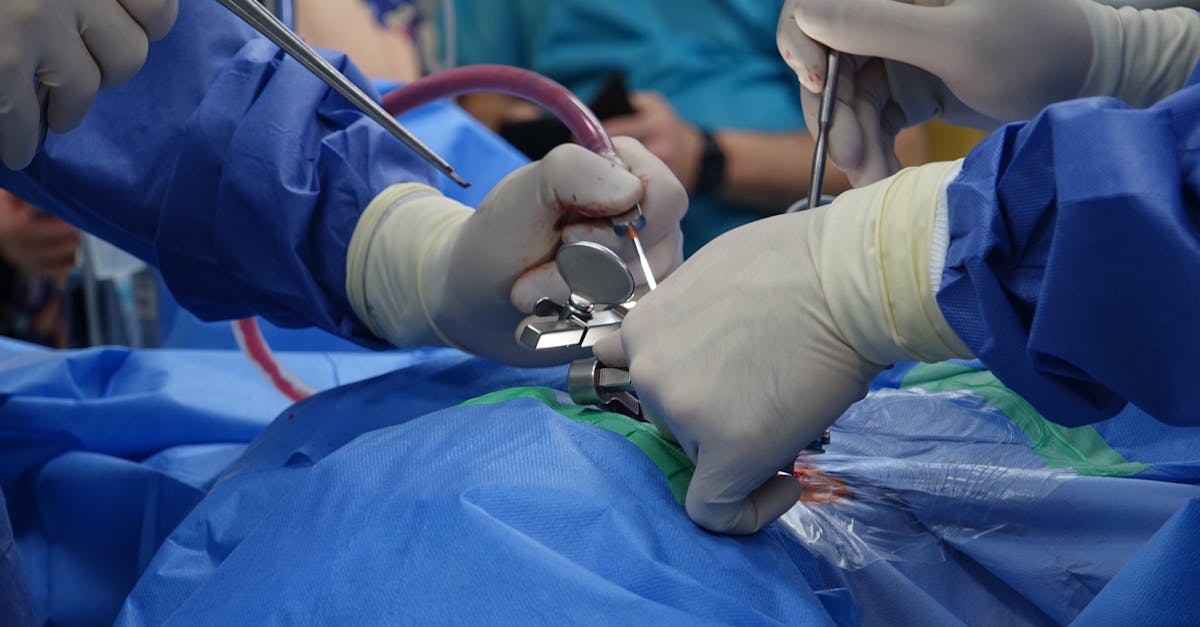
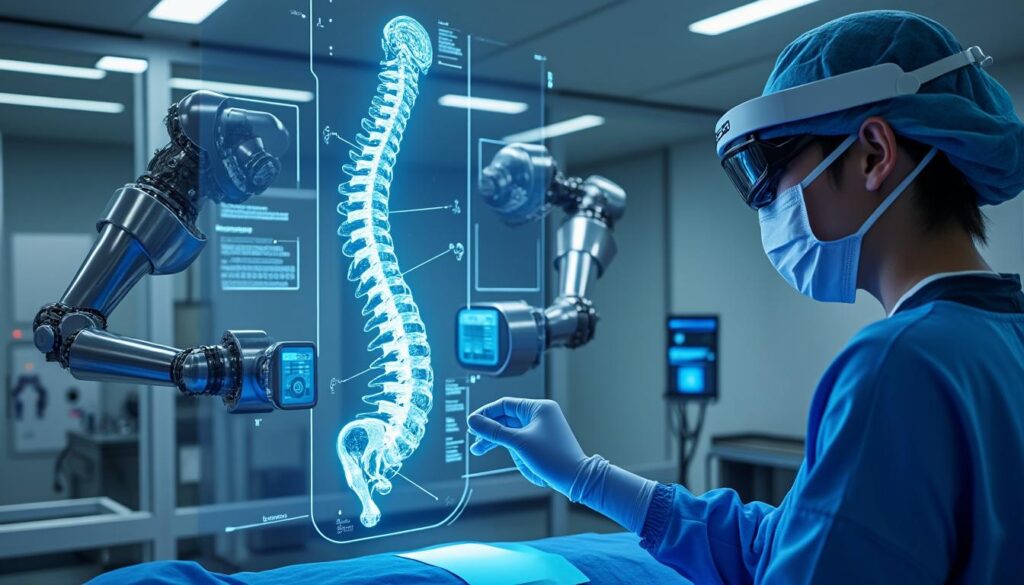
Additionally, minimally invasive and endoscopic spine surgeries have revolutionized the standard of care by reducing operative trauma, postoperative pain, and length of hospitalization. The integration of robotic-assisted platforms, such as those developed by Stryker and Globus Medical, has enabled precise decompressions and nerve root releases, particularly in conditions like herniated discs and foraminal stenosis. These approaches facilitate faster functional recovery and better cosmetic outcomes.
- Application of real-time imaging and enhanced visualization technologies.
- Reduction in intraoperative blood loss and postoperative complications.
- Not all patients qualify for minimally invasive techniques; careful assessment remains paramount.
| Technique | Main Indications | Advantages | Limitations |
|---|---|---|---|
| Fusion Surgery | Severe instability or degenerative conditions | Durable stabilization; long-term pain relief | Loss of segmental motion; risk of adjacent segment disease |
| Motion-Preserving Replacement | Moderate degeneration; young active patients | Preservation of mobility; improved postoperative quality of life | Strict selection criteria; higher costs |
| Minimally Invasive Surgery | Herniated discs; nerve compressions | Reduced trauma; quicker recovery | Limited applicability in complex cases |
The availability of these cutting-edge surgical options in France expands therapeutic possibilities for Quebec patients, often inaccessible due to regulatory constraints or lack of specialized expertise locally. Collaborative channels enable comprehensive patient assessment and procedure planning aligned with international standards, thereby reducing procedural uncertainty and enhancing predictability of outcomes.
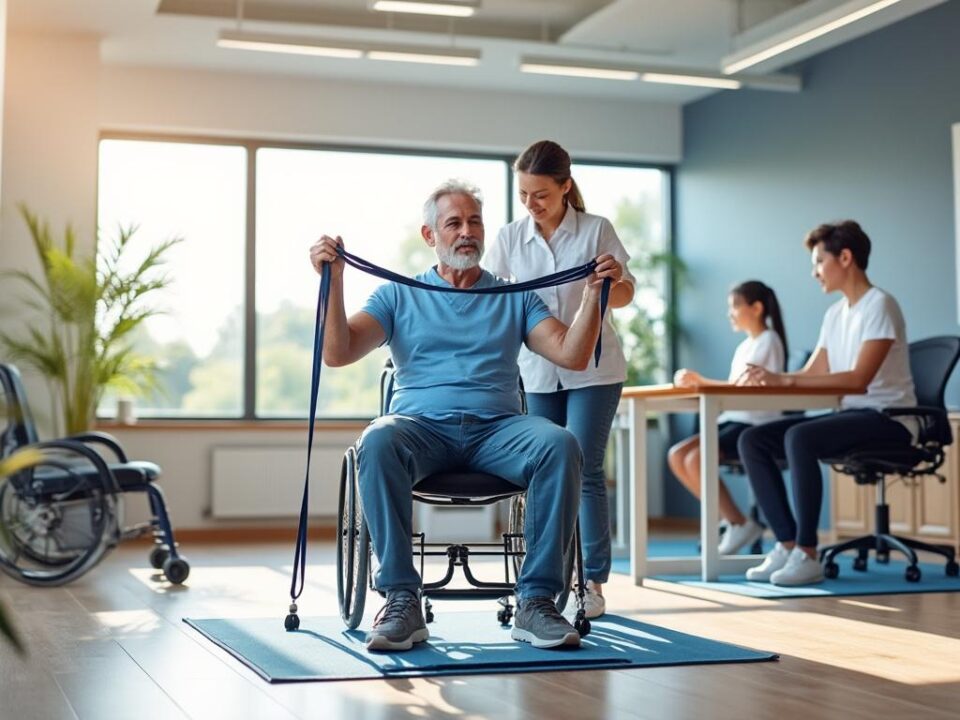
Can Rehabilitation and Return to Work Prevent the Need for Surgery?
In the constantly evolving landscape of spinal healthcare, patients and practitioners alike grapple with a pivotal question: can the rigorous pathways of rehabilitation and structured return to work reduce or even eliminate the need for surgical intervention? The answer, as…
Structured and Patient-Centric Care Pathways: From Quebec to France and Back
A defining characteristic of the Quebec-France spinal care synergy is the meticulously structured patient journey, designed to maximize safety, efficacy, and satisfaction at each stage of treatment. Central to this process is the initial thorough evaluation and conservative management provided under the supervision of Dr. Sylvain Desforges at the TAGMED clinics in Montreal and Terrebonne.
Specialized non-invasive interventions, including robot-assisted neurovertebral decompression, have demonstrated effectiveness in alleviating symptoms and delaying or even preventing the need for surgery, as documented extensively among Québec patient cohorts. These therapies serve as a valuable preparatory phase, extending over three to six months, ensuring only those truly necessitating surgical intervention proceed further.
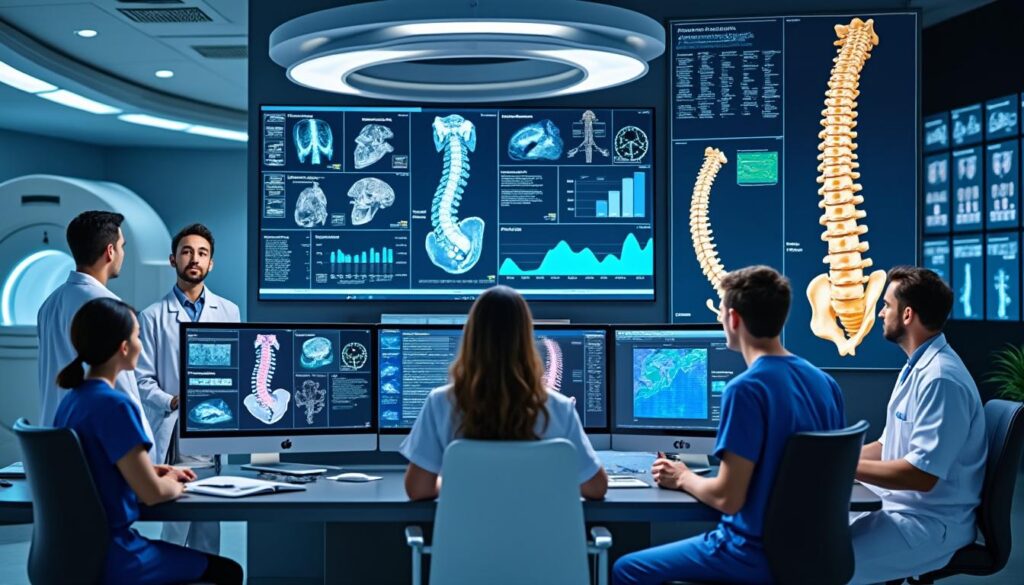
- Comprehensive review of medical imaging and diagnostic findings by spinal experts.
- Utilization of advanced techniques like traction therapy with robotic precision.
- Monitoring of patient progress while maintaining open communication regarding therapeutic responses.
- Support in patient education to foster informed decision-making.
Once surgical candidacy is established, coordination entities such as Franchir assume logistical responsibilities by organizing travel, accommodation, and surgical appointments in premier French institutions, thus alleviating administrative burdens from the patient. This seamless integration ensures adherence to ethical frameworks and cross-national regulatory requirements.
Postoperative care coordination is equally robust, with Neurothérapie Montréal overseeing pain management, rehabilitation, and psychological support upon the patient’s return. Continuity of care in familiar surroundings significantly contributes to optimized recovery trajectories and sustained functional improvements.
- Structured follow-up protocols consistent with evidenced-based guidelines.
- Interdisciplinary collaboration between healthcare teams across regions.
- Personalized rehabilitation programs tailored to individual needs.
- Psychosocial support services addressing emotional and cognitive aspects of recovery.
| Stage | Responsible Entity | Core Objectives | Location |
|---|---|---|---|
| Initial Evaluation and Conservative Management | Dr Sylvain Desforges / TAGMED Clinics | Optimize patient condition; pre-surgical decompression therapies | Montreal & Terrebonne, Quebec |
| Surgical Referral and Arrangement | Franchir Organization | Tailored surgeon and center selection; full itinerary management | France |
| Postoperative Monitoring and Rehabilitation | Neurothérapie Montréal | Comprehensive pain control; functional rehab and support | Quebec |
This coordinated model exemplifies an integrated healthcare delivery system transcending geographical boundaries while prioritizing quality and patient empowerment. The collaboration leverages shared expertise, fosters innovation dissemination, and systematically evaluates clinical outcomes in alignment with global best practices.
Exploring the Overlooked Benefits of Spine Surgery in France
Spinal disorders are a significant health concern for many patients worldwide, yet the solutions and benefits of spine surgery often remain underappreciated. France, with its advanced healthcare infrastructure and pioneering surgical techniques, has emerged as a noteworthy destination for patients…
Biomechanical and Economic Implications of the Transatlantic Spinal Care Model
Embarking on spinal surgery in France offers benefits extending beyond clinical effectiveness to encompass biomechanical advantages and economic considerations. Implants such as Intraspine and those developed by companies like Zimmer Biomet and Exactech are engineered to mirror natural spinal flexibility while maintaining robust stabilization. This attribute is critical in reducing post-surgical biomechanical stress and preventing adjacent segment deterioration, a common long-term complication associated with fusion surgeries.
The expediency of care access in France mitigates the adverse consequences of delayed interventions, positively impacting the patient’s functional prognosis and reducing indirect costs from prolonged disability. Furthermore, the economic facet of this model is bolstered by transparent package offerings through sick travel organizations like SOS Tourisme Médical, which often present cost structures competitive with or advantageous to private Canadian healthcare.
- Advanced dynamic stabilization implants preserving physiological spine behavior.
- Shortened wait times yielding quicker symptom resolution and return to activity.
- Cost clarity via integrated health tourism coordination minimizing unexpected expenses.
- Enhanced patient experience through a multidisciplinary, empathetic support network.
| Aspect | France-Spinal Care Benefits | Quebec Context Challenges |
|---|---|---|
| Biomechanical Integrity | Use of dynamic implants reducing adjacent segment disease | Limited access to innovative implants; higher fusion reliance |
| Access to Care | Progressive scheduling; reduced waiting periods | Extended wait times impacting clinical outcomes |
| Cost Efficiency | Integrated travel and care packages managed by recognized agencies | Higher out-of-pocket expenses; insurance complexities |
| Patient Support | Comprehensive interdisciplinary care continuum | Fragmented follow-up and limited rehabilitation coordination |
These multidimensional benefits underscore the transformative potential of transatlantic partnerships in spinal healthcare, emphasizing innovations that directly correlate with improved patient-centered outcomes. The experience documented aligns with broader literature advocating for motion-preserving implants and minimally invasive surgery adoption as critical drivers of quality advancement (recent clinical analyses).
Cousin Spine Technology and Franchir: Transforming Surgical Decision-Making
In recent years, the integration of advanced medical technologies has dramatically shifted how spinal surgeries are planned, performed, and managed. Among the transformative developments, the alliance between Cousin Spine Technology and Franchir stands out as a pioneering force redefining surgical…
The Critical Role of Conservative Management Prior to Surgical Decision-Making
Prior to undertaking operative interventions, a well-structured period of conservative treatment is essential to assess symptom reversibility and optimize patient readiness. Dr. Sylvain Desforges emphasizes a dedicated phase of three to six months, during which advanced modalities such as robot-assisted neurovertebral decompression are employed at TAGMED. This approach has shown efficacy in reducing pain and compressive neuropathies and avoids unnecessary surgeries in a significant subset of patients.
Careful monitoring during this phase includes:
- Regular clinical assessments and diagnostic imaging follow-up.
- Employing targeted physiotherapeutic and technological interventions to improve spinal alignment and function.
- Active patient education on lifestyle modifications and self-management strategies.
- Timely evaluation to identify candidates who require escalation to surgical intervention.
Comprehensive documentation and outcome tracking during this conservative period facilitate evidence-based decision-making, ensuring surgery is reserved for cases with demonstrable refractory symptoms. This ethical approach aligns with current standards of care as delineated in comparative effectiveness research (scientific evaluations).
| Conservative Treatment Elements | Purpose | Expected Outcome |
|---|---|---|
| Robot-assisted decompression therapies | Symptom relief and functional improvement | Avoidance of surgical intervention for responders |
| Physical and occupational therapy | Spinal strengthening and mobility maintenance | Enhanced spinal stability and pain reduction |
| Patient education | Informed decision-making and self-care empowerment | Improved adherence and health outcomes |
| Periodic evaluation | Identifying surgical necessity | Optimized timing of intervention |
This careful, patient-centered approach mitigates postoperative complications and improves quality of life by avoiding premature surgical exposure. It represents a vital component of the transatlantic care paradigm, balancing innovation with clinical prudence.
Insights from Research on Preventing Post-Laminectomy Syndrome
Post-Laminectomy Syndrome (PLS), a chronic pain condition arising after spinal surgery, remains a formidable challenge in spinal surgery and pain management. Despite advances in surgical techniques, a significant subset of patients continues to experience persistent neuropathic pain and functional limitations,…
Enhancing Patient Understanding Through Coordinated Education and Ethical Guidance
Effective communication underpinning informed consent and patient autonomy is crucial in complex spinal care decisions. The coordination efforts of SOS Tourisme Médical provide a transparent educational framework explaining differences in spinal care between Quebec and France. This ensures patients comprehend surgical options, eligibility criteria, and the sequential steps involved in transatlantic treatment plans.
The educational outreach incorporates:
- Clear, jargon-free explanations of biomechanical advantages and procedural risks.
- Engagement tools promoting dialogue between patients and multidisciplinary teams.
- Administrative and travel logistics support alleviating patient anxiety.
- Encouragement of proactive questioning and personalized evaluations prior to commitment.
This pedagogical model promotes empowerment and trust, which are pivotal factors in achieving successful clinical outcomes. The ethical commitment exhibited by this network prioritizes patient welfare and transparency, setting standards for global spine care collaborations.
| Educational Component | Focus | Patient Benefit |
|---|---|---|
| Information dissemination | Procedural details and treatment expectations | Clarity reducing uncertainty |
| Multidisciplinary dialogue | Coordinated communication among providers and patients | Enhanced decision confidence |
| Logistical support | Travel and appointment management | Reduced patient stress |
| Patient empowerment | Active involvement in care choices | Improved adherence and satisfaction |
Patients are advised to schedule consultations early with specialized clinics such as TAGMED to benefit from this extensive resource, which aligns local and international care expertise seamlessly. Such empowerment facilitates shared decision-making and optimizes individualized outcomes.
International Comparison: Spotlight on Spine Care Practices Between France and Quebec
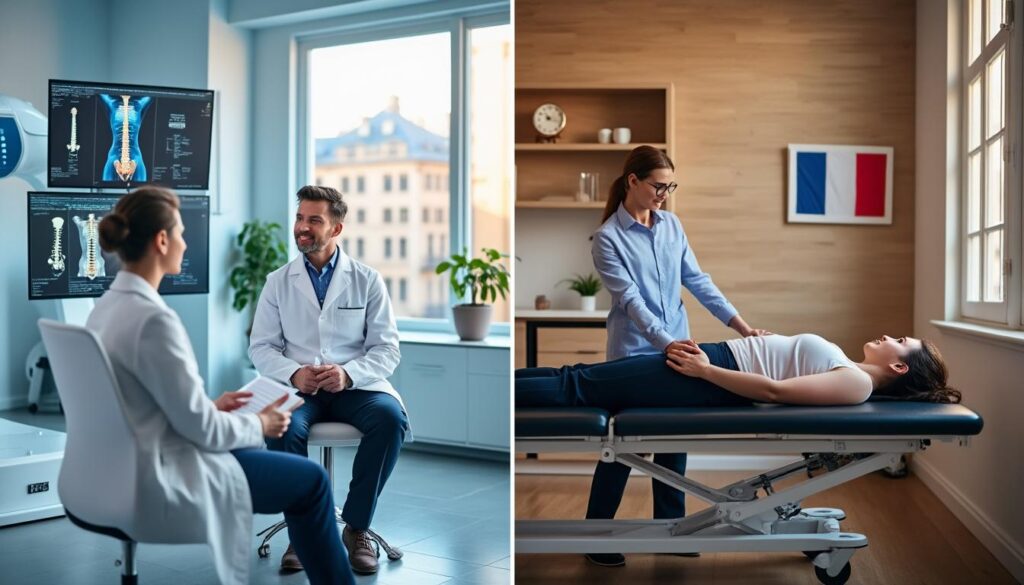
The growing emphasis on spine health in Quebec has spotlighted the value of international collaboration in advancing patient care. With the challenges of prolonged wait times and high private care costs in Quebec, France emerges as an attractive alternative, boasting…
Integrating Technological Innovations from Medtronic to SeaSpine Enhances Surgical Precision and Outcomes
Leading global orthopedic device manufacturers, including Medtronic, Stryker, Zimmer Biomet, Globus Medical, NuVasive, SpineGuard, DePuy Synthes, Exactech, Orthofix, and SeaSpine, play an influential role in advancing spinal care. Their cutting-edge implants, navigation systems, and robotic technologies are pivotal in refining surgical accuracy, minimizing intraoperative risks, and improving patient recovery trajectories.
Key innovations employed in French and Quebec surgical practices include:
- 3D imaging and robotic navigation enhancing precision placement of hardware.
- Dynamic stabilization devices preserving spinal kinematics.
- Bioactive materials promoting fusion and tissue compatibility.
- Minimally invasive platforms reducing soft tissue trauma.
The adoption of these sophisticated technologies not only augments procedural success rates but also shortens learning curves for surgical teams, enabling widespread dissemination of advanced care modalities. Continuous professional development courses, such as those offered by EuroSpine and IRCAD, ensure clinicians remain at the forefront of evolving spinal surgical techniques (latest endoscopic spine course highlights).
Medical Logistics and Accommodation: Central Pillars in the Patient Care Journey
In the evolving landscape of global healthcare, the interplay between medical logistics and patient accommodation has become a cornerstone for effective and patient-centric care delivery. This synergy is particularly evident in the management of international patient journeys, where cross-border coordination,…
Comparative Effectiveness Research Validates Patient-Centered Outcomes in Spine Care
Recent comparative studies solidify the evidence supporting the combined French-Quebec approach to spinal care, highlighting improved clinical outcomes, reduced complication rates, and enhanced patient satisfaction. Observational studies detail the prognostic impacts of various surgical and non-surgical interventions, emphasizing tailored therapy based on patient-specific factors and functional goals.
Key findings include:
- Surgical interventions following conservative management result in better long-term functional recovery.
- Motion-preserving techniques demonstrate superior quality of life metrics in younger patient populations.
- Minimally invasive surgeries correlate with decreased hospital stays and complication incidence.
- Integrated postoperative rehabilitation substantially enhances durability of treatment effects.
| Clinical Outcome | French-Quebec Model Results | Conventional Quebec Outcomes |
|---|---|---|
| Complication rate | Significantly reduced with structured preoperative evaluation | Higher incidence associated with delayed interventions |
| Functional Mobility | Improved by use of motion-preserving implants and rehab | Limited by prolonged fusion reliance |
| Hospitalization Length | Shortened with minimally invasive methods | Longer stay due to open surgeries |
| Patient Satisfaction | Higher due to coordinated care and education | Variable; limited by fragmented system |
Such data reinforce the impetus for continued collaboration and dissemination of best practices across healthcare systems, ensuring patient welfare remains paramount (evidence-based outcome analyses).
Comprehensive Guide to Eligibility Criteria for Back Surgery
The decision to undergo back surgery involves numerous complex considerations that extend beyond the presence of spinal discomfort. Through an international collaboration between healthcare experts in Quebec and France, patients facing severe spine conditions now have access to advanced surgical…
Expanding Access to Specialized Conservative and Surgical Care in Quebec: Lessons from France
The integration of French spinal care principles provides valuable lessons for addressing challenges within Quebec’s healthcare system, especially regarding wait times and availability of advanced treatments. Enhanced training programs modeled after France’s university diplomas (DU) and inter-university diplomas (DIU) in spinal pathology and surgery foster specialization and raise professional standards locally (expert analyses on Quebec spinal care).
Opportunities for Quebec include:
- Expanding access to advanced decompression therapies available at centers such as TAGMED.
- Implementing motion-preserving surgical options as regulatory approvals evolve.
- Developing structured care pathways integrating preoperative conservative management with surgical referrals.
- Increasing interdisciplinary collaboration among spine specialists, physiotherapists, and pain management clinics.
These measures, inspired by the France-Quebec collaboration, promise to reduce unnecessary surgical interventions, improve patient outcomes, and streamline resource utilization. They also enhance public awareness of available non-surgical interventions, as reflected in treatment successes reported in Montreal and Blainville regions (non-surgical disc herniation care reports).
Comparaison : Soins du Rachis – France vs Québec
Changer la langue d’affichage du tableau comparatif
| Critère / Criterion | France | Québec / Quebec | Différence / Difference |
|---|

What are the main surgical techniques for spinal disorders available in France?
France offers a range of spinal surgical techniques including fusion surgeries (arthrodesis), motion-preserving disc replacement implants like TOPS and Intraspine, and minimally invasive endoscopic procedures enhanced by robotic assistance.
How does conservative management influence the need for surgery in Quebec patients?
Conservative management, especially robotic neurovertebral decompression, often alleviates symptoms sufficiently to avoid surgery, emphasizing the importance of a 3-6 month preparatory treatment phase before surgical decisions are made.
What economic advantages does the France-Quebec spinal care partnership provide?
This partnership offers cost-effective care pathways by reducing wait times and combining treatment with organized travel and accommodation arrangements, making advanced spinal care more accessible and affordable for Quebec patients.
Which technological innovations have transformed spinal surgery outcomes recently?
Innovations from key industry leaders such as Medtronic, NuVasive, and SpineGuard, including 3D robotic navigation and dynamic implants, have significantly enhanced surgical precision and patient recovery in both France and Quebec.
How does the transatlantic collaboration improve postoperative rehabilitation?
The coordinated follow-up care through entities like Neurothérapie Montréal ensures personalized pain management, physical rehabilitation, and psychological support, contributing to sustained recovery and improved quality of life.
Unveiling the Hidden Benefits of Neurovertebral Decompression Therapy
Chronic back and neck pain remain pervasive health issues impacting millions, often leading to debilitating effects on daily life and overall well-being. Traditional management strategies frequently fall short due to lengthy wait times, high costs, or invasive procedures. Amid this…