Innovative implants: insights from an expert on TOPS™, Intraspine®, and ESP
October 25, 2025
Navigating healthcare: the role of medical orientation from Quebec in patient care pathways
October 25, 2025
In recent years, advances in spinal surgery, combined with international healthcare collaborations, have transformed post-operative care into a critical determinant of patient recovery and long-term success. Thousands of Canadian patients now travel to France each year for back surgery, drawn by cutting-edge surgical techniques offered by leading medical centers. However, the surgical procedure itself represents only a fraction of the journey toward restored health. The quality of post-operative follow-up, encompassing personalized rehabilitation, pain management, and psychological support, plays a pivotal role in enhancing clinical outcomes and improving patients’ quality of life.
Innovative centers such as Neurothérapie Montréal exemplify this integrated approach by combining neurofunctional evaluations, early mobilization, and advanced neuromodulation therapies like repetitive transcranial magnetic stimulation (rTMS). Coordination between French surgical teams and Canadian rehabilitation specialists ensures a seamless continuum of care, addressing complications promptly and optimizing patient motivation. This evolving paradigm embraces protocols like Enhanced Recovery After Surgery (ERAS), which emphasize individualized pathways designed to minimize complications and accelerate functional restoration.
Understanding the nuances of post-operative follow-up requires exploring how various types of spinal surgeries—from simple decompressions to complex fusion procedures—affect recovery timelines and rehabilitation strategies. Incorporating innovative technologies and multidisciplinary collaboration, followed by meticulous monitoring and adaptive interventions, establishes new standards for effective back surgery aftercare in 2025 and beyond.
Comprehensive Post-Operative Follow-Up: Tailoring Care by Type of Back Surgery
The recovery trajectory after back surgery is heavily influenced by the surgical technique employed. Whether addressing nerve decompression or undergoing fusion surgery, personalized follow-up protocols are essential for optimal outcomes. Recent clinical studies underline the necessity of targeted approaches that correspond to the biomechanics and healing requirements of each intervention type.
For simple back surgeries such as nerve decompression without fusion, patients typically experience rapid post-operative recovery facilitated by early mobilization. Evidence now supports initiating walking within 24 to 48 hours post-surgery to reduce thromboembolic risks and hasten functional improvement. Rehabilitation protocols include:
- Regular assessment of pain levels with adjustments to pharmacologic regimens and the inclusion of rTMS sessions to enhance analgesia while mitigating opioid dependency
- Supervised, progressive physical therapy focusing on restoring spinal mobility and muscular strength
- Close observation of surgical sites to quickly detect infections or inflammatory complications
Such protocols enable a return to work, typically within 4 to 6 weeks, providing the occupational demands are low. Likewise, light sporting activities can be resumed around the third month, subject to individual recovery rates.
Companies such as Medtronic and Stryker supply state-of-the-art implants and instrumentation that facilitate less invasive surgical approaches aligned with these follow-up strategies, further streamlining recovery. For patients undergoing motion-preserving surgeries involving disc prostheses or dynamic stabilization devices, the follow-up is more cautious. The preservation of spinal kinematics mandates:
- Strict but controlled early mobilization, avoiding sudden movements that may jeopardize implant integrity
- Neurological monitoring via advanced neurofunctional assessments conducted by specialists such as those at Neurothérapie Montréal
- Rehabilitation emphasizing mobility recovery with tailored physiotherapy sessions
The return to full activity within 3 to 6 months depends on individual tolerance and symptom resolution. Incorporating neuromodulation techniques reduces neuropathic pain, often reported in motion surgeries, enhancing patient comfort.
For fusion surgeries, which intentionally limit segmental motion to treat instability or degeneration, the recovery demands a longer timeline and a stringent regimen to ensure long-term stability:
- Strict initial immobilization periods followed by gradual functional restoration
- Combined physical and neurorehabilitation to optimize muscle support around the fused segments
- Advanced pain management incorporating non-invasive neuromodulation to address persistent post-laminectomy syndromes
Functional ambulation might recommence after several weeks, with occupational reintegration commonly occurring around 3 to 4 months post-op. Athletic activity may not be advisable before 6 months to a year depending on fusion extent.
| Type of Surgery | Initial Mobilization | Work Return Timeline | Sport Resumption | Role of rTMS |
|---|---|---|---|---|
| Simple Decompression | Walking within 24-48 hours | 4-6 weeks | Around 3 months (light activities) | Pain management & psychological support |
| Motion Preservation | Early but controlled mobilisation | 3-6 months | Progressive resumption based on tolerance | Reduction of neuropathic pain |
| Spinal Fusion | Strict immobilisation initially | 3-4 months | 6 months to 1 year | Neuromodulation for complex pain syndromes |

Understanding Sciatic Pain: Key Symptoms and When to Seek Medical Advice
Sciatic pain is a prevalent condition impacting a wide demographic, manifesting primarily as intense pain radiating from the lower back down the leg. This pain stems from irritation or compression of the sciatic nerve, a major nerve extending through the…
Preoperative Preparation: Enhancing Surgical Success Through Multidisciplinary Coordination
Preoperative planning has emerged as a critical element in optimizing post-surgical outcomes for back surgery patients traveling internationally between Canada and France. Neurothérapie Montréal plays an instrumental role in this phase, overseeing comprehensive neurofunctional assessments and psychological readiness. The preparation includes:
- Detailed review and coordination of medical records in collaboration with French surgical teams and medical facilitators such as Franchir
- Neurofunctional benchmarking to identify baseline motor and sensory status
- Psychological counseling aimed at reducing anxiety and promoting adherence to rehabilitation protocols
- Development of a personalized post-op follow-up plan tailored to the patient’s specific surgery and lifestyle
This proactive approach ensures smoother recovery and reduces potential complications by clarifying expectations and empowering patients. Such meticulous preparation is aligned with ERAS guidelines that have proven effective across multiple surgical domains. Protocols by pioneers like Zimmer Biomet enhance surgical precision, which combined with optimized patient readiness guarantees higher rates of successful outcomes and shorter hospital stays.
Furthermore, the international logistical aspect managed by specialized agencies contributes to minimizing care discontinuities, ensuring patients have safe and coordinated transitions from surgical centers to rehabilitation facilities in Quebec.
| Preoperative Component | Key Actions | Benefits |
|---|---|---|
| Medical Record Review | Collaboration with Franchir and French surgeons | Tailored surgical and post-op strategy |
| Neurofunctional Evaluation | Baseline motor and sensory tests | Customized rehabilitation plan |
| Psychological Preparation | Patient education and anxiety reduction | Better engagement with treatments |
| Personalized Follow-Up Plan | Scheduling of rehab and neuromodulation | Improved recovery speed and safety |


The Stepwise Role of Functional Recovery in Achieving Successful Outcomes
The journey to full recovery following spinal surgery is often complex and multifaceted, demanding a meticulously structured approach to ensure optimal functional outcomes. In recent years, the concept of functional recovery through a stepwise approach has garnered significant attention in…
Optimizing Recovery Through Early Postoperative Mobilization and Pain Management
Rapid initiation of physical activity within the first 48 hours after back surgery is a cornerstone of effective recovery protocols. Early mobilization helps prevent complications such as thromboembolism, muscle atrophy, and pulmonary issues. Innovative pain management strategies, involving reduced opioid use and adjunctive neuromodulation treatments, facilitate patient engagement in rehabilitative exercises.
Neurothérapie Montréal incorporates a unique blend of therapies, aligning closely with ERAS principles put forth in recent literature (ERAS evidence for spinal fusion). Key elements of the early recovery phase include:
- Regular pain assessments to fine-tune analgesic regimens, minimizing opioid exposure
- Use of repetitive transcranial magnetic stimulation (rTMS) to notably reduce neuropathic and inflammatory pain
- Supervised physical therapy focusing on low-impact cardiovascular activity and core strengthening
- Patient education on pacing activity and recognizing warning signs of complications
This integrated methodology ensures fewer hospital days and reduced readmission rates. Devices and implants produced by firms like NuVasive and Smith & Nephew support minimally invasive surgeries that complement faster mobilization protocols.
| Recovery Phase | Interventions | Expected Outcomes |
|---|---|---|
| 0-48 hours | Early mobilization, pain evaluation | Reduced thromboembolism, decreased hospital stay |
| 1-4 weeks | Progressive physical therapy, pain control | Improved function, controlled analgesia |
| 1-3 months | Neuromodulation, functional rehabilitation | Reduced neuropathic pain, enhanced mobility |
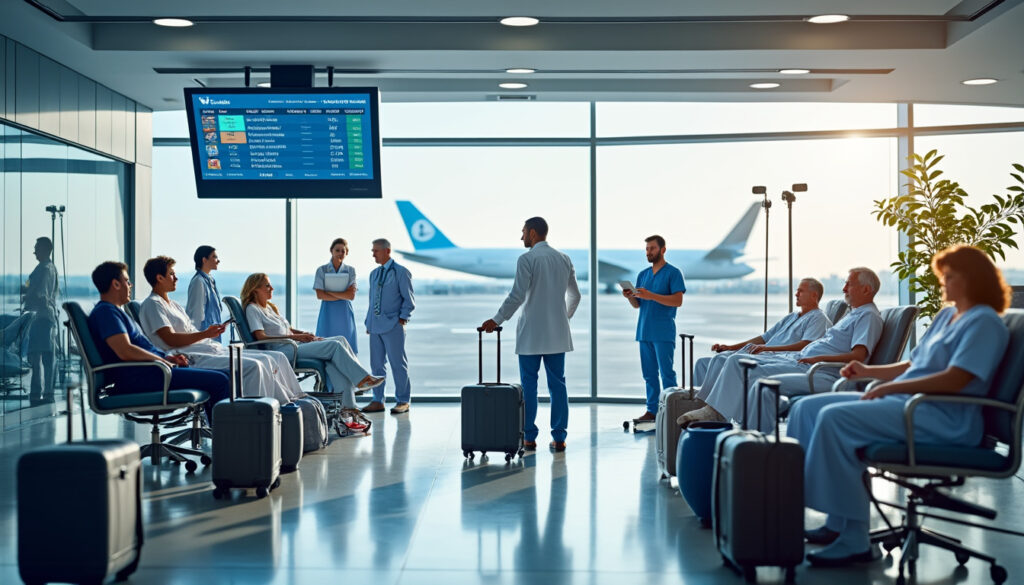
Transatlantic Patient Journey: Insights into Indications, Benefits, and Challenges
The emergence of the Transatlantic Patient Journey as a strategic model within healthcare continues to capture attention for its innovative potential, especially in specialized fields such as spinal surgery. This cross-border care pathway integrates rigorous medical evaluation from Quebec with…
Technological Innovations in Postoperative Neuromodulation Improving Clinical Outcomes
Beyond conventional therapies, neuromodulation represents a groundbreaking adjunct in managing persistent post-operative symptoms. Repetitive transcranial magnetic stimulation (rTMS) has become a vital tool in alleviating chronic neuropathic pain, a frequent challenge after back surgeries, and combating secondary psychological conditions.
Philippe Mazaltarim’s work at Neurothérapie Montréal exemplifies real-world applications of these technologies. Their targeted approach involves:
- Systematic rTMS application to modulate brain regions responsible for pain perception and mood regulation
- Integration of novel modalities like BrainPort and PoNS devices, which enhance sensorimotor recovery through peripheral stimulation
- Personalized neuromodulatory regimens adapted to patient profiles and specific post-surgical complications
- Close monitoring of functional gains and psychological well-being
These innovations complement physical rehabilitation and drastically improve patient quality of life. Notably, equipment from industry leaders like Spine Wave and Orthofix catalyze such advances by providing high-precision neuromodulatory interfaces.
| Neuromodulation Technique | Application | Primary Benefit |
|---|---|---|
| rTMS | Chronic pain modulation post-surgery | Reduced analgesic consumption, improved mood |
| BrainPort | Sensorimotor rehabilitation | Accelerated neural recovery |
| PoNS | Muscular coordination and strength | Enhanced functional independence |
Studies such as those published on postoperative pain management innovations validate the efficacy and safety of these integrated approaches, guiding clinical decision-making in multidisciplinary environments.
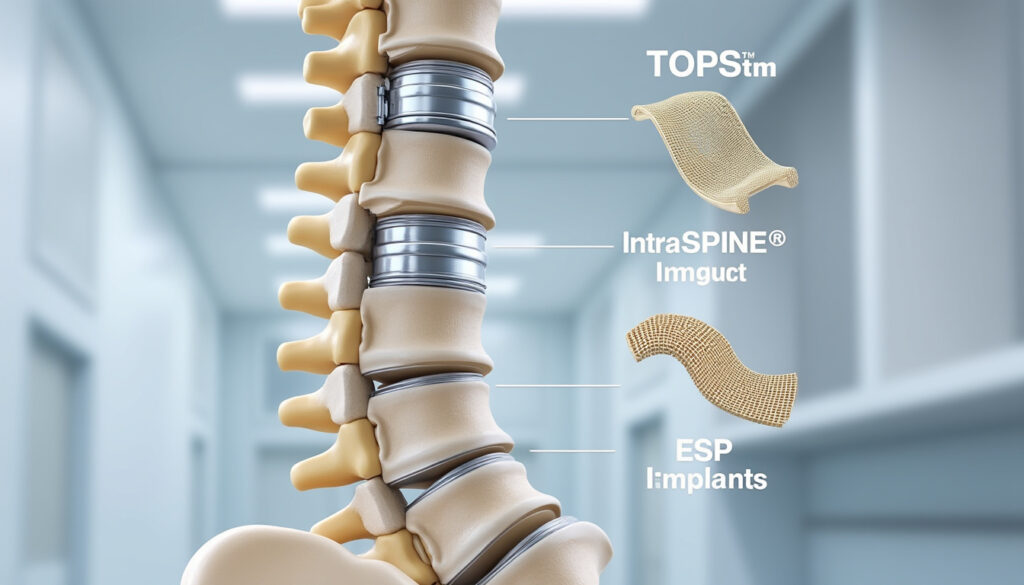
The evolving field of spinal surgery is witnessing a transformative shift, fueled by cutting-edge implant technologies such as TOPS, Intraspine, and ESP. These innovative implants redefine treatment possibilities by emphasizing preservation of natural spinal mechanics, while ensuring durable stabilization and…
International Coordination for Seamless Post-Operative Management of Transatlantic Back Surgery Patients
International healthcare partnerships have enabled innovative patient care models for Canadians undergoing back surgery in France. Coordinating between surgical providers, rehabilitation teams, and medical facilitators ensures comprehensive follow-up and addresses the geographical challenges inherent in such transatlantic care.
Key elements of this integration include:
- Collaboration with organizations like SOS Tourisme Médical and Franchir to manage medical logistics, scheduling, and documentation
- Ongoing remote neurofunctional assessment using telemedicine tools to monitor progress and detect complications early
- Streamlining communication between French surgeons and Canadian therapists specializing in post-spinal surgery rehabilitation
- Ongoing patient education and support networks that address psychological recovery and lifestyle adaptations
This orchestrated pathway significantly mitigates risks associated with fragmented care and enhances patient confidence. Canadian centers rely on this seamless connection to sustain high standards in post-operative monitoring long after discharge from French hospitals.
| Aspect | Implementation | Benefit |
|---|---|---|
| Medical Coordination | Franchir and SOS Tourisme Médical collaboration | Optimized surgical center selection and logistics |
| Remote Monitoring | Teleconsultations and functional evaluations | Early complication detection and management |
| Interdisciplinary Communication | Information exchange between surgeons and therapists | Continuity of care and tailored rehabilitation |
| Psychological Support | Ongoing patient counseling and education | Improved adherence and mental well-being |
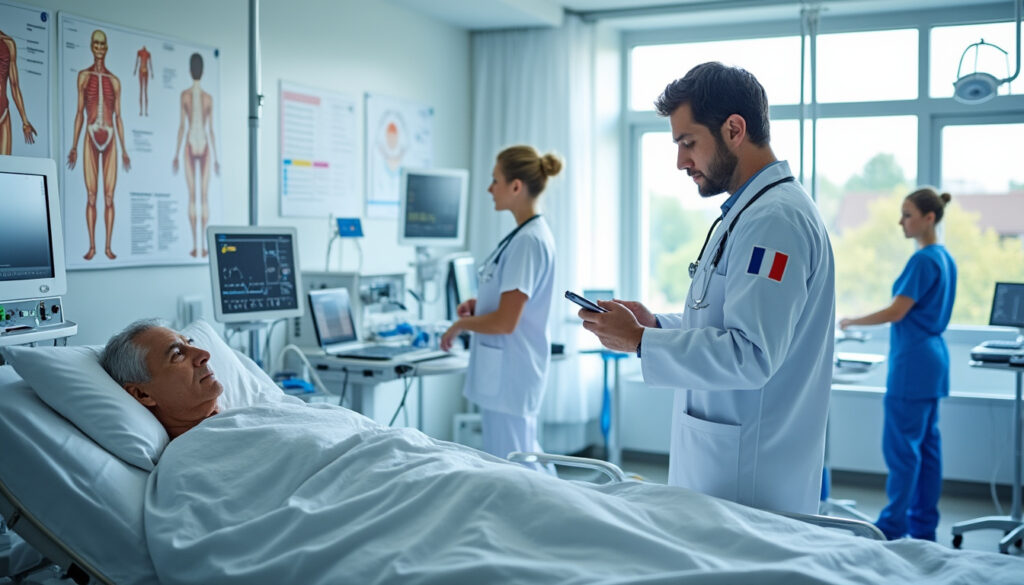
Preparing for Surgery in France: Key Indications, Benefits, and Limitations
In an evolving global healthcare landscape, France emerges as a beacon of advanced surgical expertise, particularly attracting international patients seeking expedited and innovative medical interventions. Patients from regions experiencing long wait times, such as Quebec, increasingly view France as an…
Enhancing Patient Engagement Through Education and Psychological Support in Post-Operative Care
Patient empowerment remains a cornerstone of successful post-operative recovery. Understanding the surgical procedure, anticipated healing phases, and available rehabilitation methods fosters better adherence and reduces emotional distress. Philippe Mazaltarim’s clinical practice emphasizes transparent and compassionate communication, involving patients as active partners in their recovery journey.
Key strategies include:
- Comprehensive educational sessions clarifying surgical goals and realistic outcomes
- Training on self-management of pain and activity pacing
- Structured psychological interventions addressing anxiety, depression, and chronic pain coping skills
- Regular assessments incorporating patient-reported outcomes to tailor interventions
This holistic care approach aligns with evolving best practices worldwide, supported by ongoing clinical research highlighting the psychological dimensions of spinal surgery recovery. It also underscores the importance of initiatives like the Post-Operative Recovery Essentials for empowering patients.
| Engagement Technique | Approach | Patient Benefit |
|---|---|---|
| Education | Detailed procedural and recovery information | Reduces anxiety, increases compliance |
| Self-Management Training | Pain control and activity pacing skills | Improves autonomy, limits complications |
| Psychological Support | Cognitive-behavioral therapy and counseling | Enhances mood, reduces chronic pain impact |
| Feedback-Driven Personalization | Using patient feedback to customize care | Optimizes outcomes and satisfaction |

Unveiling the Hidden Benefits of Quality and Certification in Devices
The landscape of device manufacturing and clinical application in 2026 has been fundamentally shaped by the rigorous interplay between quality management and certification processes. Within this complex framework, the hidden benefits of adhering to international standards and obtaining relevant certifications…
Future Perspectives: Innovation and Research Driving Improved Postoperative Outcomes
The landscape of back surgery and post-operative care continues to evolve rapidly. Key advancements anticipated in the near future include:
- Greater adoption of robotic-assisted surgeries, enhancing precision and minimizing tissue trauma — technologies supported by companies like DePuy Synthes and Zimmer Biomet
- Integration of real-time biomechanical monitoring to guide rehabilitation intensity and timing
- Development of personalized neuromodulation regimens enabled by artificial intelligence algorithms
- Enhanced tele-rehabilitation platforms that facilitate continuous monitoring and virtual therapy sessions
- Expansion of minimally invasive procedure indications, lowering complication rates and hospital stays
Research initiatives such as those featured by the European spine community and advanced clinical trials increasingly affirm the vital role of comprehensive post-operative follow-up in maximizing surgical benefits and patient well-being. When combined with multidisciplinary, patient-centered care, these innovations promise to set new standards for spine surgery recovery.
| Innovation | Description | Anticipated Impact |
|---|---|---|
| Robotic-Assisted Surgery | Enhanced precision with reduced invasion | Faster recovery, fewer complications |
| AI-Powered Neuromodulation | Personalized stimulation protocols | Improved pain control and mood stabilization |
| Tele-Rehabilitation | Virtual patient monitoring and exercises | Continuity of care despite distance |
| Minimally Invasive Techniques | Less tissue damage and faster healing | Shorter hospital stays and reduced costs |
Why Experts Advocate for Comprehensive Preoperative Evaluations
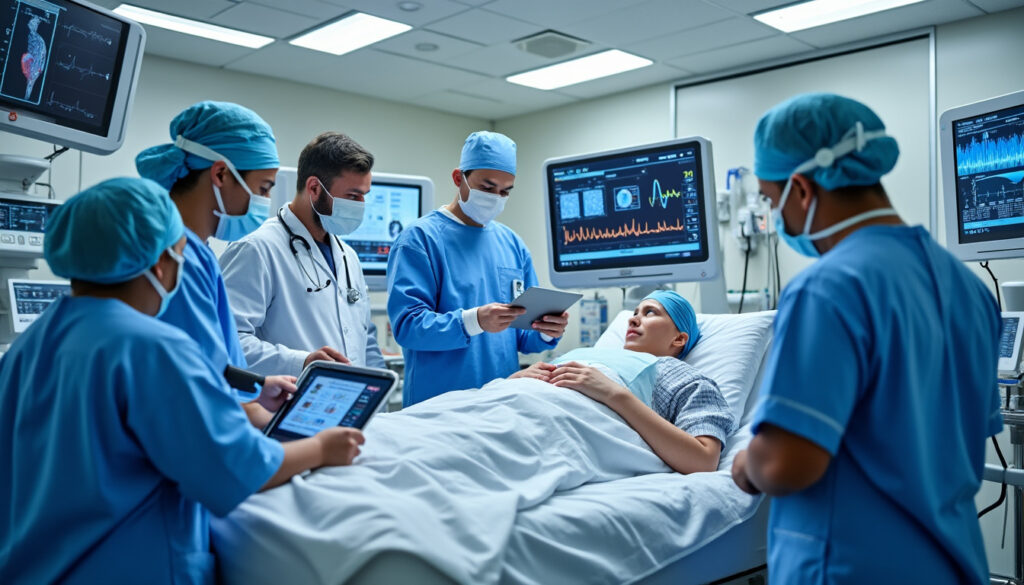
In the complex and demanding field of spinal surgery, the emphasis on comprehensive preoperative evaluations has become a fundamental pillar supporting successful surgical outcomes. These evaluations, far beyond mere routine checks, integrate detailed analyses of patient health, surgical risk assessments,…
Key Takeaways on the Role of Post-Operative Follow-Up in Back Surgery Success
Post-operative follow-up is the cornerstone for achieving the full potential of back surgeries. The complexity of spinal recovery demands multidisciplinary coordination, individualized rehabilitation, and innovative pain management strategies. Expertise provided by centers like Neurothérapie Montréal, supported by seamless international cooperation, exemplifies this model.
Successful follow-up programs incorporate:
- Early mobilization within safety parameters adapted to surgical type
- Comprehensive pain control integrating pharmaceutical and neuromodulation methods
- Patient education and psychological support to foster engagement
- Use of cutting-edge technology and continuous outcome monitoring
- Strong collaboration between surgical teams, rehabilitation specialists, and medical facilitators
Bringing together the expertise of leading industry innovators such as Aspen Medical Products and Spine Wave bolsters these efforts. The continued evolution of post-operative care protocols promises to improve long-term quality of life for patients coping with spinal disorders.
Suivi post-opératoire après une chirurgie du dos : amélioration des résultats cliniques
Cliquer sur les pratiques pour en découvrir l’impact sur les résultats cliniques.
Sélectionnez une pratique pour voir la description détaillée.
What are the most effective post-operative follow-up protocols after back surgery?
The best protocols combine regular medical assessments, pain management including neuromodulation like rTMS, personalized rehabilitation programs, and psychological support. These tailored strategies depend on the specific type of surgery performed.
How does repetitive transcranial magnetic stimulation (rTMS) benefit back surgery patients?
rTMS modulates brain activity related to pain and mood, reducing neuropathic pain, limiting opioid use, and alleviating anxiety or depression that can develop postoperatively, contributing to improved recovery.
What timeline should patients expect for returning to work and activities after back surgery?
Return timelines vary: simple decompression surgeries may permit work resumption within 4-6 weeks, while motion-preserving surgeries require 3-6 months, and fusions often demand 3-4 months or longer with sports activities potentially delayed up to a year.
How is international follow-up care coordinated for patients undergoing back surgery abroad?
Collaborative networks involving surgical teams, rehabilitation centers like Neurothérapie Montréal, and medical facilitators such as Franchir ensure coordinated logistics, telehealth consultations, and ongoing monitoring to maintain continuity across countries.
What role does patient education play in enhancing post-operative outcomes?
Educating patients about their surgery, recovery phases, pain management, and self-care empowers them to actively participate in rehabilitation, decreasing anxiety and improving compliance with recovery protocols.
The Future of Surgery Lies in Stepwise Functional Recovery
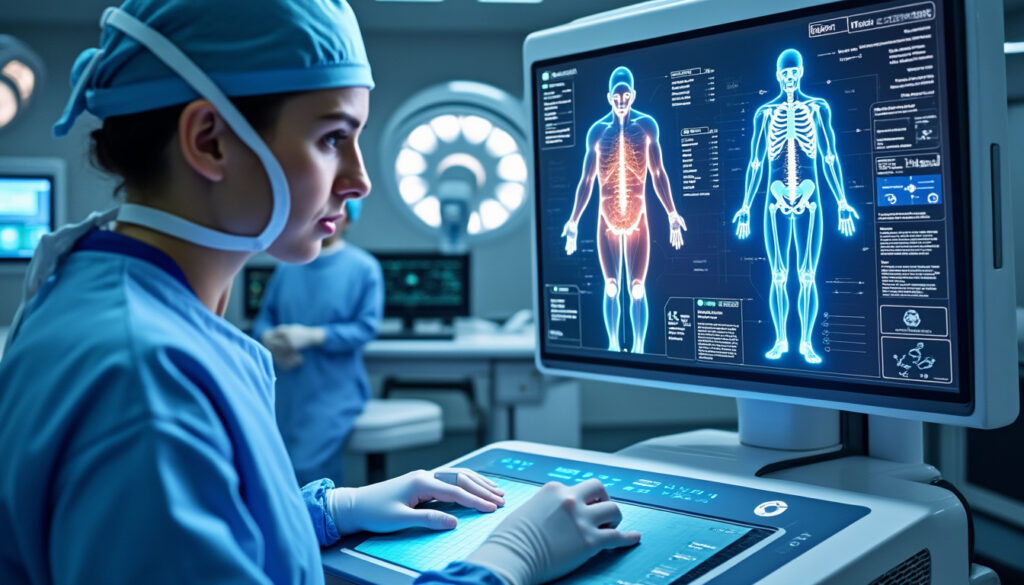
The evolution of surgical care in 2026 reveals a compelling shift toward approaches that prioritize the holistic recovery of patients, moving beyond traditional metrics like length of hospital stay or mortality rates. This modern paradigm highlights the principle that the…