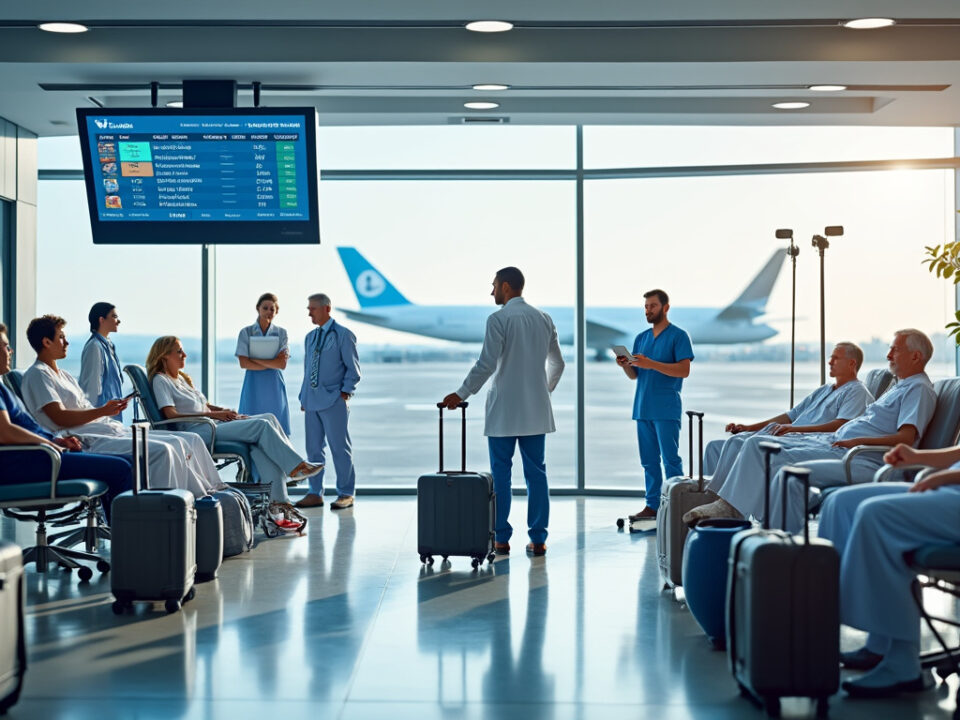
how post-operative follow-up after back surgery enhances clinical outcomes
October 25, 2025
An international comparison: exploring medical logistics and accommodation
October 25, 2025
Healthcare navigation has become an essential pillar in delivering patient-centered care, especially within complex care pathways such as spinal surgery. In Quebec, this has sparked a transformative approach where medical orientation services play a crucial role in guiding patients through multifaceted treatment processes. The intricate nature of spinal pathologies demands a seamless integration of evaluation, treatment decisions, and follow-up, particularly when care crosses international borders.
The Quebec health system’s partnership with French medical institutions enriches this orientation pathway, providing patients access to advanced surgical techniques unavailable locally. This new form of collaboration involves professional navigation teams, technological integration, and meticulous logistical planning to ensure every patient receives an optimized, continuous care experience. From initial clinical assessment to post-operative rehabilitation support, medical orientation acts as a beacon for patients facing the often overwhelming healthcare journey.
By unifying standards of care and emphasizing patient empowerment, Quebec’s model exhibits how structured orientation not only improves access but also reinforces quality and safety in healthcare delivery. It anchors care pathways in an interdisciplinary network utilizing state-of-the-art innovations alongside compassionate, humanized support systems.
Foundations of Medical Orientation in Quebec’s Healthcare System: Enhancing Patient Care Pathways
Medical orientation in Quebec represents a coordinated approach designed to streamline patient care pathways within a highly specialized and evolving healthcare landscape. The sheer complexity of conditions like spinal disorders necessitates a navigation system that aligns clinical expertise, technological advancements, and patient-centered communication to offer tailored treatment solutions.
This orientation system leverages key partnerships between clinical teams, administrators, and external providers, focusing on reducing fragmentation in care delivery. The patient navigator’s role extends beyond facilitating appointments; it includes comprehensive evaluation, education, and psychological support, ensuring that each individual understands their care trajectory.
How does this function in practice? A multidisciplinary team, including spinal surgeons, physiotherapists, and neurotherapists, collaborates to assess patients’ clinical data, coordinate diagnostic imaging, and determine eligibility for conservative versus surgical treatments. These elements are synthesized to create personalized care plans that match individual patient needs, taking into account both medical and social determinants.
Crucially, advances from trusted healthcare technology corporations such as Philips Healthcare and Siemens Healthineers bolster diagnostic and monitoring capacities, enabling precise orientation decisions. Furthermore, electronic health records facilitated by partners like Telus Health and Epic Systems provide seamless data sharing between Quebec-based caregivers and international collaborators.
Understanding emergency protocols, referrals, and treatment priorities helps reduce patient anxiety and enhances their engagement throughout the process. This continuous and integrated orientation approach ensures valuable time is saved and improves overall clinical outcomes, marking a shift towards person-centric healthcare models.
| Key Components | Function | Impact on Patient Care |
|---|---|---|
| Multidisciplinary Collaboration | Joint clinical decision making across specialties | Personalized care plans enhancing treatment success rates |
| Technology Integration | Advanced diagnostics using Philips & Siemens solutions | Improved accuracy in patient evaluation |
| Patient Navigation | Guidance through appointments, treatments, and follow-ups | Reduced delays, increased patient satisfaction |
| Data Sharing Platforms | Interoperable records via Telus Health & Epic Systems | Enhanced continuity of care across providers |
- Streamlining access to specialists and services
- Empowering patients with knowledge and resources
- Ensuring coordination across healthcare settings
- Improving safety through informed decisions

Understanding Sciatic Pain: Key Symptoms and When to Seek Medical Advice
Sciatic pain is a prevalent condition impacting a wide demographic, manifesting primarily as intense pain radiating from the lower back down the leg. This pain stems from irritation or compression of the sciatic nerve, a major nerve extending through the…
Comprehensive Initial Evaluation for Quebec Patients Targeting Spinal Surgery Abroad
The initial step in medical orientation involves a rigorous clinical and diagnostic assessment within Quebec to qualify patients for subsequent spinal surgery, frequently performed in France. This phase is critical to safeguarding patient safety and optimizing therapeutic efficacy by ensuring absolute appropriateness of care pathways.
The evaluation is overseen by experts at TAGMED, led by Dr. Sylvain Desforges, who meticulously review submitted medical records, imaging results (MRI, CT scans), and patient questionnaires focused on symptomology and functional status. This method avoids redundant testing, expediting decision-making and minimizing disruption to the patient’s routine life.
Criteria for surgical candidacy encompass:
- Severity and nature of spinal pathology such as herniated discs, spinal stenosis, spondylolisthesis, or scoliosis
- Assessment of comorbidities and contraindications including severe cardiac disease or active infections
- Consideration of previous attempts at conservative treatment, e.g., robotic neurovertebral decompression
Such a precise filtering mechanism benefits both patients and healthcare systems by focusing resources on high-yield interventions. The evaluation period averages two to three weeks, with direct communication channels led by patient navigator Marcel Mazaltarim, who supports patients through informed discussions to address concerns about surgery abroad and associated logistics.
This phase incorporates the latest digital solutions from McKesson and Allscripts, allowing secure, centralized access to cross-institutional medical data. Moreover, it provides patient education through comprehensive guides adapted from documents such as the navigation best practices, ensuring patients are engaged stakeholders in their own care.
| Evaluation Components | Details |
|---|---|
| Medical Record Review | Analysis of previous diagnostic tests and physician reports |
| Imaging Assessment | Specialist evaluation of MRI and CT scans by TAGMED team |
| Symptom Questionnaire | Detailed documentation of pain, mobility, and neurological symptoms |
| Contraindications Screening | Identification of factors against surgical intervention |
- Ensures only eligible patients proceed to surgery
- Reduces unnecessary exposure to surgical risks
- Supports shared decision-making with physicians and patients

The Stepwise Role of Functional Recovery in Achieving Successful Outcomes
The journey to full recovery following spinal surgery is often complex and multifaceted, demanding a meticulously structured approach to ensure optimal functional outcomes. In recent years, the concept of functional recovery through a stepwise approach has garnered significant attention in…
Strategic Logistical Coordination with Franchir for Safe and Efficient Surgical Journeys to France
Following patient qualification, logistical orchestration becomes paramount, expertly managed by the service provider Franchir. This organization transcends typical travel planning by embedding medical orientation into every travel detail, mitigating stress and real or perceived barriers associated with cross-border healthcare.
Franchir’s scope encompasses:
- Matching patients to expert spinal surgeons whose specialties align with the identified pathology
- Securing accommodations close to centers of excellence equipped with state-of-the-art surgical technology
- Managing international flight logistics, ground transportation, and timely transfers
- Scheduling pre-operative consultations and administrative processes like insurance conformity and consent paperwork
Patients benefit from rapid access to minimally invasive methods and advanced implants, including TOPS and dynamic stabilization systems such as Intraspine—options typically subject to waitlists or limited availability in Quebec. This integrative process ensures that clinical and logistical dimensions are coordinated in harmony, reducing the risk of care delays.
Technological advances facilitated by collaborations with companies such as GE Healthcare and Philips Healthcare enhance the safety and precision of the surgical environment. Moreover, well-documented patient flows supported by tools from Epic Systems and Allscripts ensure all stakeholders have real-time updates.
| Franchir Coordination Tasks | Functionality | Patient Impact |
|---|---|---|
| Surgeon & Clinic Selection | Aligning clinical needs with surgical expertise | Maximizes treatment success |
| Transportation & Accommodation | End-to-end travel and lodging management | Minimizes patient stress and inconvenience |
| Appointment Scheduling | Coordinating all pre-op and post-op visits | Ensures timely care and follow-up |
| Administrative Support | Insurance and documentation handling | Reduces bureaucratic burdens |
- Enhances access to innovative spinal surgery techniques
- Facilitates a seamless patient journey across borders
- Offers complimentary logistical and emotional support
- Promotes safety through comprehensive oversight
Expert insights emphasize the importance of working exclusively with partnered surgeons and hospitals to ensure quality and continuity in international healthcare pathways.


Transatlantic Patient Journey: Insights into Indications, Benefits, and Challenges
The emergence of the Transatlantic Patient Journey as a strategic model within healthcare continues to capture attention for its innovative potential, especially in specialized fields such as spinal surgery. This cross-border care pathway integrates rigorous medical evaluation from Quebec with…
Neurotherapy Montréal: Innovating Postoperative Support for Enhanced Spinal Surgery Outcomes
Returning to Quebec post-surgery marks the beginning of a vigilant period of recovery, expertly handled by Neurotherapy Montréal. Under Marcel Mazaltarim’s leadership, this institution synthesizes neurofunctional assessments, biofeedback technologies, and personalized rehabilitation protocols to address the unique recovery needs of spinal surgery patients.
The post-op pathway prioritizes:
- Longitudinal monitoring to detect neurological or functional complications early
- Tailored rehabilitation plans focusing on restoring autonomic nervous system balance and motor control
- Remote and in-person consultations aimed at optimizing adaptation to life post-intervention
- Liaison with French surgical teams to coordinate adjustments when necessary
Incorporating digital tools developed by WELL Health Technologies enhances communication and data tracking between recovery sites, ensuring continuity and timely interventions. This integrative care model reflects the priorities outlined in frameworks like the Integrated Care Journal, highlighting collaborative, patient-centered post-care advancements.
| Postoperative Service | Features | Patient Benefit |
|---|---|---|
| Neurofunctional Assessments | Use of advanced tests for spinal nerve recovery | Early detection of issues improving clinical results |
| Biofeedback & Neurofeedback | Technological modalities for nervous system training | Accelerates neuroplasticity and functional restoration |
| Personalized Consultations | Remote or onsite adjustment of therapy plans | Customizes recovery trajectory to patient progress |
| International Team Communication | Collaborative information exchange with French surgeons | Ensures continuity and safety in care management |
- Reduces risks of surgical complications
- Improves functional independence and quality of life
- Supports patient empowerment throughout convalescence
- Integrates latest technological innovations in rehab
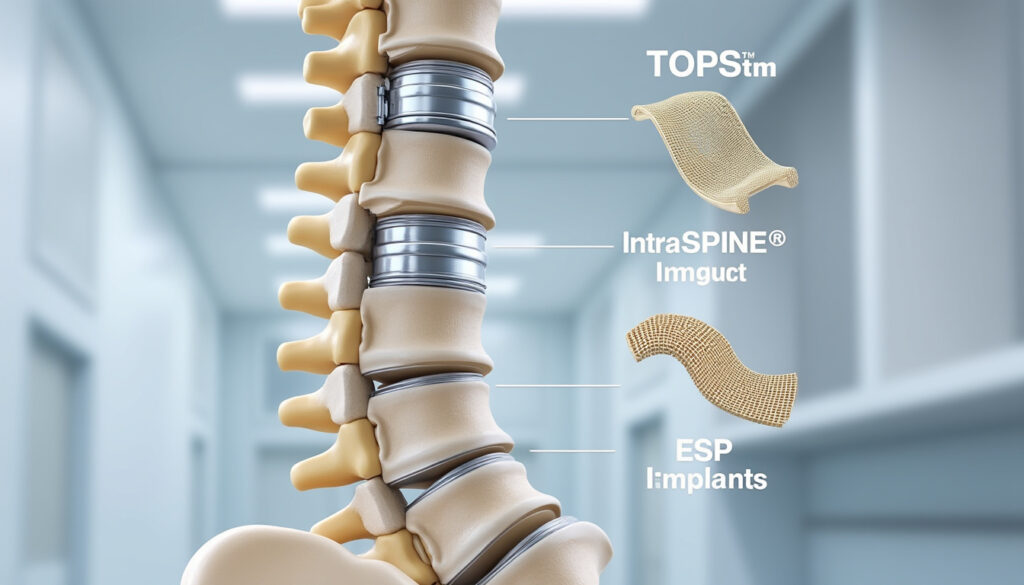
The evolving field of spinal surgery is witnessing a transformative shift, fueled by cutting-edge implant technologies such as TOPS, Intraspine, and ESP. These innovative implants redefine treatment possibilities by emphasizing preservation of natural spinal mechanics, while ensuring durable stabilization and…
Cutting-Edge French Surgical Techniques Accessible Through Quebec Medical Orientation
French medical centers, recognized for pioneering spinal surgery innovations, provide a spectrum of advanced procedures available to qualifying Quebec patients. These include:
- Arthrodesis: Fusion techniques offering robust vertebral stabilization especially for severe instabilities
- Motion Preservation implants like LP-ESP disc prostheses that maintain spinal mobility
- Mini-Invasive and Endoscopic Surgery: Techniques that reduce soft tissue trauma and shorten recovery time
- Dynamic Stabilization Devices: Implants such as TOPS and Intraspine that balance stability with functional spine biomechanics
These innovations treat diverse conditions, including debilitating herniated discs, spinal stenosis, progressive spondylolisthesis, scoliosis, and compressive myelopathies. The availability of over 20 expert surgeons within this collaborative network assures tailored surgical approach choices that align precisely with patient pathology and goals.
Clinical research, such as studies hosted by the Trusted spinal care insights, documents improved patient outcomes tied to these modern technologies, underscoring why many Quebec patients seek care across international boundaries.
| Surgical Technique | Main Indication | Advantage |
|---|---|---|
| Arthrodesis Fusion | Severe spinal instability | Ensures maximal stability and halts progression |
| Disc Prosthesis (LP-ESP) | Preservation of segmental mobility | Reduces pain while maintaining natural biomechanics |
| TOPS Stabilization | Dynamic stabilization without full rigidity | Maintains biomechanical function improving quality of life |
| Mini-Invasive Surgery | Limiting soft tissue damage | Shortens recovery and reduces scarring |
- Access to leading-edge care previously unavailable locally
- Improved surgical precision through integrated robotics and imaging
- Tailored patient-specific surgical strategies
- Multidisciplinary approach enhances post-surgical outcomes

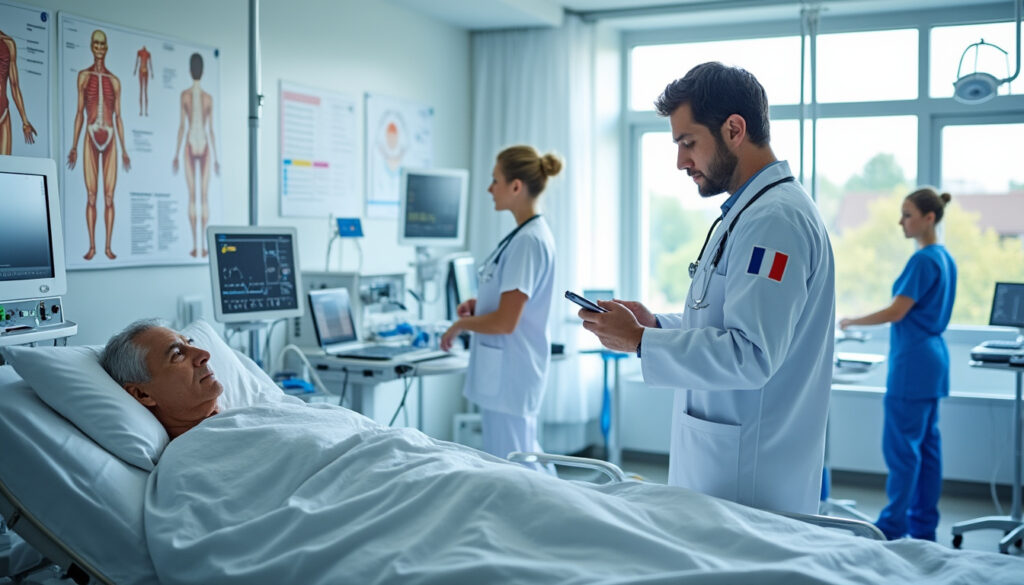
Preparing for Surgery in France: Key Indications, Benefits, and Limitations
In an evolving global healthcare landscape, France emerges as a beacon of advanced surgical expertise, particularly attracting international patients seeking expedited and innovative medical interventions. Patients from regions experiencing long wait times, such as Quebec, increasingly view France as an…
Significance of Patient Navigation Programs in Facilitating Seamless Care Transitions
Patient navigation is a recognized strategy in Quebec, aimed at addressing complex healthcare system challenges by reducing barriers, enhancing access, and improving care coordination especially for specialized interventions like spinal surgeries.
Programs inspired by frameworks such as the Patient Navigator Program emphasize a holistic model encompassing emotional support, logistical guidance, and engagement in decision-making. In Quebec City, key figures like Steve Guimond exemplify navigator roles by providing personalized assistance to English-speaking patients facing the daunting healthcare landscape abroad, offering a humanized link that bridges linguistic and cultural gaps.
Cooperation with leading health informatics companies such as Medtronic, Cerner, and WELL Health Technologies facilitates the use of digital tools to optimize navigation, track patient milestones, and provide timely updates to care teams. This synergy boosts patient satisfaction and expedites access to care.
Key features of effective navigation programs include:
- Personalized counseling tailored to individual health literacy levels
- Coordination across multiple health service and organizational boundaries
- Facilitation of informed shared decision-making between patients and providers
- Ensuring continuity of care throughout treatment and recovery phases
| Navigation Program Aspect | Purpose | Outcome |
|---|---|---|
| Emotional & Logistical Support | Assist patients in overcoming barriers | Reduced stress and better engagement |
| Health Literacy Enhancement | Improve understanding of care pathways | Empowered patients capable of informed decisions |
| Team Collaboration | Bridge communication across providers | Improved continuity and care coordination |
Many patients attest to the indispensable nature of trained navigators in demystifying healthcare systems and ensuring a smoother journey through diagnosis, treatment, and follow-up activities. This fosters trust and helps patients better navigate their own health pathways.

Unveiling the Hidden Benefits of Quality and Certification in Devices
The landscape of device manufacturing and clinical application in 2026 has been fundamentally shaped by the rigorous interplay between quality management and certification processes. Within this complex framework, the hidden benefits of adhering to international standards and obtaining relevant certifications…
Leveraging Technological Innovation to Enhance Spinal Care Orientation and Surgical Precision
Technological breakthroughs continuously reshape how spinal care pathways are navigated, with robotics and imaging at the forefront of these advances. State-of-the-art platforms developed by firms such as eCential Robotics and supported by innovations from GE Healthcare, and Philips Healthcare enable surgeons to perform procedures with unparalleled accuracy and reduced invasiveness.
These technologies provide high-resolution 3D imaging and real-time navigational tools that assist in pinpointing surgical targets, minimizing operative trauma, and enhancing patient safety during interventions. The integration of artificial intelligence further supports predictive analytics, risk assessment, and personalized surgical planning.
In Quebec’s orientation framework, integrating these digital capabilities means:
- Shortened diagnostic periods via rapid, clear imaging reports
- Access to international surgical expertise augmented with robotics
- Better informed patients through visualization tools and augmented reality explanations
- Streamlined collaboration between care teams across healthcare systems
| Technological Tool | Function | Benefit to Patient Pathway |
|---|---|---|
| 3D Imaging & Robotics (eCential Robotics) | Precision navigation and minimally invasive surgery | Reduced complications and faster recovery |
| Electronic Health Records (Telus Health, Cerner) | Data interoperability and care coordination | Continuity and comprehensive care management |
| Telemedicine Platforms (WELL Health Technologies) | Remote consultation and patient engagement | Increased accessibility and follow-up compliance |
- Integrating robotics in surgery reduces surgeon fatigue and error
- Real-time data sharing accelerates clinical decisions
- Enhances patient understanding and satisfaction
- Supports continuous innovation adoption in care centers
Navigating Healthcare: Key Steps in Quebec Medical Orientation for Spinal Surgery
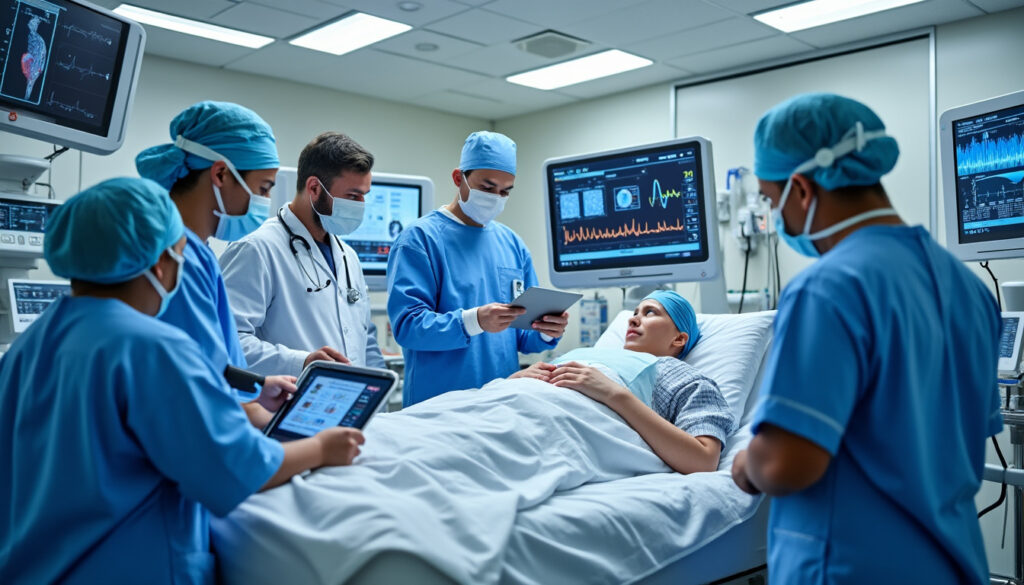
Why Experts Advocate for Comprehensive Preoperative Evaluations
In the complex and demanding field of spinal surgery, the emphasis on comprehensive preoperative evaluations has become a fundamental pillar supporting successful surgical outcomes. These evaluations, far beyond mere routine checks, integrate detailed analyses of patient health, surgical risk assessments,…
Education and Certification Pathways Supporting Spine Surgery Orientation Expertise
Ensuring that medical professionals can competently guide patients through these complex pathways depends heavily on specialized education and certification programs. Institutions such as Université de Bordeaux and Université Paris Cité provide diplomas and interuniversity certifications in spinal pathologies and surgery.
Programs like the Diplôme Inter-Universitaire de Chirurgie du Rachis equip surgeons and care coordinators with advanced clinical knowledge and modern surgical techniques training. This caliber of education supports the development of an expert workforce capable of participating in Franco-Quebec collaborative care frameworks.
Continuous professional learning is supplemented by hands-on experiences at centers of excellence, such as IRCAD Strasbourg’s endoscopic spine courses or the FICV Spinal Solution course in Bordeaux. These initiatives contribute to the refinement of care pathways, enhancing patient safety and treatment outcomes.
As surgical orientation relies on both clinical and technical proficiencies, engaging with certified programs promotes uniformity and high standards within the navigation teams, reinforcing the system’s reliability and integrity.
| Certification Program | Institution | Focus Area |
|---|---|---|
| Diplôme Universitaire (DU) Pathologies du Rachis | Université Paris Cité | Spinal disorders diagnosis and treatment |
| Diplôme Inter-Universitaire (DIU) Chirurgie du Rachis | Société Française de Chirurgie Rachidienne (SFCR) | Advanced spinal surgery techniques |
| Endoscopic Spine Course | IRCAD Strasbourg | Minimally invasive spinal surgery |
| Spinal Solution Course (FICV Bordeaux) | Université de Bordeaux | Comprehensive spinal treatment approaches |
- Facilitates expert-led patient orientation and management
- Promotes latest evidence-based surgical practices
- Ensures continual update on technological advances
- Strengthens international collaborative networks
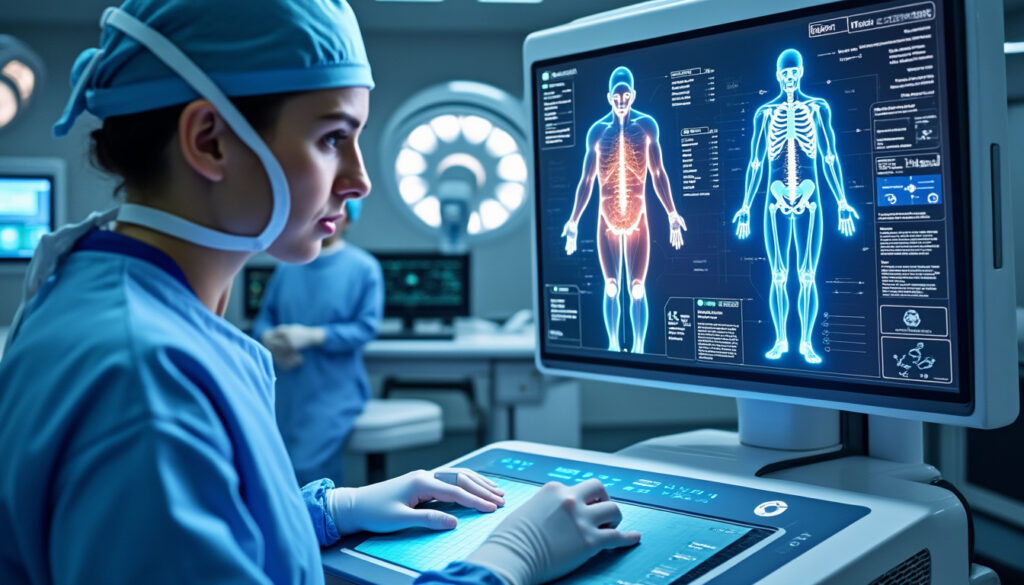
The Future of Surgery Lies in Stepwise Functional Recovery
The evolution of surgical care in 2026 reveals a compelling shift toward approaches that prioritize the holistic recovery of patients, moving beyond traditional metrics like length of hospital stay or mortality rates. This modern paradigm highlights the principle that the…
Challenges and Future Directions in Patient Orientation for Spinal Care Pathways
Despite notable successes, several challenges remain in optimizing orientation services. Fragmentation across healthcare sectors, variable health literacy among patients, and logistical hurdles of cross-border treatment demand continuous adaptation.
Emerging technologies like AI-driven decision support may soon aid in automating aspects of patient screening and triage, relieving human resource constraints. Additionally, expanding telehealth platforms can improve preoperative consultations and post-op monitoring, especially vital for rural or underserved Quebec populations.
Integrating diverse data sources more effectively, including those from giants like Medtronic and Cerner, will be crucial to enhancing real-time information sharing and personalized care recommendations. Collaborative frameworks inspired by comprehensive guides such as those at Integrated Care articles provide blueprints to refine service models.
Addressing disparities in access, education, and technological infrastructure must remain a priority to ensure equitable and efficient care navigation. Ongoing research and patient feedback are key to evolving patient orientation beyond current paradigms towards a truly integrated, anticipatory healthcare system.
| Challenge | Potential Solution | Expected Benefit |
|---|---|---|
| Fragmentation of Services | Implement centralized data platforms and navigation teams | Improved care coordination and patient outcomes |
| Variable Patient Health Literacy | Enhanced education programs and tailored communication | Better patient engagement and informed decision-making |
| Logistical Barriers in International Care | Dedicated logistical coordination services like Franchir | Reduced delays and increased patient satisfaction |
| Technological Integration | Expand adoption of interoperable EHR and AI tools | Faster diagnostics and personalized therapeutic pathways |
- Focus on bridging system gaps with patient-centered design
- Invest in digital literacy and navigation resources for patients
- Build robust partnerships across international healthcare entities
- Encourage innovation adoption balanced with equity considerations
How does medical orientation improve patient outcomes in Quebec’s spinal care pathways?
Medical orientation ensures that patients receive well-coordinated care tailored to their condition, leveraging technology and expert collaborations to optimize treatment timing and quality, which leads to better surgical results and recovery.
What role do navigation programs play in helping English-speaking Quebec patients?
Navigation programs provide linguistic, emotional, and logistical support, which is crucial for English-speaking patients who might otherwise struggle to access specialized spinal care, especially when seeking treatment abroad.
Why is collaboration with French surgical experts important for Quebec patients?
Given the availability of advanced surgical implants and minimally invasive techniques in France, collaboration offers Quebec patients access to innovations and expertise that may not be promptly accessible in their local health system.
How are technological advances integrated into patient pathways?
Technological tools such as robotics, AI, interoperable health records, and telemedicine platforms support accurate diagnostics, safer surgeries, seamless communication, and personalized rehabilitation, contributing to more efficient and effective care.
Where can patients seek initial evaluation and orientation support?
Patients can initiate contact through services like SOS Tourisme Médical that coordinate pre-evaluation, guide medical documentation, and provide access to specialized teams such as TAGMED and Neurotherapy Montréal.