How Stepwise Functional Recovery Is Revolutionizing Patient Care in Quebec
November 10, 2025Understanding the Essential Role of Franchir in Effective Care Management
November 10, 2025In the evolving landscape of spinal surgery and cross-border healthcare collaboration, particularly between Quebec and France, the organization of imaging exam scheduling emerges as a cornerstone for improving clinical outcomes. Imaging studies serve far beyond mere diagnostic snapshots; they intertwine with carefully structured multidisciplinary care pathways tailored for complex spine conditions. Focusing on seamless coordination of these exams enables specialists on both continents to reduce delays, eliminate unnecessary procedures, and ultimately provide personalized and high-quality care. The combined expertise of neurotherapeutic teams and advanced technologies creates an integrated environment where imaging data becomes a critical decision-making tool, guiding surgical precision and enhancing patient recovery trajectories.
Effective communication channels between diagnostic centers such as TAGMED in Quebec and surgical teams in France underscore the importance of standardized imaging protocols and secure data exchange. The use of AI-enhanced platforms further streamlines image processing and interpretation, offering nuanced evaluations that empower spine surgeons with clearer insights. The patient’s journey spans initial assessments at home, through preparatory stages abroad, culminating in post-operative follow-up that leverages state-of-the-art neurofeedback methods. This international cooperation harnesses the strengths of Philips Healthcare, Siemens Healthineers, and GE Healthcare imaging technologies, underscoring the potential of leveraging leading industry solutions alongside robust scheduling practices to accelerate and improve patient-centered care outcomes.
Ensuring Optimal Planning Through Streamlined Imaging Scheduling for Spine Surgery
Scheduling imaging exams effectively is a critical determinant of success in complex spinal surgeries, particularly when patients traverse international healthcare systems. A detailed and transparent scheduling strategy minimizes appointment delays and cancellations, thereby enhancing the continuity of care. This begins with harmonizing imaging protocols between Quebec and France to ensure comparability and usability of radiological data by multidisciplinary teams. For example, adherence to standardized 3D spinal CT scans and MRI sequences tailored to cervical and lumbar spine pathologies allows surgical teams to map precise interventions. This standardization reduces redundant imaging, limits unnecessary radiation exposure, and speeds up decision-making—a tangible benefit to patients facing invasive procedures.
Instituting secure image transfer systems also plays a decisive role. Solutions like syngo.plaza facilitate encrypted transactions that maintain patient confidentiality and comply with global data protection norms like GDPR. These platforms provide clinicians seamless access to high-quality images essential for surgical planning and risk assessment. Additionally, emerging AI-driven tools such as AI-Rad Companion are leveraged for automated analysis, highlighting abnormalities and suggesting diagnostic pathways. Such technological integrations save time and improve diagnostic accuracy, ensuring scheduling efficiency is not compromised by interpretive errors.
Key benefits of streamlined scheduling for spinal imaging include:
- Reduced patient wait times through coordinated appointment management.
- Enhanced interdisciplinary collaboration via shared, standardized data sets.
- Improved utilization of imaging resources, avoiding idle equipment and personnel downtime.
- Decreased exposure to redundant imaging, aligning with safety guidelines.
- Faster surgical eligibility confirmation, expediting treatment initiation.
| Scheduling Component | Objective | Responsible Entity |
|---|---|---|
| Initial evaluation | High-quality, uncompressed MRIs and 3D CT scans | TAGMED, Dr Sylvain Desforges |
| Secure image transfer | Compliance with GDPR and data encryption | Franchir |
| Intraoperative imaging | Compatibility with implants, real-time accuracy | French surgical teams |
| Postoperative follow-up | Comparability with preoperative images | Neurothérapie Montréal |

Can Rehabilitation and Return to Work Prevent the Need for Surgery?
In the constantly evolving landscape of spinal healthcare, patients and practitioners alike grapple with a pivotal question: can the rigorous pathways of rehabilitation and structured return to work reduce or even eliminate the need for surgical intervention? The answer, as…
Standardized Imaging Protocols Bridging Quebec-France Spine Surgery Collaborations
The adoption of unified imaging protocols is vital for maintaining continuity in cross-border spine care. Disparities in imaging techniques can lead to misinterpretation or delays in treatment. Quebec-based imaging centers follow strict guidelines to produce detailed cervical and lumbar MRI sequences, optimized to detect conditions like disc herniations and spinal stenoses—common targets for neurosurgical interventions. Complementary high-resolution CT scans are calibrated for compatibility with implant planning software, essential in advanced minimally invasive procedures utilizing devices such as TOPS and Intraspine implants.
Calibration of diagnostic monitors and post-processing systems using platforms for image rendering, notably syngo.via, ensures that the quality of images matches the exacting standards required by French surgeons. This consistency fosters surgeon confidence across continents, facilitating the creation of tailored surgical plans that respect individual anatomical nuances. Through this approach, unnecessary rescheduling is minimized, and patient throughput is optimized, directly contributing to better surgical outcomes while respecting patient safety protocols.
- Use of specific MRI sequences for cervical and lumbar spine to accurately identify pathology
- Calibration and maintenance of imaging equipment conforming to international standards
- Utilization of advanced image post-processing software to enhance surgical planning
- Standardized image formats for cross-platform compatibility and security
| Imaging Step | Technical Protocol | Clinical Importance |
|---|---|---|
| Cervical Spine MRI | Uncompressed DICOM format, T2-weighted sequences | Differentiating herniated discs from stenoses |
| Lumbar Spine CT Scan | High resolution, 3-dimensional reconstruction | Preoperative planning for dynamic stabilization implants |
| Intraoperative Imaging | Real-time fluoroscopy with implant compatibility | Ensuring accurate implant placement |
| Postoperative MRI | Same protocol as preoperative MRI for comparability | Monitoring surgical success and recovery |
Leveraging Radiology Partners and Enterprise Solutions for Seamless Workflow
Collaborations with industry leaders like Radiology Partners, Epic Systems, and Carestream enable implementation of unified radiology workflow systems. These platforms integrate scheduling, image acquisition, interpretation, and reporting within a single digital ecosystem, dramatically reducing bottlenecks in patient throughput. Integrating scheduling software with EMR systems—especially pioneered by companies like Cerner and McKesson—allows automatic confirmation of exam appropriateness, eliminating unnecessary delays.
The use of Radiology Partners’ networked model also increases access to sub-specialized radiologists who can promptly review high-stakes spine imaging, resulting in more timely referrals and fewer diagnostic errors. Thus, technological connectivity translates directly into clinical effectiveness.

Exploring the Overlooked Benefits of Spine Surgery in France
Spinal disorders are a significant health concern for many patients worldwide, yet the solutions and benefits of spine surgery often remain underappreciated. France, with its advanced healthcare infrastructure and pioneering surgical techniques, has emerged as a noteworthy destination for patients…
Coordinated Neurotherapeutic Management Enhancing Imaging Follow-Up Quality
Neurothérapie Montréal’s management of imaging data exemplifies how centralized coordination enriches patient-oriented care. Marcel, their scientific lead, combines neurological expertise with data management proficiency to oversee the continuity and quality of imaging throughout the patient’s pathway. He ensures images meet stringent criteria and alerts surgical teams to any needed additional scans, preventing redundant testing. This not only safeguards patients from undue radiation exposure but also accelerates clinical decision-making.
The organization provides a comprehensive communication framework between international colleagues, facilitating real-time exchange of findings and treatment adaptations. The integration of biofeedback and neurofeedback technologies during post-operative rehabilitation relies on imaging feedback loops, further improving functional recovery and patient satisfaction.
- Detailed review of imaging quality and congruence with international protocols
- Ongoing dialog with surgical teams for tailored imaging strategies
- Patient-centered communication to reduce anxiety with transparent result explanations
- Innovation with neurofeedback to guide rehabilitation phases
| Neurotherapeutic Role | Function | Impact on Patient Care |
|---|---|---|
| Preoperative Imaging Validation | Quality assurance and protocol compliance | Ensures surgical planning accuracy |
| Collaborative Imaging Consultations | Liaison with French surgeons | Streamlines additional imaging requests |
| Patient Communication | Explains imaging findings | Reduces patient stress and confusion |
| Rehabilitation Support | Neurofeedback based on imaging progress | Enhances functional recovery |
Cousin Spine Technology and Franchir: Transforming Surgical Decision-Making
In recent years, the integration of advanced medical technologies has dramatically shifted how spinal surgeries are planned, performed, and managed. Among the transformative developments, the alliance between Cousin Spine Technology and Franchir stands out as a pioneering force redefining surgical…
International Partnerships Driving Innovation in Spine Imaging Scheduling
The success of spine surgery pathways depends on a well-coordinated effort among specialized entities, each contributing unique expertise. Quebec’s TAGMED group, led by Dr. Sylvain Desforges, pioneers initial evaluation and conservative treatment, leveraging robotic precision in diagnostics. The French firm Franchir ensures logistical facilitation and seamless image transfers compliant with data security laws. Furthermore, tourism medical advisors such as SOS Tourisme Médical perfect the patient’s administrative preparation while Neurothérapie Montréal delivers personalized post-operative follow-ups.
This collaborative network reduces waiting times, provides transparent access to cutting-edge surgical implants, and guarantees high-quality imaging as the foundation for clinical decisions. Partnerships with Philips Healthcare and Siemens Healthineers infuse this ecosystem with top-tier imaging hardware, propelling surgical accuracy forward.
- TAGMED’s role in initial assessment and imaging protocol standardization
- Franchir’s secure data interchange and logistical organization
- SOS Tourisme Médical’s patient education and administrative support
- Neurothérapie Montréal’s ongoing imaging surveillance and rehabilitation guidance
- Integration of Philips Healthcare and Siemens Healthineers technology into workflows
| Partner | Contribution to Imaging Process | Patient Benefit |
|---|---|---|
| TAGMED (Dr. Sylvain Desforges) | Initial evaluation and conservative treatment | Accurate diagnostics and minimized radiation exposure |
| Franchir | Organization of imaging logistics and secure transmission | Reduced delays, smooth international coordination |
| SOS Tourisme Médical | Patient support and administrative assistance | Enhanced preparedness and reduced anxiety |
| Neurothérapie Montréal | Postoperative imaging management and follow-up | Personalized recovery plans and improved outcome |
Insights from Research on Preventing Post-Laminectomy Syndrome
Post-Laminectomy Syndrome (PLS), a chronic pain condition arising after spinal surgery, remains a formidable challenge in spinal surgery and pain management. Despite advances in surgical techniques, a significant subset of patients continues to experience persistent neuropathic pain and functional limitations,…
Emerging Imaging Technologies and AI Advancing Surgical Precision and Scheduling
Rapid advances in imaging modalities combined with artificial intelligence integration are reshaping spine surgery workflows and scheduling. Platforms like AI-Rad Companion and syngo.via automate image processing, highlighting pathology markers and assisting radiologists with quantification and classification. Such tools are invaluable for detecting subtle nerve compressions, informing minimally invasive operative routes, and assessing pre- and postoperative changes with precision. This automation decreases diagnostic delays and improves the matching of operative dates with radiological readiness.
Furthermore, enterprise solutions by Carestream and Change Healthcare provide comprehensive workflow management platforms, promoting data interoperability across ADT (Admission, Discharge, Transfer) and EMR systems. Integration with electronic scheduling modules, especially those optimized by user-centric design principles documented by experts at Curogram, enhances transparency and patient compliance. As a result, staff burnout is reduced, operational capacity is maximized, and patient satisfaction is elevated.
- AI-powered automated image analysis for rapid diagnostics
- Seamless integration of scheduling with hospital information systems
- Advanced image post-processing improving surgical navigation
- Reduction in radiologist workload and error rates
- Enhanced patient communication via real-time scheduling updates
| Technology | Primary Function | Impact on Scheduling and Outcomes |
|---|---|---|
| AI-Rad Companion | Automated musculoskeletal image interpretation | Faster identification of spinal abnormalities and pathway optimization |
| syngo.via | Image processing and 3D rendering | Accuracy enhancement facilitating personalized surgery |
| Carestream | Enterprise workflow platform integration | Streamlined scheduling and improved data management |
| Change Healthcare | Data interoperability and patient engagement tools | Reduced errors and enhanced scheduling transparency |
Comment l’Optimisation de la Planification des Examens d’Imagerie Améliore les Résultats Cliniques
Découvrez les facteurs clés et leur impact relatif sur l’amélioration des soins aux patients grâce à une meilleure gestion des examens d’imagerie.
International Comparison: Spotlight on Spine Care Practices Between France and Quebec
The growing emphasis on spine health in Quebec has spotlighted the value of international collaboration in advancing patient care. With the challenges of prolonged wait times and high private care costs in Quebec, France emerges as an attractive alternative, boasting…
Human Factors and Ethics in Imaging Scheduling for Transnational Spine Care
Beyond the technical and logistical facets, the human and ethical dimensions of imaging exam scheduling are critical, especially for patients navigating surgery abroad. Neurotherapeutic coordinators emphasize empathetic interaction, delivering clear, jargon-free information about the imaging process, risks, and the importance of high-quality data for tailored surgical plans. Psychological support structures also help alleviate patient anxieties, guarding against misunderstandings that can compromise consent and compliance.
Confidentiality remains paramount; secured data transmission and strict access controls protect patient information throughout international phases of care. The guarantee of informed consent ensures patients remain active participants in every procedural step. These principles resonate with ethical frameworks advocated by medical communities and are indispensable in sustaining trust across jurisdictions.
- Transparent communication about imaging procedures and scheduling expectations
- Robust data security measures and strict confidentiality adherence
- Psychological and educational support to ease patient journeys
- Informed consent processes tailored to transnational contexts
- Continuous ethical review to align with evolving regulations
| Human/Ethical Aspect | Action | Benefit for Patients |
|---|---|---|
| Communication | Clear, accessible explanations of imaging steps | Reduced patient anxiety and improved cooperation |
| Confidentiality | Encrypted data exchange and limited access | Protection of personal health information |
| Patient Support | Psychological counseling and educational outreach | Enhanced patient trust and satisfaction |
| Consent | Informed consent protocols explained and documented | Legal and ethical compliance |

Medical Logistics and Accommodation: Central Pillars in the Patient Care Journey
In the evolving landscape of global healthcare, the interplay between medical logistics and patient accommodation has become a cornerstone for effective and patient-centric care delivery. This synergy is particularly evident in the management of international patient journeys, where cross-border coordination,…
Leveraging Advanced Scheduling Software for Radiology Exam Optimization
Incorporating specialized scheduling software solutions has revolutionized the management of radiology appointments related to spine surgery. Tools that follow best practices, such as those detailed in resources like radiology workflow optimization strategies and exam scheduling guides, help clinics manage patient flow with higher precision. Sophisticated platforms equipped by leaders including Siemens Healthineers and GE Healthcare enable centralized scheduling, reducing no-shows and enhancing capacity utilization.
Further, integrations with hospital systems such as those from Philips Healthcare and Easy-to-use interfaces provided by Change Healthcare improve user adherence. Implementing these technologies brings about significant workflow improvements, optimizing exam timing to correspond with surgical schedules, and ensuring that diagnostic information reaches care teams without delay. This strategic scheduling directly correlates with improved clinical outcomes and patient satisfaction scores.
- Centralized scheduling systems consolidating appointments across departments
- Automated reminders and patient confirmations to reduce missed exams
- Real-time capacity and resource monitoring maximizing throughput
- Analytics-driven adjustments to refine scheduling protocols continuously
| Scheduling Feature | Clinical Benefit | Technology Provider |
|---|---|---|
| Automated appointment confirmations | Minimized no-shows and delays | GE Healthcare |
| Centralized radiology workflow | Faster diagnostic report turnaround | Philips Healthcare |
| EMR integration for scheduling | Seamless clinician access to imaging orders | Epic Systems |
| Capacity analytics dashboard | Optimized resource allocation | Siemens Healthineers |
Comprehensive Guide to Eligibility Criteria for Back Surgery
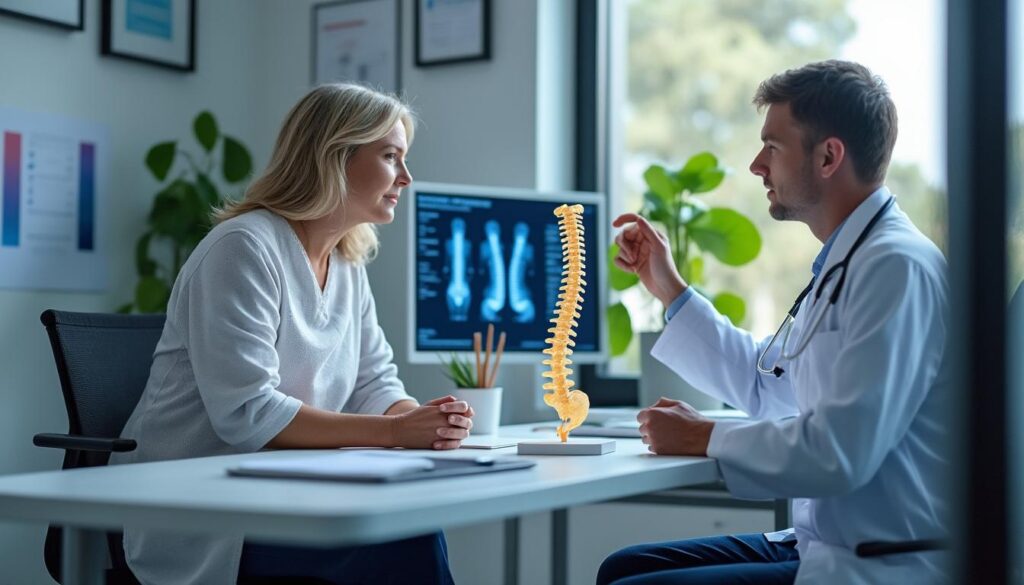
The decision to undergo back surgery involves numerous complex considerations that extend beyond the presence of spinal discomfort. Through an international collaboration between healthcare experts in Quebec and France, patients facing severe spine conditions now have access to advanced surgical…
Addressing Patient Experience Through Imaging Exam Process Improvements
Revolutionizing patient experience with imaging scheduling is an often-overlooked benefit of workflow optimization. Patients in Quebec who seek spine surgery in France report reduced uncertainty and better preparedness when exam appointments are clearly communicated and strategically organized. This involvement increases compliance and decreases anxiety, contributing to smoother surgical recoveries. Neurotherapeutic teams utilize personalized communications explaining exam sequences and results, breaking down complex medical jargon.
Moreover, according to documented cases on specialist sites like how imaging exam organization transforms the experience for patients in Quebec, well-planned imaging pathways support early intervention and reduce the need for repeat scans. By empowering patients with information and integrating feedback mechanisms, healthcare providers can tailor scheduling practices to individual needs, fostering a truly patient-centric approach.
- Transparent scheduling updates and reminders minimizing patient confusion
- Integration of patient feedback to refine processes
- Effective communication reducing emotional stress
- Avoidance of redundant imaging limiting unnecessary radiation exposure
- Increased patient trust and adherence improving long-term outcomes
| Patient Experience Factor | Outcome | Clinical Impact |
|---|---|---|
| Clear pre-exam instructions | Improved exam accuracy | Better diagnosis and treatment planning |
| Coordinated scheduling across facilities | Reduced delays and repeat exams | Lower radiation doses and costs |
| Patient support programs | Increased patient satisfaction | Enhanced recovery experience |
Unveiling the Hidden Benefits of Neurovertebral Decompression Therapy
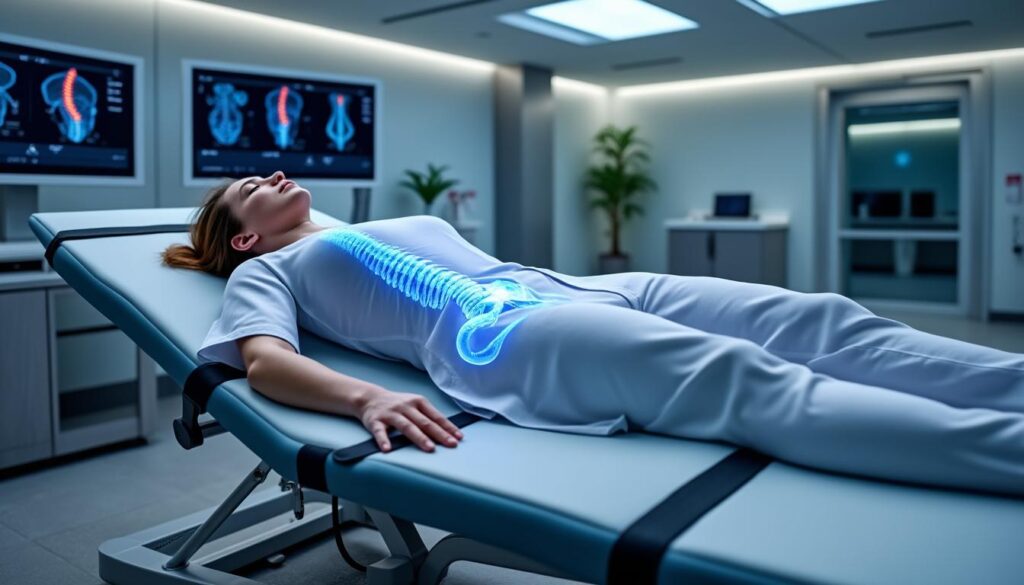
Chronic back and neck pain remain pervasive health issues impacting millions, often leading to debilitating effects on daily life and overall well-being. Traditional management strategies frequently fall short due to lengthy wait times, high costs, or invasive procedures. Amid this…
Training and Continuing Education Empowering Clinicians in Imaging Scheduling
Continuous professional development plays a pivotal role in sustaining efficient imaging exam scheduling and improving clinical outcomes. Advanced diplomas and certificates like those offered by the University of Bordeaux and the SFCR’s Inter-University Diploma in Spine Surgery cultivate a workforce adept at understanding both technical and procedural aspects of radiological imaging related to spine interventions. These programs address challenges such as adapting protocols for emerging technologies and optimizing inter-institutional scheduling.
Clinicians trained through these pathways are more competent in utilizing tools from industry leaders including Philips Healthcare and Siemens Healthineers, reinforcing best practices. By fostering multidisciplinary education involving radiologists, surgical teams, and administrators, healthcare organizations ensure the adoption of consistent standards in appointment management and image interpretation. Moreover, the exposure to international spine care models enhances responsiveness to patient needs and technological advances.
- University courses covering radiological protocols for spinal surgery
- Workshops on AI integration in imaging scheduling
- Interdisciplinary training promoting communication across specialties
- Exposure to cutting-edge imaging and surgical technologies
- Continuous updates on data privacy and ethical guidelines
| Program | Focus Area | Clinical Relevance |
|---|---|---|
| DIU Chirurgie du Rachis (SFCR) | Advanced spine surgical techniques and imaging | Improved surgical planning and outcomes |
| FICV Spinal Solution Course | Integration of diagnostic imaging and treatment | Enhanced multidisciplinary coordination |
| University of Bordeaux Diplomas | Medical imaging applications for spine disorders | Standardizing imaging protocols |
Comparateur interactif : Planning des examens d’imagerie
Choisissez les critères pour comparer les solutions de planification et voir l’impact sur les résultats cliniques.
| Nom de l’outil | Diplômes associés | Spécialité | Description | Impact clinique |
|---|
How to determine candidacy for spine surgery in France?
An in-depth assessment by Dr. Sylvain Desforges and the TAGMED team evaluates patient dossiers and oversees conservative treatment. Neurothérapie Montréal validates imaging data and coordinates follow-up. Initial inquiries can be directed to SOS Tourisme Médical for personalized guidance.
What imaging exams are mandatory before spine surgery?
Key exams include cervical and lumbar spine MRIs and 3D CT scans. It is critical these are performed following strict protocols and transmitted in uncompressed formats to ensure usability by French surgical teams.
Can patients keep copies of their imaging studies?
Yes, maintaining personal copies is strongly advised. This assists in consultations and helps avoid unnecessary repeated imaging, thereby protecting patient health.
How is the security of imaging data ensured?
Data is transferred via secure, GDPR-compliant platforms with advanced encryption technology, ensuring confidentiality and protection of personal health information.
What role does Neurothérapie Montréal play in post-surgical care?
Neurothérapie Montréal offers individualized follow-up using neurofeedback techniques informed by imaging evaluations, optimizing neurological rehabilitation after surgery.