Top Pitfalls to Avoid When Managing Transatlantic Patient Journeys
November 10, 2025How Streamlining Imaging Exam Scheduling Boosts Clinical Outcomes
November 10, 2025As healthcare systems worldwide strive to enhance patient outcomes and optimize recovery pathways, Quebec stands at the forefront with the advancement of stepwise functional recovery strategies. This innovative approach transforms traditional rehabilitation by offering a meticulous, phased progression tailored to individual patient needs, particularly in the context of spinal surgery. By emphasizing personalized rehabilitation stages, integrating cutting-edge technologies like repeat transcranial magnetic stimulation (rTMS), and fostering international collaboration, Quebec is reshaping patient care with remarkable efficiency and depth. As functional outcomes improve, so too does patient quality of life, reflecting a profound paradigm shift in healthcare practices within the province.
Rooted in Rehabilitation Science and boosted by a growing emphasis on Patient-Centered Care, stepwise recovery employs a structured roadmap that guides patients through graduated phases of convalescence. This method combats the limitations of uniform recovery plans by aligning therapeutic interventions with the body’s natural healing pace and neuroplasticity dynamics. Quebec’s health system, already known for embracing Healthcare Innovation, leverages both Physiotherapy and Occupational Therapy as pillars of this journey, producing promising results that have encouraged broader adoption.
The paradigm primarily serves patients undergoing spinal surgeries, a field emerging prominently due to Quebecers increasingly opting for advanced interventions abroad, particularly in France. Nonetheless, the true value is found not just in surgical excellence but in the systematic follow-up care that guarantees sustainable functional recovery. This article explores the multi-dimensional aspects of stepwise functional recovery, highlighting its integration with new rehab technologies and international medical logistics that collectively revolutionize patient trajectories in Quebec.
Understanding Stepwise Functional Recovery in Quebec’s Spinal Surgery Landscape
Stepwise functional recovery is a methodical, phased approach to rehabilitation that respects the specific healing stages of the spine and the individual patient’s constitution. In Quebec’s context, this approach is crucial due to the increasing trend of patients seeking surgical interventions in France, followed by comprehensive post-operative care upon their return. By segmenting recovery into clearly defined stages, rehabilitation professionals ensure that each phase builds upon the previous one, reducing complications and promoting optimal functional restoration.
This method typically divides postoperative care into several tiers tailored to the specific type of spinal surgery—simple interventions, dynamic motion preservation procedures, or segmental fusion surgeries—each requiring distinct rehabilitation timelines and intensity levels. Experts at Neurothérapie Montréal, under the direction of Philippe Mazaltarim, have been instrumental in pioneering these protocols, combining therapies such as Physiotherapy with neuromodulation techniques including rTMS to address chronic pain and enhance neuroplasticity.
Central to this approach is the concept of graduated care activities:
- Initial rest phase: Prioritizing tissue healing and pain management with minimal physical strain.
- Early mobilization: Introduction of gentle movements and light physiotherapy exercises to stimulate recovery.
- Active rehabilitation: Building strength, flexibility, and functional skills through directed Physiotherapy and Occupational Therapy.
- Advanced recovery phase: Utilization of innovative technologies like rTMS to manage neuropathic pain and motivate neural pathway regeneration.
- Return to daily activities: Gradual reintegration into work and social life with ongoing therapeutic support.
The structured yet flexible nature of these phases allows for adjustments based on patient tolerance and progress, embodying a robust patient-centered paradigm that aligns with Quebec’s modern healthcare ambitions.
Below is a detailed table illustrating the tiered recovery timelines associated with various spinal surgeries:
| Type of Surgery | Initial Rest Period | Start of Physiotherapy | Estimated Return to Work | rTMS Application |
|---|---|---|---|---|
| Simple decompression | 2–4 weeks | From week 2 | 6–8 weeks | Targeted pain modulation |
| Motion preservation (prosthesis) | 1–2 weeks | Week 3 | 8–10 weeks | Supports rehabilitation |
| Segmental fusion | 6–8 weeks | Post 6 weeks, progressive | 3–6 months | Neuropathic pain management |
Further clinical outcomes demonstrate increased functional independence and patient satisfaction, confirming the efficacy of this stepwise model in Quebec’s healthcare system. Exploring related developments in tiered functional recovery methods reveals how these practices align with global advances in rehabilitation science.
Understanding Sciatic Pain: Key Symptoms and When to Seek Medical Advice
Sciatic pain is a prevalent condition impacting a wide demographic, manifesting primarily as intense pain radiating from the lower back down the leg. This pain stems from irritation or compression of the sciatic nerve, a major nerve extending through the…
Integrating rTMS and Neuroplasticity to Transform Postoperative Patient Care
Repeat Transcranial Magnetic Stimulation (rTMS) is increasingly recognized as a groundbreaking therapeutic adjunct in managing post-surgical recovery, especially for patients with chronic or neuropathic pain following spinal operations. Quebec’s rehabilitation specialists, spearheaded by teams like those at Neurothérapie Montréal, incorporate rTMS to modulate pain perception and catalyze neuroplastic changes within the central nervous system.
Neuroplasticity—the brain’s ability to reorganize synaptic connections—is a vital component in regaining function after neurological disruptions caused by surgery. By combining rTMS with conventional Physiotherapy and Occupational Therapy, patients benefit from a dual stimulation of physical and neuronal pathways, expediting recovery and reducing psychological distress such as anxiety or depressive symptoms.
Key benefits of rTMS integration include:
- Reduction of chronic pain: Targeted magnetic pulses attenuate neuropathic signals often resistant to pharmacological interventions.
- Enhanced motor recovery: Facilitation of cortical excitability aids in regaining muscle strength and coordination.
- Improved psychological well-being: Alleviation of post-operative anxiety and depression improves engagement with rehab activities.
- Support for stepwise activity resumption: Neuromodulation enables patients to tolerate more intense rehabilitation efforts safely.
Clinical studies published in leading journals validate the utility of rTMS in these contexts, supporting Quebec’s growing adoption of such technology within its health system framework. This therapeutic synergy exemplifies the province’s commitment to healthcare innovation that embraces both neurophysiological principles and practical rehabilitation techniques.
| Application Phase | Primary Action | Expected Impact |
|---|---|---|
| 0–2 weeks post-op | Pain control and inflammation reduction | Protection of surgical site and comfort |
| 2–6 weeks post-op | Initiation of light physiotherapy exercises | Progressive function activation |
| 6 weeks to 3 months | Intensive rehab with rTMS support | Improved motor skills and pain relief |
| 3–6 months | Gradual return to work and activities | Long-term functional recovery |
With ongoing patient-centered care, these phases collectively encourage faster, safer recovery while maximizing functional outcomes. The fusion of innovative rehab technology and traditional therapies continues to enrich Quebec’s approach to spinal surgery aftercare, complementing advances like surgical innovations in Montreal.

The Stepwise Role of Functional Recovery in Achieving Successful Outcomes
The journey to full recovery following spinal surgery is often complex and multifaceted, demanding a meticulously structured approach to ensure optimal functional outcomes. In recent years, the concept of functional recovery through a stepwise approach has garnered significant attention in…
Personalized Physiotherapy and Occupational Therapy: Pillars of Stepwise Recovery
In rehabilitation programs grounded in Stepwise Recovery protocols, physiotherapy and occupational therapy are indispensable for restoring mobility, strength, and everyday functionality. Quebec’s healthcare providers emphasize individualized evaluation to tailor these therapies, optimizing patient engagement and efficacy.
Physiotherapy focuses on retraining muscles, improving gait, and enhancing flexibility, adapting to the phase-specific needs dictated by the surgical procedure and the patient’s progress. Occupational therapy, meanwhile, concentrates on enabling patients to resume activities of daily living, including self-care and work-related tasks, fostering independence and psychosocial well-being.
Some core components of the therapy regimen include:
- Muscular reconditioning exercises: Strengthening targeted muscle groups impacted by the surgery.
- Range of motion training: Preventing stiffness and promoting joint health.
- Pain management techniques: Incorporating modalities such as manual therapy and guided movement.
- Functional adaptation strategies: Educating patients on ergonomics and movement patterns.
- Psychological support integration: Addressing mental health aspects alongside physical recovery.
Regular assessments allow modification of therapies, ensuring alignment with patient tolerance and goals. These therapies not only complement novel rTMS applications but are fundamental in realizing meaningful functional outcomes effectively and sustainably.
Below is a comparative chart outlining therapy milestones based on surgery type:
| Surgery Type | Physiotherapy Start | Occupational Therapy Focus | Return to Functional Autonomy Timeline |
|---|---|---|---|
| Simple decompression | Week 2 | Basic daily tasks and mobility | 6-8 weeks |
| Motion preservation | Week 3 | Work-related and advanced activities | 8-10 weeks |
| Segmental fusion | After week 6, progressive | Detailed workplace adaptation | 3-6 months |
Effective rehabilitation science requires such comprehensive, patient-centered methods. Further insights into advanced rehab technologies supporting this model are discussed in resources analyzing functional outcomes in rehabilitation.

Transatlantic Patient Journey: Insights into Indications, Benefits, and Challenges
The emergence of the Transatlantic Patient Journey as a strategic model within healthcare continues to capture attention for its innovative potential, especially in specialized fields such as spinal surgery. This cross-border care pathway integrates rigorous medical evaluation from Quebec with…
International Collaboration Bridging Quebec and France for Seamless Surgical Care
Collaborative networks linking Quebec with French medical centers have enhanced patients’ access to advanced spinal surgical options and holistic aftercare through a well-coordinated continuum. The partnership harmonizes surgical expertise, medical logistics, and rehabilitation follow-up to ensure consistent quality outcomes.
This transatlantic collaboration involves key players:
- Franchir: Orients patients toward suitable surgical facilities and coordinates travel logistics including accommodation.
- SOS Tourisme Médical: Provides comprehensive information and administrative support to patients navigating diagnosis, eligibility, and procedural pathways.
- Neurothérapie Montréal: Oversees rigorous postoperative rehabilitation including neuromodulation and personalized Physiotherapy upon return to Quebec.
Through such coordinated care, patients experience:
- Transparent communication channels: Seamless information exchange reduces treatment delays.
- Continuity in rehabilitation: Postoperative management is uninterrupted across geographical boundaries.
- Enhanced safety: Anticipation of patient needs mitigates risks associated with medical tourism.
- Optimized resource allocation: Efficient appointment scheduling and follow-up improve clinical outcomes.
In a 2023 study on Quebec’s healthcare system, this integrated approach aligns with broader reform efforts targeting patient empowerment and system sustainability as elaborated in official documentation supporting stepped health services. Such innovation points toward a promising future for healthcare delivery.
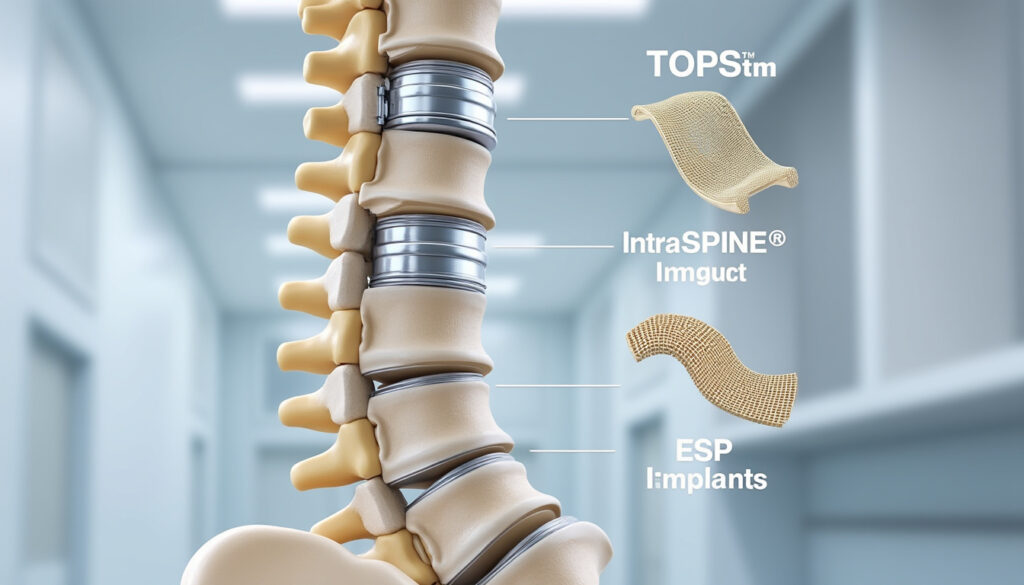
The evolving field of spinal surgery is witnessing a transformative shift, fueled by cutting-edge implant technologies such as TOPS, Intraspine, and ESP. These innovative implants redefine treatment possibilities by emphasizing preservation of natural spinal mechanics, while ensuring durable stabilization and…
Rehab Technology Innovations Accelerating Stepwise Patient Recovery in Quebec
Quebec’s healthcare revolution incorporates emerging rehab technologies that complement stepwise recovery protocols and enhance therapeutic efficacy. From 3D imaging and robotic navigation systems used during surgery to digital monitoring platforms in rehabilitation, technological breakthroughs are transforming care delivery.
Technological milestones include:
- Robotic-assisted spinal surgeries: Allow for precision, minimally invasive techniques reducing tissue trauma and recovery time.
- Wearable sensors: Enable real-time monitoring of patient mobility and physiologic data to tailor rehabilitation intensity.
- Tele-rehabilitation platforms: Provide remote guidance for exercises, ensuring adherence and early detection of complications.
- Neuromodulation devices: Like rTMS, integrated with software for customized stimulation parameters.
- Virtual reality simulations: Used in Occupational Therapy to improve motor skills and cognitive activation.
These technologies underpin a comprehensive rehab ecosystem where clinical protocols and digital tools coalesce, resulting in improved Functional Outcomes and reduced hospital readmissions. The experience of Montreal’s healthcare providers demonstrates successful innovation adoption, as elaborated in analyses of their groundbreaking surgical and post-op care transformations.
| Technology | Purpose | Impact on Recovery |
|---|---|---|
| Robotic Navigation Systems | Enhance surgical precision | Minimize invasiveness, improve outcomes |
| Wearable Motion Sensors | Track patient mobility remotely | Customize rehab intensity, early complication detection |
| Tele-rehabilitation | Remote exercise guidance | Increase adherence, improve access |
| Neuromodulation Devices (rTMS) | Manage pain and support neuroplasticity | Reduce chronic pain, accelerate function |
| Virtual Reality | Rehabilitate cognitive and motor functions | Enhance engagement, improve quality of life |
Preparing for Surgery in France: Key Indications, Benefits, and Limitations
In an evolving global healthcare landscape, France emerges as a beacon of advanced surgical expertise, particularly attracting international patients seeking expedited and innovative medical interventions. Patients from regions experiencing long wait times, such as Quebec, increasingly view France as an…
Patient-Centered Care and Its Role in Enhancing Quebec’s Healthcare Recovery Pathways
Central to the success of stepwise functional recovery is a robust commitment to Patient-Centered Care, a philosophy that prioritizes patient preferences, values, and individual circumstances in healthcare delivery. Quebec’s healthcare providers increasingly embed this cultural transformation into spinal surgery protocols and subsequent rehabilitation.
Key features promoting patient-centeredness encompass:
- Shared decision-making: Patients engage in defining goals, understanding risks, and customizing therapy plans.
- Continuous communication: Transparent updates on progress and therapy modifications.
- Psychosocial support: Addressing mental health alongside physical recovery to improve holistic outcomes.
- Culturally sensitive care: Accommodating diverse backgrounds to enhance patient comfort and participation.
- Coordination among multidisciplinary teams: Ensures seamless transitions from surgery to full rehabilitation.
This approach aligns with the principles of rehabilitation science, recognizing the patient as a dynamic agent of their recovery journey. It empowers individuals and fosters longer-term adherence to lifestyle modifications essential for sustained improvement. Quebec’s proactive health strategies, including stepwise functional recovery, underscore the province’s commitment to renewing the healthcare experience as documented in analyses of Canada’s healthcare AI revolution.
| Principle | Implementation | Benefit |
|---|---|---|
| Shared decision-making | Structured patient consultations | Higher satisfaction, engagement |
| Continuous communication | Regular progress reports | Improved adherence, reassurance |
| Psychosocial support | Integration of mental health professionals | Reduced anxiety, enhanced motivation |
| Multidisciplinary coordination | Inter-professional teamwork | Seamless care transitions |

Unveiling the Hidden Benefits of Quality and Certification in Devices
The landscape of device manufacturing and clinical application in 2026 has been fundamentally shaped by the rigorous interplay between quality management and certification processes. Within this complex framework, the hidden benefits of adhering to international standards and obtaining relevant certifications…
The Impact of Stepwise Recovery on Chronic Pain Management and Quality of Life
Chronic pain, especially neuropathic pain following spinal procedures, often complicates postoperative outcomes, extending recovery timelines and diminishing quality of life. Stepwise functional recovery combats this challenge through targeted interventions that include neuromodulation (rTMS), personalized physiotherapy, and psychological support. These combined modalities reduce pain intensity and facilitate reintegration into daily activities.
Patients following this approach report:
- Improved pain control: More effective management reducing reliance on opioids and other medications.
- Greater physical capacity: Enhanced tolerance to activity improves muscle strength and prevents deconditioning.
- Better mental health: Lower anxiety and depression related to pain experience.
- Empowerment and autonomy: Increased confidence in managing symptoms and resuming roles.
Research underscores the preventive aspect of this structured recovery in avoiding pain chronification. Quebec’s model, emphasizing such comprehensive management, represents a beacon for other regions facing similar healthcare challenges.
| Outcome | Approach | Effect |
|---|---|---|
| Pain reduction | Neuromodulation + physiotherapy | Lower pain scores and medication needs |
| Physical endurance | Stepwise rehabilitation stages | Improved mobility and muscle strength |
| Mental well-being | Psychological counseling integration | Decreased anxiety and depression rates |
| Self-efficacy | Patient education | Enhanced coping and independence |
Why Experts Advocate for Comprehensive Preoperative Evaluations
In the complex and demanding field of spinal surgery, the emphasis on comprehensive preoperative evaluations has become a fundamental pillar supporting successful surgical outcomes. These evaluations, far beyond mere routine checks, integrate detailed analyses of patient health, surgical risk assessments,…
Real-world Patient Experiences Highlighting the Efficacy of Stepwise Functional Recovery
Patient testimonies resonate deeply with the tangible benefits of stepwise recovery protocols practiced in Quebec. From early mobilization to targeted neuromodulation support, patients share stories of regaining functionality and returning to valued life activities more rapidly and fully than anticipated.
Examples include:
- Claire’s journey: A 42-year-old who underwent a motion preservation procedure in France, she credits gradual kinésiologie and rTMS sessions for her successful return to tennis within three months.
- Jean’s recovery: At 58, post fusion surgery, his pain was significantly alleviated by progressive rehabilitation and psychological assistance, enabling re-engagement in moderate physical work.
These narratives demonstrate the harmonization of innovative therapy with patient-centered care, underpinning rehabilitation science principles in practical application. Health professionals also find these outcomes motivating, encouraging continued research and refinement of patient-tailored strategies. More stories and insights can be explored for those interested via detailed patient recovery stories.
Quiz interactif : « How Stepwise Functional Recovery Is Revolutionizing Patient Care in Quebec »
How does stepwise functional recovery improve spinal surgery convalescence?
It provides a graded progression of physical activity and care, tailored to the type of surgery and individual condition, limiting complications and facilitating effective mobility restoration.
In which cases is rTMS used during post-operative follow-up?
rTMS is used to manage chronic or neuropathic pain, reduce post-op anxiety or depressive symptoms, and support neurofunctional recovery in later phases.
Why is following the activity resumption schedule important?
Strict adherence prevents iatrogenic trauma, supports healing and gradual muscle strengthening, and protects the surgical site, optimizing overall recovery quality.
How does collaboration between Quebec and France enhance patient pathways?
It ensures effective coordination between surgical teams, logistics, and rehabilitation providers, delivering a smooth, safe, and optimized care journey from surgery preparation to post-op follow-up.
What practical advice can patients follow to improve recovery?
Patients should progress activities gradually, engage in personalized physiotherapy, actively manage pain with rTMS if needed, seek psychological support, and maintain a healthy lifestyle for better outcomes.
The Future of Surgery Lies in Stepwise Functional Recovery
The evolution of surgical care in 2026 reveals a compelling shift toward approaches that prioritize the holistic recovery of patients, moving beyond traditional metrics like length of hospital stay or mortality rates. This modern paradigm highlights the principle that the…