Non-Surgical Spinal Decompression for Herniated Discs in Montreal: Complete Guide
August 15, 2025
How to effectively prepare for the role of neurovertebral decompression
August 15, 2025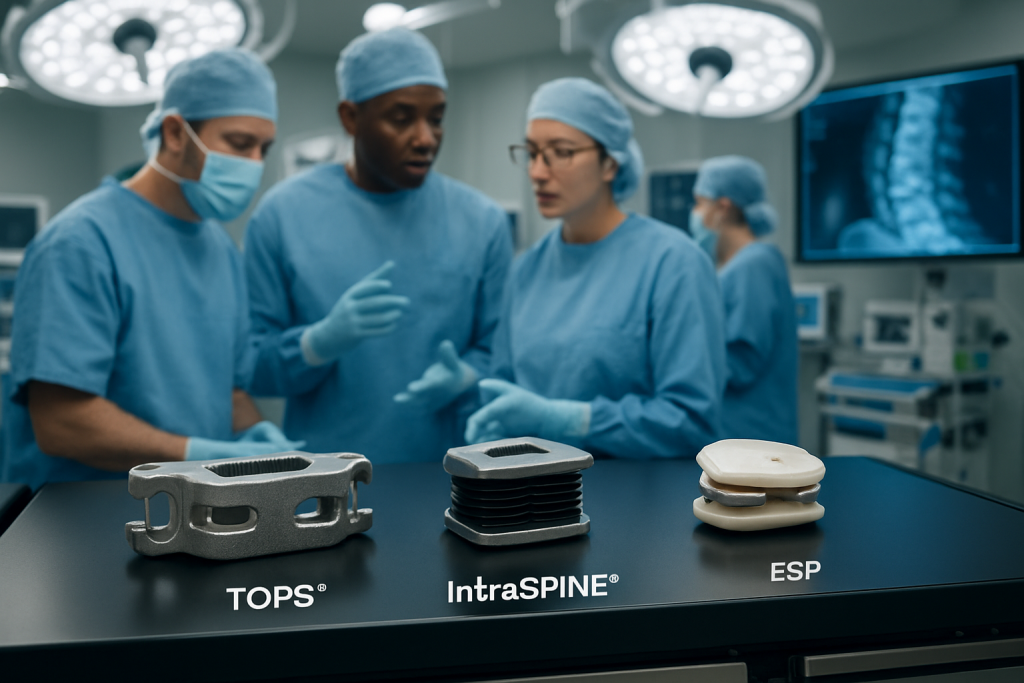
Spinal surgery is undergoing a transformative era with the advent of innovative implants such as TOPS, Intraspine, and ESP, reshaping surgical approaches and patient outcomes in 2025. These groundbreaking devices offer remarkable biomechanical performance by preserving natural spinal mobility while ensuring segmental stability, diverging from traditional fusion methods. Patients from Quebec and Canada now have unprecedented access to these advanced surgical options, supported by a robust French medical network that blends clinical excellence with cutting-edge technology. Collaborative efforts involving organizations like SOS Tourisme Médical, Franchir, and Neurothérapie Montréal facilitate a seamless transatlantic care pathway, emphasizing both safety and personalized attention. As the landscape of spinal interventions evolves, these dynamic implants present surgeons and patients with new paradigms that balance effective decompression and stabilization alongside the preservation of motion, ultimately enhancing post-operative quality of life and reducing complications associated with rigid fusion techniques.
Biomechanical Principles and Surgical Indications of TOPS, Intraspine, and ESP Dynamic Implants
Dynamic spinal implants represent a significant leap in contemporary spine surgery by preserving physiological motion of vertebral segments while maintaining essential stability. Unlike traditional spinal fusion—which immobilizes the affected vertebrae and often leads to increased stress on adjacent segments—dynamic systems accommodate controlled flexibility, reducing secondary degeneration risks. This foundational shift in surgical philosophy not only mitigates adjacent segment disease but also promotes a more natural spinal mechanics post-surgery.
The Total Posterior Solution (TOPS) system, developed through collaborations between industry leaders such as DePuy Synthes and Zimmer Biomet, exemplifies this innovation. Designed primarily to address lumbar spinal stenosis, spondylolisthesis, and select degenerative disc diseases, TOPS mimics the natural kinematics of the lumbar spine by allowing flexion, extension, axial rotation, and lateral bending through integrated articulations. Clinical experience spanning over three decades, including thousands of interventions by spine experts, confirms TOPS as a reliable solution that prioritizes functional preservation over rigid immobilization.
On a different biomechanical plane, the Intraspine implant, championed by manufacturers such as NuVasive and Implant Direct, occupies an intermediate space between fusion and motion preservation. Positioned interspinously but slightly anterior compared to traditional interspinous spacers, it targets patients with chronic low back pain and moderate instability caused by localized disc degeneration. Its minimally invasive implantation approach facilitates decompression while maintaining partial mobility, leading to faster recovery and reduced post-operative discomfort, particularly when fusion might be deemed excessive or unnecessary.
The ESP system introduces a dynamic solution emphasizing moderate spinal flexibility and segmental stabilization. With its innovative design and biocompatible materials, ESP supports controlled motion while alleviating stress on adjacent spinal levels, positioning itself as an important option for moderate segmental instability where fusion is not obligatory. Certified through CE markings and recognized internationally, ESP complements the spectrum of dynamic implants available.
| Implant | Type of Stabilization | Target Pathologies | Key Advantages | Limitations |
|---|---|---|---|---|
| TOPS | Dynamic, multi-directional mobility | Spondylolisthesis, lumbar stenosis | Preserves spinal mobility, multidirectional stability | Selective cases, demands surgical expertise |
| Intraspine | Dynamic, intermediate decompression | Chronic low back pain, moderate instability | Minimally invasive, rapid recovery | Limited to specific instabilities |
| ESP | Dynamic, moderate flexibility | Mild segmental instabilities | Flexibility, degeneration prevention | Not for complex cases |
- Dynamic implants preserve physiological movement to reduce adjacent segment disease.
- TOPS provides multi-directional motion mimicking natural spine mechanics.
- Intraspine offers minimally invasive decompression with mobility retention.
- ESP focuses on moderate flexibility for segmental stabilization.
- Appropriate implant selection depends on pathology severity and patient profile.

Can Rehabilitation and Return to Work Prevent the Need for Surgery?
In the constantly evolving landscape of spinal healthcare, patients and practitioners alike grapple with a pivotal question: can the rigorous pathways of rehabilitation and structured return to work reduce or even eliminate the need for surgical intervention? The answer, as…
French Excellence in Spinal Surgery: A Model of Innovation and Patient-Centered Care for Canadian Patients
By 2025, France has cemented its status as an epicenter of spinal surgery innovation, combining cutting-edge technologies, expert surgeons, and a finely tuned healthcare infrastructure. This paradigm attracts patients from Quebec and Canada seeking alternatives to often overburdened and resource-restricted local health systems. The integration of advanced robotic assistance, centralized expert centers, and comprehensive patient coordination establishes France as a primary destination for complex spine procedures employing dynamic implants like TOPS, Intraspine, and ESP.
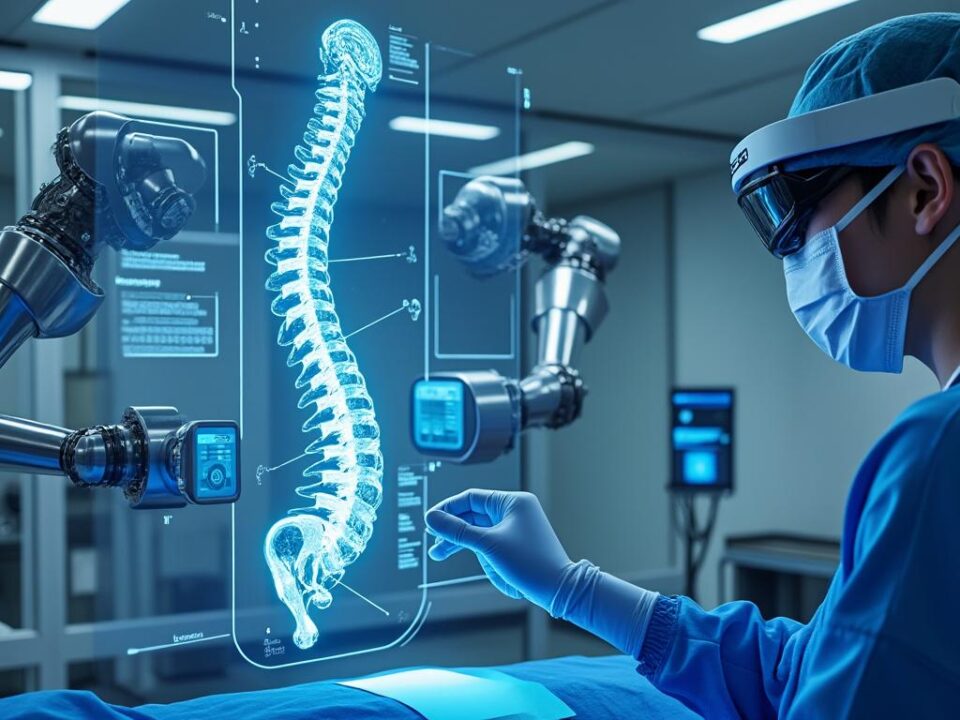
At the forefront of technological integration is the deployment of the Mazor Robot by Medtronic at leading institutions such as the Hôpital Privé Saint-Martin in Pessac. This robot enables exacting preoperative 3D surgical planning and intraoperative support, markedly enhancing implant placement precision and reducing risks associated with posterior spinal procedures. Its synergy with dynamic implant systems optimizes clinical outcomes through meticulous segment alignment and minimizes trauma to surrounding tissues.
Furthermore, regional hospital centers in Le Mans, Toulouse, and Bordeaux form a network of centers of excellence. These facilities leverage the latest surgical advancements and maintain skilled teams specialized in the application of dynamic spinal implants, as documented in clinical and technological literature available via sources like Frenkel MD and St. Charles Spine Institute.
Patient logistics and care coordination are expertly managed by entities such as Franchir, facilitating a hassle-free transatlantic transfer encompassing travel arrangements, hospital admissions, and personalized consultations. This network ensures a continuity of care that extends beyond surgery, underpinned by post-operative rehabilitation support through facilities like Neurothérapie Montréal, ensuring holistic patient-centered management.
| Component | Description | Patient Benefit |
|---|---|---|
| Mazor Robot | 3D planning and robotic-assisted surgery by Medtronic | Enhanced precision, reduced surgical complications |
| French Hospital Centers | Specialized surgical teams equipped with latest technologies | Access to expertise and innovative implants |
| Franchir | Complete logistical organization for patients | Streamlined patient journey, stress reduction |
| Neurothérapie Montréal | Post-operative rehabilitation and psychological support | Improved recovery, sustained functional outcomes |
- French centers pioneered adoption of Medtronic Mazor robotic surgery.
- Logistics and care coordination through Franchir prevent delays and improve patient comfort.
- Post-op services by Neurothérapie Montréal optimize long-term results.
- Close Franco-Canadian collaboration enhances access to state-of-the-art spinal care.
- Advanced implants deployment is supported by certified hospital networks.

Exploring the Overlooked Benefits of Spine Surgery in France
Spinal disorders are a significant health concern for many patients worldwide, yet the solutions and benefits of spine surgery often remain underappreciated. France, with its advanced healthcare infrastructure and pioneering surgical techniques, has emerged as a noteworthy destination for patients…
Optimizing Patient Pathways for Canadian and Quebecois Candidates Undergoing Dynamic Spinal Implant Surgery
Careful coordination of patient journeys from initial evaluation to post-operative follow-up marks a hallmark of the modern approach to dynamic spinal implant surgery, particularly benefiting patients across Quebec and Canada. Central to this pathway are multidisciplinary assessments and advanced conservative therapies as preparatory steps before surgical candidacy is confirmed.
In Quebec, leading spine expert Dr. Sylvain Desforges and his team at Clinique TAGMED rigorously evaluate patients’ histories and imaging data to determine surgery eligibility. Candidates typically undergo at least three to six months of conservative management, including specialized neurovertebral decompression therapies that surpass traditional physiotherapy programs in precision and efficacy. This protocol aligns with recommendations documented by organizations such as SOS Herniated Disc.
Once surgical candidacy is established, patients transition to France via the orchestrated support of SOS Tourisme Médical and Franchir. These organizations curate the logistics of international medical travel, scheduling, insurance management, and patient education, thereby ensuring a seamless and patient-tailored experience. Post-operation, rehabilitation experts at Neurothérapie Montréal uphold continuous multidisciplinary care, emphasizing physical rehabilitation, psychological support, and vigilant monitoring for potential complications.
- Initial evaluation by specialized teams maximizes surgical appropriateness.
- Conservative therapies are prioritized to potentially avoid unnecessary surgery.
- Comprehensive logistics ensure smooth access to French surgical expertise.
- Post-op multidisciplinary care supports holistic patient recovery.
- Close collaboration between Canadian and French providers optimizes clinical outcomes.
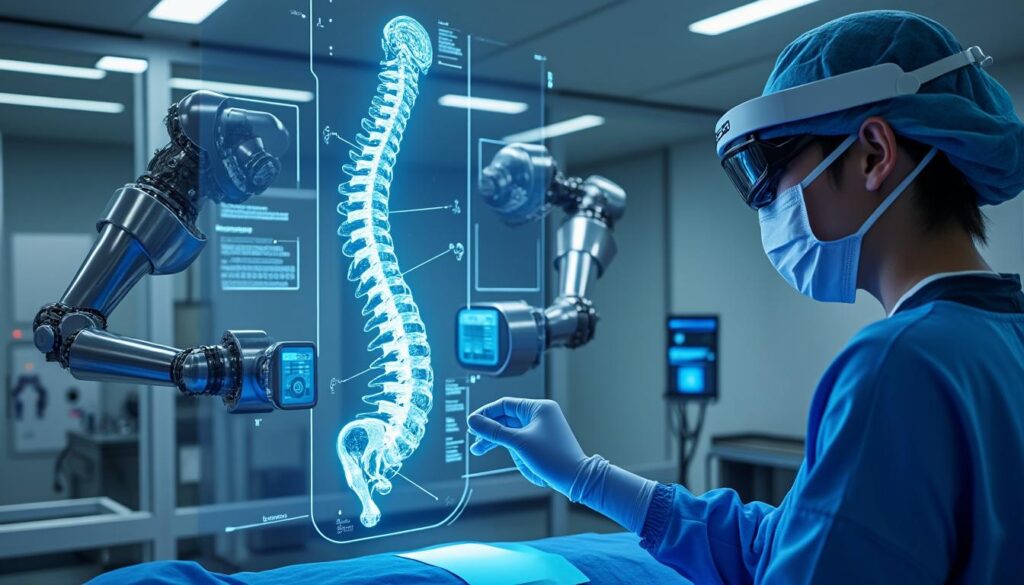
Cousin Spine Technology and Franchir: Transforming Surgical Decision-Making
In recent years, the integration of advanced medical technologies has dramatically shifted how spinal surgeries are planned, performed, and managed. Among the transformative developments, the alliance between Cousin Spine Technology and Franchir stands out as a pioneering force redefining surgical…
Innovative Implant Selection Criteria: Balancing Safety, Regulatory Compliance, and Clinical Performance
Choosing the optimal implant constitutes a cornerstone of personalized spinal surgery planning. Guided by decades of clinical and industrial expertise, including contributions from experienced specialist Érik, the selection process prioritizes not only clinical effectiveness but also stringent regulatory compliance.
Implants such as TOPS, Intraspine, and ESP are rigorously evaluated under CE marking standards and supported by extensive clinical trials. Leading manufacturers including Medtronic, Zimmer Biomet, NuVasive, Stryker, Globus Medical, DePuy Synthes, and Aesculap invest substantially in research and quality assurance to meet international safety and efficacy benchmarks.
Customization considerations for each implant involve assessing the patient’s anatomical uniqueness, degree of degeneration, and biomechanical demands. The decision matrix also weighs the surgical team’s familiarity with the device and integration with robotic assistance platforms. Concrete applications in clinical centers like the Centre Aquitain du Dos exemplify how precision instrumentation is paired with implant selection to yield superior patient outcomes, validated by ongoing research accessible via publications such as PubMed and FDA documentation.
| Manufacturer | Key Implants | Certifications | Core Advantages |
|---|---|---|---|
| Medtronic | Mazor Robot, TOPS devices | CE, FDA | Robotic precision, clinical reliability |
| Zimmer Biomet | TOPS, surgical instrumentation | CE | Dynamic stability, biomechanical innovation |
| NuVasive | Intraspine, ESP systems | CE, FDA | Minimally invasive, motion preservation |
| Stryker | Advanced spinal implants | CE | Durability, quality assurance |
- Implant safety and efficacy are governed by fulfilling CE and FDA standards.
- Customization aligns device choice with individual pathology characteristics.
- Experienced surgical teams enhance implant integration and success.
- Manufacturers commit rigorously to research and development.
- Validated clinical data support dynamic implant advantages.

Insights from Research on Preventing Post-Laminectomy Syndrome
Post-Laminectomy Syndrome (PLS), a chronic pain condition arising after spinal surgery, remains a formidable challenge in spinal surgery and pain management. Despite advances in surgical techniques, a significant subset of patients continues to experience persistent neuropathic pain and functional limitations,…
Understanding the Impact of TOPS Technology on Surgical Decision Making
TOPS (Total Posterior Solution) technology revolutionizes the treatment of spinal conditions such as spondylolisthesis and lumbar stenosis by facilitating a dynamic approach that preserves motion. Surgeons face a new decision-making landscape where the priority shifts from rigid fusion toward functional preservation, improving overall patient satisfaction and long-term outcomes.
Compared to classical fusion methods, TOPS avoids permanent immobilization of spinal segments, which drastically reduces the deterioration risks of adjacent intervertebral discs. Clinical trials involving several hundred patients, including those documented in sources like Premia Spine and the FDA approval report, consolidate the evidence of improved biomechanical outcomes and significant reductions in revision rates after TOPS implantation.
This implant system’s design accommodates natural range of motion in flexion, extension, lateral bending, and axial rotation. Consequently, patients often experience enhanced mobility and less stiffness post-surgery. Additionally, because TOPS mimics physiological spinal mechanics, it integrates seamlessly with robotic implant placement techniques pioneered by companies like Medtronic.
- Dynamic stabilization challenges traditional fusion paradigms.
- Preservation of motion results in fewer complications and better patient function.
- FDA-sanctioned clinical trials confirm safety and efficacy.
- TOPS optimizes segmental biomechanics by replicating natural movements.
- Integration with robotic surgery improves surgical precision and outcomes.
International Comparison: Spotlight on Spine Care Practices Between France and Quebec
The growing emphasis on spine health in Quebec has spotlighted the value of international collaboration in advancing patient care. With the challenges of prolonged wait times and high private care costs in Quebec, France emerges as an attractive alternative, boasting…
Intraspine and ESP: Enhancing Lumbar Spine Flexibility and Reducing Recovery Time
Both Intraspine and ESP devices serve crucial roles in maintaining spinal segment flexibility while addressing pain and instability. Their intermediate dynamic stabilization properties allow for decompression without excessive rigidity inherent to fusion surgery.
Intraspine, developed with contributions from industry giants NuVasive and Implant Direct, is implanted with a minimally invasive approach targeting patients with moderate discogenic pain and localized instability. Studies, including prospective three-year evaluations (Auctores Online), have demonstrated sustained symptom relief and functional improvement post-implantation. Intraspine’s anterior interlaminar placement supports controlled spinal motion and reduces mechanical stress on adjacent levels.
The ESP system offers additional versatility for patients with mild segmental instabilities. Its elastic components provide sufficient flexibility to absorb mechanical forces, thereby protecting facet joints and discs from degeneration. This device is ideal for select cases where limited yet effective motion preservation aligns with surgical objectives.
| Aspect | Intraspine | ESP |
|---|---|---|
| Placement | Interspinous/interlaminar, anterior to traditional spacers | Segmental instrumentation with elastic components |
| Main Benefit | Minimally invasive, preserves intermediate motion | Dynamic flexibility, degeneration prevention |
| Indications | Chronic back pain with moderate instability | Mild segmental instability |
| Recovery | Faster due to less invasive approach | Improved due to preservation of biomechanical function |
- Both implants preserve an element of physiological movement.
- Intraspine provides effective decompression with minimized tissue trauma.
- ESP offers controlled flexibility to maintain spinal health.
- Clinical evidence supports symptom improvement and functional gains.
- Both implants improve postoperative recovery timelines compared to fusion.
Innovative Implants Comparison: Intraspine vs ESP
Type keywords to filter table content in real-time.| Aspect | Intraspine | ESP |
|---|
Medical Logistics and Accommodation: Central Pillars in the Patient Care Journey
In the evolving landscape of global healthcare, the interplay between medical logistics and patient accommodation has become a cornerstone for effective and patient-centric care delivery. This synergy is particularly evident in the management of international patient journeys, where cross-border coordination,…
Collaborative Technologies Driving Advancements in Spinal Implant Surgery
Industry leaders such as Medtronic, Zimmer Biomet, NuVasive, Stryker, Globus Medical, DePuy Synthes, and Aesculap are at the forefront of developing and refining advanced spinal implant technologies. Their innovations support the evolution from traditional fusion to dynamic stabilization techniques by providing surgeons with instruments and implants that balance strength and mobility.
Robotic assistance systems, such as the Mazor robot by Medtronic, have revolutionized surgical precision. These technologies allow real-time intraoperative imaging and precise implant placement, reducing risks and enhancing functional outcomes. Moreover, advances in biomaterials and implant design contribute to better biocompatibility and longevity.
These companies also emphasize extensive surgeon training and clinical research collaboration, facilitating adoption of novel methods while ensuring rigorous safety standards. This combined approach accelerates the integration of devices like TOPS, Intraspine, and ESP into mainstream spinal surgery.
- Leading manufacturers invest heavily in R&D for dynamic implants.
- Robotic systems enhance accuracy and patient safety.
- Innovations in biomaterials improve implant integration and durability.
- Cross-industry collaborations accelerate technology maturation.
- Comprehensive surgeon education ensures proficient implant use.
Comprehensive Guide to Eligibility Criteria for Back Surgery
The decision to undergo back surgery involves numerous complex considerations that extend beyond the presence of spinal discomfort. Through an international collaboration between healthcare experts in Quebec and France, patients facing severe spine conditions now have access to advanced surgical…
Surgical Decision-Making in 2025: Incorporating Dynamic Implants into Clinical Practice
Surgeons increasingly integrate dynamic spinal implants like TOPS, Intraspine, and ESP into their clinical decision frameworks, driven by growing evidence of their benefits and patient demand for motion-preserving options. This shift calls for a nuanced understanding of individual patient pathology, functional goals, and risk profiles.
Decision algorithms incorporate several key factors:
- Patient Assessment: Degree of spinal instability, neurological symptoms, and preoperative functional status.
- Pathology Characteristics: Severity of stenosis, presence of spondylolisthesis, disc degeneration extent.
- Implant Suitability: Matching device biomechanical properties with clinical indications.
- Surgeon Expertise: Familiarity and comfort with dynamic implant systems and robotic assistance.
- Patient Preferences: Desire to maintain mobility and avoid fusion-related rigidity.
Continued clinical trials and longitudinal studies are shaping implant indications and refining patient selection, as evident in ongoing research from institutions documented on platforms like Spine Practice and Neurosurgery Clinics.
This informed surgical decision-making process balances efficacy, safety, and quality-of-life considerations, ultimately contributing to more personalized therapeutic approaches.
- Patient-centered decisions prioritize functional preservation.
- Clinical indicators guide optimal implant choice.
- Surgeon training and robotic tools improve implant delivery.
- Patient engagement in surgical planning enhances satisfaction.
- Evidence-based updates refine guidelines continually.
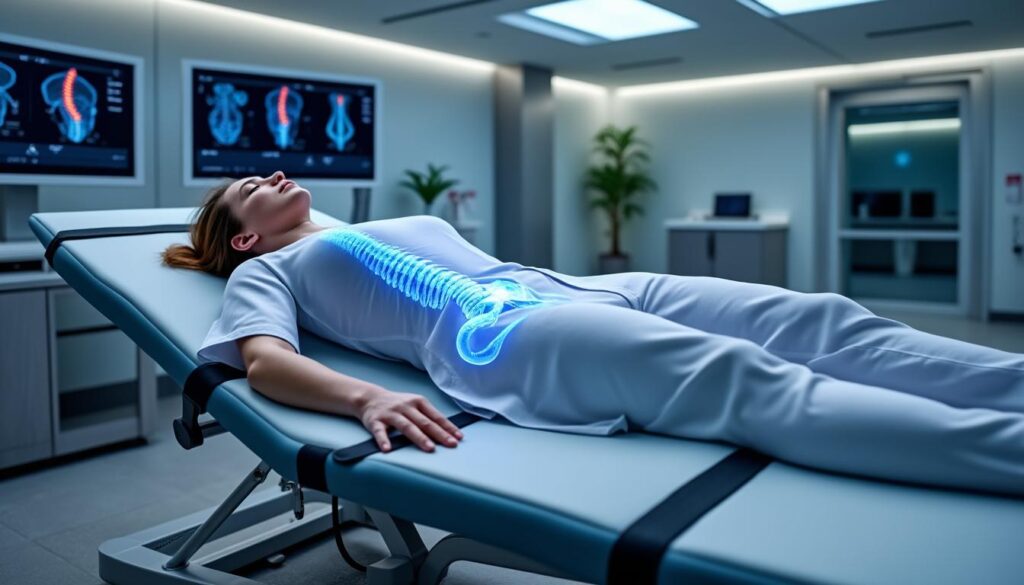
Unveiling the Hidden Benefits of Neurovertebral Decompression Therapy
Chronic back and neck pain remain pervasive health issues impacting millions, often leading to debilitating effects on daily life and overall well-being. Traditional management strategies frequently fall short due to lengthy wait times, high costs, or invasive procedures. Amid this…
Frequently Asked Questions on Dynamic Spinal Implants for Quebec and Canadian Patients
What are the main advantages of dynamic implants like TOPS, Intraspine, and ESP compared to traditional fusion?
Dynamic implants preserve the natural movement of spinal segments, reducing postoperative pain and lowering mechanical stress on adjacent vertebrae. This preservation helps minimize long-term degeneration often observed after fusion, which immobilizes spinal segments completely and may lead to stiffness and new symptoms.
How is the surgical pathway organized for Canadian patients considering TOPS implantation?
Patients undergo a thorough initial assessment at facilities such as Clinique TAGMED in Quebec, including trial conservative therapies. With surgical candidacy confirmed, coordination through SOS Tourisme Médical and Franchir facilitates international transfer to expert French centers for surgery. After implantation, Neurothérapie Montréal oversees comprehensive rehabilitation to ensure optimal recovery.
Are the implants used in France certified for international use?
Yes, devices like TOPS, Intraspine, and ESP have CE certification and often carry FDA approval, ensuring compliance with high standards for safety, efficacy, and traceability, particularly important for international patients including those from Canada.
Is it essential to try conservative treatments before surgery?
Yes, clinical guidelines generally recommend at least 3 to 6 months of conservative management to avoid unnecessary surgeries. Innovative decompression treatments offered by specialized clinics may provide pain relief and functional improvement without surgery.
What benefits does the post-operative follow-up by Neurothérapie Montréal provide to dynamic implant patients?
This multidisciplinary follow-up includes tailored physical therapy, psychological support, and complication monitoring, facilitating faster returns to daily activities and sustained pain management, thereby greatly enhancing the patient’s quality of life.