Innovative implants: exploring the impact of TOPS™, Intraspine®, and ESP on surgical decision-making
August 15, 2025
Essential tips for effective post-operative recovery after back surgery
August 15, 2025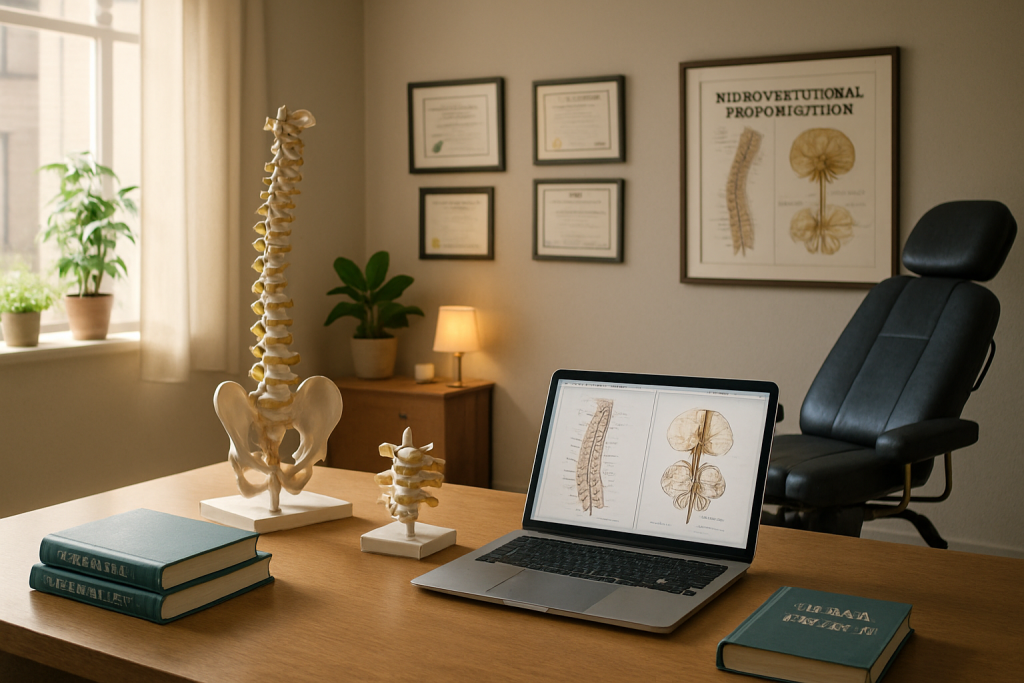
In recent years, neurovertebral decompression has emerged as an innovative and non-invasive approach to managing chronic back pain, particularly in cases involving herniated discs and degenerative disc diseases. As the population ages and the demand for effective, minimally intrusive treatments rises, this therapy presents a promising alternative to surgical interventions. The landscape of spinal care continues to evolve, integrating advanced technologies like traction tables and robotic assistance to alleviate nerve pressure and stimulate the natural regeneration of vertebral tissues. Effective preparation for this role not only involves clinical knowledge and technical proficiency but also patient education, multidisciplinary coordination, and post-treatment follow-up. Understanding current tools such as the DRX9000, SpineMED, and Chattanooga Triton equipment, along with the integration of complementary therapies, is essential to optimize outcomes. This comprehensive article delves into the essential components required to prepare for neurovertebral decompression, including medical evaluations, therapy protocols, technology updates, and transatlantic collaborations, providing healthcare professionals and patients alike with a detailed guide.
Understanding the Fundamentals of Neurovertebral Decompression and Its Therapeutic Principles
Neurovertebral decompression is a specialized non-surgical technique designed to relieve pressure on the spinal discs and nerve roots, commonly caused by herniated discs or degenerative disc conditions. Fundamentally, this therapy uses a mechanical traction system that gently stretches the spine, creating negative pressure within the intervertebral discs. This decompression helps retract herniated material, promotes increased blood flow, and facilitates the rehydration and nutrient absorption essential for disc repair.
The primary mechanism involves a precision-controlled table, such as the DRX9000 or Chattanooga Triton, which applies computer-regulated traction. This ensures a gradual and tailored stretch adapted to each patient’s condition, helping avoid muscle spasms and discomfort. Additionally, devices like the Accu-SPINA and VAX-D systems allow for flexibility in treating various spinal regions, particularly the lumbar and cervical areas.
Several key indications justify the use of neurovertebral decompression:
- Herniated or bulging discs causing radiculopathy, sciatica, or cervical radicular symptoms.
- Degenerative disc disease with associated chronic mechanical back pain.
- Nerve root compression leading to numbness, tingling, or weakness.
- Preparation for surgery to optimize spinal condition beforehand.
Conversely, contraindications include active spinal infections, tumors, fractures, or severe spinal instability. Comprehensive clinical assessment is vital to identify these to ensure patient safety. Proven benefits extend beyond pain relief, including improved mobility and reduced inflammation. Collaborative evaluation often incorporates imaging studies, comprehensive osteopathic assessments, and thorough medical histories.
Below is a table summarizing the core components of neurovertebral decompression:
| Technique | Objective | Benefits |
|---|---|---|
| Robotized traction (e.g., DRX9000, SpineMED) | Controlled spinal stretching | Disc decompression, nerve pressure relief, enhanced circulation |
| Patient-specific evaluation | Customize treatment plan | Optimized safety, efficacy, and patient comfort |
| Continuous clinical monitoring | Adjust treatment dynamically | Prolonged therapeutic benefits, complication prevention |
Such mastery of foundational principles equips practitioners to adopt neurovertebral decompression confidently and responsibly, tailoring interventions precisely to individual needs and advancing holistic spinal care.


Understanding Sciatic Pain: Key Symptoms and When to Seek Medical Advice
Sciatic pain is a prevalent condition impacting a wide demographic, manifesting primarily as intense pain radiating from the lower back down the leg. This pain stems from irritation or compression of the sciatic nerve, a major nerve extending through the…
Key Stages and Patient Preparation for Effective Neurovertebral Decompression Sessions
Achieving the full therapeutic potential of neurovertebral decompression demands rigorous preparatory steps anchored on thorough assessment and patient collaboration. Prior to therapy initiation, an in-depth evaluation is conducted, commonly led by specialists like Dr. Sylvain Desforges at clinical centers such as TAGMED. This includes:
- Medical and treatment history review: To identify previous interventions and comorbidities.
- Symptom analysis: Detailed characterization and severity grading of pain, neurological deficits, and movement limitations.
- Imaging review: MRI and radiographs to confirm disc pathology and rule out contraindications.
- Physical and osteopathic examination: To assess spinal mobility, postural deviations, and muscular restrictions.
- Individualized risk assessment: Considering patient-specific factors such as body mass index, occupational demands, and lifestyle.
Post-evaluation, preparatory instructions optimize session comfort and outcomes:
- Wear loose, comfortable clothing permitting unrestricted movement and easy positioning.
- Consume light meals to prevent gastrointestinal discomfort during traction.
- Maintain adequate hydration facilitating nutrient transport and disc hydration.
- Employ relaxation techniques including guided breathing or meditation to reduce anxiety and muscle tension.
- Report any health status changes or new medications before each session to adjust protocols accordingly.
The following brief table organizes these preparatory essentials:
| Preparation Aspect | Recommendations | Purpose |
|---|---|---|
| Clothing | Soft, loose-fitting attire | Enhances mobility and patient positioning |
| Nutrition | Light snacks avoiding heavy fats | Minimizes discomfort |
| Hydration | Ample water intake pre/post-therapy | Supports disc function and circulation |
| Mental | Relaxation exercises | Mitigates anxiety, promotes muscle relaxation |
This comprehensive preparatory approach ensures patients engage actively in treatment with improved receptivity and lowers risk of adverse experiences, thereby elevating the therapy’s efficiency and safety profile. More nuanced patient education materials can be accessed at reputable sources such as Healthline spinal decompression exercises and Decompression Neurovertebral advantages.

The Stepwise Role of Functional Recovery in Achieving Successful Outcomes
The journey to full recovery following spinal surgery is often complex and multifaceted, demanding a meticulously structured approach to ensure optimal functional outcomes. In recent years, the concept of functional recovery through a stepwise approach has garnered significant attention in…
Integrating Advanced Technologies in Neurovertebral Decompression for Enhanced Precision
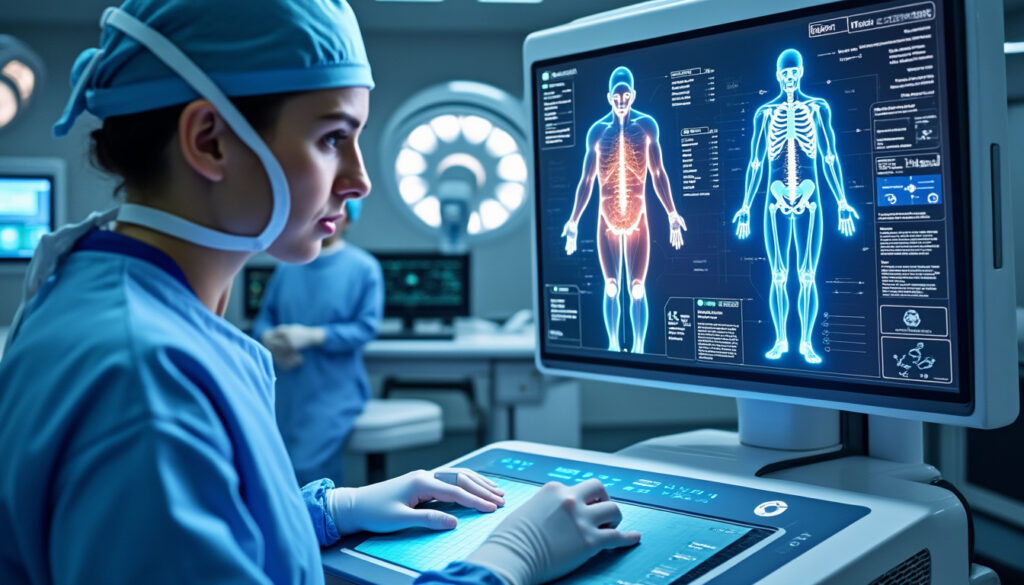
The evolution of spinal care technologies has markedly improved the precision, efficacy, and customization of neurovertebral decompression therapy. The adoption of robotic systems such as DRX9000 and SpineMED represents a leap forward in delivering consistent and precise spinal traction. These machines incorporate sensors and computerized protocols that regulate force application safely, minimizing patient discomfort and maximizing decompression benefits.
Modern traction devices differ in their operational principles and treatment versatility:
- DRX9000: Widely recognized for lumbar decompression, it utilizes feedback-controlled computer traction with patient-specific force adjustments.
- SpineMED: Focused on both cervical and lumbar regions with customizable protocols and ergonomic design.
- Chattanooga Triton: Combines manual and motorized traction for hybrid approaches in complex cases.
- Accu-SPINA and VAX-D: Provide dynamic traction with certification supporting their therapeutic indications.
Integration of additional devices such as Saunders Traction enhances outcomes through complementary mechanical stretching techniques, while innovative brands like Hill DT Solutions, Dynatronics, and Mettler Electronics contribute rehabilitative modalities like electrotherapy and laser therapy to support recovery.
Facilities specializing in these technologies often combine neurovertebral decompression with these adjunct therapies to expedite tissue healing and optimize pain control, exemplifying a multimodal approach to spinal care. For a broader perspective, sources such as Spine Together’s guide to spinal decompression provide comprehensive insights into equipment and treatment protocols.


Transatlantic Patient Journey: Insights into Indications, Benefits, and Challenges
The emergence of the Transatlantic Patient Journey as a strategic model within healthcare continues to capture attention for its innovative potential, especially in specialized fields such as spinal surgery. This cross-border care pathway integrates rigorous medical evaluation from Quebec with…
Developing Clinical Expertise: Medical Training and Multidisciplinary Coordination
Mastery in neurovertebral decompression necessitates a deep understanding of the anatomical, pathological, and biomechanical foundations of spinal health coupled with practical clinical skills. Current educational paths in 2025 emphasize including diplomas and inter-university courses focusing on spinal pathologies and minimally invasive treatments. Institutions like the University of Bordeaux and the Société Française de Chirurgie Rachidienne (SFCR) offer specialized Diplôme Inter-Universitaire (DIU) programs geared toward spine surgery and conservative therapies. These programs provide detailed curricula covering diagnostic imaging, patient selection, therapy integration, and outcome assessment.
Key educational objectives involve:
- Comprehensive diagnosis of disc-related pathologies and symptom evaluation.
- Indications and contraindications assessment for decompression and other treatment modalities.
- Hands-on training with decompression devices and complementary techniques (osteopathy, physiotherapy).
- Management of complications and adverse effects following treatment or surgery.
- Longitudinal patient care pathways integrating pre-treatment preparation, therapy administration, and rehabilitation.
Furthermore, multidisciplinary coordination among spinal surgeons, physiotherapists, osteopaths, and pain management specialists enhances care quality and tailored patient follow-up. Collaborative protocols reduce unnecessary interventions and improve recovery trajectories. Facilities like Clinique TAGMED demonstrate effective team-based approaches, combining expertise in neurosurgery and conservative management.
For those seeking educational resources, programs such as the DIU Chirurgie du Rachis by SFCR or the FICV Spinal Solution Course are highly recommended.
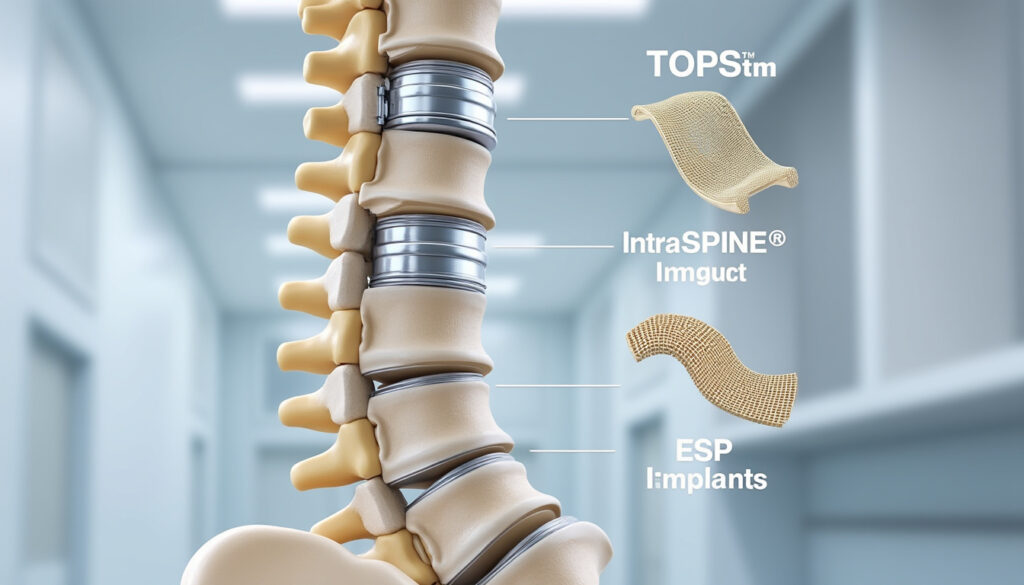
The evolving field of spinal surgery is witnessing a transformative shift, fueled by cutting-edge implant technologies such as TOPS, Intraspine, and ESP. These innovative implants redefine treatment possibilities by emphasizing preservation of natural spinal mechanics, while ensuring durable stabilization and…
Developing Personalized Treatment Protocols Combining Neurovertebral Decompression with Complementary Therapies
Optimizing patient outcomes often involves combining neurovertebral decompression with adjunct therapies tailored to individual conditions. Commonly integrated modalities include:
- Osteopathic interventions: To address musculoskeletal imbalances and improve spinal mobility.
- Physical therapy and rehabilitation exercises: Facilitating strengthening, posture correction, and functional recovery.
- Neuromodulation techniques: Devices such as Pulse Align aid in pain modulation by stimulating nervous pathways.
- Laser therapy and shockwave treatments: Contributing to inflammation reduction and tissue repair acceleration.
- Nutritional support and lifestyle counseling: Addressing systemic health and promoting spine-friendly habits.
Each patient’s therapeutic plan should be devised considering baseline status and dynamic response to decompression. Monitoring parameters include pain scales, functional indices, and imaging follow-ups. Clinical evidence underscores the importance of coordinated care to extend the benefits and reduce recurrence.
Consideration of insurance coverage for combined therapies is equally crucial to ensure accessibility and affordability. Resources like Sos Herniated Disc’s insurance overview offer practical guidance.


Preparing for Surgery in France: Key Indications, Benefits, and Limitations
In an evolving global healthcare landscape, France emerges as a beacon of advanced surgical expertise, particularly attracting international patients seeking expedited and innovative medical interventions. Patients from regions experiencing long wait times, such as Quebec, increasingly view France as an…
Global Perspectives: The Transatlantic Cooperation Between Canada and France in Neurovertebral Treatment
In 2025, a paradigm shift in spinal care includes robust collaboration between medical facilities across continents. Notably, the transatlantic partnership between Canadian specialists and French centers enriches access to cutting-edge surgical innovations and comprehensive rehabilitation for patients with complex spinal disorders. Coordinated care pathways enable patients to receive preoperative and conservative treatments such as neurovertebral decompression in Canada, followed by advanced surgical interventions in France, including the use of innovative dynamic implants like IntraSPINE and minimally invasive robotic-assisted procedures.
This cross-border synergy delivers several advantages:
- Access to advanced technology and expert surgeons with lower wait times compared to some domestic systems.
- Personalized care plans orchestrated by teams in Clinique TAGMED (Montreal) and specialized French centers.
- Streamlined logistics and follow-up services through organizations like Franchir and Neurothérapie Montréal.
- Cost optimization by balancing treatment expenses between countries.
- Multidisciplinary communication ensuring comprehensive patient-centered care.
Through such innovative health tourism models, patients benefit from multifaceted expertise, continuous monitoring, and the latest treatment modalities, enhancing overall outcomes and patient satisfaction. For detailed case studies and coordination strategies, visit Sos Herniated Disc comprehensive guide on Montreal non-surgical treatments.

Unveiling the Hidden Benefits of Quality and Certification in Devices
The landscape of device manufacturing and clinical application in 2026 has been fundamentally shaped by the rigorous interplay between quality management and certification processes. Within this complex framework, the hidden benefits of adhering to international standards and obtaining relevant certifications…
Understanding Patient Experience and Common Concerns in Neurovertebral Decompression
Patient anxiety surrounding neurovertebral decompression often relates to the nature of the procedure, potential discomfort, and treatment efficacy. It is crucial to convey that most individuals describe sessions as comfortable or even relaxing, due in part to the gentle, computer-controlled traction employed by devices like the DRX9000. Nevertheless, some initial sensations of stretching or mild discomfort may occur, typical of therapeutic tissue manipulation.
Common patient queries include:
- Is the therapy painful? Generally, no. Controlled traction minimizes pain, and patient feedback guides force adjustments.
- Which conditions respond best? Herniated discs, radiculopathy, and chronic mechanical back pain see significant benefit; other pathologies require evaluation.
- Can it be used with spinal instability? Certain instabilities contraindicate decompression; however, precise osteopathic assessments ascertain suitability.
- How is treatment effectiveness measured? Through clinical pain assessments, functional testing, and periodic imaging.
- How to maintain results? Adopting a healthy lifestyle, posture reinforcement, and ongoing exercises are vital.
Open dialogue and comprehensive education improve adherence and patient confidence. Further information on neurovertebral decompression experiences are available at Chiro Sterose and Pro Wellness NC.
Why Experts Advocate for Comprehensive Preoperative Evaluations
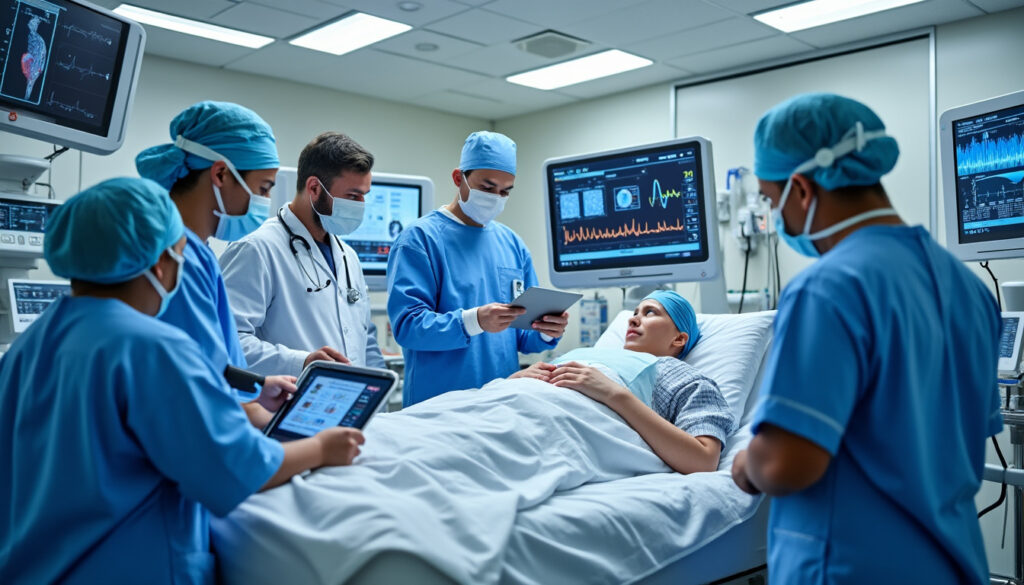
In the complex and demanding field of spinal surgery, the emphasis on comprehensive preoperative evaluations has become a fundamental pillar supporting successful surgical outcomes. These evaluations, far beyond mere routine checks, integrate detailed analyses of patient health, surgical risk assessments,…
Addressing Potential Challenges and Ethical Considerations in Neurovertebral Decompression Practice
While neurovertebral decompression offers notable benefits, practitioners must navigate clinical challenges and ethical imperatives. Patient selection must adhere to stringent criteria, excluding those with contraindications to forestall adverse outcomes. Additionally, managing patient expectations requires transparency regarding therapy timelines, possible side effects, and the necessity of adjunct treatments.
Challenges include:
- Handling non-responders: Identifying when to modify or discontinue therapy to avoid unnecessary expenses.
- Ensuring informed consent: Providing clear, accessible information about risks and benefits.
- Balancing innovation and evidence-based practice: Incorporating novel technologies like Hill DT Solutions and Dynatronics while adhering to validated protocols.
- Insurance and reimbursement considerations: Advising patients accurately about coverage and out-of-pocket costs.
- Maintaining multidisciplinary communication: To prevent fragmented care and optimize treatment sequencing.
Ethical practice centers on patient safety and autonomy, supported by adherence to professional guidelines and ongoing practitioner education. Clinics exemplifying these standards, such as TAGMED, contribute valuable data and best practices to the evolving body of knowledge.
Neurovertebral Decompression Preparation Steps
Use up/down arrow keys to navigate steps, press Enter or Space to toggle details.
The Future of Surgery Lies in Stepwise Functional Recovery
The evolution of surgical care in 2026 reveals a compelling shift toward approaches that prioritize the holistic recovery of patients, moving beyond traditional metrics like length of hospital stay or mortality rates. This modern paradigm highlights the principle that the…
What are the typical benefits of using robotic traction devices like the DRX9000 and SpineMED in neurovertebral decompression therapy?
Robotic traction devices provide precise, controlled, and customizable decompression therapy, which enhances pain relief and reduces the risk of muscle spasms. By adjusting traction forces based on patient feedback and biomechanical data, these devices optimize spinal stretching while minimizing discomfort, resulting in improved disc health and functional mobility.
How can patients best prepare themselves physically and mentally for their neurovertebral decompression treatments?
Optimal preparation involves wearing soft, loose clothing to facilitate movement, maintaining hydration before and after treatments, eating light meals to avoid discomfort, and employing relaxation techniques such as deep breathing or meditation to reduce anxiety. Communication of any health changes to the therapy team allows for tailored treatment adjustments.
How does integrating complementary therapies improve the outcomes of neurovertebral decompression?
Adding osteopathic manipulations, physical therapy, laser treatment, and neuromodulation enhances tissue healing, addresses musculoskeletal imbalances, and supports functional rehabilitation. This holistic approach often leads to more sustained pain relief and better overall spinal health compared to decompression alone.
What role does transatlantic cooperation play in managing complex spinal pathologies related to neurovertebral decompression?
The partnership between Canadian and French medical centers facilitates access to advanced surgical techniques following initial conservative care. It enables comprehensive patient pathways that combine expertise, reduce wait times, and ensure personalized follow-up, demonstrating an innovative model for international healthcare collaboration.
Are there any significant risks or contraindications associated with neurovertebral decompression therapy?
While generally safe, decompression therapy is contraindicated in patients with spinal infections, tumors, severe instabilities, or fractures. Pre-treatment evaluations are essential to exclude such conditions. Risks include transient discomfort, nerve irritation, or worsening symptoms, which underscore the need for individualized treatment planning and close monitoring.