The Role of Franchir in Supporting Patients Throughout Their Care Journey
October 31, 2025
Navigating Disc Herniations in Saint-Léonard: Tips for Enhanced Recovery and Neurovertebral Decompression Treatment
November 1, 2025
Chronic back pain, particularly lumbar and cervical origins, remains a dominant global health issue, driving a significant wave of medical consultations from North America to the European continent. The challenges intrinsic to spinal pathologies often compel patients to evaluate surgery options far beyond their local borders, seeking advanced yet compassionate care. This growing international dialogue highlights profound contrasts and convergences in surgical strategies, notably within simple decompression surgeries, spinal fusion innovations, and the swiftly evolving realm of motion-preserving technologies. Through ongoing transatlantic collaboration, especially between Quebec and France, the patient journey unfolds with enhanced access to pioneering techniques, individualized treatment paths, and multidisciplinary expertise harnessing cutting-edge robotics, navigation, and biomaterial advances.
Against the backdrop of increasing demand, various procedures each harbor unique implications regarding postoperative mobility, recovery trajectory, and complication mitigation. Equipped with implants introduced by global leaders including Medtronic, Stryker, and Zimmer Biomet, modern spinal interventions now strive to strike a balance between stabilization and natural movement retention. Together with emerging outpatient surgery trends and bespoke rehabilitation programs, this offers patients comprehensive choices aligned with their activity levels and lifestyle ambitions. By presenting a detailed comparative analysis of surgical categories and unpacking the multifaceted patient pathway spanning France and Canada, this discussion aims to empower informed decisions through transparent evaluation of benefits, risks, and technological innovations.
Dissecting Basic Spinal Surgeries: Simple Decompression in International Context
Simple spinal surgeries, primarily focused on decompression of neural elements, constitute the first line of treatment for many patients suffering from disc herniations or spinal stenosis. These procedures—such as discectomy and laminectomy—have witnessed vast improvements through minimally invasive approaches, notably reducing trauma and hastening recovery.
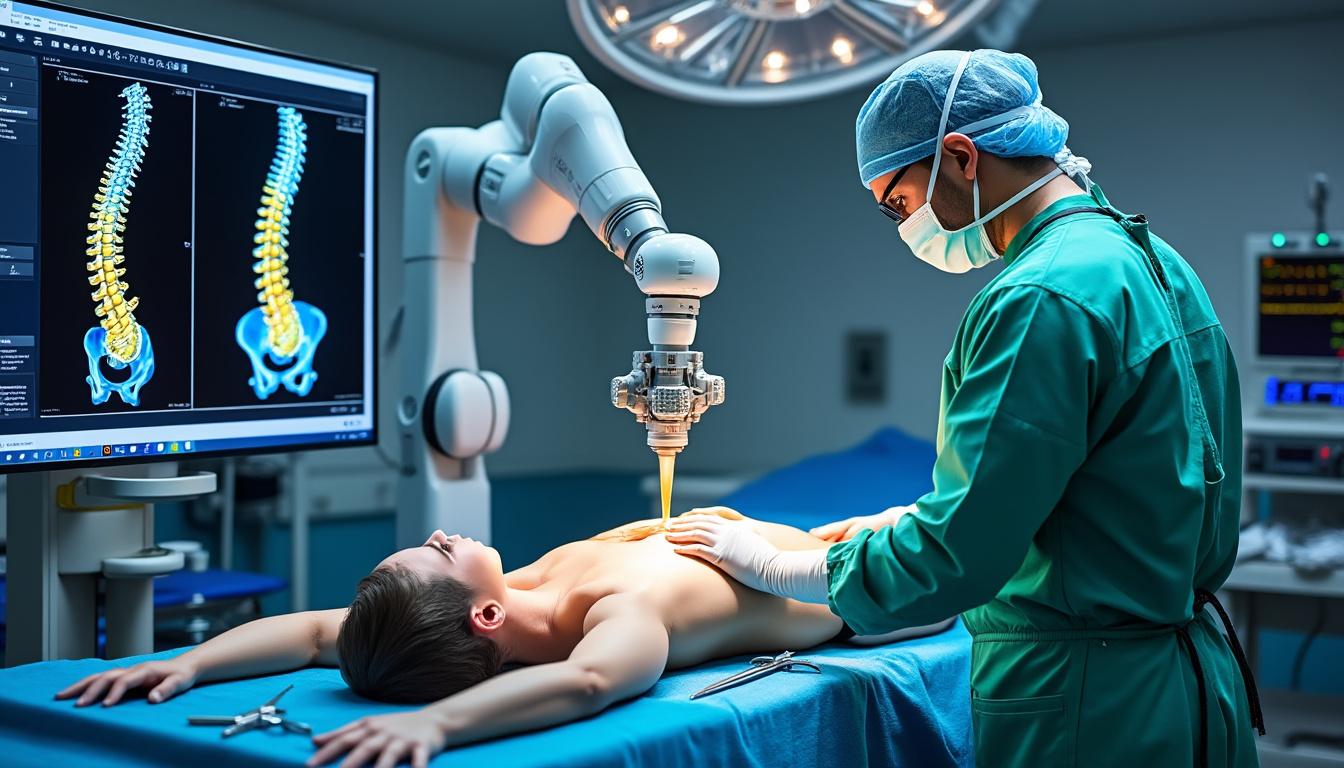
Globally, the success of simple surgeries hinges on surgical precision and patient selection. In France, centers like the Clinique TAGMED utilize robot-assisted techniques that facilitate targeted decompression with diminished operative times and reduced hospital stay durations. This contrasts with some regions in Quebec where longer waitlists delay intervention, underscoring why patients seek care abroad.
Advantages and Typical Patient Profiles for Simple Surgery
- Rapid Symptom Relief: Immediate alleviation of nerve compression symptoms, often within days to weeks.
- Preservation of Spine Mobility: Since these interventions avoid fusion, spinal flexibility is largely maintained.
- Short Hospitalization & Recovery: Ambulatory or brief stays make these surgeries attractive for active patients.
Typical candidates include younger adults or elders with single-level disc protrusions causing sciatica or intermittent neurogenic claudication without significant spinal instability or deformity. The targeted nature reduces risks of major complications, although vigilance is warranted to prevent postoperative hematoma or infection.
A Comparative Table of Simple Surgery Outcomes by Region
| Region | Average Hospital Stay | Recovery Duration | Complication Rate | Technology Use |
|---|---|---|---|---|
| France (e.g., Clinique TAGMED) | 1-2 days | 2-4 weeks | Low (under 5%) | Robotics, 3D Navigation |
| Quebec | 2-4 days | 3-6 weeks | Moderate (5-8%) | Standard Microscopic Techniques |
| USA | Ambulatory or 1 day | 1-3 weeks | Low (4%) | Endoscopy, Minimally Invasive |
For patients eager to explore successful centers and multidisciplinary pathways that combine surgical innovation with post-surgery rehabilitation, exploring resources from advanced neck surgery solutions in Montreal can deepen understanding of regional innovations and outcomes.
Can Rehabilitation and Return to Work Prevent the Need for Surgery?
In the constantly evolving landscape of spinal healthcare, patients and practitioners alike grapple with a pivotal question: can the rigorous pathways of rehabilitation and structured return to work reduce or even eliminate the need for surgical intervention? The answer, as…
Exploring the Overlooked Benefits of Spine Surgery in France
Spinal disorders are a significant health concern for many patients worldwide, yet the solutions and benefits of spine surgery often remain underappreciated. France, with its advanced healthcare infrastructure and pioneering surgical techniques, has emerged as a noteworthy destination for patients…
Spinal Fusion Techniques: A Global Review of Stabilization Strategies and Innovations
Spinal fusion surgery stands as the cornerstone for managing significant instability, deformities, or progressive degenerative conditions. Over the years, fusion techniques have jumped from extensive open approaches to minimally invasive procedures augmented with advanced implants. Fusion’s ultimate goal is to permanently stabilize affected vertebral segments, but this often leads to adjacent segment degeneration and loss of mobility at fused levels.
International centers lead the field in refining techniques to balance efficacy and preservation, integrating devices from prominent manufacturers like NuVasive, Globus Medical, and DePuy Synthes. French surgical institutes have pioneered presacral approaches such as AxiaLIF, minimizing muscular trauma. Comparative research highlights how these modalities improve outcomes over traditional posterior fusions prevalent in North America.
Core Fusion Methods and Innovations
- Posterolateral Fusion: Classic technique involving bone grafts with titanium instrumentation; effective for spinal stenosis and spondylolisthesis.
- Interbody Fusion (e.g., TLIF, PLIF): Implants placed between vertebrae to restore disc height and alignment.
- Minimally Invasive Fusion: Utilizes tubular retractors and percutaneous screws to reduce dissection and blood loss.
- Presacral & Anterior Approaches (AxiaLIF): Access through presacral space decreases tissue disruption and enhances recovery.
Despite their prevalence, fusion surgeries carry risks such as local stiffness and accelerated wear at adjacent levels. Emerging biomaterials and biologics combined with novel fusion implant technologies aim to mitigate these limitations, with continuous innovation ensuring evolving standards of care.
Comparison of Spine Fusion Techniques: Benefits and Limitations
| Technique | Advantages | Limitations | Typical Indications |
|---|---|---|---|
| Posterolateral Fusion | Reliable, extensive stabilization | Greater muscular trauma, longer recovery | Severe spondylolisthesis, deformities |
| Interbody Fusion (TLIF, PLIF) | Restores disc height, better alignment | Risk of neural injury, technically demanding | Disc degeneration, instability |
| Minimally Invasive Fusion | Less soft tissue injury, faster healing | Limited visualization, learning curve | Degenerative disease, repeat surgery |
| Presacral Approach (AxiaLIF) | Minimal tissue damage, short hospital stay | Limited levels treatable, contraindicated in infections | Lumbar degenerative disc disease |
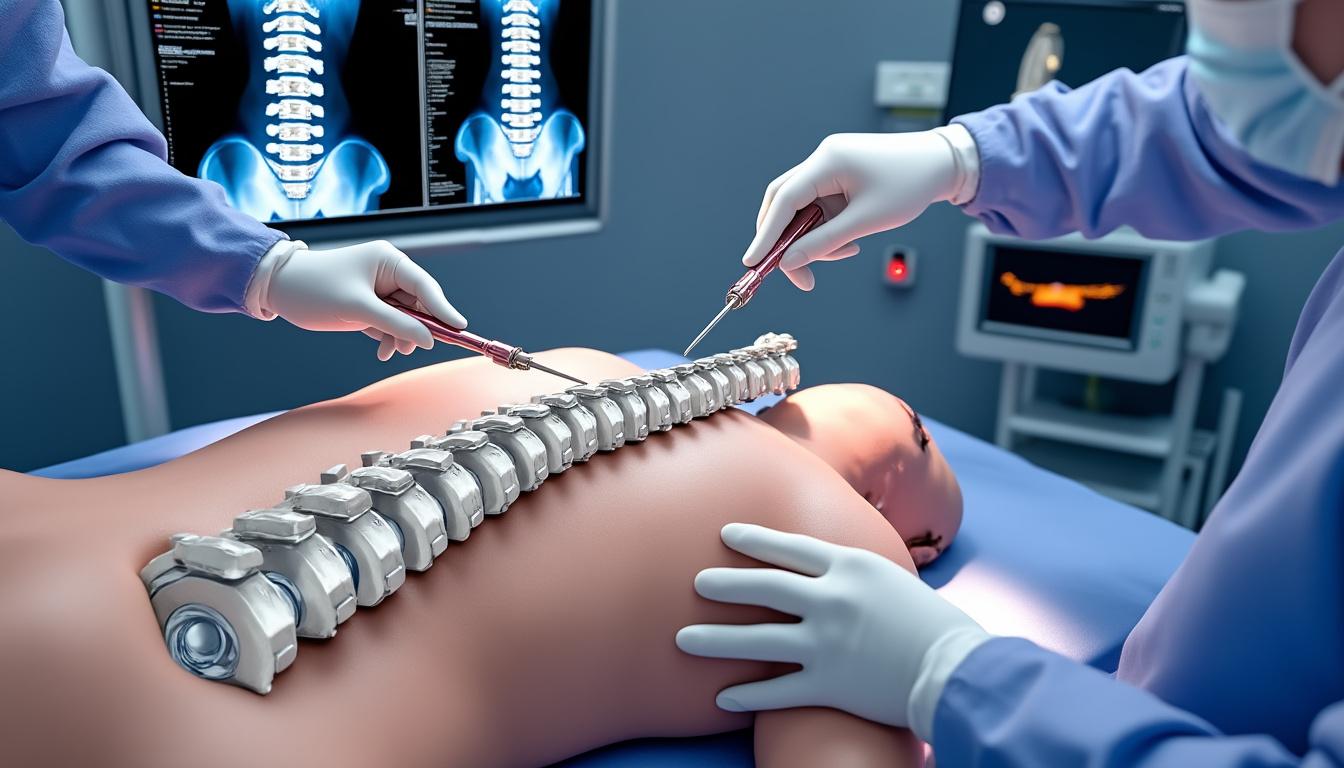
For further insights into cutting-edge fusion options implemented internationally, exploring comparative studies such as those highlighted in global comparison spotlighting fusion techniques enhances understanding of current standards and research trends.
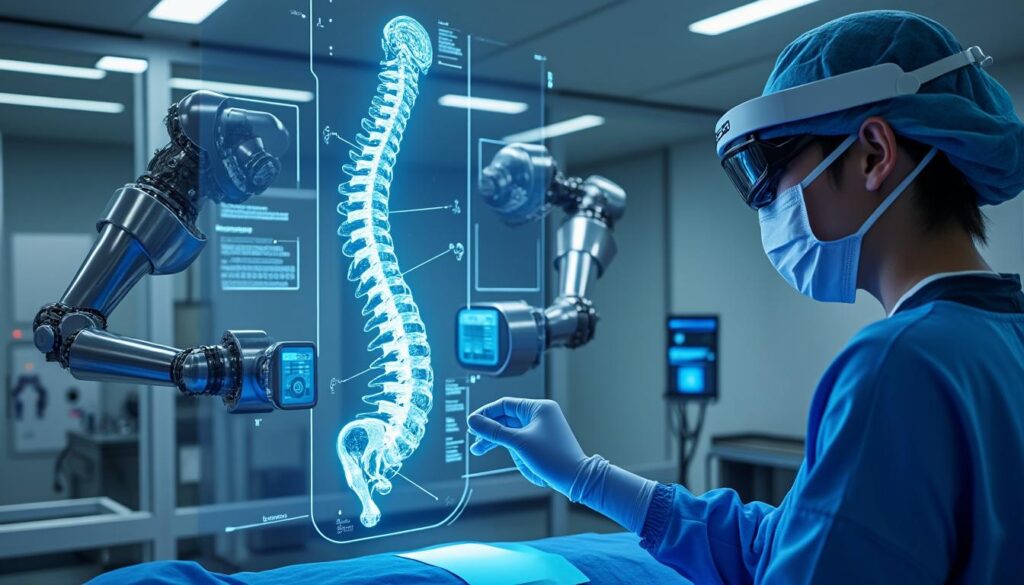
Cousin Spine Technology and Franchir: Transforming Surgical Decision-Making
In recent years, the integration of advanced medical technologies has dramatically shifted how spinal surgeries are planned, performed, and managed. Among the transformative developments, the alliance between Cousin Spine Technology and Franchir stands out as a pioneering force redefining surgical…
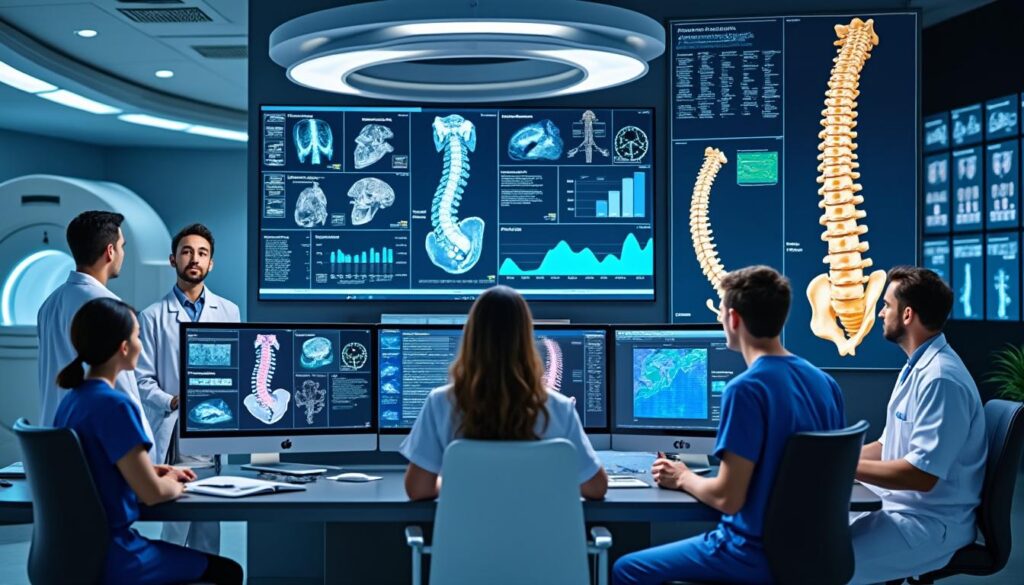
Insights from Research on Preventing Post-Laminectomy Syndrome
Post-Laminectomy Syndrome (PLS), a chronic pain condition arising after spinal surgery, remains a formidable challenge in spinal surgery and pain management. Despite advances in surgical techniques, a significant subset of patients continues to experience persistent neuropathic pain and functional limitations,…
The Rise of Motion-Preserving Technologies: Maintaining Natural Spine Biomechanics
Motion-preserving spinal surgery represents the forefront of contemporary spine care, intended to maintain segmental mobility while providing stability. This paradigm shift challenges conventional fusion by using dynamic implants and arthroplasty devices allowing physiological movement—key to preventing adjacent segment disease.
Leading device manufacturers including Medtronic, Johnson & Johnson, and Smith & Nephew have developed advanced implants, such as the Total Posterior Solution (TOPS) system and dynamic interlaminar devices like IntraSPINE. These implants replicate natural kinematics while ensuring long-term durability. The emphasis on minimally invasive placement, often robotically assisted, expands patient eligibility and optimizes postoperative recovery.
Dynamic Implant Innovations and Their Clinical Advantages
- TOPS System: Maintains controlled flexion, extension, and rotation with guided posterior articulation, offering over a decade of durability.
- LP-ESP Implant: Features a viscoelastic core to absorb shock and preserve approx. 75% of normal segment mobility.
- IntraSPINE Device: An interlaminar spacer tailored to reduce local pressure while minimally disrupting natural lordosis and providing reversibility.
Applying motion preservation techniques fosters quicker return to physical activity, reduces secondary arthritis risk, and appeals especially to active patients concerned with quality of life post-surgery. Across Quebec, these approaches emerge as transformative alternatives to fusion, backed by comprehensive surgical programs accessible through partnerships like motion surgery in Terrebonne with proven outcomes.
Comparative Table of Motion-Preserving Devices
| Implant | Target Area | Motion Conservation | Estimated Durability |
|---|---|---|---|
| TOPS (Total Posterior Solution) | Lumbar posterior segments | 70% | 10+ years |
| LP-ESP | Lumbar discs | ~75% | 5+ years |
| IntraSPINE | Interlaminar space lumbar | 60-70% | Variable, reversible |
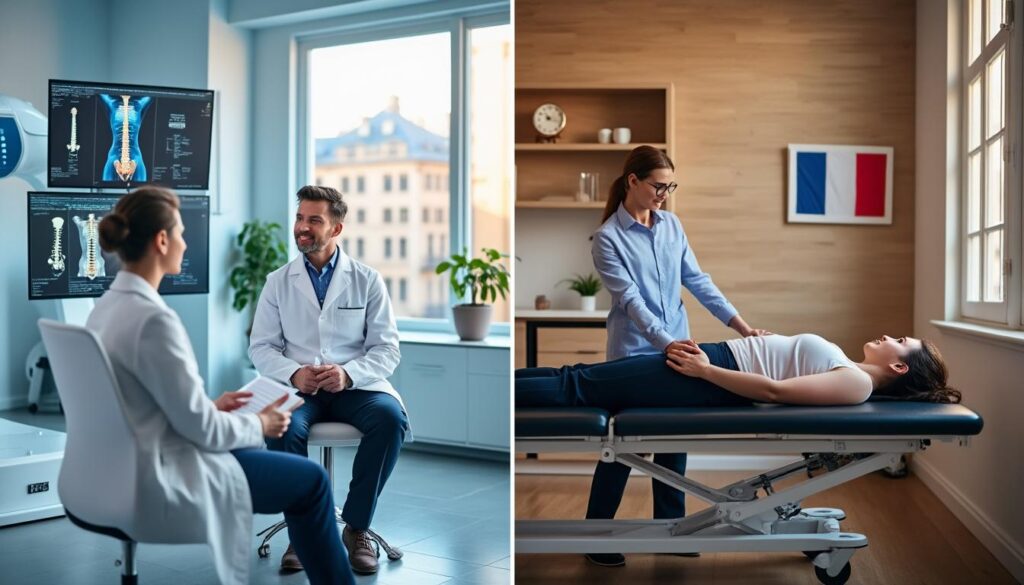
International Comparison: Spotlight on Spine Care Practices Between France and Quebec
The growing emphasis on spine health in Quebec has spotlighted the value of international collaboration in advancing patient care. With the challenges of prolonged wait times and high private care costs in Quebec, France emerges as an attractive alternative, boasting…
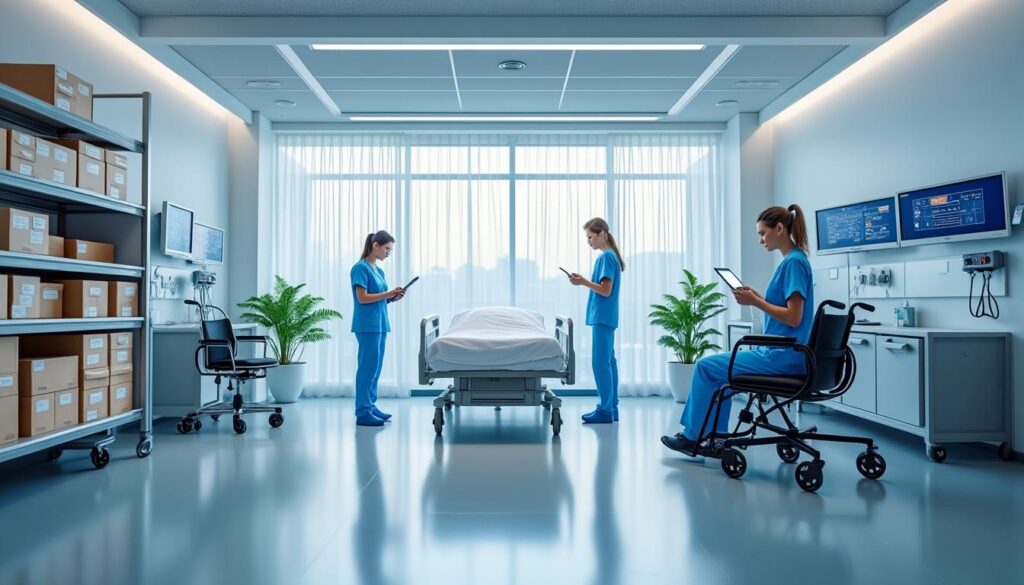
Medical Logistics and Accommodation: Central Pillars in the Patient Care Journey
In the evolving landscape of global healthcare, the interplay between medical logistics and patient accommodation has become a cornerstone for effective and patient-centric care delivery. This synergy is particularly evident in the management of international patient journeys, where cross-border coordination,…
Outpatient Lumbar Fusion and Advanced Surgical Technologies: A Shift to Ambulatory Care
In the evolving landscape of spine surgery, minimally invasive techniques combined with cutting-edge technologies such as robotic navigation and 3D imaging have fueled the shift toward outpatient lumbar fusion procedures. This approach not only lessens hospital burden but also facilitates accelerated recovery and reduces infection risks.
Internationally, robotic-assisted surgery platforms like those developed by eCential Robotics provide spine surgeons with enhanced precision and control. This system has met FDA clearance and is priority-adopted in pioneering centers throughout France and North America. Reduced exposure and accurate instrumentation insertion contribute to minimized tissue damage.
- Advantages of Outpatient Lumbar Fusion: Short hospitalization, rapid mobilization, cost savings.
- Technologies Integrated: Real-time navigation, intraoperative imaging, robotic guidance.
- Patient Selection Criteria: Low comorbidity, stable preoperative condition, supportive home environment.
Coordination between surgical centers and post-discharge rehabilitation, including participation from specialized centers like Neurotherapy Montreal, ensures continuity of care and improved functional outcomes. Further reading on minimally invasive surgery contributions to spine care can be found relating to minimally invasive surgery in Longueuil.
Comprehensive Guide to Eligibility Criteria for Back Surgery
The decision to undergo back surgery involves numerous complex considerations that extend beyond the presence of spinal discomfort. Through an international collaboration between healthcare experts in Quebec and France, patients facing severe spine conditions now have access to advanced surgical…
Unveiling the Hidden Benefits of Neurovertebral Decompression Therapy
Chronic back and neck pain remain pervasive health issues impacting millions, often leading to debilitating effects on daily life and overall well-being. Traditional management strategies frequently fall short due to lengthy wait times, high costs, or invasive procedures. Amid this…
International Patient Pathway: Orchestrating Canada-France Collaboration in Spine Surgery
The transatlantic partnership between French expert centers and Canadian healthcare providers establishes a well-coordinated patient pathway integrating evaluation, surgery, and rehabilitation. This model is underpinned by expert clinical judgment, streamlined logistics, and high-tech facilities.
Key pathway stages include:
- Initial Evaluation and Conservative Care: Includes diagnostic imaging and neurovertébral decompression protocols at the Clinique TAGMED to defer or avoid surgery where possible.
- Personalized Surgical Referral and Scheduling: Managed by intermediaries such as Franchir, ensuring optimal surgeon and clinic selection based on pathology and patient needs.
- Surgical Intervention: Carried out in equipped French centers with state-of-the-art technologies, including robotic and navigated systems.
- Postoperative Follow-Up and Rehabilitation: Joint follow-up coordinated with Neurotherapy Montreal, combining in-person and telehealth services.
| Phase | Responsible | Objective | Timeline |
|---|---|---|---|
| Pre-op Evaluation | Dr. Sylvain Desforges – TAGMED | Comprehensive clinical and radiological analysis | 48 hours |
| Logistics and Planning | Franchir | Travel, accommodation, surgical scheduling | 1-2 weeks |
| Surgery | French Surgical Teams | State-of-the-art surgical treatment | 1-2 day hospital stay |
| Post-op Rehab | Neurotherapy Montreal | Recovery, complication management, functional restoration | Months |
This highly integrated system is a model for patient-centered care, reducing wait times while providing access to innovative implants and personalized strategies. Case studies available via spinal surgery in France insights illustrate the effectiveness of such coordinated pathways.
Patient Experience: A Case Study
A 53-year-old Quebec patient with lumbar spinal stenosis and moderate spondylolisthesis underwent robotic-assisted fusion in a French center. Coordinated by Franchir, her stay was two days with rapid mobilization, followed by scheduled teleconsultations through Neurotherapy Montreal that ensured tailored rehabilitation. This approach significantly shortened the overall timeline compared to local options, with improved functional scores reported at six months.
Robotics and Artificial Intelligence: Shaping the Future of Spinal Surgery Globally
The advent of robotic assistance and AI integration has revolutionized spine surgery, offering unprecedented precision and customized treatment options. Devices employing augmented reality (AR) and machine learning algorithms enhance operative planning, intraoperative guidance, and postoperative monitoring.
Manufacturers like Smith & Nephew, Alphatec Spine, and Exactech have incorporated these tools into their latest platforms, moving beyond basic navigation to immersive systems that predict tissue response and optimize implant positioning in real time.
- Enhanced Visualization: AR overlays provide surgeons with real-time imaging without shifting gaze.
- Data-Driven Decisions: AI models analyze patient-specific anatomy for tailored interventions.
- Reduced Surgical Variability: Robotic systems ensure consistent precision across operators.
- Improved Outcome Tracking: Post-op data collection enables continuous care improvements.
Clinical evidence increasingly supports these technologies’ capacity to reduce operative times and complication rates while increasing accuracy in screw placement and decompression extents, as reviewed in comprehensive studies like those found on the latest spine surgery journals.
Comprehensive Rehabilitation and Post-Surgical Care: Integrating rTMS and Beyond
Successful spinal surgery outcomes demand structured postoperative care, including advanced neurorehabilitation techniques. Repetitive Transcranial Magnetic Stimulation (rTMS) has gained traction for pain modulation and functional recovery after surgery. Integration of such modalities supports neuronal plasticity and expedites return to normal activities.
Dedicated programs in Quebec partner with French centers to ensure seamless post-op rehabilitation, tailored exercise protocols, and regular teleconsultations. This interdisciplinary approach combines surgical excellence with cutting-edge neurophysiological therapies, documented in detailed guides like comprehensive guides to integrating rTMS post surgery.
- Early mobilization protocols minimize complications such as deep vein thrombosis.
- Personalized pain management balances pharmacological and non-invasive neuromodulation techniques.
- Telemedicine follow-ups ensure continuity and accessibility between countries.
- Patient education empowers self-care and adherence to rehabilitation plans.
Comparaison Internationale : Techniques Chirurgicales
| Technique | Objectif principal | Impact sur la mobilité | Temps moyen de récupération | Risques majeurs |
|---|
What factors guide the choice between simple surgery, fusion, and motion-preserving procedures?
The decision depends on the patient’s spinal pathology severity, presence of instability, physical activity level, and desired postoperative mobility. Simple surgeries are favored for localized nerve compression; fusion suits significant instability or deformity; motion-preserving options are ideal for moderate instability with goals to maintain movement.
Are motion-preserving implants safe with magnetic resonance imaging (MRI)?
Yes, leading motion-preserving implants are designed to be MRI-compatible up to 3 Tesla, allowing safe postoperative imaging without artifact concerns or patient risk.
Can surgery be avoided through conservative treatments?
In many cases, conservative modalities including specialized neurovertébral decompression and physical therapy significantly reduce pain and improve function, potentially avoiding surgery. Clinics such as Clinique TAGMED emphasize this phase before surgical considerations.
What advantages does international surgery collaboration offer?
Patients benefit from reduced wait times, access to advanced technologies not locally available, personalized multidisciplinary care, and comprehensive rehabilitation coordinated across borders, enhancing overall outcomes and quality of life.
Is outpatient lumbar fusion appropriate for all patients?
No, outpatient lumbar fusion is reserved for carefully selected patients with low comorbidities and stable conditions. Patient selection and home support are critical to ensuring safe and successful ambulatory recovery.