Spinal Surgery in France: Insights from a Leading Expert
October 28, 2025
Motion Surgery in Terrebonne: Long-Lasting and Proven Results
October 29, 2025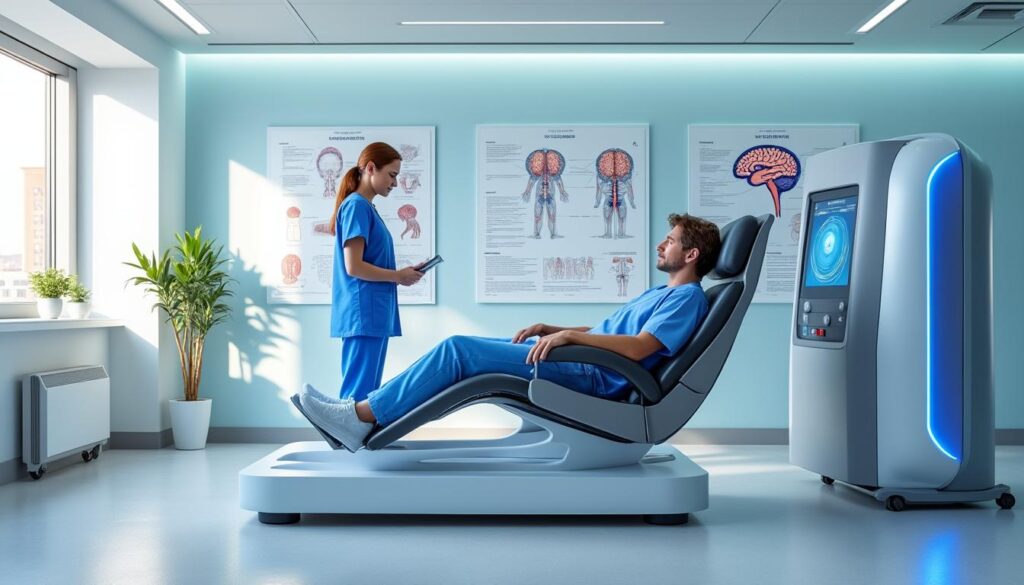
Spinal surgery remains a complex and challenging endeavor, often necessitating innovative approaches to optimize patient recovery and quality of life. In 2025, the integration of repetitive transcranial magnetic stimulation (rTMS) into post-surgery care offers a groundbreaking adjunct that addresses persistent neuropathic pain, enhances neural plasticity, and alleviates psychological distress associated with spinal procedures. Patients from regions such as Quebec increasingly opt for advanced surgical interventions in France due to its cutting-edge techniques and seasoned specialists. However, this transatlantic care pathway demands a meticulously coordinated therapeutic strategy. The synergy between French surgical expertise and neuromodulation specialists like Philippe Mazaltarim at Neurothérapie Montréal exemplifies this trend, forging pathways for seamless perioperative management that extend beyond tradition.
rTMS, originally developed for targeted neurological disorders, has swiftly evolved into a versatile tool for managing post-operative pain and neurofunctional recovery. Its non-invasive protocols uniquely modulate cortical excitability, offering sustainable pain relief without the side effects commonly associated with pharmacotherapy. Moreover, the integration of rTMS supports emotional well-being, mitigating anxiety and depression, frequent complicators in post-surgical rehabilitation. An ecosystem involving specialized medical tourism facilitators and rehabilitation experts further ensures that patients transitioning between countries experience continuity of care. These developments signify more than a technological advance; they embody a human-centered revolution in spinal surgery recovery.
Fundamental Principles and Clinical Applications of rTMS in Post-Spinal Surgery Recovery
Repetitive transcranial magnetic stimulation operates by delivering focused magnetic pulses to specific cortical regions, modulating intrinsic neuronal activity. This approach facilitates neuroplastic changes pivotal in mitigating neuropathic pain, motor deficits, and affective disorders following spinal interventions. Clinical protocols, often implemented using sophisticated devices from manufacturers such as Magstim, Brainsway, MagVenture, Neuronetics, and NeuroStar, are tailored to address individual patient profiles and surgical outcomes.
The principal applications of rTMS post-surgery encompass the following domains:
- Neuropathic Pain Management: Persistent pain syndromes, particularly post-laminectomy syndrome, pose significant rehabilitation challenges. Stimulating the sensorimotor cortex through rTMS has been shown to reduce pain severity effectively.
- Psychological Support: Postoperative depression and anxiety profoundly impact recovery. High-frequency rTMS targeting the left dorsolateral prefrontal cortex enhances mood and alleviates anxiety symptoms.
- Neuroplasticity Enhancement: For patients with motor impairments arising from spinal trauma or ischemic events, rTMS promotes cortical reorganization and functional recovery.
These applications operate within protocols generally lasting between two and eight weeks, customizable based on patient response and healing progress. Treatment sessions, lasting 15 to 30 minutes, are outpatient procedures requiring no anesthesia, which contributes significantly to patient comfort and compliance. The absence of systemic side effects, compared with opioid or neuropathic analgesics, positions rTMS as a safe, adjunctive modality in modern spinal rehabilitation.
| Postoperative Indication | Targeted Cortical Area | Expected Clinical Benefit | Typical Treatment Duration |
|---|---|---|---|
| Post-laminectomy Neuropathic Pain | Sensorimotor Cortex | Over 30% reduction in pain intensity | 2 to 4 weeks |
| Postoperative Depression & Anxiety | Left Dorsolateral Prefrontal Cortex | Significant mood improvement and anxiety reduction | 3 to 6 weeks |
| Motor Recovery post-Spinal Injury | Motor Cortex | Enhanced neuroplasticity and accelerated motor rehabilitation | 4 to 8 weeks |
Emerging research documents the efficacy of rTMS in this setting, with comprehensive analyses available that outline its mechanisms and clinical outcomes (detailed review on rTMS-induced analgesia). The advancement of neuromodulation devices like CloudTMS and Nexstim—offering precision targeting and customizable stimulation patterns—has cemented their role in these protocols. Collectively, these innovations underscore rTMS’s transformative potential in post-surgical care, marking a paradigm shift in comprehensive spinal recovery strategies.
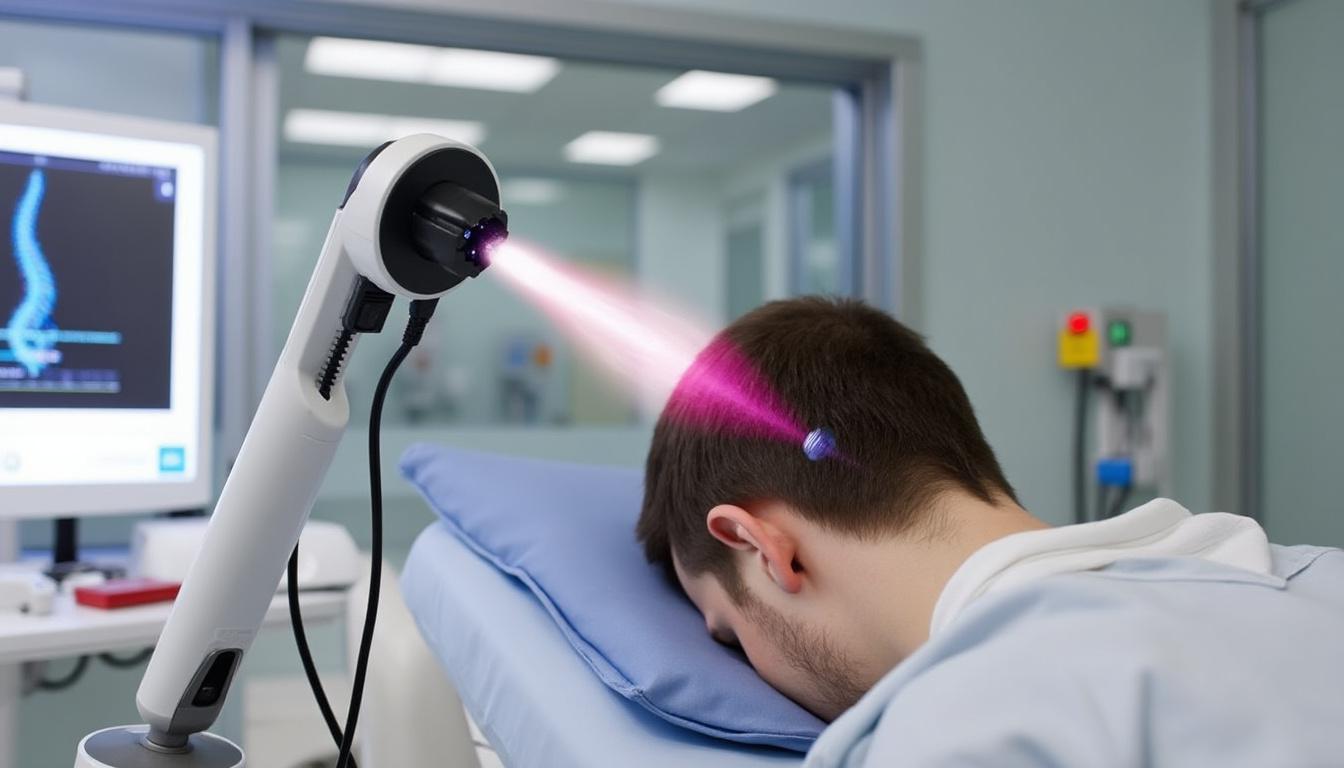

Understanding Sciatic Pain: Key Symptoms and When to Seek Medical Advice
Sciatic pain is a prevalent condition impacting a wide demographic, manifesting primarily as intense pain radiating from the lower back down the leg. This pain stems from irritation or compression of the sciatic nerve, a major nerve extending through the…

The Stepwise Role of Functional Recovery in Achieving Successful Outcomes
The journey to full recovery following spinal surgery is often complex and multifaceted, demanding a meticulously structured approach to ensure optimal functional outcomes. In recent years, the concept of functional recovery through a stepwise approach has garnered significant attention in…
Optimized Coordination of Franco-Québécois Patient Pathways for Postoperative rTMS Integration
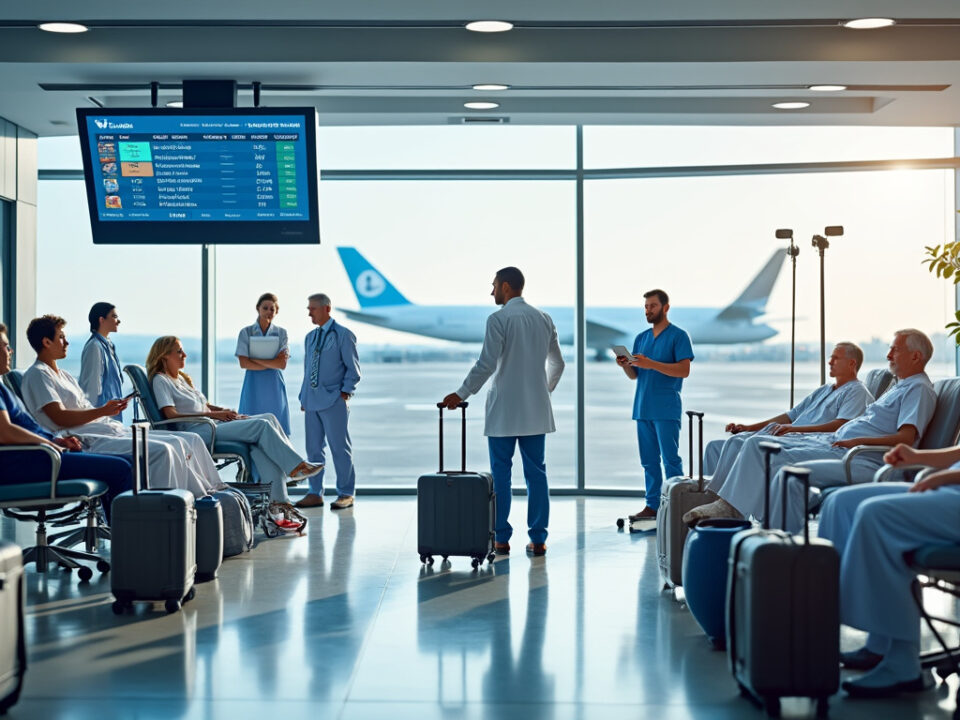
Patient management following spinal surgery across continents requires exemplary coordination. Neurothérapie Montréal, led by experts specializing in neuromodulation, orchestrates a harmonized continuum of care from preoperative evaluation to post-discharge rehabilitation. This integrated approach addresses the logistical and therapeutic challenges inherent to transatlantic healthcare delivery.
Key components of this comprehensive pathway include:
- Preoperative Preparation: Neurofunctional assessments establish baselines and identify deficits, informing individualized rTMS programming.
- Real-Time Surgical Support: Maintaining communication with French surgical teams ensures adaptive rehabilitation strategies in response to intraoperative findings.
- Postoperative Rehabilitation: Personalized monitoring allows dynamic adjustments in rTMS frequency and intensity alongside physiotherapy.
Table: Overview of Phases and Actions by Neurothérapie Montréal in Franco-Québécois Patient Management
| Phase | Primary Action | Primary Goal |
|---|---|---|
| Preoperative | Comprehensive neurofunctional evaluation and dossier coordination | Maximize surgical success and prepare for optimal recovery |
| Intervention | Real-time surgical collaboration and communication | Ensure continuity and adjust care strategies effectively |
| Postoperative | Customized rTMS-based neuromodulation and rehabilitation support | Optimize functional recovery and prevent complications |
This orchestrated model highlights the criticality of multidisciplinary integration and clear communication pathways. Facilitators such as Franchir and SOS Tourisme Médical enhance patient navigation and logistical planning. Their collaboration preserves therapeutic momentum while reducing patient stress, exemplifying a healthcare journey attuned to patient needs and cross-border complexities.
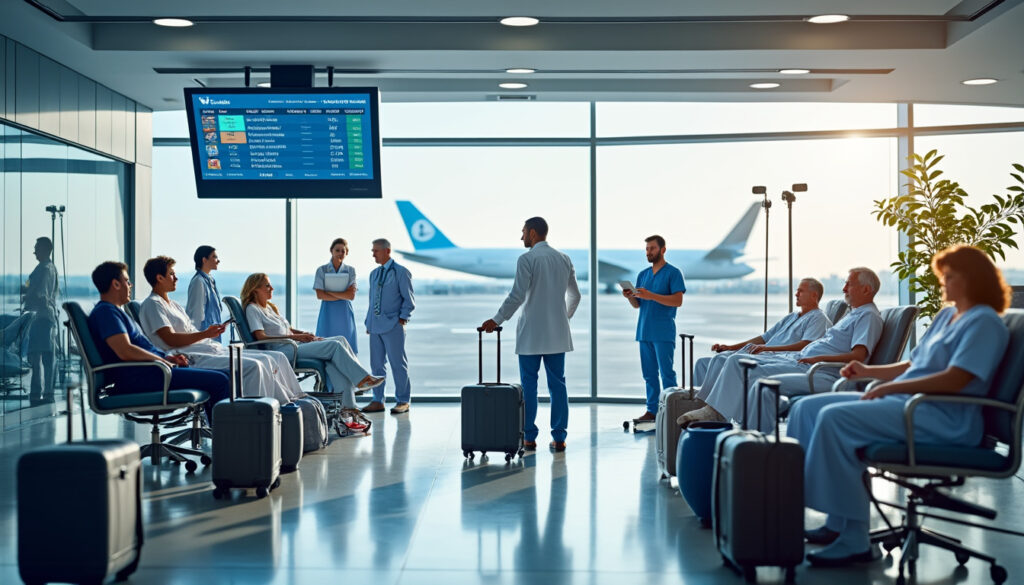
Transatlantic Patient Journey: Insights into Indications, Benefits, and Challenges
The emergence of the Transatlantic Patient Journey as a strategic model within healthcare continues to capture attention for its innovative potential, especially in specialized fields such as spinal surgery. This cross-border care pathway integrates rigorous medical evaluation from Quebec with…
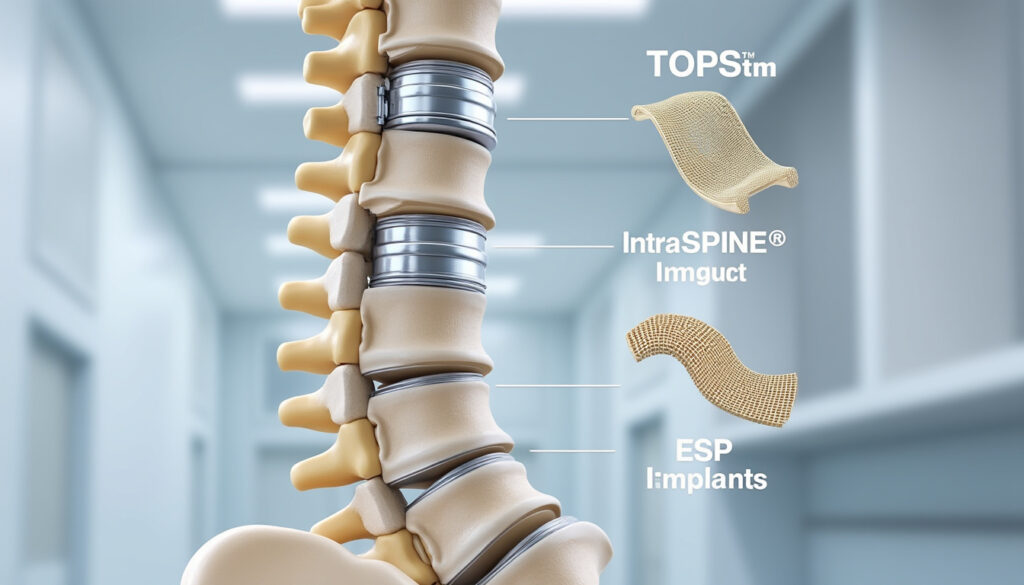
The evolving field of spinal surgery is witnessing a transformative shift, fueled by cutting-edge implant technologies such as TOPS, Intraspine, and ESP. These innovative implants redefine treatment possibilities by emphasizing preservation of natural spinal mechanics, while ensuring durable stabilization and…
Transatlantic Collaboration: The Pillars Supporting Seamless Postoperative rTMS Care
International surgical journeys present unique challenges that necessitate specialized coordination frameworks. The collaboration between clinical sites in France and rehabilitation providers in Quebec underpins a cohesive system that streamlines patient flow and optimizes therapeutic delivery.
Participants in this network assume distinct but complementary roles:
- SOS Tourisme Médical: Acts as the gateway for information dissemination about advanced surgical treatments and administrative guidance supporting informed decision-making.
- Franchir: Serves as the expert adviser and logistics organizer, providing tailored recommendations that align patient needs with appropriate surgical centers and managing travel and accommodation arrangements.
- Neurothérapie Montréal: Focuses on longitudinal patient care, coordinating postoperative monitoring and rTMS implementation with real-time adjustments based on clinical status.
The benefits of this integrative approach manifest in improved patient confidence, minimized procedural wait times, and optimized rehabilitation outcomes. It represents an evolving archetype for international healthcare collaborations, combining medical excellence with organizational efficiency. Detailed insights into the roles and impacts of these entities can be found in discussions about patient care navigation.
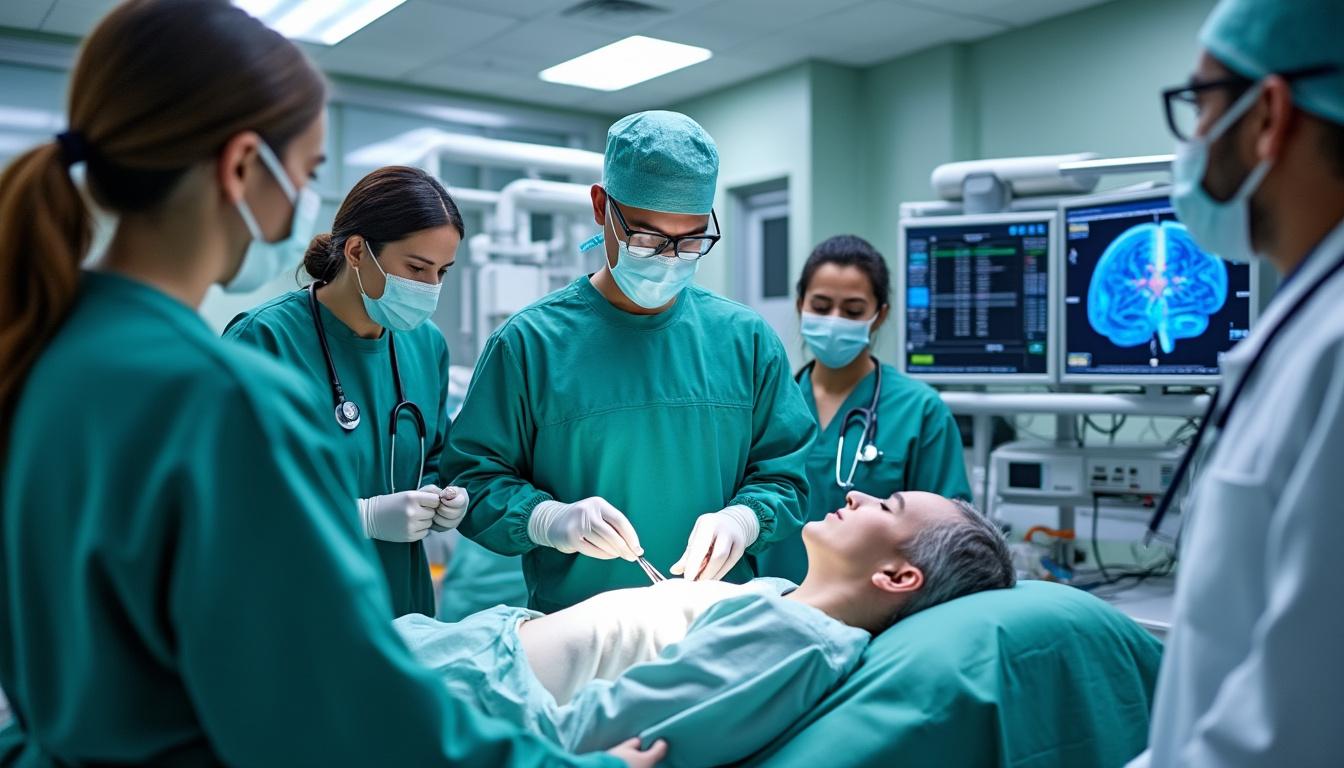
Preparing for Surgery in France: Key Indications, Benefits, and Limitations
In an evolving global healthcare landscape, France emerges as a beacon of advanced surgical expertise, particularly attracting international patients seeking expedited and innovative medical interventions. Patients from regions experiencing long wait times, such as Quebec, increasingly view France as an…

Unveiling the Hidden Benefits of Quality and Certification in Devices
The landscape of device manufacturing and clinical application in 2026 has been fundamentally shaped by the rigorous interplay between quality management and certification processes. Within this complex framework, the hidden benefits of adhering to international standards and obtaining relevant certifications…
Innovative Spinal Surgery Techniques in France and Strategic Role of rTMS in Functional Recovery
France’s surgical landscape is characterized by technological advancements including minimally invasive methods, dynamic stabilization devices, and next-generation disc prostheses. These approaches target maximal preservation of spinal mobility and expedited recovery.
Within this context, rTMS plays an essential role by complementing surgical objectives through:
- Postoperative Pain Modulation: Targeted neuromodulation reduces acute and chronic pain, especially in complex fusion or arthrodesis cases.
- Preventing Post-Laminectomy Syndrome: Early rTMS intervention disrupts maladaptive neural circuits thereby lowering the incidence of persistent neuropathic pain syndromes.
- Facilitating Return to Activity: Stimulating cerebral plasticity supports functional reintegration and enhances tolerance for physical rehabilitation.
| Surgical Procedure | rTMS Functional Role | Clinical Impact |
|---|---|---|
| Simple Surgery (Discectomy, Decompression) | Rapid acute pain alleviation | Walking resumed within two weeks, significant pain relief |
| Motion-Preserving Surgery (Disc Prosthesis) | Optimized neuroplastic response and neuropathic pain prevention | Return to sports in 2-3 months with reduced discomfort |
| Fusion/Arthrodesis | Extended chronic pain control and rehabilitation support | Improved endurance and increased rehabilitation tolerance |
The efficacy of rTMS as a non-pharmacological adjunct is increasingly corroborated by clinical data and patient feedback collected at centers like Neurothérapie Montréal. Utilization of devices from industry leaders such as Yiruide, Remed, and eNeura ensures precise stimulation mapping, enabling optimal dosing tailored to specific clinical scenarios.
Why Experts Advocate for Comprehensive Preoperative Evaluations
In the complex and demanding field of spinal surgery, the emphasis on comprehensive preoperative evaluations has become a fundamental pillar supporting successful surgical outcomes. These evaluations, far beyond mere routine checks, integrate detailed analyses of patient health, surgical risk assessments,…
The Future of Surgery Lies in Stepwise Functional Recovery
The evolution of surgical care in 2026 reveals a compelling shift toward approaches that prioritize the holistic recovery of patients, moving beyond traditional metrics like length of hospital stay or mortality rates. This modern paradigm highlights the principle that the…
Rehabilitation Timeline and Patient Case Studies Highlighting rTMS Benefits
Recovery after spinal surgery is a carefully staged process influenced by surgery type, patient-specific factors, and adjunctive therapies like rTMS. A structured rehabilitation schedule, supported by neuromodulation, enhances the return to daily activities and long-term quality of life.
Typical rehabilitation milestones include:
- Early Mobilization: Initiating walking within the first two weeks for simple surgical cases aids circulation and neural recovery.
- Work Reintegration: Resumption of professional activities occurs between 4 to 12 weeks depending on surgery complexity.
- Return to Sports: Gradual reintroduction from three months onward under clinical supervision, supported by rTMS-driven neural plasticity.
| Surgery Type | Key Rehabilitation Focus | Role of rTMS | Estimated Recovery Duration |
|---|---|---|---|
| Discectomy | Mobility and acute pain control | Accelerates pain attenuation and supports neuroplasticity | 6 to 8 weeks |
| Disc Prosthesis | Neuropathic pain prevention and functional maintenance | Stimulates motor circuits and counters post-laminectomy syndrome | 2 to 3 months |
| Arthrodesis/Fusion | Chronic pain management and psycho-emotional support | Attenuates neuropathic pain and enhances rehabilitation capacity | 4 to 6 months |
Real-life patient experiences underscore the efficacy of integrated rTMS approaches. For example, Jean, aged 48, experienced significant neuropathic pain relief following lumbar fusion, facilitating a return to moderate sporting activities within six months. Marie, a 35-year-old with a cervical disc prosthesis, overcame post-laminectomy pain and anxiety through a personalized rTMS regimen, regaining emotional and physical stability in weeks.
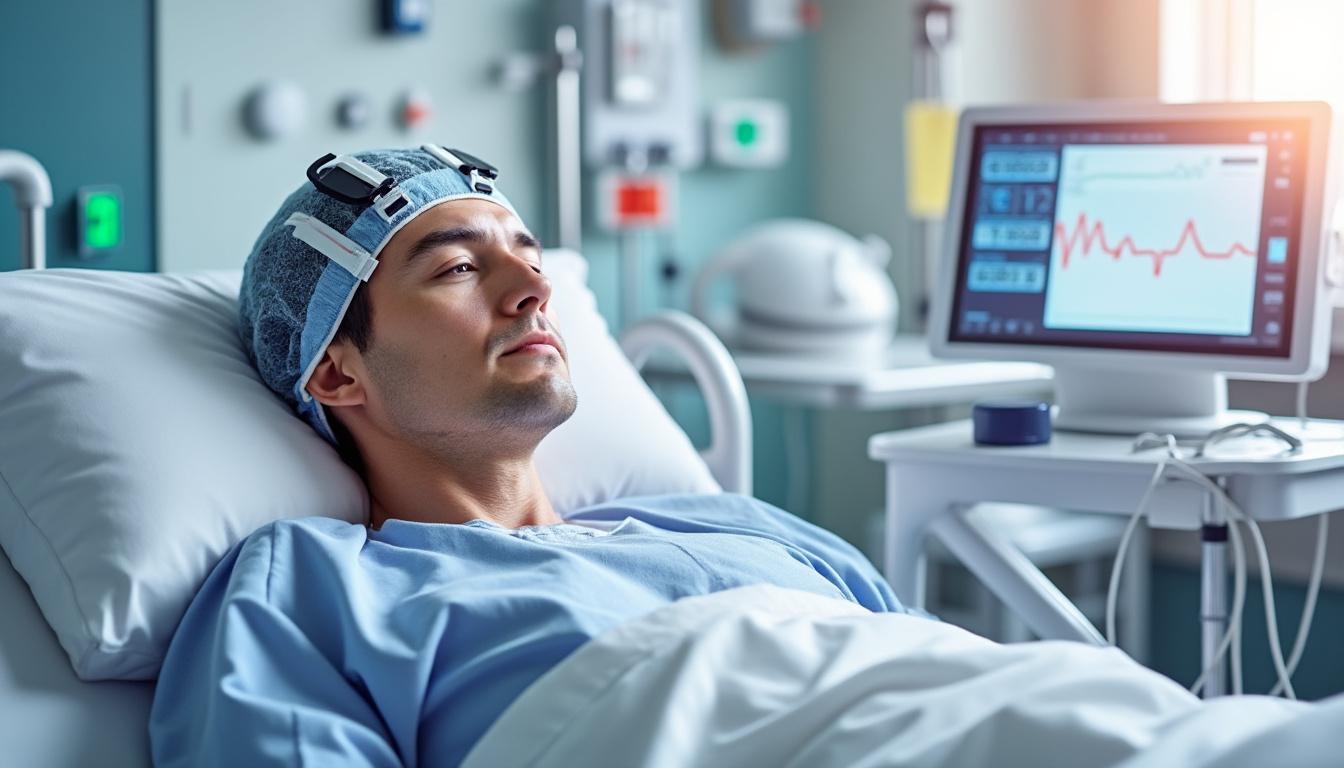
Key Benefits of rTMS in Spine Surgery Recovery
Explore the main advantages of incorporating repetitive Transcranial Magnetic Stimulation (rTMS) post spine surgery. Click on each benefit for more details.
Frequently Addressed Questions on rTMS Post-Spinal Surgery
Is rTMS painful or invasive?
rTMS is a non-invasive and painless procedure that uses magnetic fields generated by a coil positioned on the patient’s head. It requires no anesthesia or surgery. Mild facial muscle contractions may be experienced but generally cause no significant discomfort.
When can rTMS sessions be started after spinal surgery?
Typically, rTMS sessions are initiated a few weeks post-surgery, once wound healing and initial rehabilitation phase are underway. The timeline is customized based on individual clinical progress.
What are the tangible benefits of rTMS following spinal surgery?
rTMS offers significant relief from persistent neuropathic pain, reduces the occurrence of post-laminectomy syndrome, enhances motor recovery, and supports mental health by alleviating depression and anxiety symptoms post-operation.
Does rTMS replace physical rehabilitation sessions?
No, rTMS complements physical therapy by enhancing cerebral plasticity and facilitating the restoration of sensorimotor functions. It is an adjunctive, not a substitute, to conventional rehabilitation treatments.
How is the postoperative follow-up organized after surgery in France?
Neurothérapie Montréal offers comprehensive follow-up care in Quebec in partnership with SOS Tourisme Médical and Franchir. Patients can access personalized evaluations and support by contacting these specialized teams through dedicated platforms.