
Lumbar Disc Prosthesis in Saguenay: Durable and Approved Alternative
August 4, 2026
Herniated Disc Treatment in Saint-Léonard: Costs, Reimbursements, and Neurovertebral Decompression Therapy Explained
August 4, 2026
Living with chronic disc pain can significantly impact quality of life, especially in a vibrant community like La Prairie, where busy lifestyles often collide with the persistent demands of spine health. Many individuals face the challenge of managing chronic pain stemming from conditions such as herniated discs or degenerative disc disease, navigating daily discomfort while striving to maintain mobility and functionality. Advances in spinal care, driven by experts like Dr. Sylvain Desforges, have illuminated pathways to effective pain prevention and management without immediate resort to invasive procedures.
In 2026, the awareness surrounding the importance of early intervention and lifestyle modifications has grown considerably. The focus has shifted towards preventive strategies that integrate posture correction, ergonomic adaptations, and carefully tailored exercise routines designed to protect vulnerable spinal discs. Whether it’s managing pain through innovative therapies or educating patients on safer daily movements, contemporary spine care emphasizes a holistic view of the individual’s lifestyle, occupational demands, and specific spinal conditions.
La Prairie residents, many of whom work in office environments or engage in physically demanding tasks, benefit from customized advice on avoiding activities that exacerbate disc pain, while promoting practices that foster healing and resilience. This article explores detailed tips for chronic disc pain prevention, addressing everything from workstation ergonomics to the role of hydration and nutrition in sustaining disc health. Through an expert lens grounded in over 30 years of pioneering experience, readers will gain insight into practical, evidence-based approaches supported by Dr. Sylvain Desforges’ comprehensive evaluation and multidisciplinary care philosophy.
Optimizing Daily Posture for Effective Chronic Disc Pain Prevention in La Prairie
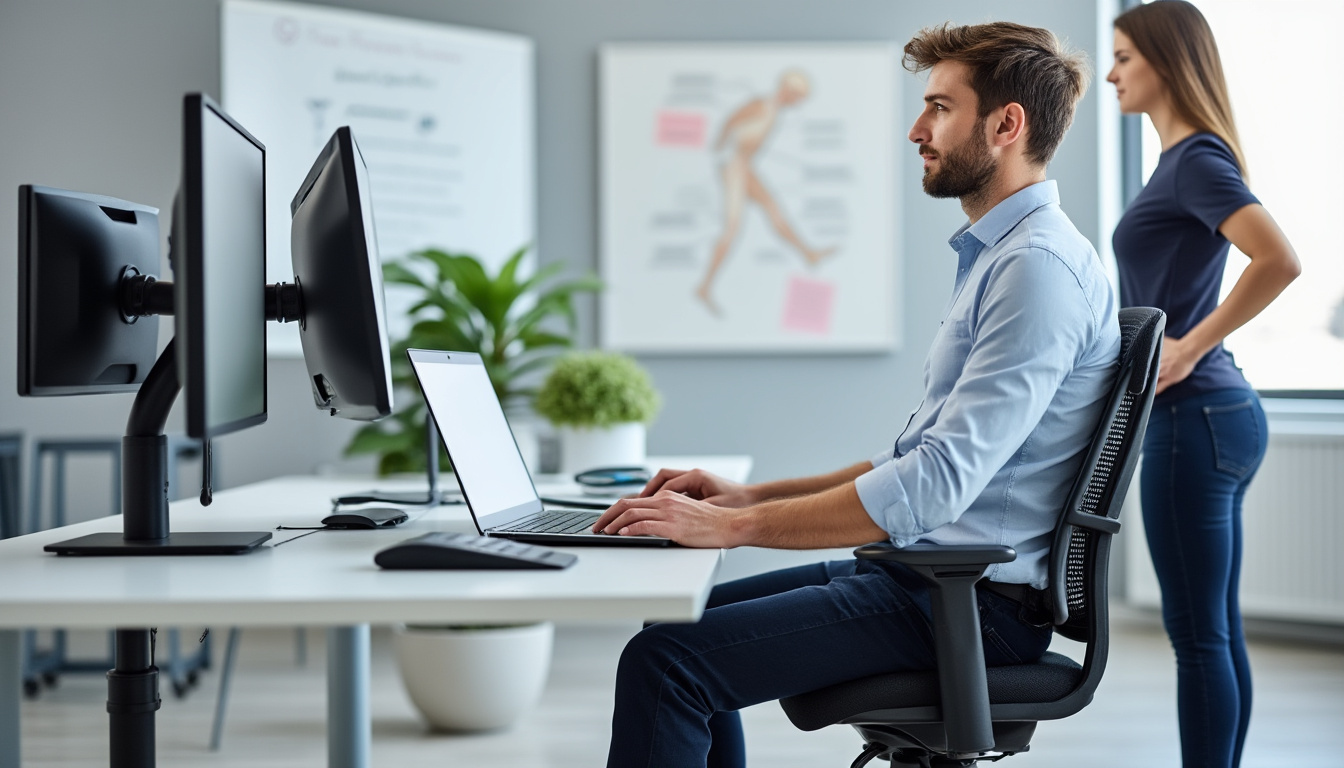
Maintaining proper posture throughout the day is one of the most fundamental ways to prevent the aggravation of chronic disc pain. Poor posture can increase pressure on spinal discs, particularly in the lumbar and cervical regions, accelerating wear and tear or exacerbating existing herniations.
Dr. Sylvain Desforges has emphasized that posture correction is not merely about sitting upright but involves maintaining biomechanical balance that minimizes uneven load distribution on the spine. For office workers in La Prairie who spend extended hours seated, small but consistent adjustments can translate into significant relief and long-term prevention.
Key principles include:
- Neutral spine alignment: Ensure that the natural curves of the cervical, thoracic, and lumbar spine are preserved rather than slouched or hyperextended.
- Head position: Avoid the common “tech neck” phenomenon by keeping the head directly over the shoulders instead of jutting forward. This reduces strain on cervical discs and associated muscles.
- Shoulder and pelvic positioning: Relax shoulders and keep the pelvis slightly tilted forward to maintain lumbar lordosis, thereby protecting lower spinal nerves and discs.
- Active sitting: Engage core muscles to support the spine and avoid completely relaxing back muscles, which can lead to slumping and increased disc loading.
Applying these guidelines improves functional capacity and delays disc degeneration, as supported by studies including those exploring how seated vs. standing positions affect lumbar intersegmental spacing. In fact, alternating between standing and sitting with progressive exposure has been shown to decrease discomfort and maintain spinal health in sedentary workers.
For individuals with persistent discomfort, Dr. Desforges recommends personalized assessments at TAGMED clinics that combine osteopathic principles with technology-assisted evaluation to create individualized posture correction strategies. This bespoke approach ensures that patients don’t simply rely on generic advice but receive solutions tailored to their unique spinal profiles.

Boucherville Lumbar Disc Recovery Without Hospitalization
In the serene city of Boucherville, a transformative approach to treating lumbar disc conditions is reshaping patient experiences and redefining spinal care standards. This method focuses on delivering effective lumbar disc recovery without the need for hospitalization, combining modern technology,…
Ergonomic Workstation Adjustments to Protect Spine Health and Prevent Chronic Disc Pain
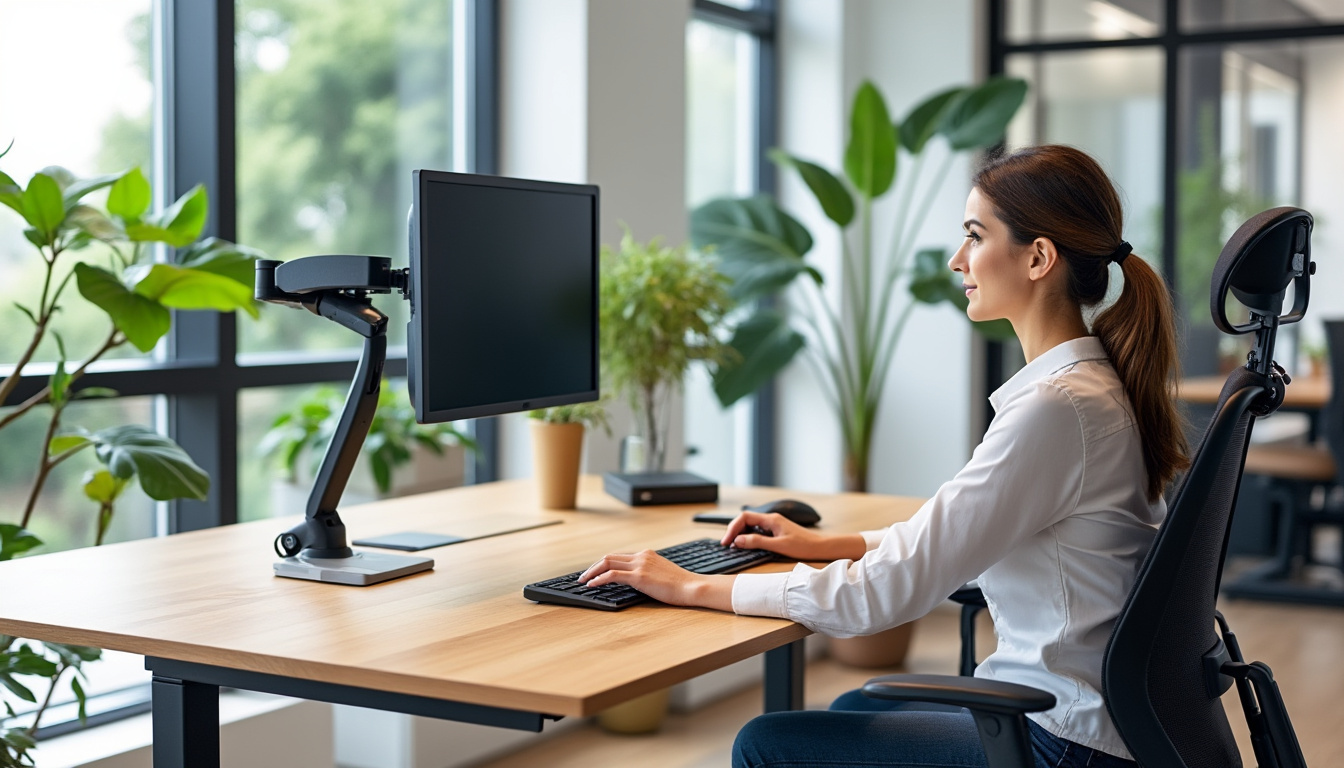
With many La Prairie residents working in office environments, the design and setup of workstations significantly influence the development and prevention of chronic disc pain. Suboptimal ergonomic setups often lead to prolonged spinal stress, particularly in the neck and lower back regions.
Dr. Sylvain Desforges highlights several critical ergonomic considerations that can mitigate cumulative spinal disc damage and alleviate chronic pain symptoms:
- Monitor Height and Distance: The top of the computer screen should be approximately at eye level and 20 to 30 inches away, reducing the need for excessive cervical flexion or extension.
- Chair Support: Using an ergonomic chair with lumbar support maintains the natural curve of the lower spine. Adjusting the seat height so feet are flat on the floor with knees aligned with hips is essential.
- Keyboard and Mouse Placement: Keeping these input devices close allows elbows to rest comfortably at around 90 degrees, preventing shoulder elevation and undue upper back tension.
- Desk Height: Tailoring the desk height ensures neutral shoulder positioning and reduces compensatory postures that load the neck muscles.
- Break Intervals: Encouraging breaks every 30 to 60 minutes for gentle stretching or walking reduces stiffness and redistributes pressure on spinal discs.
Such strategies are supported by clinical studies focusing on occupational spine care and validated by Dr. Desforges’ extensive clinical experience. For workers operating vehicles or machinery, Dr. Desforges recommends specialized solutions including anti-vibration gel seat cushions which help lower lumbar spine loading during prolonged sitting or vibration exposure.
By investing effort into ergonomic adaptations, La Prairie professionals can work more comfortably while significantly minimizing the risk factors for chronic disc pain, especially in lumbar disc bulge cases. For more guidance on maintaining spine health at work, resources like La Prairie neck pain prevention for office workers provide practical, actionable advice.

Blainville Sciatica Relief in Professional Athletes
Sciatica pain is a significant challenge for many, particularly professional athletes in Blainville who rely on peak physical condition to perform. Chronic sciatic nerve discomfort can sideline even the most dedicated sports professionals, impacting their athletic performance, injury recovery, and…
Daily Activity Modification to Avoid Aggravating Chronic Disc Pain
Chronic disc pain symptoms in La Prairie often worsen with everyday actions that increase mechanical stress on injured spinal discs or nerve roots. Activities that involve bending, twisting, or lifting are notorious for triggering radicular pain or radiculopathy sensations such as numbness, tingling, and weakness.
Understanding which movements to avoid and how to modify daily tasks plays a pivotal role in preventing flare-ups and managing long-term outcomes. Dr. Sylvain Desforges advises caution particularly with the following common activities:
- Prolonged sitting: Sitting excessively without breaks increases disc pressure, especially when combined with slouching. Use of supportive cushions, regular breaks, and sit-stand desks can mitigate these effects.
- Household chores like laundry and vacuuming: These involve repetitive bending and twisting. Splitting loads into smaller tasks spread throughout several days, using elevated folding surfaces, and using lightweight appliances are recommended.
- Feeding pets or gardening: Frequent bending to feed animals or garden leads to lumbar stress. Alternatives such as kneeling, using long-handled tools, or automation devices reduce strain significantly.
- Shoveling snow or heavy lifting: These impose high axial loads on spinal discs. Dr. Desforges emphasizes correct lifting techniques like bending at hips and knees, spreading the load evenly, and avoiding twisting during lifting.
- Strenuous exercise with jarring movements: High-impact activities such as running, jumping, golf, or tennis can exacerbate disc injury. Low-impact options like swimming, walking, and cycling are preferred.
To help illustrate, the table below summarizes these activities along with safer alternatives suitable for managing chronic disc pain:
| Activity to Avoid | Reason for Avoidance | Recommended Modifications |
|---|---|---|
| Prolonged Sitting | Increases disc pressure and muscle fatigue | Use sit-stand desks, supportive cushions, frequent breaks |
| Heavy Lifting | Excessive spinal loading, risk of muscle spasm | Bend knees, keep object close, distribute weight evenly |
| Household Chores (Laundry, Vacuuming) | Repetitive bending and twisting motions | Break tasks into smaller jobs, use ergonomic tools |
| Shoveling Snow | High axial and twisting stress on lumbar spine | Use snowblower, push snow, apply ice melt early |
| Strenuous Exercise | Jarring motions worsen disc injury | Choose low-impact exercises (walking, swimming) |
Employing these modifications not only alleviates current discomfort but fosters an environment for healing and stabilization, crucial for long-term spine health. For further details on activity management and related therapy options, consult resources such as everyday activities to avoid with herniated disc.

Repentigny Neck Pain Solutions Without Surgery
In Repentigny and the greater Québec area, chronic neck pain has emerged as a pervasive challenge that profoundly disrupts daily life and well-being for many adults. Neck discomfort caused by cervical disc problems—ranging from mild irritation to severe herniation—can restrict…
Integrating Low-Impact Exercise Routines to Support Back Care and Pain Relief
Staying active is vital for managing chronic disc pain and promoting spine health, but it requires a delicate balance between exercise that supports healing and avoiding movements that stress vulnerable discs. Dr. Sylvain Desforges advocates for low-impact, controlled exercise routines that maintain flexibility, strengthen supporting muscles, and enhance circulation without aggravating disc injury.
Key exercise types suitable for those with chronic disc pain include:
- Walking: A low-impact cardiovascular activity that improves spinal blood flow and promotes disc nutrition without repetitive spinal loading.
- Swimming and aquatic therapy: Water buoyancy reduces spine stress while facilitating gentle strengthening.
- Stationary cycling: Controlled pedaling supports hip and lower back mobility.
- Gentle stretching and mobility drills: Targeted stretches improve spinal flexibility and relieve muscular tension around the discs.
- Core stabilization exercises: Activities like planks and bird dogs enhance muscular support around the lumbar and cervical regions, reducing disc load.
Dr. Desforges highlights the importance of professional guidance in crafting personalized exercise programs, especially to avoid harmful forms or durations of physical activity. Advanced therapies available at TAGMED Clinics augment traditional exercise routines by combining osteopathic care with innovative technologies, such as spinal decompression therapy.
These exercise principles, when integrated consistently, contribute to pain relief, improved range of motion, and prevention of further spinal degeneration. Maintaining an exercise routine adapted to individual needs is one of the most effective strategies for long-term back care and chronic disc pain management.

Brossard Chronic Back Pain Managed with TAGMED Protocol
Residents of Brossard facing chronic back pain are increasingly turning to innovative treatments that offer hope beyond traditional therapies. The TAGMED Protocol, developed and implemented by renowned expert Dr. Sylvain Desforges, represents a breakthrough in non-surgical spinal therapy. This comprehensive…
Nutrition and Hydration as Essential Pillars for Spine Health and Chronic Pain Prevention
Optimal spinal disc function depends heavily on the biochemical environment supported by nutrition and hydration. The intervertebral discs, which serve as shock absorbers for the spine, require adequate water content and nutrients to maintain their integrity and flexibility.
Dr. Sylvain Desforges underscores the critical role of a well-balanced diet and consistent hydration in chronic disc pain prevention. Poor dietary habits and dehydration can accelerate disc degeneration, increasing pain and the likelihood of chronic symptoms.
Essential nutritional components include:
- Water: Maintaining hydration prevents disc desiccation and preserves elastic cushioning properties.
- Anti-inflammatory foods: Diets rich in fruits, vegetables, omega-3 fatty acids, and antioxidants reduce systemic inflammation that contributes to tissue damage.
- Bone-supporting minerals and vitamins: Calcium, magnesium, and vitamin D are vital for vertebral bone strength and repair mechanisms.
- Proteins: Necessary for tissue healing and muscle maintenance supporting spinal stability.
Office workers in La Prairie can benefit from nutritional counseling integrated into their spine health plan to address inflammatory diets and practical hydration strategies that fit into busy workdays. Such multidisciplinary care aligns with Dr. Desforges’ approach emphasizing patient education and individualized health management.

Terrebonne Neck Herniation Care for Older Adults
In Terrebonne, the increasing prevalence of neck herniation among older adults presents significant challenges to maintaining quality of life and independence. This condition, primarily involving the deterioration or displacement of cervical discs, often leads to debilitating pain and restricted mobility.…
International Collaboration and Expertise Access for Complex Chronic Disc Pain Cases
Chronic disc pain can sometimes present with complexity where conventional local treatments offer limited benefits. Leveraging international networks has become a unique aspect of advanced care, particularly in La Prairie and Québec, where patients seek expert evaluation and treatment pathways across borders.
Dr. Sylvain Desforges stands at the forefront of this model, offering over three decades of rigorous expertise and leadership in osteopathic care, scientific innovation, and ethical practice. As the founder and president of key organizations, including the Canadian College of Osteopaths and ACMA, he facilitates seamless coordination between Canadian and French medical centers, ensuring optimized treatment timelines and access to advanced technologies such as neurovertebral decompression and laser therapy.
This international coordination enhances personalized care pathways for patients who have persistent symptoms despite prior interventions. The integration of dynamic spinal implants and non-invasive treatments available in European centers, alongside comprehensive follow-up at TAGMED Clinics, exemplifies the future of collaborative spine health management.

Laval Sciatica Recovery After Failed Injections
Living with sciatica can be a debilitating experience, especially when common treatments like injections fail to bring the relief patients hope for. In Laval and across Québec, many individuals suffering from this nerve pain find themselves at a crossroads after…
Comprehensive Evaluation and Patient-Centered Care: The Pillars of Chronic Disc Pain Management
Expert evaluation is the critical initial step toward effective chronic disc pain management. Dr. Sylvain Desforges is renowned for his detailed, patient-centred evaluations that avoid diagnostic labeling but aim to comprehensively understand biomechanical dysfunctions and pain mechanisms specific to each individual.
This approach adheres strictly to medical ethics and regulations, prioritizing safety while integrating advanced assessment tools to inform evidence-based recommendations. Patients benefit from transparent explanations of indications, potential benefits, and treatment limitations, empowering them to participate actively in care decisions.
Through this meticulous process, tailored care plans may include conservative management, innovative decompression therapies, targeted exercise regimens, ergonomic adaptations, and referrals as necessary to surgical experts when indicated. Constant patient support and education remain at the heart of the journey, reinforcing motivation and adherence necessary for successful pain prevention and management.
Patients interested in taking proactive steps toward chronic disc pain relief and improved spine health are encouraged to contact specialized clinics such as TAGMED through platforms like SOS Tourisme Médical to request personalized evaluations.
Montreal Chronic Neck Pain Solutions Without Invasive Care
Chronic neck pain affects countless individuals across Montreal and beyond, often leading to frustration due to persistent discomfort and limitations in daily activities. While invasive surgical options exist, many patients seek safer, more natural alternatives that focus on relief without…
Practical Tips for Everyday Back Care and Chronic Disc Pain Prevention in La Prairie
Living with chronic disc pain requires continuous attention to daily habits that influence spine health. Building on professional insights and clinical evidence, here are practical tips that La Prairie residents can integrate seamlessly into their routines to reduce pain and foster resilience:
- Limit prolonged sitting; incorporate standing breaks and use lumbar support cushions.
- Practice safe lifting; bend at the knees and keep objects close to your body.
- Use ergonomic furniture; ensure proper desk height and monitor placement for optimal posture.
- Engage in regular low-impact exercise; focus on strengthening core and back muscles.
- Maintain hydration and balanced nutrition; support disc health through diet.
- Manage stress effectively; employ relaxation techniques to reduce muscle tension.
- Seek expert evaluation; do not delay consultations if symptoms persist or worsen.
By adhering to these guidelines, individuals not only manage existing discomfort but also create sustainable habits that protect spinal structures over the long term. Integrating these methods reflects the comprehensive care philosophy of Dr. Sylvain Desforges, combining innovation, compassion, and patient empowerment.
What are common activities that worsen chronic disc pain?
Activities such as prolonged sitting, heavy lifting, repetitive bending, twisting, and high-impact exercises often exacerbate chronic disc pain symptoms.
How can office workers in La Prairie prevent neck and back pain?
They should optimize their workstation ergonomics, take regular breaks, maintain proper posture, and incorporate low-impact stretching and strengthening exercises during the workday.
Is hydration important for spinal disc health?
Yes, proper hydration maintains the water content of intervertebral discs which is essential to cushion and protect the spine from wear and tear.
When should I seek expert evaluation for chronic disc pain?
If pain persists beyond a few weeks, worsens, or is accompanied by neurological symptoms like numbness or weakness, consulting a spine care expert such as Dr. Sylvain Desforges is advisable.
Can low-impact exercises help in managing chronic disc pain?
Absolutely, exercises like walking, swimming, and core strengthening support spinal health and reduce pain without causing additional disc stress.

Candiac Lumbar Disc Care Without Steroid Injections
Back pain caused by lumbar disc issues is a widespread condition affecting adults globally, posing significant challenges in everyday activities and overall quality of life. In Candiac and the greater Québec region, the quest for effective spinal care solutions has…