Disc Prosthesis in Lévis: Full Restoration of Lumbar Function
June 4, 2026
Neck Surgery in Montreal: Modern Techniques for Cervical Spine
June 4, 2026
In today’s world where remote work and desk-based jobs dominate many professions, neck pain has emerged as a widespread concern, particularly among office workers in La Prairie and surrounding regions. Prolonged sitting, inefficient workstation setups, and repetitive movements strain the cervical spine, often leading to discomfort, reduced productivity, and sometimes chronic conditions. With over three decades of expert clinical experience, Dr. Sylvain Desforges is at the forefront of innovative, science-driven care aimed at preventing and managing neck pain, especially in office environments. His approach integrates advanced spinal decompression technology, osteopathic insights, and patient-centered guidance to empower individuals to protect their spine and maintain pain-free function.
The following sections delve into practical, evidence-based strategies tailored for office workers struggling with neck discomfort. From the importance of ergonomics and posture to strengthening exercises, workplace habits, and stress management, we will explore comprehensive methods that contribute to neck pain prevention. Emphasizing patient education and clear communication, this guide highlights solutions that seamlessly integrate into daily routines while considering the unique needs of individuals. Backed by Dr. Desforges’ scientific rigor and compassionate care philosophy, these insights are geared toward fostering long-term spine health and workplace well-being in La Prairie and beyond.
Optimizing Workstation Setup to Prevent Neck Pain in La Prairie Office Workers
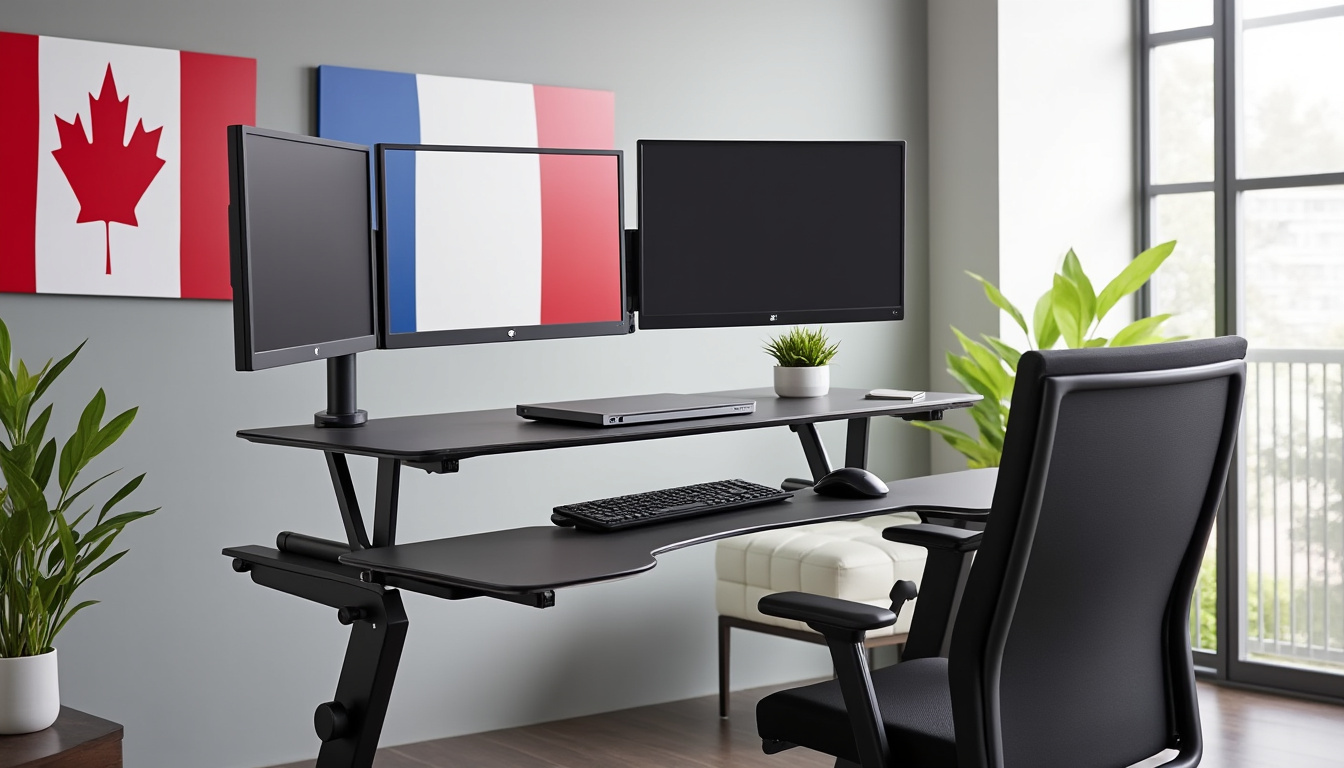
The foundation of healthy neck function begins at your workstation. Many office workers in La Prairie unknowingly exacerbate their neck pain by using poorly arranged desks and equipment that force unfavorable postural habits. To counter this, it is crucial to tailor your workspace so that it encourages natural spine alignment and minimizes strain.
Dr. Sylvain Desforges advocates for a systematic approach to evaluating workstation ergonomics, emphasizing accessibility and comfort alongside medical principles. A few vital adjustments recommended include:
- Monitor Position: The top of your screen should sit at eye level, approximately 20 to 30 inches away. This prevents neck flexion or extension caused by looking up or down excessively, a frequent trigger for neck muscle fatigue.
- Chair Configuration: Using an ergonomic chair with lumbar support helps maintain the natural curve of the lower spine. Adjust the height so your feet are flat on the floor, knees bent at 90 degrees aligned with your hips.
- Keyboard and Mouse Arrangement: Position input devices close enough to rest elbows at around 90 degrees, avoiding forward reaching which increases shoulder and upper back tension.
- Desk Height: Your desk should facilitate a neutral shoulder alignment while typing. A customized fit diminishes compensatory postures that burden the neck.
Beyond hardware adjustments, Dr. Desforges underscores the importance of habitually breaking static postures. He recommends dedicated intervals every 30 to 60 minutes for brief movement or stretching to counteract the muscular stiffness associated with prolonged sitting.
This detailed evaluation and tailored setup not only help alleviate current neck pain symptoms but significantly reduce the risk of developing chronic issues related to office work. A workspace that respects biomechanical principles fosters better workplace health and ongoing spine protection.

Blainville Sciatica Relief After Failed Injections
Sciatica pain is a debilitating condition affecting thousands of individuals in Blainville and beyond, often characterized by sharp nerve pain radiating from the lower back down through the legs. While many patients initially turn to spinal injections, such as epidural…
Maintaining Proper Posture Throughout the Workday: An Expert Guide
Neck pain prevention is not solely about physical workspace; it hinges heavily on how individuals carry themselves during their workday. Maintaining proper posture is critical for reducing undue stress on cervical structures and surrounding musculature.
According to Dr. Desforges, good posture aligns key joints to optimize biomechanical efficiency, thus preventing muscular imbalances and fatigue:
- Standing Posture: Ears should be directly over the shoulders, shoulders above hips, hips aligned over knees. This alignment preserves the spine’s natural curves, reducing compression on vertebrae and intervertebral discs.
- Sitting Posture: Feet planted flat on the floor with knees at right angles, hips resting fully back against the chair’s lumbar support. The shoulders and neck should be relaxed, avoiding forward head posture often worsened by screen positioning.
Common modern pitfalls such as “tech neck” arise when the head juts forward while focusing on digital devices. This posture dramatically increases load on neck muscles and intervertebral discs, potentially leading to herniation or chronic pain over time.
Dr. Desforges encourages routine self-checks during the day to monitor your own posture and make timely corrections. Visual cues, posture apps, or even gentle reminders from colleagues can help maintain awareness. Persistent awareness paired with corrective action forms the cornerstone of sustainable neck health in office environments.
Specific educative resources like neck pain prevention information tailored for La Prairie patients further support individuals in grasping these foundational concepts.

Repentigny Lumbar Disc Bulge Recovery Without Medication
Lower back pain caused by a lumbar disc bulge impacts countless individuals, especially in regions like Repentigny where long workdays and sedentary habits are common. People facing this challenge often ask if they can recover effectively without the use of…
Stretching Exercises Tailored for Office Workers to Combat Neck Pain
Incorporating regular stretching exercises into the daily routine is a proven strategy to relieve tension and preserve neck mobility, essential for office workers exposed to repetitive positions and static postures. Dr. Sylvain Desforges recommends specific stretches that can be performed easily at the desk or in brief breaks without special equipment.
Here are some validated exercises to integrate into your workday:
- Neck Tilts: Slowly tilt your head toward one shoulder until you feel a gentle stretch along the opposite side. Hold for 20 seconds and switch sides. Repeat 3-5 times.
- Neck Rotations: Turn your head gently to look over one shoulder, pause for 20 seconds, then the other side. Repeat 3-5 times.
- Chin Tucks: Retract the chin as if making a double chin without tilting the head downward. Hold for 5 seconds and repeat 10 times. This activates deep cervical stabilizers.
- Shoulder Rolls: Roll your shoulders forward and backward slowly to ease tension in the upper trapezius muscles.
Precision and moderation are key. Overstretching or performing the exercises with poor form can aggravate symptoms, highlighting the value of personalized guidance as offered at TAGMED Clinics under Dr. Desforges’ supervision.
These exercises enhance circulation, relax tight musculature, and improve overall neck function, making them essential components in a holistic prevention strategy suitable for the La Prairie office workforce. For further details and variations of these stretches, visit resources on neck stretches and exercises for office workers.


Laval Neck Herniation Recovery After Failed Surgery
In Laval, the challenge of recovering from neck herniation after a failed spinal surgery has led many patients and healthcare practitioners to explore innovative and conservative treatment pathways. Neck herniation—a condition where spinal discs in the cervical region bulge or…
Strengthening Key Muscles to Support Neck and Spine Health
While stretching focuses on flexibility and relieving tension, strengthening exercises provide the necessary muscular support to maintain proper posture and reduce strain on cervical and thoracic spinal regions. Dr. Sylvain Desforges integrates tailored strength-building regimes in rehabilitation programs, recognizing that each patient’s needs differ based on spinal health and lifestyle.
Muscle groups vital for neck stability include:
- Deep Cervical Flexors: These muscles stabilize the neck and counteract forward head posture.
- Upper Back Muscles: Rhomboids and trapezius fibers maintain scapular positioning, essential for neck alignment.
- Core Muscles: The abdominals and lumbar stabilizers support the lower spine, indirectly influencing cervical posture.
- Gluteal Muscles: Strong glutes assist in pelvic alignment which cascades up to spinal posture.
Suggested exercises that can be adapted for office workers include:
| Exercise | Target Muscle Group | Benefit for Neck Health |
|---|---|---|
| Planks | Core muscles | Stabilizes spine and reduces compensatory neck strain |
| Bird Dog | Lumbo-pelvic region | Enhances lumbar control and posture balance |
| Rows / Reverse Flies | Upper back muscles | Improves scapular retraction and neck alignment |
| Glute Bridges | Gluteal muscles | Supports pelvic stability that promotes upright posture |
Dr. Desforges advises cautious progression with these exercises and recommends professional evaluation to personalize the routine, especially for patients with underlying spinal conditions or other contributing factors such as arthritis.

Montreal Chronic Sciatica Solutions That Work
Living with chronic sciatica in Montreal poses daily challenges, from managing persistent nerve pain to finding effective treatment that fits within the rhythm of busy city life. Sciatica, which stems from nerve irritation or compression in the lumbar spine, manifests…
The Role of Spine Hygiene and Safe Movement in Daily Office Life
Good spine hygiene — a set of principles guiding how to move safely and protect the back and neck — is crucial in minimizing cumulative spinal stress throughout the workday. Dr. Desforges emphasizes these techniques as part of comprehensive neck care protocols at his clinics in Montréal and Terrebonne, making them accessible to La Prairie workers.
Key spine hygiene practices include:
- Correct Lifting: Always hinge at the hips and knees rather than bending at the waist to avoid excessive lumbar strain that impacts cervical posture.
- Balanced Load Carriage: Distribute weight evenly on both sides to prevent asymmetric pressure on spinal structures.
- Mindful Transitions: When rising from seated positions or getting out of bed, use the log-roll technique or side-rolling to minimize spinal strain.
- Minimizing Head-Forward Posture: Use ergonomic devices, phone headsets, and raise screens to discourage chronic forward head postures.
Dr. Desforges also highlights the importance of quality sleep in maintaining spinal health. Avoiding stomach sleeping, which forces cervical rotation throughout the night, can prevent prolonged nerve irritation and muscle tension. Instead, side sleeping with a pillow between the knees or back sleeping with pillows stabilizing spinal curves are ideal.
Adopting such habits requires awareness and sometimes behavioral reframing, but the long-term benefits for neck pain prevention are profound. For an in-depth look at spine hygiene, readers may find additional insights at this resource dedicated to neck pain prevention.

Mirabel Sciatica Relief for Chronic Disc Conditions
In Mirabel, a vibrant community expanding rapidly within Quebec, the struggle with chronic back pain and debilitating sciatica has increasingly drawn attention to innovative and non-invasive treatment methods. Patients enduring persistent nerve pain caused by disc conditions such as herniated…
The Impact of Nutrition and Hydration on Spinal Health
Often overlooked in neck pain prevention, proper nutrition and hydration play vital roles in maintaining spinal disc health and muscular flexibility. The intervertebral discs rely heavily on water content for cushioning and shock absorption.
Dehydration can lead to disc compression and stiffness, placing additional burdens on neck structures. Dr. Sylvain Desforges emphasizes regular intake of water throughout the day to maintain optimal tissue hydration.
In addition, an anti-inflammatory diet rich in fruits, vegetables, lean proteins, omega-3 fatty acids, and minerals like calcium, magnesium, and vitamin D supports bone density and reduces chronic inflammation, a contributor to pain and tissue degradation.
Office workers managing neck discomfort should consider nutritional adjustments as part of their holistic care approach. Small changes in diet not only support spinal structures but contribute to overall well-being and energy levels, indirectly promoting better engagement in physical activities essential for neck health.

Vaudreuil-Dorion Chronic Back Pain Managed with TAGMED Protocol
Chronic back pain remains a significant health challenge for many individuals in Vaudreuil-Dorion, profoundly impacting daily life, mobility, and overall well-being. Traditional treatment methods often provide only temporary relief rather than addressing the underlying causes, leaving patients frustrated and searching…
Stress and Its Influence on Neck Pain: Strategies for Office Workers
Stress is a significant but often underestimated contributor to neck pain in office settings. Chronic psychological stress triggers muscle tightening, particularly in the neck and shoulder area, worsening discomfort and complicating recovery.
Dr. Desforges highlights how managing stress is integral to treating and preventing neck pain. Techniques such as mindfulness meditation, deep breathing exercises, and light physical activities like yoga or walking can alleviate muscular tension and improve pain tolerance.
Furthermore, stress disrupts sleep and reduces motivation for maintaining healthy postural and exercise habits, creating a cycle that perpetuates neck dysfunction. Interrupting this cycle through behavioral strategies, counseling if needed, and proactive relaxation techniques is critical for lasting relief.
Among office workers in La Prairie, incorporating stress management routines tailored to individual lifestyles enhances the effectiveness of ergonomic and physical interventions, ensuring a comprehensive approach to neck pain prevention and workplace health.

Saint-Eustache Neck Herniation Care Without Medication
Neck pain caused by herniated cervical discs affects countless individuals in Saint-Eustache, profoundly impacting their daily lives. Many sufferers face persistent discomfort, limited mobility, and often fear invasive treatments involving medication or surgery. Fortunately, advances in non-medication care have opened…
International Coordination and Expert Evaluation for Persistent Neck Issues
For cases where neck pain persists or worsens despite preventive measures, comprehensive evaluation is necessary. Here, Dr. Sylvain Desforges leverages his unique position with over 30 years of clinical expertise and leadership in organizations such as the Canadian College of Osteopaths and ACMA to offer thorough evaluations and guidance.
With a commitment to scientific rigor and ethical practice adhering to Quebec and Canadian medical regulations, Dr. Desforges conducts non-diagnostic evaluations to assess spinal function and identify potential treatment pathways tailored to each patient’s unique presentation. This includes access to cutting-edge interventions such as neurovertebral decompression therapy, laser applications, and dynamic spinal implants, which may not be readily available elsewhere in Canada.
Moreover, Dr. Desforges actively collaborates with international partners, including top spine surgeons and healthcare clinics in France, facilitating seamless patient journeys for those requiring specialized surgical care or advanced diagnostics unavailable locally. This transatlantic coordination enhances treatment timelines, outcome quality, and personalized care experiences.
Those interested in expert consultation or personalized advice are encouraged to initiate contact through platforms such as SOS Tourisme Médical, where Dr. Desforges provides accessible support to those navigating complex spine health decisions.

What are the early signs of neck pain related to office work?
Early signs often include stiffness, mild soreness after prolonged sitting, headaches, and difficulty looking over the shoulder. Recognizing these symptoms early allows for timely intervention and prevention of chronic conditions.
How often should office workers take breaks to prevent neck pain?
It is recommended to take short breaks every 30 to 60 minutes to stretch and move. Incorporating the 20-20-20 rule, looking away from screens every 20 minutes, also helps reduce strain related to screen use.
Can ergonomic chairs eliminate neck pain completely?
While ergonomic chairs significantly reduce strain by promoting good posture, they are part of a broader prevention strategy including exercises, posture awareness, and workstation adjustments. No single tool can guarantee complete elimination of neck pain.
Is exercise important if I already have neck pain?
Yes, appropriately chosen exercises can alleviate neck pain by improving strength, flexibility, and posture. However, exercises should be guided by professionals, especially for individuals with existing spinal conditions.
When should I seek professional evaluation for neck pain?
If neck pain persists beyond a few weeks, worsens, or is accompanied by neurological symptoms such as numbness or weakness, consulting an expert like Dr. Sylvain Desforges for comprehensive evaluation is advisable.

Pointe-Claire Lumbar Disc Pain Resolved Without Surgery
In the serene community of Pointe-Claire, many individuals suffering from debilitating lumbar disc pain have found renewed hope and relief without undergoing invasive surgical procedures. The emergence of advanced, non-surgical treatments tailored to spinal health has transformed how practitioners address…