Disc Prosthesis in Lévis: Innovation and Lasting Results
May 15, 2026
Neck Surgery in Montreal: Reduce Loss of Mobility After Intervention
May 15, 2026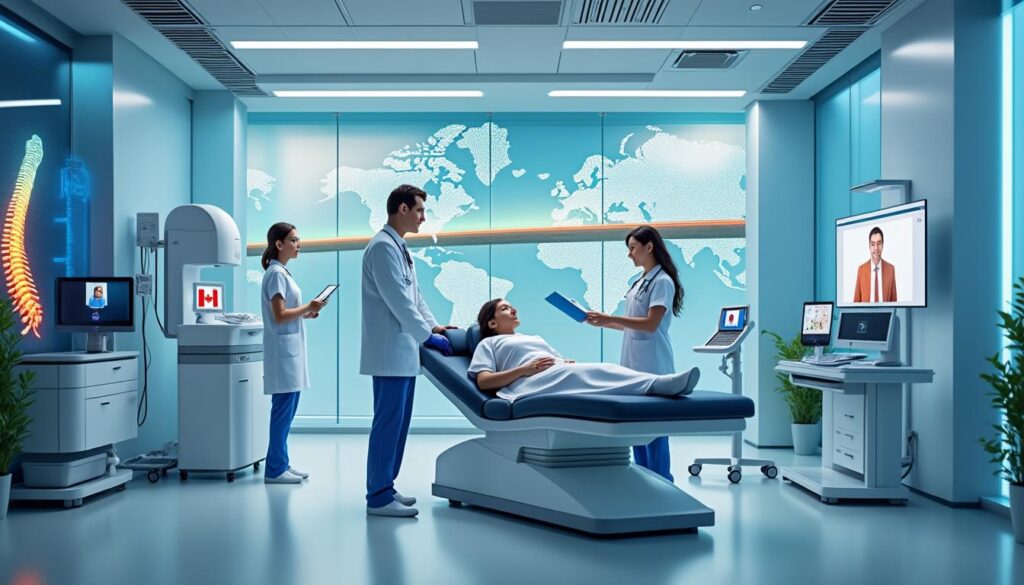
Sciatica and herniated disc issues are prevalent challenges in Laval, impacting thousands who seek effective pain relief and spinal health restoration. Over the years, non-surgical options for sciatica recovery have evolved remarkably, focusing on personalized care and innovative technologies that minimize invasiveness while maximizing patient outcomes. At the forefront of this evolution stands Dr. Sylvain Desforges, an expert whose extensive three-decade experience shines through his patient-centered methodology and dedication to advanced spinal decompression therapies. His approach, blending scientific rigor with compassionate care, sets a high standard within Quebec and beyond.
Patients dealing with nerve pain caused by herniated discs near the common L5 S1 vertebral site are increasingly discovering the benefits of tailored treatment plans that incorporate chiropractic care, physical therapy, and state-of-the-art spinal decompression. Dr. Desforges and his multidisciplinary team employ these modalities, ensuring each patient’s recovery path is optimized for lasting relief and mobility improvement. More than just treatment, education about the condition and recovery process forms a core part of their strategy, demystifying complex concepts and empowering individuals to actively participate in their own healing journey.
Laval Sciatica: Comprehensive Non-Surgical Diagnostic Approaches
Understanding severe lower back and leg pain starts with accurate diagnosis. In Laval, sciatica symptoms often arise from compression of the sciatic nerve root by a herniated disc, most commonly at the L5 S1 spinal segment. This area experiences significant biomechanical load, making it a frequent source of nerve pain and mobility issues.
Dr. Sylvain Desforges emphasizes his commitment to comprehensive clinical evaluations combining in-depth physical examinations and targeted imaging, primarily through MRI scans. This integrated approach ensures that the severity of disc herniation and nerve involvement is precisely identified, avoiding broad-brush or premature interventions.
For example, differentiating true sciatica from conditions like piriformis syndrome or spinal stenosis is critical. Misdiagnosis can lead to inappropriate treatments that delay recovery and exacerbate symptoms. By employing detailed neurological assessments alongside patients’ medical histories and advanced diagnostic tools, SaDesforges’ methodology ensures treatment plans are customized to the individual’s unique condition.
Furthermore, patient education at this stage is vital. Informing patients about the nature of herniated discs and expected recovery timelines fosters realistic expectations and collaborative treatment adherence. Facilities in Laval, aligned with this philosophy, provide transparent consultations that discuss non-surgical recovery avenues such as guided physical therapy, pain management strategies, and the innovative spinal decompression techniques that have transformed sciatica care.
Brossard Neck Herniation Recovery Without Invasive Procedures
In the vibrant community of Brossard, many individuals grapple with neck herniation, a condition that challenges mobility and daily comfort. As medical advancements accelerate, a growing number of patients are turning toward non-invasive recovery options that prioritize natural healing over…
Advanced Spinal Decompression Therapy: Mechanism and Benefits in Laval
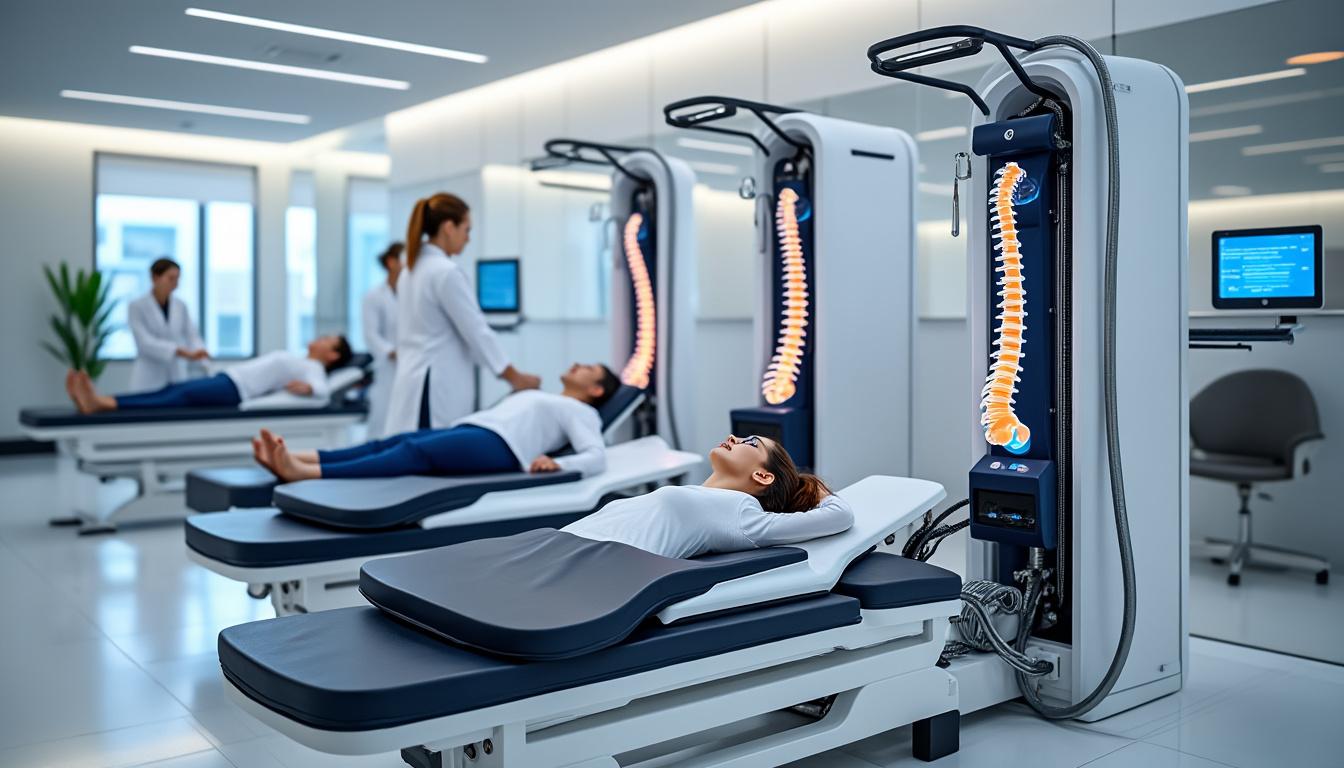
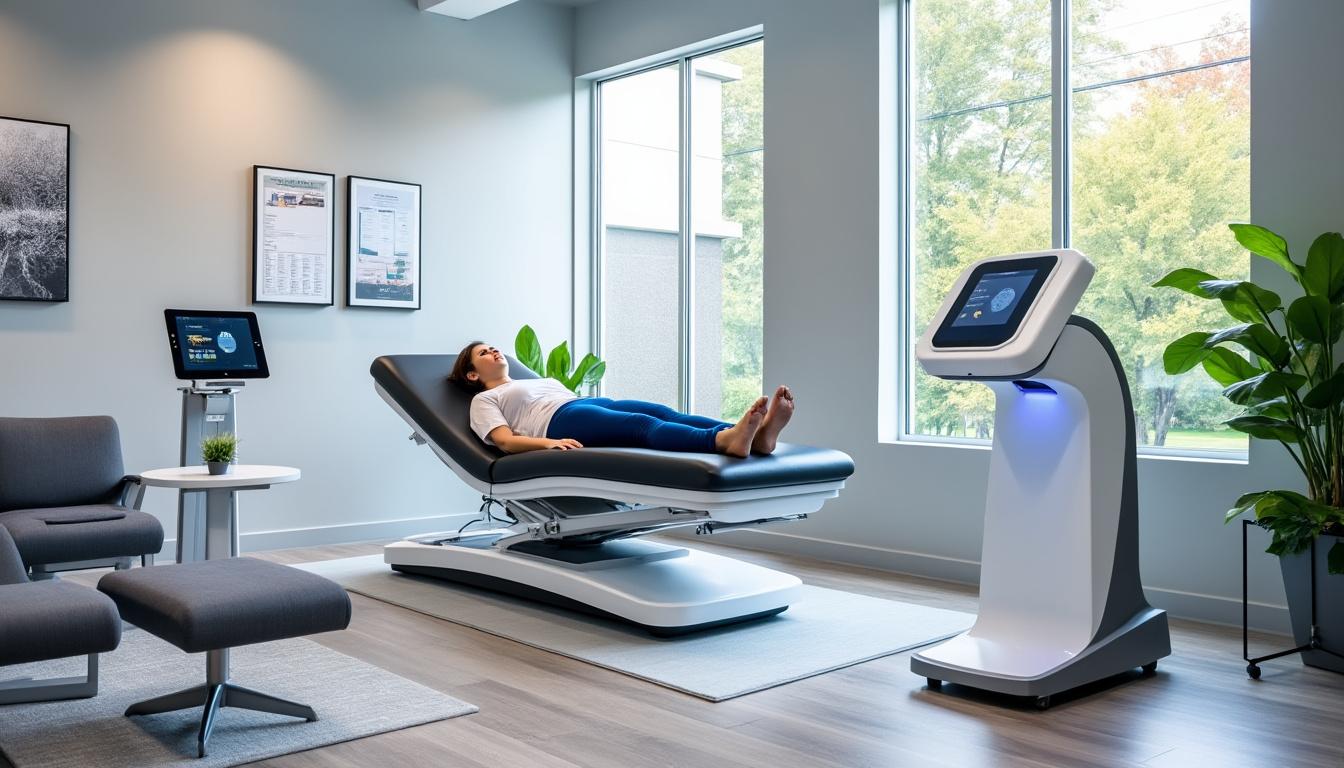
Spinal decompression therapy represents a pivotal advancement in the non-invasive management of spinal disorders. Unlike traditional traction, this method utilizes sophisticated mechanical tables that gently stretch the spine in precise, controlled cycles targeting specific damaged discs.
In Laval, Dr. Desforges employs spinal decompression devices to alleviate pressure on the L5 S1 herniated disc, facilitating the retraction of protruded material and reducing inflammation around nerve roots. This negative pressure environment encourages the natural healing of the disc, promoting nutrient absorption and hydration critical for tissue recovery.
Sessions generally last between 20 to 30 minutes and are integrated into a comprehensive program including posture correction, core strengthening, and adjunct therapies such as low-level laser treatments, which accelerate cell regeneration and inflammation reduction.
The benefits of spinal decompression therapy include:
- Non-surgical relief of nerve compression with minimal discomfort;
- Improved disc health through enhanced hydration and nutrient flow;
- Reduction of inflammation surrounding affected nerve roots;
- Restoration of spinal mobility and reduction of pain;
- Decreased reliance on pain medications, promoting safer recovery.
More information on the efficacy and application of this therapy can be explored at Spinal Decompression – Back Clinics of Canada.
Longueuil Chronic Back Pain Relief That Works
Chronic back pain remains a silent yet powerful force that disrupts the lives of millions, reshaping daily routines and aspirations. In Longueuil, a city bustling with diverse communities from seniors enjoying their golden years to active professionals balancing work and…
Integrating Chiropractic Care and Physical Therapy into Sciatica Recovery
Chiropractic care and physical therapy form the backbone of conservative management for sciatica and herniated discs in Laval. Dr. Desforges’ multidisciplinary team prioritizes these therapies to enhance spinal function, reduce nerve irritation, and support tissue healing.
Chiropractic adjustments focus on restoring spinal alignment and relieving mechanical stress on affected segments, particularly at the L5 S1 level. This intervention, combined with tailored physical therapy programs, cultivates muscle balance, flexibility, and endurance.
Physical therapy commonly includes guided stretching techniques, strength training targeting core and paraspinal muscles, and postural retraining. These exercises optimize spinal biomechanics and reduce the risk of recurrent disc injury.
Key aspects of rehabilitation include:
- Posture assessment and correction to minimize disc pressure;
- Core strengthening exercises such as planks, bridges, and pelvic tilts to stabilize the lumbar spine;
- Education on ergonomics for workplace and daily activity modifications;
- Pain management techniques such as cryotherapy and heat therapy;
- Progressive mobility exercises to regain functional capacity without exacerbating symptoms.
Chiropractic and physical therapy efforts are complemented by patient education, ensuring that individuals understand the rationale behind exercises and lifestyle changes, crucial for sustained spinal health. The integrative approach recommended by Dr. Desforges can be further examined at Sciatica Treatment in Laval.
Terrebonne Lumbar Disc Care After Sports Injury
In the dynamic world of sports, injuries affecting the lumbar spine are a common yet serious concern for athletes and active individuals in Terrebonne. Among these, lumbar disc injuries—especially herniated discs—pose significant challenges to recovery and ongoing spinal health. Careful…
Role of Posture Correction and Ergonomics in Supporting Herniated Disc Recovery
One of the often-underestimated components of restoring spinal health in sciatica recovery is posture correction. Many cases of herniated disc discomfort involve prolonged mechanical stress caused by poor ergonomic habits, whether at work or in daily life.
Dr. Sylvain Desforges emphasizes identifying harmful postural patterns that contribute to uneven spinal loading, particularly affecting the L5 S1 disc level. In clinics across Laval, personalized ergonomic evaluations are performed to adapt seating, workstation layouts, and movement techniques.
Examples include adjusting desk height to maintain neutral spine alignment, using lumbar support cushions to preserve natural lordosis during sitting, and employing ergonomic tools designed to reduce strain during repetitive tasks.
Patients are also trained in proper body mechanics for lifting, bending, and sitting, emphasizing the engagement of core muscles to protect the lumbar spine. Regular movement breaks and stretches during sedentary workdays are encouraged to alleviate cervico-lumbar pressure buildup.
The following table summarizes common ergonomic interventions and their impact on spinal health:
| Ergonomic Intervention | Objective | Expected Benefit |
|---|---|---|
| Adjustable Desk & Chair | Maintain neutral spinal position | Reduces lower back strain and nerve irritation |
| Lumbar Support Cushion | Support lumbar lordosis during prolonged sitting | Prevents disc compression and pain escalation |
| Postural Training | Promote spinal alignment in daily activities | Improves muscular support and reduces recurrence risk |
| Movement Breaks & Stretching | Reduce continuous mechanical load on discs | Enhances circulation and mobility |
Proper ergonomic guidance incorporated alongside therapy markedly accelerates recovery and helps maintain long-term spinal health, avoiding repeat episodes of sciatica or disc herniation.
Laval Chronic Disc Pain Prevention Strategies
Chronic disc pain remains a significant challenge for many individuals residing in Laval, impacting daily functioning and quality of life. With the prevalence of sedentary lifestyles, aging populations, and repetitive strain injuries, understanding prevention strategies tailored to this unique urban…
Innovative Technologies Enhancing Sciatica Recovery in Laval
In the modern landscape of spine care, innovation is pivotal. Under the leadership of Dr. Sylvain Desforges, Laval clinics integrate cutting-edge techniques such as laser therapy, dynamic spinal implants, and neurovertebral decompression systems as part of advanced recovery protocols.
Laser therapy, for instance, is a non-invasive adjunct that employs low-level lasers to stimulate cellular repair and modulate inflammation. This technology accelerates healing when combined with spinal decompression and physical therapy.
Dynamic spinal implants represent a new frontier, providing biomechanical support to stabilize lumbar segments without extensive surgery. Although not yet widely accessible in all Canadian facilities, these implants are part of an innovative repertoire available through Dr. Desforges’ international collaborations.
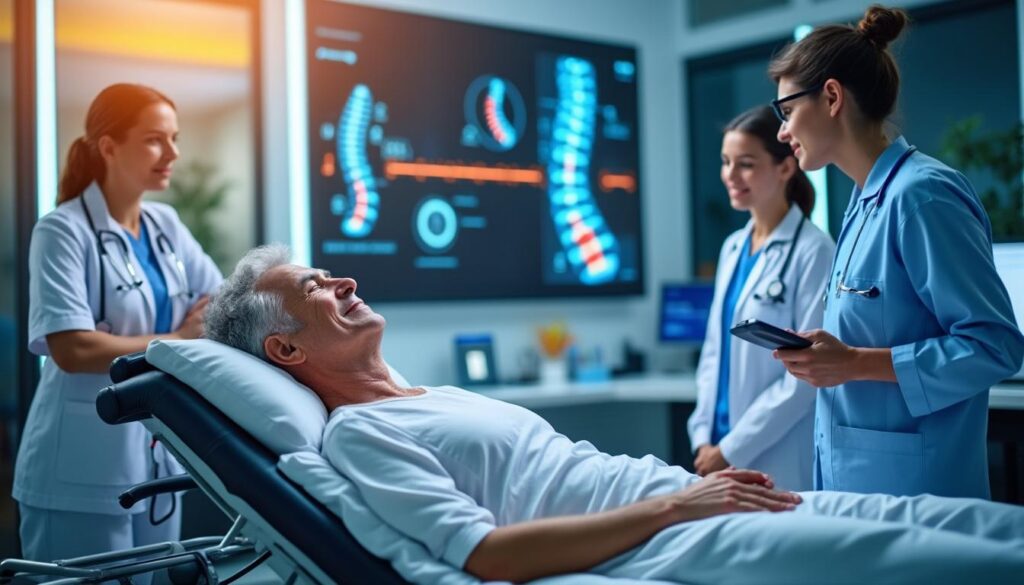
Moreover, advanced neurovertebral decompression devices adopted at TAGMED Clinics allow for precise, painless stretching cycles tailored to each patient’s anatomic and symptomatic profile. Such personalization enhances comfort and maximizes therapeutic outcomes.
These innovations, combined with strict adherence to Quebec’s healthcare regulations and ethical standards, ensure that patients receive the safest, most effective care possible. Details on these therapies can be found at Clinique Décompression de l’Avenir.
Montreal Neck Herniation Relief Without Hospitalization
In the bustling city of Montreal, where innovation meets compassionate healthcare, the landscape of neck herniation treatment is evolving rapidly. Patients experiencing neck herniation often grapple with chronic pain, mobility limitations, and concerns about invasive procedures. Fortunately, the advancement of…
Supporting the Patient Journey: International Coordination and Personalized Care
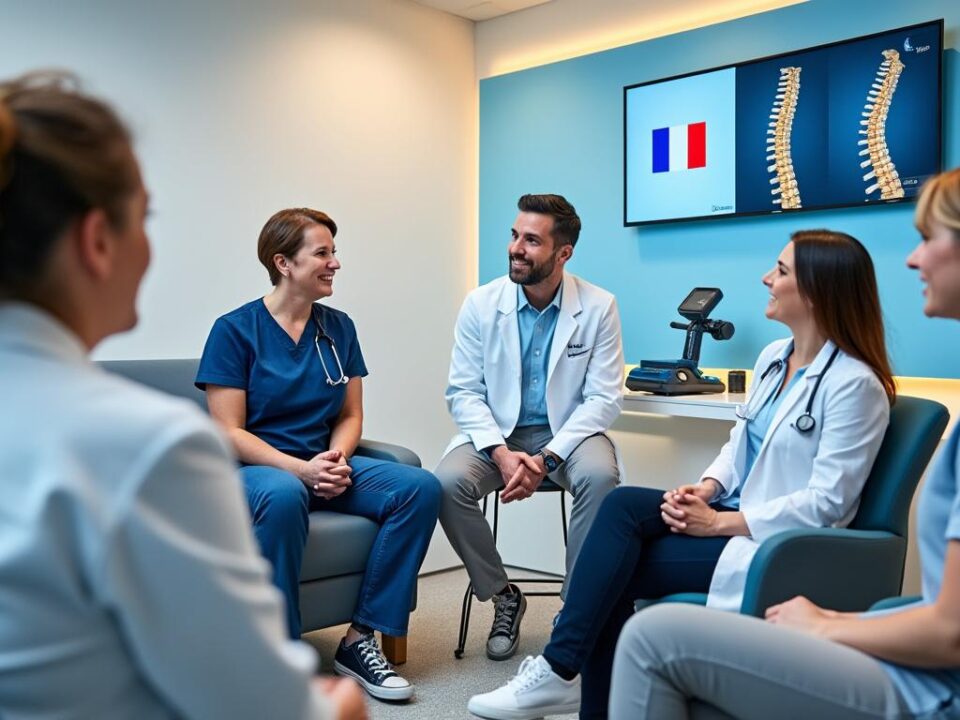
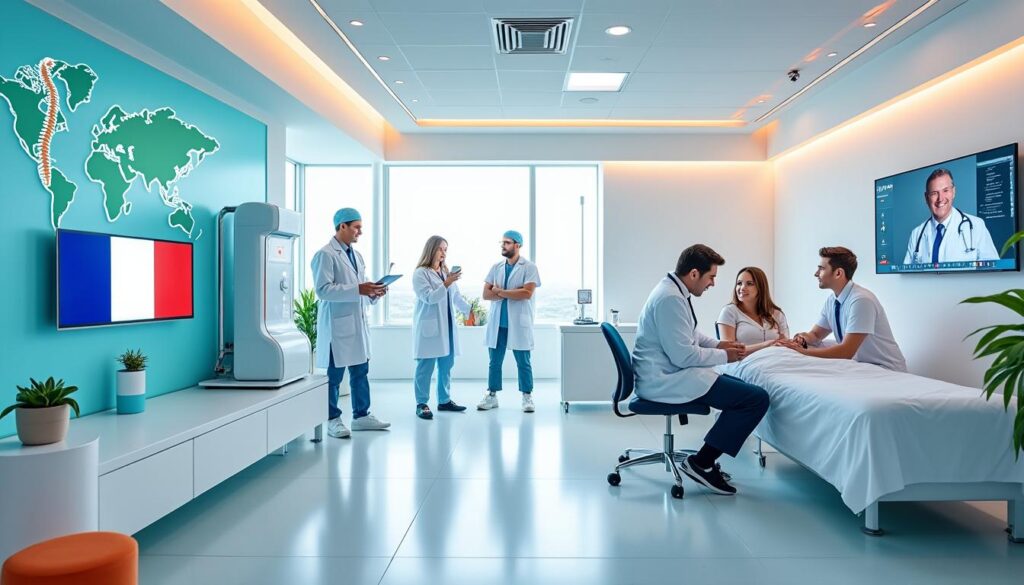
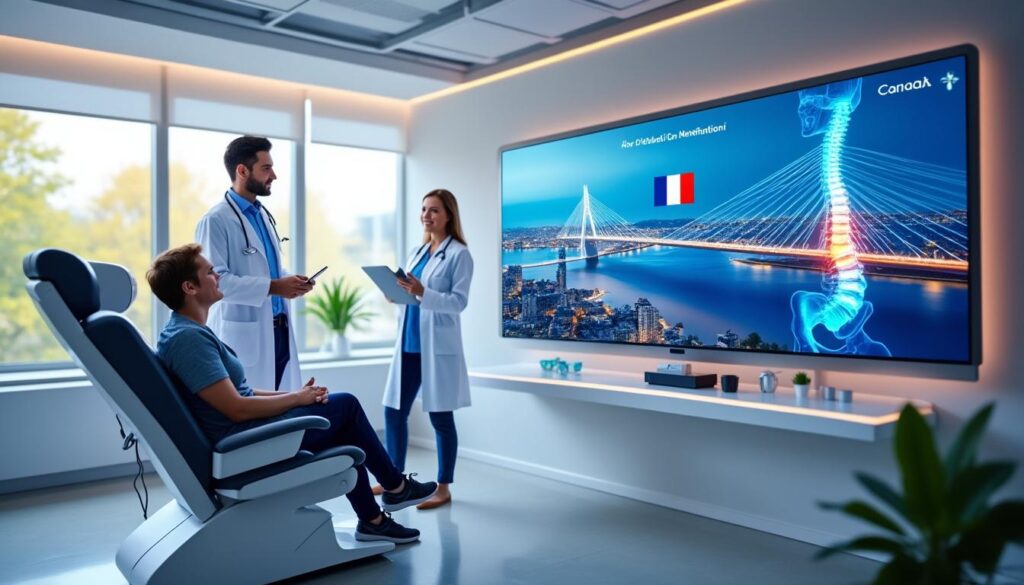
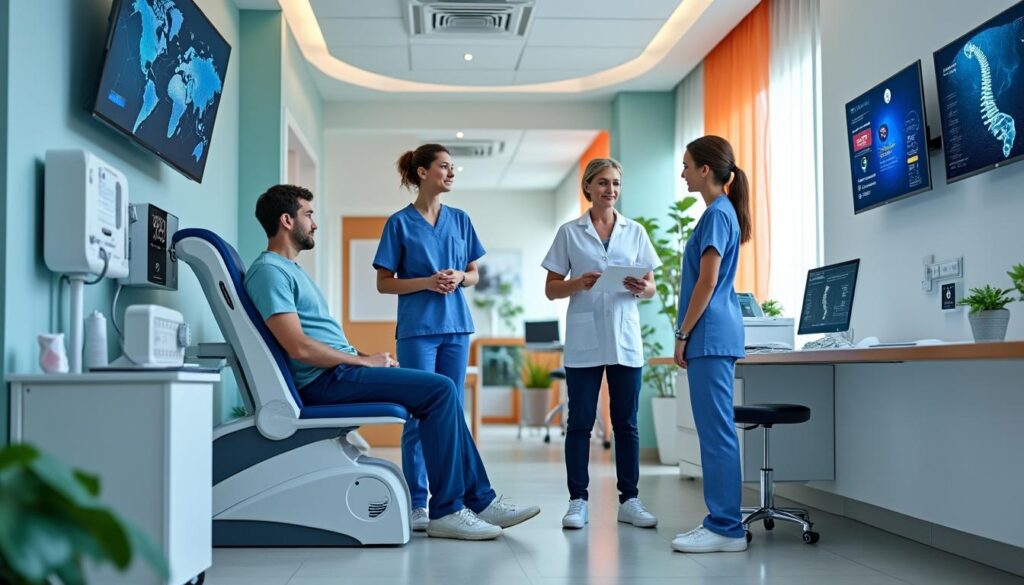
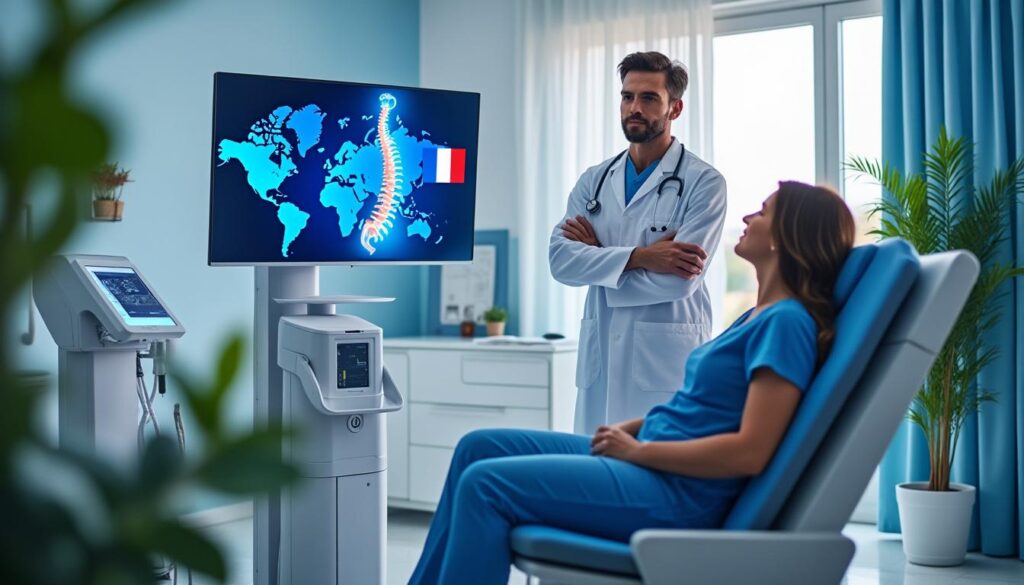
A distinctive aspect of Dr. Desforges’ expertise lies in managing complex patient journeys that often cross international borders. His role extends beyond clinical care at TAGMED Clinics to coordinating patient pathways between Canada and France, providing continuity and access to the latest treatment modalities on both continents.
This transatlantic partnership enhances treatment options, shortens wait times through medical tourism platforms like SOS Tourisme Médical, and ensures seamless follow-ups. Patients appreciate this integrated network, which couples local expertise with international innovation—a rare and valuable blend in spine care.
Such multidisciplinary collaboration involves spine surgeons, osteopaths, physical therapists, and pain specialists, all orchestrated to deliver tailored, patient-specific plans emphasizing non-surgical recovery where possible.
Comprehensive patient support includes pre-treatment education, logistics assistance, transparency regarding treatment benefits and possible limitations, and long-term wellness strategies. This model exemplifies modern, empathetic healthcare that respects the complexity of spinal disorders.
Candiac Sciatica Recovery After Failed Conservative Care
Sciatica represents one of the most debilitating manifestations of nerve pain, burdening countless individuals with chronic discomfort radiating from the lower back down through the legs. In Candiac, patients enduring persistent sciatica often embark on long journeys of conservative treatments,…
Case Example: Successful Sciatica Recovery in Laval Through Advanced Decompression
Consider the case of Maria, a 42-year-old office worker from Laval, who endured debilitating sciatica due to an L5 S1 herniated disc. After months of escalating pain that limited her mobility and disrupted work, she sought evaluation at Clinique TAGMED under Dr. Desforges’ supervision.
Following a thorough evaluation—including MRI imaging and neurological testing—a customized non-surgical plan was designed. This plan incorporated spinal decompression therapy twice weekly, chiropractic adjustments, physical therapy focused on posture correction and core strengthening, and adjunct laser sessions.
Within six weeks, Maria reported significant pain relief and gradual restoration of daily function. The multidisciplinary approach ensured her comfort and safety, while continuous patient education motivated adherence. After three months, she returned to full activity with improved spinal health and no recourse to surgery.
This example highlights the potential for non-surgical recovery through advanced decompression and integrated care, echoing the successes documented across multiple Laval clinics and underlining Dr. Desforges’ expertise in managing such cases.
La Prairie Lower Back Disc Injury Managed Without Surgery
Lower back injuries involving spinal discs represent a significant health challenge affecting individuals across a broad range of ages and lifestyles. Addressing these injuries without immediate recourse to surgery has become an increasingly preferred approach, driven by advances in non-invasive…
Optimizing Sciatica Recovery: Patient Actions and Long-Term Spinal Health
Successful recovery from sciatica and herniated discs hinges not only on clinical treatments but also on patient engagement in their own care. Encouragement from Dr. Desforges and his team extends to lifestyle modifications and preventive strategies that foster permanent benefits.
Key patient actions for optimizing recovery include:
- Consistently attending prescribed therapy sessions such as spinal decompression and physical therapy;
- Adhering to posture and ergonomic recommendations both at work and during leisure;
- Regularly performing core strengthening and stretching exercises guided by professionals;
- Maintaining healthy body weight to reduce mechanical stress on spinal discs;
- Seeking early evaluation for recurring or new symptoms to promptly address potential issues.
Following these guidelines enhances the likelihood of a smooth recovery and reduces the chances of re-injury or chronic nerve pain. Patients interested in initiating a personalized evaluation can connect with Dr. Desforges’ network for comprehensive advice and support tailored to individual needs.
{“@context”:”https://schema.org”,”@type”:”FAQPage”,”mainEntity”:[{“@type”:”Question”,”name”:”How long does it usually take to recover from an L5 S1 herniated disc without surgery?”,”acceptedAnswer”:{“@type”:”Answer”,”text”:”Recovery typically ranges from 4 to 6 weeks with dedicated non-surgical treatments, though severe cases might require longer. Patient compliance plays a critical role in achieving optimal results.”}},{“@type”:”Question”,”name”:”What are the primary benefits of spinal decompression therapy for sciatica?”,”acceptedAnswer”:{“@type”:”Answer”,”text”:”Spinal decompression alleviates nerve root pressure, supports disc rehydration, reduces inflammation, and improves mobility without the risks associated with surgery.”}},{“@type”:”Question”,”name”:”Is surgery always necessary for sciatica caused by a herniated disc?”,”acceptedAnswer”:{“@type”:”Answer”,”text”:”No. Many patients achieve meaningful relief through conservative therapies. Surgery is generally reserved for severe neurological impairment or uncontrolled pain after exhaustive non-surgical management.”}},{“@type”:”Question”,”name”:”How does core strengthening aid non-surgical sciatic recovery?”,”acceptedAnswer”:{“@type”:”Answer”,”text”:”Strengthening core muscles stabilizes the spine and reduces mechanical stress on discs, supporting proper posture and lowering the risk of further injury.”}},{“@type”:”Question”,”name”:”Can international collaboration improve patient outcomes in spinal care?”,”acceptedAnswer”:{“@type”:”Answer”,”text”:”Yes. Combining Canadian expertise with European innovations through coordinated care pathways enhances treatment options, shortens wait times, and elevates overall patient satisfaction.”}}]}How long does it usually take to recover from an L5 S1 herniated disc without surgery?
Recovery typically ranges from 4 to 6 weeks with dedicated non-surgical treatments, though severe cases might require longer. Patient compliance plays a critical role in achieving optimal results.
What are the primary benefits of spinal decompression therapy for sciatica?
Spinal decompression alleviates nerve root pressure, supports disc rehydration, reduces inflammation, and improves mobility without the risks associated with surgery.
Is surgery always necessary for sciatica caused by a herniated disc?
No. Many patients achieve meaningful relief through conservative therapies. Surgery is generally reserved for severe neurological impairment or uncontrolled pain after exhaustive non-surgical management.
How does core strengthening aid non-surgical sciatic recovery?
Strengthening core muscles stabilizes the spine and reduces mechanical stress on discs, supporting proper posture and lowering the risk of further injury.
Can international collaboration improve patient outcomes in spinal care?
Yes. Combining Canadian expertise with European innovations through coordinated care pathways enhances treatment options, shortens wait times, and elevates overall patient satisfaction.
Mirabel Chronic Neck Pain Solutions from TAGMED
Chronic neck pain represents a widespread and debilitating health challenge that affects countless individuals in Mirabel and surrounding regions. This persistent discomfort can significantly hinder daily activities, reduce quality of life, and impose emotional strain on sufferers. Fortunately, advances in…