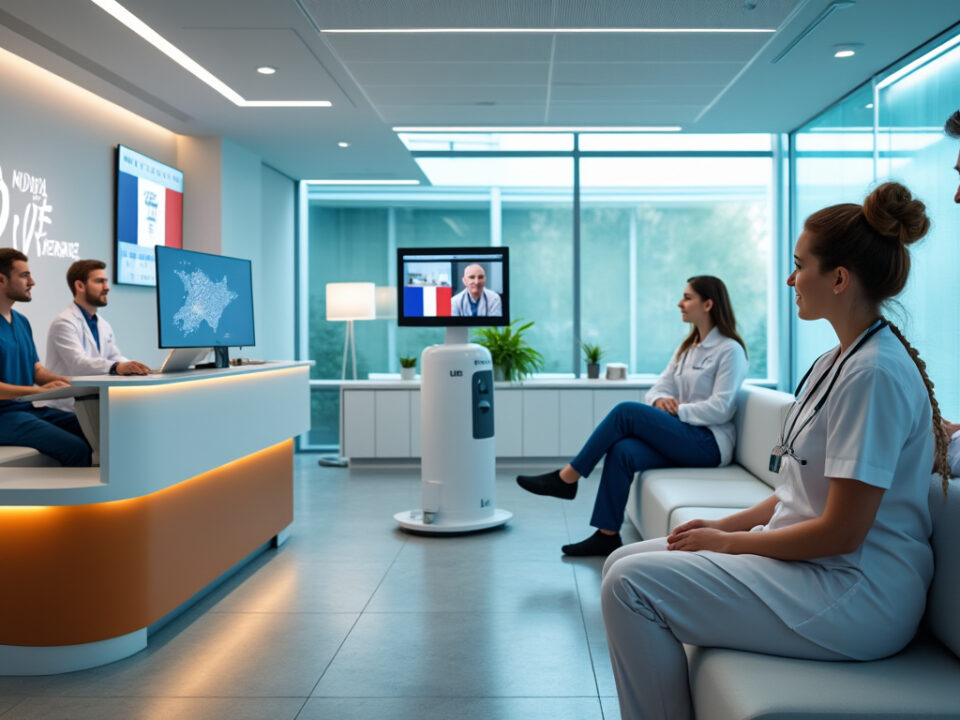
Laval Sciatica Recovery Through Advanced Decompression
May 15, 2026
Terrebonne Non-Surgical Care for Chronic Neck Herniation
May 15, 2026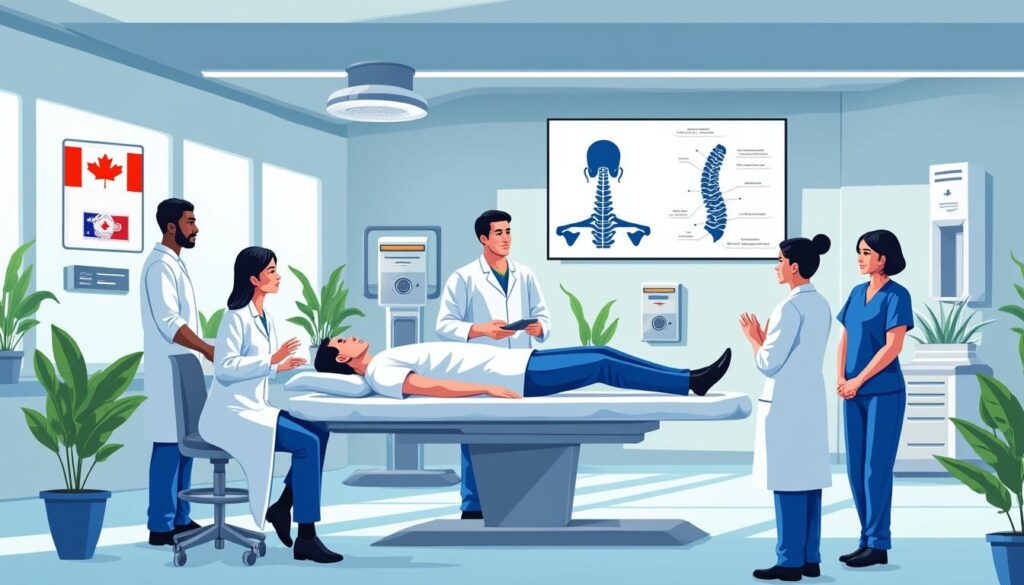
The landscape of neck surgery in Montreal has transformed significantly with advances aimed at preserving mobility and reducing postoperative complications. Patients often face anxiety regarding the potential loss of natural cervical motion following surgical interventions designed to alleviate chronic neck pain or structural disorders. This concern stems from past surgical approaches that prioritized stabilization through fusion, which often limited flexibility and quality of life. Today, innovative options such as motion-preserving implants, minimally invasive decompression techniques, and sophisticated rehabilitation protocols are reshaping patient expectations and outcomes.
Under the guidance of leading experts with over 30 years of experience, including Dr. Sylvain Desforges, who stands at the forefront of evaluating spine pathologies and pioneering evidence-based approaches, patients in Montreal gain access to cutting-edge technologies integrated within a comprehensive care continuum. This continuum includes preoperative assessments, personalized planning, advanced surgical procedures, and postoperative rehabilitation that emphasize not only pain relief but also the restoration and preservation of natural movement. Moreover, international coordination, especially between Canadian and French surgical centers, fosters optimized pathways that combine expertise, broaden treatment choices, and reduce waiting times.
As neck surgery evolves, it now transcends purely functional correction, embracing aesthetic measures and biological preservation. Techniques range from neck lifts addressing cosmetic concerns to neurovertebral decompression and dynamic implants that maintain segmental mobility. The strategic balance of innovation, rigorous patient evaluation, and multidisciplinary collaboration creates opportunities for improved surgical success and patient satisfaction while aligning with ethical principles and regulatory standards.
Exploring Types of Neck Surgery Available in Montreal: Focus on Mobility Improvement
Neck surgery encompasses a spectrum of procedures tailored to specific patient needs and pathology, each with distinct goals relating to mobility preservation and pain relief. The cervical spine’s complexity requires surgical solutions that maintain as much natural function as possible while addressing conditions such as herniated discs, nerve compression, degenerative disc disease, or structural instability.
The primary types of neck surgeries performed in Montreal include:
- Neck Lift (Rhytidectomy Cervicale): Primarily addressing cosmetic concerns, this procedure tightens loose skin and muscles to rejuvenate the neck’s appearance. While aesthetic in nature, this surgery can indirectly improve mobility by resolving muscular banding and discomfort related to sagging tissues.
- Neurovertebral Decompression: A minimally invasive technique that relieves nerve compression, alleviating symptoms such as pain, numbness, and weakness. It uses advanced mechanical traction devices to gently increase intervertebral space, promoting spinal nerve health without fusion.
- Cervical Fusion Surgery: Traditionally, fusion aimed to stabilize unstable vertebrae but often at the cost of reduced flexibility. Despite this trade-off, it remains indicated for patients with chronic, severe structural issues. Newer techniques and materials increasingly limit mobility loss.
- Dynamic Implants and Disc Replacements: These innovative devices allow for stabilization while preserving the range of motion, offering a middle ground between functional restoration and structural support.
- Submental Liposuction: While an aesthetic procedure targeting fat deposits beneath the chin, it contributes to a more defined neck contour, which can have functional benefits by reducing tissue bulk impeding movement.
The choice of surgery is guided by a thorough assessment led by experts like Dr. Desforges, who integrates clinical evaluation with state-of-the-art imaging and diagnostic tools. This individualization ensures patients receive interventions optimized for their pathology and lifestyle, focusing continually on movement preservation and neck pain relief. Emerging technologies and device innovations from global industry leaders such as Medtronic and Smith & Nephew are widely utilized in Montreal’s surgical suites to enhance mobility outcomes.
For patients seeking more detailed insights, resources like advanced neck surgery solutions offer comprehensive overviews of current surgical modalities focusing on mobility preservation.

IntraSPINE® in Sherbrooke: Durable Solution for Chronic Low Back Pain
The management of chronic low back pain, a widespread condition affecting millions across Quebec and beyond, has reached a pivotal moment thanks to innovative medical technologies and coordinated care pathways. At the heart of this evolution lies the IntraSPINE implant,…
Patient Journey Through Neck Surgery in Montreal: From Evaluation to Recovery
Embarking on neck surgery involves a meticulously organized pathway designed to maximize safety, efficacy, and functional results. The patient journey spans several phases, each critical to ensuring a well-coordinated process tailored to individual needs.
Initial Evaluation: Patients undergo a comprehensive medical and functional assessment with experts renowned for their osteopathic and spine knowledge, such as Dr. Sylvain Desforges. This session explores symptoms, history, and imaging to distinguish conservative from surgical candidates.
Conservative Treatment Protocol: Surgery is never the initial step. At least 3 to 6 months of intensive non-invasive treatments, including physical therapy, osteopathy, and especially neurovertebral decompression as offered at Clinique TAGMED, are recommended. Those who have not yet undergone decompression therapy are encouraged to complete this protocol to maximize pain relief and possibly avoid surgery.
Individualized Treatment Planning: Following comprehensive evaluations and trial conservative care, a personalized surgical plan is established when necessary. This plan considers the latest surgical technologies and patient lifestyle to preserve motion and reduce postoperative stiffness.
Preoperative Preparation: This phase involves medical clearances and patient education to ensure readiness for surgery and optimized recovery.
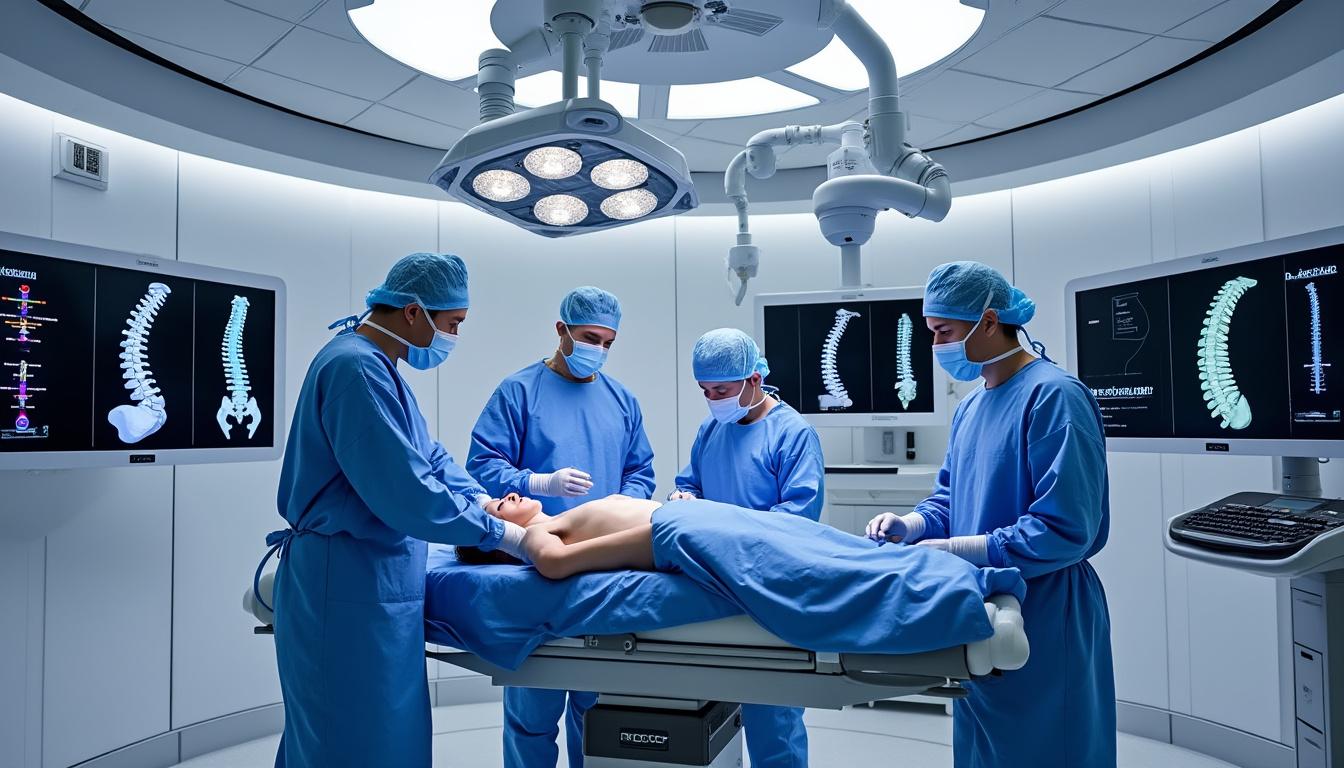
Surgical Intervention: Employing advanced devices and minimally invasive techniques, surgeries are performed with a premium on precision and mobility preservation.
Postoperative Care and Rehabilitation: Critical to recovery, this phase prioritizes progressive physical rehabilitation programs beginning 4-6 weeks after surgery while supporting functional reintegration. Montreal clinics emphasize monitored recovery with multidisciplinary teams that include osteopaths, physiotherapists, and medical specialists to ensure safe and effective patient recovery.
Follow-Up and Long-Term Monitoring: Sustained evaluations refine rehabilitation strategies, address challenges, and optimize long-term outcomes, ensuring patients regain maximum mobility and quality of life.
| Phase | Duration | Key Patient Support | Primary Objective |
|---|---|---|---|
| Initial Evaluation | 1–2 hours | Comprehensive diagnostics, patient education | Assess pathology and candidate suitability |
| Conservative Care Protocol | 3–6 months | Physical therapy, osteopathy, decompression | Symptom relief, mobility maintenance |
| Preoperative Preparation | 2–4 weeks | Medical clearance, patient counseling | Optimize surgical readiness |
| Surgical Intervention | 2–4 hours | Expert surgical team, advanced equipment | Correct pathology, preserve motion |
| Postoperative Rehabilitation | 4–6 months | Physiotherapy, multidisciplinary care | Restore function, prevent stiffness |
| Long-Term Follow-Up | Ongoing | Regular assessments and care adjustment | Ensure sustained recovery and mobility |

Spine Surgery in Trois-Rivières: Reduce Pain and Preserve Mobility
In recent years, spine surgery in Trois-Rivières has evolved notably, combining advanced medical expertise with innovative technologies to deliver patient-centered care. This growing field addresses the increasing demand among Quebec residents seeking effective solutions for chronic back pain and mobility…
Advantages of the Transatlantic Surgical Pathway: Montreal-France Collaboration
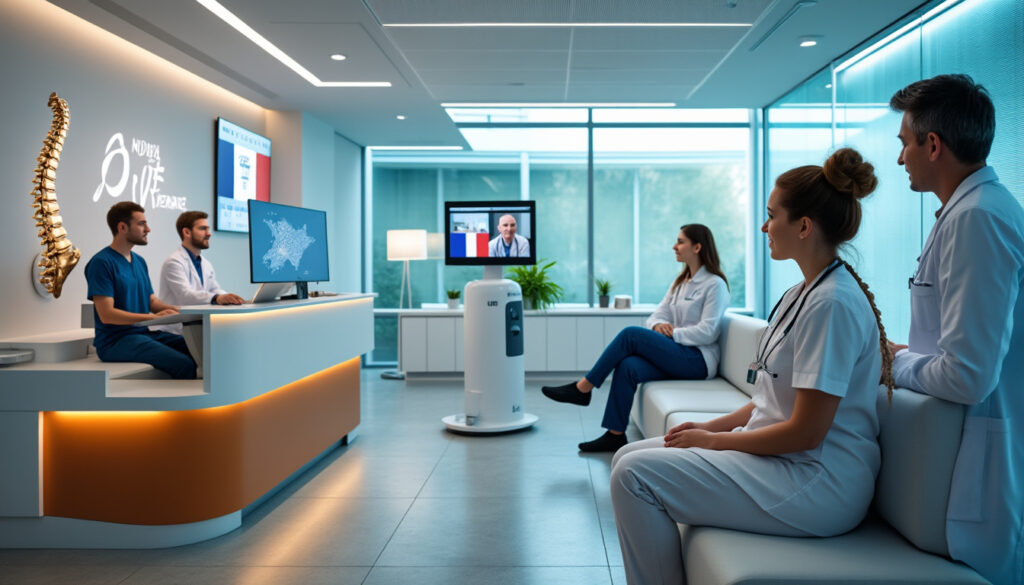
One unique strength of neck surgery offered through Montreal’s health ecosystem is its seamless integration with international partners, especially in France. This transatlantic collaboration orchestrates an optimized surgical journey emphasizing quality, speed, and personalized patient care.
Patients benefit from:
- Reduced Wait Times: The partnership allows patients to access surgery more rapidly than traditional Canadian waitlists.
- Broader Surgical Expertise: Surgeons and specialists from both sides of the Atlantic collaborate intensively, combining techniques and validation of outcomes.
- Access to Innovative Technologies: Patients gain entry to advanced implants and procedural approaches, some of which are not yet widely available in Canada.
- Coordinated Pre/Postoperative Management: Collaborative protocols ensure continuity of care, minimizing risks and promoting recovery.
- Cost-Effective Solutions: Combining resources and sharing infrastructure reduces overall costs without sacrificing quality.
Dr. Sylvain Desforges plays a pivotal role as a coordinator, ensuring patients’ pathways are smooth, personalized, and compliant with both Canadian and Quebec regulations. His experience as founder and president of major osteopathic and surgical associations fosters trust and innovation in this international network.
Patients interested in this innovative pathway can explore further through platforms such as advanced motion technology surgeries in Montreal which illustrate the benefits of such collaborations.

TOPS™ in Gatineau: High-Performance Option for the Lumbar Spine
The landscape of spinal surgery has witnessed profound evolution, particularly for patients grappling with lumbar spine disorders such as spinal stenosis and spondylolisthesis. These conditions, increasingly prevalent among Quebec’s population, impose substantial limitations on mobility and quality of life. The…
Biomechanical Benefits of Motion-Preserving Neck Surgery
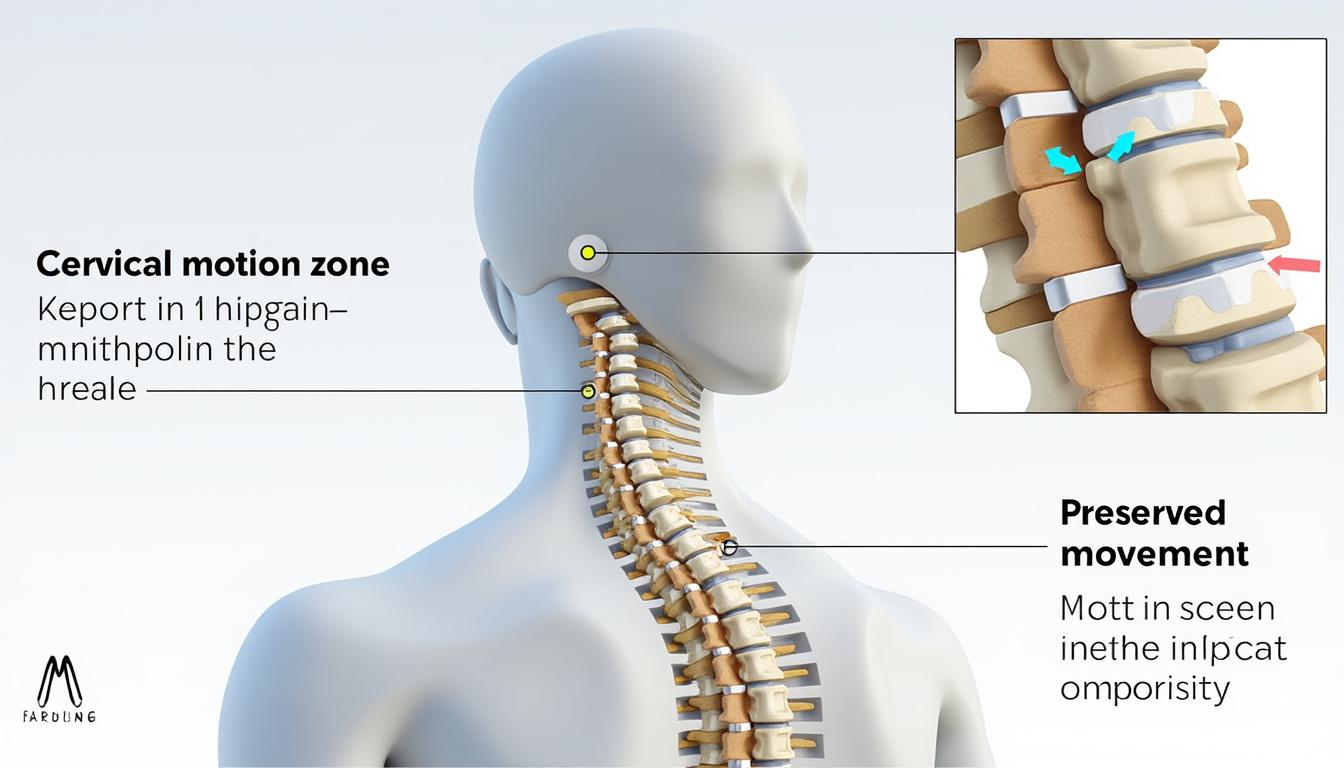
Preserving cervical spine mobility after surgery profoundly influences patient quality of life and functional outcomes. Unlike traditional fusion surgeries that restrict segmental movement, modern motion-preserving implants and decompression techniques maintain flexibility, reduce stress on adjacent segments, and support natural biomechanical function.
Key biomechanical advantages include:
- Maintenance of Natural Range of Motion: Dynamic implants allow controlled movement, improving daily activity performance.
- Reduction of Adjacent Segment Disease: Preserving motion decreases compensatory overloading and degeneration of neighboring spinal levels.
- Improved Posture and Load Distribution: Flexible stabilization supports healthier spinal kinetics and balance.
- Enhanced Neural Function: Decompression restores nerve root space without immobilization, facilitating symptom resolution.
Dr. Desforges’ expertise ensures that implant selection and surgical technique align with each patient’s functional and anatomical requirements. Implant sourcing emphasizes manufacturers with strong biomechanical research supporting improved outcomes. A consistent emphasis on movement preservation aids in achieving faster and more complete patient recovery.
Contemporary research supports these approaches, advocating individualized, evidence-based treatment to minimize postoperative stiffness and maximize spinal health continuity, as referenced in detailed studies found on leading scientific databases.

Cervical Disc Prosthesis in Quebec City: Avoid Post-Surgery Stiffness
Chronic neck pain remains a significant challenge for thousands of residents in Quebec City every year, often leading them to seek effective spinal surgery options that minimize downtime and maximize long-term mobility. Among the recent advancements revolutionizing cervical spine care,…
Importance of Postoperative Care and Physical Rehabilitation in Neck Surgery
Effective postoperative care is paramount to maintain the benefits of surgical intervention and promote full recovery. Rehabilitation programs in Montreal are thoughtfully designed to complement surgical efforts, targeting pain reduction, muscle strengthening, and mobility restoration.
Post-surgery rehabilitation typically commences within 4 to 6 weeks following surgery, based on patient condition and surgical complexity. Rehabilitation components include:
- Physiotherapy: Focused exercises to improve cervical spine strength, flexibility, and coordination.
- Osteopathic Support: Gentle manipulative therapies to encourage functional recovery and reduce discomfort.
- Patient Education: Guidance on posture, activity modifications, and ergonomics to avoid reinjury.
- Cognitive-Behavioral Interventions: Psychological support to manage pain perception and promote adherence to rehabilitation.
Additionally, continuous monitoring by a multidisciplinary team ensures timely adjustments to rehabilitation plans, optimizing patient-centered recovery. Montreal’s clinics, like Clinique TAGMED, leverage their experience to offer seamless integration of postoperative care with advanced conservative management and evaluation.
Structured rehabilitation has been demonstrated to aid significantly in motion preservation and pain management, reducing the risk of long-term disability. Patients benefit from restored functional capacity and improved quality of life due to this comprehensive approach.
Minimally Invasive Surgery in Longueuil: Reduce Hospital Stay Duration
In recent years, advances in spinal care have dramatically reshaped the treatment landscape for patients suffering from debilitating spinal conditions. Particularly in Longueuil, the emergence of minimally invasive surgery (MIS) techniques offers a transformative alternative to conventional open surgeries. These…
Ensuring Surgery is a Last Resort: The Essential Role of Conservative Treatments
Responsible and ethical care starts by exhausting conservative treatments before considering surgery. For chronic neck pain and spinal disorders, a period of 3 to 6 months of non-surgical management is essential. This includes physical therapy, osteopathic techniques, medication, and notably neurovertebral decompression offered at specialized centers such as Clinique TAGMED.
Patients who have not undergone decompression therapy are encouraged to explore this option as it offers meaningful pain relief and mobility restoration without surgical risks. This non-invasive therapy gently relieves nerve compression, promotes healing, and may prevent progression to surgical intervention.
The role of experts like Dr. Desforges is critical here, providing objective evaluations to identify patients suitable for conservative care or requiring surgical referral. This methodical approach protects patients from premature or unnecessary surgical risks while empowering them with knowledge and options.
Ultimately, surgery is positioned as an effective solution only when conservative protocols fail to yield satisfactory outcomes. This stance underscores Montreal’s commitment to patient safety, ethical practice, and evidence-based care.
IntraSPINE® in Laval: Modern Solution for Lumbar Stabilization
In the evolving landscape of orthopedic treatments, the city of Laval has become a hub for innovations addressing chronic lower back pain. Among the groundbreaking solutions gaining attention is the IntraSPINE device—a modern spinal implant designed to offer dynamic lumbar…
Distinctive Services and Technologies Offered by Montreal’s Leading Clinics
Montreal’s neck surgery centers, particularly those affiliated with Dr. Sylvain Desforges such as Clinique TAGMED, distinguish themselves by combining clinical excellence with technological innovation and ethical standards.
Unique features of their services include:
- Comprehensive Multidisciplinary Evaluations: Patients benefit from detailed osteopathic, neurological, and orthopedic assessments to tailor individualized care plans.
- Access to Advanced Implants: Utilization of dynamic cervical implants and laser-assisted therapies that preserve motion and minimize trauma.
- International Coordination: Close collaboration with top French surgical centers and facilitation by platforms like SOS Tourisme Médical enhances treatment options and continuity.
- Holistic Pre-and Postoperative Management: Integrated support teams ensure optimal recovery, employing evidence-based rehabilitation and patient education.
- Patient-Centered Ethical Care: Every protocol is fully compliant with Quebec and Canadian healthcare standards, emphasizing patient safety, informed consent, and transparent communication.
This approach ensures patients encounter not just advanced surgery but a complete healing journey, minimizing anxiety and maximizing confidence and outcomes.
For those seeking tailored advice or evaluation, contacting experts like Dr. Desforges provides clarity and personalized recommendations aligned with each case’s uniqueness.
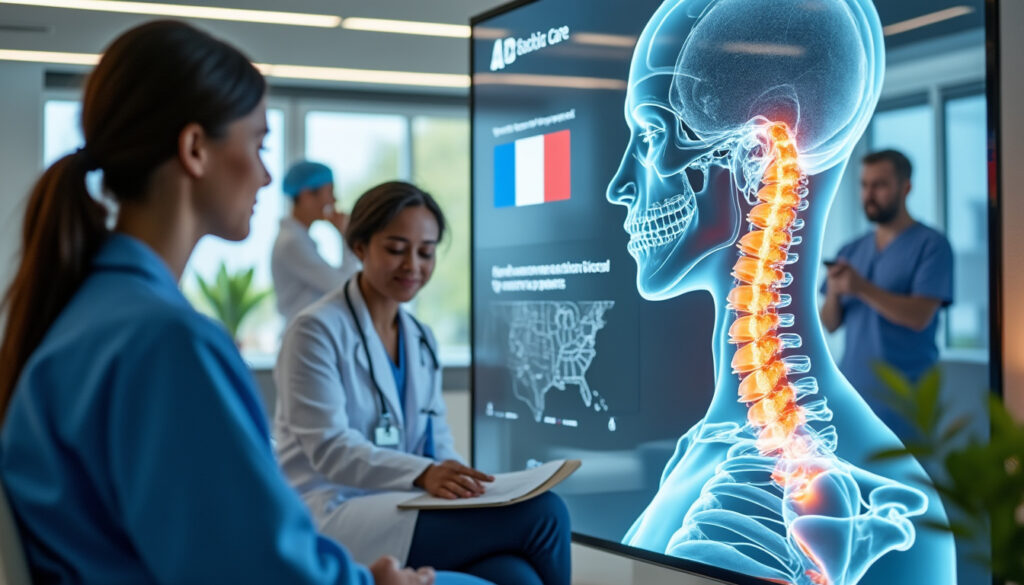
Neck Surgery in Montreal: Maintain Cervical Flexibility and Function
Neck conditions causing persistent pain or functional loss place a substantial burden on individuals and healthcare systems, especially in urban centers like Montreal. Surgical interventions targeting the cervical spine have evolved tremendously, aiming not only to relieve symptoms but to…
Clear, Accessible Patient Education to Support Informed Decisions
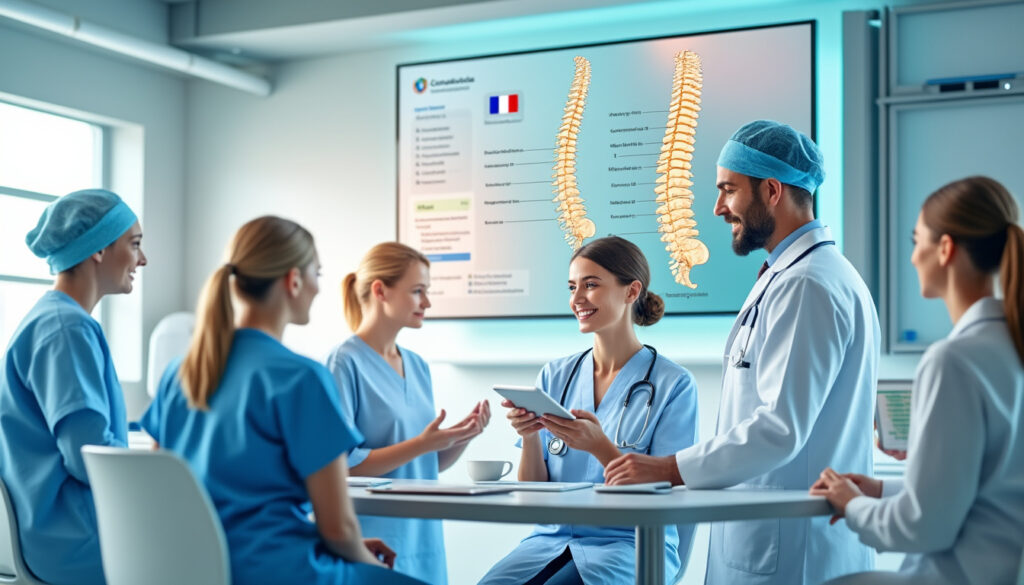
Understanding the complexity of neck surgery and spine disorders is crucial for patients and their families. Montreal’s leading care providers invest significant effort in delivering clear and jargon-free explanations about surgical options, expected benefits, limitations, and recovery trajectories.
This educational engagement enhances patient empowerment, alleviates fears, and fosters active participation in care decisions. Topics typically covered include:
- The differences between fusion and motion-preserving surgeries.
- Potential postoperative outcomes regarding mobility improvement and pain relief.
- The importance of adhering to postoperative rehabilitation for optimal results.
- Risks and safety measures ingrained in surgical and perioperative protocols.
- The value of international surgical collaboration and advanced technologies.
Dr. Desforges personally advocates for ongoing dialogue and encourages patients to ask questions, ensuring their understanding is as robust as possible. Accessible platforms and articles, such as those on preserving mobility after surgery, further support these goals.
What types of neck surgery best preserve mobility?
Dynamic implants and neurovertebral decompression techniques are designed to maintain natural cervical motion, minimizing stiffness and preserving quality of life.
When should surgery be considered for neck pain?
Surgery is recommended primarily after a thorough course of 3 to 6 months of conservative care, including advanced decompression therapies, has not provided adequate relief.
How does postoperative rehabilitation improve recovery?
Rehabilitation helps restore neck strength, flexibility, and function, reducing pain and preventing complications like stiffness or muscle atrophy.
What international collaborations support Montreal neck surgery?
Strong partnerships with French surgical centers and medical tourism platforms ensure seamless transatlantic patient pathways, optimizing care quality and timing.
Who coordinates patient care in Montreal?
Experts like Dr. Sylvain Desforges, with over 30 years of experience, lead comprehensive evaluations and personalized care plans focusing on evidence-based, ethical, and patient-centered treatment.

Disc Prosthesis in Lévis: Quick and Long-Lasting Results
Chronic back pain caused by degenerative disc disease continues to profoundly impact the quality of life for many residents in Lévis and the broader Quebec area. For decades, traditional spinal fusion surgery has been the primary solution for alleviating severe…