Brossard Lumbar Disc Treatment Without Steroid Injections
November 28, 2025
Global Insights: Comparing Simple Surgery, Fusion, and Motion Techniques in Spine Care
November 28, 2025
In the bustling Southwest district of Montreal, lumbar disc herniation presents a significant public health challenge, affecting a diverse population ranging from young adults to seniors. This condition, often linked to debilitating back pain and nerve-related symptoms such as sciatica, calls for treatments that are effective, minimally invasive, and tailored to individual patient needs. Among emerging non-surgical options, neurovertebral decompression therapy is gaining prominence for its ability to alleviate disc pressure, promote disc regeneration, and improve overall spinal health. Recognizing these factors, this comprehensive guide offers a detailed exploration of lumbar disc herniation in the Southwest, emphasizing clear knowledge, advanced therapies, and expert care coordination.
The following content benefits from the valuable clinical insights contributed by Dr. Sylvain Desforges, an osteopath and leading spine care expert with over 30 years of experience. Dr. Desforges is renowned for pioneering innovative, scientifically rigorous approaches, including sophisticated neurovertebral decompression therapy at the TAGMED clinics in Montreal and Terrebonne. His multidisciplinary perspective ensures that patients receive personalized evaluations and structured treatment plans that prioritize safety, efficacy, and an improved quality of life. For newcomers navigating the complex landscape of spinal disorders and back pain treatment, this resource provides accessible explanations of herniated disc symptoms, diagnostic procedures, therapeutic pathways, and preventive strategies particularly relevant to the Southwest community.
Understanding Lumbar Disc Herniation: Mechanisms and Symptoms in the Southwest Population
Lumbar disc herniation occurs when the inner gel-like nucleus pulposus of an intervertebral disc protrudes through a tear or weakening in the outer fibrous ring, known as the annulus fibrosus. This protrusion can irritate or compress spinal nerves, leading to localized back pain and radiating symptoms such as sciatica. In the Southwest neighborhood of Montreal, residents with varied lifestyles—from sedentary office workers to industrial laborers—experience a spectrum of symptoms influenced by environmental and physiological factors.
The pathophysiology begins with degeneration or mechanical stress on the discs located between the lumbar vertebrae. Disc degeneration may stem from natural aging, repetitive microtraumas, or lifestyle-induced postural imbalances. Once the annulus fibrosus is compromised, the herniated nucleus material presses on sensory nerve roots, often the sciatic nerve, causing:
- Persistent lower back pain frequently worsened by bending or prolonged sitting.
- Sciatic pain characterized by sharp or burning sensations radiating from the buttocks down the leg to the foot.
- Numbness and tingling in the lower extremities or occasionally the upper limbs if cervical involvement is present.
- Muscle weakness due to nerve root compression affecting motor function.
Early diagnosis is critical to managing symptoms and preventing long-term nerve damage. Clinical evaluation often incorporates neurological tests to assess reflexes, muscle strength, and sensory disturbances. Imaging studies, particularly magnetic resonance imaging (MRI), provide detailed views of disc integrity and nerve root impingement, underpinning informed decision-making and appropriate treatment choices.
Using structured clinical guidelines and evidence-based data (such as those found in the professional musculoskeletal manual), healthcare professionals in the Southwest tailor treatment to individual profiles. Recognizing common red flags, such as sudden loss of bladder or bowel control, ensures timely referrals for urgent care.
| Symptom | Anatomical Origin | Effect on Patient |
|---|---|---|
| Localized back pain | Damaged lumbar disc pressure | Restricted mobility, discomfort |
| Sciatica | Compression of sciatic nerve root | Radiating leg pain, sensory changes |
| Numbness & tingling | Nerve root irritation | Loss of sensation, weakness |
| Muscle weakness | Motor nerve impairment | Difficulty walking, reduced strength |


Lumbar Disc Prosthesis in Saguenay: Immediate and Trusted Relief
The Saguenay region, renowned for its active population and picturesque landscapes, faces a rising challenge: persistent lower back pain that affects the daily lives of many adults. This growing discomfort among working individuals has sparked an urgent search for effective,…
Risk Factors Specific to Southwest Residents Contributing to Herniated Lumbar Discs
The Southwest district has a unique blend of demographics and occupational exposures that heighten the risk for lumbar disc herniation. Insightful understanding of these contextual factors enables healthcare providers to design targeted prevention and rehabilitation programs.
Prominent risk determinants include:
- Sedentary lifestyles: Increased teleworking and prolonged sitting lead to weakened core musculature and poor posture, fostering spinal strain.
- Physical labor demands: Certain industrial jobs involve repetitive heavy lifting or awkward postures, accelerating disc wear and tear.
- Population aging: Natural degenerative processes affect disc hydration and elasticity, predisposing older adults to herniation.
- Excess body weight: Overweight individuals place added mechanical load on lumbar discs, compounding degeneration risks.
- Recurrent trauma: Urban life includes frequent exposure to minor injuries or sports-related microtraumas that exacerbate disc integrity loss.
To reduce these risks, community and clinical interventions focus on:
- Targeted core muscle strengthening: Exercises designed to support lumbar stability.
- Ergonomic improvements: Advising correct workstation setups to minimize spinal stress during prolonged work hours.
- Weight management: Nutritional counseling and physical activity guidance.
- Education on safe movement: Teaching patients to avoid harmful postures and sudden bending motions.
- Regular clinical evaluation: Monitoring disc health to anticipate progression or complications early.
| Risk Factor | Impact on Disc Health | Preventive Actions |
|---|---|---|
| Sedentary habits | Muscle deconditioning, poor posture | Implement regular movement breaks, strengthen core |
| Manual labor | Increased disc compression & microtrauma | Use ergonomic tools, proper lifting techniques |
| Aging | Disc dehydration, decreased elasticity | Routine medical check-ups, conservative management |
| Obesity | Additional pressure on discs | Weight control programs, dietary counseling |
| Trauma (minor injuries) | Accelerated disc damage | Protective strategies for high-risk activities |
Effective prevention and rehabilitation integrate latest scientific evidence and clinical expertise, all grounded in patient-centered care. Southwest residents seeking more detailed information about non-surgical treatment options, including advanced neurovertebral decompression, may refer to resources such as the Montreal’s advanced lumbar herniated disc care page.
The challenge of managing herniated discs is a pressing concern in Repentigny, where a significant portion of the community endures persistent spinal pain that compromises mobility and quality of life. Occurring when the softer interior of an intervertebral disc protrudes…
Initial Medical Evaluation and Diagnosis for Patients Beginning Their Journey in Southwest
For individuals newly experiencing symptoms associated with lumbar disc herniation, a structured diagnostic work-up is fundamental to shaping effective treatment plans. The evaluation begins with an exhaustive medical history review and symptom analysis conducted by clinicians proficient in spinal disorders.
The clinical examination entails:
- Assessment of pain characteristics: Location, intensity, and provoking factors.
- Neurological screening: Reflexes, muscle strength, sensory function.
- Range of motion analysis: Flexion, extension, and lateral bending tests to evaluate spinal mobility.
Complementary imaging, especially MRI scans, plays a critical role in confirming the diagnosis by visualizing the herniated disc, its size, and the degree of nerve root involvement. These findings correlate with symptoms and guide the choice of conservative or surgical methods. Dr. Sylvain Desforges emphasizes rigorous clinical assessments to formulate a holistic understanding before initiating therapy, ensuring adherence to safety and regulatory standards outlined by Quebec’s Collège des médecins.
| Diagnostic Step | Purpose | Typical Outcomes |
|---|---|---|
| History and symptom review | Identify pain patterns and risk factors | Patient profile informs tailored evaluation |
| Neurological exam | Detect nerve root impairment | Pinpoint affected nerves, severity |
| Range of motion tests | Assess functional limitations | Baseline for rehabilitation progress |
| MRI imaging | Visualize herniation and nerve involvement | Informs treatment strategy |
After diagnostic confirmation, patients often explore non-surgical treatment pathways initially. These include physiotherapy, pharmacological pain management, and specifically designed neurovertebral decompression protocols, which have shown promising efficacy in controlled studies (spine-health resource). A continued clinical follow-up ensures that treatment adapts responsively to patient improvement or modification of symptoms.
Those interested in expert consultations can access personalized evaluations through centers such as the Clinique TAGMED, where Dr. Desforges applies his comprehensive expertise and innovative therapeutic technology to optimize patient outcomes.
IntraSPINE® in Sherbrooke: Tailored Treatment Solutions for Active Patients
In Sherbrooke, the landscape of spinal health care is being transformed by the introduction of the IntraSPINE device, a pioneering technology engineered for patients seeking effective relief from chronic back pain without sacrificing their active lifestyles. This advanced spinal implant…
Neurovertebral Decompression Therapy: Principles and Application in Southwest Back Pain Treatment
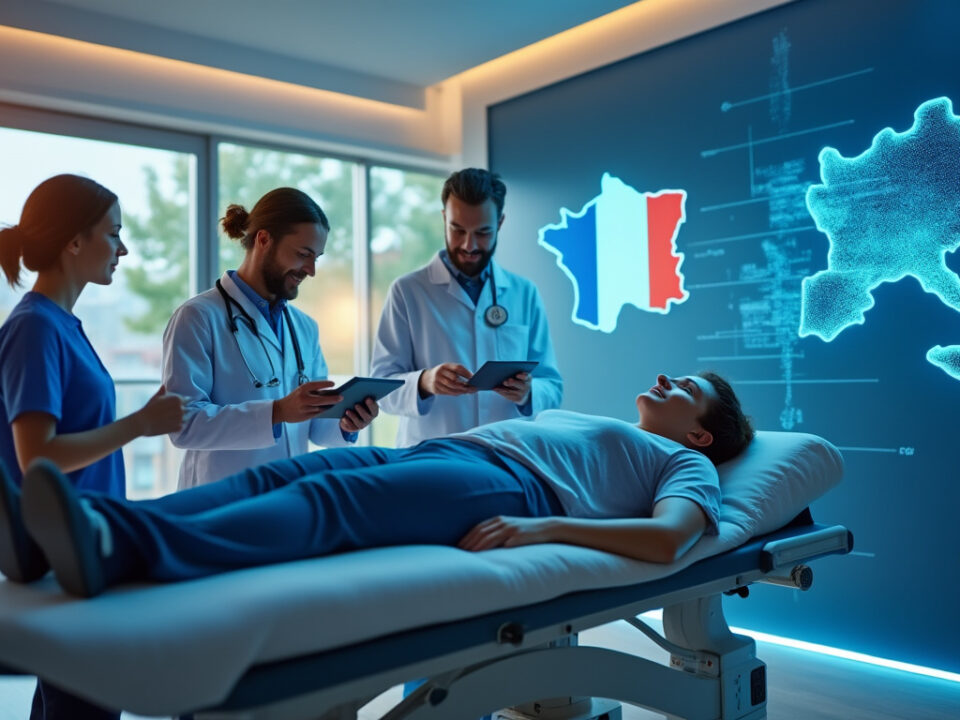
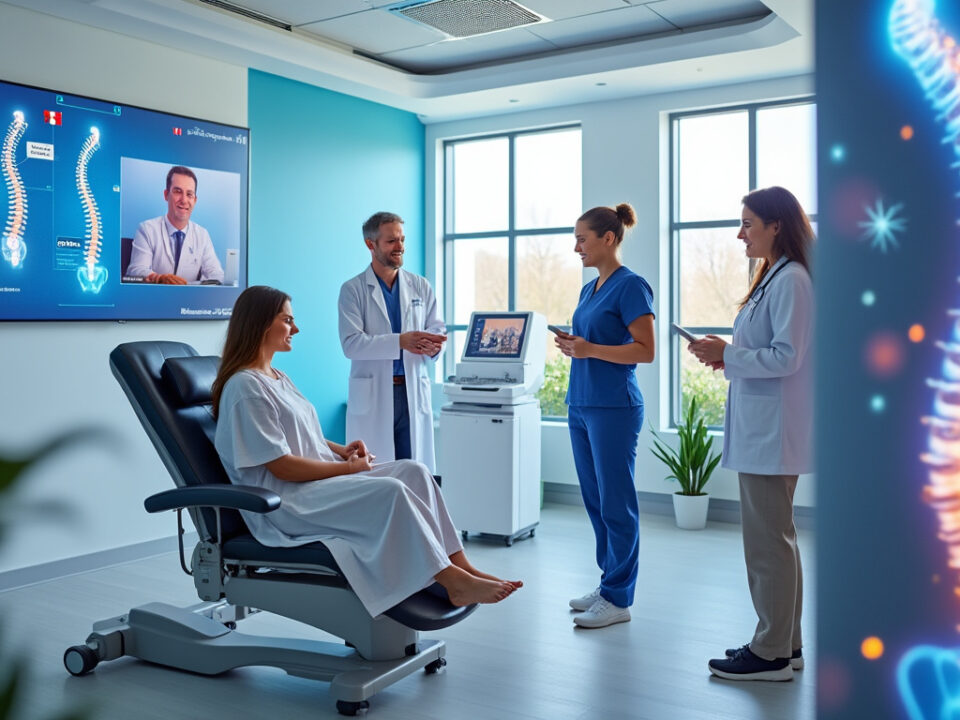
Neurovertebral decompression therapy is an advanced, non-invasive treatment modality designed to relieve pressure on intervertebral discs and nerves by applying controlled traction to the lumbar spine. This technique is becoming a cornerstone of non-surgical treatment for lumbar disc herniation, especially in regions like Southwest Montreal where patients seek effective alternatives to surgery.
The therapy employs specialized decompression tables that:
- Deliver gentle, targeted traction based on patient morphology.
- Reduce intradiscal pressure to encourage the displacement of herniated material.
- Promote rehydration and healing of degenerated discs.
- Alleviate nerve root compression causing sciatica and other symptoms.
Sessions typically occur over 4 to 8 weeks with frequency and duration customized to individual response. Early clinical benefits often include reduced pain intensity and improved mobility, motivating adherence to the full treatment program. The success of this modality also depends on comprehensive integration with physical rehabilitation and lifestyle adjustments, hallmarks of care at the TAGMED clinics.
| Therapy Aspect | Mechanism | Benefits |
|---|---|---|
| Controlled spinal traction | Decreases disc pressure to alleviate nerve irritation | Reduction of pain and inflammation |
| Customized patient positioning | Optimizes decompression and patient comfort | Enhanced treatment effectiveness |
| Repeated sessions | Gradual tissue regeneration and symptom improvement | Long-term functional restoration |
This method has been validated in numerous clinical studies on lumbar radiculopathy and disc herniation (NIH study on decompression therapy), reinforcing its status as a viable option for managing back pain without the risks inherent in surgery. Additionally, Dr. Desforges’ practice includes adjunct therapies such as laser and shockwave treatments to amplify recovery outcomes.

Back Surgery in Trois-Rivières: Ensuring a High Quality of Life Post-Operation
Back pain is increasingly recognized as a significant health challenge in Québec, affecting numerous individuals’ daily lives and well-being. In Trois-Rivières, patients often face long wait times for public healthcare or confront the high costs of private treatment options. This…
Incorporating Neurovertebral Decompression into a Holistic Spine Rehabilitation Program in Southwest
Isolating neurovertebral decompression as a standalone treatment often limits its full potential. Southwest’s experienced clinicians, notably Dr. Sylvain Desforges, emphasize comprehensive spine rehabilitation programs that include:
- Initial assessment and ongoing monitoring: Consistent clinical reviews to adjust interventions effectively.
- Targeted exercise regimens: Strengthening lumbar stabilizers and improving flexibility.
- Ergonomic education: Guidance on posture and safe movement to prevent reinjury.
- Nutritional advice: Support for tissue repair and inflammation reduction.
- Psychosocial support: Addressing pain-related anxiety and enhancing patient motivation.
Such interdisciplinary integration ensures that neurovertebral decompression is part of a patient-tailored approach focused on sustainable spinal health restoration. The journey from painful herniation to functional recovery is thereby accelerated and reinforced.
| Rehabilitation Component | Purpose | Role in Lumbar Disc Herniation Recovery |
|---|---|---|
| Regular clinical evaluation | Track symptom evolution and therapy response | Tailor and optimize treatment plans |
| Exercise therapy | Strengthen muscles and increase mobility | Stabilize spine and prevent further injury |
| Postural education | Prevent harmful biomechanical stresses | Reduce recurrence risk |
| Nutrition | Support tissue repair and reduce inflammation | Facilitate healing process |
| Psychological support | Address pain perception and improve coping | Enhance treatment adherence and quality of life |
This holistic model epitomizes modern, patient-centered spine care delivered at the Clinique TAGMED, renowned for blending cutting-edge technology with compassionate support. Patients in Southwest can confidently embark on their treatment journey, equipped with expert oversight and multifaceted care.


Disc Herniation in Longueuil: Equipment, Protocols, and Neurovertebral Decompression Treatment
The rising prevalence of disc herniation in Longueuil calls for innovative, effective, and patient-focused approaches to spinal care. As the population ages and sedentary lifestyles increase, spinal disorders leading to back pain and mobility limitations are more common than ever.…
Clinical Evidence Supporting Neurovertebral Decompression for Lumbar Herniated Disc
Substantial scientific literature corroborates the efficacy and safety of neurovertebral decompression in lumbar disc herniation management. A landmark meta-analysis published in the Annals of Palliative Medicine confirms the favorable outcomes of non-invasive lumbar traction therapies compared with conventional endoscopic discectomy techniques, highlighting reduced complications and comparable symptom relief (American Journal of Medicine meta-analysis).
Key findings include:
- Significant pain reduction: Patients report lowered pain scores within weeks of treatment initiation.
- Improved functional mobility: Enhanced trunk control and reduced restrictions facilitate daily activities.
- Reduced nerve root inflammation: Decompression lessens neurological deficits and sensory disturbances.
- Low risk profile: Lacking adverse surgical risks such as infection or anesthesia complications.
Systematic reviews also suggest a spontaneous regression rate of herniated disc material with non-operative treatment approximating 60-65%, emphasizing the therapeutic window during which neurovertebral decompression may be most effective (e-Neurospine journal). Newly developed protocols integrate decompression alongside strengthening and lifestyle adaptations to consolidate these benefits.
| Outcome Measure | Effect Size | Study Source |
|---|---|---|
| Pain Reduction | 50-70% decrease in intensity | Multiple Clinical Trials (2023-2024) |
| Functional Improvement | Significant increase in mobility scores | Meta-Analyses, Annals of Palliative Medicine |
| Safety Profile | Minimal adverse effects reported | Systematic Reviews |
These findings reinforce neurovertebral decompression as a frontline option complementing conservative management approaches detailed on platforms such as the lumbar disc herniation medical guide.

TOPS™ in Gatineau: Swift Relief Following Spinal Decompression
Back pain remains a pressing concern for many, especially when standard treatments fall short or surgical wait times seem interminable. In Gatineau, a breakthrough technology known as TOPS (Total Posterior Spine System) is transforming the landscape of spinal care. Offering…
Lifestyle Adjustments to Support Long-Term Lumbar Disc Health Post-Decompression
The benefits of neurovertebral decompression are strengthened when coupled with lifestyle modifications designed to maintain spinal integrity and prevent recurrence. Southwest patients receive guidance in adopting these vital habits:
- Engaging in low-impact physical activity: Activities such as swimming, walking, or Pilates that enhance core strength without overload.
- Optimizing ergonomic environments: Using supportive chairs, desks, and proper screen positioning to sustain healthy posture.
- Maintaining a healthy weight: Balanced diets and regular exercise facilitate reduced mechanical stress on lumbar vertebrae.
- Employing stress reduction techniques: Meditation, deep breathing, and mindful movement lessen muscle tension contributing to back pain.
- Monitoring symptom triggers: Early recognition of pain escalation prompts timely clinical consultation to adjust programs.
| Lifestyle Factor | Role in Spinal Health | Recommended Practice |
|---|---|---|
| Physical activity | Muscle strengthening and flexibility | Daily low-impact aerobic exercise |
| Ergonomics | Posture support during daily tasks | Adjust workstations and seating |
| Weight management | Reduced spinal mechanical load | Calorie balance and nutritional planning |
| Stress control | Decreases muscle tension | Meditation and relaxation routines |
| Symptom vigilance | Facilitates early intervention | Routine health monitoring |
Through educational sessions and multidisciplinary support, patients in the Southwest can embrace these strategies to enhance the durability of neurovertebral decompression outcomes and optimize their daily well-being. Programs like those at Mirabel’s lumbar herniated disc rehabilitation clinic exemplify such integrated care models.
Lumbar disc herniation remains a significant challenge for many residents in Montreal, causing persistent back pain and reduced mobility. As the urban lifestyle grows complex with stress and sedentary habits, the spine’s health becomes a focal concern for both patients…
Recognizing Warning Signs and Ensuring Timely Care in Southwest Communities
Patients must remain attentive to specific alarm symptoms indicating the need for immediate professional evaluation to prevent serious complications. These warning signs in the context of lumbar disc herniation include:
- Unrelenting, severe back or leg pain unresponsive to conservative therapy.
- Progressive muscle weakness affecting walking ability or limb coordination.
- Sensory loss or numbness in the saddle area or lower extremities.
- Disrupted bladder or bowel function suggesting possible cauda equina syndrome.
- Fever with systemic malaise indicative of infection or inflammation.
Rapid identification and referral mechanisms in Southwest are crucial. Dr. Desforges and his interdisciplinary network collaborate with spine surgeons and medical tourism platforms such as SOS Tourisme Médical to streamline patient journeys internationally, ensuring timely interventions when surgery becomes necessary. Meanwhile, neurovertebral decompression remains a safe and effective first line for most individuals.
| Alert Sign | Risk | Recommended Response |
|---|---|---|
| Severe persistent pain | Progressive nerve damage | Immediate clinical reassessment |
| Muscle weakness | Functional impairment | Urgent neurological evaluation |
| Loss of sensation | Potential paralysis | Emergency imaging and treatment |
| Incontinence | Cauda equina syndrome | Surgical emergency |
| Fever | Possible spinal infection | Hospital admission and antibiotics |
Patient education remains a cornerstone of empowering Southwest residents to navigate their health confidently, fostering prompt care-seeking behavior that enhances recovery prospects.
What are the first symptoms of a lumbar disc herniation?
Initial symptoms typically include localized lower back pain, often accompanied by numbness or tingling in the legs, and sciatica characterized by radiating leg pain.
Is neurovertebral decompression therapy painful?
Generally, neurovertebral decompression is painless, with traction forces carefully controlled to ensure patient comfort and safety throughout treatment.
How many sessions are needed to observe improvement with decompression therapy?
Treatment usually spans 4 to 8 weeks with multiple weekly sessions; individual responses vary depending on severity and adherence.
Can neurovertebral decompression prevent the need for surgery?
In many cases, early intervention with decompression therapy successfully avoids or delays surgery, particularly when initiated promptly.
What lifestyle changes help prevent recurrence of lumbar disc herniation?
Maintaining good posture, engaging in regular physical activity, avoiding harmful movements, and following rehabilitation advice are essential to prevent relapse.
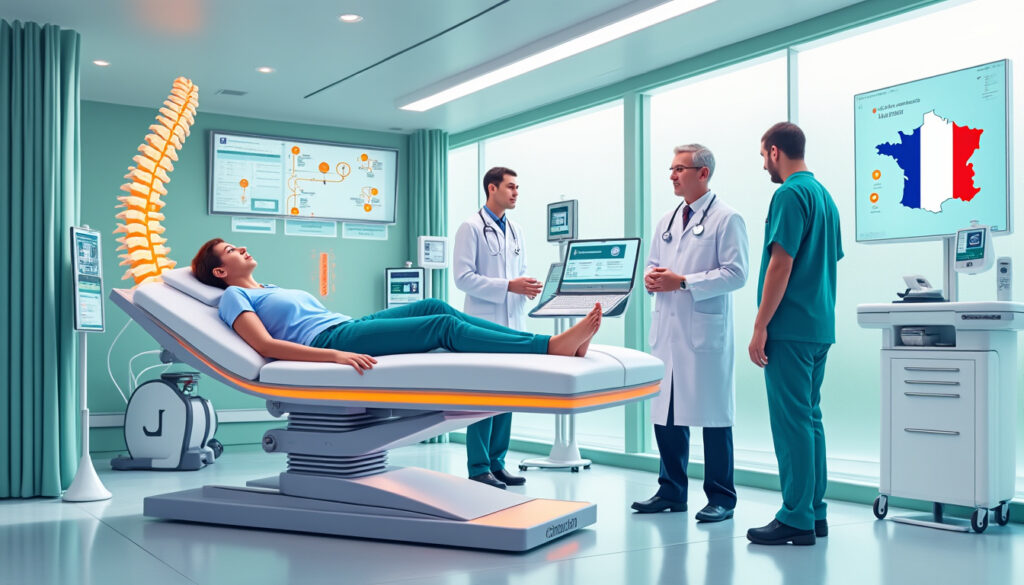
Herniated Disc in Laval: Effects on Quality of Life and Neurovertebral Decompression Therapy
Herniated disc is not just a clinical diagnosis in Laval; it symbolizes a profound challenge that reverberates through every facet of daily life. Affecting individuals across all ages and professions, from manual laborers to office workers, this spinal condition compromises…