
Disc Herniation in Saint-Léonard: Exploring Neurovertebral Decompression and Other Treatment Options
June 4, 2026
Lumbar Disc Herniation in Le Sud-Ouest: Prevention Tips, Practical Advice, and Neurovertebral Decompression Treatment
June 4, 2026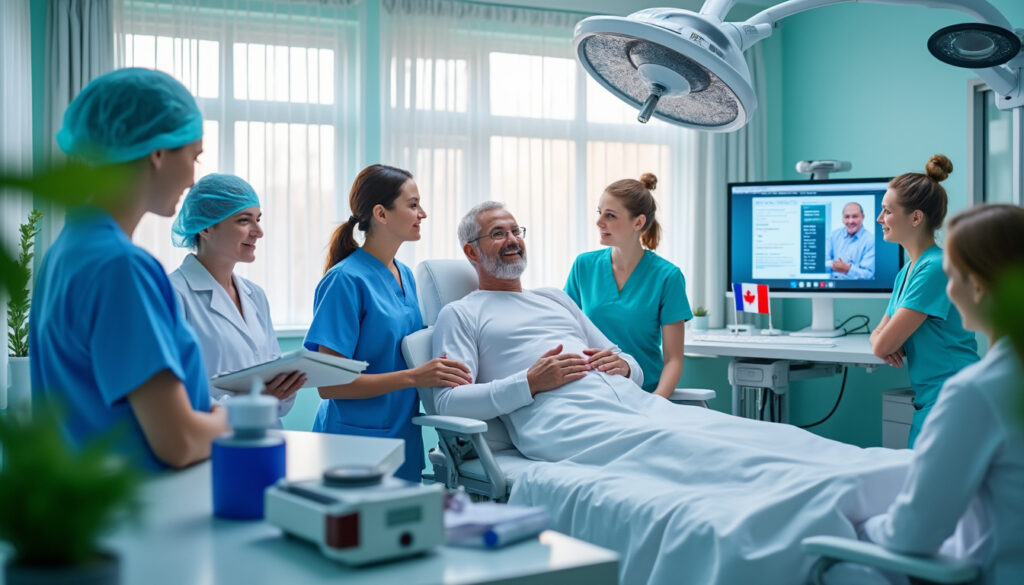
For those grappling with persistent back pain, especially in the Quebec region, the emergence of cutting-edge treatments in spine surgery offers renewed hope. Motion Surgery in Terrebonne stands out as a breakthrough, focusing on preserving the natural intervertebral mobility that is often compromised by traditional spinal surgeries. With more patients seeking alternatives to rigid fusion procedures—which commonly limit spinal flexibility—this innovative approach balances spinal stability with vertebral motion, reducing the impact of mobility loss over time.
At the forefront of these advances, Dr. Sylvain Desforges brings his 30+ years of clinical expertise and leadership in spinal care, ensuring that patients receive comprehensive, ethical, and scientifically rigorous evaluations before embarking on any intervention. Terrebonne’s multidisciplinary clinics combine the best of technology and personalized care, including partnerships between Canadian and French medical teams, to optimize outcomes. Patients can expect not only innovative implants and minimally invasive surgery but also structured postoperative recovery plans tailored to their spinal health needs.
Preserving Intervertebral Mobility: The Core Principle of Motion Surgery in Terrebonne
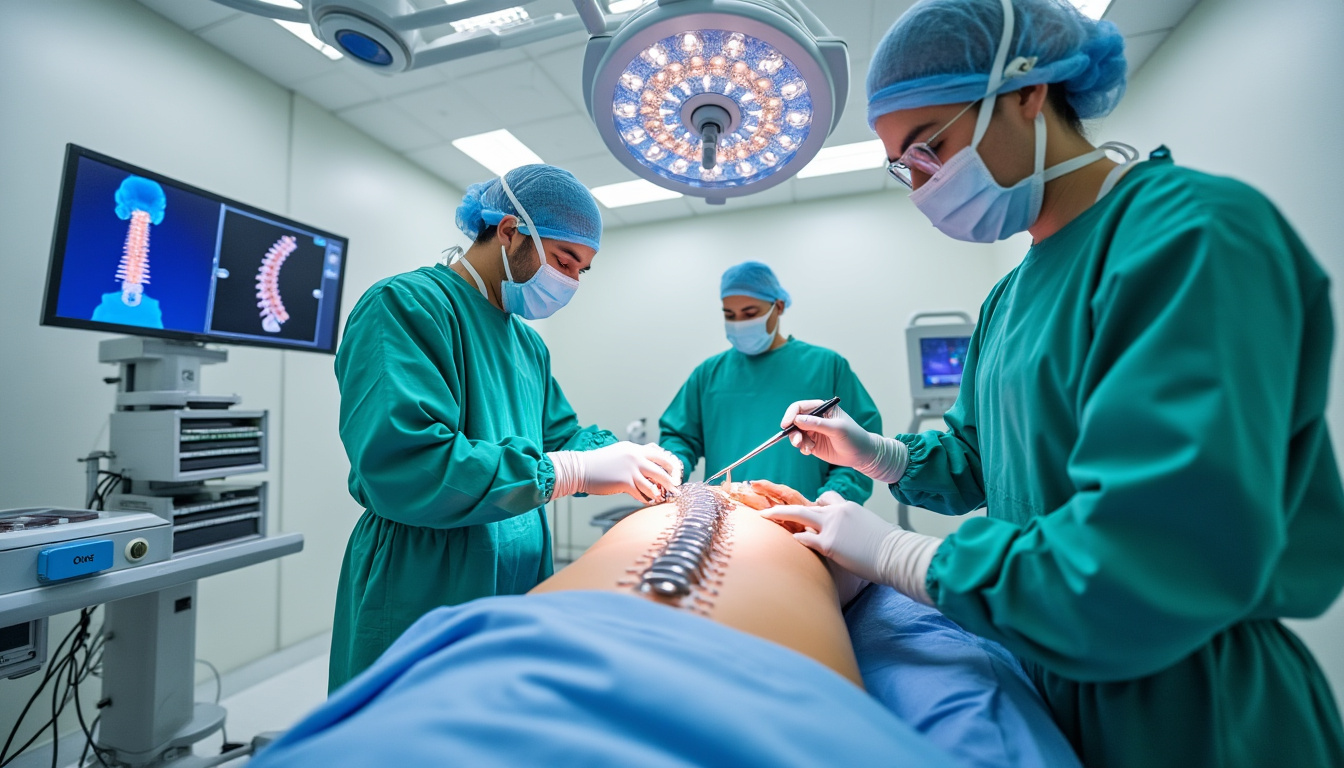
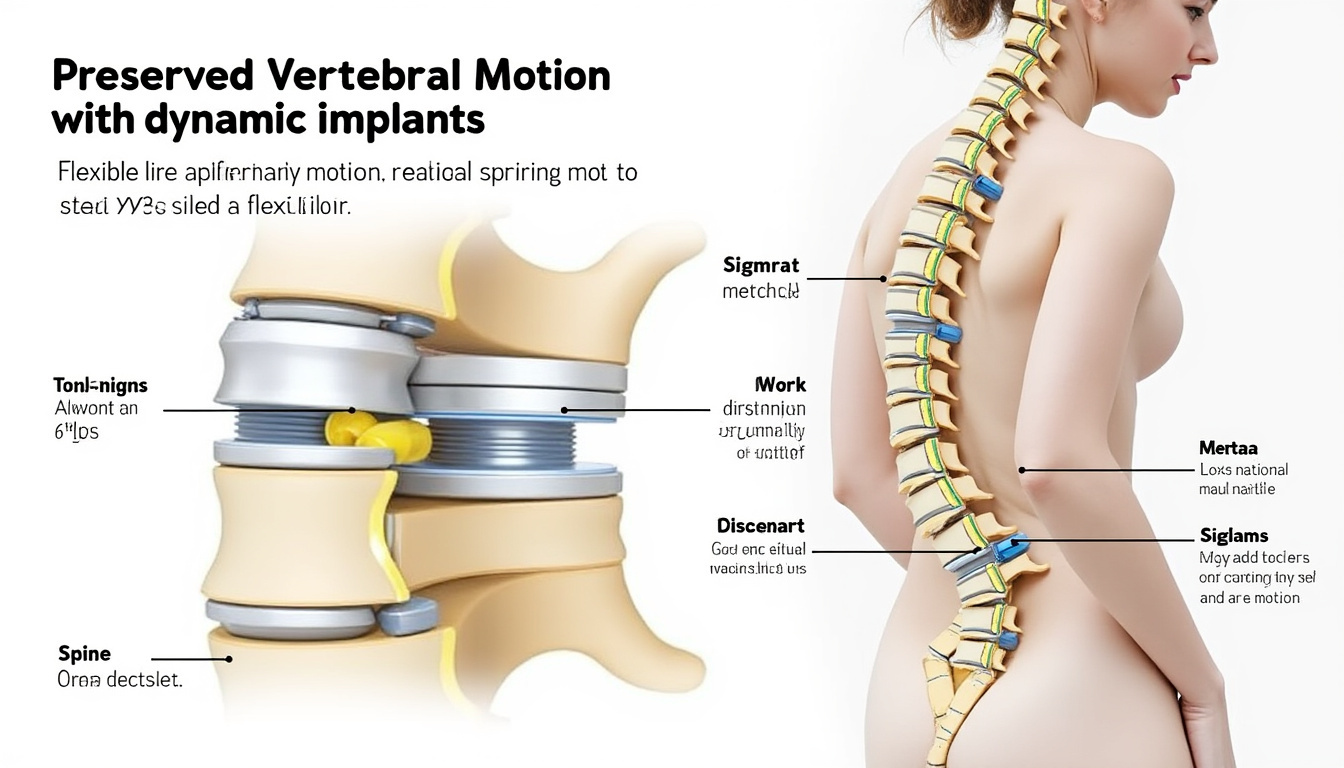
Motion Surgery represents a paradigm shift in spine surgery by prioritizing the preservation of intervertebral mobility rather than sacrificing it through traditional fusion techniques. While spinal fusion effectively stabilizes damaged vertebral segments, it often leads to the loss of natural movement and can accelerate adjacent segment degeneration, causing new complications down the line. In contrast, Motion Surgery employs dynamic implants designed to mimic natural vertebral motion, allowing patients to regain meaningful spinal flexibility while maintaining stability.
Key devices like the TOPS system and IntraSPINE implants exemplify this innovative approach. These implants provide controlled vertebral motion, which supports normal spinal kinematics during daily activities such as bending, twisting, and walking. Patients with conditions such as spondylolisthesis, lumbar spinal stenosis, or moderate segmental instability are prime candidates for these techniques.
This surgical approach not only limits postoperative pain but also fosters a faster return to normal activities, making it an appealing option for the active population who wish to avoid the long-term drawbacks of rigid fusion. Understanding the biomechanics of the spine and the importance of vertebral motion has been a significant driver behind the development of Motion Surgery techniques.
Through this preservation philosophy, Motion Surgery contributes to sustained spinal health, decreasing the overall risk for subsequent degenerative changes in untreated segments. It also respects the complex interplay of vertebral segments necessary for maintaining flexibility and balance, parameters critical for patient wellness and quality of life.
The relevance of this revolutionary approach in spinal care can be explored in greater detail in specialized studies, including those documented in medical journals such as this comprehensive analysis on motion preservation in spine surgery.
IntraSPINE® in Sherbrooke: A Long-Lasting Solution for Chronic Lower Back Pain
Chronic lower back pain remains one of the most pressing health concerns in Sherbrooke and beyond, impacting millions and often diminishing daily quality of life. Despite the prevalence of lumbar discomfort, many face limited access to cutting-edge treatments amidst lengthy…
The Expertise of Dr. Sylvain Desforges: Leading Innovation in Spine Care
Dr. Sylvain Desforges stands as a leading expert in the panorama of spinal health innovation, with over three decades of experience at the forefront of osteopathic and spinal care. With formal qualifications including a B.Sc., D.O., and N.D., Dr. Desforges combines scientific knowledge with clinical insight to guide patients effectively through complex spinal conditions.
As the founder and president of organizations such as the Alliance Canadienne de Médecine Alternative and the Canadian College of Osteopaths, as well as the driving force behind TAGMED Clinics in Montréal and Terrebonne, his reputation for innovation is globally recognized. His approach embodies a dual commitment to scientific rigor and patient-centered care, ensuring rigorous evaluations rooted in current evidence-based practices.
One of Dr. Desforges’ key contributions lies in his non-invasive diagnostic strategy. He conducts comprehensive assessments of spinal disorders without claiming to provide direct medical diagnosis—his expertise lies in evaluating and guiding treatment pathways that encompass conservative and advanced options. This methodology guarantees that surgical interventions, particularly Motion Surgery, are proposed only after conservative treatments, such as neurovertebral decompression and laser therapy, have been thoroughly explored.
Patients under Dr. Desforges’ care benefit not only from his deep understanding of spinal mechanics but also from his role in integrating cutting-edge technologies, including dynamic spinal implants, laser therapy, and minimally invasive techniques. His leadership in coordinating international patient journeys ensures access to innovations available through partnerships with top clinics in France and Canada. This transatlantic collaboration broadens treatment options, offering patients novel technologies that may not yet be widely available in Canada.
More information about Dr. Desforges’ pioneering efforts and his role in expanding treatment horizons can be found at this detailed resource on Motion Surgery innovations.

Herniated Disc Care in Sainte-Julie: Why TAGMED’s Neurovertebral Decompression Therapy Stands Out
In the vibrant community of Sainte-Julie, back pain—particularly that stemming from herniated discs—has become a widespread concern affecting people from all walks of life. The relentless search for effective, non-invasive treatments has brought renewed attention to a pioneering therapy that…
Variants of Motion Surgery: Tailoring Treatment to Individual Patient Needs
Motion Surgery is not a one-size-fits-all procedure; it encompasses several variants designed to meet the unique challenges presented by different spinal pathologies. The careful selection among these alternatives is crucial for optimizing outcomes and preserving spinal health.
Simple Motion Surgery
This variant targets patients experiencing persistent mechanical pain due to vertebral instability but who maintain sufficient vertebral integrity. The procedure focuses on moderate stabilization while preserving the majority of natural vertebral motion. It is less invasive and designed for patients aiming to quickly regain mobility with minimal disruption.
Motion Surgery with Fusion
For cases marked by more severe degeneration or instability, a hybrid approach combining Motion Surgery with selective fusion can be recommended. This method stabilizes severely compromised segments while still enabling motion in adjacent vertebrae. It is a strategic technique to maintain long-term spinal balance and reduce the risk of further degeneration without fully immobilizing the spine.
Dynamic Implants
Dynamic implant systems such as TOPS and IntraSPINE serve as the cornerstone of these surgical variants. Their modular designs adapt to patient anatomy and pathology, allowing controlled motion and load distribution. Clinical studies emphasize that such implants significantly reduce postoperative pain and promote faster rehabilitation compared to rigid fusion methods.
Ultimately, the choice of approach is rendered through a thorough clinical and radiological evaluation process, conducted under professional guidance at clinics such as TAGMED in Terrebonne. Here, the multidisciplinary team led by Dr. Desforges ensures rigorous patient selection, enhancing both safety and efficacy.
Back Surgery in Trois-Rivières: Alleviating Pain While Preserving Mobility
In Trois-Rivières, Quebec, the persistence of back pain affects a substantial portion of the population seeking effective and personalized solutions. Back pain, often caused by spinal disorders or herniated discs, can drastically diminish quality of life, limiting mobility and causing…
Comprehensive Patient Journey: From Evaluation to Postoperative Recovery
The patient experience within Motion Surgery programs in Terrebonne is marked by a meticulously structured pathway designed to maximize outcomes and reduce risks. Initially, patients undergo a complete evaluation encompassing medical history, advanced imaging, and functional assessment. This is essential to define whether preserving intervertebral mobility through Motion Surgery is the most appropriate strategy.
Prior to considering surgical intervention, patients engage in 3 to 6 months of evidence-based conservative treatment, including therapies such as neurovertebral decompression available at TAGMED Clinics. This stage aims to relieve symptoms and strengthen spinal structures, ensuring surgery is reserved only for cases where these methods have not sufficiently addressed pain or instability.
Should surgery be indicated, the procedure itself is minimally invasive and supported by postoperative protocols focused on rapid recovery and vertebral motion preservation. Postoperative care includes short hospital stays and personalized rehabilitation programs that emphasize gradual mobilization aligned with the unique biomechanics of each patient’s spine.
The comprehensive nature of this journey, from careful diagnosis to rehab, reflects Dr. Desforges’ commitment to patient safety and long-term spinal health. Collaborative monitoring ensures complications are minimized and functional recovery is optimized, providing patients a realistic roadmap back to normal life.
More insights into efficient patient care management and Motion Surgery outcomes can be found at this resource detailing safer recovery pathways.
Disc herniation remains a significant health concern in Pointe-Claire, impacting the lives of a diverse population ranging from labor-intensive workers to the aging community. The condition, characterized by the displacement or rupture of the intervertebral disc, often leads to debilitating…
Collaborative Interdisciplinary Teams: Driving Innovation and Care Quality
An essential factor in the success of Motion Surgery in Terrebonne is the engagement of interdisciplinary teams that combine diverse expertise across osteopathy, orthopedics, rehabilitation, and pain management. This collaborative culture ensures holistic patient care and fosters innovation by integrating insights from various specialties.
Under Dr. Desforges’ leadership, teams operate cohesively to tailor treatment plans that support spinal stability without compromising mobility. This approach spans from initial consultations, through surgical intervention, to the rehabilitation phase. Multidisciplinary coordination includes regular case reviews, shared decision-making, and transparent patient communication.
Moreover, the proximity to advanced medical facilities in Terrebonne and Montréal, coupled with transatlantic ties to renowned French spine centers, facilitates knowledge exchange and provides access to cutting-edge therapies and implants. This synergy improves patient outcomes by combining best practices and accelerating the integration of novel spine surgery technologies.
Such teamwork exemplifies how modern spinal care transcends traditional boundaries, fostering a patient-centered model driven by evidence and compassion. Information on the latest orthopedic techniques in the region can be explored on platforms like local orthopedic service sites, which reflect the growing scope of Motion Surgery.
TOPS™ in Gatineau: A High-Performance Solution for Lumbar Spine Care
In a region where chronic back pain increasingly affects quality of life, the quest for advanced and effective lumbar spine treatments is paramount. Lumbar spinal stenosis, a prevalent condition among Quebec’s aging population, often imposes persistent discomfort and mobility limitations.…
Biomechanical and Functional Benefits of Motion Surgery Compared to Traditional Fusion
The biomechanical advantages of Motion Surgery are pivotal to its growing adoption. By preserving natural vertebral motion, patients experience less stress on adjacent segments. This reduces the development of secondary conditions often seen after rigid spinal fusion procedures.
Below is a comparative table summarizing key clinical parameters between Motion Surgery and traditional vertebral fusion:
| Criterion | Motion Surgery | Traditional Spinal Fusion |
|---|---|---|
| Postoperative Mobility | Preserved | Reduced |
| Postoperative Pain Levels | Moderate to Low | Often High |
| Adjacent Segment Degeneration | Minimal | Significant |
| Rehabilitation Duration | Short to Moderate | Long |
| Risk of Complications | Reduced | Elevated |
This overview illustrates why Motion Surgery offers a promising alternative for patients seeking long-term spinal health while minimizing the typical drawbacks of fusion surgery. It restores biomechanical integrity and preserves the dynamic nature of vertebral motion.
At Gouin Clinic, the landscape of herniated disc therapy has entered a transformative era marked by the integration of Personalized Treatment Plans and breakthrough Neurovertebral Decompression Therapy. This non-surgical approach is revolutionizing how spinal disorders are managed, offering patients an…
Ethical Commitment and Scientific Rigor in Patient Care Leadership
At the core of the Motion Surgery practice in Terrebonne is a steadfast dedication to ethical and evidence-based care. Dr. Sylvain Desforges leads by example, ensuring that every clinical decision aligns with stringent guidelines from the Collège des médecins du Québec and national medical authorities.
Transparency and patient education are vital components. Patients are empowered with clear, accessible explanations regarding their condition, the mechanics of spinal motion, and the advantages and limitations of different surgical techniques. This supports informed decision-making and builds trust throughout the care process.
Furthermore, surgery is proposed only after an extensive trial of conservative therapy, reflecting the principle that invasive procedures are a last resort. This conservative-first approach respects patient safety and optimizes the chance of long-term success.
The continuous integration of research findings and technological improvements keeps the treatment protocol at the cutting edge, emphasizing innovation without compromising ethics.
Cervical Disc Prosthesis in Quebec: Preventing Post-Operative Stiffness
Neck pain is one of the most common musculoskeletal complaints in Quebec, affecting a significant portion of the population annually. Often rooted in degenerative cervical disc diseases or herniated discs, this persistent discomfort severely impacts daily life and mobility. Fortunately,…
Global Collaboration Enhancing the Future of Motion Surgery
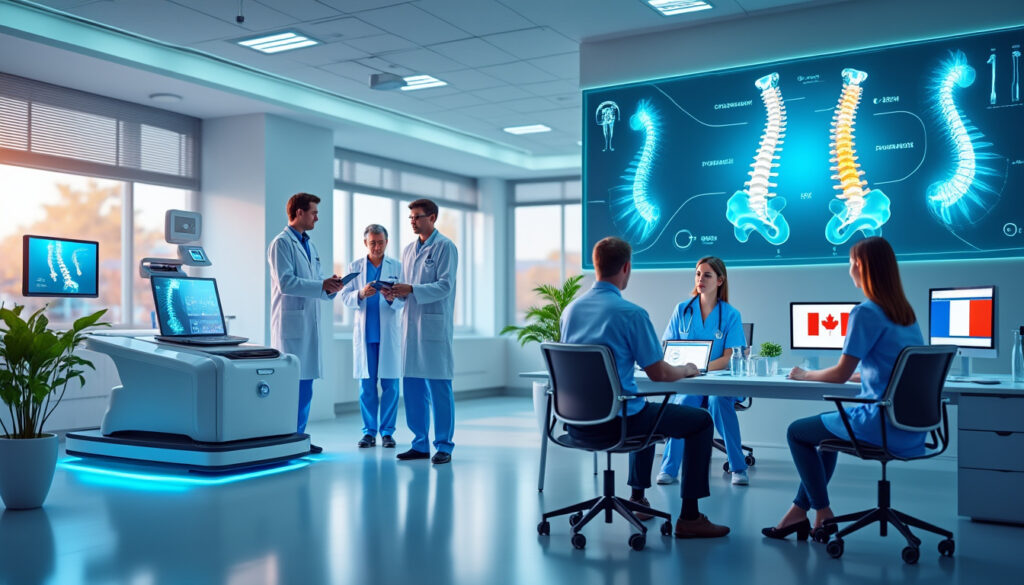
One distinguishing feature of Motion Surgery in Terrebonne is its international reach. Through sustained partnerships between Canadian teams and specialized clinics in France, patients benefit from a comprehensive continuum of care that transcends geographical boundaries.
This collaboration leverages expertise and access to advanced surgical devices and protocols available in Europe that might not yet be standard in Canada. Such international coordination optimizes scheduling, reduces wait times, and enriches treatment options—all tailored to individual patient needs.
Dr. Desforges’ facilitation of this transatlantic exchange represents a model of cooperation blending medical innovation with patient-centric care. It enhances the overall quality and safety of spine surgery while expanding access to minimally invasive, motion-preserving techniques.
Patients interested in initiating a consultation can explore this unique collaborative pathway and further details at resources outlining the long-term benefits of Motion Surgery in Terrebonne.
The prevalence of herniated disc conditions in Blainville has sparked considerable discussion and misconceptions about their causes, symptoms, and treatments. While the pain and disability associated with this spinal disorder are well documented, the emergence of non-surgical options such as…
Practical Considerations: Financing, Rehabilitation, and Personalized Care
Understanding the logistics surrounding Motion Surgery is essential for patient preparedness. The preoperative phase, lasting typically between 3 and 6 months, involves comprehensive conservative care with procedures such as neurovertebral decompression, laser therapy, and physiotherapeutic interventions. This period ensures surgery is only pursued when genuinely warranted.
Postoperative rehabilitation is highly individualized, combining physical therapy tailored to restoring vertebral motion with lifestyle counseling to support spinal health. Early mobilization has been shown to reduce complications and expedite return to daily activities.
Financing options vary, but many patients can benefit from insurance reimbursements for both surgical and conservative procedures. Clear communication with financial coordinators at clinics like TAGMED ensures patients understand their coverage and out-of-pocket costs.
Below is a list summarizing key components that patients should expect during their Motion Surgery journey in Terrebonne:
- Comprehensive clinical and imaging evaluation
- Conservative therapies including neurovertebral decompression
- Minimally invasive Motion Surgery procedures with dynamic implants
- Short hospital stays and attentive postoperative monitoring
- Personalized rehabilitation programs focusing on spinal mobility preservation
- Access to transatlantic expertise and advanced technologies
- Ethical patient education and transparent communication
What are the primary benefits of Motion Surgery in Terrebonne?
Motion Surgery preserves intervertebral mobility, reduces postoperative pain, and facilitates faster recovery compared to traditional fusion techniques.
How long does the preoperative phase usually last?
The preoperative phase generally lasts between 3 to 6 months and includes conservative treatments.
What does postoperative follow-up involve?
Follow-up includes continuous evaluation and customized rehabilitation to optimize recovery and maintain spinal mobility.
Are there financial options available for Motion Surgery?
Costs vary, but many patients benefit from insurance reimbursements for both surgical and conservative interventions.
What is the first step to initiate consultation for Motion Surgery?
Patients are encouraged to visit the clinic’s website or directly contact the team for a thorough evaluation and personalized recommendations.