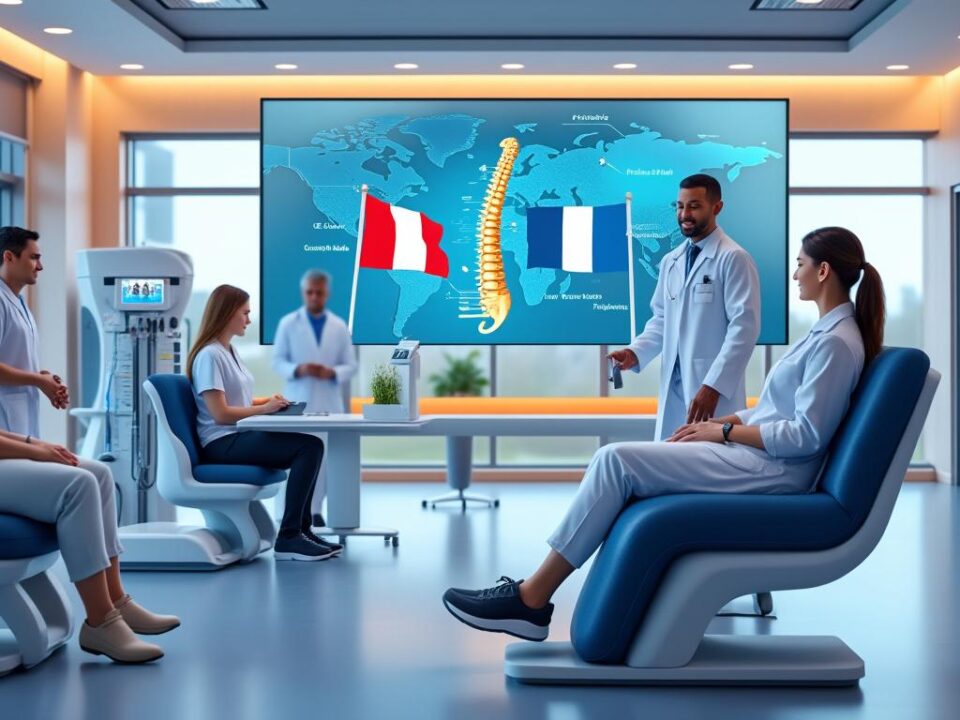
Spinal Care Showdown: Essential Insights Every Patient Should Know Comparing France and Québec
May 16, 2026
Why Preventing Post-Laminectomy Syndrome is a Game-Changer for Quebec Patients
May 16, 2026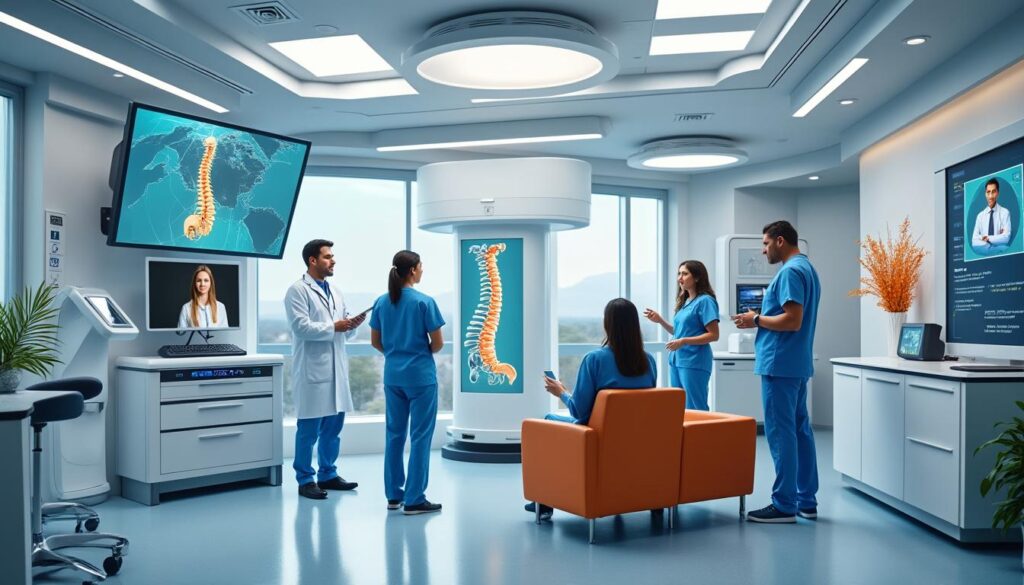
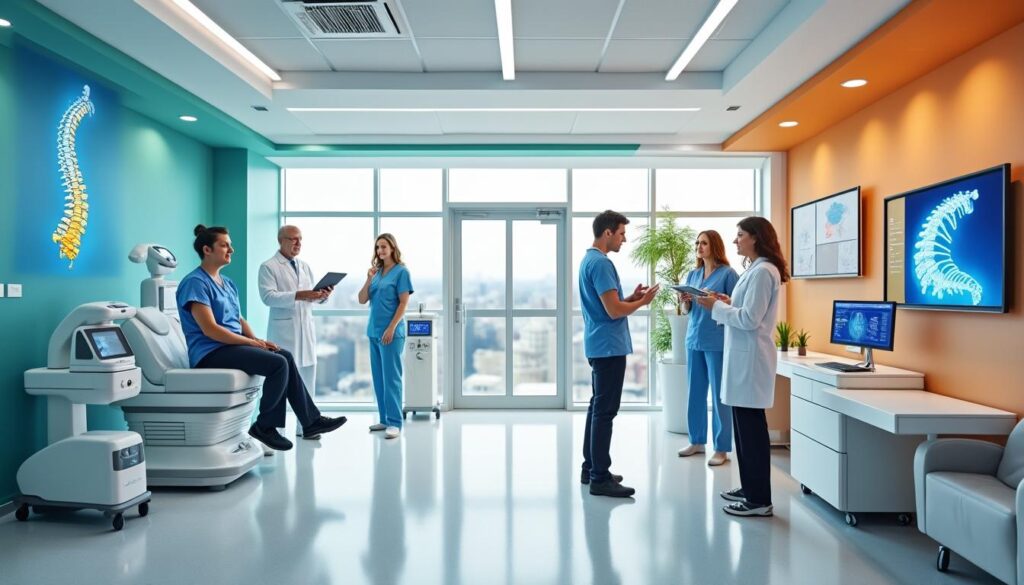
Chronic low back pain affects a growing number of individuals in Quebec, significantly impacting quality of life, productivity, and healthcare costs. As therapeutic expectations evolve in 2026, innovative surgical methods that prioritize both patient safety and functional preservation are increasingly sought after. Among these advances, Motion Surgery in Terrebonne stands out as a pioneering approach aimed at minimizing complications and preserving mobility. Unlike traditional fusion surgeries that immobilize vertebral segments, Motion Surgery employs dynamic implants designed to stabilize the spine while maintaining its natural movement. This breakthrough is transforming orthopedic surgery by aligning biomechanical principles with patient-centered rehabilitation strategies.
Driving this revolution is Dr. Sylvain Desforges, a recognized expert with over three decades of experience in spinal care and neurovertebral decompression. His unique integration of scientific rigor, clinical expertise, and ethical commitment has positioned him at the forefront of spine treatment innovation. Beyond surgery, Dr. Desforges fosters an international patient journey bridging Quebec and France, expanding access to specialized surgical techniques and promoting comprehensive rehabilitation thoughtfully tailored to individual needs. The synergy of advanced technologies and personalized care marks a new era for patients seeking long-term relief without compromising joint preservation.
Exploring Surgical Techniques Available in France for Spine Disorders
In the context of spinal pathologies, France offers a range of surgical techniques, each carefully adapted to different clinical scenarios. Termebonne’s Motion Surgery benefits from this international expertise, incorporating procedures proven effective through years of practice. Understanding the specifics of each technique highlights why Motion Surgery serves as a cutting-edge solution.
Decompressive Surgery: Relieving Pressure While Preserving Movement
Decompressive or simple surgery typically focuses on alleviating nerve root compression, such as removing a herniated disc segment. This method is often favored when patients experience localized nerve pain without vertebral instability. Its advantage lies in its minimally invasive nature, enabling rapid recovery and limited postoperative discomfort. However, it does not address underlying instability or degenerative changes; thus, its scope is limited to specific indications.
Spinal Fusion Surgery: Stabilization at the Cost of Mobility
When vertebral instability is severe, as seen in advanced scoliosis or spondylolisthesis cases, fusion surgery becomes a recommended option. This approach permanently joins adjacent vertebrae to eliminate abnormal movement. While fusion can provide immediate structural stability and pain relief, it sacrifices the natural mobility of spinal segments involved. Patients may later develop premature arthritic changes in neighboring vertebrae due to altered biomechanics, highlighting long-term limitations.
Motion Surgery: Dynamic Spinal Stabilization for Joint Preservation
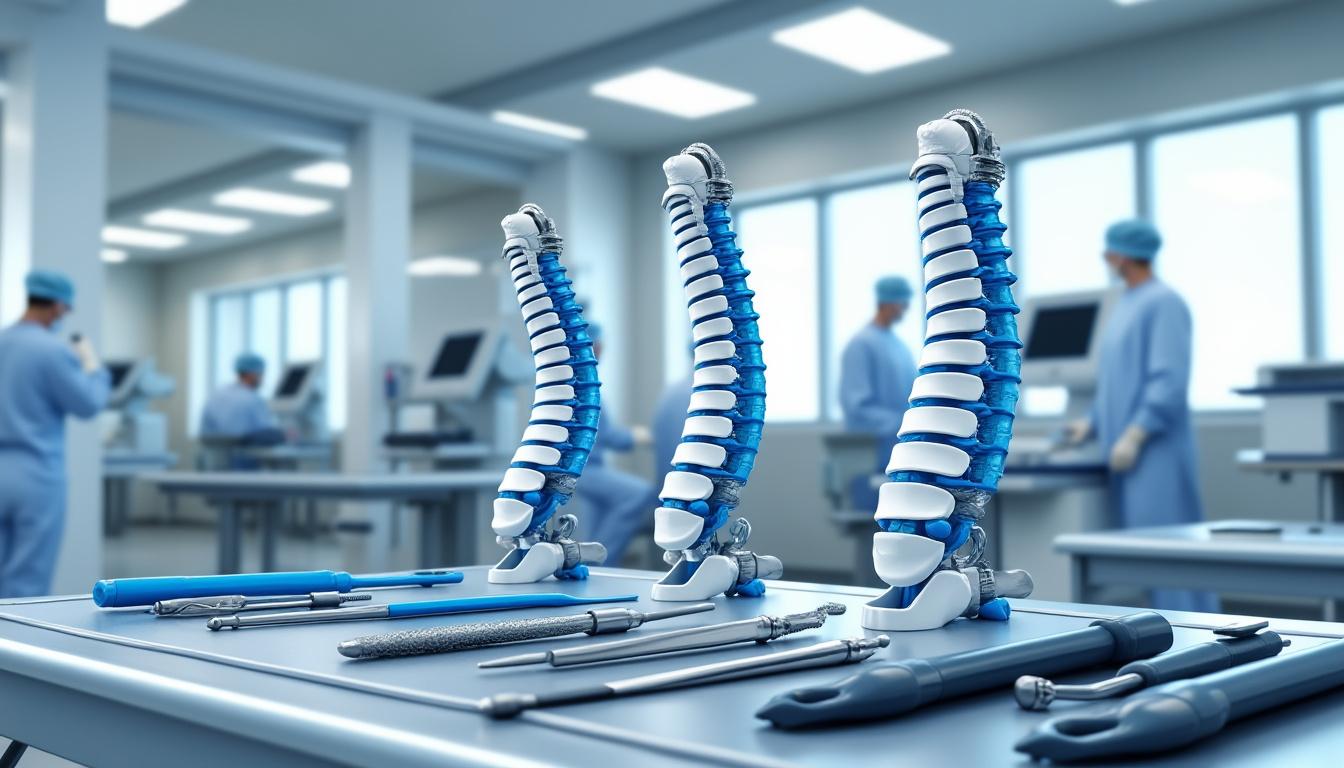
Motion Surgery represents a paradigm shift by combining stabilization with the preservation of physiologic motion. It employs innovative dynamic implants that adapt to spine movements, reducing mechanical stress on adjacent segments. Indications typically include spondylolisthesis and lumbar stenosis, conditions where controlled motion facilitates healing without immobilization. Recent studies and patient outcomes underscore the promise of this technology, offering lasting symptom relief and improved quality of life.
| Technique | Primary Objective | Benefits | Limitations |
|---|---|---|---|
| Simple Surgery | Nerve decompression | Rapid recovery, minimal pain | Not suitable for vertebral instability |
| Spinal Fusion | Vertebral stabilization | Effective for severe instability | Loss of mobility, adjacent segment arthritis |
| Motion Surgery | Dynamic stabilization | Joint preservation, reduced secondary arthritis | Requires thorough patient evaluation |
Herniated Disc in Laval: Advanced Equipment, Protocols, and Neurovertebral Decompression Treatment
In the vibrant region of Laval, the management of herniated discs has undergone a remarkable transformation, driven by technological advancements and a commitment to non-invasive treatments. This evolution addresses the growing need for effective spinal care solutions among Laval’s active…
Personalized Patient Journey: From Comprehensive Evaluation to Rehabilitation
Every patient’s path toward Motion Surgery begins with an exhaustive assessment. Dr. Sylvain Desforges applies his extensive clinical experience and multidisciplinary knowledge to oversee this journey, ensuring tailored care aligned with each individual’s condition and history. This thorough approach encompasses detailed medical history reviews, imaging diagnostics, and a careful analysis of symptom progression.
Crucially, the evaluation discerningly considers prior conservative treatments such as neurovertebral decompression — a cornerstone method at Clinique TAGMED — before progressing to surgical options. Patients are carefully screened to establish vertebral stability and treatment responsiveness, optimizing outcomes and safeguarding patient safety.
Conservative Treatments: Foundational Steps Before Surgery
Conservative management, a prerequisite to any surgical consideration, typically spans three to six months. It incorporates physiotherapy modalities and dedicated spinal decompression techniques designed to alleviate nerve compression non-invasively. Clinique TAGMED offers specialized neurovertebral decompression therapy utilizing state-of-the-art equipment supervised by Dr. Desforges himself. Evidence from clinical practice affirms that many patients significantly improve without requiring surgery, underscoring the value of patience and holistic intervention.
Rehabilitation and Postoperative Follow-up: Enhancing Mobility and Recovery
Successful Motion Surgery mandates meticulous postoperative care. Once the procedure is completed, rehabilitation commences, emphasizing functional restoration while managing pain. Collaboration with experts at Neurothérapie Montréal ensures patients receive comprehensive support, optimizing their ability to resume daily activities swiftly and safely. Recovery timelines often outpace those associated with traditional fusion surgeries, resulting in earlier functional gains.

IntraSPINE® Approved in Sherbrooke for Treating Chronic Lower Back Pain
Chronic lower back pain continues to be a significant health challenge worldwide, affecting individuals’ mobility, productivity, and overall quality of life. In Sherbrooke, Quebec, a major breakthrough in spinal health has emerged with the approval of IntraSPINE, an innovative and…
International Collaboration and the Quebec-France Transatlantic Patient Pathway
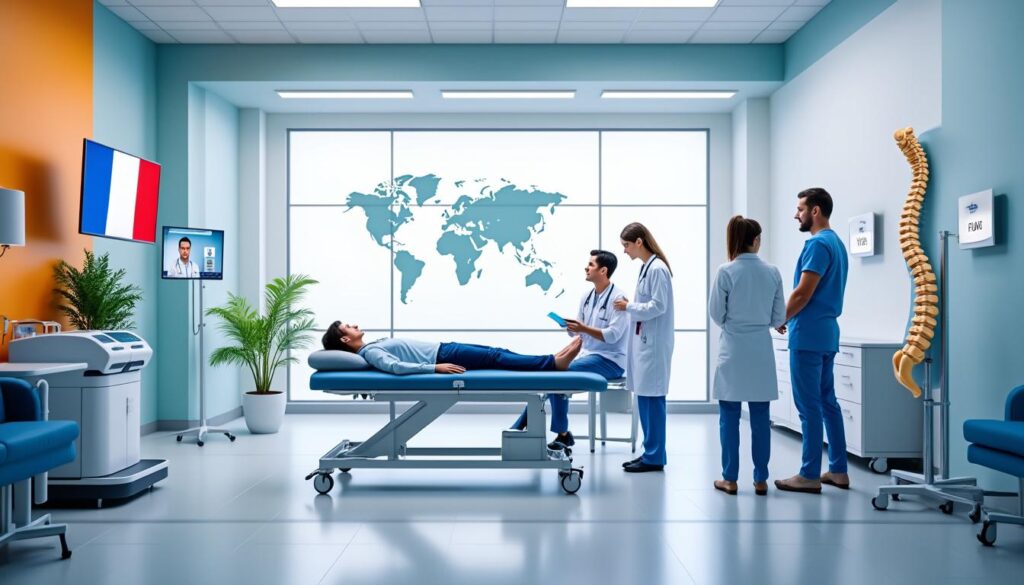
Dr. Desforges’ leadership extends beyond clinical expertise to orchestrate a seamless patient journey between Quebec and France. This transatlantic collaboration links patients to leading spine surgeons and advanced treatment centers, facilitated by trusted networks including SOS Tourisme Médical. Such partnerships balance logistical efficiency with clinical excellence.
This cooperative approach yields notable benefits:
- Access to cutting-edge Motion Surgery implants and surgical techniques not readily available in Canada
- Optimized treatment timelines reducing patient wait times
- Personalized care plans integrating both surgical and rehabilitative expertise on both continents
- Cost-effective options with comparative advantages in pricing for premium surgical care
These factors converge to provide patients a holistic, ethically grounded treatment paradigm that prioritizes mobility improvement and minimizes postoperative complications.

Neck Surgery in Montreal: Safeguarding Cervical Flexibility and Function
In Montréal, advancements in neck surgery have revolutionized the way patients approach treatment for cervical spine conditions. With increasing awareness about the importance of preserving both cervical flexibility and function, surgical options have evolved beyond traditional methods to integrate cutting-edge…
Biomechanical and Economic Advantages of Motion Surgery in Terrebonne
The hallmark of Motion Surgery lies in its ability to preserve the biomechanical integrity of the spine while addressing pathological instability. Dynamic implants support natural spinal kinematics, preventing abnormal load transfer to adjacent segments and thereby reducing the risk of degenerative arthritic changes—a common long-term complication of fusion operations.
From an economic perspective, patients and healthcare systems alike benefit. Surgical interventions coordinated through the Quebec-France transatlantic partnership often yield lower overall costs, even after accounting for travel expenses. This price advantage democratizes access to sophisticated orthopedic surgery and makes high-quality care more attainable.
Key Biomechanical Benefits
- Maintenance of natural vertebral motion to support joint preservation
- Reduction in mechanical stress that contributes to secondary arthrosis
- Improved postoperative spinal function and mobility
Cost Considerations
- Lower surgical procedure expenses compared to Canadian standards without compromising quality
- Integrated care pathways minimize repeated interventions and associated costs
- Enhanced return-to-work timelines provide economic benefits for patients
In the serene community of Sainte-Anne-de-Bellevue, residents grappling with chronic back discomfort have access to groundbreaking and personalized care, prominently featuring neurovertebral decompression therapy. This innovative, non-invasive approach targets herniated discs, a condition prevalent among adults linked to aging, repetitive…
Ethics and Scientific Rigor in Motion Surgery Patient Care
At the core of Dr. Sylvain Desforges’ practice is a steadfast commitment to ethical medical care and scientific rigor. Every patient’s assessment and treatment plan is thoroughly personalized, reflecting detailed analysis of medical history and treatment responses. Surgical intervention is reserved strictly for cases where conservative approaches have been exhaustively tested and patient benefits clearly outweigh risks.
Compliance with Quebec and Canadian medical regulations, guided by frameworks such as the Collège des médecins du Québec, underscores patient safety and treatment transparency. This ethical clarity fosters trust and aligns care with internationally recognized quality standards. Such a philosophy has been essential in integrating innovative Motion Surgery techniques responsibly into practice.
Integrating Innovation with Patient Safety
Dr. Desforges carefully incorporates advanced technologies—such as neurovertebral decompression, laser therapy, and dynamic spinal implants—only when evidence supports their efficacy. Continuous monitoring of patient outcomes and adherence to safety protocols minimize complications and support long-term mobility improvement. This balance between innovation and caution exemplifies modern spinal care.

Back pain caused by disc herniation is a growing concern in Boucherville, driven by increasingly sedentary lifestyles and the physical demands of modern work environments. The local healthcare community is witnessing more cases where displaced intervertebral discs press on spinal…
Comprehensive Educational Approach to Understanding Motion Surgery
Communication and education form fundamental pillars of Dr. Desforges’ spinal care philosophy. Complex medical information is conveyed in accessible language to empower patients and healthcare professionals alike. Clarifying indications, benefits, limitations, and treatment sequences helps ensure informed decision-making and realistic expectations.
Patient engagement in the therapeutic process is enhanced by transparent descriptions of what Motion Surgery entails, including the rationale for dynamic implants and how they differ from fusion techniques. For example, understanding that Motion Surgery aims to preserve natural spine mobility while limiting mechanical wear helps patients feel reassured and motivated.
The provision of detailed educational resources, such as those available on platforms like SOS Herniated Disc, facilitates ongoing learning and close communication. This supportive approach reduces anxiety during the evaluation and treatment process.

In Saint-Jérôme, lumbar disc herniation is not only a prevalent spinal health issue but a condition that deeply disrupts the lives of many adults across various age groups. This condition, characterized by the displacement or rupture of intervertebral discs, often…
Unique Services and Value Added by Dr. Sylvain Desforges and TAGMED Clinics
Dr. Desforges’ care model is distinguished by its innovative use of cutting-edge implants, comprehensive evaluation protocols, and integrated interdisciplinary teams. At TAGMED Clinics in Montréal and Terrebonne, patients access specialized neurovertebral decompression equipment alongside expert osteopathic care, laser therapies, and shockwave treatments to address herniated discs and related spinal disorders.
Key differentiators include:
- Access to dynamic spinal implants and advanced surgical techniques coordinated internationally
- A holistic preoperative and postoperative care continuum encompassing physical therapy and neurotreatment
- An empathetic, patient-focused clinical environment promoting personalized assessment and support
- Expedited surgical pathways minimizing wait times through collaboration with French surgical centers
Such comprehensive offerings ensure patients benefit from the latest technological advances and compassionate expert oversight throughout their mobility improvement journey. Dr. Desforges encourages patients to discuss their symptoms and potential treatment options through the clinic’s contact platform to receive personalized guidance and begin their individualized care plan easily.
In the vibrant community of Mirabel, the challenge of managing herniated discs has taken center stage due to the unique blend of occupational demands and sedentary lifestyles prevalent among its residents. This condition, marked by the displacement of intervertebral discs…
The Future of Spine Care: Minimizing Postoperative Complications with Motion Surgery
As surgical techniques continue to evolve, the focus increasingly centers on minimizing postoperative complications and enhancing functional outcomes. Motion Surgery exemplifies this progressive trend by preserving joint function and reducing secondary arthritic changes, which are common challenges after traditional fusion surgery.
Patients undergoing Motion Surgery often experience:
- Shorter recovery times compared to fusion surgery
- Lower incidence of adjacent segment degeneration
- Improved patient-reported outcomes related to pain relief and mobility
Dr. Desforges’ vigilant patient follow-up protocols, combined with international rehabilitation collaborations, contribute to faster and safer recoveries. The proactive integration of advanced surgical modalities and evidence-based rehabilitation hallmark a care model oriented toward sustainable long-term quality of life improvement.
To explore further insights regarding advanced spinal techniques and patient safety optimization, readers are invited to consult specialized articles such as those found at SOS Herniated Disc on limiting post-surgical risks.
What are the eligibility criteria for Motion Surgery?
Eligibility depends on a detailed evaluation of medical history, the success of prior conservative treatments, and confirmed vertebral stability.
How long does the recovery phase last after Motion Surgery?
Rehabilitation is typically quicker than traditional fusion surgery, with many patients resuming daily activities within a few weeks.
Are the surgical costs covered by insurance?
Insurance coverage varies by plan; some may reimburse part of the treatment costs in France. Verifying with your insurer before proceeding is recommended.
How can one initiate an evaluation with Dr. Sylvain Desforges?
Patients interested in personalized recommendations or consultations should visit the contact page at SOS Tourisme Médical.
Motion Surgery in Terrebonne: Minimizing Post-Operative Complications for Safer Recovery
In the evolving landscape of spinal care, motion surgery emerges as a pioneering approach designed to offer patients an effective remedy for chronic back pain while preserving the natural mobility of their spine. Situated in Terrebonne, this advanced surgical technique…