Brossard Neck Herniation Recovery Without Invasive Procedures
May 17, 2026
Disc Prosthesis in Lévis: Approved Surgical Innovation
May 18, 2026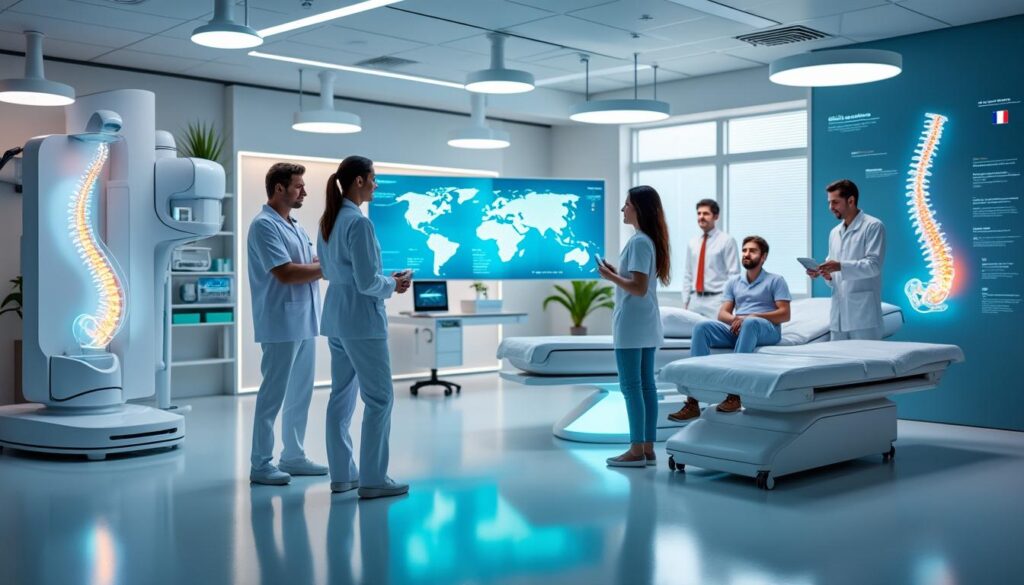
In the vibrant region of Laval, the management of herniated discs has undergone a remarkable transformation, driven by technological advancements and a commitment to non-invasive treatments. This evolution addresses the growing need for effective spinal care solutions among Laval’s active population, who often face spinal stress from daily activities or prolonged sedentary work. Herniated discs, a prevalent source of chronic back pain and reduced mobility, demand precise and individualized approaches to mitigate discomfort and restore spinal health.
Integrating state-of-the-art equipment, innovative neurovertebral decompression protocols, and a comprehensive multidisciplinary framework, health providers in Laval are redefining treatment pathways. These advancements emphasize conservative, evidence-based care, aiming to reduce reliance on surgery and its associated risks. Patients thus benefit from gentle spinal traction therapies that promote natural disc healing, reinforced by tailored physical rehabilitation. This synergy enhances long-term outcomes, fostering renewed quality of life and functional independence.
Herniated Disc in Laval: The Impact of Advanced Equipment on Spinal Treatment
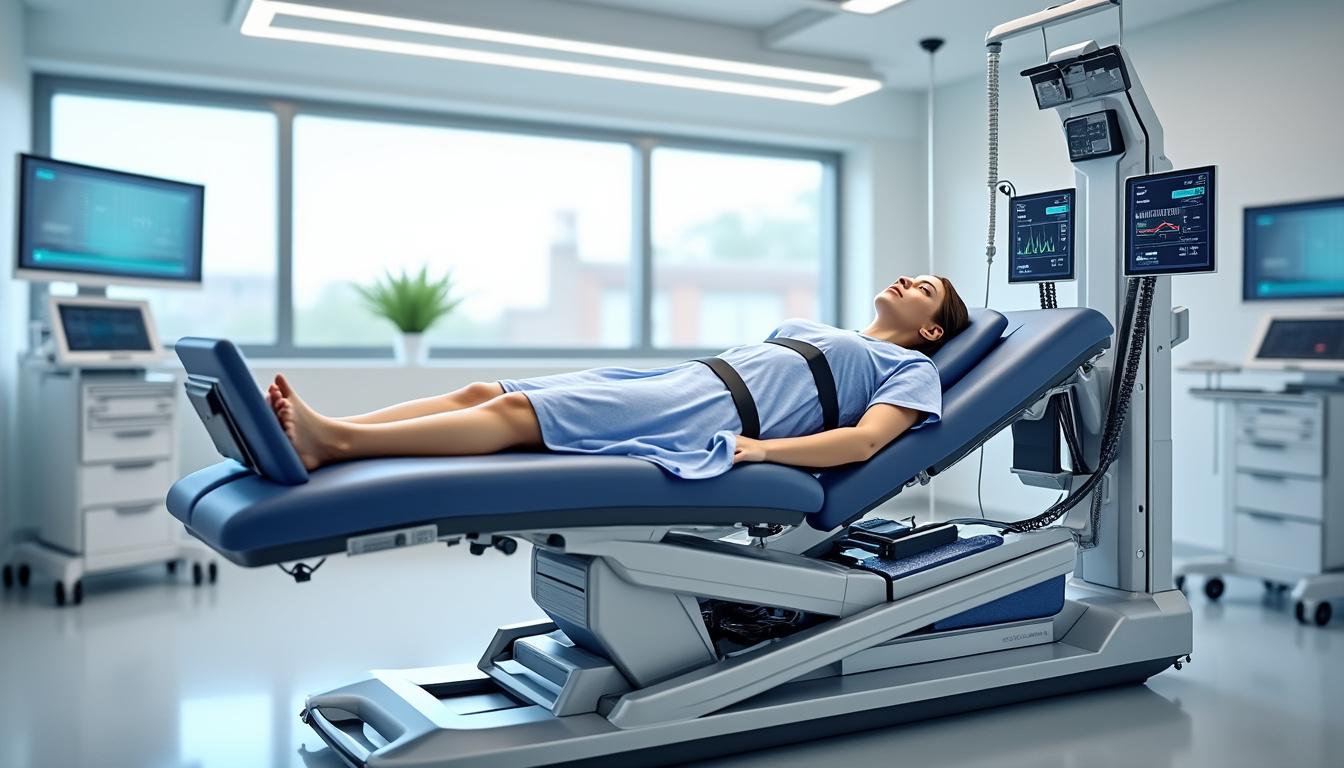
At the core of modern spinal treatment in Laval lies a suite of advanced medical devices engineered to deliver precise, controlled decompression of affected spinal segments. Among these, the SpineMED system stands out as a groundbreaking innovation, specifically designed to apply gentle yet effective traction forces to the spine. Unlike traditional mechanical traction, SpineMED leverages intelligent sensors and computerized controls to adapt in real-time to the patient’s physiological responses, ensuring maximum comfort and safety throughout therapy sessions.
This technology works by creating a negative intradiscal pressure that encourages the retraction of herniated or bulging disc material, alleviating compression on nerve roots and reducing inflammation. Such equipment allows practitioners to tailor protocols meticulously, focusing decompression on the exact vertebral levels identified through advanced imaging modalities like MRI and digital radiography. This precision is critical in avoiding collateral stress on adjacent anatomical structures, which can exacerbate symptoms.
Clinics in Laval equipped with this cutting-edge hardware also benefit from integrated diagnostic tools that assist clinicians in continuously monitoring treatment effectiveness and adjusting parameters accordingly. The incorporation of laser therapy and dynamic spinal implants further illustrates the region’s commitment to pioneering holistic, non-invasive spinal care approaches. Patients receive treatments that extend beyond symptom relief to promote underlying spinal health—essential for sustained recovery and prevention of recurrence.
IntraSPINE® in Sherbrooke: A Long-Lasting Solution for Chronic Lower Back Pain
Chronic lower back pain remains one of the most pressing health concerns in Sherbrooke and beyond, impacting millions and often diminishing daily quality of life. Despite the prevalence of lumbar discomfort, many face limited access to cutting-edge treatments amidst lengthy…
Medical Protocols for Neurovertebral Decompression: Standardized Yet Personalized Care in Laval
Effective treatment of herniated discs through neurovertebral decompression demands not only technological innovation but also rigorous medical protocols grounded in scientific evidence and clinical expertise. In Laval, care pathways are crafted to balance standardization with personalization, ensuring each patient’s unique clinical profile guides therapeutic decisions.
Protocol development begins with a comprehensive clinical evaluation that includes detailed patient history, physical examination, and confirmatory imaging to accurately localize herniation sites and assess the degree of nerve involvement. Dr. Sylvain Desforges, an expert with over three decades of experience, emphasizes this initial step as foundational. Following this, contraindications such as spinal instability, acute infections, or fractures are carefully excluded to safeguard patient safety.
Treatment typically proceeds through preparatory phases that include patient education on lifestyle adjustments, nutrition, and activity modification to optimize spinal loading before initiating decompression. Treatment sessions employ sophisticated traction tables that isolate the targeted vertebral segment while delivering progressive traction in line with predefined treatment goals. Each session, averaging 20 to 30 minutes, is monitored meticulously, with adjustments reflecting patient tolerance and symptomatic feedback.
Consistent with evidence-based guidelines, neurovertebral decompression in Laval is integrated into broader rehabilitative regimens involving physiotherapy and osteopathy. These complementary interventions focus on strengthening paraspinal muscles, correcting postural imbalances, and enhancing overall spinal stability, critical to preventing relapse. This interdisciplinary coordination epitomizes Laval’s commitment to safe, effective, and holistic spinal health management.
Herniated Disc Care in Sainte-Julie: Why TAGMED’s Neurovertebral Decompression Therapy Stands Out
In the vibrant community of Sainte-Julie, back pain—particularly that stemming from herniated discs—has become a widespread concern affecting people from all walks of life. The relentless search for effective, non-invasive treatments has brought renewed attention to a pioneering therapy that…
Role and Expertise of Dr. Sylvain Desforges in Advanced Spinal Care in Laval
Dr. Sylvain Desforges stands as a hallmark figure in spinal health within Laval and beyond, bringing over 35 years of clinical expertise to the forefront of neurovertebral decompression therapy and herniated disc management. Holder of B.Sc., D.O., and N.D. qualifications, Dr. Desforges is recognized not merely as a practitioner but as a pioneering expert dedicated to refining non-surgical spinal treatment strategies.
He is the founder and president of institutions that shape alternative and integrative medicine practices in Canada, including the Alliance Canadienne de Médecine Alternative (ACMA), the Canadian College of Osteopaths, and the TAGMED Clinics, which operate state-of-the-art centers in Montréal and Terrebonne. Through his leadership, these entities champion scientific rigor, ethical practice, and continual innovation, embodying principles that prioritize patient safety and transparent therapeutic communication.
Dr. Desforges’ approach is centered on comprehensive evaluations rather than mere diagnosis, parsing clinical symptoms with advanced spinal imaging to identify precise treatment targets. His clinical philosophy underscores the cautious application of neurovertebral decompression only after thorough exploration of conservative options, thereby sparing patients from unnecessary surgeries. His dedication to patient education ensures individuals understand treatment benefits and realistic expectations, fostering an empowering therapeutic alliance.
Moreover, Dr. Desforges plays a critical role in orchestrating transatlantic patient care collaborations, notably between Canada and France, leveraging partnerships with leading spine surgeons, clinics, and platforms like SOS Tourisme Médical. These networks enhance patient access to innovative surgical techniques and dynamic spinal implants unavailable domestically, underscoring his commitment to personalized, globally informed care.
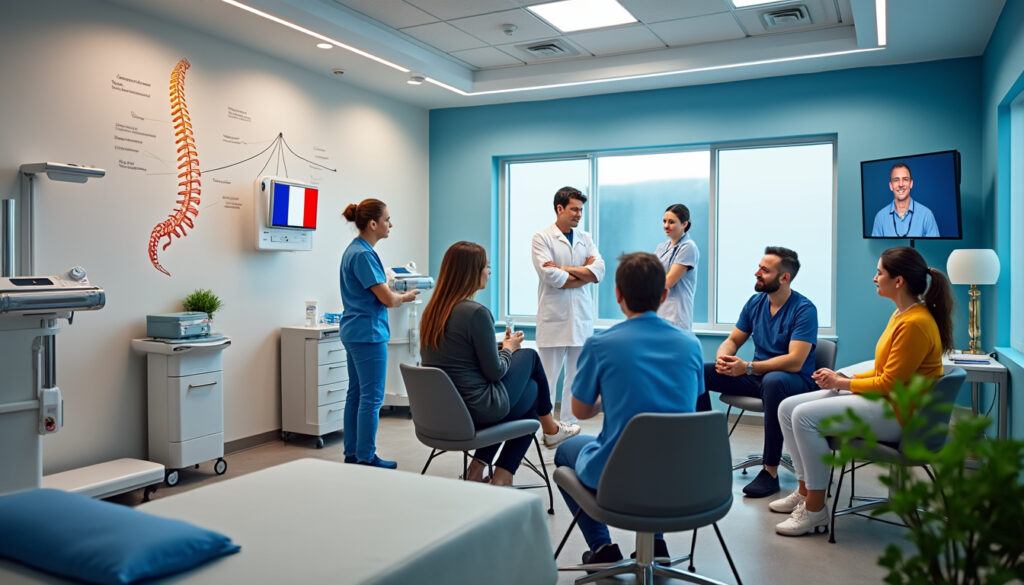
Back Surgery in Trois-Rivières: Alleviating Pain While Preserving Mobility
In Trois-Rivières, Quebec, the persistence of back pain affects a substantial portion of the population seeking effective and personalized solutions. Back pain, often caused by spinal disorders or herniated discs, can drastically diminish quality of life, limiting mobility and causing…
Neurovertebral Decompression, a Non-Surgical Therapy Offering Back Pain Relief in Laval
Conservative treatment options for herniated discs in Laval have increasingly favored neurovertebral decompression due to its capacity to afford significant back pain relief without resorting to invasive procedures. This therapy employs gentle spinal traction aimed at reducing internal disc pressure, thereby facilitating the retraction of herniated nucleus pulposus material away from nerve roots.
The advantages of this approach include its safety profile, minimal discomfort during treatment, and the promotion of natural disc hydration that enhances damping function. Clinical experience shows most patients experience noticeable pain reduction after a series of sessions, leading to improved spinal mobility and functional restoration.
Importantly, neurovertebral decompression targets the pathophysiology of disc herniation by mechanically altering intradiscal pressure gradients, a process supported by recent biomechanical analyses and clinical studies. By diminishing nerve root irritation and local inflammation, it reduces radicular symptoms such as numbness and muscle weakness common in lumbar disc disorders.
This method’s success is often amplified when combined with adjunctive therapies including physiotherapeutic exercises aimed at strengthening the lumbar musculature and promoting ergonomic postural habits, which are key to sustaining improvements and preventing recurrent injury. The accredited facilities in Laval, such as TAGMED Clinic, utilize leading-edge neurovertebral decompression tables and collaborate closely with specialized practitioners to deliver a comprehensive, patient-tailored regimen.
To explore the intricacies of this treatment, Laval residents can access detailed guidance on non-surgical therapy trajectories and patient experiences at trusted resources like Lower Back Herniated Disc Recovery in Laval with Decompression.
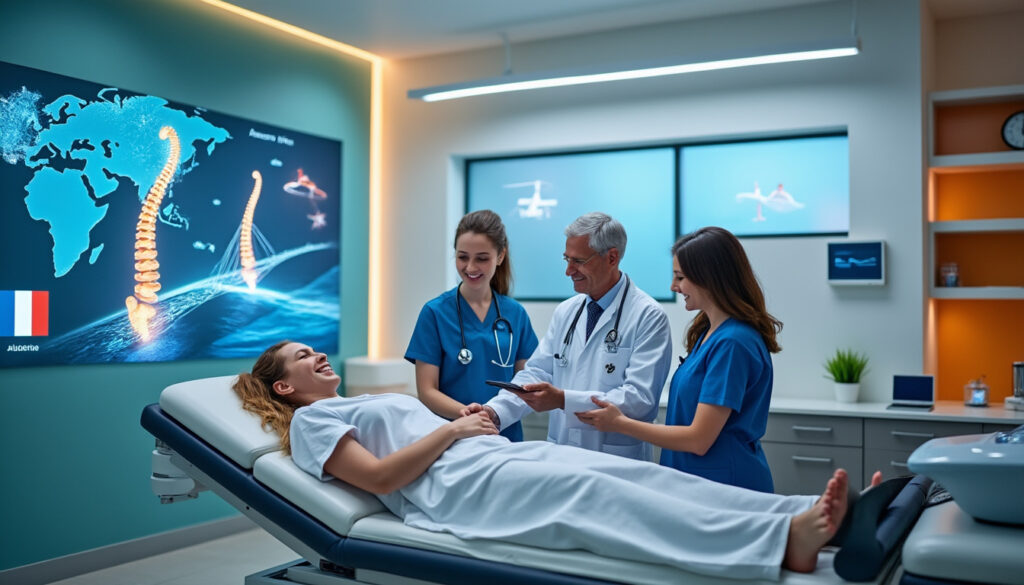
Disc herniation remains a significant health concern in Pointe-Claire, impacting the lives of a diverse population ranging from labor-intensive workers to the aging community. The condition, characterized by the displacement or rupture of the intervertebral disc, often leads to debilitating…
Integrating Physical Rehabilitation with Neurovertebral Decompression for Optimal Spinal Health
The trajectory toward full recovery from herniated disc syndrome in Laval incorporates neurovertebral decompression as a pivotal therapeutic cornerstone, seamlessly integrated within a robust physical rehabilitation framework. Physical rehabilitation aims to restore muscular balance, spinal stability, and functional capacity, essential for long-lasting spinal health.
Physiotherapeutic interventions focus on targeted strengthening of paravertebral muscles to reinforce spinal support, paired with flexibility exercises that reduce biomechanical stress on intervertebral discs. Corrective postural education ensures that patients maintain spinal alignment in daily activities, mitigating undue strain and preventing recurrence.
Clinical protocols promote a multidisciplinary approach where osteopaths, chiropractors, physiotherapists, and trained decompression therapists synchronize efforts to monitor patient progress and adjust interventions dynamically. This collaborative model, championed by experts like Dr. Desforges, underscores the necessity of personalized treatment plans aligned with individual anatomical and functional needs.
Moreover, adherence to structured rehabilitation programs improves pain management outcomes, decreases reliance on analgesic medications, and fosters patient autonomy in spinal care. This integrated pathway offers a comprehensive solution that addresses both the mechanical and neurological dimensions of herniated disc pathology.
| Rehabilitation Component | Purpose | Therapeutic Technique |
|---|---|---|
| Muscle Strengthening | Enhance spinal stability | Targeted lumbar and core exercises |
| Flexibility Training | Improve range of motion | Stretching and mobilization exercises |
| Postural Correction | Prevent mechanical stress | Ergonomic education and biofeedback |
| Neuromuscular Coordination | Enhance spinal control | Balance and coordination drills |
| Pain Management | Reduce discomfort | Modalities such as heat, ultrasound, and TENS |
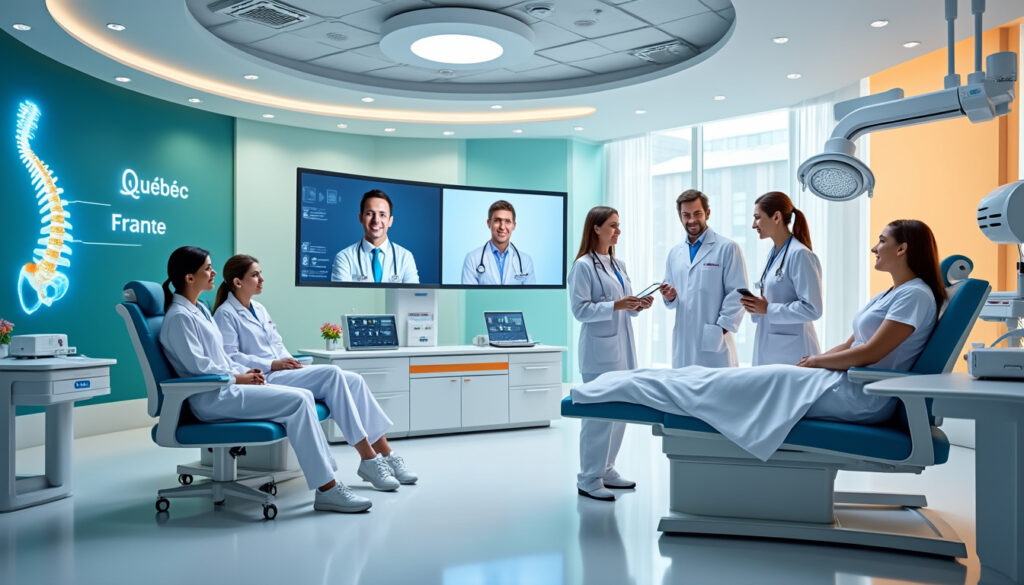
TOPS™ in Gatineau: A High-Performance Solution for Lumbar Spine Care
In a region where chronic back pain increasingly affects quality of life, the quest for advanced and effective lumbar spine treatments is paramount. Lumbar spinal stenosis, a prevalent condition among Quebec’s aging population, often imposes persistent discomfort and mobility limitations.…
Patient Selection and Safety Considerations for Neurovertebral Decompression Treatment in Laval
While neurovertebral decompression is a valuable modality for many with herniated discs, appropriate patient selection is a prerequisite to ensure safety and maximize therapeutic success. In Laval, rigorous screening processes precede initiation of therapy to exclude those with contraindications.
Ideal candidates typically present with confirmed herniated discs exhibiting radicular symptoms such as leg pain or numbness corroborated by imaging. The treatment is suited for individuals seeking to avoid surgery or those in preoperative phases requiring symptom management while preparing for potential surgical care.
Conversely, patients with severe spinal instability, active infections, unhealed fractures, or advanced pregnancy generally are excluded to prevent adverse outcomes. A thorough evaluation by Dr. Desforges or qualified practitioners includes clinical assessment and radiographic confirmation to detect these red flags.
The evaluation process emphasizes a tailored approach, ensuring that each patient’s anatomical and functional characteristics align with treatment protocols in compliance with Quebec and Canadian medical regulations. This cautious methodology reflects Dr. Desforges’ commitment to patient safety, providing reassurance and confidence to those undergoing decompression therapy.
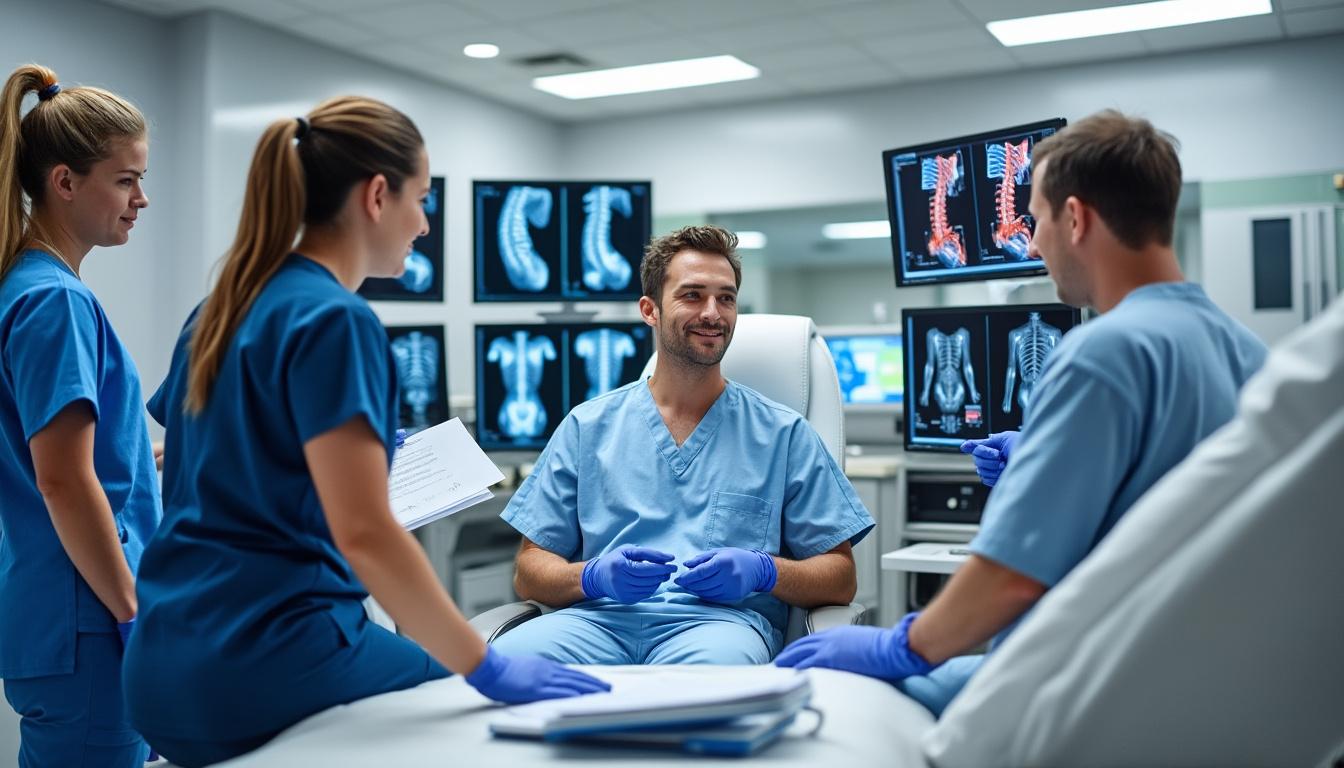
At Gouin Clinic, the landscape of herniated disc therapy has entered a transformative era marked by the integration of Personalized Treatment Plans and breakthrough Neurovertebral Decompression Therapy. This non-surgical approach is revolutionizing how spinal disorders are managed, offering patients an…
Comparing Neurovertebral Decompression to Other Treatment Options for Herniated Disc in Laval
Within the therapeutic landscape of Laval, neurovertebral decompression stands alongside various alternatives, each with distinct indications, benefits, and limitations. Understanding these differences enables patients and professionals to make informed decisions tailored to individual needs.
| Treatment Approach | Description | Advantages | Limitations |
|---|---|---|---|
| Neurovertebral Decompression | Controlled mechanical spinal traction to relieve disc pressure | Non-invasive, promotes disc rehydration, minimal side effects | Requires commitment to multiple sessions, not suitable for all patients |
| Pharmacological Management | Use of anti-inflammatory and analgesic medications | Rapid symptom relief, widely accessible | Does not address underlying pathology, potential side effects |
| Physical Therapy | Exercise and manual therapy to restore function | Enhances muscular support and posture, non-invasive | May not suffice for moderate to severe herniations alone |
| Surgical Intervention | Removal or repair of herniated disc material | Definitive relief in severe cases | Invasive, risk of complications, longer recovery |
Laval patients are increasingly opting for neurovertebral decompression as a first-line conservative therapy, particularly when integrated within a comprehensive rehabilitation program. This balanced choice reflects the desire to optimize benefit-risk profiles through modern, patient-centered care. Additional insights can be accessed by consulting resources such as Laval Disc Herniation Care that Avoids Surgery Risks, which detail alternatives for managing disc pathology.
Cervical Disc Prosthesis in Quebec: Preventing Post-Operative Stiffness
Neck pain is one of the most common musculoskeletal complaints in Quebec, affecting a significant portion of the population annually. Often rooted in degenerative cervical disc diseases or herniated discs, this persistent discomfort severely impacts daily life and mobility. Fortunately,…
Preparing for Neurovertebral Decompression Therapy: Essential Guidelines for Patients in Laval
Successful outcomes in neurovertebral decompression are closely linked to adequate patient preparation. In Laval, specialists emphasize that pre-treatment engagement dramatically influences therapy tolerance and effectiveness.
Preparation commences with a detailed medical evaluation to confirm eligibility, coupled with thorough explanation of the therapy’s mechanics and expected sensations during sessions. Educating patients on avoiding strenuous physical activities, maintaining spinal-friendly postures, and promoting hydration optimizes tissue receptivity and reduces discomfort during traction.
Patients are also guided regarding consistent attendance across a prescribed schedule, often spanning several weeks, to facilitate cumulative benefits. Encouragement to integrate active rehabilitation, including stretching and strengthening regimens, before and after sessions further strengthens the therapeutic impact.
This proactive collaboration between patient and practitioner, championed by experts like Dr. Desforges, embodies an empathetic, motivational care philosophy aspiring to empower individuals through education and personalized support, key to navigating the recovery journey with confidence and resilience.
Is neurovertebral decompression treatment painful?
Generally, the treatment is designed to be comfortable and relaxing. Most patients report minimal discomfort during sessions.
Can athletes with herniated discs benefit from neurovertebral decompression?
Yes, athletes often respond well to this therapy, experiencing faster recovery and a safer return to physical activities.
How long does a typical decompression session last?
Sessions usually range from 20 to 30 minutes, tailored to each patient’s specific treatment plan.
What are the primary symptoms that indicate the need for decompression therapy?
Persistent low back pain, radiating leg pain, numbness, and muscle weakness are common signs warranting clinical evaluation.
What distinguishes neurovertebral decompression from surgical treatment?
Unlike surgery, decompression is non-invasive and aims to reverse disc herniation symptoms conservatively without the risks linked to invasive procedures.
The prevalence of herniated disc conditions in Blainville has sparked considerable discussion and misconceptions about their causes, symptoms, and treatments. While the pain and disability associated with this spinal disorder are well documented, the emergence of non-surgical options such as…