
Why Mascouche Patients Trust TAGMED for Disc Herniation Treatment
October 26, 2025
Neck Pain from Herniated Disc: Treatment Options in Pointe-Claire
October 26, 2025
Chronic back pain, a prevalent affliction especially in communities like Châteauguay, demands well-informed decisions on treatment paths. Individuals living with herniated discs often face a crucial choice between traditional surgical methods and emerging alternatives like spinal decompression therapy. Both avenues offer unique possibilities, but understanding their distinctions is paramount for patients seeking effective and lasting relief. The evolution of spinal care, led by experts dedicated to evidence-based and innovative treatments, opens doors to safer, personalized options beyond conventional surgery. Particularly in regions where medical collaboration spans borders, such as between Canada and France, patients benefit from cutting-edge procedures and comprehensive care strategies. In-depth knowledge on the mechanisms, risks, recovery, and costs associated with surgery and spinal decompression can empower Châteauguay residents to navigate their spine health journey with confidence and clarity.
Exploring the nuances of spinal decompression against surgical intervention reveals a landscape of care that balances patient safety, efficacy, and lifestyle considerations. While surgery remains a vital solution for severe structural issues, non-surgical approaches have advanced remarkably, offering substantial benefits without anesthesia or incisions. Pioneers in spine therapy, including Dr. Sylvain Desforges, enhance these approaches by integrating technology, rigorous clinical evaluation, and interdisciplinary coordination. This commitment to holistic, ethical, and patient-centered care redefines how herniated discs and related spinal disorders are managed today. A thorough comparison of these treatment modalities helps clarify what constitutes the best option for individual needs and circumstances, laying the groundwork for informed decisions in spinal health management in Châteauguay and beyond.
Fundamentals of Spinal Decompression and Surgical Treatments for Herniated Discs
Understanding the foundational differences between spinal decompression therapy and surgical intervention is essential for anyone grappling with herniated discs. Spinal surgery typically involves invasive techniques like discectomy, laminectomy, or spinal fusion. Each of these procedures targets relieving pressure exerted on spinal nerves by directly removing or modifying bone, disc tissue, or other structures. For example, a discectomy focuses on excising the problematic herniated portion of the disc, while laminectomy removes part of the vertebra’s lamina to ease nerve compression. Spinal fusion seeks to immobilize unstable vertebrae by fusing them, providing long-term stability but with altered spinal mechanics. Surgery often requires anesthesia, hospital stays, and extended rehabilitation periods, but can be indispensable when severe neurological symptoms or structural damage are present.
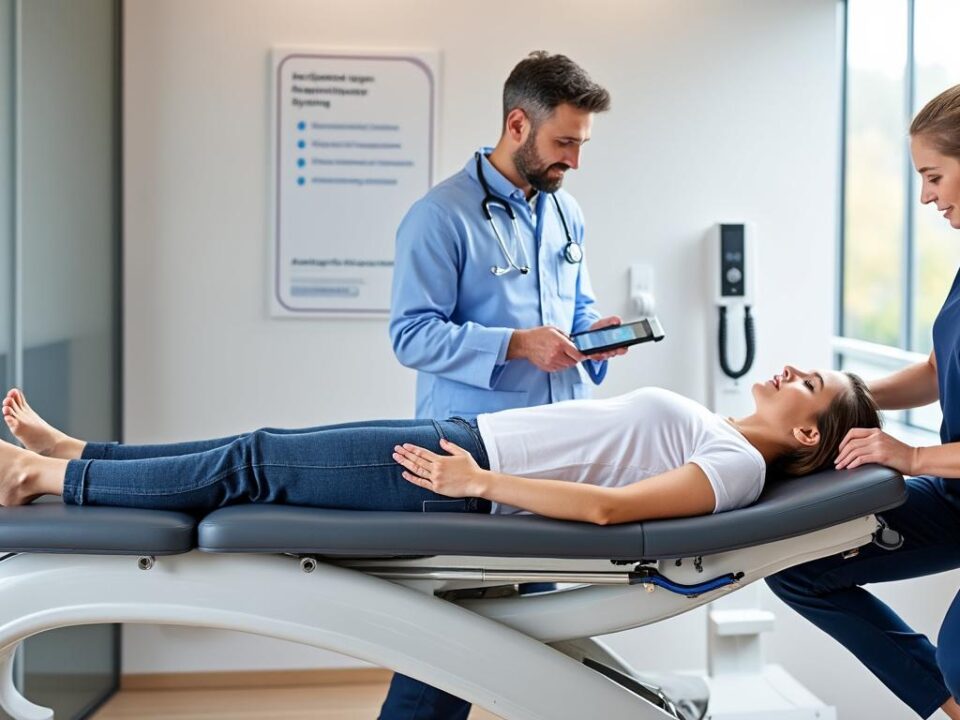
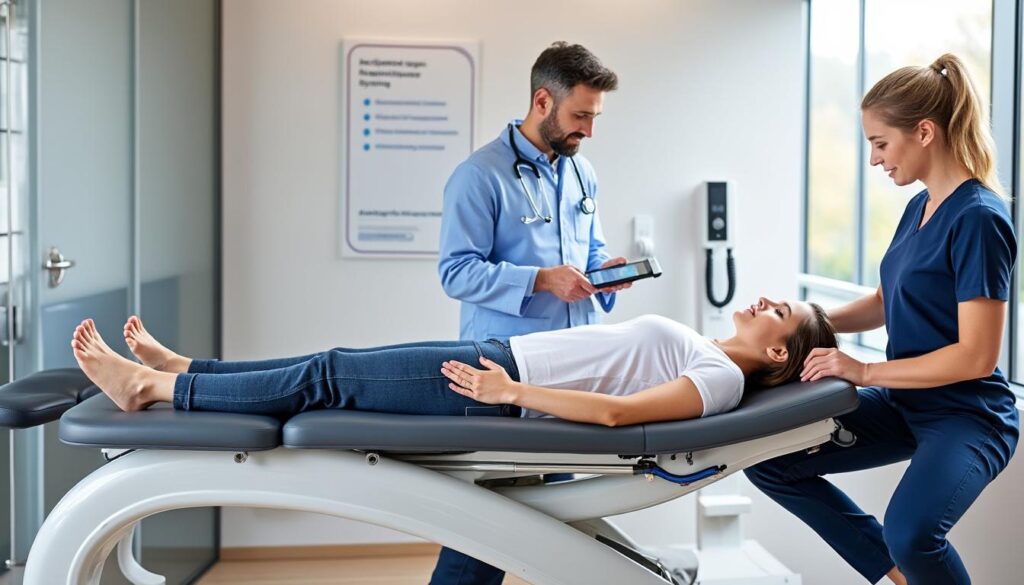
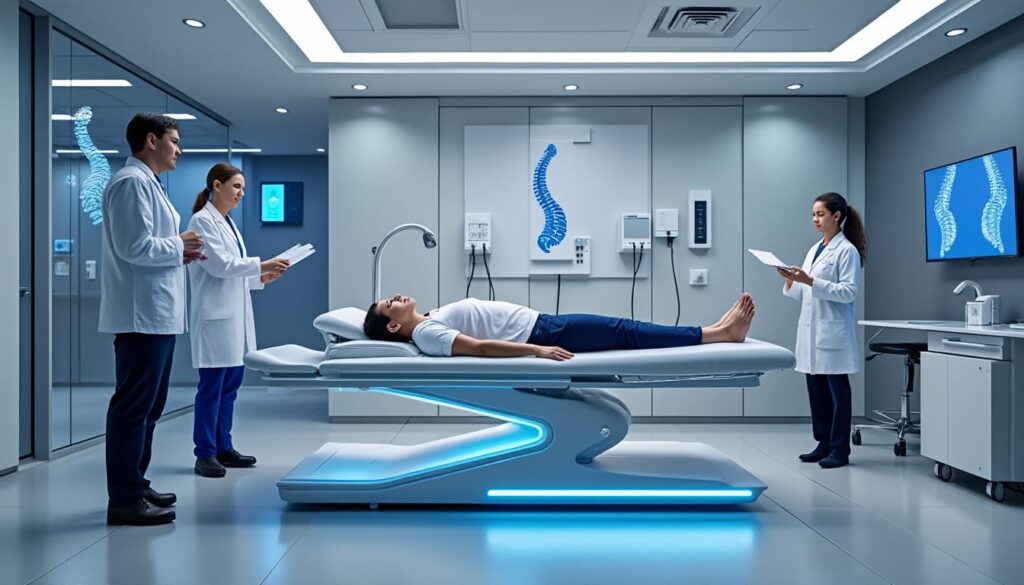
Conversely, spinal decompression therapy presents a non-surgical alternative relying on mechanical traction to gently elongate and relax the spinal column. During treatment, patients lay on specialized decompression tables where harnesses apply precise, controlled forces to reduce pressure within spinal discs. This method fosters a negative pressure environment that can facilitate retraction of herniated disc materials and promote nutrient-rich blood circulation to accelerate healing. Typically, spinal decompression requires multiple sessions over several weeks and is considered suitable for mild to moderate disc herniations or bulges. It avoids incisions and anesthesia, minimizing risks and downtime.
- Spinal Surgery: Direct removal or modification of spinal structures, invasive, hospital-based.
- Spinal Decompression: Non-invasive mechanical traction, promotes natural disc healing, typically outpatient.
| Aspect | Spinal Surgery | Spinal Decompression Therapy |
|---|---|---|
| Procedure Type | Invasive, incisions, anesthesia | Non-invasive, no incisions or anesthesia |
| Goal | Relieve nerve pressure by removing/displacing tissue or stabilizing spine | Reduce disc pressure, promote disc healing and retraction |
| Recovery Time | Weeks to months, often requires physiotherapy | Minimal downtime, can resume activities immediately |
| Risks | Infection, bleeding, nerve damage, anesthesia complications | Minor soreness possible, low risk profile |
| Suitable For | Severe herniations, neurological deficits, structural instability | Mild to moderate disc issues, patients avoiding surgery |
For residents seeking clarity on spinal decompression vs surgery, these basics highlight the distinct philosophies and mechanisms defining each treatment modality.


Candiac Back Pain Relief for Herniated Disc Sufferers
Back pain stemming from herniated discs remains a challenging and widespread issue impacting many individuals in Candiac and the surrounding Quebec regions. This condition often leads to persistent discomfort, restricted mobility, and diminished quality of life for sufferers. In the…
Evaluating Effectiveness: Long-Term Outcomes of Decompression Versus Surgery
The effectiveness of spinal decompression therapy compared to surgical intervention often comes down to individual patient factors and the severity of the spinal disorder. Surgery is frequently reserved for cases where conservative or non-surgical treatments have failed to alleviate symptoms or where neurological decline is evident. Clinical evidence supports that carefully selected patients undergoing discectomy or laminectomy can experience significant pain relief and restored function, with success rates ranging from approximately 60% to 90% depending on the procedure and patient’s overall condition.
In contrast, spinal decompression therapy has demonstrated promising results, particularly for patients with herniated or bulging discs associated with radicular pain such as sciatica. Reports indicate that approximately 70% to 90% of patients achieve symptom relief after an appropriate course of therapy, though some variability exists due to differences in adherence, condition severity, and related comorbidities. The growing body of research calls for further studies on long-term benefits, yet this modality continues to gain traction as an effective disc relief solution for many cases without surgery.
- Criteria for surgical candidacy often include progressive neurological symptoms or structural abnormalities.
- Spinal decompression therapy is appropriate for patients with pain without acute neurological decline.
- Patient commitment to treatment sessions and adjunct therapies significantly affects decompression outcomes.
| Outcome Measure | Surgical Intervention | Spinal Decompression Therapy |
|---|---|---|
| Pain Relief | High success in severe cases | Moderate to high in mild/moderate cases |
| Functional Improvement | Significant with proper rehab | Gradual improvement as healing occurs |
| Long-Term Stability | Often immediate but may alter spine mechanics | Promotes natural healing without structural alteration |
| Repeatability | Limited; surgery generally not repeated on same area | Can be repeated if symptoms recur |
Those interested in deeper comparative analysis can explore information about which treatment is better for disc problems provided by leading spine care resources.
La Prairie Chronic Neck Pain Recovery Without Medication
Chronic neck pain continues to be a widespread and challenging condition that impacts millions globally, with significant effects on daily functioning and quality of life. Not confined to any particular age or occupation, it manifests from diverse causes such as…
Risks, Recovery Timelines, and Patient Experience of Surgical vs Non-Surgical Interventions
Choosing between surgical and non-surgical spinal treatments involves weighing the various risks and recovery expectations. Surgery carries inherent risks such as infection, bleeding, nerve damage, and complications related to anesthesia. Even in the hands of experienced surgeons, these risks are significant and require transparent communication with patients. Additionally, postoperative care is extensive, often requiring weeks or months of rehabilitation to rebuild strength and prevent recurrence.
In contrast, spinal decompression therapy offers a markedly safer profile with minimal risk of serious complications. Patients report occasional mild soreness or fatigue following sessions, but these effects generally resolve quickly. The non-invasive nature means no hospital stay is required, and daily activities can usually be resumed immediately after treatment. This minimal disruption appeals to many seeking efficient solutions with less interruption to work and lifestyle.
- Surgical risks: infection, bleeding, nerve injury, anesthesia complications.
- Longer recovery time for surgery: from several weeks up to months.
- Decompression side effects mostly limited to temporary soreness.
- No anesthesia or hospital stay required for decompression.
- Patient satisfaction often linked to individual expectations and condition severity.
| Factor | Surgery | Non-Surgical Spinal Decompression |
|---|---|---|
| Invasiveness | High (incisions, anesthesia) | Low (non-invasive) |
| Recovery Time | Weeks to months | Minimal; often immediate return to activities |
| Hospital Stay | Required | Not required |
| Complication Rate | Moderate to high | Low |
| Patient Comfort | Variable; depends on surgical and rehab experience | Generally high due to non-invasive approach |
Patients in Châteauguay and nearby areas can consult with Spinal Decompression Experts to receive comprehensive education and evaluate their treatment paths carefully.
Mirabel Lumbar Disc Protrusion Treatment Success Rates
The management of lumbar disc protrusion remains a critical focus in spinal health research and clinical care, especially within the dynamic context of Mirabel and surrounding regions. As low back pain continues to affect a significant portion of the adult…
Cost Comparison and Accessibility of Treatments in Châteauguay
Financial considerations are decisive for many patients when choosing between spinal decompression therapy and surgery. Surgical procedures tend to place heavier burdens on healthcare budgets, factoring in hospital charges, surgeon fees, anesthesia, and extended rehabilitation. Insurance coverage varies considerably, and unexpected complications can escalate costs. Conversely, spinal decompression therapy has emerged as a cost-effective alternative, often conducted in outpatient settings with fewer ancillary expenses.
In Châteauguay, the availability of specialized clinics offering non-surgical spinal decompression ensures patients have access to advanced back care without the significant financial obstacles that surgery may present. This advantage not only reduces the financial strain on patients but can also result in faster initiation of therapy. Treatment costs depend on the number of required sessions but remain generally more manageable compared to surgical bills.
- Higher out-of-pocket expense for surgery due to hospital and professional fees.
- Possible long-term savings with spinal decompression by avoiding surgical complications.
- Better accessibility of decompression clinics locally reduces travel and related costs.
- Insurance plans may cover conservative therapies more readily than surgery.
- Financial planning and insurance consultation recommended prior to deciding treatment.
| Cost Factor | Spinal Surgery | Spinal Decompression Therapy |
|---|---|---|
| Hospital Costs | High | None |
| Surgeon Fees | Significant | N/A or minimal for procedural oversight |
| Anesthesia | Included in surgical fee | None |
| Postoperative Care | Extensive and costly | Minimal and included in session costs |
| Total Estimated Cost | Considerably higher | Moderate and scalable |
For those exploring surgical alternatives spine treatments, early consultation can help discuss financial aspects alongside clinical benefits.
Vaudreuil-Dorion Sciatica Recovery Through Non-Invasive Care
In the vibrant community of Vaudreuil-Dorion, many individuals grapple with debilitating sciatica, a condition characterized by sharp, radiating pain originating in the lower back and traveling down the legs. This ailment significantly disrupts daily life, impeding mobility and diminishing overall…
The Role of Advanced Technologies in Enhancing Spinal Care Treatment Options
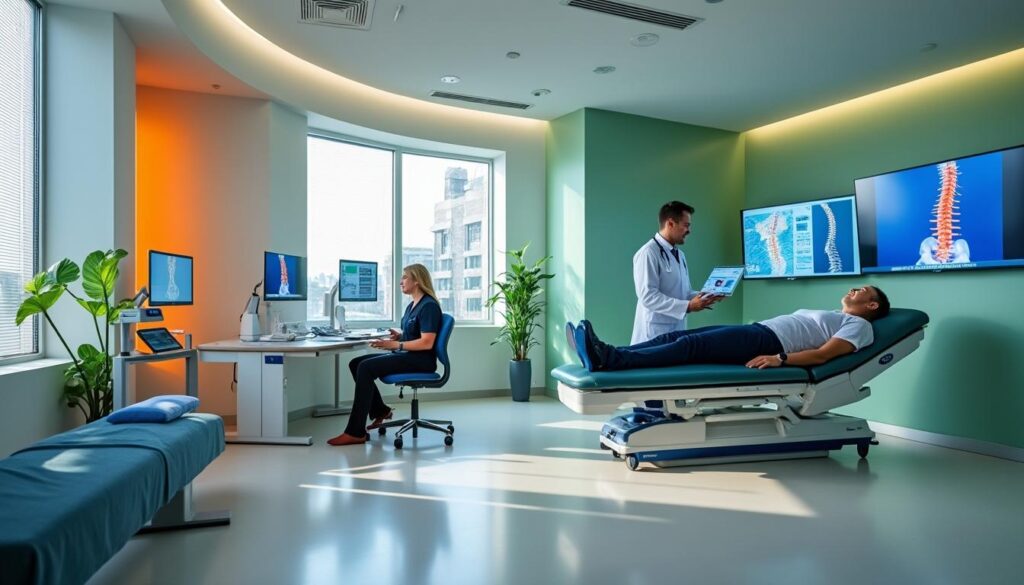
Innovation in spinal care increasingly shapes treatment outcomes by integrating cutting-edge technology. Devices for spinal decompression utilize computer-controlled traction mechanisms that precisely vary tension and timing to optimize therapeutic effects and patient comfort. Further advancements include laser therapy and dynamic spinal implants, which enhance regenerative capacity and spinal stability respectively.
Dr. Sylvain Desforges, a recognized expert with over three decades of experience in spinal disorders, pioneers the incorporation of such technologies at facilities like the Châteauguay Spine Therapy programs and TAGMED Clinics. His leadership in combining evidence-based protocols with innovative devices strengthens patient-centered approaches, ensuring treatments are safe, effective, and tailored to individual needs. These technologies not only minimize invasiveness but often improve treatment precision and patient satisfaction.
- Computerized spinal decompression tables for controlled mechanical therapy
- Laser therapy promoting tissue repair and pain relief
- Dynamic spinal implants facilitating minimally invasive stabilization
- Digital imaging and diagnostics enhancing evaluation accuracy
- Interdisciplinary collaboration integrating complementary therapies
| Technology | Application | Benefit |
|---|---|---|
| Computer-Controlled Traction Tables | Spinal decompression sessions | Precision in force application, patient comfort |
| Laser Therapy | Tissue healing and pain management | Non-invasive pain relief, reduced inflammation |
| Dynamic Spinal Implants | Minimally invasive spinal stabilization | Preserves mobility, reduces surgery extent |
| Digital X-rays and MRI | Accurate diagnosis and treatment planning | Improved targeting and outcomes |
| Integrated Multidisciplinary Teams | Holistic patient care | Comprehensive management of spine health |
This synergy of science and technology supports innovative solutions available through the Non-Surgical Disc Clinic and other leading centers.

Saint-Eustache Neck Herniation Solutions Using Decompression
Neck pain, often stemming from conditions like herniated disc and cervical spine disorders, is a widespread affliction impacting millions globally. Residents of Saint-Eustache facing such challenges now have access to innovative, non-surgical treatment options that tackle the root causes of…
International Collaboration and Patient Care Journey Between Canada and France
Notably, the management of spinal disorders often transcends local healthcare markets, with international coordination playing a key role in optimizing patient outcomes. Dr. Sylvain Desforges exemplifies this by orchestrating transatlantic patient journeys, linking Châteauguay and the broader Québec community with expert spinal surgeons and clinics in France. This collaboration facilitates access to specialized surgical techniques, innovative implants, and supplementary therapies that may not be readily available domestically.
Such coordinated efforts involve careful scheduling, remote consultations, and personalized care plans to ensure seamless transitions between non-surgical and surgical interventions as needed. Patients receive comprehensive support not only in treatment but also in administrative and logistical aspects, enhancing their overall experience and reducing stress.
- Remote cross-border consultations for initial evaluation and follow-up
- Access to advanced surgical methods and pioneering implants in France
- Integrated pre- and post-operative care managed collaboratively
- Coordination with medical tourism platforms ensuring patient comfort
- Customized care plans respecting patient preferences and health profiles
| Care Aspect | Canada (Québec) | France |
|---|---|---|
| Initial Evaluation | Comprehensive clinical assessments by Dr. Desforges | Supplemental diagnostic imaging and second opinions |
| Surgical Intervention | Limited to less invasive procedures | Access to advanced and novel spinal surgeries |
| Post-Operative Care | Rehabilitation and monitoring with local clinics | Intensive surgical recovery and specialized care |
| Coordination | Centralized patient management | Collaborative surgical team support |
| Patient Support | Ongoing communication and education | Hospital and accommodation services for patients |
Patients in Châteauguay considering treatment options can find detailed insights on second opinions for herniated discs and transatlantic care coordination to enhance decision-making.
Mascouche Lower Back Injury Rehabilitation Without Surgery
Lower back injuries are a prevalent challenge that impacts countless individuals in Mascouche and beyond, often resulting in debilitating pain and disrupted daily life. Despite the common perception that surgery is the inevitable recourse for such spinal issues, many patients…
Unique Aspects and Added Value of Dr. Sylvain Desforges’ Expertise in Spine Care
Dr. Sylvain Desforges’ reputation as a driving force in spinal care in Québec is grounded in over 30 years of clinical experience combined with formal qualifications including a B.Sc., D.O., and N.D. His leadership roles as founder and president of key institutions such as the Alliance Canadienne de Médecine Alternative, the Canadian College of Osteopaths, and TAGMED Clinics underline his commitment to advancing spine health.
What sets Dr. Desforges apart is his comprehensive approach that blends scientific rigor, patient-centered ethics, and a passion for innovation. He is particularly known for his expertise in thorough spinal evaluations, ensuring patients understand their condition without confusion or medical jargon. His integration of advanced technologies like neurovertebral decompression and laser therapy enhances therapeutic results.
- Over three decades of experience dedicated to spine care and herniated disc recovery
- Founder and president roles promoting osteopathy and alternative medicine in Canada
- Expert evaluation emphasizing individualized treatment plans
- Early adoption of minimally invasive and non-surgical technologies
- Commitment to patient education, safety, and multi-disciplinary coordination
| Distinctive Features | Impact on Patient Care |
|---|---|
| Clinical Experience | Refined diagnosis and tailored treatments |
| Leadership in Professional Organizations | Advancing standards and access to care |
| Innovative Technologies | Wider treatment options, improved outcomes |
| Patient Education | Greater empowerment and adherence to therapy |
| International Coordination | Expands access to specialized interventions |
Patients looking for advanced back care with an emphasis on individualized, ethical, and innovative treatment can benefit from Dr. Desforges’ expertise and collaborative network.

Saint-Jérôme Cervical Disc Herniation Recovery in Weeks
Cervical disc herniation poses a significant challenge for many residents in Saint-Jérôme seeking fast and effective relief from neck pain and restricted movement. This condition, involving the displacement or rupture of the cushioning discs located between the cervical vertebrae, can…
Educational Guidance on Treatment Choices and Common Patient Concerns
Effective patient education is a cornerstone of Dr. Sylvain Desforges’ approach to spinal care. Recognizing that spinal disorders evoke concerns about pain, mobility, and future health, he ensures that complex medical concepts are translated clearly and compassionately. Avoiding dense medical jargon, explanations cover indications, treatment pathways, expected benefits, and limitations.
For example, patients often inquire about the myths surrounding herniated discs and the real prospects of recovery without surgery. Addressing these questions fosters informed dialogue, helping patients weigh the option of surgical alternatives spine care and non-invasive therapies effectively. Dr. Desforges also emphasizes that each treatment journey is unique and decisions must be tailored accordingly.
- Clear explanations of decompression and surgical procedures
- Discussion of patient-specific symptoms and treatment goals
- Myth-busting regarding herniated disc surgery and recovery
- Encouragement for second opinions and collaborative decision-making
- Support for questions, concerns, and ongoing communication
| Patient Concern | Clarification Provided |
|---|---|
| Is surgery always necessary for herniated discs? | No, many patients benefit from non-surgical options like spinal decompression. |
| How long will recovery take after decompression therapy? | Minimal downtime; most patients resume normal activities quickly. |
| Are there risks with spinal decompression? | Generally low risk; minor soreness is the most common side effect. |
| What if pain continues after treatment? | Care plans are adjusted; surgery considered when necessary. |
| Can I get a second opinion? | Yes, Dr. Desforges encourages it for informed patient choices. |
Comprehensive and patient-focused guidance is integral for those exploring options at the Chiropractic Decompression Clinic and related services.
Boucherville Chronic Back Pain Solved with TAGMED’s Technology
Chronic back pain remains a formidable challenge for millions worldwide, deeply affecting quality of life, work productivity, and social interaction. In Boucherville, a city known for its vibrant community and active lifestyle, an innovative solution is transforming the approach to…
Optimizing Patient Outcomes through Personalized Care Pathways
The journey to spinal health requires a personalized roadmap that respects the uniqueness of each patient’s condition, lifestyle, and preferences. Dr. Sylvain Desforges excels at creating such tailored care pathways, combining objective evaluation with patient empowerment.
This process typically involves:
- Thorough initial assessment leveraging advanced imaging and clinical tests
- Collaborative discussions to define realistic goals and preferred approaches
- Integration of non-surgical options like spinal decompression, laser therapy, or osteopathic adjustments
- Coordination with international specialists when surgical options are considered
- Structured follow-up ensuring treatment efficacy and adjustment
Such individualized planning not only addresses the physical aspects of spinal disorders but also supports psychological well-being by fostering clear expectations and involving patients in decision-making. This holistic care philosophy aligns with the high standards promoted by Québec and Canadian medical guidelines overseen by bodies such as the Collège des médecins du Québec.
| Step | Description |
|---|---|
| Evaluation | Detailed clinical and imaging examination |
| Goal Setting | Patient and expert collaborate on treatment objectives |
| Non-Surgical Treatment | Application of spinal decompression and ancillary therapies |
| Surgical Referral | When necessary, coordinated with international centers |
| Follow-Up | Monitoring and adjusting according to response |
Such comprehensive programs ensure the best pathways for Châteauguay residents dealing with herniated discs and back pain.
What conditions are best treated with spinal decompression therapy?
Spinal decompression therapy is most effective for mild to moderate herniated or bulging discs, sciatica, and early spinal stenosis cases, offering a non-invasive treatment option without surgery.
When is surgery necessary for herniated disc patients?
Surgery becomes necessary in severe cases with persistent neurological deficits, significant spinal instability, or when non-surgical treatments have failed to relieve symptoms.
How long is the recovery period after spinal decompression treatments?
Recovery from spinal decompression is usually rapid, with most patients returning to daily activities immediately or shortly after sessions, though multiple treatments cumulatively contribute to healing.
Are there risks associated with spinal surgery?
Yes, spinal surgery poses risks such as infections, nerve damage, bleeding, and anesthesia complications, requiring thorough preoperative assessment and postoperative care.
Can patients seek a second opinion if unsure about surgical recommendations?
Absolutely, obtaining a second opinion is encouraged to ensure comprehensive understanding and patient confidence in the chosen treatment path.