Boucherville Chronic Neck Pain Resolved with Spinal Decompression
October 28, 2025
Comprehensive Guide to Post-Surgery rTMS Integration
October 29, 2025
Spinal health challenges represent a significant concern for many patients worldwide, especially those enduring chronic back and neck pain. For Quebec residents seeking exceptional care, France emerges as a beacon of advanced spinal surgery, offering not only world-class expertise but also innovative technologies and comprehensive patient pathways. This transatlantic collaboration fosters personalized treatment plans incorporating minimally invasive procedures, dynamic stabilizations, and the application of cutting-edge implants like TOPS and Intraspine. Coordinated efforts by renowned specialists and organizations such as Dr. Sylvain Desforges, Franchir, neurotherapy centers, and medical tourism facilitators ensure streamlined access and reduced waiting times. Patients benefit from a holistic approach emphasizing rapid recovery, mobility preservation, and ethical medical practice backed by extensive clinical experience and evidence-based protocols.
Advancements in spinal care within France profoundly impact clinical decision-making and surgical outcomes. The French approach embraces a spectrum of techniques including traditional spine surgeries, innovative motion-preserving devices, and robot-assisted interventions. This diversity allows tailoring treatments to specific pathologies and patient profiles while maintaining a commitment to minimal invasiveness and enhanced postoperative quality of life. Multidisciplinary teams and centers of excellence provide integrated services—from thorough preoperative assessments to ongoing postoperative rehabilitation—ensuring continuity of care. Such well-orchestrated systems not only enhance surgical precision but also embody an evolving model for international spinal health collaboration, particularly attractive for patients from regions like Quebec confronting long surgical delays or seeking novel treatment alternatives.
Innovative Spinal Surgery Techniques in France: A New Paradigm for Quebec Patients
France’s spinal surgery landscape is marked by groundbreaking clinical expertise and state-of-the-art technology, making it an attractive destination for Quebec patients exploring advanced care options. The surgical techniques encompass three primary categories suitable to diverse spinal conditions:
- Simple surgery: Primarily involving discectomies, these interventions target herniated discs causing nerve compression. The integration of spinal endoscopy enhances precision, reducing muscular trauma and scarring. Such minimally invasive approaches accelerate recovery, cater well to international patients with constrained hospital stays, and limit post-procedure discomfort.
- Spinal fusion (arthrodesis): Employed for severe instability, deformities, or degenerative pathologies, this technique is nowadays complemented by advanced fixation implants from international leaders including Medtronic, Zimmer Biomet, DePuy Synthes, and Stryker. Computer-assisted 3D planning ensures exceptional surgical accuracy while minimizing invasiveness.
- Motion-preservation (non-fusion) techniques: France leads in dynamic stabilization methods using implants like TOPS, Intraspine, ESP, and B-DYN. These devices maintain vertebral mobility, reduce adjacent segment degeneration, and offer improved postoperative function and comfort compared to traditional fusion.
These innovations create a more personalized and dynamic approach to spinal surgery. They balance biomechanical preservation with effective symptom relief, meaning Quebec patients now have the opportunity to pursue superior outcomes that respect natural spine mechanics. Surgical teams often utilize bespoke implants calibrated to anatomical and pathological specifics, thus minimizing complications and maximizing recovery potential. This tailored methodology is backed by institutions like the renowned Spine Center at Groupe Hospitalier Privé Ambroise Paré, recognized among the best in Europe.
| Technique Category | Indications | Leading Implants/Technologies | Benefits for Quebec Patients |
|---|---|---|---|
| Simple Surgery | Herniated discs, nerve compression | Endoscopic tools, Microsurgical instruments | Minimally invasive, short recovery, less pain |
| Spinal Fusion | Instability, deformities, degeneration | Medtronic, DePuy Synthes, Zimmer Biomet implants, 3D computer planning | Enhanced stability, precision surgery, less invasiveness |
| Motion-Preservation Techniques | Cases requiring movement preservation | TOPS, Intraspine, B-DYN, ESP dynamic implants | Maintained spine mobility, better comfort, reduced adjacent segment disease |
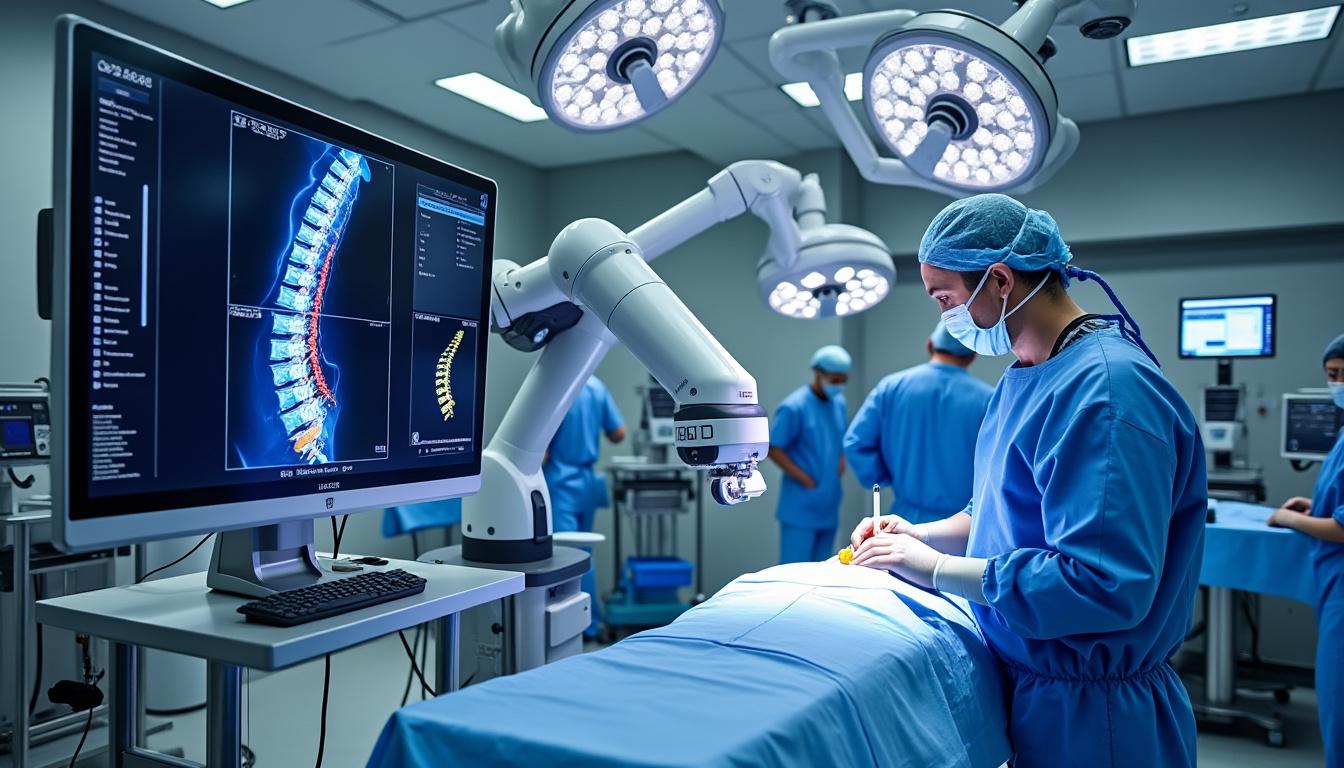

Can Rehabilitation and Return to Work Prevent the Need for Surgery?
In the constantly evolving landscape of spinal healthcare, patients and practitioners alike grapple with a pivotal question: can the rigorous pathways of rehabilitation and structured return to work reduce or even eliminate the need for surgical intervention? The answer, as…
Coordinated Transatlantic Patient Journey: Ensuring Seamless Spinal Care
The international collaboration involving Quebec and French centers orchestrates a meticulous patient pathway geared towards efficacy and safety. This journey begins with comprehensive evaluations and conservative management prioritized to avoid premature surgical interventions. Dr. Sylvain Desforges spearheads the initial assessments at TAGMED centers in Montreal and Terrebonne, emphasizing tailored non-surgical therapies such as robot-assisted neurovertebral decompression.
Only after exhausting non-invasive treatments for at least 3 to 6 months do patients proceed to surgical considerations. Upon approval, a dedicated organization named Franchir arranges appointments with specialized surgeons connected to premier French institutions like the CHU de Paris, Clinique du Parc in Lyon, and Pitié-Salpêtrière. They also manage travel logistics, from transportation to hotel bookings, easing administrative burdens on patients.
Postoperative follow-up is equally robust, as Quebec clinics such as Neurothérapie Montréal administer individualized rehabilitation and recovery optimization strategies. This ensures continuity despite geographic distances. The patient journey can be summarized in four essential stages:
- Detailed clinical evaluation and conservative therapy under expert supervision
- Personalized surgical planning and facilitation of medical travel arrangements
- State-of-the-art spinal surgery in accredited French centers
- Comprehensive recovery and rehabilitation support upon return to Quebec
| Stage | Responsible Entity | Key Activities | Patient Benefit |
|---|---|---|---|
| Evaluation & Conservative Care | Dr. Sylvain Desforges, TAGMED | Medical review, non-invasive treatments, neurovertebral decompression | Minimal risk, symptom improvement without surgery |
| Surgical Coordination | Franchir | Surgeon selection, travel booking, documentation management | Streamlined process, relaxed patient experience |
| Operative Phase | French Specialty Hospitals | Cutting-edge surgery with implants from Medtronic, Alphatec Spine, and others | Effective treatment, reduced hospital stay |
| Postoperative Support | Neurothérapie Montréal | Rehabilitation, pain management, personalized recovery plans | Accelerated healing, functional restoration |
This organized care pathway highlights the advantage of combining expert clinical evaluation with comprehensive surgical and rehabilitative resources, setting a new standard for transatlantic spinal care.
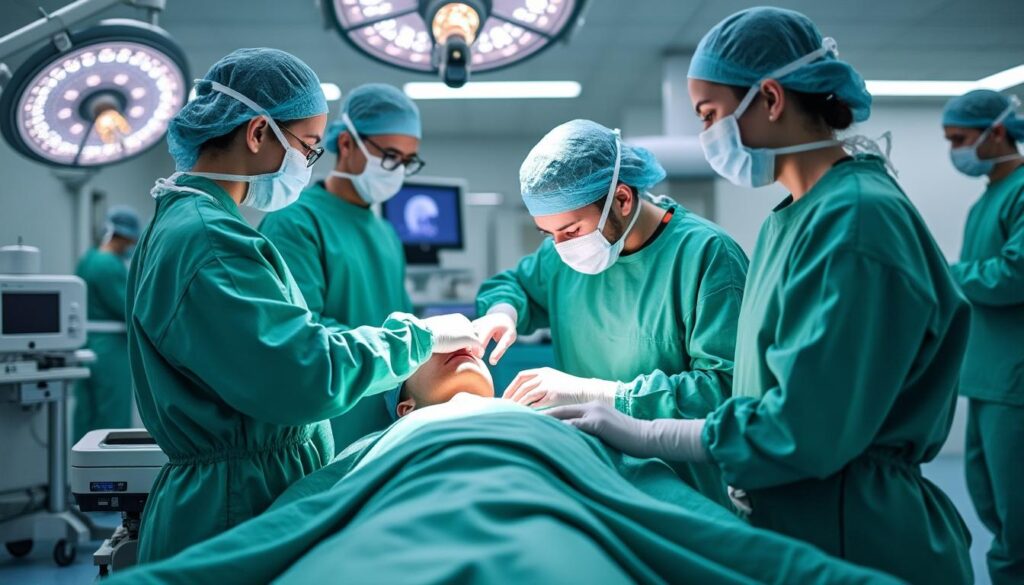
Exploring the Overlooked Benefits of Spine Surgery in France
Spinal disorders are a significant health concern for many patients worldwide, yet the solutions and benefits of spine surgery often remain underappreciated. France, with its advanced healthcare infrastructure and pioneering surgical techniques, has emerged as a noteworthy destination for patients…
Benefits of Choosing France for Spinal Surgery: Biomechanical and Economic Perspectives
Opting for spinal surgery in France through a coordinated international pathway yields multiple tangible benefits. Firstly, reduced waiting times of approximately 4 to 6 weeks contrast markedly with much longer waiting lists in Quebec. This timely access curtails disease progression and diminishes chronic symptom burden.
Secondly, access to advanced implants and surgical tools from global leaders like NuVasive, Globus Medical, Orthofix, and Aesculap allows utilization of motion-preserving devices, robotic navigation, and 3D imaging platforms. Such technological advantages have demonstrated improved operative outcomes, fewer complications, and enhanced patient comfort.
Economically, the pathway lessens reoperation risks and accelerates return to normal activity, reducing indirect healthcare costs. Patients also benefit from a comprehensive service that simplifies travel coordination and postoperative care, avoiding fragmented experiences common in international medical travel.
| Benefit Category | Description | Impact Example |
|---|---|---|
| Waiting Time Reduction | Surgical scheduling within 4-6 weeks | Prevents worsening of spinal conditions and reduces pain duration |
| Access to Innovative Technology | Use of motion-preserving implants and robotic assistance | Enhanced precision, reduced muscle damage, improved recovery |
| Economic Efficiency | Fewer complications and reinterventions, faster return to work | Lower overall healthcare and social costs, better quality of life |
| Comprehensive Care Coordination | End-to-end patient journey management | Optimized patient satisfaction and postoperative outcomes |
Such advantages position France as a preferred destination for sophisticated spinal care, merging medical excellence with patient-centered logistics that holistically improve treatment trajectories.
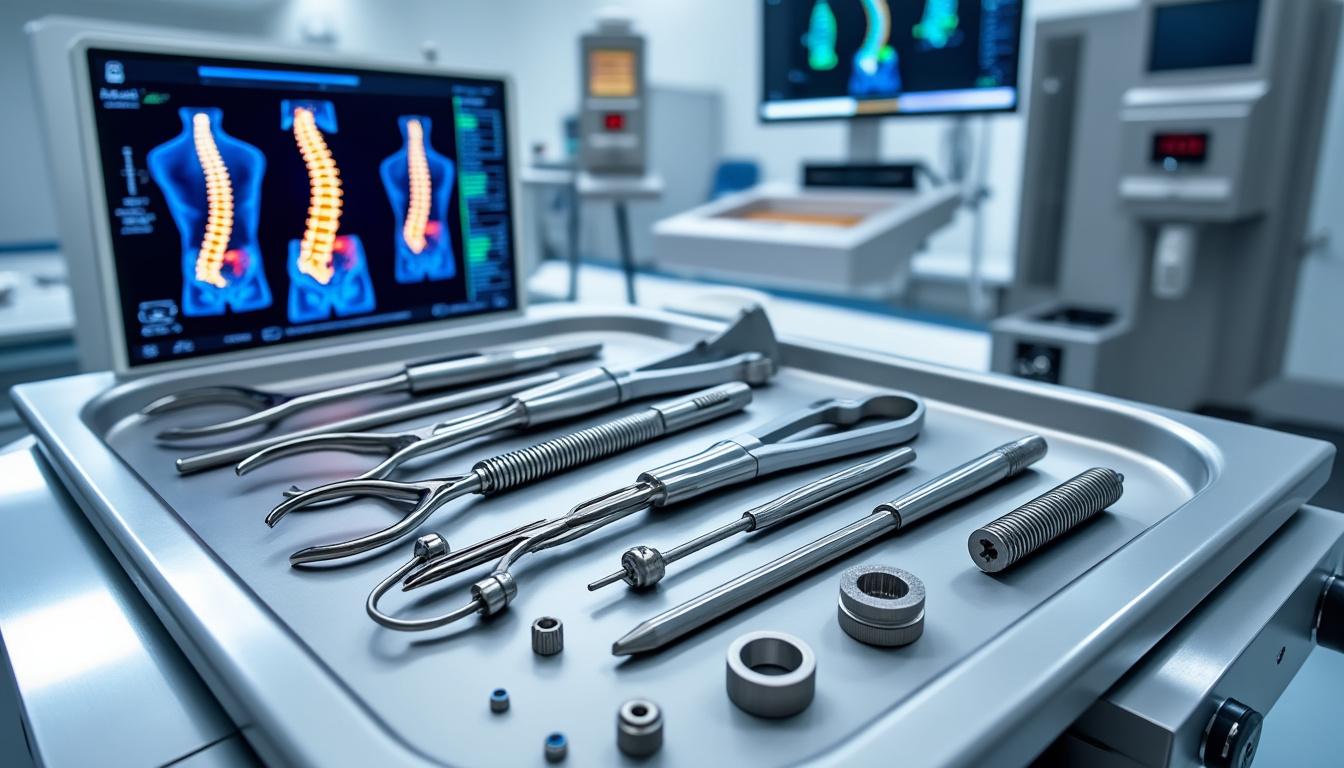
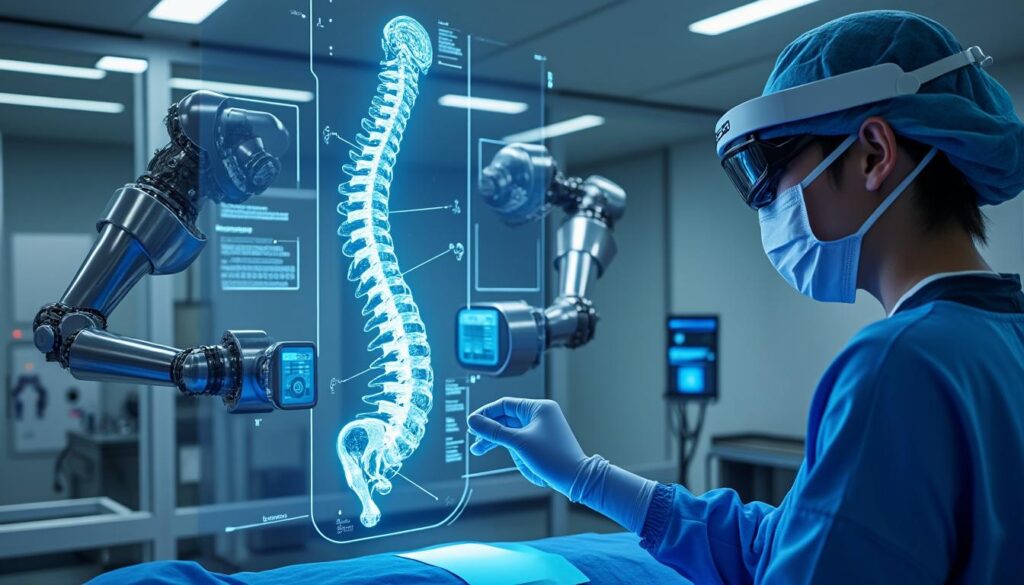
Cousin Spine Technology and Franchir: Transforming Surgical Decision-Making
In recent years, the integration of advanced medical technologies has dramatically shifted how spinal surgeries are planned, performed, and managed. Among the transformative developments, the alliance between Cousin Spine Technology and Franchir stands out as a pioneering force redefining surgical…
Integrating Modern Robotics and 3D Imaging in French Spine Surgery
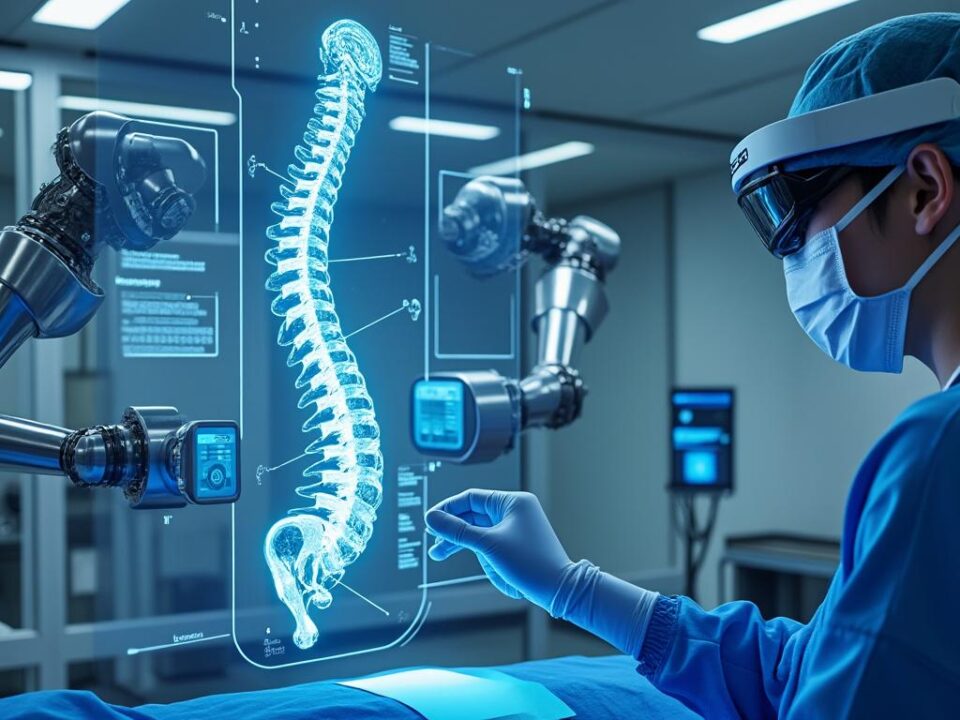
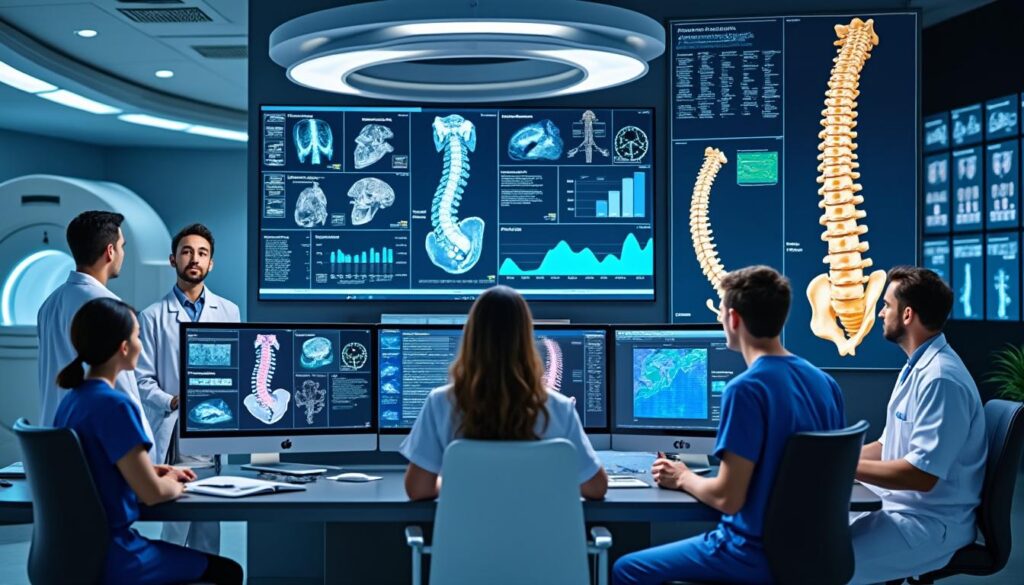
French centers are increasingly deploying robotic platforms and 3D imaging technologies to refine spinal surgical procedures. Devices authorized by regulatory bodies like the FDA and CE mark—such as those developed by eCential Robotics—facilitate high-precision navigation and minimize operation-related trauma.
Robotic assistance enhances accuracy in pedicle screw placement and helps surgeons adapt interventions dynamically based on intraoperative imaging, leading to fewer complications and improved biomechanical outcomes. The use of these systems is instrumental in performing minimally invasive surgeries that otherwise demand high skill and carry elevated risk.
Clinical programs and training, notably the Spinal Solution Courses in Bordeaux and endoscopic spine workshops at IRCAD Strasbourg, bolster surgeon expertise in cutting-edge techniques. Such education ensures these advancements translate effectively into patient care, benefiting international visitors seeking the latest innovation in spinal interventions.
| Technology | Function | Clinical Impact | Examples of Use |
|---|---|---|---|
| Robotic Navigation | Precise instrument placement, reduced invasiveness | Lower complication rates, shorter operative time | Spine surgeries requiring pedicle screw fixation |
| 3D Imaging & Planning | Surgical trajectory and implant customization | Enhanced procedural accuracy, better postoperative outcomes | Preoperative planning and intraoperative imaging |
| Endoscopic Techniques | Minimally invasive decompression and lesion removal | Faster recovery, less pain | Disc herniation and spinal stenosis treatment |
These innovations exemplify France’s leadership in integrating technology into spine surgery, ultimately enhancing safety and restoring spinal function more effectively than conventional methods.
Insights from Research on Preventing Post-Laminectomy Syndrome
Post-Laminectomy Syndrome (PLS), a chronic pain condition arising after spinal surgery, remains a formidable challenge in spinal surgery and pain management. Despite advances in surgical techniques, a significant subset of patients continues to experience persistent neuropathic pain and functional limitations,…
Ethical Considerations and the Emphasis on Conservative Management in Spinal Care
Within the French spinal surgery model, there is a strong ethical stance prioritizing conservative treatments before surgery. Experts insist that all appropriate non-surgical options—including robot-assisted neurovertebral decompression, osteopathy, and personalized rehabilitation—be thoroughly pursued for 3 to 6 months to reduce unnecessary interventions.
This prudence reflects an evidence-based approach respecting patient safety and long-term well-being. Facilities like the TAGMED clinics exemplify this philosophy by offering specialized protocols that markedly improve symptoms, often preempting the need for surgery. Numerous Quebec patients have benefited from such regimens, avoiding invasive procedures altogether.
- Key conservative therapies:
- Robot-assisted spinal decompression
- Specialized osteopathic treatments
- Individually designed physical rehabilitation
- Robot-assisted spinal decompression
- Specialized osteopathic treatments
- Individually designed physical rehabilitation
- Supervision and evaluation: Continuous expert oversight ensures timely surgical referrals only when indispensable.
- Patient education: Transparent information about benefits, risks, and treatment trajectories enhances consent quality.
This conservative-first strategy embodies an ethical commitment to ensuring surgery remains an informed and last-resort choice, supported by multidimensional care emphasizing recovery without invasive risks.
| Conservative Approach | Duration | Purpose | Patient Outcome |
|---|---|---|---|
| Robot-Assisted Decompression | 3-6 months minimum | Relieve nerve compression non-invasively | Reduced symptoms, potential surgery avoidance |
| Osteopathic Care & Rehab | Continuous | Restore function and pain management | Improved quality of life |
| Expert Supervision | Ongoing | Guide treatment timing, avoid premature surgery | Optimized clinical decision-making |
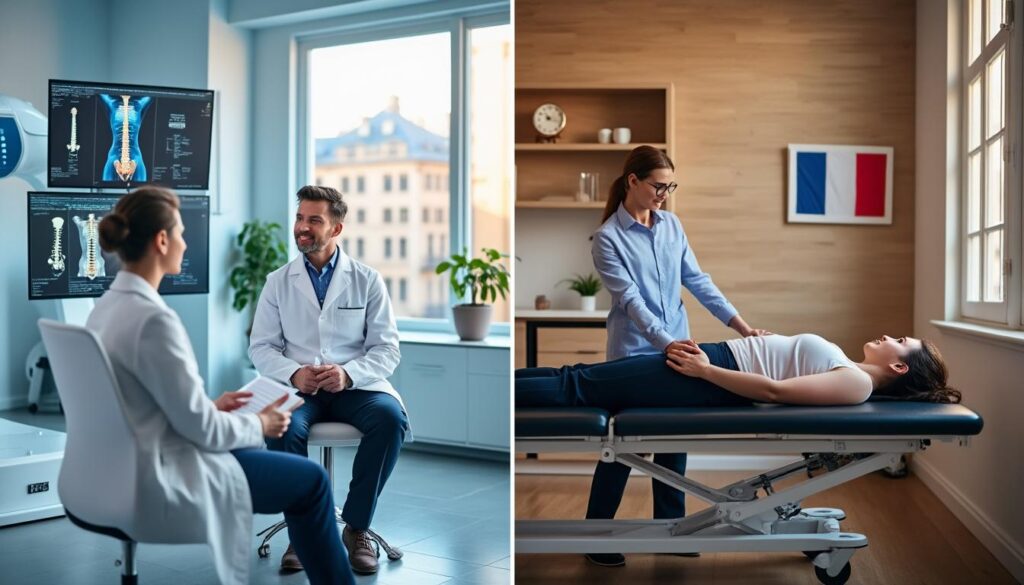
International Comparison: Spotlight on Spine Care Practices Between France and Quebec
The growing emphasis on spine health in Quebec has spotlighted the value of international collaboration in advancing patient care. With the challenges of prolonged wait times and high private care costs in Quebec, France emerges as an attractive alternative, boasting…
Comprehensive Training and Certification of French Spine Surgeons
The excellence of French spinal surgery owes much to rigorous education and certification systems. Programs such as the Diplôme Inter-Universitaire de Chirurgie du Rachis (DIU) offered by the Société Française de Chirurgie Rachidienne (SFCR) cultivate specialists with comprehensive theoretical and practical training. Universities including Bordeaux and Paris also provide specialized diplomas emphasizing evidence-based, modern surgical techniques, reflecting a national commitment to maintaining high clinical standards and innovation adoption.
This training ecosystem ensures French surgeons remain at the forefront of developments in spinal care, seamlessly integrating international implant manufacturers like Alphatec Spine, SpineGuard, and Globus Medical into their practice. Continuous education facilitates mastery over emerging technologies including robotics and motion-preserving implants, contributing to France’s prominence as a destination for complex spinal interventions.
- Primary educational institutions: University of Bordeaux, University of Paris
- Leading professional bodies: SFCR, EuroSpine
- Advanced clinical training in minimally invasive and robotic techniques
- Ongoing professional development via workshops, conferences, and specialized courses
| Certification Program | Institution | Focus Area | Impact on Surgical Quality |
|---|---|---|---|
| DIU Chirurgie du Rachis | SFCR / University of Paris | Spine surgery theory and practice | High surgical precision, updated techniques |
| Spinal Solution Course | University of Bordeaux | Innovative spinal treatments and technology | Enhanced patient outcomes, technology integration |
| EuroSpine Endoscopic Course | IRCAD Strasbourg | Endoscopic and minimally invasive surgery | Reduced complications, faster recovery |

Medical Logistics and Accommodation: Central Pillars in the Patient Care Journey
In the evolving landscape of global healthcare, the interplay between medical logistics and patient accommodation has become a cornerstone for effective and patient-centric care delivery. This synergy is particularly evident in the management of international patient journeys, where cross-border coordination,…
Comparison of Spinal Care Systems: France versus Quebec
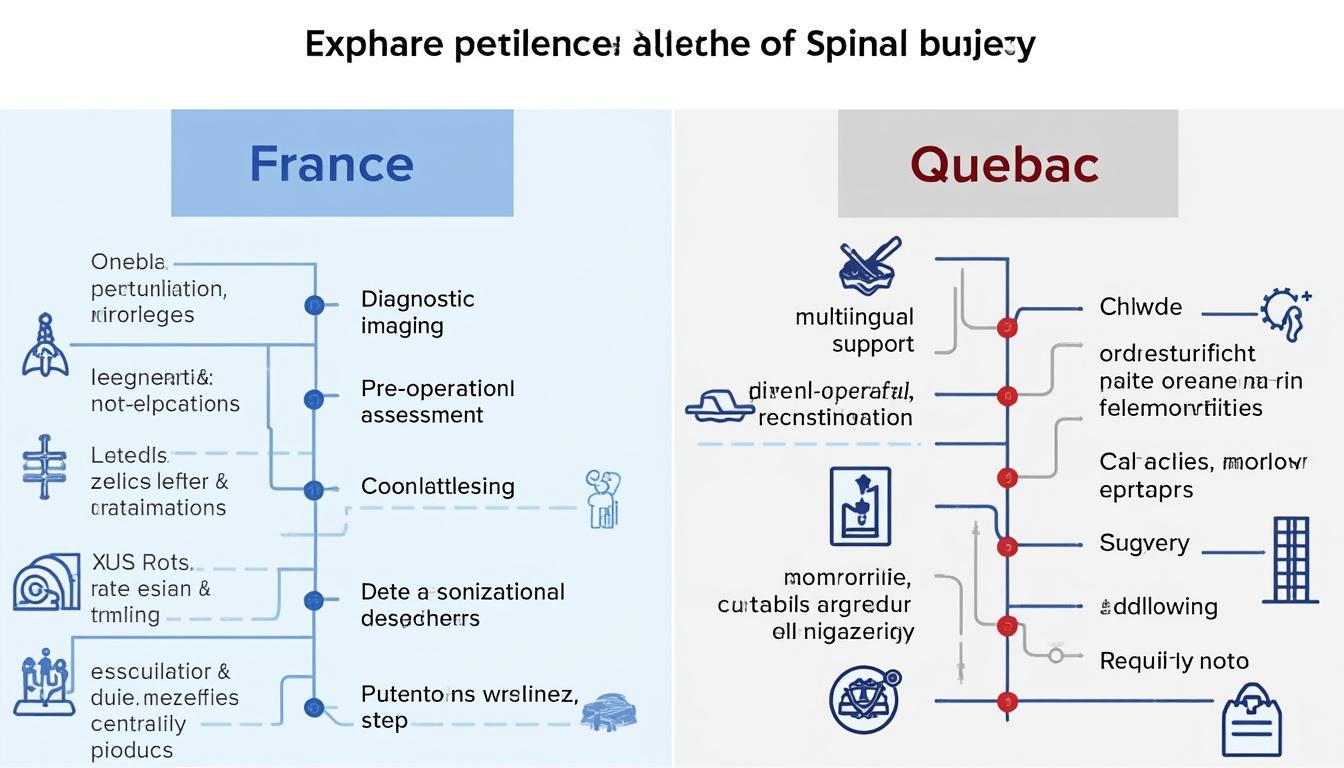
The juxtaposition of spinal care modalities in France and Quebec highlights key differences shaping patient experiences and outcomes. While Quebec often faces extended surgical waitlists, France leverages collaborative networks, innovative technologies, and well-structured patient pathways to minimize delays. The emphasis on motion-preserving procedures is another hallmark setting French care apart.
French centers demonstrate higher adoption rates of minimally invasive, robot-assisted surgeries, advanced implants, and accelerated recovery protocols. Conversely, Quebec patients increasingly turn to complementary treatments such as neurovertebral decompression offered by experts like Dr. Desforges, which can delay or eliminate the need for surgery. However, access to the latest implant options remains more limited locally, prompting some to explore centers like those featured at the Groupe Hospitalier Privé Ambroise Paré Spine Center.
- France: Shorter wait times, advanced surgery, extensive innovation integration
- Quebec: Conservative management focus, emerging decompression protocols, longer surgical delays
- Shared challenges: Aging populations, increasing spinal pathologies, healthcare resource allocation
| Aspect | France | Quebec |
|---|---|---|
| Average Surgical Waiting Time | 4-6 weeks | Several months |
| Access to Advanced Implants | Wide availability (TOPS, Intraspine, etc.) | Limited varieties, slower integration |
| Minimally Invasive Surgery Adoption | High and growing | Emerging but limited |
| Conservative Treatment Options | Integrated with surgery pathway | Primary care focus, expanding |
This comparative perspective aids prospective patients and practitioners in navigating treatment decisions and exploring transnational options for optimized spinal care.
Comprehensive Guide to Eligibility Criteria for Back Surgery
The decision to undergo back surgery involves numerous complex considerations that extend beyond the presence of spinal discomfort. Through an international collaboration between healthcare experts in Quebec and France, patients facing severe spine conditions now have access to advanced surgical…
Future of Spinal Surgery: Focus on France’s Leadership in Breakthroughs
France is strategically positioned to continue leading innovations in spinal surgery. Integrating robotics, 3D imaging, motion-preserving implants, and enhanced perioperative management has set new norms of clinical excellence. Research initiatives and international collaborations promise further evolution, improving safety and expanding indications for minimally invasive spine surgery.
Emerging developments in biomaterials, personalized implants, and augmented reality-assisted surgeries are actively pursued in French institutions. These advances elevate surgeon dexterity and patient outcomes while minimizing trauma and recovery times. Furthermore, programs advocating ethical patient-centered care and comprehensive multidisciplinary support reinforce the nation’s commitment to revolutionizing spinal health management.
- Expanded use of robotic navigation combined with artificial intelligence
- Refinement of dynamic stabilization devices for more patient-specific biomechanics
- Development of VR/AR training modules for surgeon skill enhancement
- Increased integration of personalized 3D printed implants
- Strengthened networks for international patient access and support
| Future Focus Area | Expected Outcome | Benefit to Patients |
|---|---|---|
| Robotics + AI Integration | Enhanced surgical accuracy and efficiency | Safer operations, less tissue damage |
| Dynamic Stabilization Development | Better biomechanics across diverse conditions | Improved spinal mobility and comfort |
| VR/AR Surgical Education | Higher surgical competency levels | Consistent quality care delivery |
| Personalized 3D Implants | Custom-fit biomechanical solutions | Minimized complications, optimized healing |
| Global Patient Support Networks | Smooth international care transitions | Improved accessibility and patient experience |
Spinal Surgery in France: Key Advances for 2025
Interactive insights presenting the latest techniques and collaborations.
Data source: Expert insights summary
Unveiling the Hidden Benefits of Neurovertebral Decompression Therapy
Chronic back and neck pain remain pervasive health issues impacting millions, often leading to debilitating effects on daily life and overall well-being. Traditional management strategies frequently fall short due to lengthy wait times, high costs, or invasive procedures. Amid this…
Frequently Asked Questions about Spinal Surgery in France and Transatlantic Care
What are the main types of spinal surgery available in France for Quebec patients?
French centers offer simple surgeries like discectomy, fusion with advanced implants from Medtronic, Stryker, Zimmer Biomet, and non-fusion motion-preserving options such as TOPS and Intraspine implants to preserve spine movement and reduce complications.
How is the patient journey organized between Quebec and France?
Patients start with conservative care overseen by Dr. Sylvain Desforges at TAGMED. If surgery is needed, Franchir manages referral and travel logistics to specialized surgeons in France. Postoperative care and rehabilitation continue in Quebec with Neurothérapie Montréal.
Is surgery always the first option for spinal problems?
No. A period of 3 to 6 months of conservative treatments, including neurovertebral decompression and specialized rehabilitation, is essential before surgery is considered to ensure all non-invasive options have been exhausted.
What are the typical waiting times for surgery in France compared to Quebec?
Thanks to efficient coordination, surgical interventions can be scheduled within 4 to 6 weeks in France, significantly shorter than the often several months-long waits experienced in Quebec.
How is follow-up care handled after returning to Quebec?
Dedicated clinics like Neurothérapie Montréal provide tailored postoperative rehabilitation and continual monitoring to optimize recovery after surgery performed in France.