Why Experts Advocate for a Comparison of Spinal Care Between France and Quebec
November 1, 2025
Les innovations technologiques dans les tables modernes de décompression neurovertébrale
November 2, 2025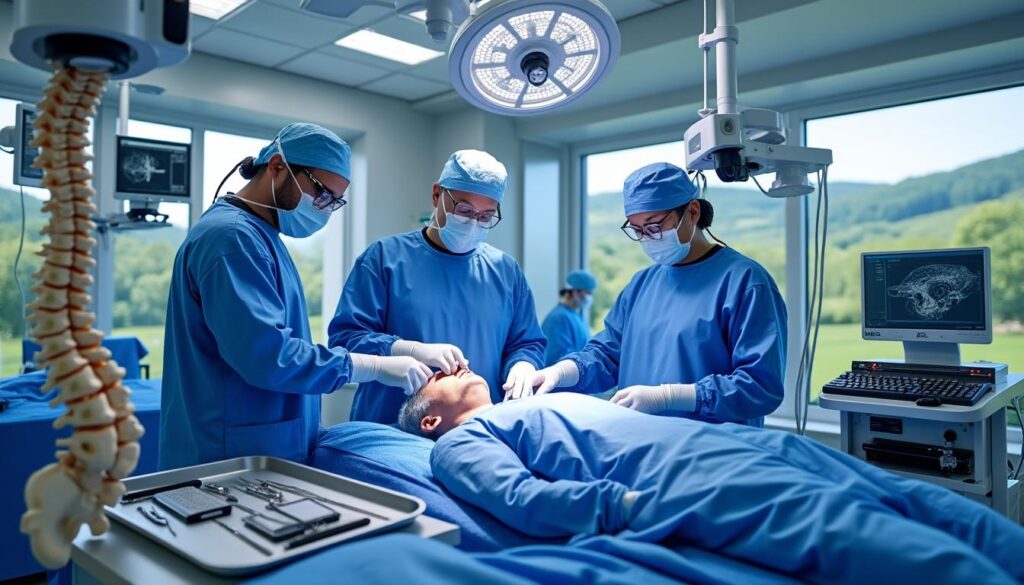
As demand grows globally for advanced and accessible spine care, France emerges as a pivotal destination offering comprehensive surgical solutions. Patients, especially from regions facing long waiting lists or prohibitive costs, find in France an innovative, patient-centered approach integrating state-of-the-art technology with expert coordination. The collaboration between specialized clinics, skilled surgeons, and international partners ensures seamless care from initial assessment to postoperative rehabilitation. This transatlantic partnership exemplifies modern healthcare’s move towards precision, personalization, and accessibility, providing critical alternatives for those confronting severe spinal conditions. As advancements in motion preservation, minimally invasive techniques, and robotic assistance redefine possibilities, patients gain hope for effective relief and improved quality of life from disorders once deemed debilitating.
Exploring the nuances of spine surgery reveals how France harmonizes medical expertise with logistical efficiency, embracing cutting-edge devices from industry leaders such as Medtronic, Zimmer Biomet, and NuVasive. Clinics specializing in detailed diagnostics and individualized treatment planning optimize outcomes. Furthermore, follow-up care delivered through multidisciplinary teams ensures sustained rehabilitation. This dynamic landscape of spine surgery underscores the importance of understanding surgical options, technology integration, and coordinated pathways that ultimately empower patients to make informed decisions backed by evidence and world-class care.
Advanced Surgical Techniques Transforming Spine Surgery in France
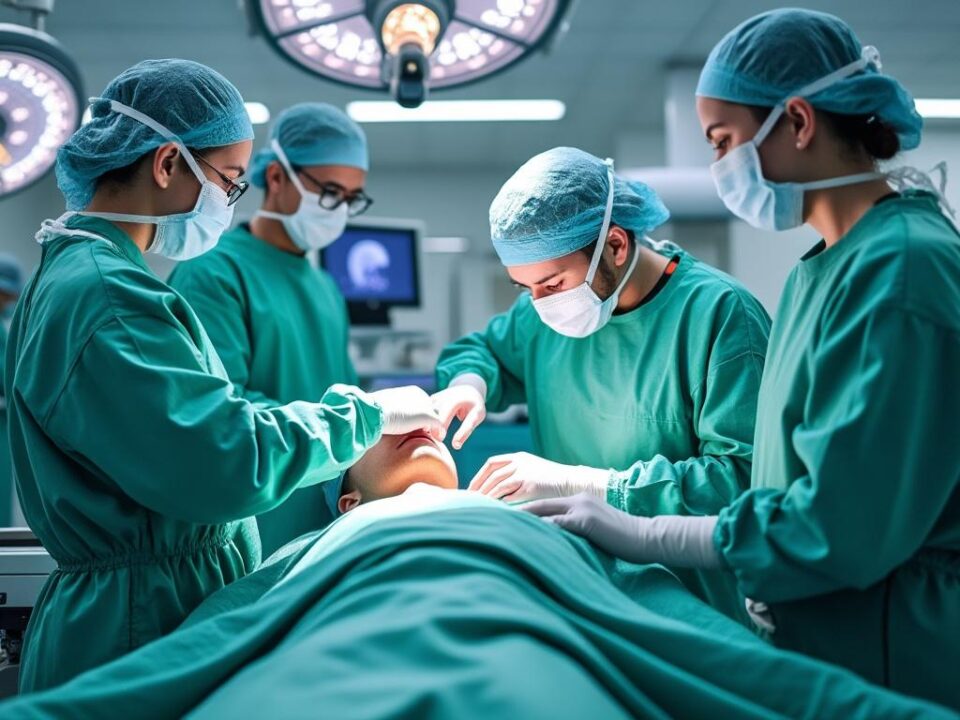
Back and spinal surgery in France utilize a broad range of sophisticated surgical approaches, distinguished by their focus on both efficacy and recovery. Central categories include vertebral fusion (arthrodesis), motion-preserving procedures, and minimally invasive endoscopic methods. Each pathway adapts to specific spinal pathologies to optimize patient outcome while maintaining functional integrity.
Vertebral fusion surgery plays a foundational role by stabilizing spinal segments affected by conditions like severe disc degeneration, spondylolisthesis, or scoliosis. The procedure involves the insertion of bone grafts and mechanical implants such as screws and plates, sealing adjacent vertebrae into a stable unit. While this successfully eradicates abnormal motion and alleviates pain, it inevitably restricts mobility at fused segments and requires extended rehabilitation.
Motion-preserving techniques cater to younger or active patients requiring mobility retention. These include the implantation of cervical and lumbar disc prostheses like the Premia Spine system or dynamic devices such as the TOPS implant. These implants replicate natural spinal motion and notably reduce risks associated with adjacent segment degeneration often seen after fusion. Successful implementations hinge on thorough preoperative evaluation to confirm appropriate candidacy, prominently excluding advanced osteoarthritis or instability.
Minimally invasive endoscopic spine surgery revolutionizes recovery by utilizing microscopic cameras and small incisions. This approach significantly reduces muscle trauma, hospital stay, and postoperative pain, benefiting typical indications like herniated discs and spinal stenosis. Centers like the Hôpital Européen in Strasbourg exemplify this innovation, while research presented by EUROSPINE highlights its growing adoption across French surgical units.
| Technique | Indications | Key Advantages | Limitations |
|---|---|---|---|
| Vertebral Fusion (Arthrodesis) | Severe disc disease, spinal instability, deformity correction | Durable pain relief, deformity correction | Reduced segment mobility, longer recovery time |
| Motion-Preserving Implants | Younger patients, stable spines, minimal osteoarthritis | Preserves mobility, mitigates adjacent segment stress | Not suitable for advanced degeneration |
| Endoscopic Minimally Invasive Surgery | Small herniations, spinal canal stenosis | Minimal trauma, faster recovery, reduced infection risk | Limited indications, requires specialist expertise |
- Surgical centers implementing advanced techniques include specialized clinics like Korian and renowned hospitals such as Clinique du Pré.
- Integration of global medical device brands like Medtronic, Stryker, SpineGuard, and DePuy Synthes shapes high-tech operative tools and implants.
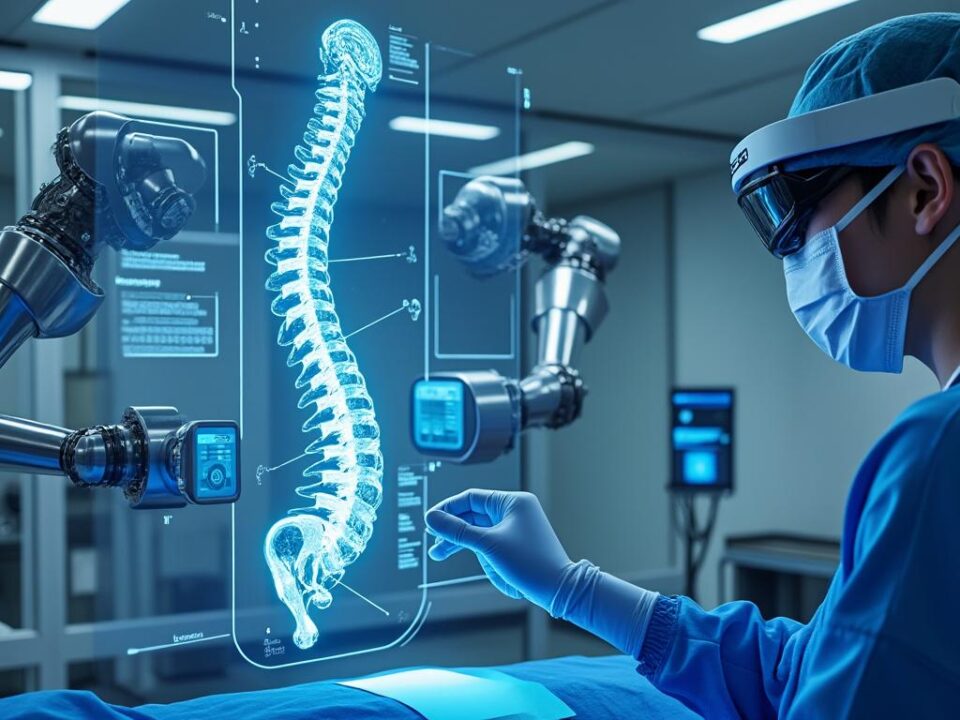
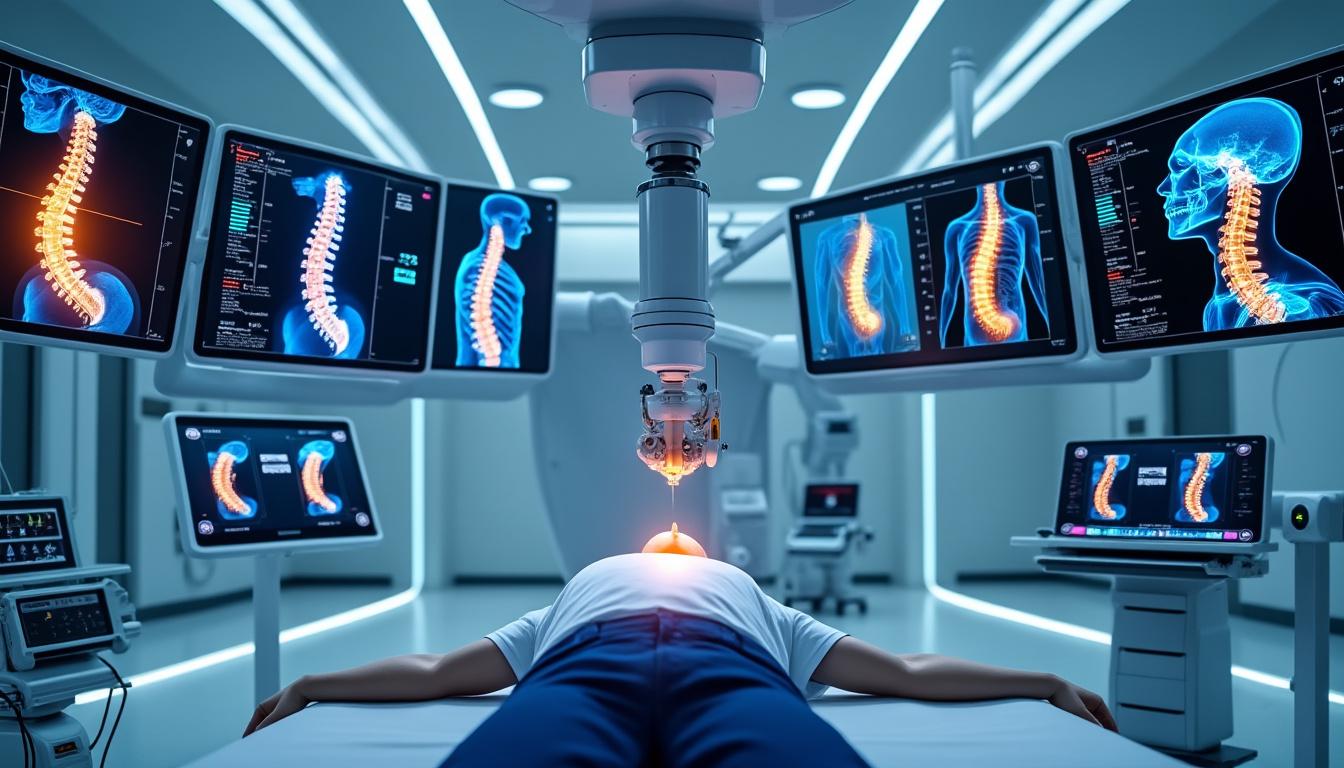
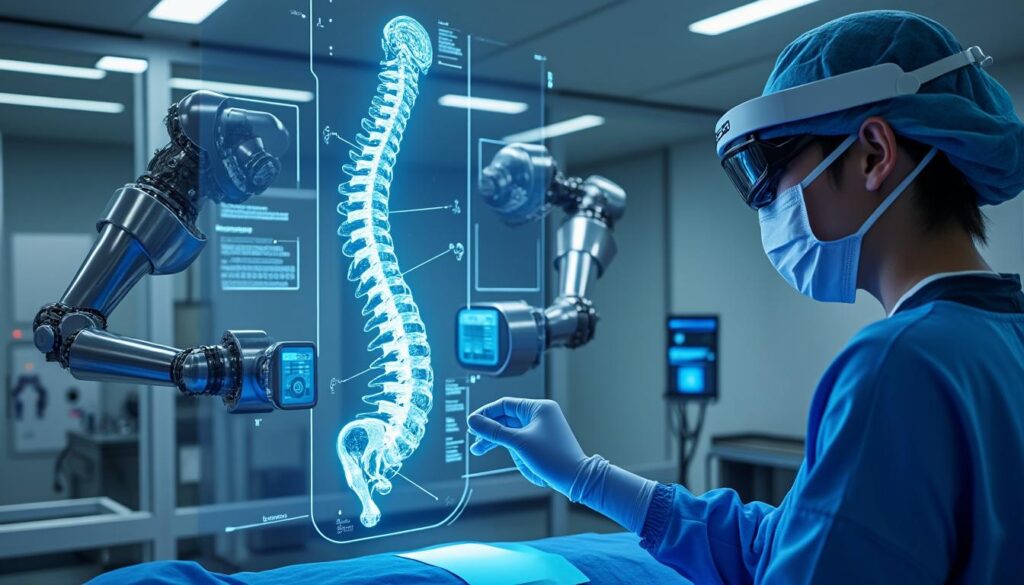
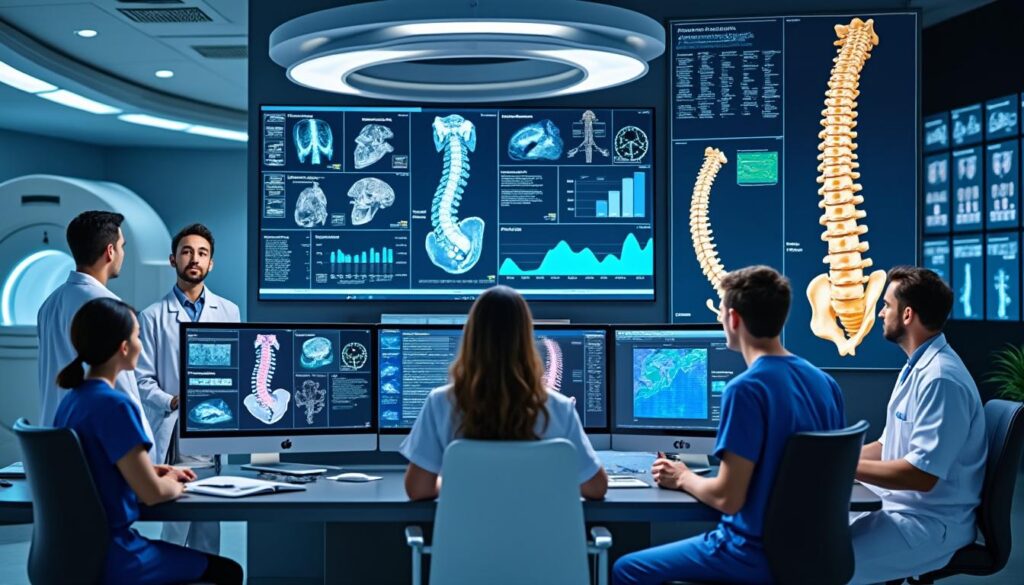
- Patient-specific planning benefits from 3D imaging and robotic assistance platforms led by innovators such as eCential Robotics, enhancing precision and safety.
Can Rehabilitation and Return to Work Prevent the Need for Surgery?
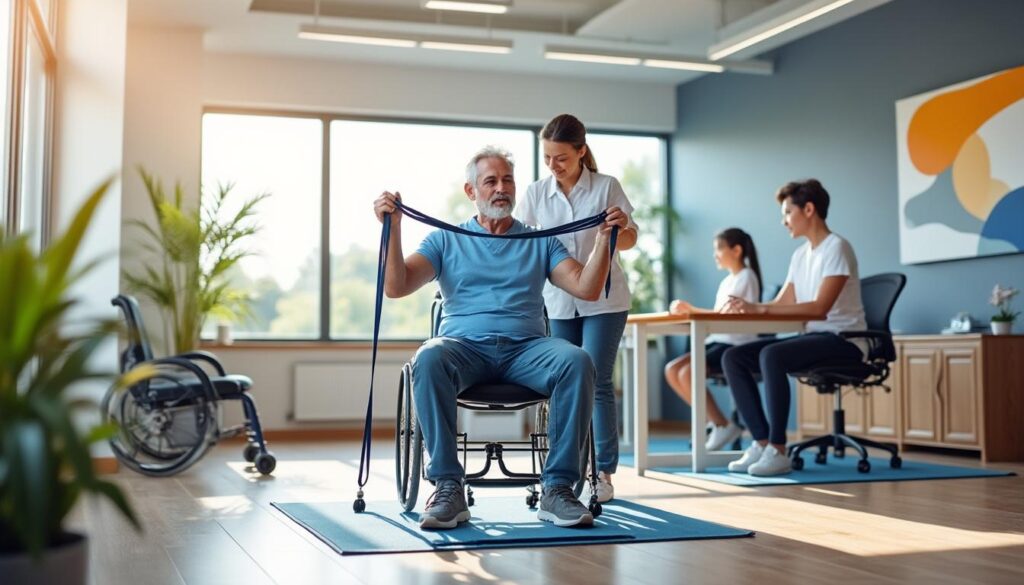
In the constantly evolving landscape of spinal healthcare, patients and practitioners alike grapple with a pivotal question: can the rigorous pathways of rehabilitation and structured return to work reduce or even eliminate the need for surgical intervention? The answer, as…
Structured Transatlantic Spine Surgery Pathways: Coordination Between France and Québec
Unique collaborative efforts between French medical institutions and Québec-based healthcare providers have crafted a highly orchestrated pathway for patients seeking spine surgery abroad. This structured approach seeks to mitigate typical challenges of cross-border care by ensuring thorough preoperative evaluation, seamless surgical arrangements, and consistent follow-up support.
The process begins with an exhaustive clinical assessment under leading spinal expert supervision at facilities such as Clinique TAGMED. Here, non-surgical treatments including advanced neurovertebral decompression through robotic traction are prioritized for several months before surgery is considered. This conservative phase is critical in discerning surgical necessity and optimizing outcomes.
Following clearance for operative intervention, patient referrals are managed by service coordinators via agencies like Franchir, who facilitate visa documentation, selection of elite spine surgeons in institutions such as CHU Strasbourg or Centre Spineway, and oversee travel logistics including accommodations and rehabilitation planning.
Upon return to Québec, patients engage multidisciplinary recovery programs offered by Neurothérapie Montréal, emphasizing personalized rehabilitation and integration with local healthcare providers for ongoing management. This continuous care model ensures sustained functional gains and minimizes postoperative complications.
| Stage | Primary Actor | Main Objective | Benefits for Patient |
|---|---|---|---|
| Initial Assessment and Conservative Care | Dr. Sylvain Desforges, Clinique TAGMED | Determine surgical candidacy, avoid unnecessary surgery | Optimizes mobility, reduces premature surgical risks |
| Surgical Referral and Travel Organization | Franchir | Plan and streamline French surgical stay | Efficient, stress-free surgical experience |
| Postoperative Rehabilitation | Neurothérapie Montréal | Customized recovery, functional restoration | Enhances outcomes, supports reintegration |
- Prioritizing advanced non-invasive treatments reduces the global surgical burden.
- Coordination teams adeptly navigate differing healthcare systems and administrative requirements.
- Patient education and empowerment are emphasized through transparent information sharing.
Exploring the Overlooked Benefits of Spine Surgery in France
Spinal disorders are a significant health concern for many patients worldwide, yet the solutions and benefits of spine surgery often remain underappreciated. France, with its advanced healthcare infrastructure and pioneering surgical techniques, has emerged as a noteworthy destination for patients…
Bridging Access and Innovation: Why France is a Premier Choice for International Spine Surgery
France’s emergence as a top destination for complex spine surgeries is fueled by an exceptional blend of expertise, cutting-edge technology, and patient-centric models. Patients from regions like Québec benefit from reduced waiting times, access to pioneering implants such as those developed by Zimmer Biomet (including the recently integrated LDR disc prosthesis), and treatment options unavailable domestically.
Specialized centers, including Korian clinics, have invested heavily in robotic-assisted navigation systems and enhanced imaging, enabling surgeons to execute precision-guided interventions. The collaborative environment involves professionals at every stage, ensuring safety, rapid recovery, and tailored care based on individual pathology and lifestyle.
The availability of dynamic stabilization devices such as Globus Medical’s interlaminar implants and DePuy Synthes’ instrumentation exemplifies France’s commitment to motion-preserving solutions. This access, combined with sophisticated postoperative rehabilitation programs, notably at Neurothérapie Montréal, offers a comprehensive continuum rarely found elsewhere, fortifying France’s appeal among international patients seeking long-term quality of life improvements.
| Aspect | French Spine Surgery Advantage | Implication for Patient |
|---|---|---|
| Technological Integration | Robotics, 3D Imaging, Navigated Surgical Platforms (e.g., eCential Robotics) | Enhanced surgical precision, reduced complication rates |
| Innovative Implants | Motion-preserving devices like TOPS and Intraspine | Improved functional outcomes and mobility retention |
| Streamlined Coordination | Clinical networks and agencies (e.g., Franchir) for comprehensive care | Optimized patient journey and seamless logistics |
- French healthcare policies support prioritizing international patients with urgent needs.
- Expertise from EuroSpine-certified surgeons ensures adherence to highest clinical standards.
- Close patient follow-up addresses post-surgical complications highlighted by studies in France.
Cousin Spine Technology and Franchir: Transforming Surgical Decision-Making
In recent years, the integration of advanced medical technologies has dramatically shifted how spinal surgeries are planned, performed, and managed. Among the transformative developments, the alliance between Cousin Spine Technology and Franchir stands out as a pioneering force redefining surgical…
Rehabilitation and Postoperative Care Innovations Following French Spine Surgery
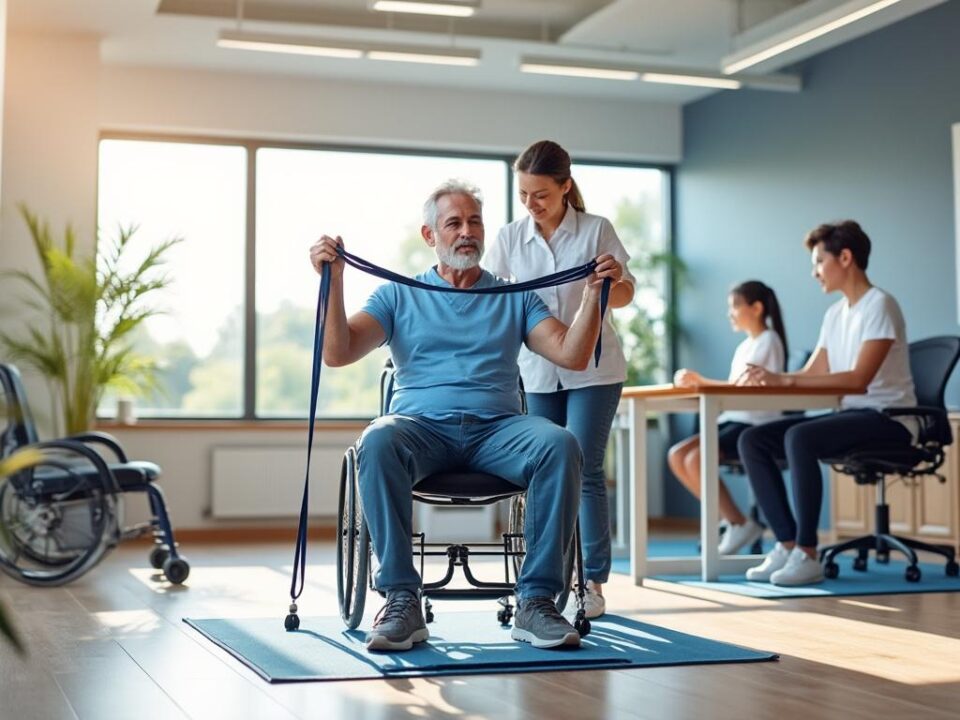
Successful spine surgery is equally dependent on sophisticated postoperative management, a domain where France excels by linking surgical centers to comprehensive rehabilitation entities across borders. Key innovations involve personalized neurotherapy programs, early mobilization strategies, and continuous assessment protocols aiming for maximal functional restitution.
Neurothérapie Montréal exemplifies such dedicated follow-up through tailored treatment plans integrating physical therapy, neurostimulation, and pain education. These strategies correspond with emerging research emphasizing post-op care’s role in optimizing recovery trajectories and minimizing reoperation risks. Evidence also supports the utility of interventions like repetitive transcranial magnetic stimulation (rTMS) adjunct to surgical rehabilitation, improving nerve function and patient outcomes.
Additionally, educational initiatives foster patient involvement in recovery, integrating digital tools and structured feedback mechanisms. This patient-focused rehabilitation paradigm ensures that surgery’s benefits translate into enhanced daily activity and quality of life, illustrating the holistic philosophy underpinning French spine surgical care pathways.
| Postoperative Innovation | Function and Benefit | Patient Impact |
|---|---|---|
| Neurotherapy Personalized Rehabilitation | Customized neurophysiological recovery programs | Accelerated functional gains, pain reduction |
| Early Mobilization Strategies | Prevents stiffness, enhances muscular strength | Shorter convalescence, improved mobility |
| rTMS Integration Post-Surgery | Augments nerve regeneration and connectivity | Greater neurological recovery potential |
- Close collaboration between surgical and rehabilitation teams ensures continuity of care.
- Digital monitoring tools empower patients to actively track progress and communicate concerns.
- Ongoing research efforts focus on refining individualized protocols for diverse spinal pathologies.
Insights from Research on Preventing Post-Laminectomy Syndrome
Post-Laminectomy Syndrome (PLS), a chronic pain condition arising after spinal surgery, remains a formidable challenge in spinal surgery and pain management. Despite advances in surgical techniques, a significant subset of patients continues to experience persistent neuropathic pain and functional limitations,…
Essential Preoperative and Patient Education Practices in French Spine Surgery
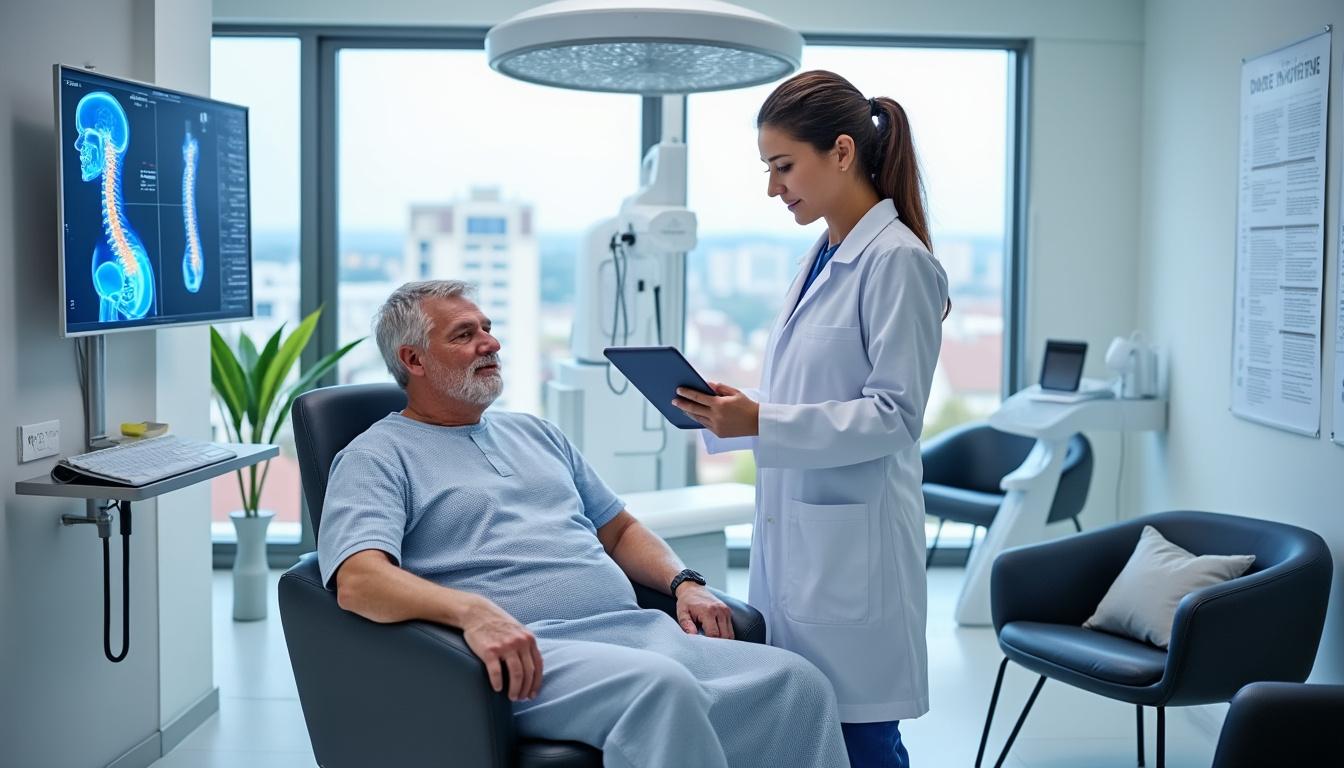
An informed patient is critical to successful spine surgery outcomes. France’s approach emphasizes thorough patient education, with surgeons and coordinators providing accessible explanations about spinal disorders, therapy options, and associated risks. This transparency builds trust and shared decision-making, strengthening adherence to postoperative guidelines.
The educational process covers common pathologies including herniated discs and spinal stenosis, using models, diagrams, and videos. Multiple institutions offer validated resources through platforms such as the French Spine Surgery Society and EuroSpine, ensuring consistency and quality of information.
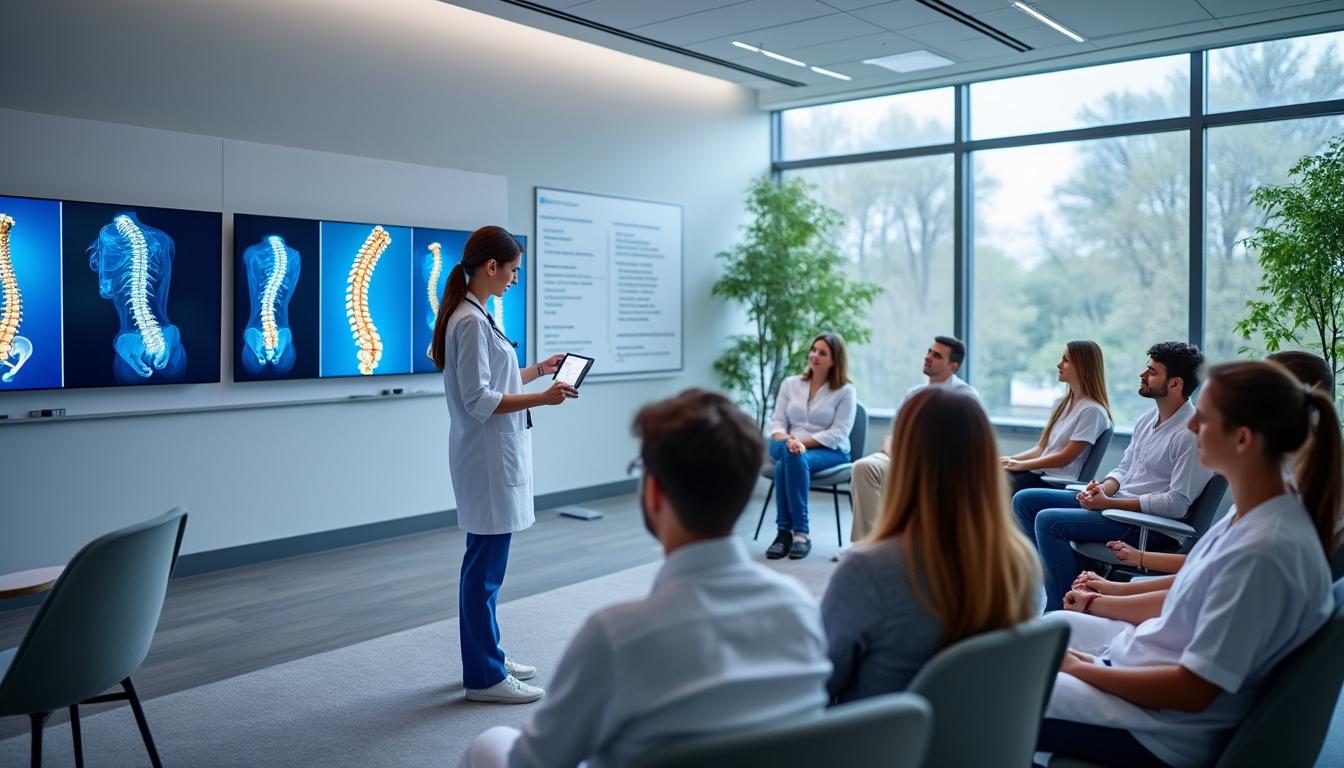
Regular patient seminars, webcasts, and individualized sessions address specific queries, fostering a culture of empowerment. This level of engagement is unique in its scope and importance, as it mitigates anxiety, clarifies expectations, and supports tailored treatment pathways corresponding to the patient’s lifestyle and goals.
| Education Element | Purpose | Patient Benefit |
|---|---|---|
| Comprehensive Pathology Overview | Demystify spinal conditions and mechanisms | Improves understanding, eases anxiety |
| Therapeutic Options Explanation | Clarify surgical vs conservative treatments | Promotes informed consent and engagement |
| Postoperative Expectations and Care | Prepare patients for recovery process and compliance | Enhances adherence, outcome optimization |
- Validated educational content endorsed by SFCR strengthens credibility.
- Patient-centric communication techniques foster effective clinician-patient partnerships.
- Accessible digital media expand reach for remote or international patients.
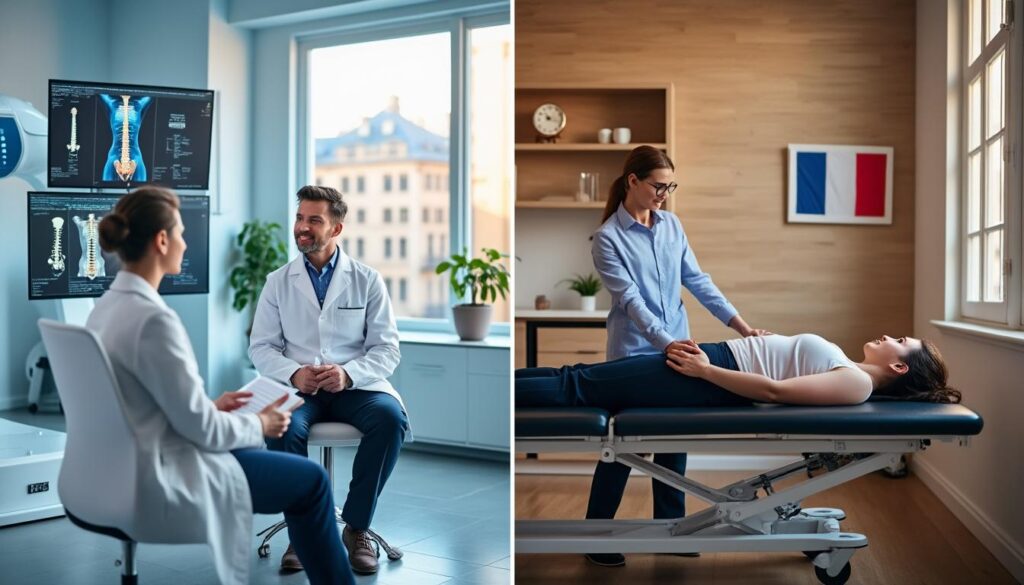
International Comparison: Spotlight on Spine Care Practices Between France and Quebec
The growing emphasis on spine health in Quebec has spotlighted the value of international collaboration in advancing patient care. With the challenges of prolonged wait times and high private care costs in Quebec, France emerges as an attractive alternative, boasting…
Interdisciplinary Training and Surgical Expertise as Pillars of Quality Spine Surgery in France
The highly specialized nature of spinal surgery demands rigorous, continuous training and multi-disciplinary collaboration. France’s exemplary framework includes dedicated programs such as the Inter-University Diploma (DIU) in Spine Surgery accredited by the French Spine Surgery Society, providing surgeons access to advanced education covering innovative techniques and patient management.
Leading institutions like the University of Bordeaux and Paris focus on curricular integration of minimally invasive procedures, endoscopic mastery, and robotic navigation. These courses also emphasize critical thinking in treatment choice and postoperative care coordination. Participation in international forums such as EUROSPINE enhances knowledge exchange and aligns domestic practices with global standards.
Expertise generated by this ecosystem directly reflects on patient outcomes, reducing complication rates documented in recent national reports. The use of robotic platforms by companies like SpineGuard and instrumentation innovations by Zimmer Biomet further empower surgeons with precision tools unrivaled previously.
| Training Program | Institution | Key Focus Areas | Expected Impact |
|---|---|---|---|
| DIU Spine Surgery Certification | French Spine Surgery Society | Minimally invasive, endoscopy, motion-preserving methods | High surgeon competency, reduced risk of complications |
| Spinal Solution Course | University of Bordeaux – Institut de la Colonne Vertébrale | Latest surgical innovations, robotic navigation | Enhanced surgical outcomes and procedural safety |
| EuroSpine Training Modules | European Spine Society | Global best practices, endoscopic spine surgery | Alignment with international standards, continuous education |
- Strong emphasis on interdisciplinary exchange increases holistic patient care.
- Access to international certifications adds global credibility to French surgeons.
- Regular updates on technology use ensure state-of-the-art practice maintenance.
Medical Logistics and Accommodation: Central Pillars in the Patient Care Journey
In the evolving landscape of global healthcare, the interplay between medical logistics and patient accommodation has become a cornerstone for effective and patient-centric care delivery. This synergy is particularly evident in the management of international patient journeys, where cross-border coordination,…
Emerging Research and Future Directions in Spine Surgery Innovations in France
The spine surgery landscape in France is continuously evolving thanks to vibrant research activities fostering integration of robotics, artificial intelligence, and biomaterials. Projects aimed at refining surgical navigation, implant design, and postoperative rehabilitation illustrate a commitment to pushing clinical boundaries.
Significant breakthroughs include the FDA-cleared robotic navigation platforms by eCential Robotics enhancing accuracy during complex procedures, reducing operative time, and lowering complication rates. Research on dynamic artificial disc materials continues to improve prosthesis durability and biomechanical performance, extending candidacy to broader patient groups.
Furthermore, clinical trials explore adjunct therapies such as regenerative medicine approaches supporting spinal cord recovery post-surgery. The feedback loop between clinical practice and academic research, facilitated by networks involving institutions like IRCAD Strasbourg and EuroSpine, accelerates adoption of innovations with proven patient benefit.
| Research Focus | Innovation | Potential Impact |
|---|---|---|
| Robotic Navigation | FDA-approved surgical assistance systems | Enhanced precision, reduced complications and operative time |
| Biomechanical Implants | Advanced motion-preserving disc prostheses | Improved mobility retention, extended implant lifespan |
| Regenerative Therapies | Stem cell and nerve regeneration adjuncts | Potential for accelerated neurological recovery |
- Collaborations between universities, industry leaders like Globus Medical, and clinical centers fuel innovation.
- Emphasis on translational research bridges lab discoveries with patient applications.
- Ongoing updates to surgical curricula incorporate latest evidences and technologies.
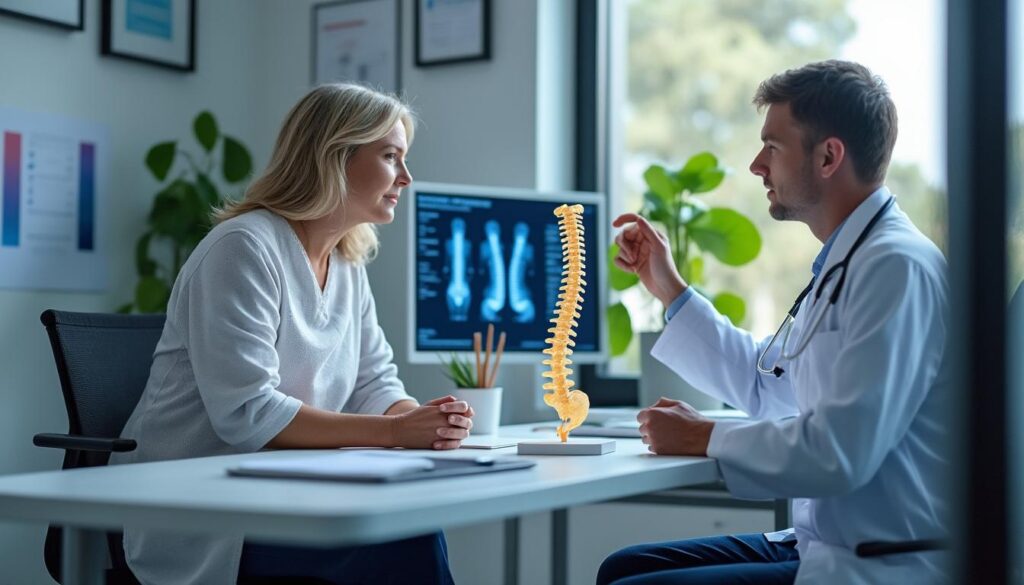
Comprehensive Guide to Eligibility Criteria for Back Surgery
The decision to undergo back surgery involves numerous complex considerations that extend beyond the presence of spinal discomfort. Through an international collaboration between healthcare experts in Quebec and France, patients facing severe spine conditions now have access to advanced surgical…
Patient-Centered Perspectives and Quality of Life Considerations in French Spine Surgery
Beyond technical achievements, France’s spinal surgical framework places high priority on patient experience and long-term wellbeing. The multidisciplinary teams strive to tailor interventions to individual patient lifestyles, expectations, and psychosocial factors, recognizing the profound impact of spinal disorders on quality of life.
Studies highlight the positive influence of motion-preserving surgeries and dynamic stabilization devices in maintaining day-to-day functional capacity, mental health, and social participation. Patient satisfaction surveys from clinics adopting these approaches report noteworthy improvements in pain management and overall wellbeing.
Furthermore, thorough preoperative counseling and postoperative psychological support reduce anxiety and optimize rehabilitation engagement. This holistic model extends to addressing potential complications openly, providing timely interventions, and facilitating a strong support network during recovery, embodying patient empowerment and dignity.
| Quality of Life Aspect | French Surgery Focus | Resulting Patient Benefit |
|---|---|---|
| Individualized Treatment Design | Tailoring surgery to patient activity and goals | Higher functional independence, satisfaction |
| Motion Preservation | Use of dynamic implants and disc prostheses | Better mobility, reduced adjacent segment issues |
| Psychological and Social Support | Pre- and post-surgical counseling programs | Lower anxiety, enhanced rehabilitation adherence |
- Active patient feedback mechanisms constantly refine care pathways.
- Engagement in multidisciplinary care teams promotes comprehensive healing.
- International accreditation amplifies trust among cross-border patients.
Comparateur des techniques de chirurgie de la colonne vertébrale
| Technique | Indications | Avantages | Limites | Temps de récupération |
|---|
* Les informations sont indicatives et doivent être discutées avec un spécialiste.
What are the main differences between vertebral fusion and motion-preserving spine surgeries?
Vertebral fusion stabilizes affected spinal segments by permanently joining vertebrae, providing durable pain relief but limiting segmental mobility. Motion-preserving surgeries replace damaged discs or stabilize dynamically while maintaining natural spine movement, suited for younger patients without severe arthritis.
How does minimally invasive endoscopic surgery benefit spine patients?
Endoscopic techniques reduce muscle trauma and infection risks through small incisions, facilitating faster recovery and minimal hospitalization, ideal for conditions like herniated discs and canal stenosis.
Why is a rigorous conservative treatment phase important before considering spine surgery?
Conservative treatments such as neurovertebral decompression aim to alleviate symptoms without surgery. A 3 to 6-month trial helps avoid premature operations, optimizes surgical outcomes, and lowers complication risks.
Which French organizations support patient education on spine surgery?
Institutions like the French Spine Surgery Society (SFCR) and EuroSpine provide validated educational resources, seminars, and digital content to help patients understand their conditions and treatment pathways.
How does a transatlantic care pathway enhance the spine surgery experience for Québec patients?
It offers coordinated evaluation, expert surgical referral in France, comprehensive travel arrangements, and robust postoperative rehabilitation upon return, ensuring safety, efficiency, and continuity of care.
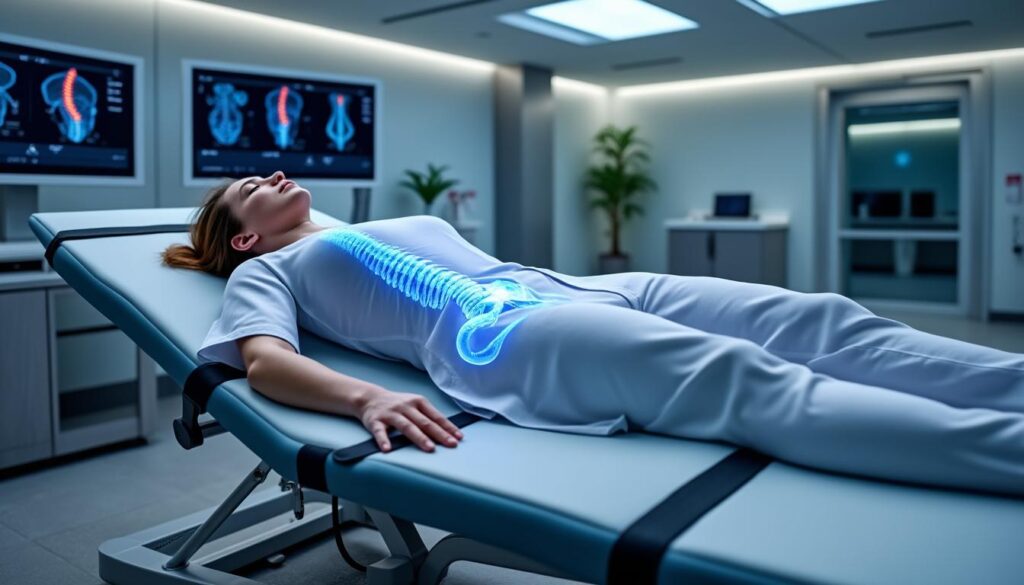
Unveiling the Hidden Benefits of Neurovertebral Decompression Therapy
Chronic back and neck pain remain pervasive health issues impacting millions, often leading to debilitating effects on daily life and overall well-being. Traditional management strategies frequently fall short due to lengthy wait times, high costs, or invasive procedures. Amid this…