Spinal Surgery in France: A Central Component of the Care Pathway
November 1, 2025
Spine Surgery in France: Essential Insights Every Patient Should Know
November 2, 2025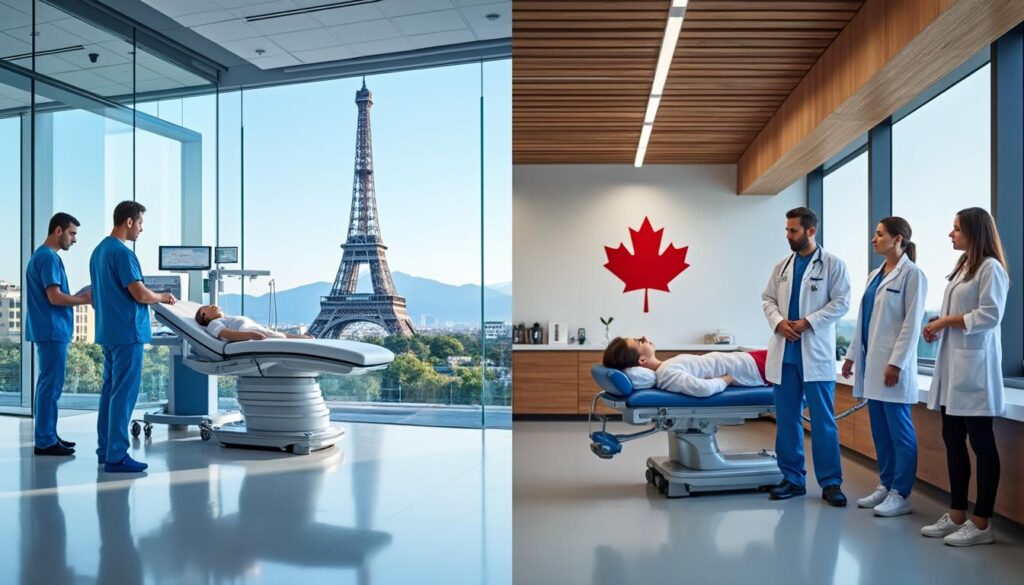
Understanding the intricacies of spinal care is essential for patients battling chronic back conditions globally. In 2025, a growing number of healthcare experts emphasize the importance of comparing the spinal care systems of France and Quebec due to their distinct yet complementary approaches. The public healthcare system in Quebec struggles with extended wait times for specialist consultations and limited coverage for physiotherapy, often necessitating a careful evaluation of alternatives. Conversely, France’s integrated and innovative framework offers rapid access to advanced surgical interventions and motion-preserving technologies, making it a compelling reference point for Quebec’s future reforms and patient options.
This transatlantic dialogue in spinal health is more than a mere academic exercise; it manifests as a practical roadmap for improving patient outcomes through cross-border collaboration. The driving force behind this trend is a network of experts led by Dr. Sylvain Desforges, enabling a deeper evaluation of individual cases and facilitating personalized solutions that amalgamate the best practices of both systems. By bridging the gap between these two diverse medical cultures, patients can access safer, more efficient, and compassionate treatment pathways. In essence, understanding and adopting these shared insights aligns with the aims of SpineHealth specialists, ChiroCare providers, and OrthoExperts dedicated to evolving spinal treatment for the modern era.
Fundamental Differences in Spinal Care Systems: Quebec Versus France
At the core of understanding why experts advocate for comparing spine care lies the recognition of fundamental disparities between Quebec and France’s healthcare systems. Each has strengths and systemic challenges rooted in cultural values, regulatory environments, and the distribution of medical resources. For instance, Quebec operates within a predominantly public framework aimed at serving all citizens without direct cost, but this structure often leads to delays in access, especially for specialist spinal surgeries. In contrast, France blends centralized healthcare with robust private clinical involvement, orchestrated under strict regulatory supervision to reduce delays and accelerate innovation adoption.
The fragmentation of Quebec’s healthcare services for spinal conditions results in longer waiting periods for diagnostic and surgical interventions. Meanwhile, France’s centralized organization enhances coordination among interdisciplinary care teams, promoting quicker integration of technological advances such as the implant-based motion preservation devices TOPS and Intraspine. These devices, less accessible in Quebec, illustrate how innovation deployment varies substantially between the two systems and impacts clinical decision-making.
Organization and Regulation
France employs an integrated network where public hospitals and private clinics work in cohesive regulatory frameworks enforced by governing bodies like the Collège des médecins. This integration ensures uniform standards of care, effective oversight, and streamlined referral pathways, reducing bureaucratic hurdles for patients requiring complex spinal procedures. Quebec’s system, while publicly managed, is characterized by more dispersed facilities and services that lack such seamless coordination, often contributing to fragmented care and extended surgical wait times.
Professional Training and Cultural Approaches
The contrast extends into educational frameworks: in France, osteopathy and related disciplines are tightly regulated and embedded within multi-professional teams, fostering multidisciplinary collaboration. Conversely, Quebec’s training emphasizes rigorous scientific grounding with a bilingual medical terminology approach, reflecting a distinct cultural and linguistic context. This dual emphasis plays a crucial role in facilitating efficient communication and patient management within transatlantic healthcare collaborations.
| Criterion | France | Quebec |
|---|---|---|
| Healthcare Organization | Centralized, integrated, rapid access to innovations | Fragmented, longer wait times, primarily public |
| Available Technologies | Advanced dynamic implants, minimally invasive endoscopic surgery | Limited access to implants, advanced conservative treatments like Clinique TAGMED |
| Osteopathic Supervision | Strict, embedded in multidisciplinary centers | Rigorous training, emphasis on medical terminology |
| Therapeutic Approach | Personalized, coordinated by expert societies like Franchir | Conservative and postoperative follow-up under Dr. Desforges via NeuroSpineSolutions |
A comprehensive overview showing how these systemic contrasts shape patient outcomes across regions and underscore the value of bilateral learning to improve care pathways and reduce typical pitfalls. For a deeper exploration of these topics, experts often reference common pitfalls in spine care comparisons to safeguard against oversimplification and misinterpretation of data.
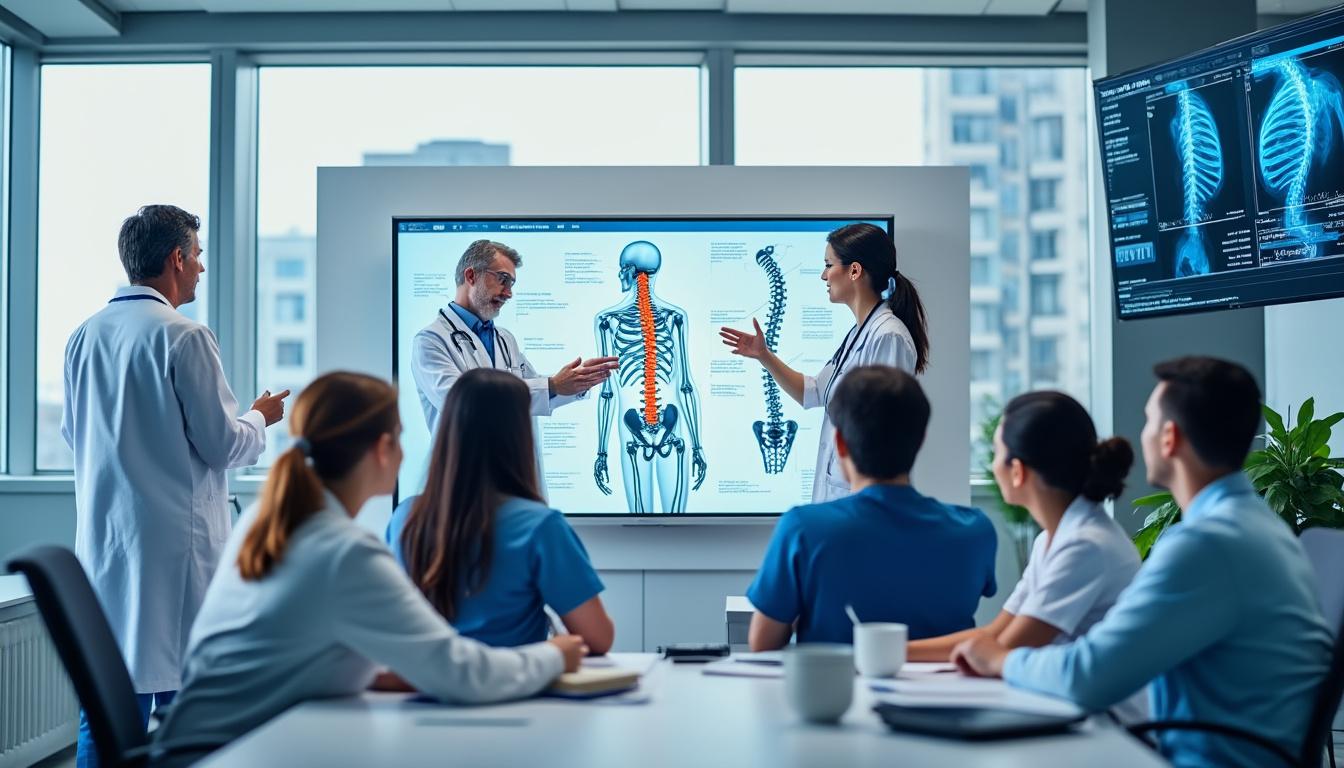

Understanding Sciatic Pain: Key Symptoms and When to Seek Medical Advice
Sciatic pain is a prevalent condition impacting a wide demographic, manifesting primarily as intense pain radiating from the lower back down the leg. This pain stems from irritation or compression of the sciatic nerve, a major nerve extending through the…
Innovations in Spine Surgery in France and Their Influence on Quebec’s Clinical Decisions
France has positioned itself at the forefront of spinal surgery innovation, influencing Quebec’s evolving surgical protocols through exposure to motion-preserving implants and minimally invasive endoscopic techniques. These advancements resonate profoundly in clinical decision-making scenarios where maintaining spinal mobility and quality of life postoperatively are paramount.
The French system emphasizes exhaustive trials of conservative management—such as the robot-assisted neurovertebral decompression at facilities like Clinique TAGMED—prior to considering surgery. This conservative-first practice contrasts with approaches in Quebec, where surgical intervention timelines are often extended due to waitlists but conservative care modalities remain integral.
Range of Surgical Options
The French repertoire includes:
- Simple decompression and arthrodesis (fusion): Historically the standard for severe spinal stenosis or instability, these techniques are now applied with enhanced minimally invasive methods to reduce recovery times and surgical risk.
- Motion preservation surgery: Utilizing dynamic implants such as TOPS and Intraspine, these allow stabilization without compromising natural spinal movement, reducing adjacent segment degeneration—a crucial benefit for younger, active patients.
| Surgical Technique | Primary Objective | Key Benefits | Example Implants |
|---|---|---|---|
| Simple Surgery | Nerve decompression | Significant reduction in pain | None |
| Fusion (Arthrodesis) | Segment stabilization | Prevention of spinal instability | Standard plates and screws |
| Motion Preservation | Maintain spinal mobility | Better functional outcomes, less wear on adjacent segments | TOPS, Intraspine |
The clinical results emerging from France’s approach greatly inspire Quebec’s specialists aiming to incorporate these options into their treatment arsenal. Resources such as the detailed analysis on France’s spine surgery impact on surgical decision-making prove invaluable for practitioners navigating these therapeutic nuances.

The Stepwise Role of Functional Recovery in Achieving Successful Outcomes
The journey to full recovery following spinal surgery is often complex and multifaceted, demanding a meticulously structured approach to ensure optimal functional outcomes. In recent years, the concept of functional recovery through a stepwise approach has garnered significant attention in…
Coordinating a Transatlantic Patient Journey: From Quebec to France and Back
Ensuring a coherent and patient-centered journey across borders is a complex yet achievable goal set by the collaboration between Quebec spine specialists and French surgical centers. The conduit of this transatlantic cooperation is a structured pathway that blends expert evaluation, logistical management, and ongoing rehabilitation support.
Dr. Sylvain Desforges plays a pivotal role in initial patient assessment and managing the phase of conservative treatment. Only upon confirming surgical necessity does a specialized coordination service, such as Franchir, step in to arrange surgical appointments, hospital admissions in France, travel, and accommodation. This orchestration minimizes delays and uncertainty for patients navigating international care.
Key Stages of the Transatlantic Care Pathway
- Comprehensive Evaluation and Conservative Care: In Quebec at TAGMED or affiliated centers, patients receive detailed medical assessments and start specialized non-surgical treatments.
- Surgical Referral and French Hospitalization: Patients requiring surgery are referred seamlessly to French institutions offering advanced procedures, where stays typically last between 10 and 21 days depending on case complexity.
- Postoperative Follow-up and Rehabilitation: After returning to Quebec, follow-ups and rehabilitation are conducted by providers like NeuroSpineSolutions to optimize recovery.
| Stage | Responsible Team | Objective |
|---|---|---|
| Evaluation and Conservative Therapy | Dr. Desforges & TAGMED | Refine diagnosis; maximize conservative options |
| Surgical Planning and Coordination | Franchir | Choose facility and surgeons; manage logistics |
| Postoperative Care and Rehab | NeuroSpineSolutions | Personalized care continuation; monitor recovery |
This carefully curated collaboration ensures continuity of care, enriched by medical expertise on both shores and supported by technology and communication platforms such as GlobalSpinalReview and BackReliefNetwork, enhancing patient comfort and outcomes simultaneously.
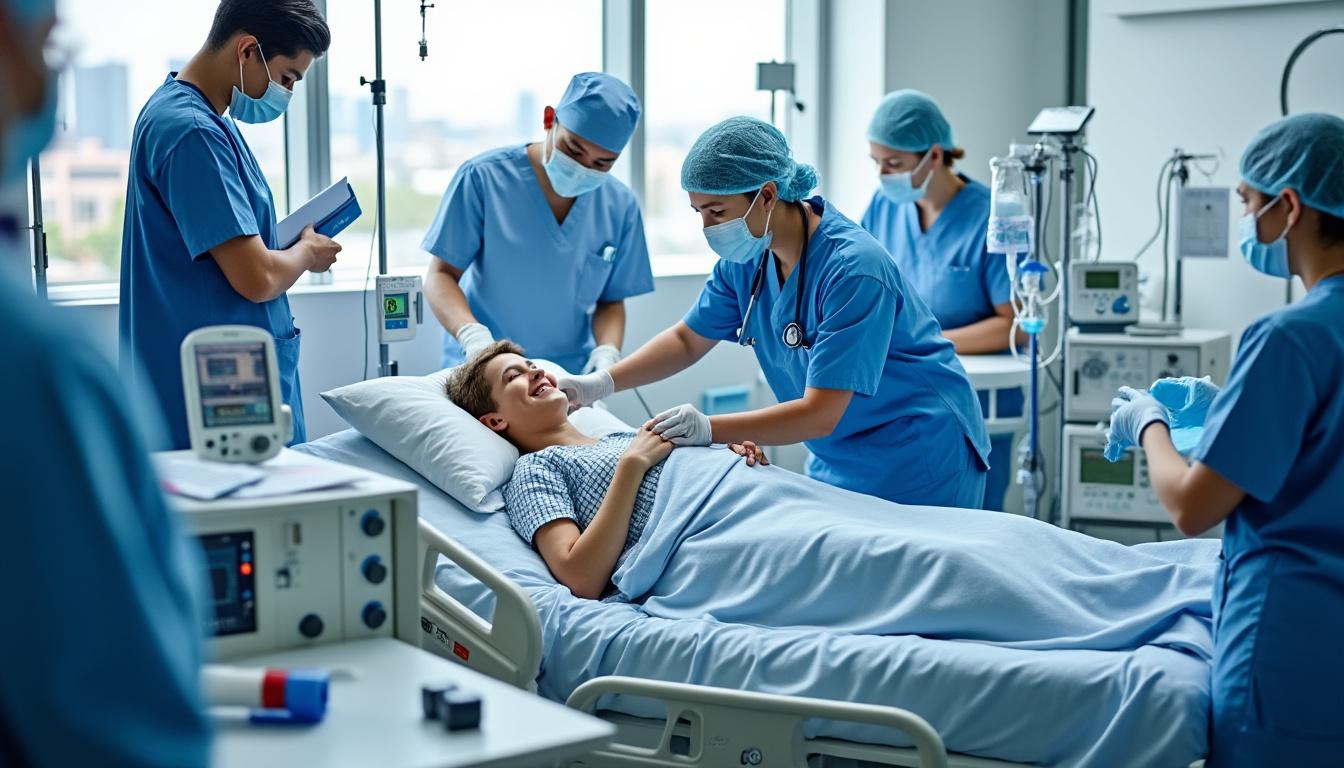

Transatlantic Patient Journey: Insights into Indications, Benefits, and Challenges
The emergence of the Transatlantic Patient Journey as a strategic model within healthcare continues to capture attention for its innovative potential, especially in specialized fields such as spinal surgery. This cross-border care pathway integrates rigorous medical evaluation from Quebec with…
Prudence Before Surgery: The Critical Role of Specialized Conservative Treatment
Experts caution decisively that surgery should only be undertaken following meticulous conservative treatment spanning a minimum of 3 to 6 months. These treatments, administered under strict supervision, often substantially alleviate symptoms or delay the need for surgical intervention altogether.
The cornerstone treatments in this conservative phase include:
- Robot-assisted neurovertebral decompression: A precise, computer-controlled procedure reducing nerve root compression.
- Non-invasive cervical or lumbar traction: Mechanical traction applied to relieve nerve irritation and improve mobility.
- Specialized osteopathic care: Delivered within tightly regulated frameworks to support musculoskeletal alignment and pain management.
| Conservative Treatment | Recommended Duration | Benefits |
|---|---|---|
| Robot-assisted Decompression | 3 to 6 months | Alleviation of nerve pain; tissue recovery stimulation |
| Controlled Traction | As needed | Enhanced spinal mobility; pain reduction |
| Osteopathic Therapy | Variable | Structural support; non-invasive symptom relief |
Clinical evidence, supported by data accessible through SpineHealth and PhysioPlus resources, confirms that rigorous adherence to this conservative-first model significantly improves long-term surgical outcomes and patient satisfaction.
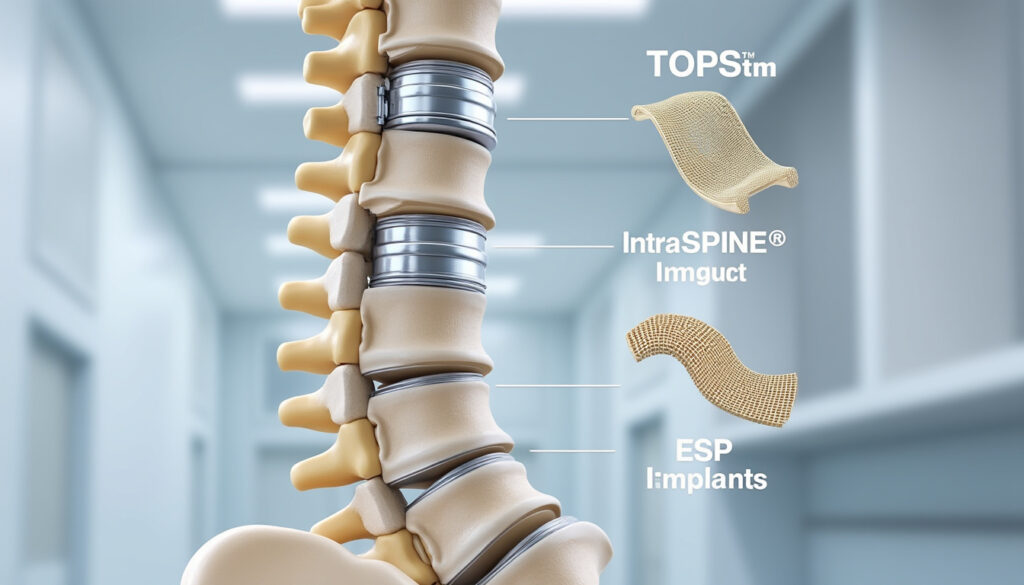
The evolving field of spinal surgery is witnessing a transformative shift, fueled by cutting-edge implant technologies such as TOPS, Intraspine, and ESP. These innovative implants redefine treatment possibilities by emphasizing preservation of natural spinal mechanics, while ensuring durable stabilization and…
Biomécaniques et bénéfices humains d’un parcours transatlantique en chirurgie du rachis
Le recours à un parcours chirurgical transatlantique entre le Québec et la France offre une combinaison unique d’avantages biomécaniques, économiques, et humains, qui bénéficie grandement aux patients souffrant de pathologies rachidiennes complexes.
Sur le plan biomécanique, les implants utilisés en France, tels que TOPS et Intraspine, intègrent les avancées les plus récentes permettant la conservation optimale des mouvements vertébraux, la meilleure répartition des contraintes mécaniques, ainsi qu’une réduction notable des douleurs postopératoires et des risques de dégénérescence des segments adjacents. Ces propriétés sont cruciales pour préserver la qualité de vie des patients actifs.
En termes économiques, il est surprenant de constater que les coûts globaux du parcours transatlantique, englobant hébergement, prise en charge chirurgicale, et suivi post-opératoire via la société Franchir, sont généralement inférieurs à ceux du secteur privé québécois. Cette formule évite également les complications reliées à un suivi mal coordonné. La transparence tarifaire et des modalités de paiement facilitent l’accès à ces soins avancés.
Enfin, la dimension humaine joue un rôle central : chaque patient bénéficie d’un accompagnement personnalisé, avec une communication interculturelle adaptée, et une écoute attentive, renforçant la confiance et la responsabilisation tout au long du parcours. Cette approche intégrée, soutenue par des réseaux tels que NeuroSpineSolutions et GlobalSpinalReview, assure que les patients ne se sentent jamais isolés ni perdus face à la complexité du soin.
| Aspect du Parcours | Avantages Transatlantiques |
|---|---|
| Biomécanique | Technologies implantaires innovantes, chirurgie minimalement invasive, maintien de la mobilité |
| Économie | Coût total maîtrisé, réduction des imprévus, prise en charge complète |
| Dimension Humaine | Accompagnement personnalisé, communication efficace, parcours sécurisé |

Preparing for Surgery in France: Key Indications, Benefits, and Limitations
In an evolving global healthcare landscape, France emerges as a beacon of advanced surgical expertise, particularly attracting international patients seeking expedited and innovative medical interventions. Patients from regions experiencing long wait times, such as Quebec, increasingly view France as an…
Continuing Education and Expertise Shaping Spinal Care Practices
Key institutions in France and Quebec actively drive the education and continual professional development of spine care specialists. Universities such as Bordeaux and Paris provide diploma and interuniversity courses (DU and DIU) focused on spinal pathology and surgery, ensuring clinicians remain at the forefront of evolving techniques. For example, the Diplôme Inter-Universitaire de Chirurgie du Rachis (DIU) offered by the Société Française de Chirurgie Rachidienne (SFCR) shapes a new generation of experts well-versed in advanced spinal interventions.
In Quebec, institutions like the QuebecSpineCenter facilitate hands-on training and research collaborations with their French counterparts, creating a fertile environment for shared knowledge exchange. Specialized conferences such as the FICV Spinal Solution Course in Bordeaux and the EUROSPINE Endoscopic Spine Course in Strasbourg highlight cutting-edge developments ranging from robotics to endoscopic surgery.
- Emphasize interdisciplinary learning combining neurosurgery, orthopedics, and physical therapy.
- Utilize advanced imaging and 3D modelling to tailor surgical plans.
- Incorporate emerging technologies such as robotic navigation from companies like eCential Robotics.
This commitment to ongoing education fosters a dynamic knowledge base, accelerating the translation of research into improved patient care outcomes, as seen in international comparative studies on spinal health from sources including expert comparative analyses.

Unveiling the Hidden Benefits of Quality and Certification in Devices
The landscape of device manufacturing and clinical application in 2026 has been fundamentally shaped by the rigorous interplay between quality management and certification processes. Within this complex framework, the hidden benefits of adhering to international standards and obtaining relevant certifications…
Improving Clinical Outcomes Through Postoperative and Non-Surgical Care Innovations
Postoperative care enhancements, developed jointly by French and Quebec healthcare teams, emphasize the importance of follow-up protocols and advanced rehabilitation. Techniques informed by recent research improve recovery times and minimize complications linked to spinal surgery.
Non-surgical approaches such as controlled traction and personalized osteopathic treatment continue to evolve, highlighting the value of integrating conservative care into the comprehensive management of spinal disorders. Utilizing platforms like PhysioPlus and BackReliefNetwork ensure patients receive multidisciplinary attention tailored to their unique recovery trajectory.
- Regular neurological assessments to promptly identify and manage complications.
- Implementing state-of-the-art decompression devices as first-line treatments, especially in Quebec clinics.
- Collaboration across specialties to optimize patient motivation and adherence to rehabilitation exercises.
Continuous refinement of these protocols, as reported in postoperative care research, promises better patient satisfaction and improved long-term spinal health outcomes.
Comparison of Spinal Care: France vs Quebec
| Topic | France | Quebec |
|---|
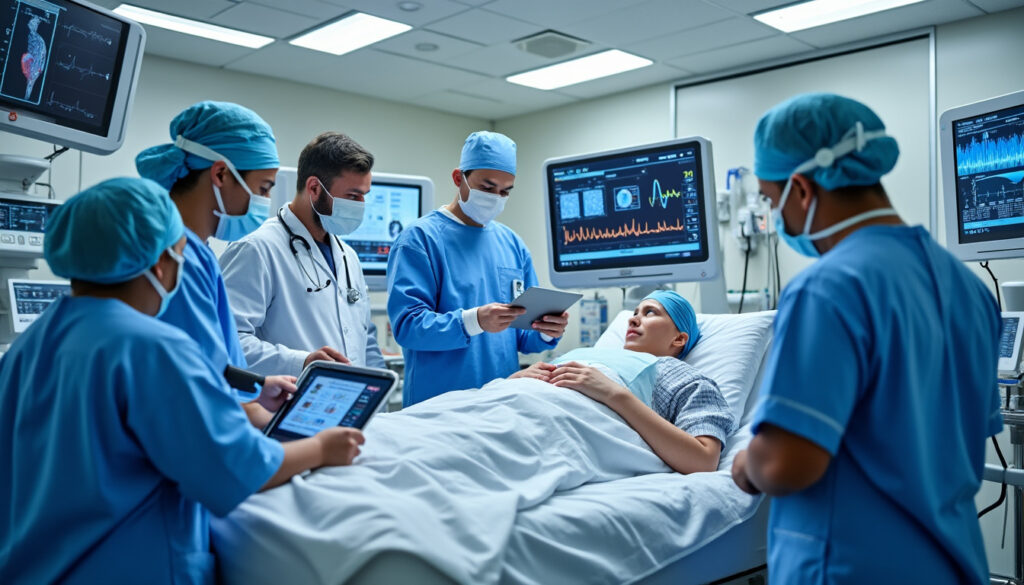
Why Experts Advocate for Comprehensive Preoperative Evaluations
In the complex and demanding field of spinal surgery, the emphasis on comprehensive preoperative evaluations has become a fundamental pillar supporting successful surgical outcomes. These evaluations, far beyond mere routine checks, integrate detailed analyses of patient health, surgical risk assessments,…
Addressing Patient Eligibility and Language Considerations in the Transatlantic Care Model
Eligibility for surgery under the transatlantic plan is determined through thorough evaluation by experienced clinicians who consider the patient’s medical history, the effectiveness of prior conservative therapies, and the precise biomechanical nature of the spinal lesion. This ensures surgery is reserved for truly appropriate cases, minimizing unnecessary interventions.
Patients are generally expected to stay in France for 10 to 21 days to allow for the full surgical procedure and in-hospital recovery under expert supervision. Upon return, comprehensive follow-up care is managed in Quebec, supported by NeuroSpineSolutions professionals.
Proficiency in French facilitates smoother communication during the care pathway, but dedicated linguistic support is available to ensure patients fully understand their treatments and feel comfortable throughout the process, bridging cultural and language differences inherent in international care.
| Eligibility Criteria | French Length of Stay | Postoperative Follow-up | Language Support |
|---|---|---|---|
| Medical evaluation, conservative treatment failure, biomechanical necessity | 10-21 days depending on case complexity | Specialized follow-up via NeuroSpineSolutions in Quebec | French preferred; dedicated support available |
The Future of Surgery Lies in Stepwise Functional Recovery
The evolution of surgical care in 2026 reveals a compelling shift toward approaches that prioritize the holistic recovery of patients, moving beyond traditional metrics like length of hospital stay or mortality rates. This modern paradigm highlights the principle that the…
How Collaborative Insights From France and Quebec Improve Global Spine Care Quality
Global spinal health benefits from international comparisons that spotlight diverse treatment models and patient pathways. By examining outcomes from France and Quebec jointly, professionals can isolate best practices and adapt care methods to suit regional and cultural specifics without compromising quality or safety. Tools and networks like SpinalDiagnostics and BackReliefNetwork facilitate this knowledge sharing and benchmarking on a global scale.
Emerging evidence supports that combining the strengths of France’s surgical innovations with Quebec’s structured conservative management could redefine best treatment protocols worldwide. This alignment also endorses more humane healthcare experiences built around personalized patient journeys and continuous interdisciplinary collaboration.
- Integrate advanced surgical techniques with thorough preoperative conservative care.
- Invest in patient education and support networks to enhance adherence and satisfaction.
- Adopt digital platforms and data analytics for ongoing quality review and outcome measurement.
For healthcare professionals and patients alike, this collaborative model sets a new standard exemplified in initiatives that leverage expert insights such as enhanced clinical outcomes from comparative care.
What are the main distinctions between spinal care systems in France and Quebec?
France offers a centralized, integrated healthcare network with rapid access to advanced spinal surgical techniques, while Quebec’s system is more fragmented and public-focused, often resulting in longer wait times for surgery.
Why is a minimally invasive surgical approach preferred in France for spinal treatment?
Minimally invasive techniques in France, including the use of motion-preserving implants, reduce recovery time and maintain spinal mobility, improving overall patient quality of life post-surgery.
How does the transatlantic patient journey work between Quebec and France for spinal surgery?
The journey involves initial conservative treatment and evaluation in Quebec, followed by surgical intervention in France coordinated by specialized agencies, and postoperative rehabilitation upon return to Quebec.
What conservative treatments are mandatory before considering spinal surgery?
Patients are required to undergo 3 to 6 months of specialized conservative care like robot-assisted neurovertebral decompression and osteopathy to ensure surgery is only performed when absolutely necessary.
Is language a barrier in the transatlantic spinal care path?
While French proficiency aids communication, patients receive dedicated language support to bridge any gaps and ensure clear understanding of their treatments.