
IntraSPINE® in Laval: Optimized Recovery After Decompression
May 16, 2026
Minimally Invasive Surgery in Longueuil: Advanced Techniques for Mobility Preservation
May 16, 2026
Chronic sciatica continues to challenge thousands of individuals in Terrebonne and beyond, impeding daily activities and diminishing quality of life. As a complex condition involving nerve compression and persistent pain, sciatica requires solutions that go beyond just symptom management. Advances in spinal decompression therapy offer revolutionary, non-surgical options tailored to target the very source of discomfort. Expertly guided by Dr. Sylvain Desforges, a leader with over 30 years of experience and the founder of Clinique TAGMED in Terrebonne, these therapies combine scientific rigor and patient-centered innovation to restore mobility and alleviate pain effectively.
Understanding the nuances of sciatica and the promise of spinal decompression is crucial for individuals seeking durable relief without the risks associated with invasive surgery. This article explores a range of topics, from the origin and impact of chronic sciatica, to detailed mechanisms of decompression therapy, its practical benefits and limitations, to complementary home-based exercises and wellness strategies. Alongside showcasing the unique expertise and groundbreaking protocols pioneered by Dr. Desforges, this comprehensive guide aims to empower readers with clear, accessible information and actionable steps towards sustainable health improvements.
Comprehensive Overview of Chronic Sciatica and Its Impact on Terrebonne Residents
Sciatica manifests as a set of symptoms rather than a standalone disease, predominantly caused by pressure or irritation on the sciatic nerve—the longest nerve running from the lower back down the legs. Individuals in the Terrebonne area frequently experience persistent pain, tingling, numbness, or weakness along this nerve path, typically on one side of the body. Common causes include herniated discs, spinal stenosis, and bone spurs, conditions often exacerbated by lifestyle factors such as sedentary habits or excess weight.
In Quebec and similarly populated regions, chronic sciatica affects a significant portion of the adult population, correlating with increasing age and lifestyle patterns. The consequence is not merely physical discomfort; it profoundly affects day-to-day activities—sitting, walking, or even sleeping can become sources of distress. The economic and social costs extend to lost working hours and increased healthcare utilization, underscoring the urgent need for effective, yet non-invasive, solutions.
Dr. Sylvain Desforges emphasizes a patient-centric understanding of sciatica’s multifaceted impact. His evaluations focus on a holistic view, identifying root causes and tailoring bespoke care pathways. By combining decades of expertise with cutting-edge diagnostic approaches, he ensures patients from Terrebonne and surrounding communities receive not just symptomatic relief but meaningful, long-lasting improvements in quality of life.


Repentigny Chronic Back Pain Prevention for Disc Sufferers
In the vibrant community of Repentigny, chronic back pain remains one of the most pressing health challenges, especially for individuals battling spinal disc issues. Persistent back discomfort can drastically reduce quality of life, impairing daily function and emotional well-being. Over…
How Spinal Decompression Therapy Targets Chronic Sciatica Pain Effectively
Spinal decompression therapy offers an innovative non-surgical alternative designed to address the fundamental cause of sciatica: nerve compression. Utilizing a sophisticated, computer-controlled decompression table, the therapy gently stretches the spine, creating negative pressure within the intervertebral discs. This negative pressure facilitates the retraction of herniated or bulging disc material away from the nerve roots, significantly alleviating the pain and neurological symptoms associated with sciatica.
Moreover, this decompression encourages enhanced circulation of water, oxygen, and essential nutrients back into the discs, promoting their natural healing and rehydration. Every treatment session is personalized, ensuring precise force application tailored to the patient’s unique spinal anatomy and condition severity. Patients frequently report immediate reductions in shooting pain and tingling sensations after beginning the therapy, which is specifically noted in numerous success stories at Clinique TAGMED.
Dr. Desforges’ approach integrates spinal decompression as part of a comprehensive care program, often combining it with osteopathic techniques and advanced modalities like laser therapy. His expertise allows him to customize protocols that maximize pain relief while fostering long-term spinal health without the need for surgery or medications. Understanding the mechanics of this method illuminates why many Terrebonne residents have found lasting sciatica relief through these treatments.

Brossard Lumbar Disc Injury Care After Accident
In Brossard, the challenge of recovering from a lumbar disc injury sustained in an accident is a growing concern among many residents seeking relief from persistent back pain and mobility limitations. Lumbar disc injuries, often aggravated or triggered by sudden…
Advantages and Limitations of Spinal Decompression in Managing Chronic Sciatica
When evaluating spinal decompression, it is essential to weigh its multiple benefits against possible considerations to form realistic expectations. Among its most significant advantages are:
- Non-invasive and drug-free: No incisions or anesthesia are required, dramatically reducing the risks commonly associated with surgery.
- Rapid relief: Many patients note reduced nerve pain shortly after treatment begins due to immediate decompression effects on irritated nerve roots.
- Minimal downtime: Patients can generally resume daily activities immediately following each session.
- Customizability: Treatment protocols can be tailored to the specific spinal conditions present, enhancing the potential for successful outcomes.
Despite these strengths, some limitations and precautions remain. Decompression therapy usually mandates a series of 10 to 30 sessions over several weeks, requiring patient commitment. Research shows mixed long-term evidence in some cases, and not all patients experience lasting benefits. Adverse effects like temporary soreness or discomfort can occasionally occur, particularly in sensitive individuals. Contraindications such as pregnancy, severe osteoporosis, spinal infections, or metallic spinal implants must be carefully screened by experienced practitioners like Dr. Desforges to ensure safety.
Below is a detailed comparison table summarizing key aspects of spinal decompression therapy:
| Aspect | Advantages | Considerations |
|---|---|---|
| Nature of Treatment | Non-surgical, non-invasive, no anesthesia required | Requires multiple sessions over several weeks |
| Pain Relief | Targets nerve compression directly for fast symptom reduction | Temporary soreness or increased discomfort possible |
| Recovery | Little to no downtime, immediate activity resumption | Long-term effectiveness varies, more research needed |
| Eligibility | Suitable for herniated discs, bulging discs, and certain stenosis cases | Contraindicated for pregnancy, tumors, infections, metal implants |
In Terrebonne, individuals seeking non-surgical approaches can find that decompression therapy offers a balanced profile of safety, efficacy, and convenience when administered under expert guidance. The personalized evaluation conducted by Dr. Desforges ensures that each patient embarks on a path suited to their specific needs and medical profile.

Longueuil Neck Herniation Recovery Without Injections
Neck herniation is a prevalent condition that affects countless individuals in Longueuil, challenging their everyday mobility and comfort. While traditional approaches often emphasize invasive procedures or steroid injections, many patients seek alternatives that offer recovery without the inherent risks of…
Safe and Effective Home-Based Spinal Decompression Exercises for Sciatica Relief
While professional spinal decompression therapy remains the cornerstone for managing chronic sciatica in Terrebonne, supplementary home exercises play a vital role in maintaining spinal health and prolonging therapeutic benefits. Patients guided by Dr. Desforges are often encouraged to adopt specific, safe stretches and movements designed to decompress the spine gently and relieve nerve pressure.
Popular and effective exercises include:
- Child’s Pose (Balasana): Gently elongates the spine and releases tension. Performed by kneeling and sitting back on the heels while extending arms forward. Holding for up to five minutes enhances relaxation.
- Knees-to-Chest Stretch: Pulling one or both knees toward the chest while lying on the back reduces lower back and sciatic nerve tension.
- Cat-Cow Stretch: Promotes spinal flexibility by alternating between spinal arching and lowering, improving overall mobility and decompression.
- Dead Hangs: Utilizing a pull-up bar to let gravity stretch the spine; initial holds should be brief to prevent overstress.
Before starting these exercises, consulting with healthcare professionals is essential, especially for those with other spinal conditions. These movements complement clinical treatment and encourage a proactive, holistic approach to sciatica management.
Terrebonne Chronic Sciatica Relief for Athletes
In Terrebonne, chronic sciatica remains a prevalent challenge among athletes who push their physical limits daily. This persistent nerve pain can dramatically affect performance, hinder training routines, and diminish overall quality of life. As more athletes search for effective, non-invasive…
Integrating Spinal Decompression Therapy with Holistic Wellness Practices
Beyond direct spinal treatments, Dr. Sylvain Desforges advocates for a comprehensive wellness strategy to optimize sciatica relief and enhance overall spinal health. Safe, medication-free options for immediate pain control include:
- Cold therapy: Applying ice packs to reduce inflammation during acute flare-ups.
- Heat therapy: Utilizing heat pads after 72 hours to relax muscles and increase blood flow.
- Gentle stretching: Specific poses like reclining pigeon or knee-to-opposite-shoulder stretches help relax sciatic nerve pathways.
- Movement moderation: Balancing periods of rest with light activity to avoid muscle weakening.
Additionally, research highlights the positive influence of chiropractic care on cortisol regulation, aiding stress reduction, better sleep, and immune support—all beneficial for chronic pain management. Dr. Desforges incorporates these insights within his multidisciplinary approach to ensure patient-centered, empathetic care.
To maintain improvements outside treatment sessions, patients should also focus on hydration, proper nutrition, sleep hygiene, and avoiding risk factors such as inflammation-triggering foods and excessive strain on the spine. Combining these elements cultivates sustained spinal wellness alongside professional decompression therapies.
Laval Lumbar Disc Herniation Recovery Without Hospitalization
In Laval, a city known for its vibrant healthcare community and progressive medical approaches, the treatment landscape for lumbar disc herniation is undergoing a significant transformation. Traditionally, the management of such spinal conditions heavily relied on invasive surgeries, often requiring…
Technological Innovations and Expertise Behind Dr. Sylvain Desforges’ Spinal Care Services
Clinique TAGMED, founded and led by Dr. Sylvain Desforges, stands out as a beacon of innovation in Terrebonne for spinal decompression and chronic sciatica care. With over 30 years of clinical experience complemented by qualifications including B.Sc., D.O., and N.D., Dr. Desforges has pioneered specialized protocols that integrate advanced technologies rarely found elsewhere in Canada.
Some unique features distinguishing TAGMED include:
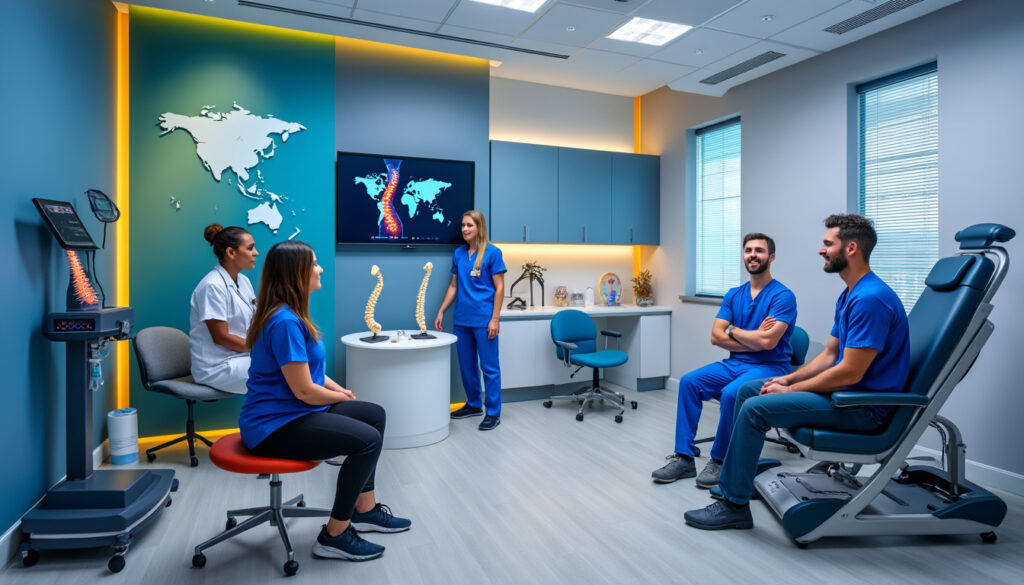
- Customized neurovertebral decompression: Employing state-of-the-art, computer-controlled tables that adapt in real-time to patient-specific spinal conditions.
- Dynamic spinal implants and laser therapy: Cutting-edge adjuncts that promote healing and reduce inflammation effectively.
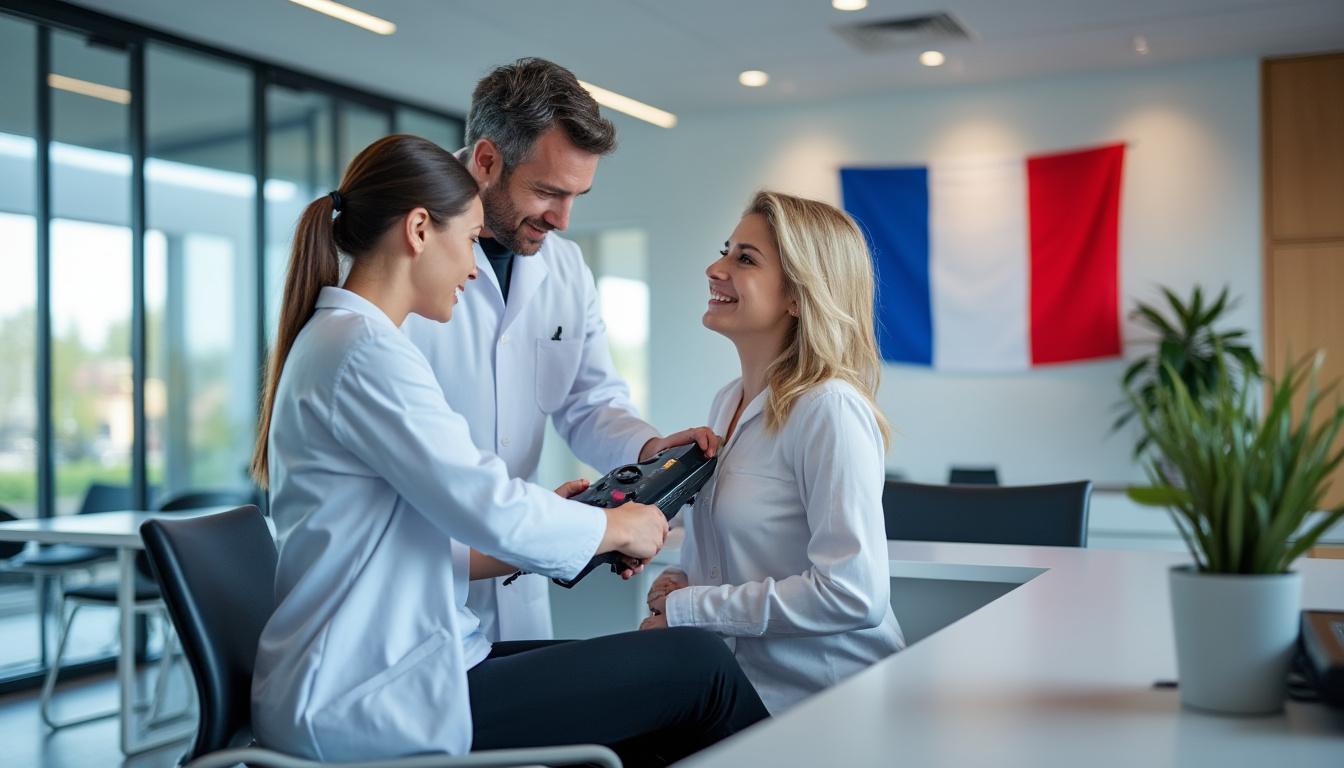
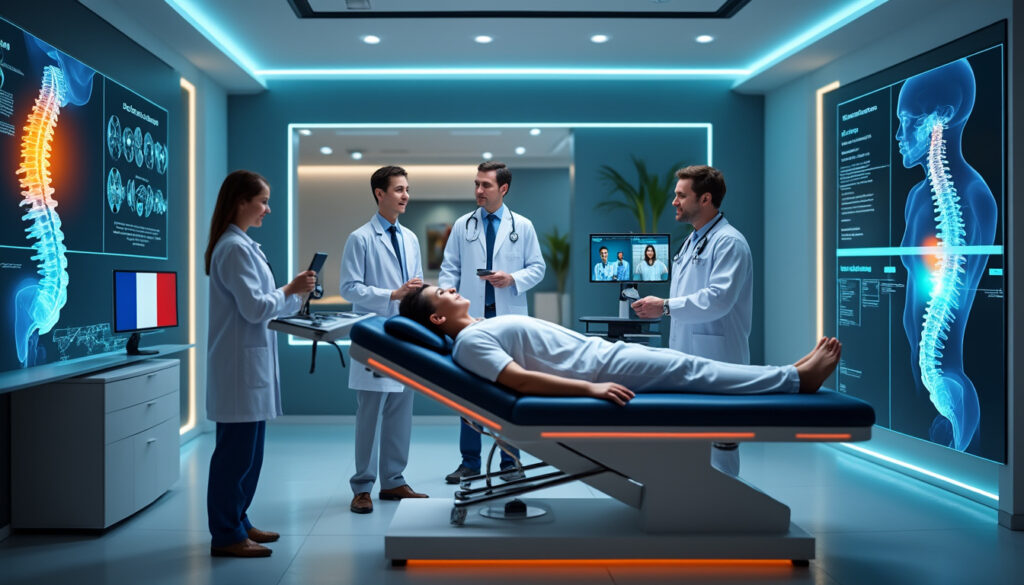
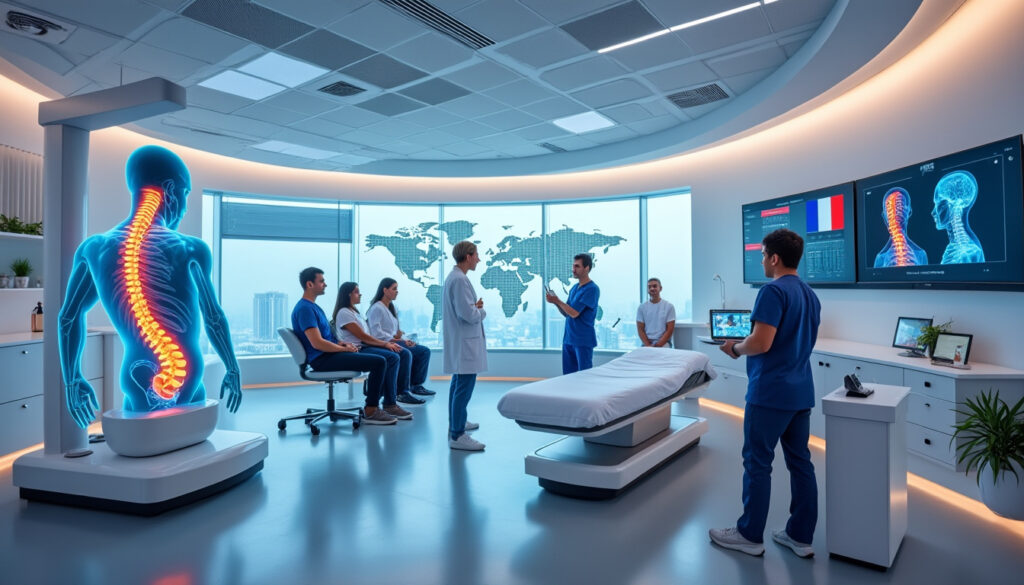
- Collaborative international care: Facilitating transatlantic patient journeys between Canada and France, coordinated seamlessly to offer world-class surgical and conservative treatments with minimal delays.
- Expert multidisciplinary teams: Providing thorough pre- and post-operative support focused on patient safety and maximizing outcomes.
Dr. Desforges’ commitment to ethical, scientifically rigorous care aligns with stringent Quebec and Canadian medical regulations. This dedication ensures that patients receive treatments backed by evidence and tailored to their unique needs. For those seeking superior sciatica solutions in Terrebonne, his expertise represents a trusted, advanced option combining human compassion with technical excellence.
Montreal Neck Pain Solutions That Avoid Surgery Risks
The bustling metropolis of Montreal, known for its vibrant culture and dynamic urban life, is facing a growing concern among its residents: neck pain. This discomfort, often arising from modern lifestyle factors such as prolonged screen time, sedentary habits, and…
Comparing Spinal Decompression Therapy to Surgical Interventions for Chronic Sciatica
Patients facing chronic sciatica in Terrebonne often confront the decision between conservative therapies and surgical intervention. Spinal decompression therapy distinguishes itself through its non-invasive nature, lower risks, and more accessible recovery timeline.
Unlike surgeries such as discectomy or laminectomy—procedures entailing incisions, bone removal, and extended healing periods—decompression gently utilizes traction technology to relieve nerve pressure. The gradual retraction of disc material and stimulation of disc healing reduce pain without exposing patients to infection risks or anesthesia complications. Recovery from decompression sessions often requires no downtime, allowing patients to maintain their regular routines immediately.
Cost considerations also favor decompression: while surgical interventions can range from $15,000 to upward of $50,000 with added rehabilitation expenses, spinal decompression therapy sessions typically total between $1,000 and $7,500 over a full course. Although insurance coverage is variable, this treatment remains a cost-effective alternative with proven benefits.
| Treatment Type | Invasiveness | Recovery Time | Risks | Cost Range |
|---|---|---|---|---|
| Spinal Decompression Therapy | Non-invasive | Minimal to none | Low; temporary soreness possible | $1,000 – $7,500 |
| Surgical Decompression (Discectomy/Laminectomy) | Invasive, incisions required | Weeks to months | Higher risks: infection, bleeding, complications | $15,000 – $50,000+ |
For many Terrebonne patients, exploring spinal decompression first offers a less intimidating, safer path to sciatica relief with notable quality-of-life improvements. The expertise at Clinique TAGMED ensures an informed, patient-specific approach that prioritizes safety and efficacy above all.
Candiac Sciatica Relief in Chronic Disc Patients
Chronic sciatica continues to challenge many individuals in Candiac, particularly those suffering from persistent nerve pain related to spinal disc conditions. This ongoing discomfort often disrupts daily routines and diminishes quality of life. Fortunately, innovative non-invasive therapies, developed and refined…
Evaluating and Initiating Your Personalized Sciatica Care Journey in Terrebonne
Dr. Sylvain Desforges encourages individuals experiencing sciatica symptoms to undergo comprehensive evaluations that consider all aspects of spinal health, pain history, and lifestyle factors. Unlike a mere diagnosis, such evaluations involve detailed assessments of nerve function, disc status, and overall musculoskeletal balance to craft targeted treatment plans.
Patients who engage in this personalized process benefit from coordinated care pathways often extending across borders—linking Canadian expertise with French surgical partners when advanced interventions become necessary. This international collaboration helps minimize wait times and enhances care quality, an important advantage for chronic conditions demanding urgent attention.
Starting with a professional consultation allows for informed decision-making, assessing candidacy for decompression and exploring complementary options. It facilitates a patient’s empowerment through education, enabling them to manage expectations and participate actively in their healing journey. For those in Terrebonne seeking trusted, evidence-based sciatica solutions, the first step is reaching out to experienced teams like those led by Dr. Desforges at Clinique TAGMED.
Appointments and inquiries can be initiated easily online or via telephone, marking the beginning of a path towards sustained nerve pain relief and restored function.
Who is an ideal candidate for spinal decompression therapy in Terrebonne?
Ideal candidates are those suffering from nerve-related conditions such as herniated discs, bulging discs, or spinal stenosis, especially when seeking non-surgical options for chronic sciatica and lower back pain. A thorough evaluation by experts like Dr. Sylvain Desforges ensures safety and suitability.
How many sessions of spinal decompression therapy are typically required for chronic sciatica?
A typical treatment course involves about 10 to 30 sessions spread over 4 to 6 weeks. The exact number depends on individual condition severity and treatment response, with many patients noticing significant improvements before completing the full course.
Can spinal decompression therapy be combined with other treatments?
Yes, spinal decompression is often integrated with osteopathic care, laser therapy, and lifestyle modifications to maximize pain relief and spinal health. Dr. Desforges is known for his multidisciplinary approach, ensuring comprehensive patient support.
Are there risks or contraindications associated with spinal decompression?
While generally safe, contraindications include pregnancy, severe osteoporosis, spinal infections, tumors, spinal fractures, and presence of metal spinal implants. A thorough medical history and evaluation are essential to avoid complications.
How does spinal decompression therapy differ from traditional traction devices?
Spinal decompression uses computer-controlled tables providing precise, targeted negative pressure to retract disc material and promote healing, whereas traditional traction applies generalized uniform force with less customization and mainly temporary relief.
La Prairie Chronic Back Pain Recovery Success Stories
Chronic back pain remains one of the most widespread and debilitating health issues affecting millions worldwide. In La Prairie, a growing number of individuals are triumphing over persistent discomfort through innovative, targeted treatments that emphasize recovery without invasive surgery. These…