The Ultimate Guide to Quality and Certification of Devices
November 28, 2025
Unveiling the Hidden Benefits of Neurovertebral Decompression Therapy
November 29, 2025
Rehabilitation and the process of returning to work form a complex interplay that extends far beyond physical recovery. It is a multifaceted journey involving medical treatment, psychological adaptation, workplace accommodation, and social reintegration. Research in recent years underscores the profound impact that structured rehabilitation programs have on the success of workplace recovery, emphasizing the importance of comprehensive strategies that integrate occupational therapy, disability management, and vocational rehabilitation. For those recovering from injuries or long-term health conditions, these phases are critical not only to regain physical function but importantly to rebuild confidence and reshape their professional identity. The evolving landscape of injury recovery and work reintegration reflects an increased understanding of employee well-being as a core component of sustainable workforce participation. Progressive programs that tailor rehabilitation with supportive workplace accommodations enable more effective transitions back into occupational roles, reducing absenteeism and enhancing job satisfaction. This article delves into the insights garnered from scientific studies, clinical experiences, and innovative practices, revealing the key mechanisms that facilitate successful return-to-work outcomes and highlighting the critical collaboration required among health professionals, employers, and employees.
Understanding Rehabilitation’s Role in Returning to Work: Medical and Psychological Perspectives
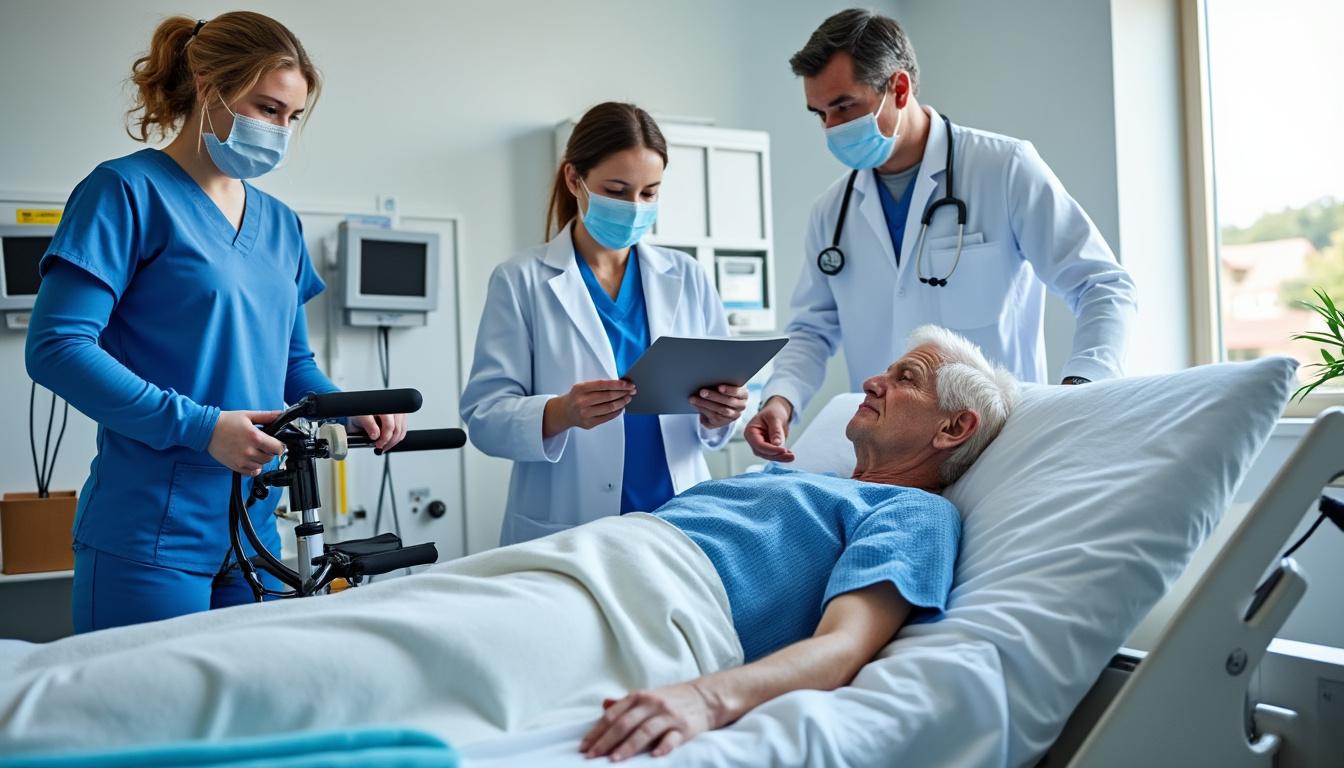
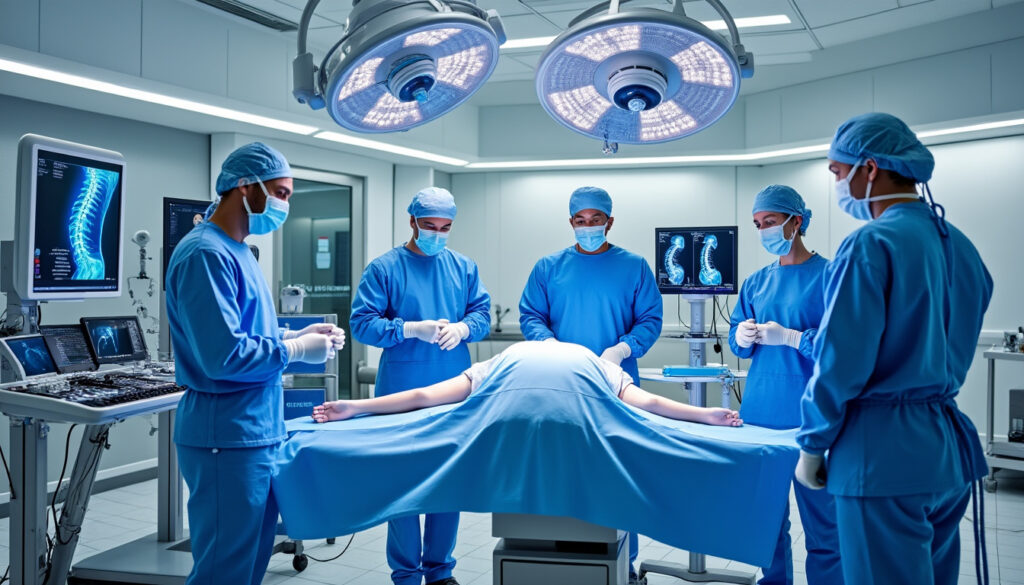
Rehabilitation serves as the foundation for any effective return-to-work plan, particularly after significant injuries such as spinal surgeries or chronic musculoskeletal disorders. From a medical standpoint, the rehabilitation journey often begins with a tailored program of physical therapy designed to restore mobility, strength, and functional capacity. This phase focuses on injury recovery, targeting pain management and enhancing neuromuscular control. In cases involving complex spinal interventions, patients might undergo distinct recovery timelines influenced by the surgical approach—simple decompression, motion-preserving procedures, or fusion surgeries—each dictating the intensity and duration of physical rehabilitation.
However, rehabilitation transcends physical recovery alone. Psychological aspects play an equally pivotal role. Many patients experience anxiety, depression, or fear-avoidance behaviors due to prolonged immobilization or frustration from pain and limited function, which can impede their progress. Therefore, psychological support and counseling become integral components of an effective rehabilitation program. Integrating occupational therapy within rehabilitation frameworks helps address these challenges by focusing on activity modification and gradual work reintegration, preparing patients mentally and physically for workplace demands.
The multidisciplinary approach combining medical rehabilitation with psychosocial interventions has proven effective in improving return-to-work rates. For example, techniques such as repetitive transcranial magnetic stimulation (rTMS) have been explored to alleviate chronic neuropathic pain and depression post-operatively, fostering a better recovery environment. Neurothérapie Montréal exemplifies this integration by providing neuromodulation therapies alongside traditional rehabilitation, leading to improved patient outcomes.
- Medical rehabilitation focuses on restoring physical function tailored to specific surgical procedures.
- Psychological support mitigates anxiety and depression to enhance motivation and resilience.
- Occupational therapy facilitates practical adjustments and gradual work reintegration.
- Innovative therapies like rTMS help manage chronic pain and mood disorders post-surgery.
- Multidisciplinary care ensures holistic rehabilitation, improving long-term workplace recovery.
| Type of Surgery | Typical Rehabilitation Duration | Key Rehabilitation Focus | Return to Work Timeframe |
|---|---|---|---|
| Simple Decompression | 4 to 8 weeks | Pain control, gentle mobility | 4 to 6 weeks |
| Motion-Preserving Procedure (e.g., TOPS) | 8 to 12 weeks | Joint stabilization, active movement | 6 to 10 weeks |
| Fusion Surgery | 3 to 6 months | Bone healing, gradual strength recovery | 3 to 6 months |
Diverse patient factors, including individual recovery rates, the presence of complications, and the quality of rehabilitation support, inevitably influence these timelines. Importantly, this underscores the necessity for personalized treatment plans. A strong foundation of rehabilitation that merges medical care with psychological preparedness facilitates a more confident and effective return to the workplace.
Spine Surgery in France: Essential Insights Every Patient Must Know
Spinal health is a critical aspect of overall well-being, particularly for individuals suffering from chronic back pain or debilitating spinal conditions. The landscape of spine surgery in France presents a remarkable opportunity for patients seeking advanced surgical procedures coupled with…
How Tailored Return-to-Work Programs Influence Employee Well-being and Productivity
Return-to-work programs are pivotal in bridging the gap between medical rehabilitation and workplace reintegration. These programs incorporate structured processes that smoothly transition employees from injury or illness back to their occupational roles while prioritizing employee well-being. Research from workcare.com highlights the importance of designing programs that are consistent, supportive, and flexible to the unique needs of each employee.
Effective return-to-work programs generate multiple benefits:
- Reducing Costs: Early and supported returns minimize prolonged disability payments and medical costs.
- Boosting Morale: Employees feel valued and supported, which enhances retention and motivation.
- Protecting Long-term Workforce Health: Proper reintegration prevents setbacks and promotes sustained productivity.
Adaptive workplace accommodation remains central to these programs. Adjustments such as flexible working hours, modified duties, ergonomic assessments, and assistive technologies empower injured workers to perform comfortably. Such accommodations not only assist in physical recovery but significantly address psychological concerns including stress and burnout.
Research from the European Agency for Safety and Health at Work (EU-OSHA) further reveals that the degree of workplace support and the relationship with the employer are critical determinants of successful return-to-work outcomes. When employees perceive genuine engagement and accommodations that reduce work-related stress, their overall reentry is smoother and more sustainable.
- Early intervention programs reduce prolonged absenteeism.
- Employer-employee communication fosters trust and motivation.
- Customizing return-to-work plans based on job role and recovery stage optimizes outcomes.
- Workplace accommodations mitigate re-injury risk and facilitate gradual workload increase.
- Integration of disability management ensures ongoing support and adjustments.
| Program Component | Impact on Return-to-Work Success | Employee Well-being Aspect Addressed |
|---|---|---|
| Early Planning and Risk Assessment | Higher return rates within 3-6 months | Reduces anxiety about job security |
| Workplace Accommodation | Facilitates sustained work engagement | Supports physical comfort and confidence |
| Multidisciplinary Support Team | Improves coordination of care | Addresses psychological and social barriers |
The creation of such programs demands collaboration between vocational rehabilitation experts, occupational therapists, medical professionals, employers, and human resources teams. Successful initiatives also incorporate employee feedback to tailor interventions effectively.

Why Experts Advocate for the Crucial Role of Franchir in Effective Care Management
In the evolving landscape of healthcare, effective care management has become pivotal to improving patient outcomes and ensuring seamless coordination across diverse medical services. Within this context, the role of Franchir emerges as a beacon of innovation and precision, particularly…
Vocational Rehabilitation: Integrating Work Reintegration and Disability Management
Vocational rehabilitation represents a specialized branch within the rehabilitation continuum that concentrates on equipping injured or disabled individuals with the skills, support, and adaptations needed to reenter the workforce effectively. This discipline leverages a blend of occupational therapy, psychological support, and workplace assessment to optimize the individual’s functional capacity in relation to their job requirements.
A key element in vocational rehabilitation is the comprehensive assessment and modification of workplace risk factors. Addressing ergonomic challenges and job-specific stressors reduces the risk of reinjury and promotes sustainable work participation. For example, in post-spinal surgery rehabilitation, targeted programs involve adapting workstations, limiting repetitive strain, and scheduling regular breaks, enhancing the employee’s endurance and performance.
Furthermore, vocational rehabilitation addresses secondary barriers impacting return to work, such as mental health symptoms and social isolation. Psychological interventions focus on cognitive-behavioral techniques to overcome fear of movement, build self-efficacy, and develop coping strategies. These efforts are supported through integrated care models where therapists coordinate closely with case managers and employers.
The effectiveness of this approach has been documented in integrative reviews that emphasize tailored vocational rehabilitation’s contribution to increasing return-to-work rates and reducing long-term disability. For more detailed analysis of vocational rehabilitation strategies and outcomes, consult the comprehensive reviews available at PMC articles on rehabilitation and work reintegration.
- Targeted assessment of physical and psychological workplace barriers.
- Customized workplace modifications aligned with employee capabilities.
- Incorporation of occupational therapy for functional skill rebuilding.
- Psychological support to foster resilience and reduce work-related anxiety.
- Ongoing coordination among healthcare providers, employers, and employees.
| Vocational Rehabilitation Component | Purpose | Benefit to Return-to-Work Process |
|---|---|---|
| Workplace Assessment and Modification | Identify and manage job stressors | Reduces reinjury and supports functional engagement |
| Occupational Therapy Interventions | Rebuilds relevant physical and cognitive skills | Enhances employee readiness and confidence |
| Psychological Interventions | Address anxiety, depression, and pain catastrophizing | Improves mental health and motivation |
Employers who actively participate in vocational rehabilitation initiatives contribute significantly to reducing absenteeism and disability-related costs while fostering a supportive and inclusive workplace environment.
Initial Questionnaires and Exams: Essential Insights Every Patient Should Know
The process of undergoing medical treatment, especially when it involves intricate procedures such as spinal surgery, is profoundly impacted by the initial questionnaires and examinations that every patient must complete. These early steps form the backbone of individualized care, enabling…
Innovations in Workplace Accommodation: Facilitating Sustainable Work Reintegration
Workplace accommodation evolves as a dynamic process that not only adapts work conditions but also sustains employee empowerment and well-being. Modern research highlights novel techniques to enhance disability management, such as integrating digital health tools and neuromodulation therapies within occupational rehabilitation schemes.
One promising innovation includes the use of decompression neurovertebral therapies alongside conventional exercise rehabilitation protocols, particularly beneficial for individuals recovering from herniated discs or other spinal pathologies. These therapies complement physical rehabilitation by targeting mechanical stress relief and improving postural control, enabling safer and more effective return-to-work transitions. Resources and guides to decompression neurovertebral methods are available through specialized sources like dedicated rehabilitation platforms.
Additionally, advances in adaptive technologies, robotics, and magnetically guided therapy contribute to reducing the physical burden on employees, allowing for gradual workload adjustment. For instance, wearable neuromodulation stimulators enhance neuroplasticity and alleviate chronic pain symptoms, which supports mental well-being and facilitates vocational engagement.
- Integration of decompression neurovertebral therapies as complementary rehabilitation.
- Use of wearable neuromodulation devices to manage chronic pain.
- Ergonomic adjustments using advanced robotics and digital workstations.
- Flexible scheduling and progressive workload increments.
- Employee training on self-management and workplace safety.
| Accommodation Strategy | Purpose | Expected Benefit |
|---|---|---|
| Decompression Neurovertebrale Therapy | Reduce mechanical spinal stress | Improves mobility and reduces pain |
| Wearable Neuromodulation Devices | Enhance neuroplasticity and pain control | Supports mental health and functional recovery |
| Robotic Ergonomic Workstations | Optimize workstation setup and reduce strain | Facilitates sustainable work engagement |
These innovations contribute not only to the physical dimension of recovery but also reinforce employee satisfaction and reduce psychological barriers commonly encountered during reintegration.

The Future of Surgery: Integrating rTMS Post-Operatively for Enhanced Recovery
The landscape of surgical care is undergoing a profound transformation, driven by groundbreaking technological advancements and innovative therapeutic approaches. Among these, repetitive Transcranial Magnetic Stimulation (rTMS) emerges at the forefront, revolutionizing post-operative management and dramatically enhancing recovery trajectories. This non-invasive…
Challenges and Barriers to Effective Work Reintegration After Rehabilitation
Despite the progress in rehabilitation and workplace reintegration strategies, several challenges persist that complicate successful return-to-work outcomes. These include individual, organizational, and systemic barriers that require comprehensive strategies to overcome.
Individual barriers frequently involve persistent pain, fatigue, and mental health disorders such as anxiety and depression following injury or surgery. These factors can diminish motivation and capacity for work, necessitating ongoing medical and psychological support. For example, extended absence from the workplace may contribute to social isolation and lowered self-esteem, hindering recovery.
Organizational factors include lack of employer awareness or readiness to accommodate returning employees, insufficient communication between healthcare and workplace management, and rigid job roles that may not permit flexible adaptation. Systemic barriers might entail inadequate disability policies or limited access to multidisciplinary care services, reducing opportunities for effective rehabilitation.
- Persistent physical symptoms delaying work readiness.
- Mental health challenges affecting motivation and resilience.
- Employer hesitation or lack of accommodation policies.
- Poor communication between medical teams and workplaces.
- Limitations in accessibility to comprehensive rehabilitation services.
| Barrier Type | Impact on Return-to-Work | Potential Solutions |
|---|---|---|
| Physical Symptoms (Pain/Fatigue) | Delays functional recovery and work reentry | Advanced pain management and graded activity programs |
| Mental Health Disorders | Reduced engagement and workplace performance | Psychological counseling and neuromodulation therapies |
| Employer Reluctance | Inflexible work policies hinder reintegration | Education and development of return-to-work policies |
Addressing these challenges requires coordinated efforts across stakeholders to develop inclusive policies, improve communication channels, and ensure access to comprehensive rehabilitation programs. Findings from the Department of Labor studies emphasize the value of targeted information and tailored disability management to surmount these obstacles.
How a Transatlantic Patient Journey Enhances Clinical Outcomes
The advent of transatlantic patient journeys marks a pivotal shift in contemporary healthcare, blending international healthcare collaboration with cutting-edge medical travel solutions. In 2026, this approach has evolved far beyond the mere transportation of patients for treatment; it integrates sophisticated…
International Collaborations Enhancing Rehabilitation and Return to Work
The global nature of healthcare and medical travel has fostered international collaborations that enhance rehabilitation outcomes and facilitate return to work for patients receiving treatment abroad. A notable example involves partnerships coordinated by groups like SOS Tourisme Médical and Neurothérapie Montréal, linking patients recovering from spinal surgeries performed in France with Canadian post-operative care providers.
This cross-border coordination ensures seamless transitions in patient management, integrating surgical expertise, rehabilitation therapies, and vocational reintegration strategies. Such collaborations incorporate personalized follow-up programs that monitor recovery progress, adapt rehabilitation plans, and address workplace accommodation needs. Patients benefit from continuous care that is culturally sensitive and logistically efficient, ensuring best-practice standards are met regardless of geographic location.
- Synchronizes surgical treatment and rehabilitation phases between countries.
- Leverages expertise from specialized centers and rehabilitation teams.
- Ensures continuity of care during transition back to the home environment.
- Includes administrative and logistical support for international patients.
- Embeds innovation such as neuromodulation within cross-border rehabilitation.
| Collaboration Partner | Role in Patient Journey | Outcome Benefits |
|---|---|---|
| SOS Tourisme Médical | Coordinates surgical stays and logistics | Optimizes medical access and treatment scheduling |
| Neurothérapie Montréal | Leads post-op rehabilitation and neuromodulation | Provides personalized recovery and pain management |
| Franchir | Facilitates orientation and care pathway planning | Ensures tailored patient care and smooth transitions |
Such partnerships exemplify the benefits of integrated international healthcare models in advancing employee well-being and successful work reintegration after complex medical procedures. Additional details on international patient pathways related to rehabilitation can be found through specialized medical tourism resources.

How the Role of Franchir Enhances Clinical Outcomes in Patient Care
In the evolving landscape of healthcare, the integration of innovative organizational models has become vital to elevate clinical outcomes and foster advances in patient care. Among these models, the role of Franchir emerges as a pivotal element in enhancing the…
Research Insights on Rehabilitation Success and Return-to-Work Outcomes
Scientific literature abounds with studies analyzing the effectiveness of rehabilitation and return-to-work interventions. One comprehensive review published by the European Agency for Safety and Health at Work discusses various factors influencing return-to-work parameters such as employment status, work ability, sickness absence, and retirement outcomes.
Key findings indicate that the integration of medical, psychological, and workplace accommodations significantly elevates return-to-work success. For instance, a recent systematic review examining well-being post-return reveals that job satisfaction, subjective well-being, and work-health balance are critical determinants for sustained employment following rehabilitation.
Beyond traditional rehabilitation tactics, emerging research affirms the value of neuromodulation therapies and personalized vocational rehabilitation in reducing sick leave duration and enhancing employee resilience. The multi-factorial perspective underscores that return-to-work is not a singular event but an evolving process requiring continuous support and adjustment.
- Medical condition severity directly influences rehabilitation timelines and outcomes.
- Psychological support enhances motivation and coping during workplace recovery.
- Workplace factors such as supportiveness and accommodation flexibility are pivotal.
- Ongoing monitoring and adaptive interventions improve long-term retention.
- Innovations like rTMS and occupational therapy enrich rehabilitation effectiveness.
| Research Factor | Impact on Return-to-Work | Evidence Source |
|---|---|---|
| Severity of Condition | Lower return rates with severe pathology | EU-OSHA systematic review |
| Psychological Support | Higher job retention and well-being | SAGE Publications & Clinical Studies |
| Workplace Accommodation | Facilitates sustainable work participation | Department of Labor research |
For deeper exploration of such insights, rehabilitation professionals often consult integrative analyses found in published research and clinical guidelines such as those accessible through this comprehensive report.
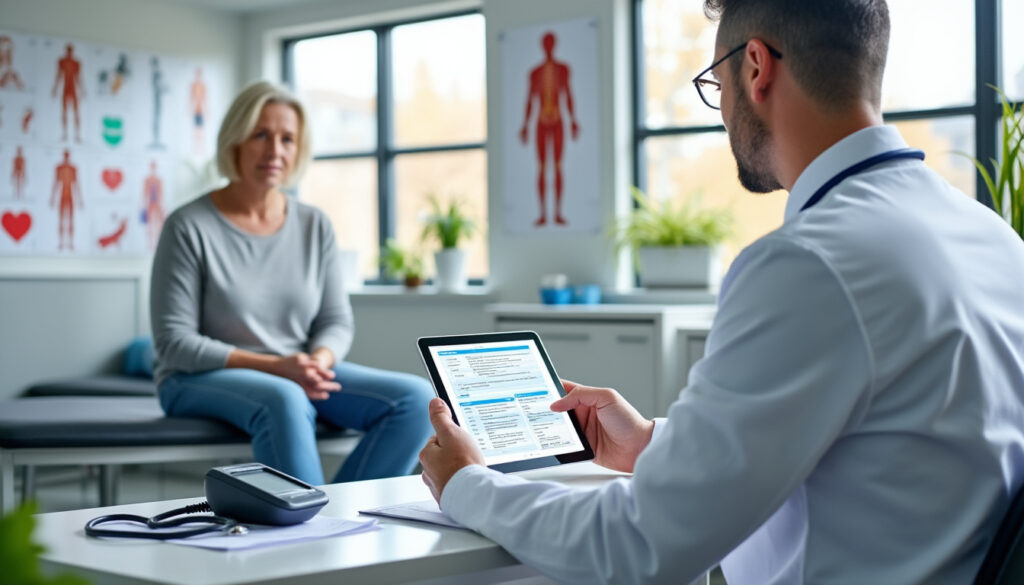
Can Surgery Be Prevented Through Questionnaires and Initial Examinations?
The decision to undergo spinal surgery is a significant crossroads for many patients, often clouded by fears and uncertainties. In recent years, the refinement of clinical evaluations and the introduction of specialized questionnaires have transformed this decision-making process. These advancements…
Adapting Occupational Therapy and Employee Well-being for Long-Term Workplace Recovery
Occupational therapy plays an indispensable role in promoting durable workplace recovery. It addresses not only physical adaptations but also cognitive and emotional adjustments necessary for employees dealing with long-standing health problems or disabilities.
Modern occupational therapy emphasizes individualized goals aligned with the employee’s job demands and personal aspirations. This approach includes:
- Assessing functional limitations within the context of the workplace.
- Developing compensatory techniques for work performance.
- Training in energy conservation and fatigue management.
- Facilitating communication between employees and employers regarding needs and accommodations.
- Providing psychoeducational support to enhance self-efficacy and job satisfaction.
Employee well-being encompasses not only physical health but also job satisfaction and psychological balance. Studies reflect that subjective well-being after return to work directly influences productivity and absenteeism rates. Therefore, occupational therapists collaborate closely with multidisciplinary teams to tailor interventions fostering a positive workplace experience.
| Occupational Therapy Focus | Application in Workplace Recovery | Contribution to Employee Well-being |
|---|---|---|
| Functional Assessment | Identifies abilities and limitations | Informs accommodation planning |
| Compensatory Techniques | Supports task completion | Enhances confidence and autonomy |
| Energy Conservation | Manages fatigue and workload | Prevents burnout and stress |
| Communication Facilitation | Improves employer-employee understanding | Builds supportive work environments |
Workplace reintegration supported by occupational therapy ultimately nurtures a holistic recovery that sustains employee engagement and reduces the likelihood of recurrence or extended disability.
Ce que la recherche révèle sur la réhabilitation et le retour au travail
Explorez les phases de la réhabilitation, les échéanciers pour le retour au travail, et les stratégies de bien-être psychologique et physique.
Phases communes de la réhabilitation
- Phase 1 – Évaluation initiale : Analyse complète de la condition physique et mentale pour établir un plan personnalisé.
- Phase 2 – Traitement actif : Exercices thérapeutiques, ajustements médicaux et soutien psychologique.
- Phase 3 – Préparation au retour : Réintégration progressive dans des activités adaptées, renforcement des capacités.
- Phase 4 – Suivi et ajustement : Evaluation continue des progrès et modifications du plan pour maximiser la réussite.
When can rehabilitation typically begin after spinal surgery?
Rehabilitation usually starts once post-operative stability is achieved, commonly between one to two weeks after simple procedures. However, the onset depends on surgery type and patient’s overall health, with personalized plans adjusting accordingly.
Is repetitive transcranial magnetic stimulation (rTMS) effective for managing post-surgical pain?
Yes, rTMS has shown efficacy in reducing chronic neuropathic pain and alleviating depression related to surgery, making it a valuable adjunct in rehabilitation protocols.
How is rehabilitation coordinated between international centers like France and Canada?
Coordination involves collaborative partnerships where surgical stays are organized by specialized agencies, initial assessments conducted by expert centers, and follow-up managed with innovative therapies to ensure seamless, comprehensive care.
What signs should patients look for to know they are ready to return to work?
Attentive listening to personal pain and fatigue levels is crucial. Return should be gradual with adapted work duties and ongoing medical support, as facilitated by multidisciplinary rehabilitation teams.
What benefits do neuromodulation and rehabilitation provide for returning to work?
These therapies contribute to pain reduction, improved mobility, and mental health enhancement, supporting a faster and more sustainable occupational reintegration.

Can Patient Recovery Stories Help Us Avoid Surgery?
Each year, countless individuals suffering from chronic back or neck pain face the daunting question: is surgery truly the only pathway to relief? The evolving medical landscape in 2026 offers new perspectives, highlighting the transformative role of patient recovery stories…