
How Post-Operative Monitoring After Back Surgery Enhances Clinical Outcomes
November 28, 2025
What Research Reveals About Rehabilitation and Returning to Work
November 29, 2025
The landscape of medical device quality assurance and certification has become increasingly critical in 2025, particularly within the field of spinal surgery. With ever-evolving industry standards and more rigorous compliance testing protocols, manufacturers and healthcare providers alike must navigate a complex framework of regulatory approval and quality control measures. Ensuring device certification not only safeguards patient safety but also enhances clinical outcomes and market competitiveness. This guidance explores the intricate world of quality management systems, focusing on the essential role of certifications such as ISO 13485 and CE marking, and provides a comprehensive overview of how these certifications affect device manufacturing, regulatory operations, and patient care across borders.
In the highly specialized domain of spinal implants, stringent quality criteria accompanied by robust certification processes are imperative to uphold product standards and fulfill clinical performance expectations. Collaboration between healthcare institutions in France and Canada exemplifies how these certification mechanisms underpin a secure, traceable, and efficient care journey for patients undergoing spine surgery. This article extends beyond theoretical frameworks, delving into practical examples like dynamic spinal implants and transatlantic medical logistics supported by expert networks and quality-assured healthcare environments. The insights presented here are structured to equip professionals and stakeholders with actionable knowledge about the certification landscape and its concrete impact on device quality and patient safety in 2025.
Understanding Quality Assurance and Compliance Testing in Medical Devices
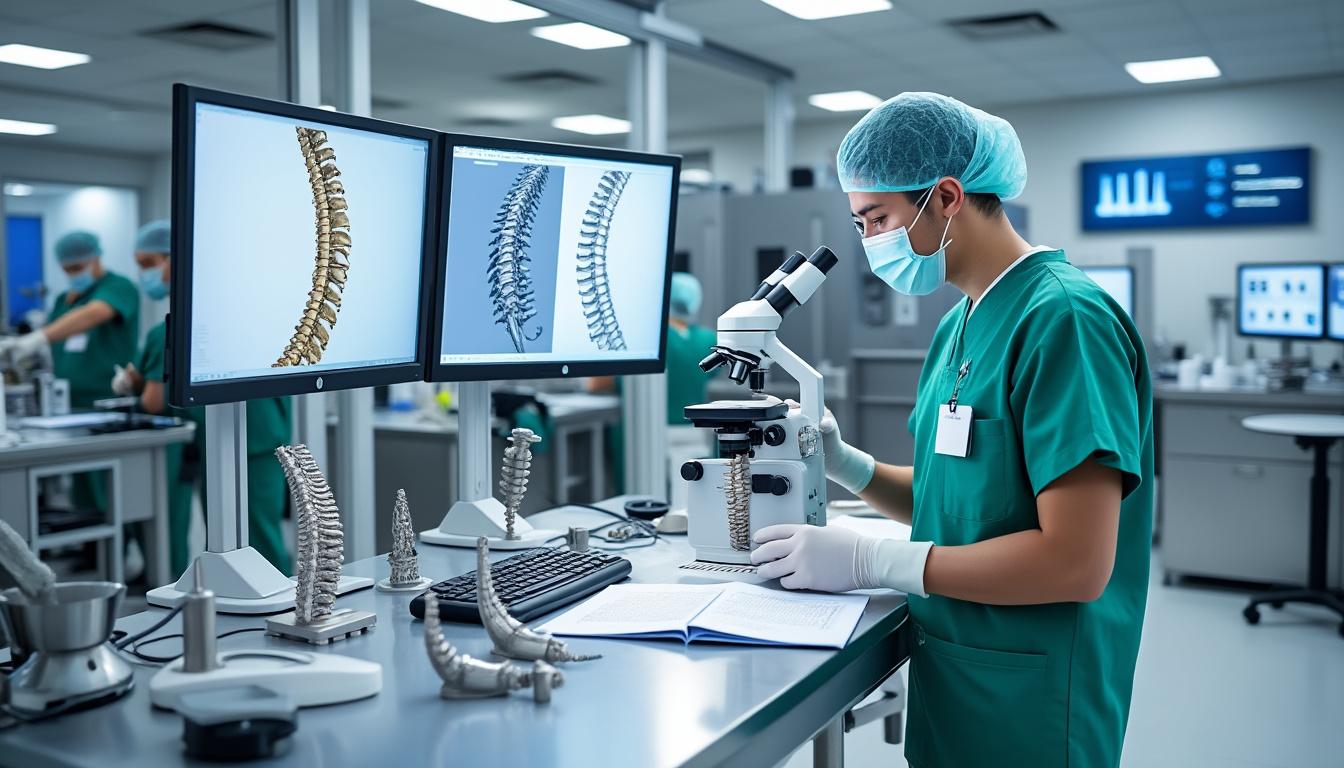
Quality assurance in medical devices is the backbone of overall product safety and efficacy. This process encompasses systematic activities including reviewing manufacturing practices, compliance testing, and continuous monitoring to ensure devices meet predefined standards. Implementing a reliable quality management system (QMS) is vital, with ISO 13485 emerging as the premier global standard that defines comprehensive requirements for medical device manufacturers.
Compliance testing involves rigorous evaluation of the device’s physical, mechanical, and biochemical properties to validate its conformity with regulatory requirements. Devices specifically designed for spinal surgery, such as implants and dynamic stabilizers, undergo exhaustive testing protocols to certify their biomechanical integrity and biocompatibility. This process includes:
- Raw material characterization and biocompatibility testing to prevent adverse tissue reactions.
- Mechanical stress testing to ensure longevity and performance under physiological loads.
- Electromagnetic compatibility (EMC) assessments to avoid interference with other medical equipment.
- Functional testing aligned with clinical application scenarios.
Manufacturers who integrate these compliance measures within their quality control systems also perform regular internal and external audits to verify adherence to product standards and regulatory approval criteria. These audits evaluate risk management procedures, documentation management, and corrective action workflows. The detailed audit processes ensure transparent traceability throughout the product lifecycle and reduce potential recalls or failures.
This continuous quality assurance chain fortifies the trust of clinicians and patients alike, providing confidence that each implant or device deployed in operations has fulfilled stringent industry standards. To deepen an understanding of ISO 13485’s role in shaping quality assurance mechanisms, specialized guides such as those found on the comprehensive ISO 13485 certification guide and regulatory compliance resources offer practical insights crucial for manufacturers navigating this landscape.
| Quality Assurance Aspect | Scope | Importance for Spinal Devices |
|---|---|---|
| Compliance Testing | Material, Mechanical, EMC, Functional | Ensures device safety and functional reliability during implantation |
| Quality Control | Process monitoring, Defect correction, Audit cycles | Maintains product consistency and regulatory conformity |
| Traceability | Unique device identifiers and documentation | Enables swift incident response and long-term monitoring |
| Regulatory Approval | Certification by bodies such as CE Marking and FDA | Validates readiness for clinical application and market launch |

Understanding Sciatic Pain: Key Symptoms and When to Seek Medical Advice
Sciatic pain is a prevalent condition impacting a wide demographic, manifesting primarily as intense pain radiating from the lower back down the leg. This pain stems from irritation or compression of the sciatic nerve, a major nerve extending through the…
Device Certification: Key Regulatory Frameworks and Their Impact on Clinical Excellence
Device certification represents a fundamental component in the path from medical device development to clinical deployment. It mandates conformity with stringent product standards assessed through comprehensive documentation, testing, and audit procedures. The European CE mark and ISO 13485 certification provide vital regulatory approval that affirms compliance with essential safety and performance criteria.
The CE marking validates that a device conforms to European Union regulations regarding medical devices, ensuring that the product is safe for patient use and meets stringent clinical performance expectations. Manufacturers must demonstrate that their spinal implants pass a series of compliance tests and quality management activities before entering the market.
ISO 13485, a globally recognized quality management system standard, demands a rigorous certification process that includes ongoing quality control, risk management, and continual process improvement. Adopting this industry standard allows manufacturers to establish a robust quality system that encompasses everything from design controls to corrective and preventive actions (CAPA), and supply chain management.
Key outcomes from ISO 13485 certification extend beyond regulatory adherence; they foster a culture of quality that directly contributes to enhanced clinical outcomes by ensuring:
- Reliable device traceability enabling swift recall actions if necessary.
- Systematic risk assessment and mitigation to minimize patient adverse events.
- High standards in manufacturing practices for consistent product quality.
- Continual improvement processes adapted to evolving technological and regulatory environments.
Detailed explanations about the certification process and how it integrates with medical device regulations can be explored via dedicated certification process resources and practical implementation case studies offered by quality management specialists.
| Certification | Authority | Scope | Clinical Implication |
|---|---|---|---|
| CE Marking | European Union Regulatory Bodies | Safety, Performance, Biocompatibility | Ensures device meets European safety standards |
| ISO 13485 | International Organization for Standardization | Quality Management System for Medical Devices | Supports effective production and evaluation processes |
| FDA Approval (where applicable) | US Food and Drug Administration | Safety and Efficacy of Medical Devices | Required for US Market; adds credibility internationally |

The Stepwise Role of Functional Recovery in Achieving Successful Outcomes
The journey to full recovery following spinal surgery is often complex and multifaceted, demanding a meticulously structured approach to ensure optimal functional outcomes. In recent years, the concept of functional recovery through a stepwise approach has garnered significant attention in…
Quality Control and Traceability: Pillars of Patient Safety in Spine Surgery
Ensuring high levels of quality control and device traceability impacts the overall patient safety significantly, particularly when it comes to spinal implants. These factors form the foundation upon which reliable surgical outcomes are built. Quality control processes span from raw material acquisition to final product packaging and delivery within hospital environments.
Traceability demands comprehensive device identification systems such as unique device identifiers (UDI) that accompany every implant used in surgery. This system facilitates:
- Accurate tracking from manufacturing batch to surgical implantation.
- Efficient handling of product recalls or safety notifications.
- Detailed post-market surveillance data gathering.
- Support for longitudinal patient follow-up and outcome evaluation.
Complex spine surgeries utilizing innovative implants, such as dynamic devices, benefit greatly from certification-backed traceability frameworks because they mitigate risks related to implant failure or adverse inflammatory reactions significantly. A precise traceability mechanism also strengthens communication across multidisciplinary care teams, enabling seamless coordination for the patient’s surgical episode and aftercare.
Hospitals and clinics committed to excellence operate within a certified quality management ecosystem monitored by authorities such as the Haute Autorité de Santé (HAS) in France. Such certifications validate the healthcare provider’s capability to maintain stringent quality and safety protocols during surgical interventions, fostering an environment conducive to minimal complications and optimized clinical success.
For further details on managing quality and traceability in spinal device utilization, consult resources such as expert insights on quality and certification benefits and the practical guidance article on industry perspectives for device quality assurance.
| Aspect | Function | Benefits for Spine Surgery |
|---|---|---|
| Quality Control | Process assessment, error detection, regulatory compliance | Ensures consistent implant safety and efficacy |
| Traceability | Device unique ID, batch history, usage documentation | Enables rapid response to device-related issues |
| Post-Market Surveillance | Ongoing monitoring and reporting of device performance | Improves device safety and informs future improvements |
| Certification of Healthcare Providers | Validation of clinical operation standards | Supports patient confidence and care quality |

Transatlantic Patient Journey: Insights into Indications, Benefits, and Challenges
The emergence of the Transatlantic Patient Journey as a strategic model within healthcare continues to capture attention for its innovative potential, especially in specialized fields such as spinal surgery. This cross-border care pathway integrates rigorous medical evaluation from Quebec with…
Certification’s Role in the Development of Dynamic Spinal Implants
Dynamic spinal implants have revolutionized surgical treatment options by preserving natural spine mobility. These devices, such as TOPS, Intraspine, and B-DYN, demand a heightened level of quality control and certification to validate their innovative designs and long-term clinical safety. The certification process insures that manufacturers have thoroughly controlled every development phase, including material selection, manufacturing precision, and clinical testing.
The critical aspects covered in the certification of dynamic implants include:
- Selection and validation of biocompatible materials that minimize inflammatory responses post-implantation.
- Mechanical fatigue and stability testing to confirm durability under physiological movement.
- Validation of surgical protocols to optimize implantation techniques and clinical results.
- Comprehensive documentation supporting surgeons’ training and device usage to reduce procedural risks.
Certification also ensures that each dynamic implant includes comprehensive traceability, which is pivotal in quickly identifying devices during any adverse event and enabling targeted quality management interventions. This rigorous scrutiny is conducted in partnership with specialized spine centers, ensuring ongoing audit and re-certification that uphold the highest quality benchmarks.
To aid in understanding these certification benefits within dynamic implant innovation, consult detailed case studies and expert commentaries provided in resources such as industry expert insights and articulate guides on certification specifics in medical devices.
| Certification Criteria | Application to Dynamic Implants | Clinical Advantage |
|---|---|---|
| Material Biocompatibility | ISO validated biocompatibility and corrosion resistance | Reduced tissue irritation and implant rejection |
| Mechanical Testing | Fatigue and load-bearing endurance evaluations | Longevity and functional mobility preservation |
| Surgeon Documentation | Operative techniques and device handling standards | Improved surgical success and safety |
| Traceability | Unique device ID and manufacturing history | Enhanced patient monitoring and recall management |

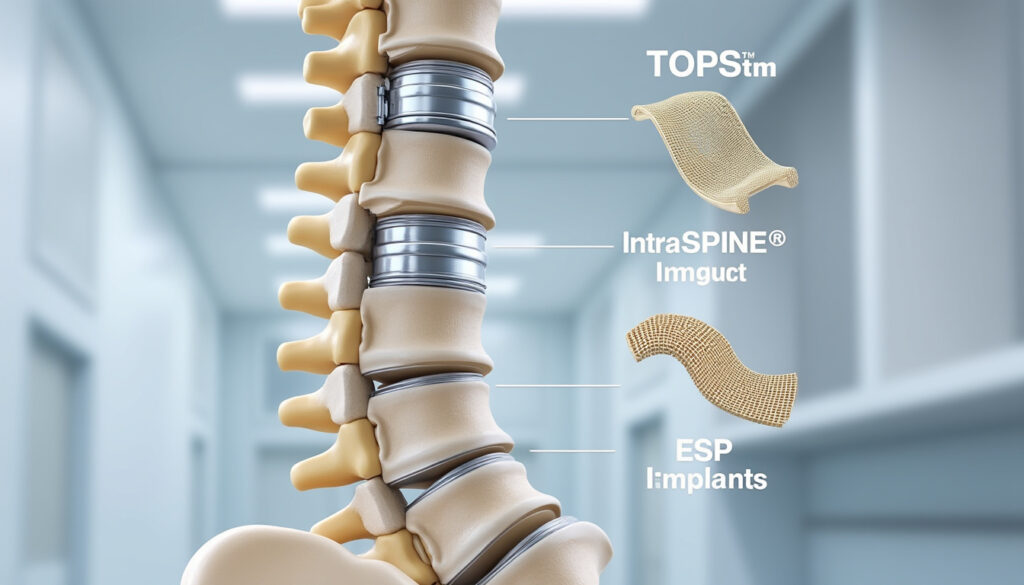
The evolving field of spinal surgery is witnessing a transformative shift, fueled by cutting-edge implant technologies such as TOPS, Intraspine, and ESP. These innovative implants redefine treatment possibilities by emphasizing preservation of natural spinal mechanics, while ensuring durable stabilization and…
Transatlantic Coordination: Streamlined Patient Pathways and Medical Logistics
The collaboration between French and Canadian healthcare institutions presents an exemplary model of how device quality and certification influence patient care beyond borders. This transatlantic coordination involves a highly structured process that focuses on minimizing procedural delays and maximizing patient safety during spinal surgical interventions.
Key partners like Franchir, SOS Tourisme Médical, and Neurothérapie Montréal play a significant role in:
- Preoperative patient evaluation and conservative management optimizations through specialized assessments at centers like TAGMED.
- Customized logistical planning covering travel arrangements, accommodation, and hospital admission coordination.
- Detailed pre-surgical briefings and patient education about device and surgical protocol certifications.
- Postoperative personalized care continuity including neurotherapy follow-ups and rehabilitation support.
This well-orchestrated logistical network facilitates the patient’s journey from Canada to France and back, enhancing accessibility to certified devices and expert clinical teams. The reduction of bureaucratic challenges and wait times also means quicker access to innovative spinal implants and advanced surgical methods, improving overall clinical outcomes.
For a thorough comprehension of patient journey logistics and support mechanisms, resources like the role of Franchir in patient care and guides on medical logistics in Quebec offer pertinent information curated for patient and provider audiences.
| Step | Responsible Party | Objective | Benefit |
|---|---|---|---|
| Initial Evaluation | TAGMED – Dr. Sylvain Desforges | Appraise patient condition and conservative treatment prospects | Avoids unnecessary surgery and reduces risk |
| Logistics Coordination | Franchir | Organizes travel, lodging, hospital assignments | Streamlines patient experience, minimizes stress |
| Information and Support | SOS Tourisme Médical | Education on procedures, certifications, and paperwork | Enhances patient empowerment and compliance |
| Postoperative Monitoring | Neurothérapie Montréal | Personalized follow-up and rehabilitation | Improves long-term recovery and mobility maintenance |
Processus de gestion de la qualité et de certification des dispositifs médicaux
Cliquez sur chaque étape pour découvrir plus de détails et accéder à des données live complémentaires.
Sélectionnez une étape pour voir les détails ici.

Preparing for Surgery in France: Key Indications, Benefits, and Limitations
In an evolving global healthcare landscape, France emerges as a beacon of advanced surgical expertise, particularly attracting international patients seeking expedited and innovative medical interventions. Patients from regions experiencing long wait times, such as Quebec, increasingly view France as an…
Certified Healthcare Providers and Their Influence on Device Quality and Patient Outcomes
The selection of healthcare facilities and surgical teams is an integral part of the quality assurance ecosystem for spinal device applications. Certified hospitals in France adhering to HAS standards showcase their commitment to exceptional clinical care, innovative surgical techniques, and adherence to industry standards concerning device certification.
Hospitals such as those located in Le Mans, Toulouse, and Bordeaux serve as reference centers equipped with cutting-edge operative tools, including ultra-high-definition imaging and minimally invasive instruments. Their teams specialize in dynamic implant techniques and personalized approaches to patient mobility preservation.
These institutions and surgeons participate in ongoing education and certification programs like the Inter-University Diploma in Spine Surgery which reinforces consistent device usage aligned with regulatory and clinical best practices. Multidisciplinary collaboration across surgeons, neurotherapists, and rehabilitation specialists further elevates quality outcomes.
| Healthcare Facility | Certification Status | Specialties | Device Techniques |
|---|---|---|---|
| Centre Hospitalier Le Mans | HAS Certified 2024 | Dynamic and Fusion Spinal Surgeries | TOPS, B-DYN, Disc Prostheses |
| CHU Toulouse | HAS Certified 2023 | Micro-surgery and Personalized Implants | Intraspine, ESP, Endoscopic Techniques |
| CHU Bordeaux | HAS Certified 2024 | Minimally Invasive Procedures | TOPS, Latest Generation Prostheses |

Unveiling the Hidden Benefits of Quality and Certification in Devices
The landscape of device manufacturing and clinical application in 2026 has been fundamentally shaped by the rigorous interplay between quality management and certification processes. Within this complex framework, the hidden benefits of adhering to international standards and obtaining relevant certifications…
Clinical and Patient Benefits Realized Through Rigorous Quality and Certification Standards
For patients originating from Canada or Quebec, the assurance offered by certified surgical devices and accredited institutions translates into tangible advantages. Most notably, patients experience reduced risk of complications, faster surgical scheduling, and access to cutting-edge treatments that prioritize motion preservation and pain reduction.
Key patient benefits include:
- Enhanced procedural safety through verified device standards and comprehensive audits.
- Accelerated treatment timelines via integrated transatlantic networks.
- Access to a broad range of personalized, dynamic implants designed to optimize recovery.
- Structured postoperative care with expert follow-ups supporting functional mobility retention.
The direct correlation between quality certification and improved clinical outcomes underscores the value of rigorous industry standards. Furthermore, patients benefit from a holistic experience facilitated by multilingual support, personalized care coordination, and evidence-based surgical protocols.
Comprehensive patient-centered analyses are available via pertinent medical tourism resources such as explorations of device certification in surgery avoidance and in-depth discussions regarding the importance of device quality and certification.
| Patient Advantage | Description | Clinical Impact |
|---|---|---|
| Safety | Strict adherence to quality and regulatory standards | Minimizes post-operative complications and implant failures |
| Access | Streamlined cross-border coordination | Reduces wait times and optimizes therapeutic interventions |
| Customization | Implants adapted to individual anatomical and clinical needs | Improves mobility and functional outcomes |
| Continuity of Care | Postoperative monitoring with rehabilitation services | Ensures lasting recovery and pain management |
Understanding the intricacies of quality management systems like ISO 13485 provides clarity on the certification journey and how it intertwines with clinical safety and product innovation in spinal devices.

Why Experts Advocate for Comprehensive Preoperative Evaluations
In the complex and demanding field of spinal surgery, the emphasis on comprehensive preoperative evaluations has become a fundamental pillar supporting successful surgical outcomes. These evaluations, far beyond mere routine checks, integrate detailed analyses of patient health, surgical risk assessments,…
Industry Trends Shaping the Future of Device Quality and Certification
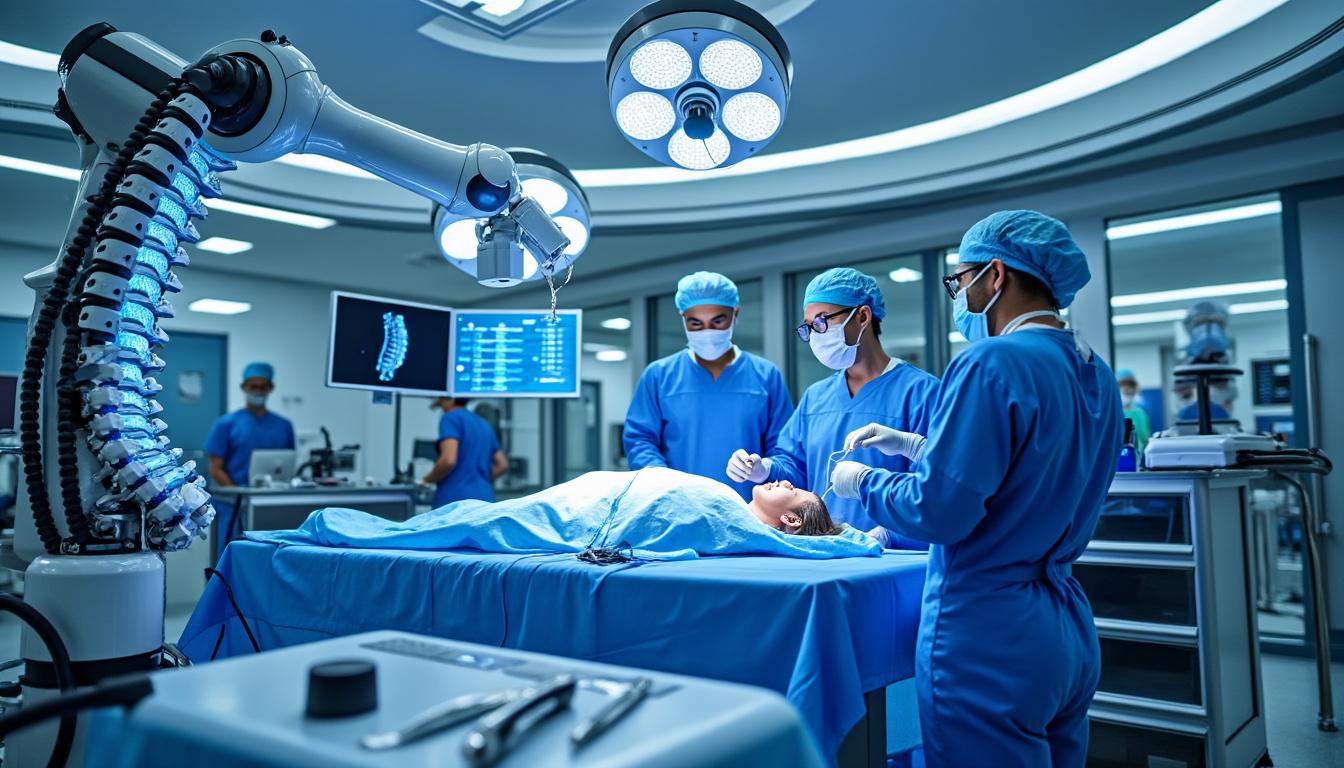
The medical device sector is witnessing unprecedented advances in technology, regulatory frameworks, and quality management methodologies. Innovations such as robotic-assisted spinal surgeries, 3D-printed vertebrae, and augmented reality imaging are progressively incorporated into certified device workflows. Each advance requires meticulous quality control and regulatory approval to meet expanding patient safety expectations.
Emerging trends also highlight the growing emphasis on real-time data analytics and post-market surveillance systems. These tools contribute to continuous improvement in device design and clinical application protocols. The integration of artificial intelligence in quality control processes is further propelling the industry towards predictive maintenance and enhanced risk management.
Manufacturers and regulatory bodies must adapt dynamically to these developments, updating testing protocols and certification requirements accordingly. Industry standards are evolving to encompass these innovations without compromising fundamental quality assurance and patient safety principles.
- Adoption of AI-driven compliance and quality testing systems.
- Expansion of international harmonization of certification standards.
- Increasing focus on environmental impact and sustainable manufacturing.
- Enhanced training and certification programs for healthcare professionals.
Readers interested in the evolving nature of medical device certification and quality assurance can explore authoritative sources such as ISO’s official ISO 13485 documentation and emerging best practices highlighted by industry thought leaders.
The intricate relationship between evolving device technologies and quality certification frameworks presents both challenges and opportunities for enhanced patient care and industry growth.
What is the exact role of CE certification for a spinal implant?
CE marking ensures that the spinal implant meets European safety, performance, and biocompatibility standards, providing reliable use in spinal surgery.
How are Canadian patients supported throughout their surgical journey in France?
Patients undergo thorough initial evaluation by Dr. Sylvain Desforges at TAGMED, receive comprehensive logistical coordination via Franchir, benefit from detailed preoperative information through SOS Tourisme Médical, and enjoy personalized postoperative care provided by Neurothérapie Montréal.
What advantages do dynamic implants like TOPS or Intraspine offer?
Dynamic implants preserve spine mobility, reduce postoperative pain, and avoid the stiffness associated with traditional fusion techniques, all while meeting high safety and quality standards.
What guarantees do French partner healthcare institutions provide?
They hold HAS certification, employ innovative equipment, and work with experienced surgeons to assure a secure, personalized surgical pathway.
Why is implant traceability critical in spine surgery?
Traceability allows thorough follow-up of each device, facilitates swift management of safety incidents, and ensures precise quality control, enhancing overall patient safety.
The Future of Surgery Lies in Stepwise Functional Recovery
The evolution of surgical care in 2026 reveals a compelling shift toward approaches that prioritize the holistic recovery of patients, moving beyond traditional metrics like length of hospital stay or mortality rates. This modern paradigm highlights the principle that the…