Understanding Disc Herniation in Blainville: Timeline for Comprehensive Treatment and Neurovertebral Decompression Therapy
November 1, 2025
Why Experts Advocate for a Comparison of Spinal Care Between France and Quebec
November 1, 2025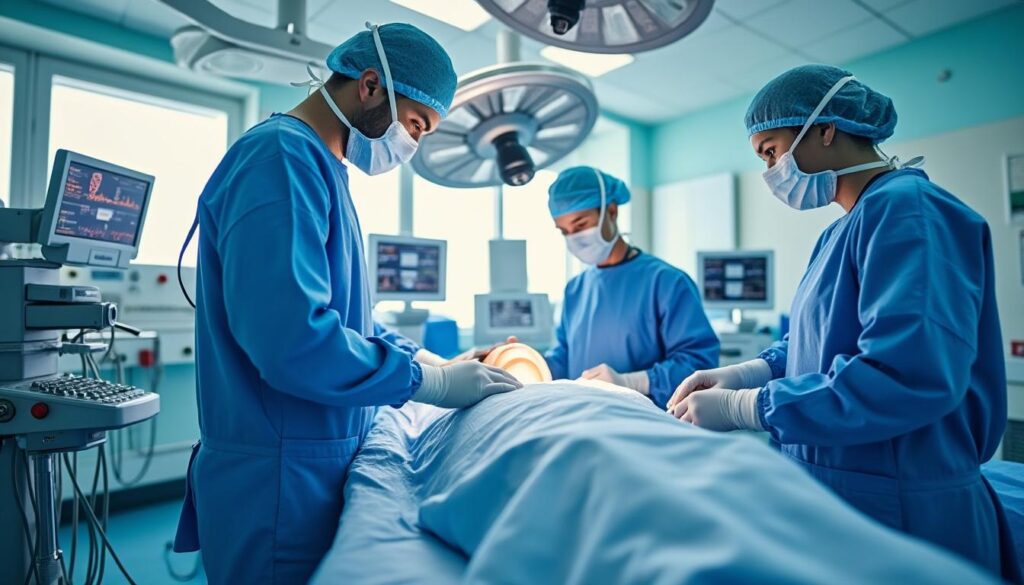
Spinal surgery in France stands as a cornerstone in the evolving healthcare landscape, particularly for patients navigating complex spinal conditions. Renowned for its integration of advanced technology and multidisciplinary approaches, the French system has risen to prominence as an international beacon of surgical excellence and personalized care. Patients confronting chronic back pain or debilitating spinal disorders increasingly turn to France, drawn by innovations like minimally invasive procedures and dynamic implants that promote mobility and recovery. This trend underscores a strategic redefinition of spinal care pathways that leverage international collaboration, especially notable in the transatlantic partnerships benefiting Canadian and French healthcare sectors.
The sophisticated structure underpinning spinal surgery in France combines scientific rigour with compassionate patient engagement. Leading institutions such as the Institut Parisien du Dos and the CHU de Bordeaux embody this excellence by delivering tailored surgical interventions bolstered by cutting-edge technologies and comprehensive post-operative programs. These offerings not only address the anatomical complexities of spinal disorders but also integrate protocols that enhance recovery trajectories and mitigate complications. Hence, the French spinal surgery model has become a pivotal reference, highlighting how harmonized clinical expertise and innovative modalities can profoundly influence patient outcomes worldwide.
Advanced Surgical Techniques Defining Spinal Surgery in France
In France, spinal surgery has evolved considerably beyond conventional interventions, embracing a spectrum of sophisticated techniques aimed at addressing the heterogeneous nature of spinal disorders. Surgeons employ three principal approaches: fusion surgery, motion preservation technologies, and minimally invasive procedures, each selected based on individual patient pathology and desired outcomes.
Fusion Surgery: Stabilization Through Arthrodesis
Fusion surgery remains a critical option for patients experiencing severe spinal degeneration, instability, or deformities. This procedure involves the fusion of two or more vertebrae to enhance spinal stability and alleviate pain caused by movement in affected segments. French centres such as the Clinique du Rachis Lyon have demonstrated exemplary outcomes in lumbar fusion, incorporating implants from industry leaders like Medtronic and Stryker to ensure durable fixation and promote bone healing.
- Indications: Degenerative disc disease, spinal fractures, scoliosis, and spondylolisthesis
- Advantages: Durable pain relief, enhanced stability, reduced risk of further degeneration
- Limitations: Potential loss of spinal mobility, longer rehabilitation periods
Motion Preservation Techniques: Maintaining Spinal Functionality
Contrasting with fusion, motion preservation techniques focus on sustaining spinal mobility, a paradigm especially beneficial for younger or active patients. The use of advanced prosthetic discs and dynamic implants such as TOPS and Intraspine, prominently offered at establishments like the Institut de la Colonne Vertébrale Montpellier, exemplify this approach. These devices allow preservation of natural biomechanics, mitigating muscle atrophy and enhancing quality of life post-surgery.
- Indications: Herniated discs, degenerative disc disease in younger patients
- Advantages: Maintains segmental motion, reduces adjacent segment disease
- Limitations: Higher cost, limited long-term data for some implants
Minimally Invasive Approaches: Revolutionizing Recovery
The advent of minimally invasive spinal surgery represents a significant leap in surgical recovery and patient comfort. Whether through endoscopic techniques, microscopic assistance, or 3D navigation, these methods significantly reduce tissue trauma, blood loss, and hospitalization duration. The use of state-of-the-art technology from companies such as NuVasive and Globus Medical enhances precision and safety. Facilities like SOS Rachis Marseille are at the forefront, employing these techniques to treat complex conditions with less morbidity.
- Indications: Various spinal pathologies accessible by minimally invasive routes
- Advantages: Reduced postoperative pain, shorter hospital stays, faster functional recovery
- Limitations: Requires specialized equipment and expertise
| Technique | Primary Indications | Benefits | Potential Drawbacks |
|---|---|---|---|
| Fusion Surgery (Arthrodesis) | Severe degeneration, chronic low back pain, instability | Long-lasting stabilization, significant pain reduction | Loss of spinal mobility, longer recovery time |
| Motion Preservation (Prostheses, Dynamic Implants) | Disc herniation, young patients with disc disease | Maintains spinal mobility, improved biomechanical dynamics | Higher cost, limited applicability |
| Minimally Invasive (Endoscopy, Microscopy, 3D Navigation) | Wide range of accessible spinal disorders | Less tissue trauma, faster recovery | Technical complexity, need for advanced technology |

Understanding Sciatic Pain: Key Symptoms and When to Seek Medical Advice
Sciatic pain is a prevalent condition impacting a wide demographic, manifesting primarily as intense pain radiating from the lower back down the leg. This pain stems from irritation or compression of the sciatic nerve, a major nerve extending through the…

The Stepwise Role of Functional Recovery in Achieving Successful Outcomes
The journey to full recovery following spinal surgery is often complex and multifaceted, demanding a meticulously structured approach to ensure optimal functional outcomes. In recent years, the concept of functional recovery through a stepwise approach has garnered significant attention in…
The Transatlantic Patient Journey: Coordination Between Quebec and France
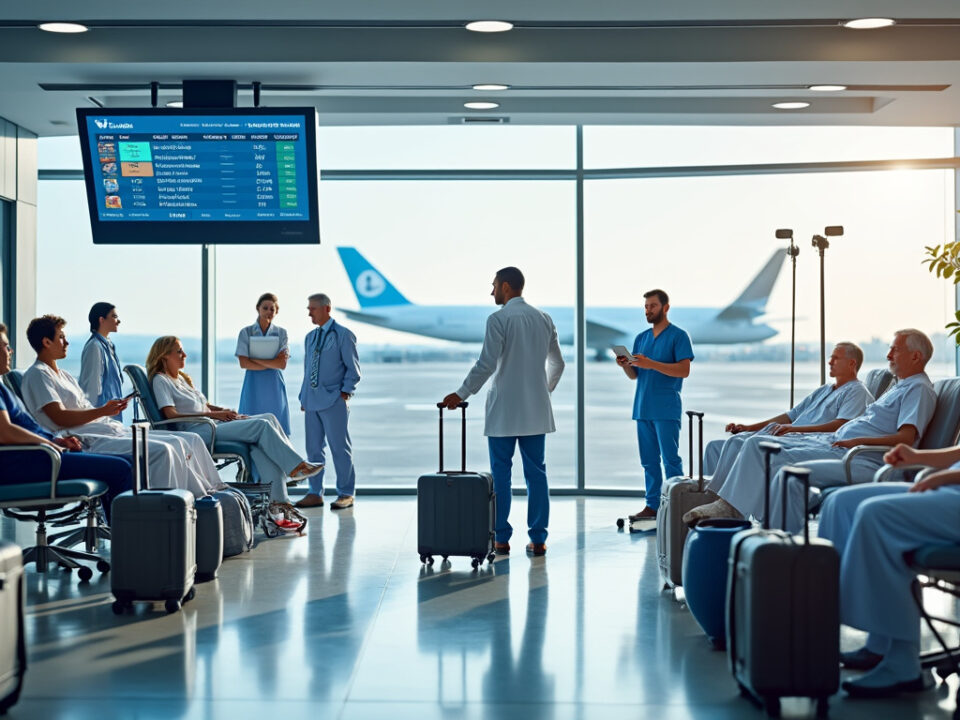
One of the distinctive features of spinal surgery in France is the well-orchestrated transatlantic care pathway developed for Canadian patients, particularly those from Quebec. Facing long waiting times and high costs in local healthcare, many patients benefit from a carefully constructed network involving multiple stakeholders to streamline diagnosis, treatment, and follow-up.
Step 1: Initial Evaluation and Conservative Management in Quebec
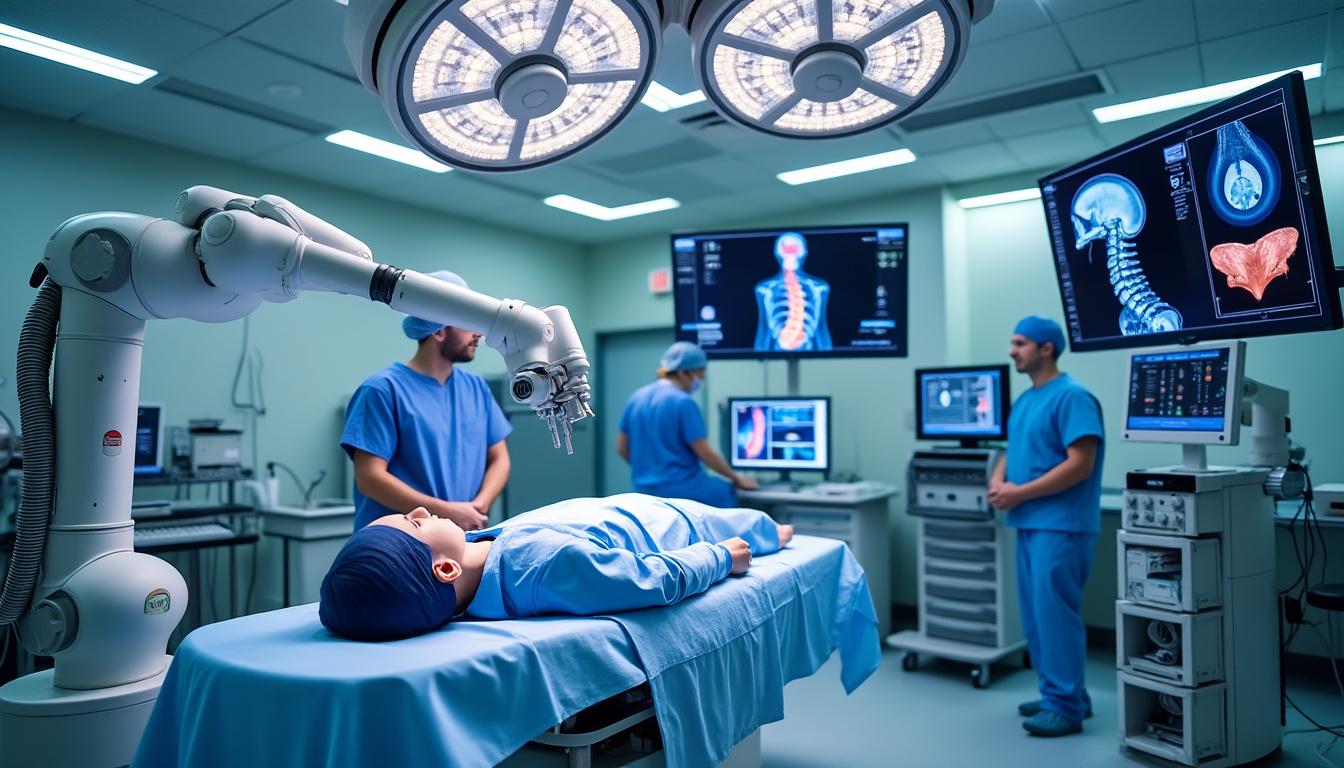
Patients begin their journey with a comprehensive assessment led by experts such as Dr. Sylvain Desforges at TAGMED Clinic in Montreal. This stage emphasizes non-invasive treatments including neurovertebral decompression using advanced robotic assistance before considering surgical options.
- A detailed review of symptoms and diagnostic imaging
- Implementation of specialized conservative therapies
- Close monitoring and adjustment of treatment plans
- Determination of surgical eligibility based on clinical evidence
Step 2: Surgery Organization and Travel Logistics
The coordination firm Franchir manages patient referral to the most appropriate surgical center in France and handles logistical aspects like travel and accommodation. This centralized organization ensures patients access cutting-edge surgical care with minimal administrative burden.
- Selecting optimal surgical facilities and surgeons based on pathology
- Scheduling operative interventions and pre-admission consultations
- Arranging travel, lodging, and supportive services during the stay
- Ensuring continuity of care through communication with Quebec providers
Step 3: State-of-the-Art Surgery in France
Patients receive their surgical treatment at renowned centers such as the Centre du Rachis de l’Hôpital Paris Saint-Joseph or facilities equipped with the latest innovations including products from Zimmer Biomet and Orthofix. Multidisciplinary teams ensure safety and effectiveness, focusing on individualized care plans supported by advanced technologies including EOS imaging and the SpineGuard system.
- Use of robotic navigation and 3D imaging for enhanced precision
- Application of the latest implants and motion preservation devices
- Immediate postoperative management with multidisciplinary support
- Tailored rehabilitation protocols initiated quickly post-surgery
Step 4: Personalized Postoperative Follow-Up in Quebec
Neurothérapie Montréal undertakes post-surgery monitoring, rehabilitation, and maintenance of surgical benefits. The integrated system provides a seamless transition back to the patient’s home environment with ongoing support and outcome assessments.
- Regular neurological and functional evaluations
- Physical therapy focused on recovery and mobility retention
- Patient education and psychological support
- Collaboration with surgical teams in France for complex cases
| Stage | Responsible Party | Primary Objectives | Key Actions |
|---|---|---|---|
| Initial Evaluation & Conservative Treatment | Dr Sylvain Desforges & TAGMED | Assess eligibility, manage symptoms conservatively | Detailed diagnostics, supervised treatment plans |
| Surgical Coordination & Travel | Franchir | Identify best centers, manage logistics | Referral, scheduling, travel arrangements |
| Surgical Intervention | French Medical Centers | Perform surgery with optimal safety | Advanced surgical techniques, immediate postoperative care |
| Postoperative Follow-Up | Neurothérapie Montréal | Ensure rehabilitation and monitor outcomes | Ongoing care, functional recovery support |

Transatlantic Patient Journey: Insights into Indications, Benefits, and Challenges
The emergence of the Transatlantic Patient Journey as a strategic model within healthcare continues to capture attention for its innovative potential, especially in specialized fields such as spinal surgery. This cross-border care pathway integrates rigorous medical evaluation from Quebec with…
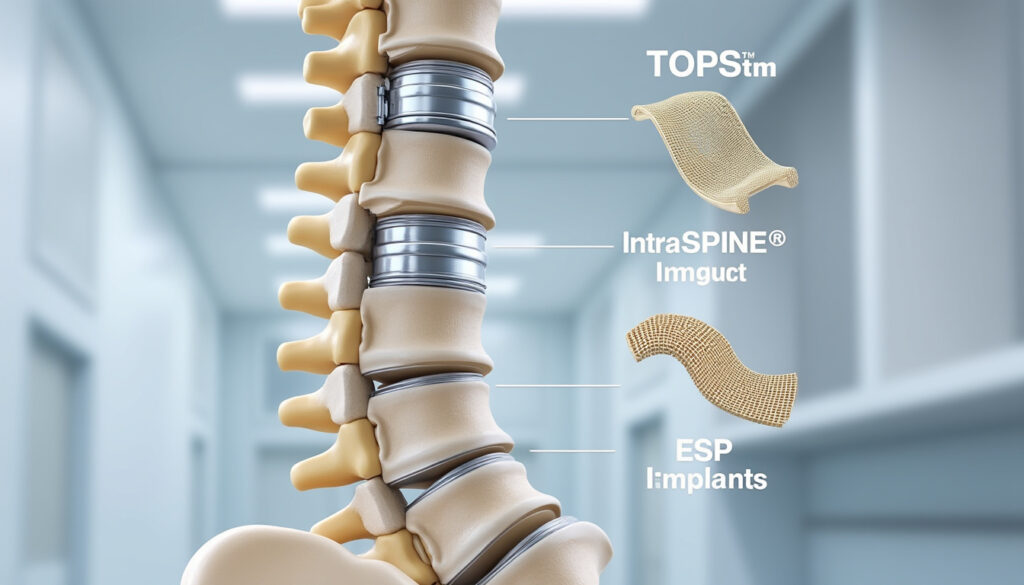
The evolving field of spinal surgery is witnessing a transformative shift, fueled by cutting-edge implant technologies such as TOPS, Intraspine, and ESP. These innovative implants redefine treatment possibilities by emphasizing preservation of natural spinal mechanics, while ensuring durable stabilization and…
Biomechanical, Economic, and Humanistic Advantages of the Transatlantic Care Pathway
Choosing spinal surgery in France via this coordinated transatlantic pathway brings substantial benefits that span several domains. The convergence of cutting-edge technology, economic efficiencies, and a patient-centered environment culminates in optimized care experiences and outcomes.
Biomechanical Benefits: Advanced Implants for Functional Recovery
Access to dynamic implants such as those provided by Medicrea and NuVasive enables the preservation of spinal mobility and a reduction in muscular degeneration commonly associated with immobilization. The integration of innovative navigation and robotic assistance yields more accurate implant placement, reducing complications and improving long-term function.
- Enhanced preservation of natural spinal biomechanics
- Reduced risk of adjacent segment degeneration
- Faster recovery times with minimally invasive techniques
- Use of 3D printed implants tailored to anatomical needs
Economic Advantages: Value-Driven Care and Efficiency
Despite the additional costs of international travel, the overall expenses for spinal surgery in France often prove more competitive than private options in Quebec. The centralized organization by Franchir avoids redundant assessments and minimizes delays, decreasing indirect costs such as lost workdays and prolonged disability.
- Transparent and competitive pricing structures for surgery and hospital stays
- Optimized scheduling reducing waiting periods to typically less than six weeks
- Streamlined logistics preventing unforeseen expenses
- Access to reimbursement programs under specific insurance plans
Humanistic Values: Empathetic and Transparent Patient Support
The network advocates comprehensive patient education and emotional support. From Dr. Sylvain Desforges spearheading detailed explanations of surgical options and criteria, to SOS Tourisme Médical providing step-by-step administrative and procedural guidance, patients experience empowerment and reassurance throughout their journey. This holistic approach markedly improves patient adherence and satisfaction.
- Personalized counseling addressing individual concerns
- Clear communication of risks, benefits, and expected outcomes
- Dedicated case management ensuring continuous contact
- Access to culturally competent support teams familiar with transatlantic healthcare nuances
| Aspect | Quebec Private Surgery | France Transatlantic Pathway |
|---|---|---|
| Cost | Often high and variable | Competitive, with transparent pricing |
| Waiting Times | Frequently prolonged (months) | Optimized, frequently under six weeks |
| Technology | Standard implants, limited innovation | State-of-the-art implants and navigation tools |
| Patient Support | Inconsistent, limited follow-up | Comprehensive, coordinated and empathetic |
Preparing for Surgery in France: Key Indications, Benefits, and Limitations
In an evolving global healthcare landscape, France emerges as a beacon of advanced surgical expertise, particularly attracting international patients seeking expedited and innovative medical interventions. Patients from regions experiencing long wait times, such as Quebec, increasingly view France as an…

Unveiling the Hidden Benefits of Quality and Certification in Devices
The landscape of device manufacturing and clinical application in 2026 has been fundamentally shaped by the rigorous interplay between quality management and certification processes. Within this complex framework, the hidden benefits of adhering to international standards and obtaining relevant certifications…
The Critical Role of Conservative Treatment Before Surgery
Effective management of spinal disorders in France and Quebec underscores the necessity of exhausting conservative options prior to pursuing surgery. Clinical guidelines mandate a minimum of three to six months of non-invasive therapies, ensuring that surgical intervention is optimized and only employed when necessary.
Recommended Conservative Therapies
French and Quebec health professionals prioritize physiotherapy, pain management, and innovative modalities including computer-guided neurovertebral decompression. The TAGMED Clinic under Dr. Desforges exemplifies this ethical and evidence-based approach by applying these techniques to delay or avoid surgery where feasible.
- Personalized physical therapy regimens targeting specific deficits
- Pharmacological pain control strategies
- Computer-assisted neurovertebral decompression treatments
- Patient education on lifestyle modifications and ergonomics
Outcomes of Optimal Conservative Management
A thorough conservative treatment often diminishes symptoms sufficiently to obviate surgery or prepare patients for better surgical outcomes. Conversely, neglecting this phase can lead to suboptimal results and increased risk of complications postoperatively.
- Reduced surgical rates through effective symptom control
- Improved patient quality of life and functional capacity
- Enhanced surgical readiness and postoperative recovery
- Economic benefits by avoiding unnecessary operations
| Phase | Key Actions | Purpose |
|---|---|---|
| Conservative Treatment | Decompression, physiotherapy, pain management | Symptom relief, postpone surgery |
| Reassessment | Regular evaluation by specialists | Determine surgical necessity |
| Potential Surgery | Selection of personalized surgical plan | Definitive symptom resolution |
Why Experts Advocate for Comprehensive Preoperative Evaluations
In the complex and demanding field of spinal surgery, the emphasis on comprehensive preoperative evaluations has become a fundamental pillar supporting successful surgical outcomes. These evaluations, far beyond mere routine checks, integrate detailed analyses of patient health, surgical risk assessments,…
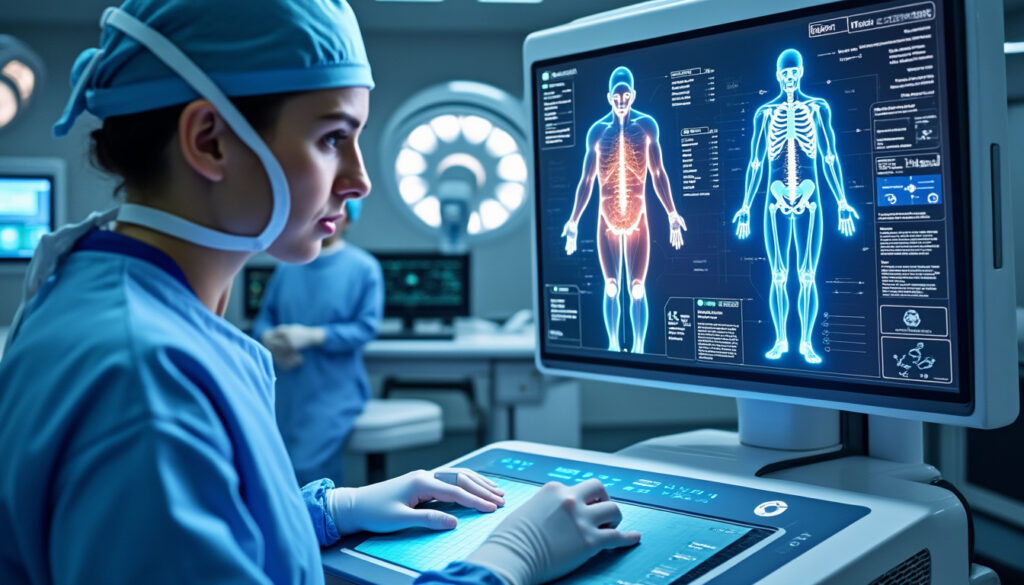
The Future of Surgery Lies in Stepwise Functional Recovery
The evolution of surgical care in 2026 reveals a compelling shift toward approaches that prioritize the holistic recovery of patients, moving beyond traditional metrics like length of hospital stay or mortality rates. This modern paradigm highlights the principle that the…
Integration of Cutting-Edge Technology and Training in French Spinal Surgery
France’s leadership in spinal surgery is supported by continuous innovation and specialized education programs. National initiatives like the DIU Chirurgie du Rachis and FICV Spinal Solution Course cultivate surgical proficiency in emerging techniques and technologies. Additionally, a network of manufacturers including Zimmer Biomet and Medicrea frequently collaborate with surgical teams to develop tailored implants and navigation solutions, advancing patient care standards.
- Structured training programs promoting best practices and innovation
- Regular workshops featuring endoscopic spine surgery at IRCAD Strasbourg
- Collaborative research projects between hospitals and biotech industry
- Incorporation of robotics and AI-assisted systems enhancing surgical accuracy
Leading Innovations in Practice
The integration of robotics and 3D visualization tools, such as those developed by eCential Robotics, enable surgeons to conduct minimally invasive procedures with unprecedented precision. The widespread adoption of advanced intraoperative imaging through EOS imaging further refines surgical planning and outcomes, minimizing risks and improving patient satisfaction.
Comparison Table: Spinal Surgery Technologies
| Technology ▲▼ | Application | Benefits | Key Providers |
|---|
No entries match your filter.