Comprehensive Guide to Simple Surgery, Fusion Techniques, and Motion Preservation
November 4, 2025
TOPS™ in Gatineau: Innovative Solution for Lumbar Spine
November 4, 2025
Spinal disorders represent a significant health challenge, affecting a large portion of populations and profoundly impacting individuals’ daily functions and overall quality of life. In Quebec, where lengthy surgical wait times and high intervention costs pose critical hurdles, a discerning approach to spinal care is more essential than ever. Expertise growing from decades of clinical experience stresses the indispensable role of conservative treatments before opting for surgery, creating pathways conducive to gentle recovery aligned with biological principles. Collaborative endeavors between Canadian and French specialists now facilitate access to innovative, personalized programs that emphasize non-invasive care while ensuring surgical options remain a carefully weighed last resort.
Conservative treatments span wide-ranging methodologies from physical therapies and advanced neurovertébral decompression to lifestyle modifications aimed at pain relief and mobility restoration. Embracing these therapies provides patients with safer alternatives that reduce risk, minimize side effects, and enhance cost-effectiveness. In contrast, spine surgeries—though often beneficial for select conditions—carry risks of complications, longer recoveries, and sometimes unintended biomechanical consequences. With breakthroughs such as robotic-assisted procedures and dynamic stabilization implants emerging internationally, patients can consider choices informed by both rigorous scientific evaluation and ethical medical standards, positioning conservative treatment as a prudent initial strategy in spine health management.
Clinical Foundations and Evidence Supporting Conservative Spine Treatments
Scientific investigation and clinical observations consistently underline the value of conservative management in addressing spinal pathologies effectively, especially in early and moderate cases. Comprehensive evaluations identify patients who might drastically benefit from non-surgical interventions, such as physical rehabilitation, therapeutic injections, and targeted decompression techniques that promote natural healing and functional recovery. For instance, advanced programs utilize computer-assisted cervical and lumbar traction to relieve nerve compressions without invasive incisions.
Multiple benefits emphasize why health organizations like the National Institutes of Health (NIH) and American Physical Therapy Association (APTA) champion conservative care:
- Reduced complication rates: Conservative methods avoid surgical risks such as infection, anesthesia complications, and neurological deterioration.
- Cost-effectiveness: Non-invasive procedures reduce hospitalization, medication needs, and rehabilitation facility costs.
- Patient empowerment: Education on posture, activity modification, and self-care promotes long-term spine health.
- Preservation of anatomy and biomechanics: Avoiding surgical fusion maintains spinal mobility and decreases adjacent segment degeneration risks.
- Improved pain control: Targeted therapies enable effective management of radicular and axial symptoms without extensive intervention.
Clinical guidelines from authorities like the American Academy of Orthopaedic Surgeons (AAOS) recognize conservative management as a frontline approach in many lumbar and cervical disc disorders, reserving surgery for refractory or complicated cases with neurological deficits or structural instability. Studies reviewed by Cochrane highlight that patients adhering to prolonged conservative protocols achieve comparable functional recovery as those undergoing surgery, with fewer adverse events and quicker resumption of daily activities.
| Conservative Treatment Modality | Indications | Main Benefits | Limitations |
|---|---|---|---|
| Neurovertebral Decompression (Robot-Assisted) | Radiculopathy due to disc herniation | Targeted nerve relief, non-invasive, rapid symptom alleviation | Less effective in severe stenosis with instability |
| Physical Therapy & Rehabilitation | Chronic low back pain and neck pain | Muscle strengthening, postural correction, improved function | Requires adherence and time commitment |
| Epidural Steroid Injections | Inflammatory radicular pain | Rapid inflammation reduction, adjunct to therapy | Temporary effect, repetitive use concerns |
| Patient Education & Lifestyle Adaptation | All spinal conditions | Promotes autonomy, prevents recurrence | Dependent on patient motivation |
Given the complex and multifactorial nature of spine disorders, individualized conservative strategies tailored by multidisciplinary teams provide an optimal balance between efficacy and safety. Such evidence-based approaches align with global best practices promoted by centers like Cleveland Clinic and Johns Hopkins Medicine, confirming the strength of non-surgical care in modern spine health frameworks.
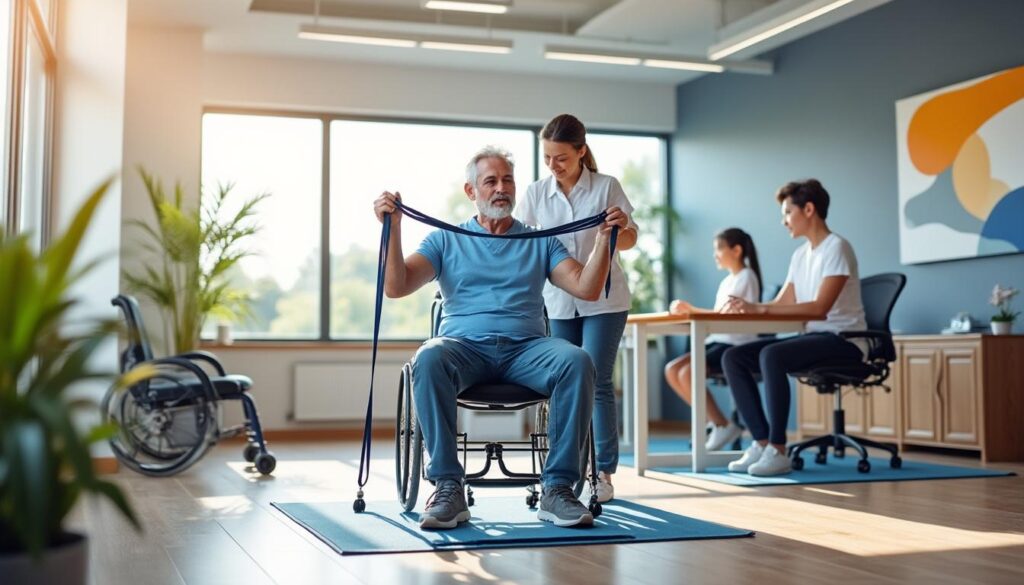
Can Rehabilitation and Return to Work Prevent the Need for Surgery?
In the constantly evolving landscape of spinal healthcare, patients and practitioners alike grapple with a pivotal question: can the rigorous pathways of rehabilitation and structured return to work reduce or even eliminate the need for surgical intervention? The answer, as…
Technological and Therapeutic Advances Driving Conservative Treatment Success
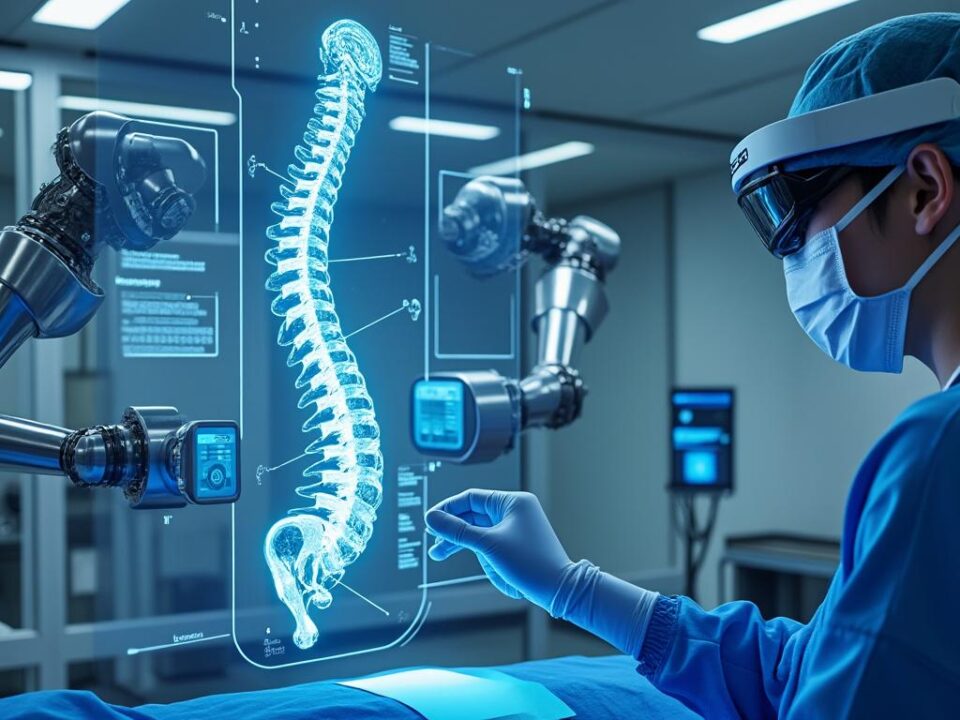
Progress in biomedical engineering and digital health has revolutionized conservative spinal treatments, enabling precision care that was once only feasible with surgical intervention. Innovations such as robotically controlled neurovertebral decompression utilize computer algorithms to apply controlled, reproducible traction forces on targeted vertebral segments. This precision not only enhances effectiveness but significantly reduces treatment-related discomfort and risks.
In addition to mechanical interventions, customized physical therapy programs leverage biomechanical insights to restore muscular balance, optimize spinal alignment, and facilitate neuromuscular control. The American Physical Therapy Association (APTA) highlights that these programs reduce recurrence and improve patients’ quality of life. Comprehensive multidisciplinary care packages have increasingly incorporated psychological support, acknowledging the biopsychosocial dimensions of chronic spinal pain and disability.
Regenerative medicine techniques, including platelet-rich plasma (PRP) and stem cell therapies, have also entered conservative care paradigms, offering potential biological support to damaged spinal tissues without the invasiveness of surgery. While research is ongoing, Harvard Health Publishing cites promising clinical outcomes in selected patients who opt for such adjunctive treatments integrated within conservative protocols.
Further, telemedicine platforms and wearable monitoring facilitate continuous patient engagement, ensuring therapy adherence and timely adjustments. This digitally integrated care nurtures proactive management and encourages early intervention avoiding surgical escalation.
- Robotized traction therapies for neurocompression
- Biomechanically tailored rehabilitation regimens
- Regenerative biologics as surgical alternatives
- Integrated mental health and pain coping strategies
- Technologically enhanced patient monitoring and education
| Innovation | Application in Conservative Care | Advantages | Supporting Evidence/Organizations |
|---|---|---|---|
| Robot-Assisted Neurovertebral Decompression | Precise, controlled spinal traction | Lower risk, improved comfort and accuracy | American Academy of Orthopaedic Surgeons, NIH |
| Regenerative Medicine | Biological tissue repair support | Minimally invasive, potential long-term benefits | Harvard Health Publishing, Cochrane |
| Telehealth Platforms | Remote therapy supervision and feedback | Enhanced adherence, early intervention | Mayo Clinic, Johns Hopkins Medicine |
| Integrated Mental Health Supports | Pain management and psychological resilience | Improves outcomes and quality of life | Healthline, WebMD |
These advances have collectively contributed to safer, more effective conservative treatment landscapes, creating viable alternatives that appeal to patients wary of surgical risks and prolonged recovery periods. Recognizing these benefits helps patients and medical teams foster shared decision-making grounded in realistic expectations and clinical prudence.
Exploring the Overlooked Benefits of Spine Surgery in France
Spinal disorders are a significant health concern for many patients worldwide, yet the solutions and benefits of spine surgery often remain underappreciated. France, with its advanced healthcare infrastructure and pioneering surgical techniques, has emerged as a noteworthy destination for patients…
Comparative Analysis: Conservative Care Versus Spine Surgery Outcomes
Discerning the optimal treatment route demands a nuanced understanding of outcomes associated with conservative care and spine surgery. Extensive research comparing these modalities reveals significant nuances affecting patient recovery trajectories, complication rates, and long-term quality of life.
According to publications like those from Dallas Orthopedics and motion therapy insights, conservative treatments generally offer:
- Lower immediate and long-term risk profiles including fewer neurological complications
- Shorter recovery durations facilitating early return to routine
- Cost reductions by circumventing hospital stays and surgical fees
- Enhanced patient satisfaction due to less invasiveness and gradual symptom resolution
Conversely, certain pathological conditions necessitate surgery for definitive resolution, especially when:
- Neurological deficits worsen or persist despite optimal conservative therapy
- Spinal instabilities or deformities jeopardize functional integrity
- Severe structural alterations produce intractable pain or disability
- Failed previous conservative interventions
| Outcome Aspect | Conservative Care | Spine Surgery |
|---|---|---|
| Risk of complications | Low; minor adverse events possible | Moderate to high; neurological and infection risks |
| Recovery period | Weeks to months; typically faster | Months; rehabilitation required |
| Cost-effectiveness | Generally lower upfront and overall | Higher due to surgery and hospitalization |
| Long-term spinal mobility | Preserved | May be limited (fusion) |
Aligning treatment choices with patient-specific pathology and lifestyle factors optimizes progress. An informed discussion supported by reliable resources such as the value of conservative care and surgery as a last resort affirms the merits and limitations of both paths.
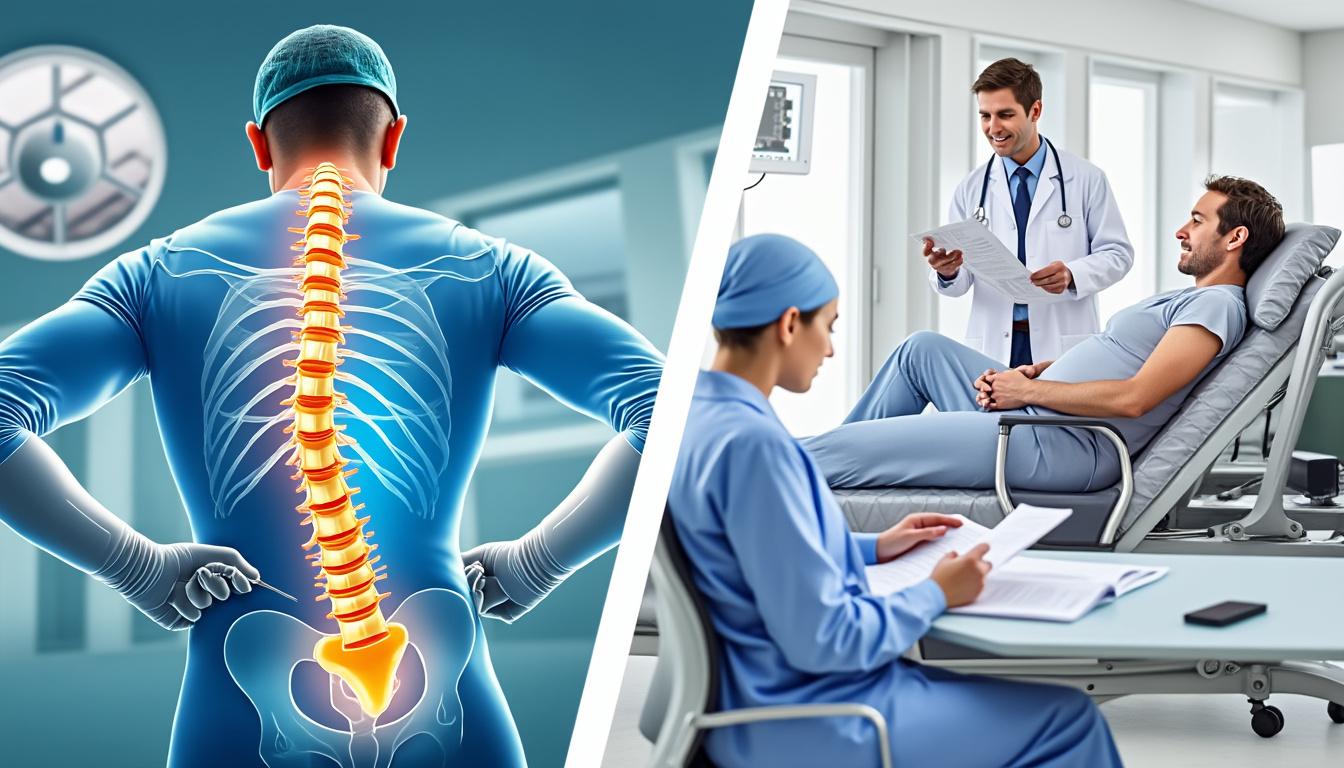
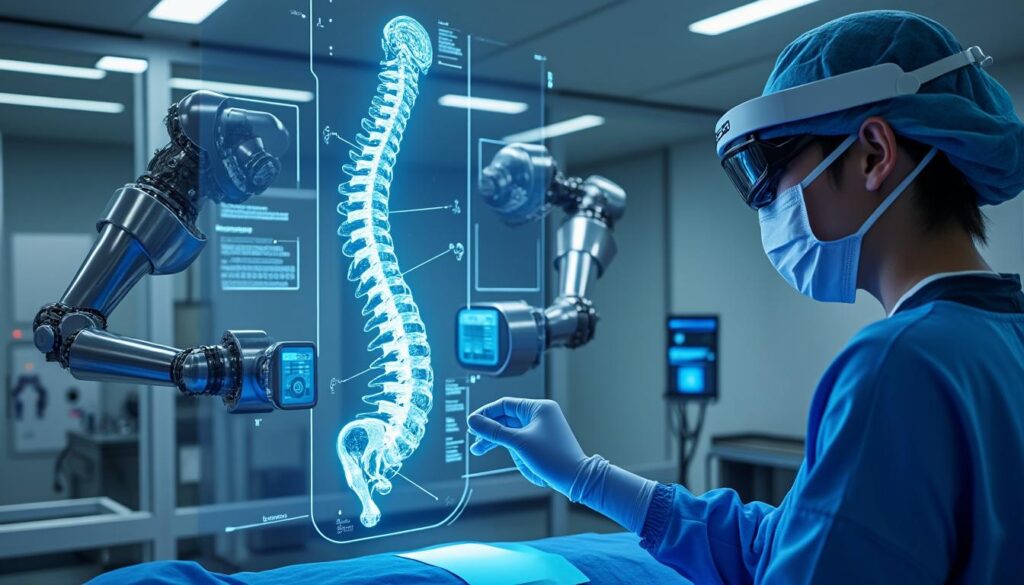
Cousin Spine Technology and Franchir: Transforming Surgical Decision-Making
In recent years, the integration of advanced medical technologies has dramatically shifted how spinal surgeries are planned, performed, and managed. Among the transformative developments, the alliance between Cousin Spine Technology and Franchir stands out as a pioneering force redefining surgical…
The Patient Journey: Emphasizing Conservative Care Before Surgical Consideration
The patient pathway typically commences with a thorough medical assessment identifying symptom nature, intensity, and functional impact. Experts emphasize implementing conservative treatment modules as a prerequisite step lasting from three to six months. This interval offers a window for symptom decline, restoration of spinal support musculature, and improvement in patient confidence and functionality.
Essential components of this phase include:
- Comprehensive clinical evaluation: Analyzing history, imaging, neurological status.
- Initiation of neurovertébral decompression therapy: Computer-controlled, tailored traction to relieve nerve pressure.
- Personalized physical therapy: Focused on strengthening, flexibility, and stabilization.
- Patient education: Emphasizing ergonomic adjustments, activity pacing, and self-management.
- Regular monitoring: Tracking progress and modifying protocols.
When conservative interventions prove insufficient or clinical signs mandate, a multi-disciplinary review may recommend surgical consultation. This staged approach prioritizes patient safety, ensures appropriate timing, and prevents premature surgeries that might increase complication risks or reduce outcome efficacy. Programs developed under medical expert guidance, such as those at specialized spine clinics, underscore ethical responsibility and scientific rigor in patient care decision-making.
| Step | Description | Goal |
|---|---|---|
| Initial Evaluation | Medical history, physical and neurological exams, imaging review | Accurate diagnosis, treatment planning |
| Conservative Therapy Start | Neurovertebral decompression, physical therapy initiation | Symptom relief and functional improvement |
| Patient Education | Guidance on lifestyle modifications and activity | Empowerment and prevention of recurrence |
| Progress Monitoring | Follow-ups, therapy adjustments | Optimized recovery path |
| Referral for Surgery | Considered only if conservative treatment fails or conditions worsen | Safe surgical timing with improved prognosis |
This structured trajectory benefits not only patients but also medical systems by reducing unnecessary surgical demand and associated economic burdens. International collaborations help refine these pathways, ensuring patients receive the right care at the right time with comprehensive support.
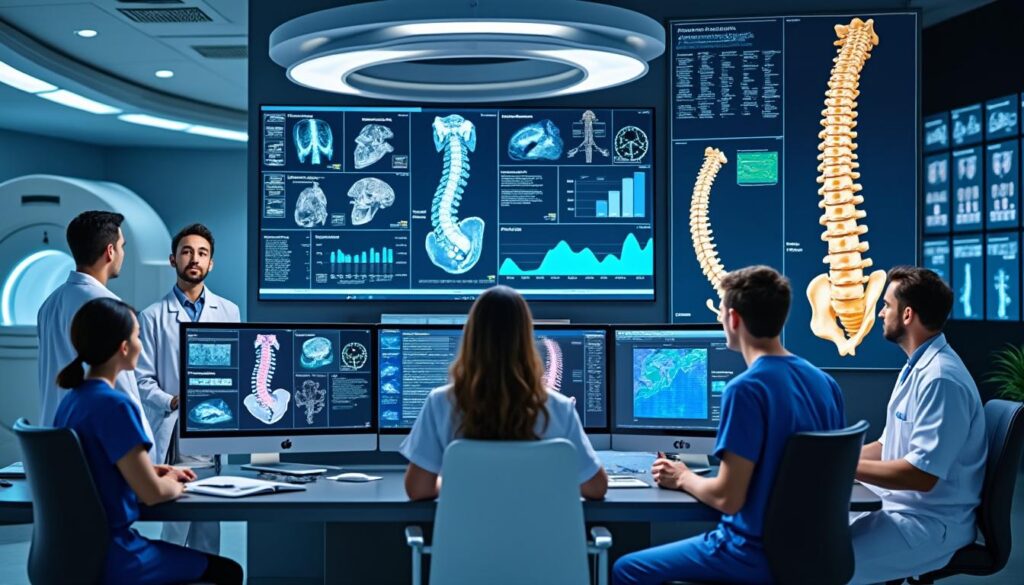
Insights from Research on Preventing Post-Laminectomy Syndrome
Post-Laminectomy Syndrome (PLS), a chronic pain condition arising after spinal surgery, remains a formidable challenge in spinal surgery and pain management. Despite advances in surgical techniques, a significant subset of patients continues to experience persistent neuropathic pain and functional limitations,…
International Collaborations Enhancing Spine Care and Patient Outcomes
Cross-border partnerships between Quebec and France exemplify innovative medical cooperation focused on advanced spinal care. Through organized transatlantic patient pathways, individuals gain access to both cutting-edge conservative therapies and state-of-the-art surgical procedures when needed.
These collaborations provide numerous advantages:
- Access to pioneering surgical technologies: Including dynamic implants such as TOPS and Intraspine, which preserve segmental motion.
- Streamlined surgical planning: Expert coordination reduces waiting periods and logistic complexities for patients.
- Postoperative rehabilitation continuity: Seamless integration between French surgical centers and Quebec’s rehabilitation specialists ensures optimal recovery.
- Patient-centered education: Tailored information equips patients for informed consent and active participation.
- Ethical clinical standards: Shared adherence to evidence-based protocols elevates safety and efficacy.
| Collaboration Element | Benefit | Responsible Organization/Expert |
|---|---|---|
| Advanced Surgical Techniques | Improved functional outcomes, less invasiveness | Dr. Sylvain Desforges, Clinique TAGMED |
| Coordinated Patient Logistics | Minimized stress and wait times | Franchir Medical Tourism Services |
| Integrated Rehabilitation Programs | Enhanced recovery quality and speed | Neurothérapie Montréal |
| Educational Framework | Empowered patient decisions | TAGMED and SOS Tourisme Médical |
| Research and Quality Assurance | Ongoing improvement and safety assurance | International Spine Research Networks |
The integration of expert knowledge, logistical expertise, and patient support underscores the value of international healthcare synergy in optimizing spine care strategies. This model serves as a beacon for future developments in complex condition management.

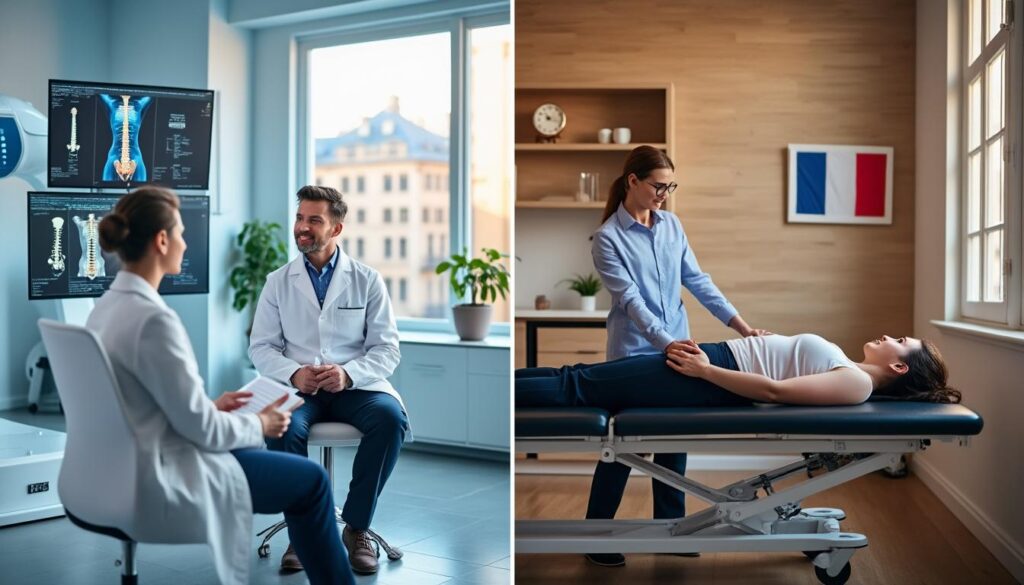
International Comparison: Spotlight on Spine Care Practices Between France and Quebec
The growing emphasis on spine health in Quebec has spotlighted the value of international collaboration in advancing patient care. With the challenges of prolonged wait times and high private care costs in Quebec, France emerges as an attractive alternative, boasting…
Exploring Advanced Surgical Techniques in France and Their Selective Role
The French medical community’s leadership in spine surgery innovation incorporates minimally invasive endoscopic procedures, dynamic stabilization implants, and prosthetic disc replacements. These technologies emphasize preservation of spinal motion and reduction of adjacent segment degeneration, contributing to superior patient outcomes when surgical intervention is justified.
Understanding the nuances between surgical options is crucial. Some of the most prevalent procedures include:
- Microdiscectomy: Removal of herniated disc material through a small incision resulting in swift pain relief with minimal tissue disruption.
- Arthrodesis (spinal fusion): Stabilization of vertebral segments to correct instability, though potentially limiting motion and increasing stress on adjacent levels.
- Dynamic stabilization implants (e.g., TOPS, Intraspine): Technologies designed to maintain natural spinal motion while providing segmental support.
- Endoscopic minimally invasive surgery: Reduced operative trauma facilitating faster recovery.
- Cervical disc prostheses: Artificial discs that replace damaged discs preserving neck mobility.
| Surgical Technique | Indications | Benefits | Limitations |
|---|---|---|---|
| Microdiscectomy | Symptomatic disc herniation compressing nerve root | Minimal invasion, rapid pain relief | Does not address spinal instability |
| Spinal Fusion (Arthrodesis) | Instability, spondylolisthesis, severe degeneration | Promotes stability and prevents recurrent slips | Limits spinal motion, risk of adjacent segment disease |
| Dynamic Stabilization (TOPS, Intraspine) | Movable pathologies needing motion preservation | Maintains segmental mobility, reduces adjacent level stress | Indications limited; higher cost |
| Minimally Invasive Endoscopic Surgery | Discectomies, nerve decompression | Less tissue damage, faster rehabilitation | Requires specialized equipment and training |
| Cervical Disc Prosthesis | Cervical degenerative discs | Preserves motion, reduces secondary stiffening | Contraindicated in severe instability |
French innovations continue to influence global spine surgery standards, but experts maintain that these techniques are reserved for patients adequately assessed through conservative treatment attempts. Well-informed consent anchored in detailed patient education is fundamental before proceeding.

Medical Logistics and Accommodation: Central Pillars in the Patient Care Journey
In the evolving landscape of global healthcare, the interplay between medical logistics and patient accommodation has become a cornerstone for effective and patient-centric care delivery. This synergy is particularly evident in the management of international patient journeys, where cross-border coordination,…
Economic and Biomechanical Perspectives Favoring Conservative Management
Financial considerations often influence healthcare choices alongside clinical factors. Conservative spine treatments typically demand fewer resources, leading to direct and indirect cost savings. Without hospitalization and extensive surgical expenses, patients experience reduced financial burden and faster return to productivity. Additionally, the biomechanical integrity preserved through non-surgical care translates into sustained spinal function, preventing long-term degeneration that may otherwise catalyze additional interventions.
Comparative analyses reveal distinct economic metrics:
- Reduction in hospital stays and surgical fees
- Lower ancillary costs such as post-op rehab and medications
- Minimized loss of workdays and associated societal costs
- Preserved spinal mobility supports ongoing functional independence
- Decreased risk of secondary complications requiring future interventions
| Factor | Conservative Treatment | Surgical Intervention |
|---|---|---|
| Direct Healthcare Costs | Significantly lower | Higher due to operating room, implants, hospital stays |
| Indirect Costs (Productivity Loss) | Minimal with early return to work | Prolonged absence, rehabilitation delays |
| Long-term Spine Function | Preserved mobility and stability | Potential motion limitation leading to secondary pathology |
| Complication-Related Costs | Few and minor | Can be substantial in case of neurological deficits or infection |
Consequently, the overall value of conservative management extends beyond clinical outcomes, influencing public health sustainability and individual quality of life—an element increasingly recognized by policy makers and payers alike. The coordinated transatlantic care model amplifies these economic benefits through optimized treatment sequencing and resource allocation.
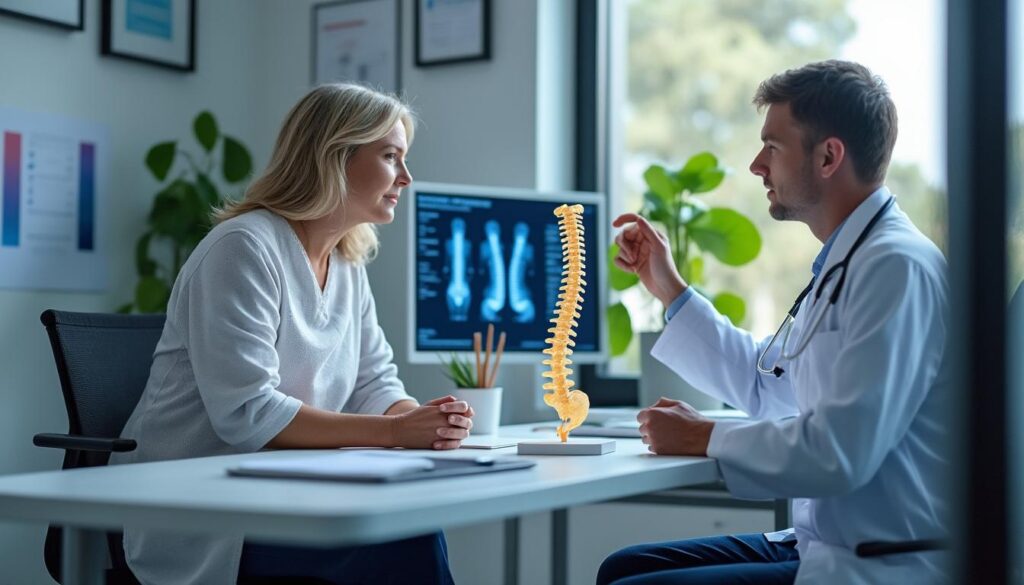
Comprehensive Guide to Eligibility Criteria for Back Surgery
The decision to undergo back surgery involves numerous complex considerations that extend beyond the presence of spinal discomfort. Through an international collaboration between healthcare experts in Quebec and France, patients facing severe spine conditions now have access to advanced surgical…
Patient-Centered Factors Influencing Treatment Choices for Spine Disorders
Beyond clinical criteria, individual patient preferences, lifestyles, and risk tolerance significantly affect the decision-making process. Those with predominantly sedentary jobs or high physical demands may weigh mobility preservation more heavily, favoring conservative or motion-sparing interventions over fusion surgeries. Psychological comfort with less invasive therapies and apprehension about surgical complications also guide choices.
Physicians emphasize personalized counseling addressing:
- Understanding of expected outcomes and timelines
- Degree of pain and disability
- Patient lifestyle and work requirements
- Risk acceptance and prior treatment experiences
- Support systems and ability to adhere to therapy
Educational initiatives spearheaded by institutions such as WebMD and Mayo Clinic provide accessible knowledge empowering patients to engage as partners in their care. Transparent communication of therapeutic benefits and limitations fosters informed consent, reducing decision regret and promoting optimal adherence.
| Patient Factor | Impact on Treatment Choice | Considerations in Conservative vs. Surgical Care |
|---|---|---|
| Occupation & Activity Level | Influences mobility needs and recovery planning | Conservative care favored for active mobility preservation |
| Risk Tolerance | Shapes acceptance of surgical complications | Lower risk tolerance favors non-invasive methods |
| Support Network | Affects adherence and recovery environment | Good support facilitates both conservative and surgical success |
| Pain Intensity | Drives urgency of intervention | Severe unrelenting pain may necessitate surgery |
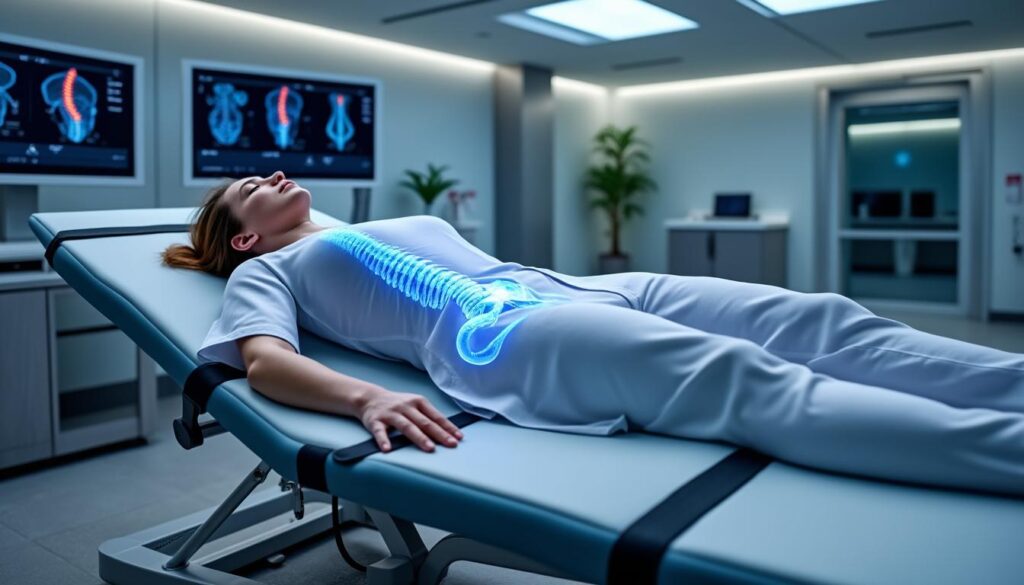
Unveiling the Hidden Benefits of Neurovertebral Decompression Therapy
Chronic back and neck pain remain pervasive health issues impacting millions, often leading to debilitating effects on daily life and overall well-being. Traditional management strategies frequently fall short due to lengthy wait times, high costs, or invasive procedures. Amid this…
Future Directions: Integrating Innovations and Evidence to Refine Conservative Treatment Strategies
The complex landscape of spine care continues to evolve with ongoing research and technological progress. Focused educational courses such as the EuroSpine Endoscopic Spine Course and academic programs offered by institutions like SFCR and Université de Bordeaux emphasize expanding knowledge around optimized conservative and surgical methods. Moreover, growing integration of robotics, 3D imaging, and personalized medicine support prognostication and tailored therapy selection.
Research into regenerative biologics and motion-preserving implants holds promise for bridging the gap between conservative and surgical realms, offering hybrid paradigms that maximize clinical effectiveness without compromising mobility or increasing risk. Increasing collaboration between healthcare providers and patient advocacy groups will further empower care pathways centered on shared decision-making and holistic spine health maintenance.
Comparateur : Traitements conservateurs vs Chirurgie
Comparez rapidement les caractéristiques clés des traitements conservateurs et chirurgicaux.
| Caractéristique | Conservateur | Chirurgical |
|---|
Collectively, this future-facing approach promises to recalibrate how spinal disorders are managed, reinforcing conservative treatments at the forefront while reserving surgery for cases that unequivocally justify intervention based on evidence and patient-specific factors.
What are the primary advantages of conservative treatment for spinal disorders?
Conservative treatment offers reduced risk of complications, cost savings, preservation of spinal mobility, and improved patient empowerment through education and gradual symptom relief.
When is spine surgery considered necessary?
Surgery is generally recommended when conservative treatments fail, neurological deficits worsen, spinal instability is present, or in cases of severe structural damage causing debilitating pain or function loss.
How long should conservative treatment be attempted before considering surgery?
Most clinical guidelines advise 3 to 6 months of conservative management including physical therapy and targeted decompression before contemplating surgical options unless urgent neurological signs dictate earlier intervention.
Are robotic-assisted therapies widely available for conservative spine care?
Robotic-assisted neurovertebral decompression is becoming increasingly accessible, endorsed by major health organizations for its precision and safety, though availability may vary depending on centers and regions.
How do international collaborations improve spinal surgery outcomes?
Collaborations, such as those between Quebec and France, provide patients access to advanced surgical technology, coordinated logistics, and seamless postoperative rehabilitation, enhancing safety and accelerating recovery.