IntraSPINE® in Sherbrooke: Approved and Safe Procedure Ensuring Patient Confidence
August 1, 2026
Saint-Eustache Chronic Back Pain Managed Non-Surgically
August 1, 2026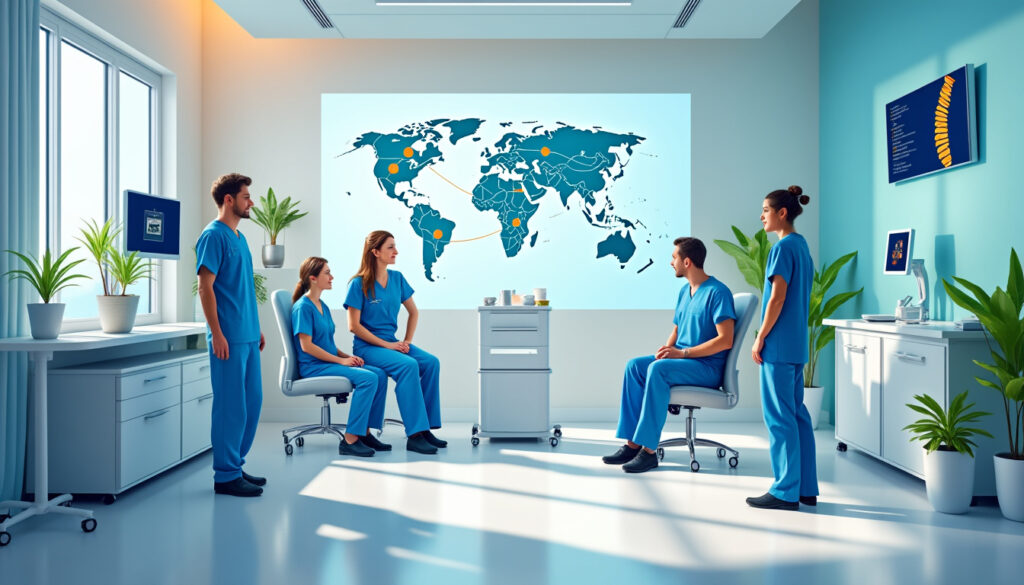
The landscape of spinal care continually evolves, shaped by innovations that prioritize patient well-being, functional recovery, and quality of life. In Gatineau, the recent adoption of the TOPS System (Total Posterior Spine System) marks a turning point in the treatment of lumbar spine disorders. This implant stands out by offering patients a unique opportunity to preserve lumbar biomechanics and mobility following decompressive surgery—a stark contrast to traditional spinal fusion procedures that often sacrifice motion in exchange for stability.
With over 30 years of experience in spinal health, I have witnessed the profound effects of treatment innovations on patient outcomes. The TOPS System exemplifies a rigorous scientific approach combined with ethical care and cutting-edge technology. It offers an alternative that respects the natural function of the spine, moving beyond mere pain relief to enhance posture, motion, and rehabilitation potential. This article delves into the nuances of TOPS implantation in Gatineau, the biomechanics it preserves, and the broader implications for patients navigating lumbar spine challenges across the Canada-France medical corridor.
The Challenge of Lumbar Spine Disorders and the Promise of TOPS in Gatineau
Lumbar spinal stenosis and degenerative spondylolisthesis represent two common conditions that significantly impair lower back function and quality of life. These pathologies often cause nerve compression, leading to chronic pain, diminished mobility, and altered posture. Historically, treatments centered around decompression combined with spinal fusion, which, while effective in stabilization, compromise natural spinal biomechanics by eliminating motion at the fused segment.
The advent of the TOPS System in Gatineau offers a paradigm shift. Unlike fusion, it preserves controlled physiological motion across flexion, extension, lateral bending, and axial rotation. This is facilitated through a sophisticated implant design featuring two titanium plates secured with pedicle screws, connected by a mechanically articulating core. The device’s capacity to maintain segmental mobility while safeguarding stability addresses a critical gap in lumbar surgery and rehabilitation.
This implant is typically indicated for patients with lumbar spinal stenosis and grade I spondylolisthesis, addressing the root causes of nerve impingement without the biomechanical sacrifices synonymous with fusion. One recent example at Premier Spine Clinic in Gatineau involved a patient debilitated by chronic lower back pain and postural issues. After receiving the TOPS implant following decompression, the patient regained near-normal lumbar mobility, experienced significant pain relief, and markedly improved functional outcomes during rehabilitation.
Neck Surgery in Montreal: Maintain Cervical Flexibility and Function
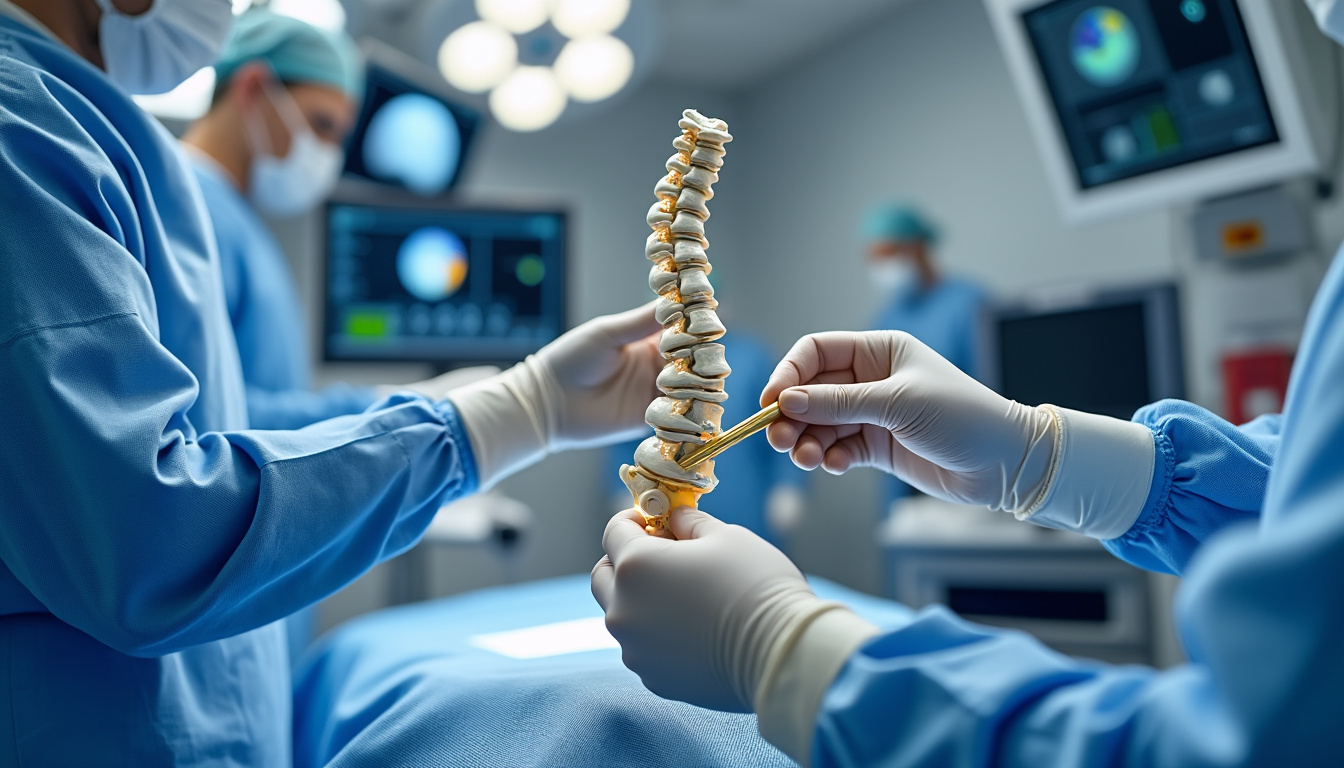
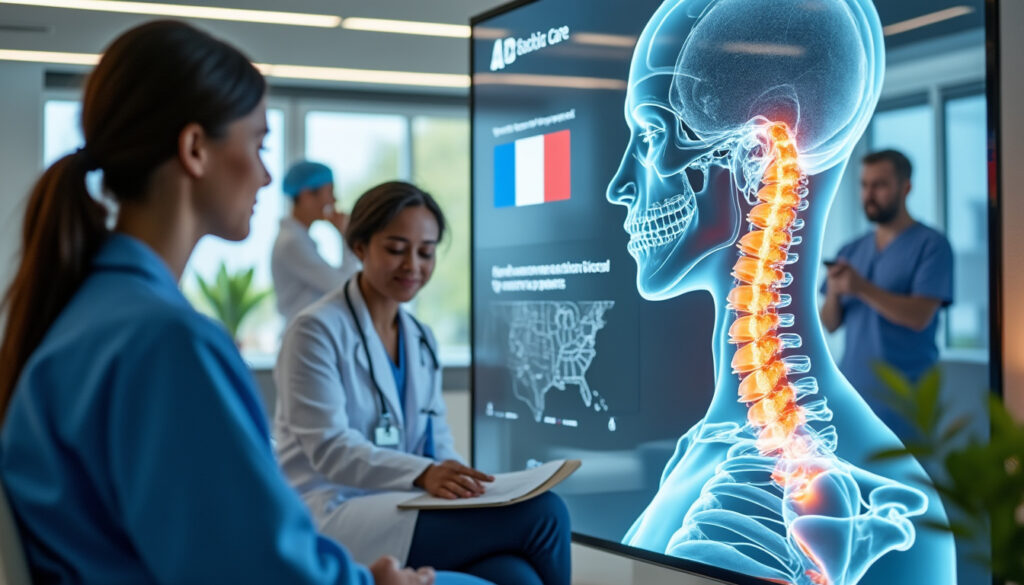
Neck conditions causing persistent pain or functional loss place a substantial burden on individuals and healthcare systems, especially in urban centers like Montreal. Surgical interventions targeting the cervical spine have evolved tremendously, aiming not only to relieve symptoms but to…
Biomechanical Benefits of the TOPS System Over Traditional Spinal Fusion
Understanding lumbar biomechanics is crucial to appreciating why motion-preserving implants like TOPS matter in spine health. The lumbar spine is designed for flexibility, supporting activities ranging from bending and twisting to maintaining upright posture. Spinal fusion disrupts this natural capacity by rigidly locking vertebrae together, often transferring stress to adjacent segments and increasing the risk of degeneration there.
The TOPS System, however, preserves mobility at the surgical level. The mechanical articulating core mimics the natural facet joint’s function, allowing controlled movement while resisting shear forces that could destabilize the spine. Clinical data suggest that patients benefit from reduced stiffness, improved gait, and better balance following TOPS implantation, which facilitates a smoother rehabilitation process.
Numerous randomized controlled trials have confirmed the superiority of TOPS over fusion in select patient populations. For instance, in one multicenter study, patients implanted with TOPS reported enhanced Oswestry Disability Index scores, reflecting less disability in daily activities related to back function. Additionally, preservation of motion has been linked to a lower incidence of symptomatic adjacent segment degeneration, a common long-term complication associated with fusion surgeries.
These biomechanical benefits are more than theoretical. Patients often describe a greater sense of “natural” movement post-surgery and are able to return to personal and professional activities more rapidly. Maintaining lumbar mobility is also essential for effective posture management and reduces compensatory strain that can otherwise lead to further spinal or musculoskeletal issues.
Disc Prosthesis in Lévis: Quick and Long-Lasting Results
Chronic back pain caused by degenerative disc disease continues to profoundly impact the quality of life for many residents in Lévis and the broader Quebec area. For decades, traditional spinal fusion surgery has been the primary solution for alleviating severe…
Innovative Surgical Techniques and Safety Protocols Ensuring Optimal TOPS Outcomes
Surgical expertise is paramount in the successful implantation of the TOPS System, as the procedure involves meticulous decompression followed by precise implant placement. My approach as an expert in spinal evaluation integrates stringent safety protocols aligned with Quebec and Canadian medical standards. This ensures both regulatory compliance and the highest patient safety standards.
The technique entails the careful removal of bone and ligament tissue compressing the spinal nerves, followed by excision of the facet joints, which are then replaced with the TOPS implant. This sequence demands excellent anatomical knowledge and intraoperative imaging to achieve optimal alignment and secure fixation with pedicle screws.
Postoperative care emphasizes early mobilization and rehabilitation aimed at restoring activity without jeopardizing implant integrity. Rehabilitation programs are tailored to each patient, factoring in their unique spinal mechanics, overall health, and lifestyle. Such personalized care improves recovery trajectories and long-term spinal function.
Despite its innovative design, the TOPS System comes with certain considerations. Careful patient selection excludes individuals with high-grade spondylolisthesis, severe osteoporosis, or significant spinal deformities, where alternative interventions remain more appropriate. Possible risks include infection, hardware loosening, or the rare need for revision surgery, though complication rates have been comparable to spinal fusion procedures.
Motion Surgery in Terrebonne: Maintain Intervertebral Mobility
Back pain remains a widespread concern for many in Quebec, with traditional treatment pathways often imposing lengthy waiting periods and financial constraints. Recently, Motion Surgery in Terrebonne has emerged as a transformative option, attracting patients seeking spinal solutions that prioritize…
Integrating TOPS Within a Comprehensive Lumbar Care Pathway
An effective treatment pathway for lumbar spine disorders is multidimensional, beginning with thorough clinical and biomechanical evaluation. My role focuses on detailed assessments, complementing other specialists’ expertise, to establish the most appropriate therapeutic route. This often entails a stepwise progression emphasizing conservative care before any surgical consideration.
Before contemplating TOPS implantation or any surgical intervention, patients must complete a program of conservative management, typically spanning three to six months. These treatments include physical therapy, targeted osteopathic manipulation, pharmacologic pain management, and crucially, neurovertebral decompression therapy offered at the Clinique TAGMED in Gatineau. This specialized modality employs technology that alleviates neural compression noninvasively, often mitigating symptoms to a degree that obviates surgery.
Should conservative treatments fail to provide durable relief, the patient and care team may then evaluate surgical options including TOPS implantation. This structured approach ensures all alternatives have been explored upfront and aligns with evidence-based best practices emphasizing patient safety and efficacy.
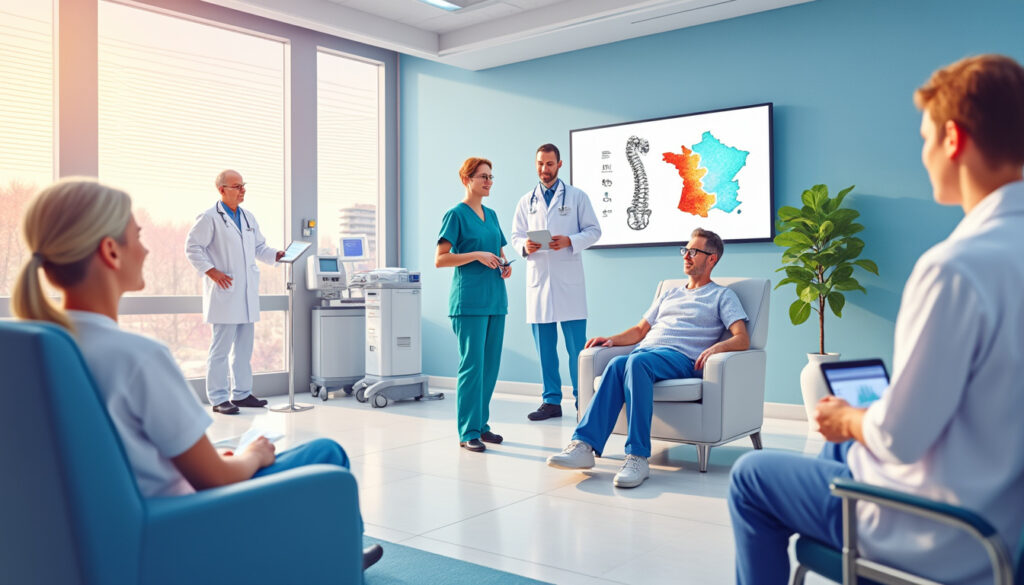
Lumbar Disc Prosthesis in Saguenay: Durable and Approved Alternative
In the Saguenay region of Quebec, chronic lower back pain continues to present a significant challenge for many adults striving to maintain a high quality of life. Traditional treatment paths often involve long wait times and costly private care, which…
The Advantages of Transatlantic Coordination in Lumbar Spine Care
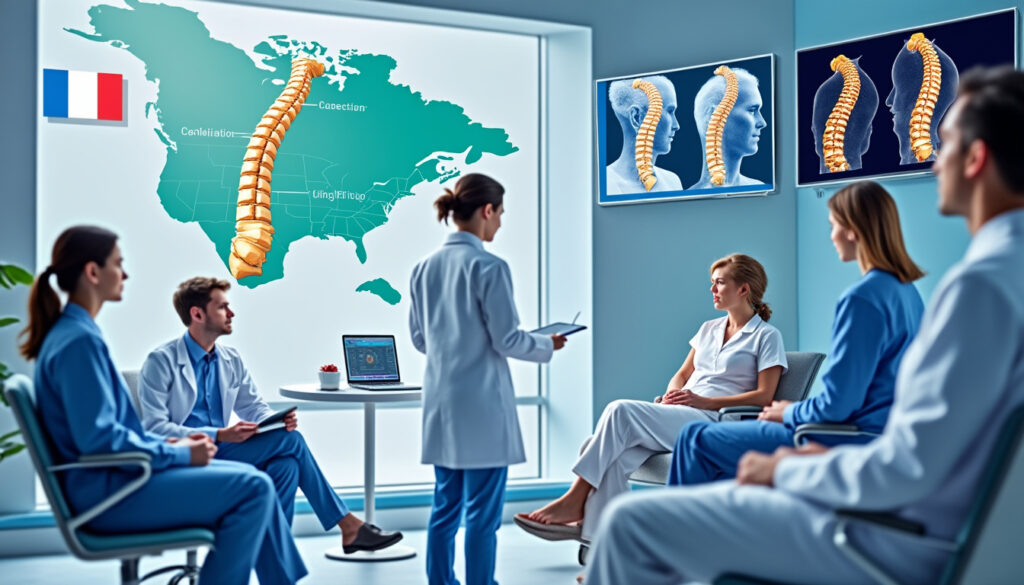
One of the most remarkable aspects of current spine care frameworks involves international collaboration. As a pioneer facilitating transatlantic coordination of care between Canadian and French centers, I work closely with surgeons, clinics, and platforms such as SOS Tourisme Médical to tailor treatment strategies that optimize timing, cost, and outcome quality for patients undertaking lumbar spine procedures abroad.
This model is particularly advantageous given the wait times and cost variability in Quebec’s healthcare system for advanced spinal surgeries. Coordinated care allows patients faster access to cutting-edge technologies such as TOPS implantation in Gatineau, while ensuring postoperative follow-up and rehabilitation are seamlessly arranged back in Canada.
Personalized accompaniment throughout the journey is paramount: patients receive comprehensive consultations, transparent explanations of risks and benefits, and continuity of care enhanced by multidisciplinary input. This reduces anxiety associated with surgical travel and fosters a stronger partnership between patient and provider.
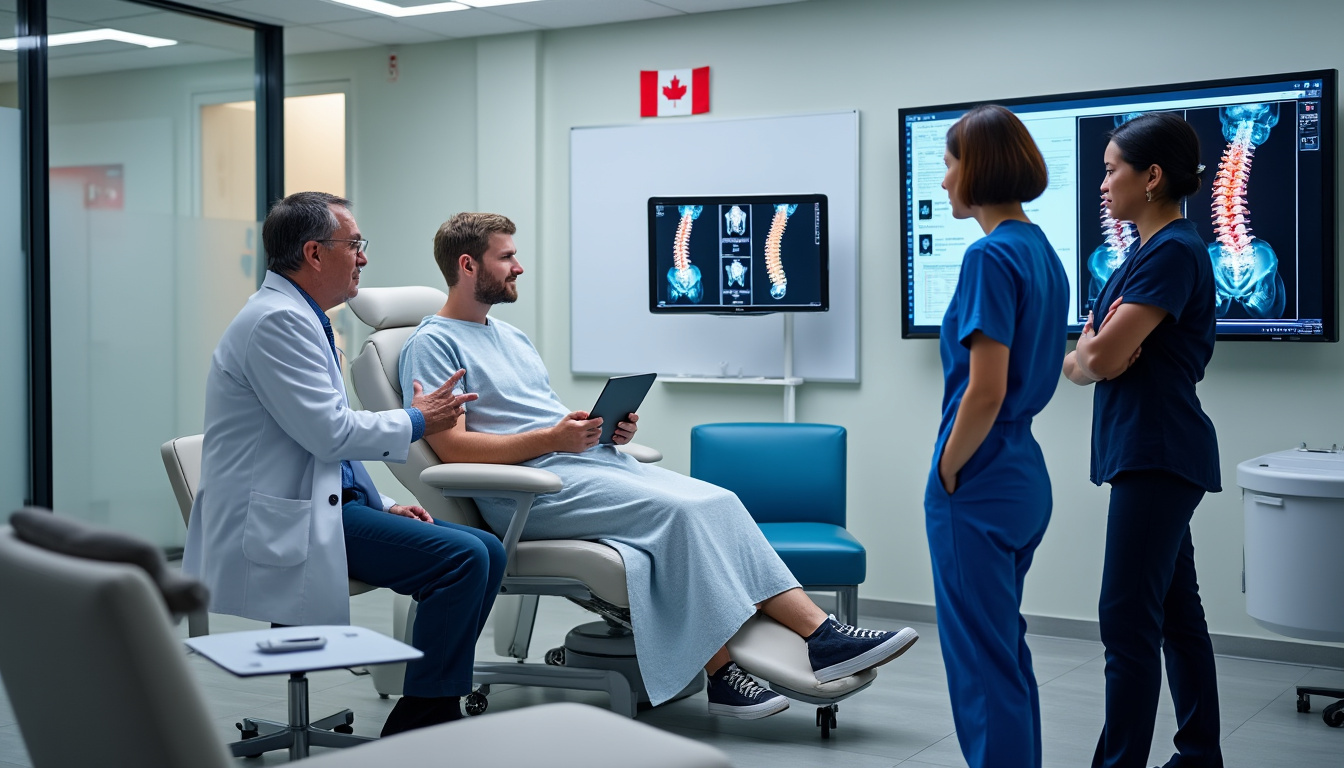
IntraSPINE® in Sherbrooke: Approved and Secure Procedure
Lower back pain remains a widespread health concern globally, affecting mobility and diminishing life quality for millions. In Quebec, prolonged wait times and restricted access to cutting-edge spinal treatments have driven renewed interest in innovative solutions. Among these, the IntraSPINE…
Cost-Effectiveness and Quality of Life Outcomes with TOPS
Economic considerations are integral when evaluating new medical technologies. The TOPS System has demonstrated promising cost-effectiveness in comparison to spinal fusion. These findings stem from shorter hospital stays, faster return to work, and decreased rates of reoperation over time.
Quality of life improvements also reflect a more holistic benefit. Patients retain lumbar spine motion, leading to better functional independence and reduced chronic pain. This advantage is particularly valuable to active individuals and those whose professional or recreational pursuits depend on lumbar mobility.
| Parameter | TOPS System | Spinal Fusion |
|---|---|---|
| Preservation of Lumbar Mobility | Maintained across treated segments | Eliminated due to fusion |
| Recovery Time | Typically shorter | Usually longer |
| Adjacent Segment Disease Risk | Reduced incidence | Higher risk |
| Reoperation Rates (2 years) | Comparable to fusion | Comparable |
| Cost-Effectiveness | Improved due to faster recovery and fewer complications | Less favorable long-term economics |
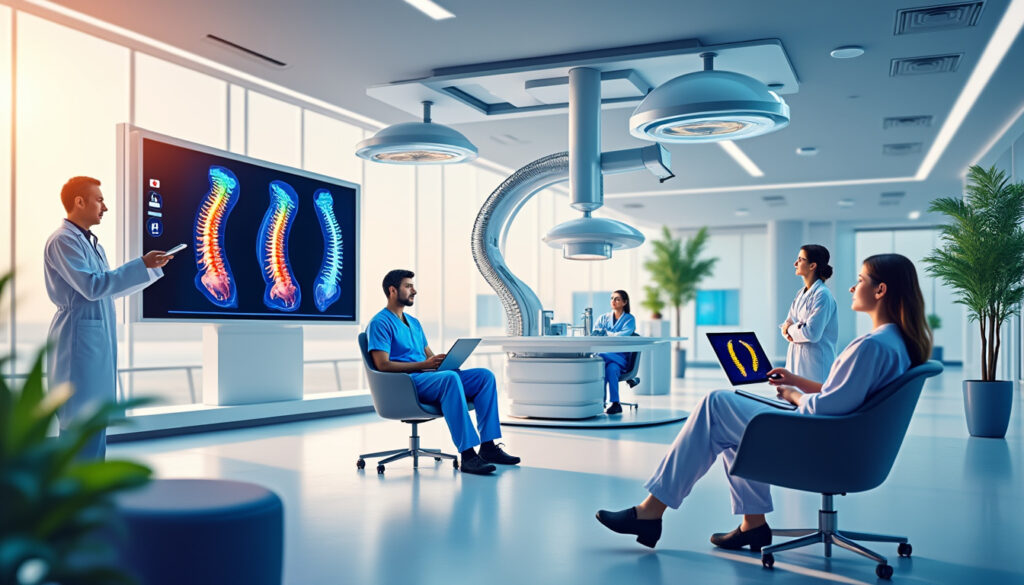
Spine Surgery in Trois-Rivières: Innovation in Motion Surgery
In Trois-Rivières, the quest for effective spine surgery solutions has entered a new era marked by remarkable innovation and transatlantic collaboration. For patients burdened by persistent back pain and degenerative spinal conditions, access to cutting-edge techniques such as motion surgery…
The Role of Patient Education and Clear Communication in Spine Care Decisions
A crucial pillar supporting successful lumbar spine care is patient empowerment through education. As an expert in spinal evaluation, I prioritize presenting complex neurological and biomechanical concepts in an accessible manner. This approach supports patients and healthcare professionals alike in making well-informed decisions aligned with individual goals and medical realities.
Key elements explained include the indications and limitations of TOPS implantation, the rehabilitation process, and the biomechanical rationale behind preserving spinal motion versus fusion. Patients often benefit from analogies comparing spine function to joint mechanics, enabling better understanding of treatment benefits and risks.
Open dialogue encourages patients to express concerns, ask questions, and participate actively in their care plans. This communication builds trust, reduces anxiety, and promotes adherence to postoperative rehabilitation, fostering optimal outcomes.
Cervical Disc Prosthesis in Quebec City: Restored and Long-Lasting Mobility
Chronic neck pain poses a significant challenge for many residents of Quebec City, intertwining with everyday activities and dramatically impacting quality of life. Traditionally, spinal surgeries such as cervical fusion have been the cornerstone for relieving nerve compression. While effective…
The Unique Value of TAGMED Clinic in Advanced Conservative Care before Surgery
Prior to considering surgical options such as the TOPS System, patients should ideally undergo a full course of conservative management. The Clinique TAGMED distinguishes itself as a reference center offering advanced neurovertebral decompression therapy. This modality alleviates nerve compression through noninvasive means, forming an essential part of a comprehensive lumbar care approach.
The clinic’s team is composed of highly qualified professionals utilizing evidence-based protocols combined with innovative technologies like laser therapy and dynamic implants evaluation. Their method aims to reduce inflammation, improve spinal posture, and enhance mobility without surgery whenever possible.
Should symptoms persist despite diligent neurovertebral decompression and other conservative efforts, surgical options including the TOPS System become appropriate next steps. This graduated care pathway ensures ethical, evidence-based practice with patient safety as the cornerstone.
What is the TOPS System and how does it differ from traditional spinal fusion?
The TOPS System is a motion-preserving lumbar spine implant that stabilizes the spine after decompression while maintaining natural movement at the treated segment. Unlike traditional fusion which permanently locks vertebrae, TOPS allows controlled motion, reducing stiffness and risk of adjacent segment degeneration.
Who is a suitable candidate for TOPS implantation?
TOPS is typically recommended for patients with lumbar spinal stenosis with or without grade I spondylolisthesis. Patients with higher-grade instability, severe osteoporosis, or significant spinal deformities may not be suitable candidates.
Why is completing conservative treatments before surgery important?
Conservative treatments such as physical therapy and neurovertebral decompression are crucial first steps to alleviate symptoms noninvasively. These treatments can reduce the need for surgery or optimize patient condition if surgery like TOPS implantation becomes necessary.
How does transatlantic care coordination improve patient outcomes?
By aligning Canadian and French expertise and resources, patients benefit from timely access to innovative treatments, personalized care pathways, and cost-effective solutions, minimizing wait times and enhancing recovery experiences.
What is the role of the Clinique TAGMED in lumbar spine care?
Clinique TAGMED offers specialized advanced conservative care, including neurovertebral decompression, helping patients manage lumbar disorders effectively before considering surgical interventions such as TOPS implantation.
Minimally Invasive Surgery in Longueuil: Quick Recovery After Surgery
Minimally invasive surgery has revolutionized the field of spine treatment, particularly for patients in Longueuil seeking solutions that offer faster recovery, reduced pain, and minimal disruption to daily life. With advancements in surgical techniques such as laparoscopy and robotic-assisted procedures,…