IntraSPINE® in Laval: A Cutting-Edge Solution for Lumbar Stabilization
August 6, 2026
Montreal Chronic Neck Pain Solutions Without Invasive Care
August 6, 2026
Chronic back pain caused by degenerative disc disease continues to profoundly impact the quality of life for many residents in Lévis and the broader Quebec area. For decades, traditional spinal fusion surgery has been the primary solution for alleviating severe symptoms, yet it often entails sacrificing natural spinal mobility and enduring lengthy recovery periods. However, recent medical advances in France have introduced an innovative approach with disc prosthesis surgery, offering a minimally invasive, motion-preserving alternative that supports quicker recovery and sustained relief. This breakthrough merges leading-edge implant technology with personalized patient care coordinated transatlantically by Dr. Sylvain Desforges, a pioneer in spinal care with over thirty years of expertise. Combining French surgical innovation and Quebec’s advanced conservative therapies, this multidisciplinary pathway empowers patients to regain natural spine function and improved life quality without the typical drawbacks of fusion procedures.
The development of artificial disc implants such as the LP-ESP, Mobi-C, and ProDisc-C marks a revolution in spine surgery. Designed to replicate the biomechanical properties of healthy discs, these devices provide multidirectional flexibility and shock absorption, aiming to preserve the physiological motion that fusion surgery eliminates. Complementary dynamic stabilization implants such as the TOPS system further enhance postural control while maintaining movement integrity. Dr. Desforges’s expert evaluation ensures patients receive individualized recommendations based on rigorous biomechanical assessment and evidence-based practice, emphasizing safety, efficacy, and ethical responsibility.
Understanding the entire patient journey—from a detailed expert evaluation and mandatory conservative care phases to state-of-the-art surgery in France and coordinated postoperative rehabilitation in Quebec—is crucial. This collaborative, transatlantic model not only expedites access to advanced treatment options often unavailable locally but also integrates holistic, patient-centered care grounded in scientific rigor. With a focus on minimal invasiveness and biomechanical restoration, the disc prosthesis in Lévis offers a promising alternative for back pain sufferers seeking long-lasting relief and rapid recovery.
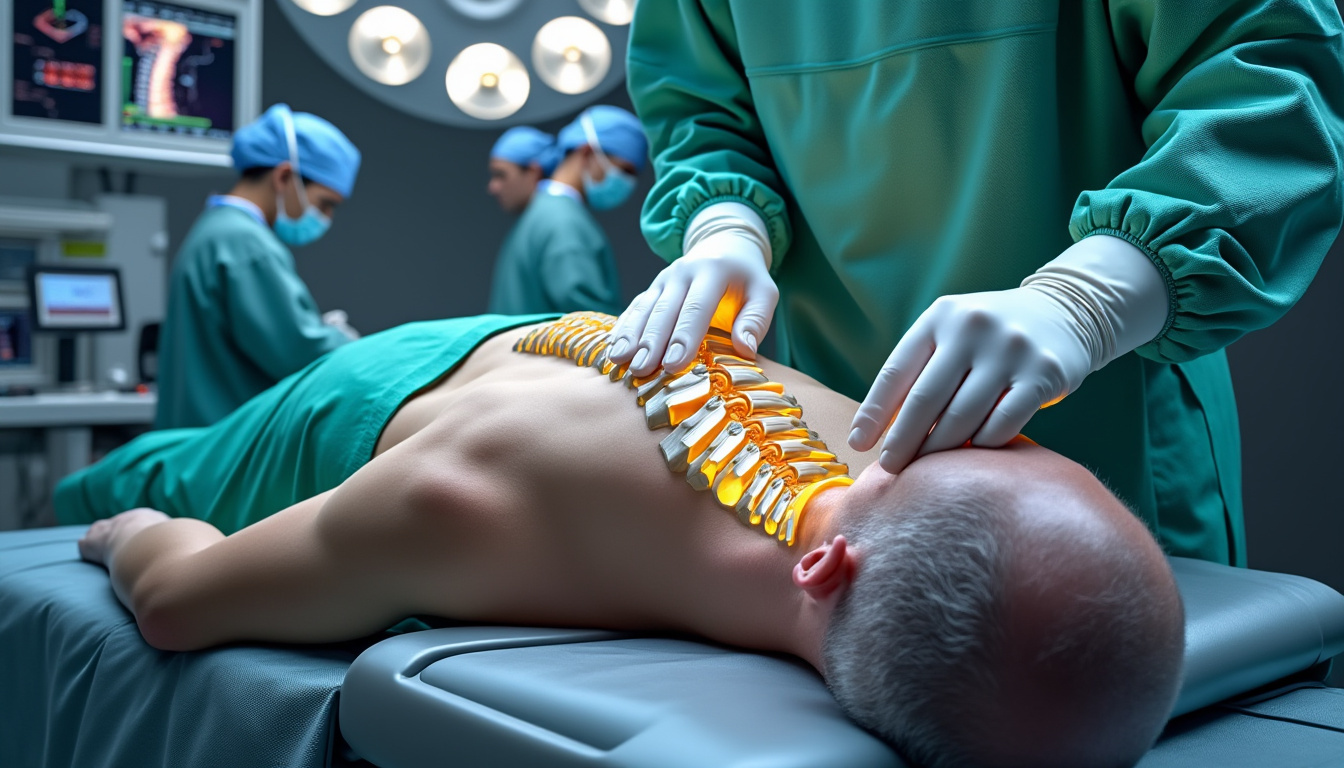
Modern Surgical Approaches to Spine Care in France: From Fusion to Advanced Disc Prosthesis
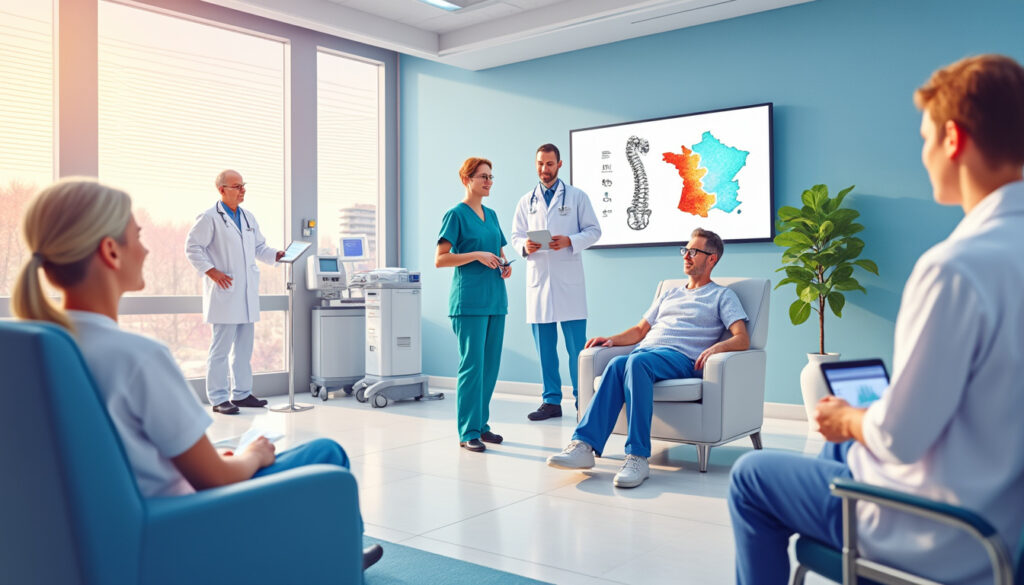
In France, spinal surgery has undergone remarkable evolution, offering a range of options tailored to individual patient needs. While spinal fusion remains a conventional method for stabilizing degenerative or unstable segments of the spine, it comes at the expense of natural movement, often resulting in compensatory stress on adjacent vertebrae and related complications over time. Recognizing these limitations, French specialists have pioneered motion-preserving disc prosthesis surgeries that prioritize restoring natural kinematics and reducing long-term biomechanical disturbances.
Simple disc surgeries like microdiscectomy effectively address acute nerve root compression caused by herniated discs, but their benefit diminishes in chronic degenerative conditions involving structural disc damage. By contrast, spinal fusion involves permanently joining vertebrae to eliminate painful motion, which, while effective in symptom relief, typically introduces postoperative stiffness and a risk of degeneration in neighboring segments.
The introduction of artificial disc replacement (ADR) has fundamentally shifted the surgical paradigm. Devices like the LP-ESP lumbar disc prosthesis—resulting from intensive research at facilities such as the Pitié Salpétrière Hospital—offer six degrees of freedom, including axial compression and rotation, mimicking natural disc behavior. Similarly, the Mobi-C prosthesis for cervical discs and the ProDisc-C system provide biomechanical fidelity in their respective regions of the spine. Dynamic implants like the TOPS allow posterior stabilization without compromising mobility.
Motion-preserving surgeries yield multiple benefits:
- Natural spinal movement preservation: Patients maintain their range of motion, reducing the feeling of stiffness.
- Lower risk of adjacent segment degeneration: By protecting neighboring vertebrae from overload, further surgeries may be avoided.
- Reduced postoperative pain and faster rehabilitation: Minimally invasive techniques promote quick patient recovery and return to daily activities.
- Durability and innovation of implants: Modern materials and design innovations enhance implant survival and function.
The implementation of minimally invasive and robot-assisted surgical techniques ensures less tissue trauma, shorter hospital stays, and improved implant precision. French spine centers stand at the forefront of this technological and clinical advancement, offering patients in Lévis a valuable option for spinal care beyond traditional fusion models.
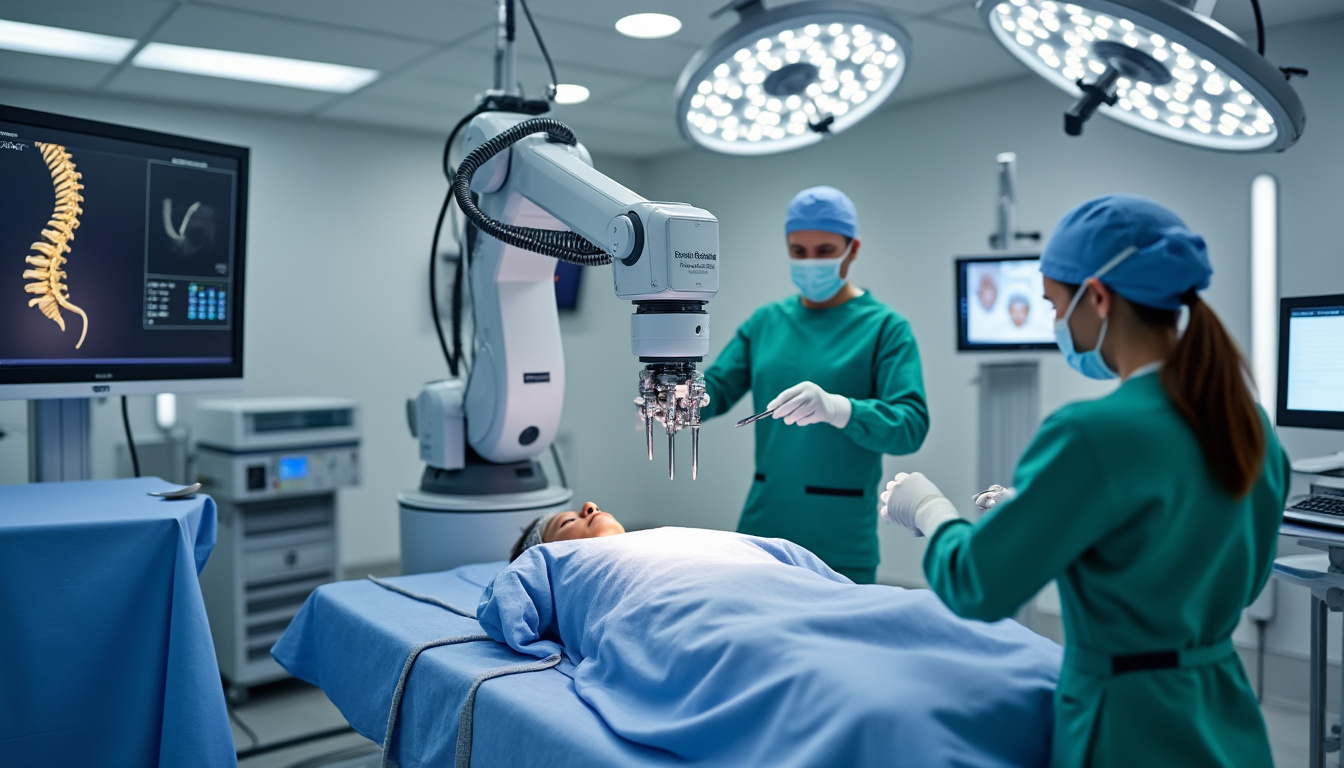
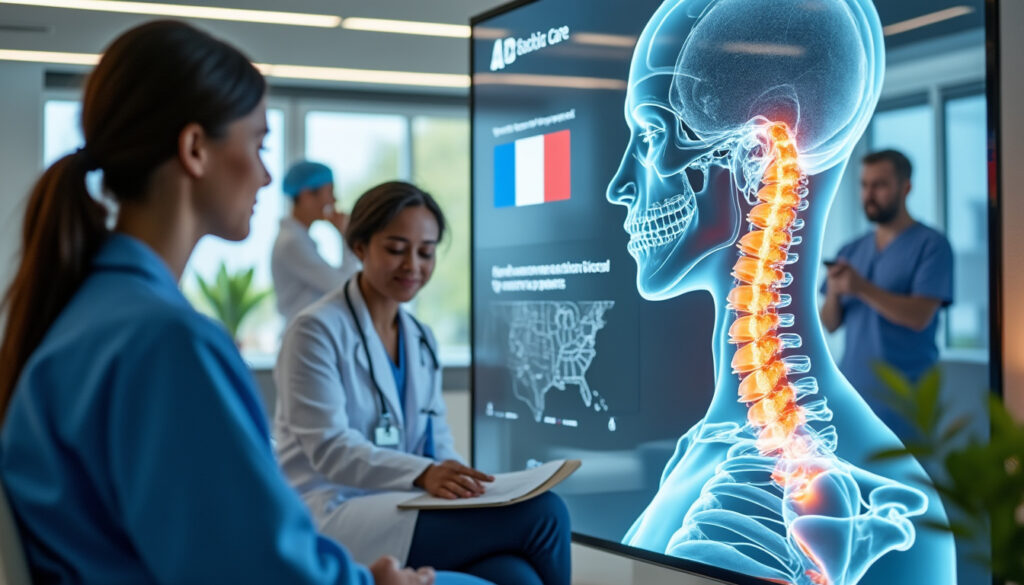
Neck Surgery in Montreal: Maintain Cervical Flexibility and Function
Neck conditions causing persistent pain or functional loss place a substantial burden on individuals and healthcare systems, especially in urban centers like Montreal. Surgical interventions targeting the cervical spine have evolved tremendously, aiming not only to relieve symptoms but to…
The Patient Journey: Expert Biomechanical Evaluation to Coordinated Postoperative Care
Dr. Sylvain Desforges brings over three decades of experience in osteopathy and spinal care, with qualifications including B.Sc., D.O., and N.D., guiding patients through an expertly coordinated pathway from evaluation to post-surgical recovery. His leadership as founder and president of the ACMA, the Canadian College of Osteopaths, and TAGMED ensures that care pathways are scientifically rigorous, ethical, and highly innovative.
The pathway begins with a comprehensive expert assessment incorporating clinical examination, functional neuromuscular testing, and state-of-the-art imaging—including MRI and EOS scans—to analyze spinal health and biomechanics. Unlike diagnosis, Dr. Desforges’s role is to offer a highly specialized evaluation of spinal pathologies to provide personalized recommendations for treatment options, whether conservative or surgical.
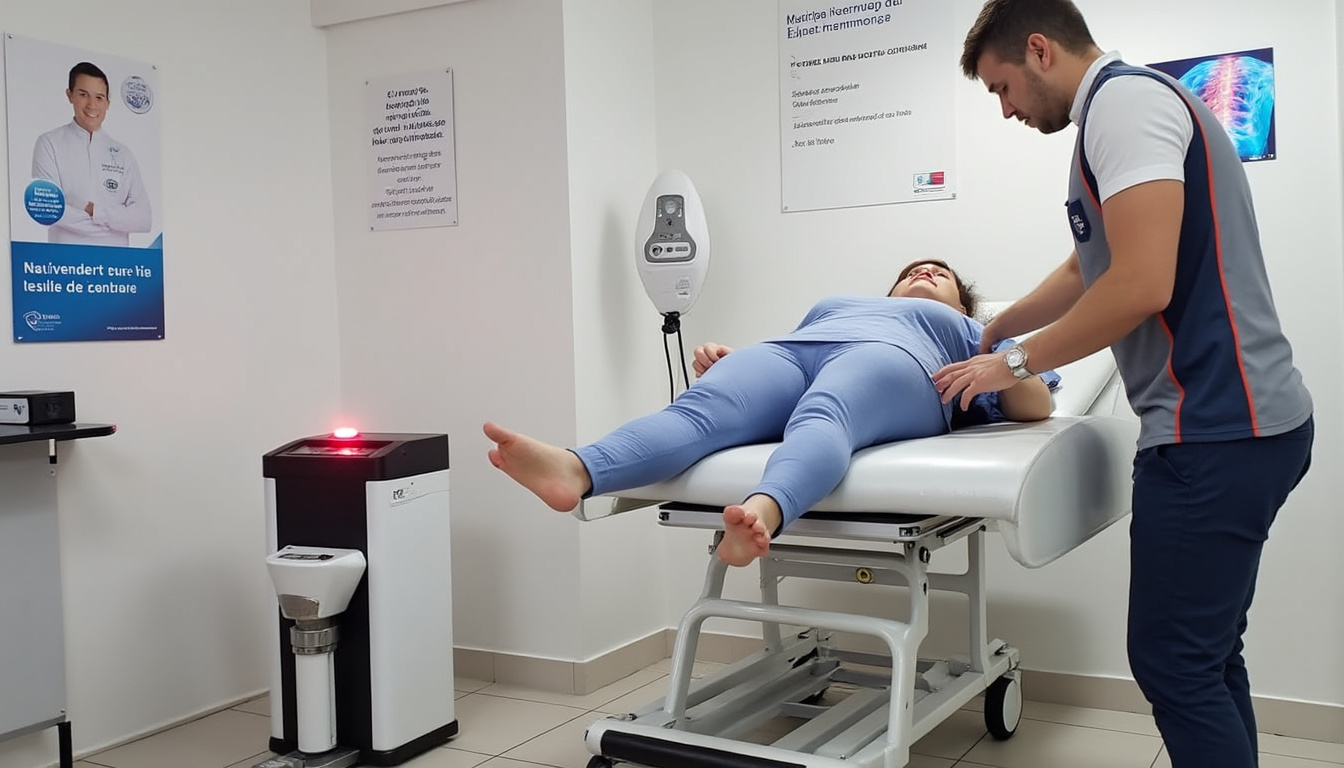
Importantly, surgery is only considered after three to six months of carefully supervised conservative treatment. This phase includes neurovertebral decompression—a hallmark of Clinique TAGMED—alongside osteopathic manipulation, physiotherapy, laser therapies, and shockwave treatment. This approach aims to relieve nerve root pressure, restore mechanical balance, and sometimes avoid surgery entirely.
Upon surgical candidacy confirmation, Dr. Desforges coordinates directly with top-tier French centers to tailor the surgical plan, selecting the most appropriate implants and techniques for each patient. Patients benefit from accelerated pathways through established networks like SOS Tourisme Médical, ensuring minimized waiting times and personalized care protocols.
After surgery, patients return to Quebec for rehabilitation at Clinique TAGMED, where a multidisciplinary team furthers recovery through osteopathic mobilization, targeted physiotherapy, innovative laser treatments, and teleconsultations to ensure continuous monitoring. This seamless cross-border care optimizes outcomes, enhances patient confidence, and prevents complications.
| Stage | Description | Patient Benefits |
|---|---|---|
| Expert Evaluation | Detailed clinical and radiological analysis by Dr. Desforges emphasizing biomechanics | Personalized, science-based treatment guidance |
| Conservative Therapy | 3-6 months of neurovertebral decompression, physiotherapy, osteopathy | Potential relief without surgery, reduced nerve compression |
| Surgical Planning | Custom implant selection and surgical approach in France | Enhanced precision, quicker access to advanced technology |
| Surgery & Recovery | Minimally invasive disc prosthesis implantation with post-op pain management | Faster recovery, earlier mobilization |
| Postoperative Rehabilitation | Multidisciplinary care at Clinique TAGMED with telemedicine support | Optimized long-term function, ongoing patient support |
Through this meticulous structure, patients are engaged both intellectually and emotionally, ensuring that their individual cases and values drive clinical decisions.
Motion Surgery in Terrebonne: Maintain Intervertebral Mobility
Back pain remains a widespread concern for many in Quebec, with traditional treatment pathways often imposing lengthy waiting periods and financial constraints. Recently, Motion Surgery in Terrebonne has emerged as a transformative option, attracting patients seeking spinal solutions that prioritize…
Biomechanical Supremacy of Disc Prosthesis Over Fusion Techniques in Lévis
Choosing between spinal fusion and disc prosthesis is fundamentally a decision shaped by biomechanical insights. Fusion surgery, while historically effective in pain relief, permanently immobilizes spinal segments, disrupting load patterns and accelerating wear on nearby vertebrae—a common challenge known as adjacent segment degeneration.
In contrast, disc prostheses like the LP-ESP disc prosthesis, Mobi-C, and ProDisc-C replicate natural intervertebral articulation. Their viscoelastic cores and flexible structures absorb shocks and allow six degrees of motion, including axial rotation and translation, preserving spinal kinematics. This biomechanical fidelity reduces compensatory stress and maintains healthy postural mechanics, enhancing patient comfort and mobility.
Table comparing key features:
| Feature | Traditional Fusion | Disc Prosthesis |
|---|---|---|
| Preservation of Motion | No; segments permanently fused | Yes; near-natural disc movement |
| Risk of Adjacent Segment Degeneration | High; increased compensatory load | Reduced; physiological load distribution |
| Postoperative Pain | Often higher due to rigid fixation | Typically lower due to minimally invasive approach |
| Rehabilitation Speed | Slower recovery, immobilization required | Faster due to motion preservation |
| Implant Longevity | Proven long-term stability | Enhanced durability with new biomaterials |
This biomechanical advantage translates into faster patient recovery and a higher quality of life, confirming disc prosthesis as a preferable alternative especially for active individuals seeking lasting back pain relief. For patients in Lévis, this option offers a balanced approach, reducing postoperative stiffness while preserving essential spinal flexibility.
Lumbar Disc Prosthesis in Saguenay: Durable and Approved Alternative
In the Saguenay region of Quebec, chronic lower back pain continues to present a significant challenge for many adults striving to maintain a high quality of life. Traditional treatment paths often involve long wait times and costly private care, which…
Advanced Conservative Care at Clinique TAGMED Before Considering Surgery
It is crucial to emphasize that disc prosthesis surgery should not be the initial treatment step. A structured period of conservative care, lasting three to six months, is essential to explore non-surgical symptom management. Under Dr. Desforges’s guidance, patients have access to Clinique TAGMED, a leading facility offering neurovertebral decompression—a state-of-the-art, non-invasive therapy that gently alleviates nerve root pressure and promotes spinal realignment.
Additional conservative modalities include osteopathic therapy aimed at improving joint mobility and neuromuscular function, targeted physiotherapy to strengthen spinal musculature and correct postural imbalances, and advanced laser and shockwave treatments that accelerate tissue healing and reduce inflammation. These treatments often reduce pain intensity and improve functional capacity, sometimes eliminating the need for surgery entirely.
Patients typically benefit from this multi-pronged conservative approach, which embodies the principles of evidence-based medicine, patient safety, and ethical practice championed by Dr. Desforges.
- Neurovertebral decompression reduces disc and nerve root compression without surgery.
- Osteopathy evaluates and restores spinal joint mechanics and muscle function.
- Physiotherapy focuses on strengthening targeted muscles and postural correction.
- Laser and shockwave modalities promote tissue regeneration and pain relief.
- Patient education supports active involvement and informed decision-making.
When these therapies do not produce sufficient improvement, surgical intervention through the transatlantic pathway becomes a carefully evaluated and justified option, thus protecting patients from premature invasive procedures.
IntraSPINE® in Sherbrooke: Approved and Secure Procedure
Lower back pain remains a widespread health concern globally, affecting mobility and diminishing life quality for millions. In Quebec, prolonged wait times and restricted access to cutting-edge spinal treatments have driven renewed interest in innovative solutions. Among these, the IntraSPINE…
Seamless Transatlantic Coordination for Optimized Spine Care
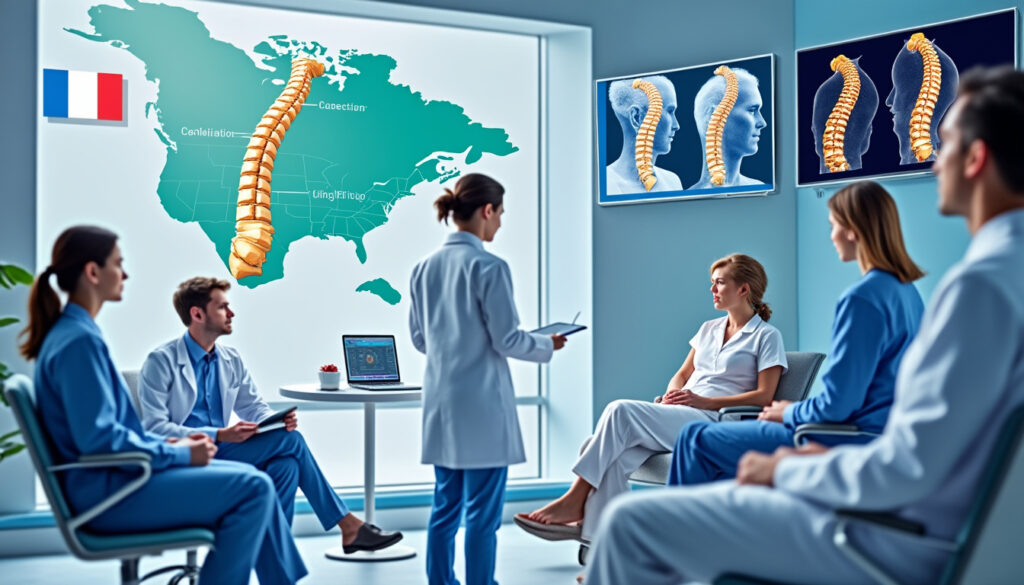
Dr. Desforges’s unique expertise as a transatlantic coordinator bridges healthcare practices between Quebec and premier French surgical centers. This international collaboration facilitates swift surgical scheduling, personalized implant selection, and continuous communication among multidisciplinary teams. Patients avoid prolonged local wait times, benefit from access to leading implant technologies not widely available in Canada, and receive comprehensive support at each stage.
These streamlined pathways are supported by platforms like SOS Tourisme Médical, which simplify administrative processes and coordinate travel logistics. Telemedicine further enhances follow-up and patient monitoring, ensuring fluid communication across borders.
Key advantages of this coordinated program include:
- Accelerated access to innovative disc prosthesis implants such as LP-ESP, Mobi-C, and the TOPS stabilization system.
- Cost-effective alternatives to Canadian private spine surgery, offering high-quality care within reasonable financial frameworks.
- Continuity of care: seamless transition between surgical intervention in France and rehabilitation in Quebec.
- Patient education and empowerment: clear communication fostering confidence and active participation in recovery.
For patients from Lévis seeking rapid and durable back pain relief through advanced spinal surgery, this integrated approach exemplifies innovation paired with empathetic care underpinned by Dr. Desforges’s three decades of leadership in the field.
Spine Surgery in Trois-Rivières: Innovation in Motion Surgery
In Trois-Rivières, the quest for effective spine surgery solutions has entered a new era marked by remarkable innovation and transatlantic collaboration. For patients burdened by persistent back pain and degenerative spinal conditions, access to cutting-edge techniques such as motion surgery…
Innovative Surgical Techniques in Quebec and France Promoting Patient Recovery
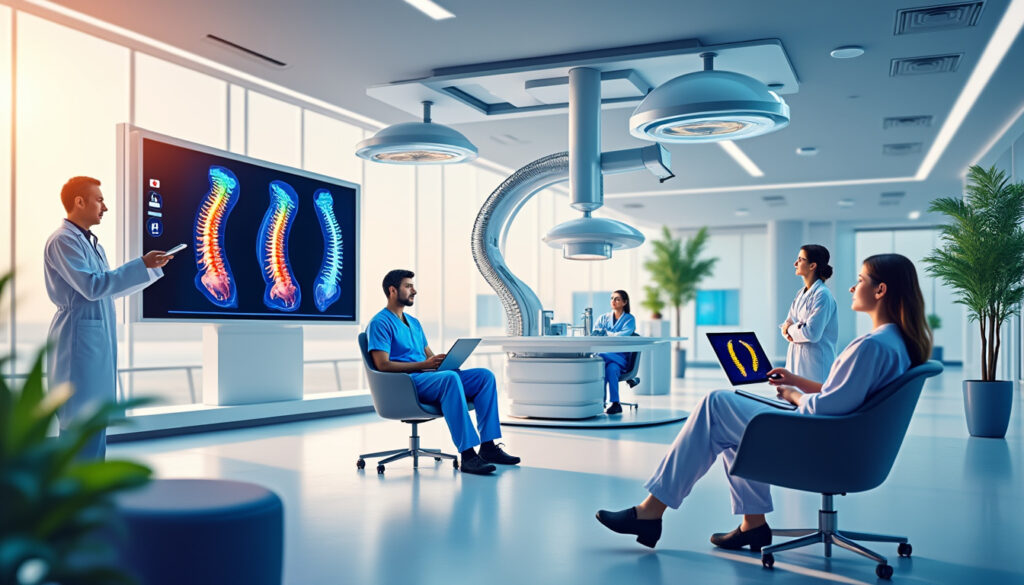
Minimally invasive spine surgery, embraced by leading French centers and supported by Dr. Desforges’s coordination, significantly contributes to rapid patient recovery with less postoperative discomfort. Techniques include endoscopic access, robotic assistance, and precision-guided implant placement, resulting in reduced soft tissue injury and shorter hospital stays.
French surgeons utilize dynamic implants like the TOPS system in Gatineau and the LP-ESP disc prosthesis, which are designed not only to restore spine biomechanics but also to minimize surgical trauma. This approach contrasts favorably with older open fusion surgeries, marking a clear advance in patient-centered care.
The combination of custom implant technology and minimally invasive methods accelerates mobilization, enabling patients to resume activities quickly while reducing the psychological burden associated with surgery.
The collaborative network ensures that post-surgical rehabilitation in Quebec integrates osteopathic care, physiotherapy, laser treatments, and telehealth support, continuing the progress made in the operating room.
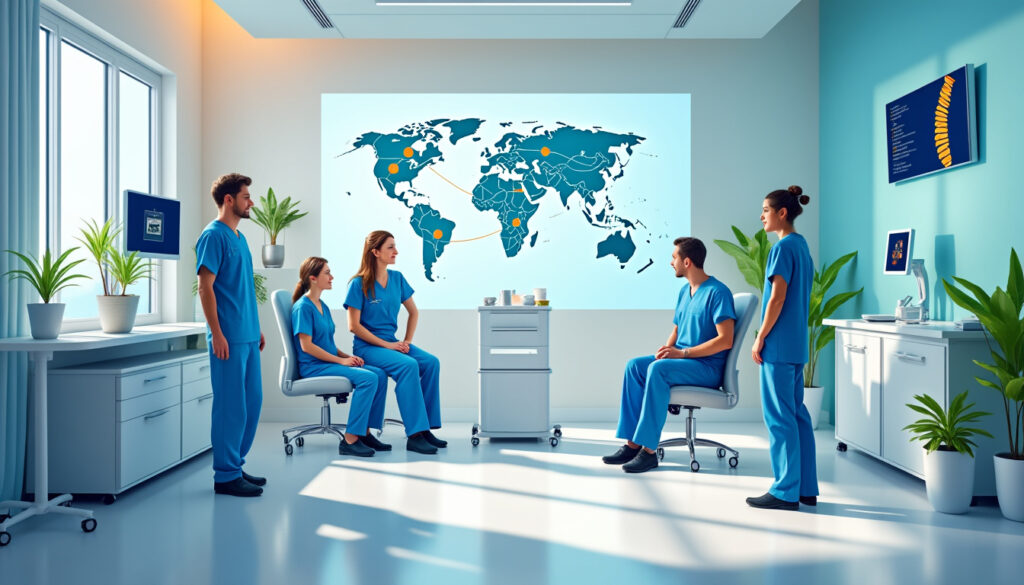
TOPS™ in Gatineau: Maintain Lumbar Biomechanics and Mobility
The landscape of spinal care continually evolves, shaped by innovations that prioritize patient well-being, functional recovery, and quality of life. In Gatineau, the recent adoption of the TOPS System (Total Posterior Spine System) marks a turning point in the treatment…
How Disc Prosthesis Surgery Improves Long-Term Back Pain Relief in Lévis
Long-term studies—including research highlighted on ResearchGate and recent clinical findings—demonstrate that artificial disc replacements provide sustained pain relief, improved spinal function, and high rates of return to work. Unlike fusion, which can lead to gradual degeneration in adjacent discs, disc prostheses maintain natural biomechanics and reduce the likelihood of further surgeries.
Patients often report significant improvements in daily activities, reduced medication reliance, and enhanced quality of life lasting well beyond initial recovery. Advanced implant materials and surgical precision continue to evolve, promising even greater durability and functional outcomes in coming years.
For Quebec patients, especially those from Lévis, accessing these advanced treatments through the expertly coordinated French partnership offers not only innovative surgical solutions but also comprehensive postoperative support, ultimately fostering long-term spinal health.
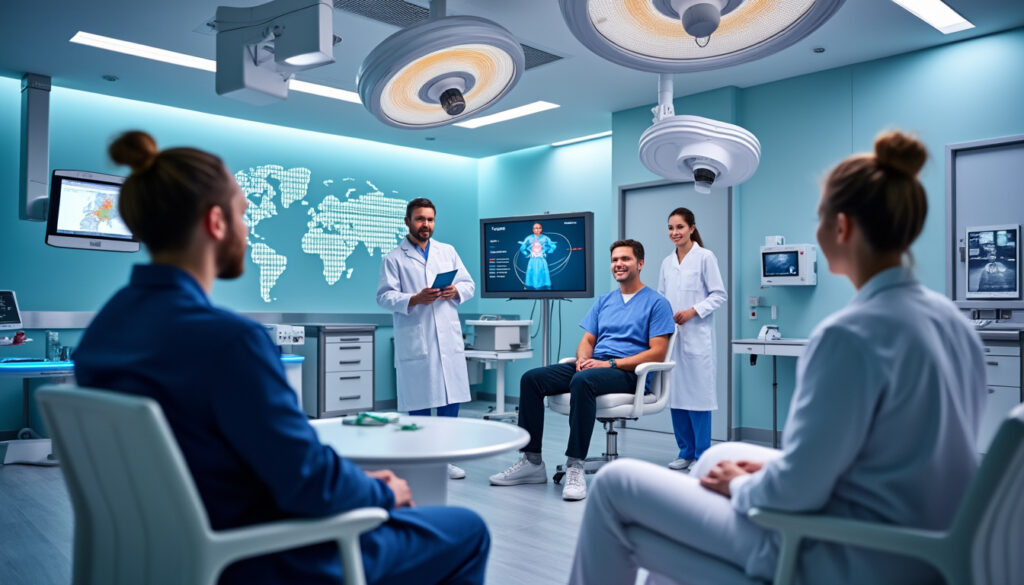
Cervical Disc Prosthesis in Quebec City: Restored and Long-Lasting Mobility
Chronic neck pain poses a significant challenge for many residents of Quebec City, intertwining with everyday activities and dramatically impacting quality of life. Traditionally, spinal surgeries such as cervical fusion have been the cornerstone for relieving nerve compression. While effective…
Patient Empowerment Through Clear and Compassionate Communication
Recognizing the complexity and emotional weight of decisions surrounding spinal surgery, Dr. Desforges emphasizes clear, jargon-free communication designed to demystify surgical procedures, implant mechanics, risks, and expected outcomes. This approach empowers patients to ask questions, express concerns, and become active participants in their care journey.
Information provided includes plain-language explanations of spinal biomechanics, the rationale behind motion-preserving implants, and the importance of thorough preoperative preparation. Patients are encouraged to involve family and support networks, creating a collaborative environment conducive to successful recovery.
By fostering trust and understanding, this compassionate communication reduces anxiety and builds therapeutic relationships that support adherence to rehabilitation and long-term spine health maintenance.
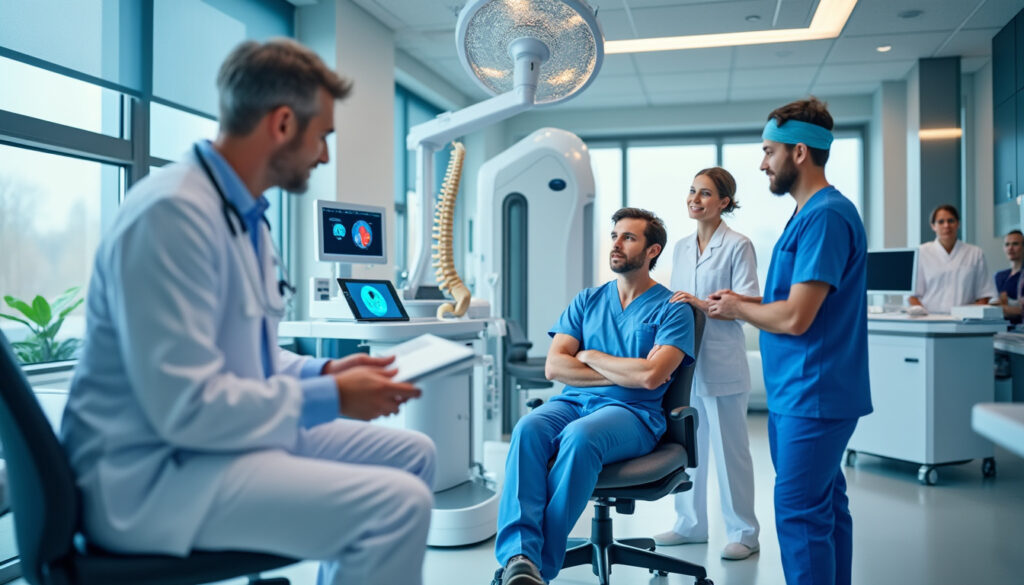
Minimally Invasive Surgery in Longueuil: Quick Recovery After Surgery
Minimally invasive surgery has revolutionized the field of spine treatment, particularly for patients in Longueuil seeking solutions that offer faster recovery, reduced pain, and minimal disruption to daily life. With advancements in surgical techniques such as laparoscopy and robotic-assisted procedures,…
Essential Checklist for Patients Considering Disc Prosthesis Surgery
- Complete 3 to 6 months of evidence-based conservative treatments including neurovertebral decompression.
- Obtain expert biomechanical evaluation by Dr. Sylvain Desforges ensuring personalized recommendations.
- Engage in clear, ongoing communication with care teams across Quebec and France.
- Understand the biomechanical benefits and risks of motion-preserving disc prosthesis versus fusion.
- Plan for coordinated postoperative rehabilitation emphasizing multidisciplinary support at Clinique TAGMED.
- Stay informed about minimally invasive surgical advances and implant technologies.
- Ensure thorough logistic planning for the transatlantic surgical journey via SOS Tourisme Médical.
- Remain proactive in recovery through prescribed therapies and regular telemedicine follow-ups.
Frequently Asked Questions
What makes disc prosthesis a better alternative to spinal fusion?
Disc prosthesis preserves natural spinal motion, reduces strain on adjacent segments, and typically results in quicker recovery and less postoperative discomfort compared to spinal fusion, which immobilizes vertebral segments permanently.
How long should conservative treatments be tried before considering surgery?
A minimum of three to six months of conservative care, including neurovertebral decompression and physiotherapy, is recommended to manage symptoms and potentially avoid surgery.
Can I receive postoperative rehabilitation in Quebec after surgery in France?
Yes, post-surgical care and rehabilitation are coordinated with Clinique TAGMED in Quebec, offering multidisciplinary therapies and telemedicine support for optimal recovery.
Are minimally invasive techniques the standard approach for disc prosthesis in France?
Indeed, leading French centers commonly utilize minimally invasive and robotic-assisted techniques, which reduce tissue trauma, shorten hospitalization, and promote quicker patient recovery.
How does international coordination improve my spine surgery experience?
International collaboration accelerates access to advanced implants and surgical expertise, streamlines treatment timelines, ensures seamless care transitions, and supports comprehensive patient education throughout the journey.
For personalized evaluation and to explore how advanced disc prosthesis surgery may help you achieve back pain relief, visit this page to connect with dedicated experts and start your tailored care pathway today.