Comprendre la douleur sciatique : Symptômes et quand consulter
August 2, 2026
Vaudreuil-Dorion Neck Disc Recovery After Injury
August 2, 2026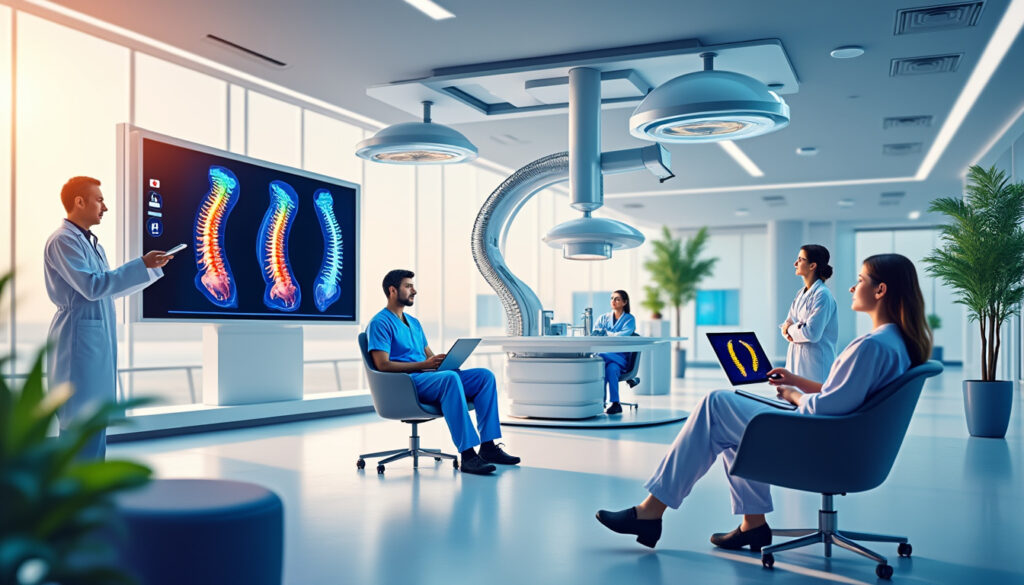
In Trois-Rivières, the quest for effective spine surgery solutions has entered a new era marked by remarkable innovation and transatlantic collaboration. For patients burdened by persistent back pain and degenerative spinal conditions, access to cutting-edge techniques such as motion surgery offers hope beyond traditional options. These new procedures not only aim to alleviate pain but also preserve the natural mobility of the spine — a crucial factor for patients wishing to maintain an active lifestyle.
Faced with long wait times and high costs for private care in Quebec, many individuals are now turning toward a carefully coordinated patient pathway that bridges expertise and resources between Canada and France. At the heart of this process is Dr. Sylvain Desforges, a recognized expert with over 30 years of experience in spine health evaluation and care coordination. His leadership ensures an approach grounded in scientific rigor, ethical clarity, and patient-centered innovation.
This journey integrates advanced conservative treatments, notably neurovertebral decompression therapies, before considering surgery. When surgery is unavoidable, several techniques are available, ranging from targeted simple procedures to dynamic motion-preserving implants. International collaboration enables access to technologies unavailable locally, while ensuring regulatory compliance and personalized patient management.
Understanding Spine Surgery Options in Trois-Rivières: From Simple Procedures to Motion Surgery Innovation
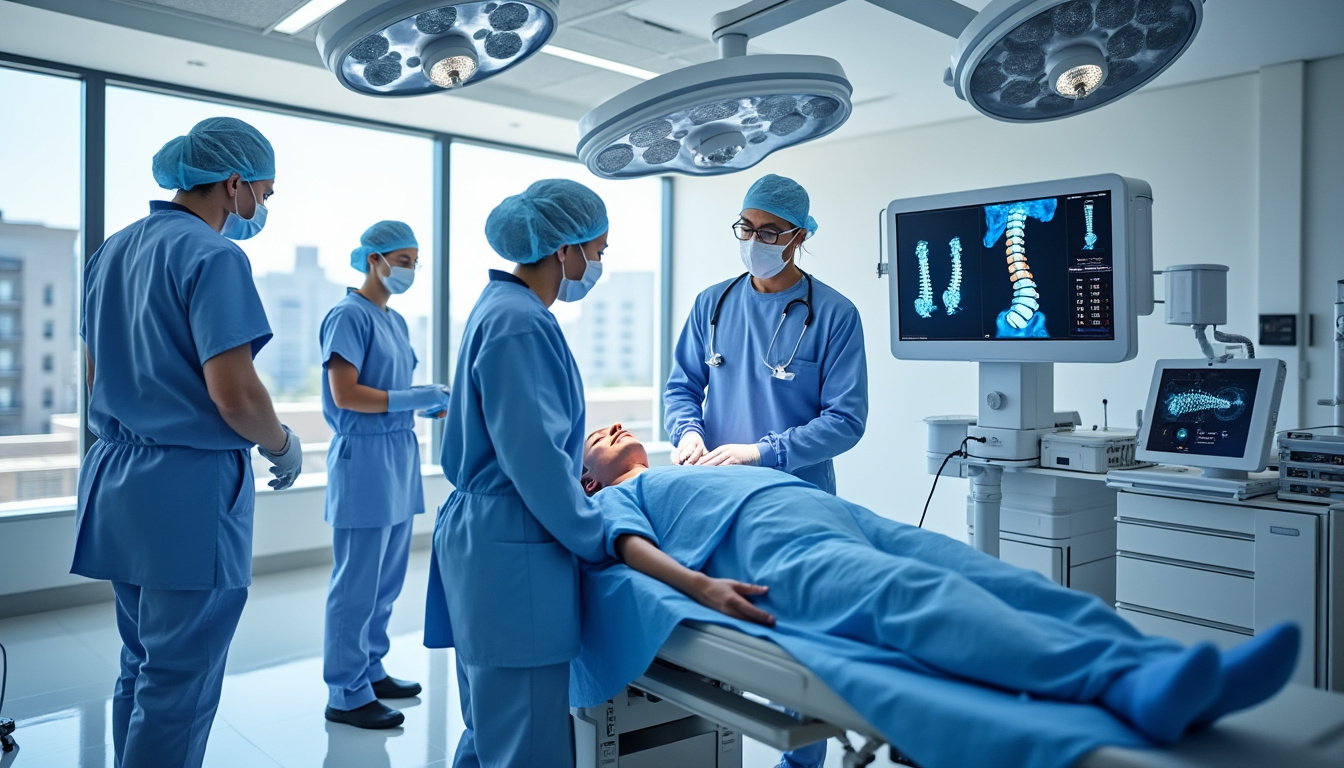
Patients confronting spinal disorders in Trois-Rivières often ask what surgical options are available and how they differ in terms of outcomes and recovery. The recent establishment of a transatlantic care pathway offers a broad spectrum of surgical techniques performed in state-of-the-art French centers. These include:
- Simple Surgery: Primarily indicated for disc herniations causing nerve compression, this minimally invasive procedure involves removing the affected portion of the disc to relieve pain. Performed usually in an outpatient setting, it offers rapid symptom relief with minimal disruption to spinal stability.
- Spinal Fusion: Reserved for more severe cases involving instability or deformity such as scoliosis, fusion surgery mechanically joins vertebrae to restore stability. While effective in reducing pain, it results in a loss of segmental spinal mobility and increases the mechanical burden on adjacent vertebral segments, sometimes leading to progressive degeneration.
- Motion Surgery with Dynamic Implants: This cutting-edge approach addresses the pitfalls of fusion by stabilizing the affected segments while conserving natural spinal movement. Implants like TOPS and IntraSPINE absorb mechanical stress and maintain flexibility, reducing the risks of adjacent segment disease and promoting faster rehabilitation.
The choice of surgery is personalized following a comprehensive assessment led by Dr. Desforges at the Clinique TAGMED. This includes reviewing prior conservative treatment efforts to determine suitability and timing. Ensuring patients have first undergone at least 3 to 6 months of advanced conservative therapies, especially neurovertebral decompression, aligns with best practices and ethical standards.
This tailored approach not only improves surgical outcomes but also supports patients in making informed, confident decisions about their spine health. Understanding the distinctions between these surgical categories empowers patients to engage actively in their care journey and evaluate options with clear expectations.
Explore personalized motion surgery procedures available for Trois-Rivières patients
Such access to specialized techniques in France, facilitated by a transatlantic framework, represents a leap forward for Quebecers seeking innovative solutions that preserve their quality of life.

IntraSPINE® in Sherbrooke: Durable Solution for Chronic Low Back Pain
The management of chronic low back pain, a widespread condition affecting millions across Quebec and beyond, has reached a pivotal moment thanks to innovative medical technologies and coordinated care pathways. At the heart of this evolution lies the IntraSPINE implant,…
Detailed Patient Journey: From Local Evaluation to Post-Surgical Rehabilitation
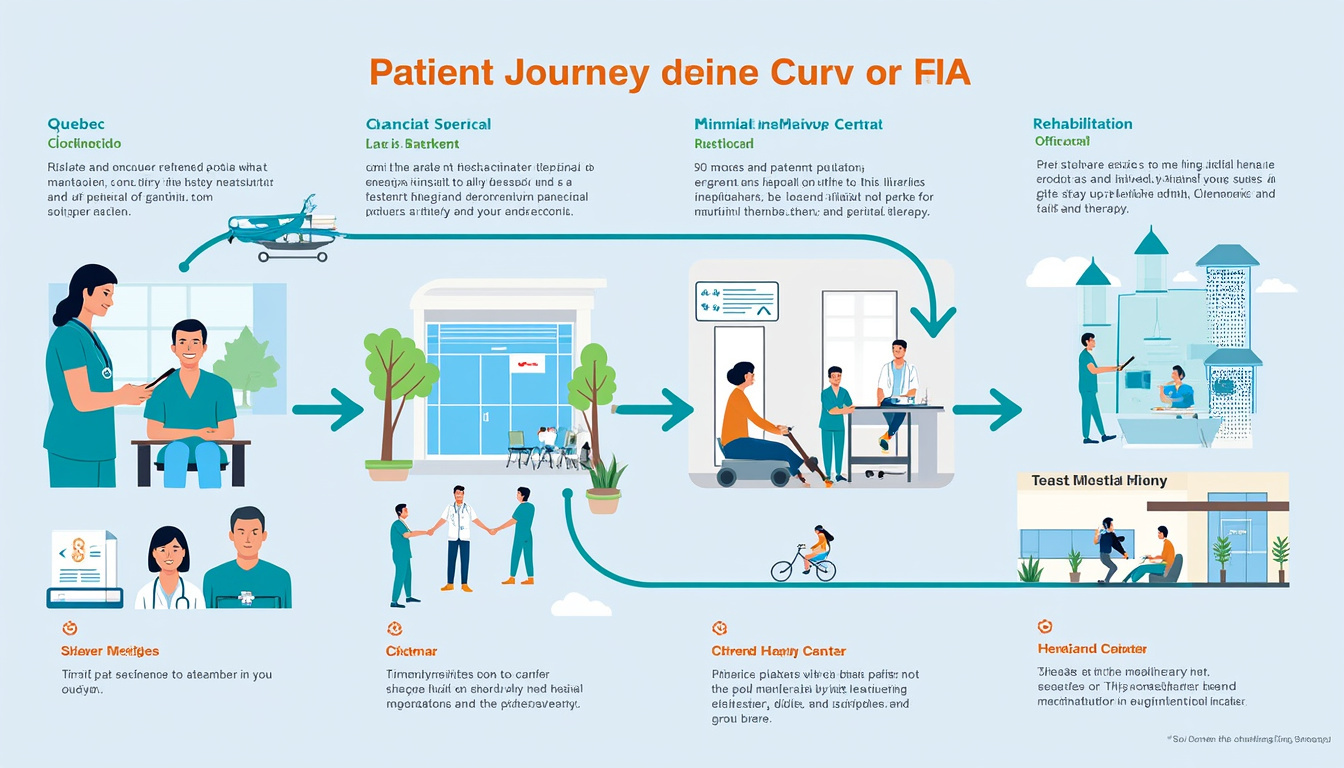
The spine surgery pathway designed for residents of Trois-Rivières emphasizes a well-structured, transparent process that spans two continents to optimize timing and outcomes. The journey begins with a meticulous evaluation by Dr. Sylvain Desforges at TAGMED clinics in Quebec. Leveraging his extensive credentials (B.Sc., D.O., N.D.) and deep expertise, Dr. Desforges reviews clinical data, performs functional assessments, and supervises advanced conservative therapies such as robotic neurovertebral decompression.
This preliminary phase of 3 to 6 months is critical. It ensures that surgery is reserved for cases resistant to non-invasive measures, improving safety and long-term results by promoting spinal health before any surgical intervention. Patients benefit from clear, jargon-free explanations at each step, helping them understand treatment rationale, limitations, and expectations.
Once surgery is deemed appropriate, the international care coordination company Franchir facilitates the selection of an appropriate surgical center and surgeon in France. This partner manages the complex logistics including travel arrangements, accommodation, and liaising between teams on both sides of the Atlantic, minimizing patient stress and optimizing scheduling.
Hospital stays for motion surgery typically last 2 to 3 days, followed by a swift rehabilitation plan supported by French specialists during the initial recovery. Upon returning to Quebec, Neurothérapie Montréal undertakes ongoing post-operative follow-up, delivering customized rehabilitation and pain management to ensure continuity of care and progressive functional recovery.
This transatlantic model not only shortens waiting times—often down to 4-6 weeks compared to potentially months locally—but also guarantees compliance with Canadian healthcare standards, providing reassurance regarding safety and ethics. The seamless integration of pre- and post-operative phases under expert supervision enhances patient confidence and outcomes.
Spine Surgery in Trois-Rivières: Reduce Pain and Preserve Mobility
In recent years, spine surgery in Trois-Rivières has evolved notably, combining advanced medical expertise with innovative technologies to deliver patient-centered care. This growing field addresses the increasing demand among Quebec residents seeking effective solutions for chronic back pain and mobility…
Biomechanical Advantages of Motion Surgery Versus Traditional Fusion
One of the most compelling reasons to consider motion surgery lies in its capacity to preserve the spine’s natural biomechanics. Unlike spinal fusion, which rigidly immobilizes segments, motion surgery implants are designed to maintain physiological flexibility.
Dynamic devices like TOPS and IntraSPINE compensate for degenerative instability by allowing controlled movement, absorbing mechanical shocks and reducing compensatory stress on neighboring vertebrae. This biomechanical sophistication translates clinically to several benefits:
- Lower risk of adjacent segment degeneration: By maintaining motion, stress accumulation on vertebral levels above and below the surgery site is minimized, reducing the likelihood of subsequent degeneration and surgeries.
- Improved functional outcomes: Patients often regain a greater range of motion post-surgery, facilitating easier return to work, hobbies, and sports activities.
- Reduced chronic pain: Motion-preserving implants lower irritation to muscles and nerves, contributing to long-term comfort.
For example, patients who received the TOPS implant through this program have reported enduring pain relief and maintained active lifestyles months to years after surgery. This contrasts with many cases of fusion where substantial mobility loss can diminish overall quality of life.
From an orthopedic and neurosurgical perspective, the nuanced choice between fusion and motion surgery must integrate patient age, activity level, and specific pathology. Dr. Desforges’s evaluations rigorously incorporate these biomechanical considerations alongside a patient’s personal goals.
These technological advances represent a transformative shift in spine surgery, exemplifying how innovation can align healing with preservation. For patients in Trois-Rivières, access to these superior options through international cooperation elevates care standards substantially.
Learn more about the biomechanical benefits of motion surgery implants like TOPS and IntraSPINE

TOPS™ in Gatineau: High-Performance Option for the Lumbar Spine
The landscape of spinal surgery has witnessed profound evolution, particularly for patients grappling with lumbar spine disorders such as spinal stenosis and spondylolisthesis. These conditions, increasingly prevalent among Quebec’s population, impose substantial limitations on mobility and quality of life. The…
Essential Role of Advanced Conservative Care Before Considering Surgery
Before embarking upon any surgical intervention, it is essential that patients have exhausted adequate conservative treatment avenues. This foundational principle is at the core of Dr. Desforges’s approach and the philosophy adopted at Clinique TAGMED.
Spine disorders often respond favourably to non-invasive treatments including physical therapy, osteopathy, and especially advanced neurovertebral decompression techniques facilitated by robotic assistance. Such technology gently relieves nerve compression, enhancing symptom control while avoiding surgical risks.
Completing at least 3 to 6 months of these individualized conservative therapies not only reduces unnecessary surgeries but also primes the spine and nervous system for any subsequent procedures if needed.
The clinical evidence underpinning this approach is robust, confirming that many patients achieve significant pain reduction and functional improvement without surgery. For those who ultimately require surgery, this preparatory phase contributes to safer interventions and better postoperative trajectories.
The expertise of Dr. Desforges and the TAGMED team ensures that every patient receives a treatment plan grounded in scientific rigor and ethical care, adhering strictly to Quebec and Canadian healthcare regulations. This commitment safeguards patient safety and reinforces trust throughout the decision-making process.
Cervical Disc Prosthesis in Quebec City: Avoid Post-Surgery Stiffness
Chronic neck pain remains a significant challenge for thousands of residents in Quebec City every year, often leading them to seek effective spinal surgery options that minimize downtime and maximize long-term mobility. Among the recent advancements revolutionizing cervical spine care,…
Streamlined Coordination Across Borders: Ensuring Seamless International Patient Care
The success of spine surgery through international collaboration hinges on flawless coordination and communication among multiple stakeholders. Dr. Sylvain Desforges is uniquely positioned as a pioneer overseeing the evaluation and conservative phases, ensuring adherence to highest ethical and scientific standards.
The company Franchir orchestrates the surgical phase in France, managing everything from surgeon selection to logistics like travel and housing arrangements. This meticulous coordination alleviates patient anxiety related to overseas medical travel and guarantees a smooth experience.
Upon returning to Quebec, specialized rehabilitation and pain management services are provided by Neurothérapie Montréal, which offers personalized protocols facilitating a comprehensive recovery and reintegration. Their role is pivotal in sustaining the surgical gains and optimizing long-term outcomes.
Throughout this continuum, communication remains transparent, and patient education is prioritized. Access to platforms like SOS Tourism Médical enhances understanding and supports administrative processes, empowering patients to participate actively in their care.
This international care model exemplifies a holistic and humane approach to complex spinal conditions, preserving patient dignity and maximizing the chance of success.
Discover the importance of post-operative monitoring in achieving successful spine surgery outcomes
Minimally Invasive Surgery in Longueuil: Reduce Hospital Stay Duration
In recent years, advances in spinal care have dramatically reshaped the treatment landscape for patients suffering from debilitating spinal conditions. Particularly in Longueuil, the emergence of minimally invasive surgery (MIS) techniques offers a transformative alternative to conventional open surgeries. These…
Comparative Overview of Spine Surgery Techniques Offered via the Transatlantic Pathway
| Technique | Main Indications | Hospital Stay Duration | Key Advantages |
|---|---|---|---|
| Simple Surgery | Severe disc herniation causing nerve compression | Outpatient / 1 day | Targeted relief, minimal disruption, rapid recovery |
| Spinal Fusion | Severe spinal instability or scoliosis | 3 to 5 days | Long-term mechanical stability |
| Motion Surgery (Dynamic Implants) | Spinal conditions requiring stabilization without motion loss | 2 to 3 days | Preserves movement, reduces adjacent segment stress and pain |
IntraSPINE® in Laval: Modern Solution for Lumbar Stabilization
In the evolving landscape of orthopedic treatments, the city of Laval has become a hub for innovations addressing chronic lower back pain. Among the groundbreaking solutions gaining attention is the IntraSPINE device—a modern spinal implant designed to offer dynamic lumbar…
Patient Empowerment: Patient-Centered Care and Education in Spine Surgery Decisions
Throughout the journey, a cornerstone is the clear, compassionate communication fostered by Dr. Desforges and his multidisciplinary team. Complex concepts related to spine biomechanics, surgical options, potential risks, and rehabilitation are presented in accessible language to facilitate patient understanding.
Patients are encouraged to ask questions, voice concerns, and consider the implications of each treatment option relative to their unique lifestyle and expectations. This dialogue builds trust and promotes autonomy, a vital element in the success of any intervention.
The objective is not to promise immediate cures but to support realistic, personalized plans that prioritize safety, efficacy, and quality of life. Such empathetic care fosters confidence and reduces anxiety, ultimately contributing to more favorable outcomes.
This engagement also extends to educating patients about the entire transatlantic pathway, including logistical aspects, expected timelines, and follow-up commitments. By demystifying the process, individuals feel more at ease navigating international healthcare systems.
Experience the benefits of personalized and patient-centered spine surgery interventions
Neck Surgery in Montreal: Maintain Cervical Flexibility and Function
Neck conditions causing persistent pain or functional loss place a substantial burden on individuals and healthcare systems, especially in urban centers like Montreal. Surgical interventions targeting the cervical spine have evolved tremendously, aiming not only to relieve symptoms but to…
Long-Term Quality of Life Preservation After Spine Surgery: Lessons from Motion Techniques
Beyond immediate surgical success, preserving long-term spinal health and function remains paramount. Motion surgery techniques have shown promising results in improving patients’ post-operative quality of life by maintaining segmental mobility and reducing the risk of complications common with traditional fusion.
Clinical follow-ups reveal sustained pain relief, improved range of motion, and fewer instances of adjacent segment degeneration, which traditionally necessitate revision surgeries. For active adults and younger patients, this represents a transformative advancement that aligns with their ambitions to remain physically vibrant.
Ongoing research and patient testimonials emphasize the importance of choosing surgeries that balance symptom relief with biomechanical integrity. Dr. Desforges’s expertise ensures that these considerations are integrated into every treatment plan, reflecting a dedication to holistic, evidence-based care.
Patients from Trois-Rivières benefiting from access to these innovations through collaborative programs have reported higher satisfaction and greater functional independence months and years post-surgery — outcomes that reinforce the value of this transatlantic model.
Discover insights on maintaining long-term quality of life after spine surgery in Trois-Rivières
Patient education about ongoing rehabilitation and lifestyle adjustments post-surgery is a vital ingredient to achieving these durable benefits, underscoring the comprehensive nature of this care approach.

Disc Prosthesis in Lévis: Quick and Long-Lasting Results
Chronic back pain caused by degenerative disc disease continues to profoundly impact the quality of life for many residents in Lévis and the broader Quebec area. For decades, traditional spinal fusion surgery has been the primary solution for alleviating severe…
Frequently Asked Questions About Spine Surgery Innovations and the Transatlantic Pathway
What are the main types of spine surgery available for Trois-Rivières patients?
Patients primarily have access to simple decompressive surgery, spinal fusion, and motion surgery involving dynamic implants—all tailored based on their specific condition and functional needs.
Why is a phase of conservative treatment necessary before considering surgery?
Conservative treatments help reduce pain and improve function without surgery. If surgery is needed, this phase primes the patient for safer and more effective interventions.
How does motion surgery differ from traditional spinal fusion?
Motion surgery implants stabilize the spine while preserving its natural flexibility, reducing the risk of adjacent segment degeneration and promoting faster recovery compared to fusion that immobilizes spinal segments.
How is post-operative care managed after international spine surgery?
Post-surgical rehabilitation and pain management are coordinated locally by Neurothérapie Montréal to ensure continuity of care and optimize functional recovery.
What should patients expect regarding waiting times for surgery through this transatlantic pathway?
The collaboration with French centers via Franchir significantly reduces waiting periods to approximately 4 to 6 weeks, offering a substantial improvement over local Quebec wait times.