How Mirabel Patients Avoid Surgery with Spinal Decompression
October 26, 2025
Cervical Disc Herniation Recovery Stories from Candiac
October 26, 2025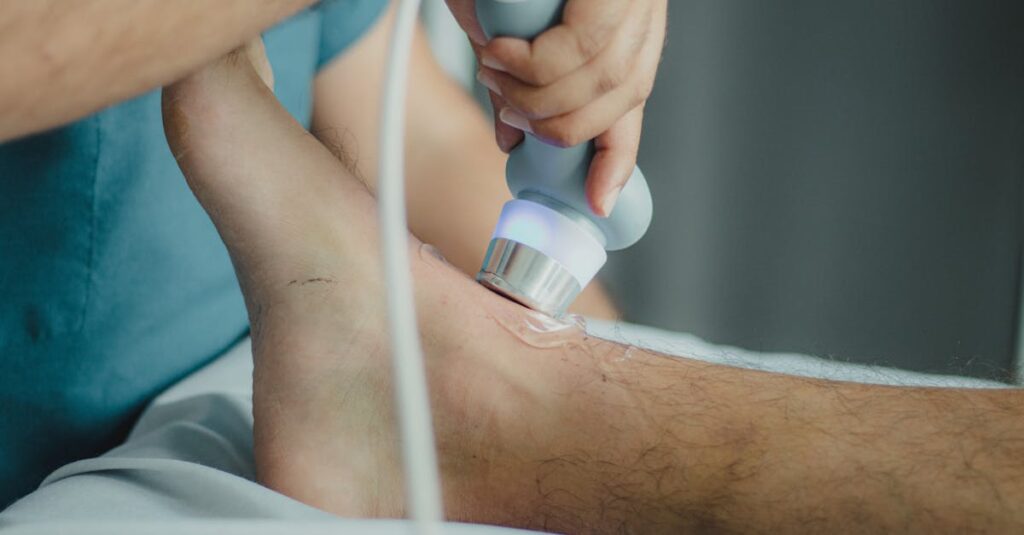
Chronic back pain and reduced mobility often challenge those suffering from lumbar herniated discs, a condition prevalent in La Prairie and beyond. While surgery is traditionally viewed as the definitive route to relief, the medical landscape is rapidly evolving, showcasing a spectrum of effective non-invasive treatments. These conservative approaches not only minimize risks and downtime but also empower patients to regain their quality of life through innovative therapies and personalized care. In this evolving context, Dr. Sylvain Desforges brings over 30 years of dedicated expertise, offering La Prairie residents access to advanced, evidence-based spinal care that emphasizes healing without surgery.
With spinal disorders like herniated discs becoming increasingly recognized, patients seek relief options that offer both efficacy and safety. The rise of technologies such as neurovertebral decompression, laser therapy, and dynamic spinal implants, combined with comprehensive rehabilitative strategies, opens new doors to managing pain and improving function. These modalities focus on restoring spinal health through gentle, targeted interventions rather than invasive procedures. This shift reflects both progress in medical science and a deepening commitment to patient-centered care, spearheaded by leaders like Dr. Desforges who prioritize scientific rigor and accessible education for individuals navigating their spine health journey.
Non-Surgical Solutions for Lumbar Herniated Discs: Empowering La Prairie Patients with Personalized Care
Lumbar herniated discs, characterized by a displacement of the disc’s gel-like center pressing against nerve roots, often cause debilitating pain, numbness, and mobility issues. Yet, the majority of these cases respond well to comprehensive non-surgical treatments. Dr. Sylvain Desforges, leveraging his extensive training (B.Sc., D.O., N.D.) and over three decades of clinical experience, emphasizes a personalized evaluation process. This approach ensures each patient receives a customized care plan that addresses the unique complexities of their condition.
Key non-surgical treatment components include:
- Targeted Physical Therapy: Customized exercises strengthen supporting musculature and improve spinal mechanics, enhancing stability and reducing nerve pressure.
- Spinal Decompression: Using advanced equipment to gently stretch the spine, this therapy creates negative pressure within discs, encouraging retraction of herniated material and promoting healing.
- Medication Management: Controlled use of anti-inflammatory drugs and pain relievers supports symptom alleviation, facilitating active rehabilitation.
- Regenerative Medicine: Techniques such as PRP (Platelet-Rich Plasma) stimulate the body’s intrinsic repair mechanisms, accelerating tissue healing without surgery.
- Laser Therapy: Non-invasive low-level laser treatment reduces inflammation and stimulates cellular regeneration, effectively addressing pain and promoting recovery.
These modalities are integrated within a multidisciplinary framework at the BackRelief Clinic and RestoreSpine Therapy, two exemplary centers committed to innovation and patient-centered outcomes. Dr. Desforges meticulously oversees patient progress, adjusting treatments to optimize results while maintaining compliance with Quebec and Canadian medical guidelines.
| Treatment | Description | Benefits | Typical Duration |
|---|---|---|---|
| Physical Therapy | Custom exercise programs targeting spinal stabilization and nerve decompression. | Improved mobility, muscle strength, reduced pain. | 4-12 weeks |
| Non-Surgical Spinal Decompression | Gentle spinal stretching to reduce disc pressure and promote healing. | Pain relief, improved disc hydration, enhanced nutrient flow. | 6-8 weeks |
| PRP Therapy | Injection of concentrated platelets to stimulate tissue regeneration. | Accelerated healing, reduced inflammation. | Variable, often several sessions over weeks |
| Laser Therapy | Low-level laser treatment to reduce inflammation and enhance cellular function. | Pain reduction, faster recovery, non-invasive. | Several sessions over 2-4 weeks |

Boucherville Lumbar Disc Recovery Without Hospitalization
In the serene city of Boucherville, a transformative approach to treating lumbar disc conditions is reshaping patient experiences and redefining spinal care standards. This method focuses on delivering effective lumbar disc recovery without the need for hospitalization, combining modern technology,…
Understanding the Science Behind Lumbar Herniated Disc Relief Without Surgery
Non-surgical lumbar herniated disc treatment rests on a profound understanding of spinal anatomy and pathology. Dr. Sylvain Desforges, a pioneer in spinal care, explains that herniated discs compromise nerve function by exerting abnormal pressure on nerve roots, leading to symptoms such as sciatica and localized pain. By addressing these mechanical imbalances conservatively, patients can often avoid the risks inherent in invasive surgery.
Modern conservative treatments capitalize on biological and mechanical principles:
- Negative Pressure Induction: Spinal decompression introduces gentle traction, reducing intradiscal pressure. This can reposition herniated tissue, mitigate nerve irritation, and encourage disc rehydration.
- Muscle Strengthening: Targeted physical therapy enhances core and paraspinal muscle support, reducing spinal instability and stress on discs.
- Inflammation Control: Laser therapy and medications decrease inflammatory mediators that exacerbate pain and swelling around nerve roots.
- Tissue Regeneration: PRP therapy leverages growth factors to catalyze cellular repair, a breakthrough highlighted in emerging research such as the study summarized on PMC.
This scientific grounding explains why non-surgical treatments can be remarkably effective for many patients, particularly those without severe neurological deficits or spine instability. Clinicians at centers like the NonSurgical Relief Center harness these biological effects to help patients restore function and quality of life gradually but sustainably.
| Mechanism | Therapeutic Approach | Impact on Herniated Disc |
|---|---|---|
| Reducing Disc Pressure | Spinal decompression | Retracts herniated material, improves nutrient flow |
| Enhancing Muscular Support | Targeted exercise | Provides spinal stability, reduces nerve tension |
| Controlling Inflammation | Laser therapy, NSAIDs | Decreases swelling and nerve irritation |
| Stimulating Healing | PRP therapy | Promotes tissue regeneration and repair |
Example Case Study: Avoiding Surgery through Comprehensive Evaluation and Care
One patient from the LumbarCare Experts program presented with moderate lumbar disc herniation causing sciatica. Following a thorough evaluation by Dr. Desforges, a regimen of spinal decompression, laser therapy, and physical therapy was prescribed. Over 10 weeks, the patient experienced complete symptom resolution without surgery, showcasing the potential of evidence-driven conservative care.
Blainville Sciatica Relief in Professional Athletes
Sciatica pain is a significant challenge for many, particularly professional athletes in Blainville who rely on peak physical condition to perform. Chronic sciatic nerve discomfort can sideline even the most dedicated sports professionals, impacting their athletic performance, injury recovery, and…
Physical Therapy Innovations That Revolutionize Non-Invasive Disc Care
Physical therapy remains a cornerstone in the non-surgical management of lumbar herniated discs, but recent innovations enhance its effectiveness dramatically. Under the guidance of experts like Dr. Desforges, therapy blends advanced biomechanical assessments with personalized exercise regimens tailored to the individual’s anatomy and symptoms.
Key innovative approaches include:
- Mckenzie Method: Specific extension exercises designed to centralize disc material and reduce nerve root pressure.
- Core Stabilization Training: Strengthening the abdominals, gluteals, and paraspinal muscles to support the lumbar spine and promote balanced mechanics.
- Dynamic Movement Therapy: Focused on restoring range of motion while minimizing nerve irritation, including gentle aquatic therapy sessions at specialized facilities like the InjuryFree Spinal Center.
- Postural Re-education: Teaching patients to maintain spinal alignment during daily activities, reducing further injury risk.
These thoughtfully designed interventions aim not only to alleviate symptoms but also to empower patients with sustainable spinal health practices that last beyond clinical care.
| Therapy Type | Focus Area | Advantages |
|---|---|---|
| Mckenzie Extension Exercises | Repositioning disc material, nerve decompression | Rapid symptom relief, non-invasive |
| Core Strengthening | Spinal stability, muscle support | Better posture, reduced recurrence risk |
| Aquatic Therapy | Pain-free movement, muscle strengthening | Low-impact, suitable for all ages |
| Postural Training | Ergonomics and daily habits | Long-term protection, reduced disability |

Repentigny Neck Pain Solutions Without Surgery
In Repentigny and the greater Québec area, chronic neck pain has emerged as a pervasive challenge that profoundly disrupts daily life and well-being for many adults. Neck discomfort caused by cervical disc problems—ranging from mild irritation to severe herniation—can restrict…
Emerging Technologies in Non-Invasive Lumbar Disc Management
The integration of cutting-edge technology profoundly shapes the future of conservative lumbar disc care. Dr. Sylvain Desforges, an acknowledged leader and founder of TAGMED Clinics, advocates the use of innovative tools to optimize therapeutic outcomes while prioritizing patient safety and comfort.
Among the most promising advances are:
- Neurovertebral Spinal Decompression Systems: Devices such as DRX9000 and Accu-Spina deliver highly precise decompression therapy that fosters disc repair without discomfort or downtime.
- Low-Level Laser Therapy (LLLT): Fully non-invasive and FDA-cleared, laser modalities accelerate healing by modulating inflammation and encouraging cellular regeneration.
- Dynamic Spinal Implants: Though primarily surgical, minimally invasive dynamic implants developed abroad provide inspiration for integrative care models that may reduce the necessity for open surgery in the future.
- Telemedicine and Remote Monitoring: Facilitating transatlantic patient management between Canada and France, Dr. Desforges uses digital platforms to collaborate with specialist surgeons and adjust treatments promptly.
This fusion of technology and expertise creates a comprehensive treatment ecosystem that empowers patients to experience pain relief, functional restoration, and confidence in conservative care.
| Technology | Description | Patient Benefits |
|---|---|---|
| DRX9000 Spinal Decompression | Precision spinal traction system for non-invasive disc therapy. | Effective disc retraction, minimized pain. |
| Low-Level Laser Therapy | Light-based treatment to reduce inflammation and promote tissue repair. | Non-invasive, speeds recovery. |
| Dynamic Spinal Implants | Minimally invasive devices enhancing spinal stability. | Potential alternative to open surgery. |
| Telemedicine Coordination | Remote patient monitoring and specialist consultation. | Optimized care pathways, responsive treatment adjustments. |

Brossard Chronic Back Pain Managed with TAGMED Protocol
Residents of Brossard facing chronic back pain are increasingly turning to innovative treatments that offer hope beyond traditional therapies. The TAGMED Protocol, developed and implemented by renowned expert Dr. Sylvain Desforges, represents a breakthrough in non-surgical spinal therapy. This comprehensive…
Medications and Minimally Invasive Interventions Supporting Non-Surgical Back Care
While conservative therapy is foundational, strategic use of medications and injections enhances symptom control and promotes active recovery. Dr. Sylvain Desforges emphasizes balancing efficacy with safety, aligning treatments strictly with medical ethics and regional regulations.
Core pharmacological and minimally invasive options include:
- NSAIDs and Muscle Relaxants: To reduce inflammation and muscle spasms, enabling patients to engage fully in physical therapy.
- Epidural Steroid Injections: Targeted delivery of corticosteroids to reduce severe nerve root inflammation when necessary.
- Regenerative Medicine Injections: Platelet-Rich Plasma and stem cell therapies, which accelerate healing through biologically active components derived from the patient’s own body.
These supportive treatments are integrated judiciously within the comprehensive care plans designed by Dr. Desforges at locations such as the Herniated Help Hub. Patient safety and ongoing evaluation remain paramount, ensuring that interventions provide maximum benefit without unnecessary risk.
| Intervention | Purpose | Typical Usage |
|---|---|---|
| NSAIDs | Reduce inflammation and pain | Short-term, as needed during flare-ups |
| Muscle Relaxants | Ease muscle spasms | Short-term adjunct to therapy |
| Epidural Steroid Injections | Target nerve root inflammation | Occasional use for severe symptoms |
| PRP and Stem Cell Injections | Stimulate tissue repair and regeneration | Repeated sessions depending on condition |
Terrebonne Neck Herniation Care for Older Adults
In Terrebonne, the increasing prevalence of neck herniation among older adults presents significant challenges to maintaining quality of life and independence. This condition, primarily involving the deterioration or displacement of cervical discs, often leads to debilitating pain and restricted mobility.…
Holistic Lifestyle Adjustments to Prevent Recurrence and Support Spinal Health
Treatment for lumbar herniated discs is most successful when complemented by proactive lifestyle changes. Dr. Desforges advocates for patient education focusing on spine-friendly habits that reduce recurrence risk and bolster long-term wellness.
Fundamental lifestyle strategies include:
- Optimal Posture Practices: Maintaining neutral spine alignment while sitting, standing, and sleeping to reduce mechanical strain.
- Weight Management: Lowering excess body weight diminishes stress on spinal discs, alleviating pressure and pain.
- Regular Low-Impact Exercise: Activities such as walking, swimming, and yoga enhance muscular support and maintain spinal flexibility.
- Ergonomic Adjustments: Tailoring workstation and home environments to support the spine during daily activities.
These recommendations align with educational initiatives at the GentlePath Spine Relief program, where patient empowerment through knowledge is key to sustained health improvements.
| Lifestyle Adjustment | Benefit | Implementation Tips |
|---|---|---|
| Maintain Neutral Posture | Prevents excessive disc pressure | Use lumbar supports and mindful alignment |
| Weight Management | Reduces spine load | Balanced diet and regular physical activity |
| Low-Impact Exercise | Strengthens muscles, flexibility | Swimming, walking, yoga sessions weekly |
| Ergonomic Adaptations | Enhances comfort, prevents injury | Adjust chair height, monitor position, mattress |
Laval Sciatica Recovery After Failed Injections
Living with sciatica can be a debilitating experience, especially when common treatments like injections fail to bring the relief patients hope for. In Laval and across Québec, many individuals suffering from this nerve pain find themselves at a crossroads after…
Coordinated Transatlantic Care and the Patient Journey: From La Prairie to France
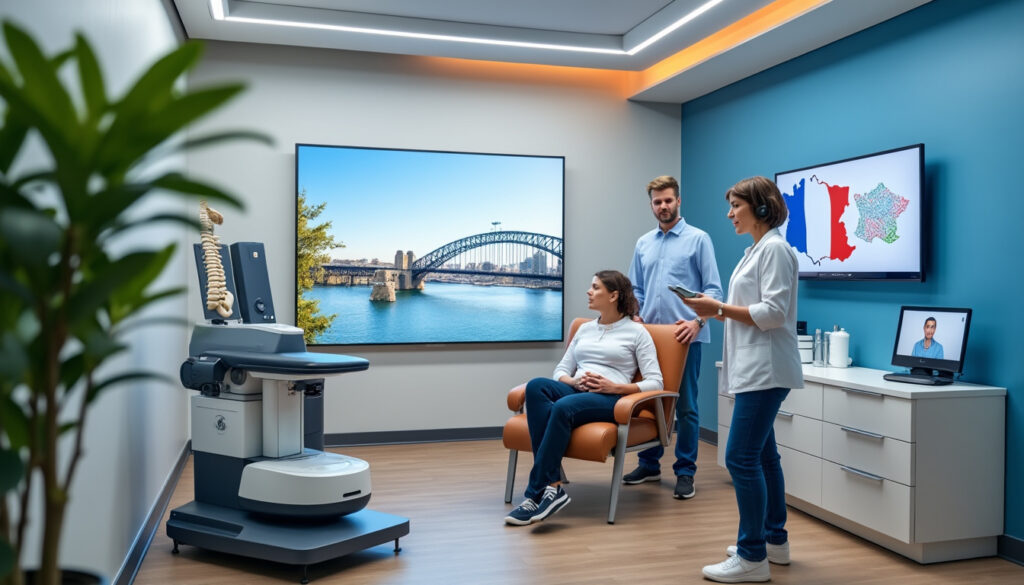
In an era of globalized healthcare, Dr. Sylvain Desforges stands out for his pioneering efforts in managing patient care across continents. His role extends beyond evaluation and treatment, offering La Prairie patients access to seamless transatlantic coordination with leading French spine surgeons and specialized clinics.
This collaboration enhances:
- Timely Access to Advanced Surgical Options: For patients requiring surgical intervention, partnerships with premier French centers ensure expedited evaluations and quality care.
- Continuity in Pre- and Post-Operative Care: Patients benefit from comprehensive rehabilitation programs supervised by Dr. Desforges before and after surgery abroad.
- Personalized Multidisciplinary Support: Combining osteopathy, physical therapy, and cutting-edge technology, the patient journey is holistic and compassion-driven.
The integration of telemedicine platforms facilitates regular consultations, enabling real-time adaptation of treatment plans and reducing the logistical barriers often faced by international patients. This model exemplifies Dr. Desforges’ commitment to providing individualized, accessible, and ethical care worldwide, fostering confidence among patients navigating complex spine conditions.
| Care Component | Details | Patient Advantage |
|---|---|---|
| Remote Evaluation and Follow-up | Telemedicine consultations with Canadian and French experts | Reduced travel burden, continuous monitoring |
| Surgical Referral Network | Access to top spine surgeons in France | Expedited, quality surgical intervention when needed |
| Pre- & Post-Operative Rehabilitation | Integrated care coordinated by Dr. Desforges in Quebec | Improved recovery, reduced complications |
Montreal Chronic Neck Pain Solutions Without Invasive Care
Chronic neck pain affects countless individuals across Montreal and beyond, often leading to frustration due to persistent discomfort and limitations in daily activities. While invasive surgical options exist, many patients seek safer, more natural alternatives that focus on relief without…
Ensuring Patient Understanding and Engagement in Non-Surgical Back Care
Clear communication is vital to successful treatment outcomes. Dr. Sylvain Desforges excels in demystifying complex spinal conditions and treatment paths, ensuring patients in La Prairie and the wider Quebec area understand their care options fully.
His approach includes:
- Transparent Explanation of Conditions: Using accessible language to describe the nature and implications of lumbar disc herniation.
- Education on Treatment Benefits and Limitations: Clarifying expectations around various non-invasive therapies, empowering informed decisions.
- Encouragement of Active Patient Participation: Patients receive the tools and knowledge to engage proactively in their recovery.
- Empathetic Support Throughout the Care Journey: Recognizing each individual’s unique experience and providing motivational reassurance.
This methodology is reflected in the philosophy of the DiscComfort Solutions initiative, fostering trust and collaboration between practitioner and patient that is essential for healing without surgery.
| Communication Principle | Application | Impact on Patient Care |
|---|---|---|
| Simplifying Medical Concepts | Patient-friendly descriptions and analogies | Improved understanding, reduced anxiety |
| Open Discussion About Risks and Benefits | Clear presentation of treatment options | Informed consent, realistic expectations |
| Collaborative Goal Setting | Establishing achievable recovery milestones | Enhanced motivation, better adherence |
| Ongoing Emotional Support | Empathetic interactions and reassurance | Increased patient confidence and satisfaction |
Can non-surgical treatments fully heal a herniated disc?
While many lumbar herniated discs improve significantly with non-surgical treatments such as spinal decompression and physical therapy, complete healing depends on the severity of the herniation. Conservative care often provides substantial pain relief and functional restoration, delaying or avoiding surgery in most cases.
What lifestyle changes support recovery from lumbar disc herniation?
Maintaining good posture, engaging in regular low-impact exercise, managing weight, and ensuring ergonomic support at work and home are key lifestyle changes that promote healing and reduce recurrence of lumbar herniated discs.
How does spinal decompression therapy work?
Spinal decompression therapy gently stretches the spine, creating negative pressure within spinal discs. This process can retract herniated material, improve nutrient flow, and reduce nerve root irritation, leading to pain relief and enhanced mobility.
When should a patient consider surgery for a lumbar herniated disc?
Surgery may become necessary if non-surgical treatments fail to relieve severe pain, neurological deficits such as significant weakness, or if there is loss of bladder or bowel control. Early evaluation by experts like Dr. Desforges ensures all conservative options are explored first.
What innovative treatments are available for lumbar disc herniation?
Innovations include advanced neurovertebral decompression devices, low-level laser therapy, and regenerative medicine approaches such as platelet-rich plasma injections, all designed to enhance non-invasive care outcomes.
Candiac Lumbar Disc Care Without Steroid Injections
Back pain caused by lumbar disc issues is a widespread condition affecting adults globally, posing significant challenges in everyday activities and overall quality of life. In Candiac and the greater Québec region, the quest for effective spinal care solutions has…