
An international comparison: exploring medical logistics and accommodation
October 25, 2025
A Comprehensive Guide to the Transatlantic Patient Journey
October 25, 2025
In modern medicine, the dilemma of whether surgery is the best course of action hinges greatly on the thoroughness of preoperative assessment. This comprehensive evaluation serves as a crucial step in determining the necessity of surgery and may prevent unnecessary interventions. A broad spectrum of patients, from those with complex comorbidities to individuals with straightforward surgical indications, may benefit from such meticulous examination. It entails a deliberate review of medical history, functional status, risk stratification, and lifestyle factors, ensuring that every surgical recommendation weighs all alternatives, including non-surgical therapies.
Recent advancements at renowned institutions like Johns Hopkins Medicine and Mayo Clinic emphasize patient-centred assessment tailored to individual risk profiles. Implementing such protocols minimizes procedure-related risks while at times redefining patient management pathways altogether. The evolution in technologies by companies like GE Healthcare and Philips Healthcare enables more precise diagnostic workups, further delimiting those who truly require surgical intervention from those who might be better served with conservative methods or optimization of existing comorbidities.
Foundations of a Comprehensive Preoperative Assessment
A comprehensive preoperative assessment is far more than a routine checklist; it represents a detailed, structured evaluation aimed at individualizing perioperative care. Its foundation lies in a systematic appraisal of patient history, physical examinations, and appropriate diagnostic testing. The goal is to ensure that surgery is both safe and necessary, reducing the incidence of complications and, importantly, avoiding surgery when effective alternatives exist.
The process begins with detailed documentation of the patient’s surgical history, current ailments, medications, and allergies. It’s essential to understand not only the surgical indication but also any comorbidities that may heighten perioperative risk – such as cardiovascular disease, diabetes, or pulmonary conditions. The integration of multidisciplinary teams, including anesthesiologists, internists, and even psychiatric consultants as noted by MSD Manuals, enhances the depth of evaluation.
- Review of complete medical, surgical, and medication history
- Focused physical examination tailored to the planned surgical procedure
- Risk stratification tools such as ASA classification or cardiac risk indices
- Laboratory and imaging tests thoughtfully ordered based on findings
- Patient functional assessment and lifestyle evaluation
An exemplary application is seen in complex spinal surgeries where data from conservative treatment evaluations can guide decisions. Advanced imaging from Siemens Healthineers or Medtronic technologies allow clear visualization of pathology, steering surgeons away from invasive procedures when non-surgical decompression is sufficient.
| Assessment Component | Purpose | Example Tool or Indication |
|---|---|---|
| Medical History | Identify comorbidities, medication issues | Patient interview, EMR review |
| Physical Exam | Highlight physical limitations or risks | Focused neurological or cardiac exam |
| Laboratory Tests | Identify underlying abnormalities | Blood count, glucose, coagulation profile |
| Imaging Studies | Define surgical anatomy | MRI, CT scans, X-rays via GE Healthcare |
| Functional Assessment | Assess ability to withstand surgery | Exercise tolerance tests, frailty scores |

Understanding Sciatic Pain: Key Symptoms and When to Seek Medical Advice
Sciatic pain is a prevalent condition impacting a wide demographic, manifesting primarily as intense pain radiating from the lower back down the leg. This pain stems from irritation or compression of the sciatic nerve, a major nerve extending through the…
Impact of Patient-Centred Assessments on Surgical Decision-Making
Emerging scientific literature underscores how patient-centred preoperative assessments significantly influence decisions, sometimes obviating the need for surgery. A critical factor is shared decision-making, wherein the patient’s goals and values guide treatment planning. Institutions like Mount Sinai Health System highlight protocols integrating multidisciplinary input and optimization of comorbidities prior to any surgical commitment.
Individualized risk evaluation often alters treatment pathways. For instance, in patients with moderate degenerative spinal disorders, correcting modifiable risk factors such as obesity, poor glycemic control, or smoking status may improve symptoms sufficiently to forestall surgical intervention. Furthermore, holistic assessments may reveal psychosocial elements—such as untreated depression—that impact surgical outcomes, steering clinicians towards alternative therapies emphasizing physical therapy or pain management.
- Shared decision-making enhances patient autonomy and satisfaction
- Identification of modifiable risk factors can delay or avoid surgery
- Comprehensive optimization reduces perioperative complications
- Multidisciplinary collaboration ensures holistic care planning
Such findings reinforce the need for technologically advanced assessment tools provided by companies like Philips Healthcare and Stryker, improving diagnostic accuracy and enabling targeted interventions. According to reviews from PMC, this approach reduces unnecessary operations, hospital stays, and health care expenditures, maximizing both safety and resource allocation.


The Stepwise Role of Functional Recovery in Achieving Successful Outcomes
The journey to full recovery following spinal surgery is often complex and multifaceted, demanding a meticulously structured approach to ensure optimal functional outcomes. In recent years, the concept of functional recovery through a stepwise approach has garnered significant attention in…
Optimizing Comorbidities: The Preoperative Risk Reduction Strategy
One of the paramount advantages of a comprehensive preoperative examination is the ability to optimize existing medical conditions prior to surgery. A controlled disease state directly correlates with better surgical outcomes and decreased morbidity.
Consider patients with diabetes mellitus undergoing spinal or orthopedic surgery. Preoperative glucose optimization reduces infection rates and expedites wound healing. Cardiologists from Cleveland Clinic stress the importance of evaluating and managing conditions like ischemic heart disease and hypertension before elective surgeries. Such proactive strategies may change planned interventions or advocate for less invasive alternatives.
| Comorbidity | Preoperative Optimization | Benefits for Surgery |
|---|---|---|
| Diabetes Mellitus | Blood glucose control, HbA1c monitoring | Reduces infection risk, improves healing |
| Cardiovascular Disease | Stress tests, beta-blocker initiation | Lowers perioperative cardiac events |
| Chronic Obstructive Pulmonary Disease (COPD) | Smoking cessation, bronchodilators | Improves oxygenation and recovery |
| Renal Dysfunction | Hydration status, medication adjustment | Prevents perioperative renal injury |
- Preoperative anesthetic consultations for risk evaluation
- Collaboration with primary care and specialty teams to manage vulnerabilities
- Encouragement of lifestyle modifications such as smoking cessation, dietary adjustments
- Timely laboratory and imaging investigations for ongoing assessment
Health technology providers like Medtronic contribute tools for continuous monitoring of vital parameters and glucose levels, integrating these data into perioperative risk calculators. This convergence of medical management and technology demonstrates the essential nature of comprehensive preoperative assessments not only to avoid surgery but also to ensure patient safety when surgery is unavoidable.

Transatlantic Patient Journey: Insights into Indications, Benefits, and Challenges
The emergence of the Transatlantic Patient Journey as a strategic model within healthcare continues to capture attention for its innovative potential, especially in specialized fields such as spinal surgery. This cross-border care pathway integrates rigorous medical evaluation from Quebec with…
Role of Advanced Diagnostic Imaging in Preoperative Assessment
Among the linchpins of modern preoperative evaluation is advanced diagnostic imaging. Detailed visualization allows for precise assessment of the pathology, which is imperative in weighing the necessity and extent of surgical intervention. Imaging technologies from Siemens Healthineers and GE Healthcare provide high-resolution scans that have transformed decision-making processes.
For example, spinal patients benefit from 3D MRI sequences to identify the exact nature of disc herniation or spinal stenosis, facilitating a decision between conservative management or surgery. Similarly, cardiac CT angiography determines coronary artery disease severity preoperatively, aiding anesthesiologists in risk stratification and planning.
- High-resolution MRI and CT provide detailed anatomical mapping
- Imaging results influence surgical planning or conservative management
- 3D reconstruction offers visualization for complex anatomy
- Reduces exploratory or unnecessary surgeries through precise diagnosis
| Imaging Modality | Primary Use | Impact on Surgical Decision |
|---|---|---|
| MRI | Soft tissue, disc pathology | Precise delineation of surgical necessity |
| CT Scan | Bone and vascular structures | Defines surgical anatomy, excludes emergencies |
| Ultrasound | Soft tissues, vascular access | Guides minimally invasive procedures |
| X-Ray | Bone alignment, degenerative changes | Preliminary surgical assessment |
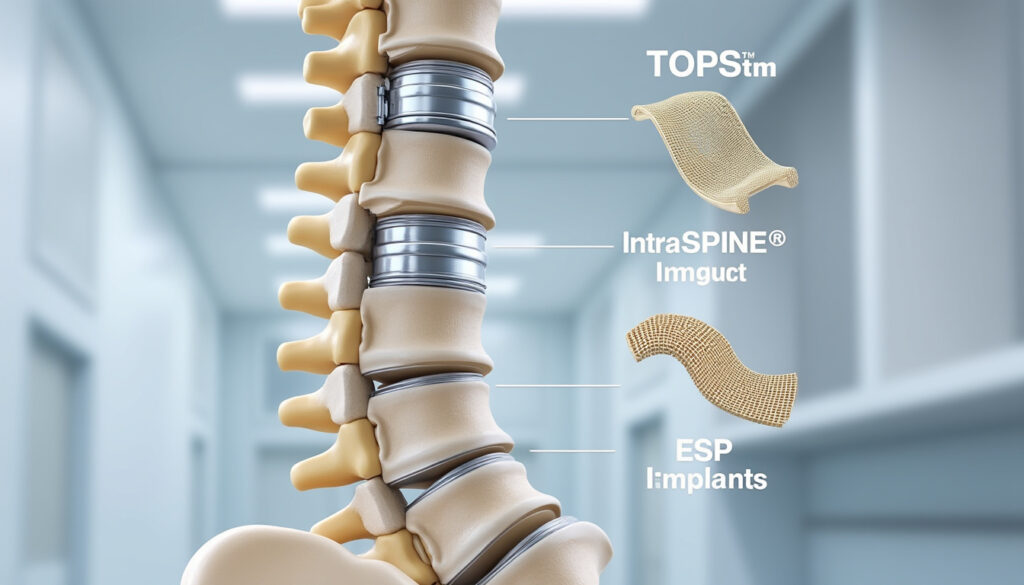
The evolving field of spinal surgery is witnessing a transformative shift, fueled by cutting-edge implant technologies such as TOPS, Intraspine, and ESP. These innovative implants redefine treatment possibilities by emphasizing preservation of natural spinal mechanics, while ensuring durable stabilization and…
Psychological and Social Factors in Preoperative Evaluation
The scope of comprehensive preoperative assessment extends beyond physical health to encompass psychological and social determinants. These variables significantly affect surgical outcomes and the patient’s ability to recover and comply with postoperative regimens.
Psychiatric consultation plays a pivotal role when conditions such as anxiety, depression, or cognitive impairment may impact surgical consent or recovery. Evaluations at centers like Mount Sinai Health System demonstrate that addressing psychosocial issues preoperatively can lead to improved pain management and lower complication rates.
- Screening for anxiety, depression, and cognitive dysfunction
- Engagement with social support services and caregiver planning
- Assessment of patient’s understanding of surgical risks and benefits
- Tailored communication strategies ensuring informed consent
For example, patients with herniated discs opting for elective surgery are often interviewed to assess expectations and psychological readiness, which correlates with postoperative satisfaction. Hospital systems also utilize patient-reported outcomes measures to track progress and intervene early when psychosocial barriers arise.


Preparing for Surgery in France: Key Indications, Benefits, and Limitations
In an evolving global healthcare landscape, France emerges as a beacon of advanced surgical expertise, particularly attracting international patients seeking expedited and innovative medical interventions. Patients from regions experiencing long wait times, such as Quebec, increasingly view France as an…
Technological Innovations Supporting Preoperative Evaluation
Recent years have witnessed rapid integration of cutting-edge technology to augment preoperative evaluation. Digital platforms facilitate comprehensive data collection and risk stratification, while wearable devices provide continuous monitoring. Companies like Cleveland HeartLab and Medtronic lead in producing biomarkers and smart devices that detect subtle changes influencing surgical readiness.
Artificial intelligence-powered algorithms analyze complex datasets to predict complications or suggest alternative therapies. Telemedicine platforms have expanded access, allowing patients in remote areas to undergo thorough preoperative assessments without delays. The synergy between these technologies results in a more accurate, patient-tailored surgical plan that can frequently negate the need for invasive procedures.
- Wearable devices for physiological monitoring pre-surgery
- Biomarker panels predicting surgical risk and recovery potential
- AI-driven predictive analytics for personalized decision support
- Virtual consultations enhancing patient engagement and access
| Technology | Function | Contribution to Surgery Avoidance |
|---|---|---|
| Wearables | Continuous monitoring (heart rate, BP, mobility) | Early detection of deterioration, optimization |
| Biomarkers | Risk prediction and inflammation assessment | Identification of reversible conditions |
| AI Analytics | Complication risk stratification | Guided decision-making, alternative treatments |
| Telemedicine | Remote assessment and follow-up | Increased patient compliance, reduced travel burden |

Unveiling the Hidden Benefits of Quality and Certification in Devices
The landscape of device manufacturing and clinical application in 2026 has been fundamentally shaped by the rigorous interplay between quality management and certification processes. Within this complex framework, the hidden benefits of adhering to international standards and obtaining relevant certifications…
Non-Surgical Alternatives Highlighted by Thorough Assessment
A cornerstone of preoperative assessment is identifying when surgery can be replaced or postponed by non-surgical interventions that provide effective symptom relief. For spinal disorders, modalities such as non-surgical spinal decompression therapy have demonstrated efficacy in many patients previously considered surgical candidates. Educational resources such as the one offered by SosHerniatedDisc present modern techniques involving intermittent traction to relieve nerve pressure without invasive methods.
- Structured physical therapy and rehabilitation programs
- Pharmacological management including pain modulation
- Minimally invasive interventions guided by imaging
- Behavioral interventions addressing lifestyle and ergonomics
Case studies from SosHerniatedDisc illustrate how symptom improvement from non-surgical means often delays or entirely eliminates the need for surgery. Comprehensive assessments typically include trials of these treatments while carefully monitoring progress. Such conservative approaches, supported by continuous assessment, manifestly contribute to reducing the surgical burden worldwide.
| Non-Surgical Approach | Indications | Benefits |
|---|---|---|
| Spinal Decompression Therapy | Radicular pain without severe neurological deficit | Reduced nerve pressure, symptom alleviation |
| Physical Therapy | Functional limitation due to musculoskeletal issues | Improved mobility, strength enhancement |
| Pharmacological Management | Moderate pain control needs | Symptom control, fewer side effects compared to surgery |
| Ergonomic Corrections | Postural or occupational factors contributing to pain | Long-term symptom relief, prevention of recurrence |

Why Experts Advocate for Comprehensive Preoperative Evaluations
In the complex and demanding field of spinal surgery, the emphasis on comprehensive preoperative evaluations has become a fundamental pillar supporting successful surgical outcomes. These evaluations, far beyond mere routine checks, integrate detailed analyses of patient health, surgical risk assessments,…
Economic and Healthcare System Benefits of Avoiding Unnecessary Surgery
From a systems perspective, comprehensive preoperative assessments yield significant economic and resource conservation benefits. Avoiding unnecessary surgeries mitigates healthcare costs, preserves hospital beds, and reduces patient time off work. National healthcare systems and private providers both experience improvements in efficiency and patient throughput.
Health policymakers at institutions such as Cleveland Clinic advocate for widespread adoption of these strategies to curtail overtreatment. Additionally, improved patient outcomes and decreased complication rates lead to a reduction in readmissions and long-term disability.
- Lower direct surgical and hospitalization costs
- Reduced postoperative complication management expenses
- Enhanced allocation of surgical suites to patients with urgent needs
- Improved patient satisfaction and quality of life metrics
| Economic Factor | Impact of Surgery Avoidance | Example |
|---|---|---|
| Direct Costs | Reduced expenses for surgical materials and hospital stay | Shorter admissions, fewer ICU days |
| Indirect Costs | Less time off work, decreased disability | Improved productivity and societal contribution |
| Resource Utilization | Improved operating room availability | Timely care delivery for urgent cases |
| Patient Outcomes | Lower complication, higher satisfaction | Decreased readmission rates |
Comparateur : évaluation préopératoire complète
Choisissez un composant pour comparer son objectif et les outils utilisés.
- Objectif :
- Exemple d’outils :
How does a comprehensive preoperative assessment differ from a routine evaluation?
A comprehensive preoperative assessment involves a meticulous and tailored evaluation of medical, functional, psychological, and social factors, whereas a routine evaluation may focus primarily on basic medical history and minimal tests. It aims to optimize patient conditions and avoid unnecessary surgery.
Can non-surgical treatments replace surgery based on preoperative findings?
Yes, thorough preoperative assessment often reveals that many patients can benefit from conservative management such as physical therapy, pain management, or spinal decompression, reducing the need for invasive surgery.
What role does technology play in modern preoperative assessments?
Technological advances, including imaging from Siemens Healthineers, wearable monitoring devices from Medtronic, and AI analytics, contribute to more accurate diagnosis and risk stratification, enabling better decision-making regarding surgery.
How do psychosocial evaluations impact surgical outcomes?
Psychological and social assessments identify factors such as anxiety or lack of support that may affect recovery. Addressing these via counseling and planning improves patient preparedness and postoperative satisfaction.
What are the economic benefits of avoiding unnecessary surgery?
Reducing unwarranted surgeries decreases hospital costs, limits resource use, shortens patient recovery times, and enhances overall healthcare system efficiency.

The Future of Surgery Lies in Stepwise Functional Recovery
The evolution of surgical care in 2026 reveals a compelling shift toward approaches that prioritize the holistic recovery of patients, moving beyond traditional metrics like length of hospital stay or mortality rates. This modern paradigm highlights the principle that the…