Navigating healthcare: the role of medical orientation from Quebec in patient care pathways
October 25, 2025
can a comprehensive preoperative assessment help avoid surgery?
October 25, 2025
In the evolving landscape of global healthcare, the intersection of medical logistics and patient accommodation has gained unprecedented significance. With a growing number of patients seeking specialized interventions abroad, particularly from Quebec and Canada to France, the synchronization of implant supply chains, surgical expertise, and tailored accommodations has become a pillar of successful clinical outcomes. This intricate coordination ensures that cutting-edge spinal surgery devices, such as TOPS, Intraspine, and B-DYN systems, are delivered timely and securely, while patients benefit from supportive environments that aid their recovery.
The role of advanced logistics networks, honed by partnerships with giants like DHL Supply Chain, FedEx Healthcare, UPS Healthcare, and specialized medical suppliers such as Cardinal Health and McKesson, is pivotal in this context. France’s commitment to integrating technological innovations, including RFID tracking and AI-driven inventory management, combined with robust regulatory standards like the European MDR directive, positions it as a leader in maintaining quality and traceability across the logistic journey. Concurrently, accommodation providers associated with Marriott International and Hilton Hotels offer medicalized lodging solutions that cater to the unique needs of international patients, facilitating seamless transitions throughout their care pathway.
This exploration delves into a comparative international analysis of medical logistics and accommodation, shining light on best practices, challenges, and innovations with a focus on spinal surgery patient flows. Through detailed examination of how countries like France, Germany, and the United States address the complexities of implant supply and patient comfort, insights emerge into the essential components shaping successful medical tourism and surgical logistics today.
Medical Logistics Foundations Supporting International Spinal Surgery Patients
The foundation of medical logistics in supporting spinal surgery patients internationally transcends mere transportation of medical supplies. It involves a sophisticated orchestration of sourcing, storage, and delivery of critical implants and devices, aligned precisely with surgical schedules and regulatory requirements. Implant brands like TOPS and Intraspine require a logistics ecosystem with expertise spanning industrial manufacturing standards and clinical necessities, ensuring that each device arrives in pristine condition and is fully traceable.
For instance, specialized companies leverage cold chain logistics managed by entities such as TSE Express, ensuring temperature-sensitive materials maintain their integrity during shipment. This precision is critical, considering the implantable nature of these products and the need to adhere to CE and FDA certifications. Providers like Medline contribute by integrating digital tools that oversee stock levels and forecast demand fluctuations, thereby minimizing surgery delays attributed to supply shortages.
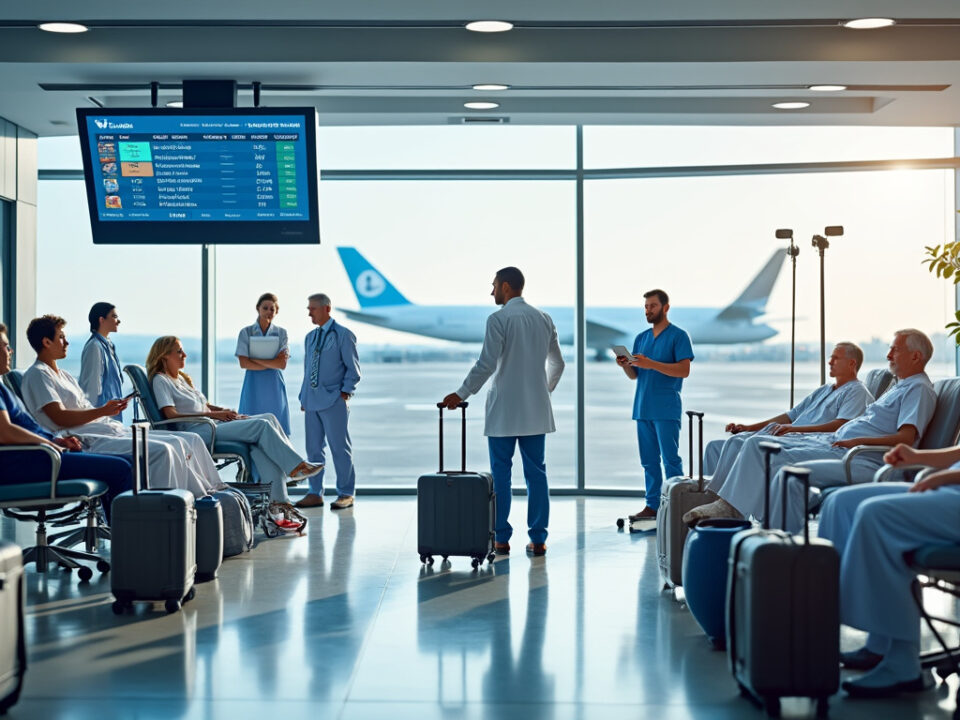
Patients benefit not just from timely delivery but also from the overall logistical symphony, which integrates transportation with accommodation arrangements. Partnerships with local transport companies and medicalized housing providers, including Groupe Charles André, create a continuum of comfort and safety from hospital to recovery lodging. The significance of tailoring these logistic components becomes even more pronounced when managing transatlantic journeys, where coordination between Quebec-based medical orientation services and French healthcare institutions is essential.
- Cold chain management with RFID monitoring for implant safety
- Integration of digital inventory systems by suppliers like Medline
- Partnerships with global logistics leaders such as DHL Supply Chain and FedEx Healthcare
- Coordination with medicalized accommodation providers linked to Hilton Hotels
- Cross-border transport coordination to manage timing and regulatory compliance
| Logistics Partner | Role | Specialization | Benefit for International Patients |
|---|---|---|---|
| TSE Express | Specialized medical transport | Temperature control, RFID tracking | Ensures implant viability and prompt delivery |
| Medline | Inventory management | Digital stock optimization | Minimal risk of stockouts during surgeries |
| Groupe Charles André | Patient transport & accommodation | Medicalized lodging coordination | Smooth patient journey and mobility support |
This multi-faceted logistics approach is explored further in how medical logistics and accommodation are transforming patient care, which details cutting-edge practices improving patient outcomes through integrated systems.


Understanding Sciatic Pain: Key Symptoms and When to Seek Medical Advice
Sciatic pain is a prevalent condition impacting a wide demographic, manifesting primarily as intense pain radiating from the lower back down the leg. This pain stems from irritation or compression of the sciatic nerve, a major nerve extending through the…
Innovative Technologies Driving Quality and Traceability in French Medical Logistics
France exemplifies technological leadership in medical logistics, leveraging innovations designed to enhance both quality and traceability of surgical implants. Compliance with the European Medical Device Regulation (MDR) has accelerated adoption of RFID tags and barcode scanning systems, providing comprehensive tracking from factory production to operating rooms. This level of transparency mitigates risks of device misplacement or counterfeit products entering the supply chain.
Artificial intelligence (AI) underpins predictive analytics utilized by logistics providers such as Geodis and DB Schenker. Their platforms apply algorithmic forecasting to anticipate surgical demand, optimizing inventory levels and reducing waste. By matching implant availability with surgery schedules accurately, these technologies help prevent last-minute logistical hiccups.
Environmental sustainability has become a critical aspect in French healthcare logistics. The sector increasingly employs electric vehicles for deliveries and favors recyclable packaging, aligning operational efficiency with corporate social responsibility goals. Multimodal transport networks further reduce carbon footprints and increase logistical resilience.
- RFID and barcode integration ensuring full traceability
- AI-driven stock prediction reducing cost and shortages
- Environmental initiatives with electric delivery fleets
- Collaboration with logistics leaders like UPS Healthcare and World Courier
- Multimodal transport networks facilitating efficient deliveries
| Innovation | Description | Impact |
|---|---|---|
| RFID & Barcode Tracking | Real-time implant identification through the supply chain | Minimizes errors and increases patient safety |
| AI-Powered Inventory Management | Forecasts demand using surgery schedules | Ensures availability and reduces excess stock costs |
| Green Logistics | Electric vehicles and recyclable materials usage | Reduced environmental impact in medical transport |
These cutting-edge advances position France among the top European countries in healthcare supply chain excellence, as outlined in research on logistics in healthcare, highlighting the importance of combining technology and operational know-how in medical logistics.
The Stepwise Role of Functional Recovery in Achieving Successful Outcomes
The journey to full recovery following spinal surgery is often complex and multifaceted, demanding a meticulously structured approach to ensure optimal functional outcomes. In recent years, the concept of functional recovery through a stepwise approach has garnered significant attention in…
Coordinating Hospital Care and Accommodation for Quebec Patients in France
The journey of a Quebecois patient undergoing spinal surgery in France illustrates a finely tuned logistical protocol integrating clinical and patient-centered services. Initial medical evaluations are conducted by specialized teams based in Quebec, such as the medical orientation efforts championed by Dr. Sylvain Desforges at TAGMED. This facilitates patient selection and therapeutic planning, ensuring compatibility with French surgical facilities and the choice of optimal implant systems.
Once confirmed, the French partner network coordinated by the company Franchir orchestrates every aspect—from booking flights and hospital appointments to securing accommodation in proximity to surgical centers. Accommodation providers connected with major hotel chains, including Marriott International, cater to specialized needs by offering medical-friendly amenities that promote recovery. Simultaneously, regional transport services assure patients can move fluidly between lodging and treatment facilities.
A critical component involves post-surgical follow-up managed remotely by Neurothérapie Montréal, ensuring continuity of care as patients return to their home province. Digital monitoring and telemedicine consultations maintain rigorous patient supervision, reducing the risk of complications and enhancing rehabilitation outcomes.
- Pre-travel evaluation and treatment planning in Quebec
- Comprehensive travel and medical scheduling by Franchir
- Dedicated accommodations offered by premium hotel chains
- Medical transport coordination ensuring patient comfort
- Post-operative remote monitoring and support via telehealth
| Step | Entity Responsible | Patient Benefit |
|---|---|---|
| Patient evaluation | TAGMED (Quebec) | Appropriate surgical planning ensuring safety |
| Travel & accommodation | Franchir (France) | Smooth, stress-free logistics and timely appointments |
| Local mobility & lodging | Groupe Charles André | Facilitated access to services and comfort |
| Post-surgery follow-up | Neurothérapie Montréal | Continuous care and rehabilitation support |
Such structured logistics exemplify efficient international medical collaboration and are detailed further in insights from medical orientation from Quebec in patient care pathways.

Transatlantic Patient Journey: Insights into Indications, Benefits, and Challenges
The emergence of the Transatlantic Patient Journey as a strategic model within healthcare continues to capture attention for its innovative potential, especially in specialized fields such as spinal surgery. This cross-border care pathway integrates rigorous medical evaluation from Quebec with…
International Challenges and Solutions in Spinal Implant Logistics
Across borders, medical logistics for spinal surgery encounters common challenges including fluctuating implant demand, stringent regulatory compliance, and secure shipment. Nations adopt distinct solutions tailored to local healthcare ecosystems. Germany, for example, pioneers blockchain implementation for inviolable implant tracking, enhancing security and transparency in the supply chain.
Conversely, the United States prioritizes geographically distributed distribution centers coupled with rapid delivery networks, enabling urgent surgeries without delay. These contrasts reflect differences in healthcare market structures and regulatory frameworks. France’s integrated logistics platforms led by companies such as Geodis and DB Schenker leverage digital tools to synchronize supply with demand dynamically, showing agility unmatched in many systems.
Collaboration between hospitals, manufacturers, and logistics specialists ensures resilience. This synergy benefits medical tourists who depend on the flawless operation of supply chains for implants certified under CE and FDA standards. Comparative analysis of logistic systems is essential to uncover scalable best practices ensuring patient safety and satisfaction globally.
- Blockchain for traceability in German implant logistics
- Decentralized rapid distribution centers in the USA
- AI-powered supply management in French logistics platforms
- Coordinated hospital-manufacturer-logistics partnerships
- Standardized implants certified by CE and FDA for global trust
| Country | Traceability Technology | Logistics Strategy | Environmental Sustainability | Regulatory Compliance |
|---|---|---|---|---|
| France | RFID and barcode with integrated digital systems | Centralized multimodal platforms with AI forecasting | Electric vehicles and recyclable packaging | European MDR and CE certifications |
| Germany | Blockchain technology for implant documentation | Centralized monitoring systems | Carbon reduction programs | European standards and national certifications |
| United States | Barcodes with distributed distribution centers | Decentralized rapid delivery networks | Green packaging initiatives | FDA standards |
These international logistics comparisons reveal opportunities to harmonize processes and improve patient experiences, as studied in comparison of hospital logistics systems.
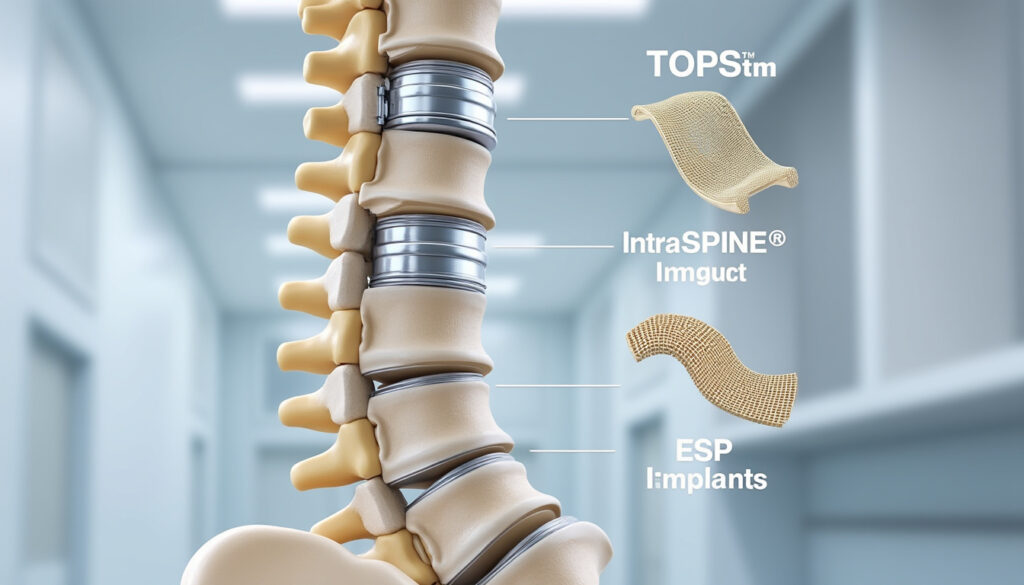
The evolving field of spinal surgery is witnessing a transformative shift, fueled by cutting-edge implant technologies such as TOPS, Intraspine, and ESP. These innovative implants redefine treatment possibilities by emphasizing preservation of natural spinal mechanics, while ensuring durable stabilization and…
Strategic Partnerships Enhancing Medical Device Distribution Efficiency
Global medical supply efficiency hinges on strategic collaborations between logistics companies and healthcare providers. DHL Supply Chain, FedEx Healthcare, and UPS Healthcare exemplify multinational operators integrating tailored solutions for medical shipments, accommodating the stringent requirements related to timing, temperature, and security. Their operations involve end-to-end tracking and compliance management aligned with healthcare regulations.
Sourcing partners like Cardinal Health and McKesson play a critical role in coordinating medical device inventories and distribution. Their extensive networks facilitate alignment of supply chains with fluctuating clinical demands, helping hospitals avoid costly interruptions. Integrating logistics with patient accommodation services provided by hospitality leaders such as Marriott International ensures patient-centric experiences that extend beyond clinical treatment.
- End-to-end cold chain management featuring RFID
- Dynamic scheduling adapting to surgical timetables
- Collaborations between logistics giants and medical suppliers
- Medical accommodation integration with hotel chains
- Continuous compliance with regulatory standards across borders
| Company | Core Competency | Contribution to Medical Logistics | Value Added in International Patient Care |
|---|---|---|---|
| DHL Supply Chain | Temperature-controlled transport | Reliable delivery of sensitive implants | Ensures implant integrity across continents |
| Cardinal Health | Medical supply distribution | Inventory management and supplier liaison | Seamless stock availability in hospitals |
| Marriott International | Healthcare accommodation services | Patient-centered lodging solutions | Comfort and accessibility for recovering patients |
Preparing for Surgery in France: Key Indications, Benefits, and Limitations
In an evolving global healthcare landscape, France emerges as a beacon of advanced surgical expertise, particularly attracting international patients seeking expedited and innovative medical interventions. Patients from regions experiencing long wait times, such as Quebec, increasingly view France as an…
Modern Accommodation Trends Supporting Medical Tourism Success
Accommodation in medical tourism is increasingly adopting patient-centric, flexible models designed to enhance comfort while supporting clinical needs. Major hotel groups such as Hilton Hotels and Marriott International have developed specialized programs offering rooms equipped with medical amenities, proximity to healthcare centers, and support staff trained to assist patients with post-operative care requirements.
This paradigm shift addresses challenges such as cultural adaptation, safety, and accessibility, which are paramount for international patients navigating unfamiliar environments. Integration of dedicated shuttle services with operators like Groupe Charles André provides transfers between hotels and hospitals, ensuring timely attendance for procedures and follow-up appointments.
Furthermore, these accommodation models often include partnerships with telehealth providers like Neurothérapie Montréal, extending a continuum of care that bridges the clinical and convalescent phases of treatment. Such interconnected logistics and accommodation services reduce stress and promote healing, a factor increasingly recognized as a critical component of medical tourism success.
- Medicalized rooms and amenities tailored for post-surgical needs
- Shuttle services connecting hotels to treatment centers
- Staff trained in culturally sensitive patient support
- Integration with telemedicine follow-up services
- Collaboration with hospitality chains emphasizing healthcare guest services
| Accommodation Provider | Features | Patient Benefit |
|---|---|---|
| Marriott International | Medical-friendly rooms, proximity to hospitals | Enhanced patient comfort and convenience |
| Hilton Hotels | Specialized support staff and adapted amenities | Safer recovery environment for international patients |
Comparaison internationale des prestataires logistiques médicaux et d’hébergement

Unveiling the Hidden Benefits of Quality and Certification in Devices
The landscape of device manufacturing and clinical application in 2026 has been fundamentally shaped by the rigorous interplay between quality management and certification processes. Within this complex framework, the hidden benefits of adhering to international standards and obtaining relevant certifications…
Emerging Trends in Global Medical Logistics and Accommodation
Medical logistics and accommodation continue to evolve rapidly, embracing digital transformations and personalized service models. The rise of big data analytics allows providers to analyze patient flow patterns and optimize resource allocation, reducing wait times and improving patient satisfaction. Combined with AI-driven supply chains, this innovation ensures medical devices are available where and when needed without oversupply or waste.
Another emerging trend is sustainability becoming embedded into every stage of healthcare logistics. From electric vehicle fleets to zero-waste packaging initiatives, eco-conscious principles are increasingly standard. Notable global logistics players, including UPS Healthcare and FedEx Healthcare, have launched green programs aimed at reducing carbon footprints in the delicate medical supply chain.
In accommodation, hybrid models combining hotel amenities with specialized medical care offer patients both comfort and clinical oversight. Technology-enabled personalized care, including smart room systems that monitor patient vital signs, is starting to become mainstream in international medical tourism hubs.
- AI and big data for optimizing medical supply chains
- Green logistics initiatives by major carriers such as UPS Healthcare
- Smart accommodation rooms with integrated health monitoring
- Personalized patient service leveraging digital platforms
- Global collaboration enhancing supply chain efficiencies
| Trend | Description | Potential Impact |
|---|---|---|
| Big Data & AI | Analyzing demand and resource allocation in real time | Reduced delays and cost savings |
| Green Logistics | Low-emission transport and sustainable packaging | Improved environmental footprint in healthcare |
| Smart Medical Accommodation | Rooms equipped with health sensors and assistive tech | Enhanced patient comfort and safety |
Why Experts Advocate for Comprehensive Preoperative Evaluations
In the complex and demanding field of spinal surgery, the emphasis on comprehensive preoperative evaluations has become a fundamental pillar supporting successful surgical outcomes. These evaluations, far beyond mere routine checks, integrate detailed analyses of patient health, surgical risk assessments,…
Regulatory Frameworks Influencing International Medical Logistics
Strict regulatory environments shape the contours of international medical logistics and accommodation. The European MDR (Medical Device Regulation) mandates detailed traceability, quality assurance, and post-market surveillance mechanisms, requiring logistics providers to maintain exhaustive records and documentation. France’s compliance with these standards strengthens trust for international patients relying on domestic surgical services.
In North America, FDA regulations impose rigorous oversight on medical device approval and supply chain transparency. These regulatory frameworks necessitate collaboration between logistics operators and medical manufacturers to ensure delivery chains meet high safety criteria. Cross-border exchanges between Canada, the United States, and Europe must navigate differing labeling, certification, and customs protocols seamlessly.
- European MDR directives enforcing implant traceability
- FDA certification processes ensuring device safety
- Documentation and audit trails demanded from logistics providers
- Customs facilitation and harmonization for medical supplies
- Collaborative compliance between hospitals and suppliers
| Region | Regulatory Focus | Key Requirements | Effect on Logistics |
|---|---|---|---|
| Europe (France) | MDR compliance and CE certifications | Implant traceability and safety monitoring | Rigorous documentation and tracking systems |
| North America | FDA approvals and supply chain transparency | Compliance checks and reporting | Enhanced audit capabilities and secure transport |
Recognizing the regulatory influences aids in understanding the layered complexity in international patient care logistics, as further analyzed in a systematic literature review on health-care logistics.
The Future of Surgery Lies in Stepwise Functional Recovery
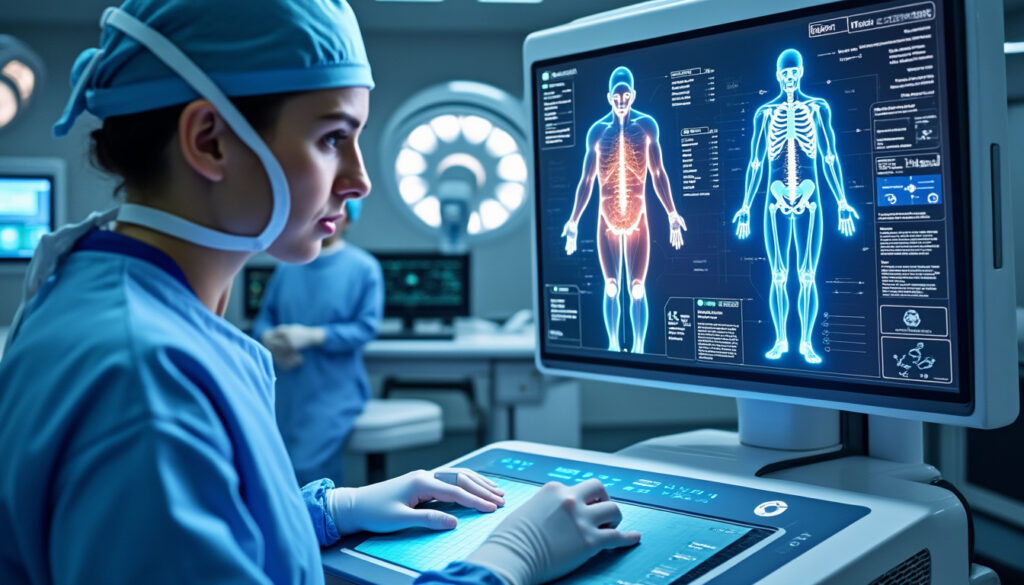
The evolution of surgical care in 2026 reveals a compelling shift toward approaches that prioritize the holistic recovery of patients, moving beyond traditional metrics like length of hospital stay or mortality rates. This modern paradigm highlights the principle that the…
Patient-Centric Innovations Elevating Outcomes in Cross-Border Spinal Surgery
Contemporary medical logistics and accommodation increasingly prioritize patient-centered services, blending technological and human factors to elevate care standards. Innovations in minimally invasive surgery, implant technology, and robotic navigation systems, such as those developed by eCential Robotics, necessitate equally advanced logistic frameworks to support specialized equipment transport and precise scheduling.
Post-operative care leveraging telehealth platforms allows providers like Neurothérapie Montréal to remotely assess recovery, address complications early, and modify rehabilitation protocols individualized for each patient. This comprehensive approach reduces hospital stays and enhances patient satisfaction, making international spinal surgery more accessible and reliable.
- Robotic surgery requiring precision logistics and timing
- Advanced implant technologies demanding secure handling
- Telemedicine for continuous post-operative monitoring
- Patient engagement platforms fostering treatment adherence
- Integration of clinical data for personalized care pathways
| Innovation | Benefit | Implication for Logistics |
|---|---|---|
| Robotic Navigation Systems | Enhanced surgical precision | Requires timely delivery of sensitive equipment |
| Telehealth Follow-up | Reduced complications post-discharge | Relies on digital patient data integration |
| Tailored Implants | Better clinical outcomes | Demand precise and secured inventory management |
Further exploration of these innovations is available in discussions on expert insights on TOPS, Intraspine, and ESP implants, illustrating the cutting edge of spinal healthcare logistics.
What is the typical waiting time between intervention request and spinal surgery in France?
Thanks to streamlined coordination by organizations like Franchir, the waiting period typically ranges between 4 to 8 weeks, faster than many Canadian benchmarks, due to pre-planned surgical schedules and partner networks.
How can the quality and safety of implants be guaranteed during international transport?
Implants are certified under CE and FDA standards, and are tracked with RFID and barcode systems throughout the supply chain, ensuring authenticity and reducing risks of mishandling.
What considerations are made regarding accommodation for foreign patients?
Accommodations are selected based on proximity to hospitals, medical adaptability, patient comfort, and safety measures, often in collaboration with renowned hotel chains trained for healthcare guest services.
Who oversees post-surgical follow-up for patients returning to Quebec?
Remote follow-up is managed by entities like Neurothérapie Montréal, providing personalized rehabilitation support and ensuring continuity of care beyond discharge.
Which logistics companies facilitate medical device transportation internationally?
Major players include DHL Supply Chain, FedEx Healthcare, UPS Healthcare, and specialized providers like Cardinal Health and McKesson, all ensuring secure, compliant shipment of delicate implants.