can a comprehensive preoperative assessment help avoid surgery?
October 25, 2025
Expert Insights on Post-Surgery Integration of rTMS
October 25, 2025
The journey of spinal surgery patients, particularly those from Quebec, unfolds as a complex story marked by challenges and innovative solutions. Faced with prolonged wait times and prohibitive costs in the private Canadian sector, many Quebecois are now turning their gaze across the Atlantic towards France’s advanced healthcare offerings. This transatlantic patient pathway combines top-tier clinical expertise, seamless logistical coordination, and personalized follow-up care, granting patients unprecedented access to cutting-edge spinal surgery techniques devoid of typical domestic limitations.
This evolving landscape is shaped by pioneers such as Dr. Sylvain Desforges, who expertly evaluates complex spine conditions and champions specialized non-surgical interventions. Complementing this medical foundation, organizations like Franchir manage sophisticated patient logistics across continents, while Neurothérapie Montréal ensures attentive postoperative care back in Canada. Together, this tripartite synergy presents a model that not only addresses biomechanical and clinical needs but also enhances the patient’s emotional and economic experience during what is often a daunting health journey.
Advanced Spinal Surgery Techniques in France: Expanding Treatment Horizons
France stands at the forefront of spinal surgery innovation, offering an extensive array of advanced techniques tailored to address varying spinal pathologies with a curative and quality-of-life preserving intent. For the transatlantic patient, access to this spectrum significantly broadens the therapeutic choices beyond what is typically available in Quebec.
The surgical interventions in France primarily fall into three differentiated categories:
- Spinal fusion (arthrodesis), aimed at stabilizing unstable vertebral segments;
- Motion preservation surgeries that maintain natural spinal mobility using prosthetics; and
- Minimally invasive and endoscopic approaches that reduce tissue damage and speed recovery.
This multi-modality approach is reinforced by utilizing state-of-the-art implants, such as dynamic devices including the TOPS system and Intraspine interlaminar prostheses, along with highly refined cervical disc prostheses, which provide biomechanical benefits while preventing adjacent segment degeneration.
The Role and Advantages of Spinal Fusion
Spinal fusion procedures involve surgically joining two or more vertebrae via bone grafting or implants, primarily to address structural instabilities, severe deformities, or degenerative arthritis. French surgical teams have refined this once extensively invasive procedure by integrating precise surgical planning and instrumentation that decreases operative trauma.
The clear advantages include:
- Long-lasting spinal stability that prevents further progression of deformity or stenosis;
- Substantial pain relief by eliminating pathological vertebral movement;
- And the avoidance of neurologic compromise through enhanced mechanical support.
However, fusion results in the partial loss of segmental motion, which demands rigorous patient selection and preoperative counseling. Trusted implant manufacturers, such as Medtronic, provide devices with proven reliability that meet strict European regulatory standards. For Quebec patients, this translates into receiving technically superior implants rarely accessible locally.
Preserving Mobility: Motion Preservation Surgery Options
Innovation is rapidly advancing surgeries that maintain spinal movement, particularly relevant in cervical and lumbar disc disease. Devices like artificial disc prostheses replace degenerative spinal discs, restoring natural disc height and motion. Dynamic stabilization systems such as the TOPS device offer the unique ability to stabilize spinal facets while preserving a substantial range of motion.
- Benefits include quicker recovery and a decreased risk of adjacent segment degeneration;
- Ideal candidates have localized discogenic pathology without gross vertebral instability;
- These techniques often permit a more physiological spinal function postoperatively.
The Intraspine device, combining decompression and dynamic stabilization principles, complements these options and exemplifies the modern French surgical approach. This dynamic implant technology aligns with evolving biomechanical understandings and meets stringent safety requirements, attracting Quebec patients eager to avail themselves of these advances as presented in studies highlighted in implant innovation reports for Quebec patients.
Minimally Invasive and Endoscopic Spinal Surgery
France’s adoption of minimally invasive surgeries (MIS), including endoscopy, has revolutionized recovery trajectories. Small incisions, reduced muscle disruption, and direct visualization lead to less postoperative pain and faster discharge times.
- Commonly used for herniated discs and moderate spinal stenosis;
- Surgeries performed at high-standard centers such as the Assistance Publique – Hôpitaux de Paris;
- Requires surgeons with advanced training, often acquired through specialized courses like the EuroSpine Endoscopic Spine Course;
- Integration with laser technologies further enhances precision.
The clinical impact is notable: decreased hospital stays, rapid resumption of daily activities, and minimal scarring. For Quebec patients, such techniques offer not only clinical benefits but also psychological relief through a less daunting surgical experience, thus forming a critical component of the transatlantic patient journey.
| Technique | Main Indications | Key Advantages | Limitations |
|---|---|---|---|
| Spinal Fusion (Arthrodesis) | Instability, Deformities, Advanced Degenerative Arthrosis | Stable spinal segment, Significant pain relief | Loss of segmental motion |
| Motion Preservation (Disc Prosthesis, TOPS) | Degenerative disc disease without severe instability | Preservation of mobility, Less adjacent degeneration | Strict patient selection |
| Minimally Invasive / Endoscopic Surgery | Herniated discs, Moderate stenosis | Reduced post-op pain, Speedy recovery | Requires specialized skills and equipment |

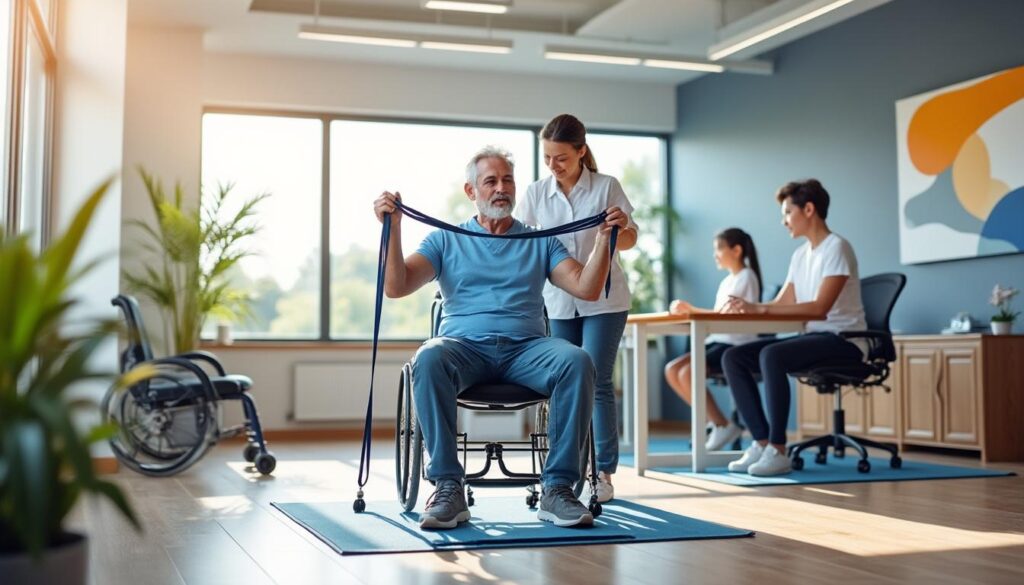
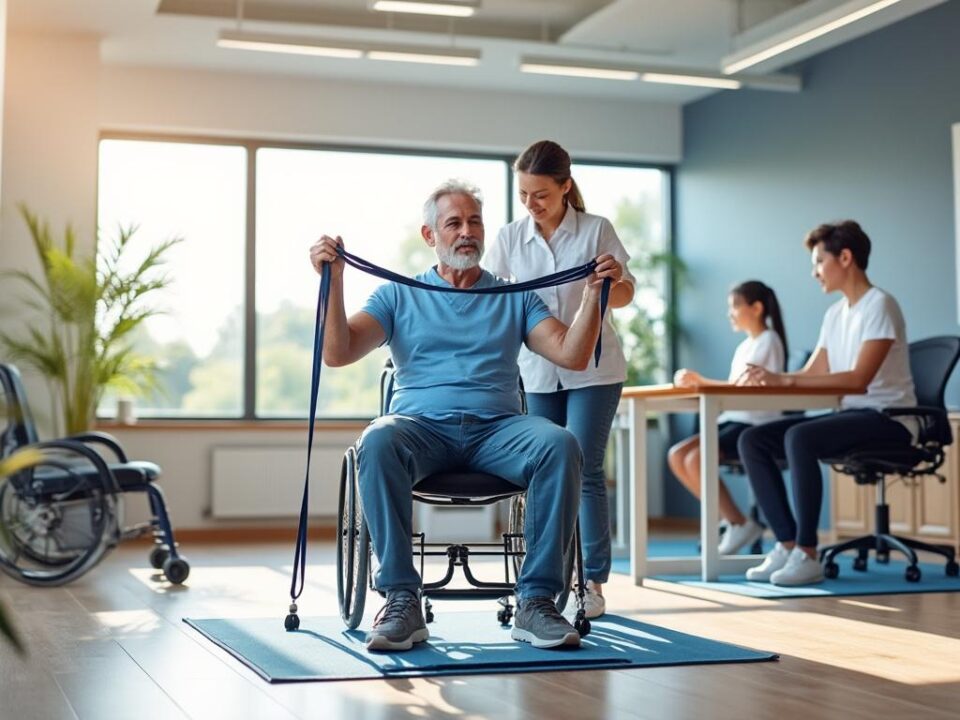
Can Rehabilitation and Return to Work Prevent the Need for Surgery?
In the constantly evolving landscape of spinal healthcare, patients and practitioners alike grapple with a pivotal question: can the rigorous pathways of rehabilitation and structured return to work reduce or even eliminate the need for surgical intervention? The answer, as…
Key Stages of the Transatlantic Patient Journey: From Quebec to France and Back
The transatlantic journey for spinal surgery patients is characterized by a tightly coordinated and patient-centered process, designed to ensure safety, efficacy, and comfort at every stage. It involves a seamless collaboration among multidisciplinary teams spread across two continents.
The pathway can be abstracted into four critical stages:
- Specialized initial assessment and conservative management
- Precise orientation and travel arrangements for surgery
- Performing surgery and hospitalization within advanced French medical centers
- Post-discharge follow-up and rehabilitation upon return to Canada
This multisystem approach is championed by leaders such as Dr. Sylvain Desforges for assessment, the logistics expert firm Franchir for travel and accommodation arrangements, French surgical institutions for operative care, and Neurothérapie Montréal for comprehensive post-op management. Their work is reminiscent of the integrated patient-centric care models described in contemporary literature on patient journey mapping, such as those outlined in the comprehensive guide on patient journey mapping.
Stage 1: Initial Evaluation and Conservative Therapy
Initial patient evaluation involves an in-depth review of medical records and a detailed clinical assessment, performed by Dr. Desforges and his specialized team at TAGMED clinics in Montreal and Terrebonne. Importantly, this evaluation focuses on confirming the diagnosis and ruling out non-surgical alternatives, with a strong emphasis on conservative management, particularly the neurovertebral decompression using robot-assisted traction technology.
- Assessment of prior treatments and spinal pathology;
- Supervision of high-technology decompression therapy over 3 to 6 months;
- Exclusion of patients who do not meet surgical criteria;
- Optimization of patient condition to reduce surgical risks.
By undertaking this phase, patients avoid premature surgery and benefit from potential symptom improvement, as substantiated by case reports on conservative disc disease therapies (TAGMED patient management reviews).
Stage 2: Travel Logistics and Surgical Scheduling
Once surgery is deemed necessary, Franchir assumes responsibility for arranging all logistics, from selecting the appropriate surgical center to organizing travel and accommodation. This includes:
- Matching the patient with surgeons and clinics specialized in the needed techniques;
- Handling administrative procedures, insurance liaising, and visa arrangements if required;
- Booking medical flights with providers such as Air France Médical;
- Coordinating patient stays to align perfectly with surgical scheduling.
This comprehensive logistical orchestration is crucial in mitigating the stress of medical travel and has been recognized as an essential component in international patient journey success stories (patient journey mapping for healthcare organizations).
Stage 3: Surgical Intervention and Hospital Management
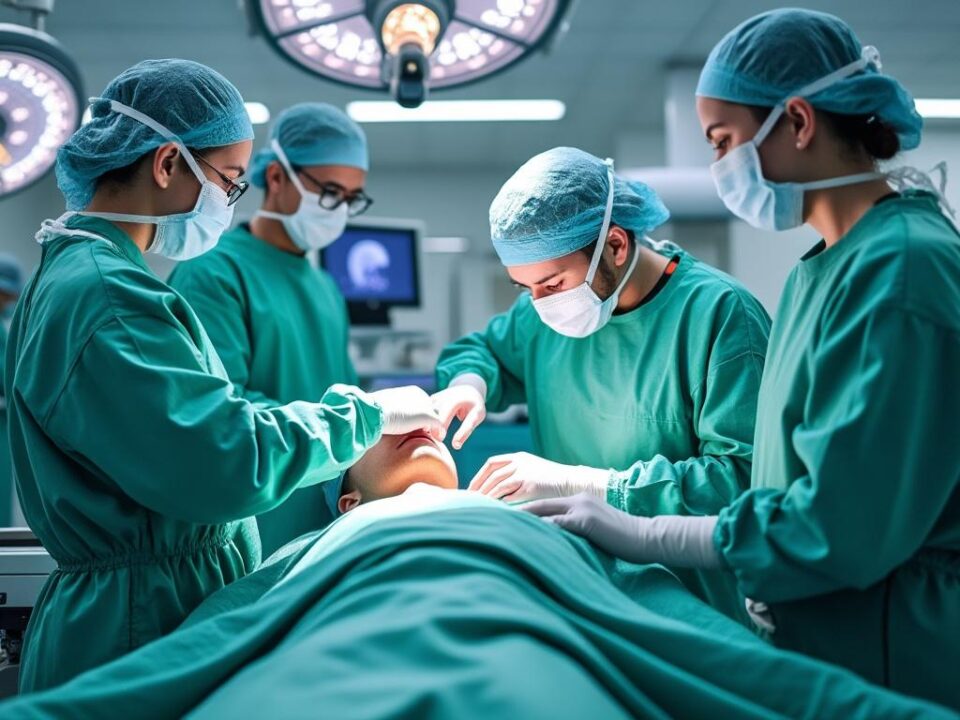
The surgical phase unfolds in highly accredited French health centers, where the patient benefits from multidisciplinary expertise and use of next-generation implants such as those supplied by Medtronic and Premia Spine. Facilities like the European Medical Center and Assistance Publique – Hôpitaux de Paris ensure adherence to rigorous European medical standards, maximizing surgical safety and outcome quality.
- Surgeries tailored to disease specifics and patient needs;
- Application of the latest minimally invasive or fusion techniques;
- Integration of dynamic implant technologies;
- Careful monitoring during hospital stay to promptly address complications.
Notably, the high level of specialization in these centers parallels best practices advocated by institutions such as Johns Hopkins Medicine and Harvard Medical School, enhancing patient confidence in the transatlantic care process.
Stage 4: Return and Postoperative Rehabilitation
Following discharge, patients return to Quebec where Neurothérapie Montréal administers individualized post-op care programs, integral to functional recovery and long-term spine health. Their rehabilitation protocols include:
- Tailored physical therapy regimens;
- Pain management and neurofunctional evaluation;
- Psychological support to sustain motivation and mental well-being;
- Ongoing communication with surgical teams in France for complication monitoring.
This comprehensive post-surgical framework addresses the holistic needs of patients, mirroring cutting-edge patient-centered models found in leading healthcare providers such as the Mayo Clinic and Cleveland Clinic.
Exploring the Overlooked Benefits of Spine Surgery in France
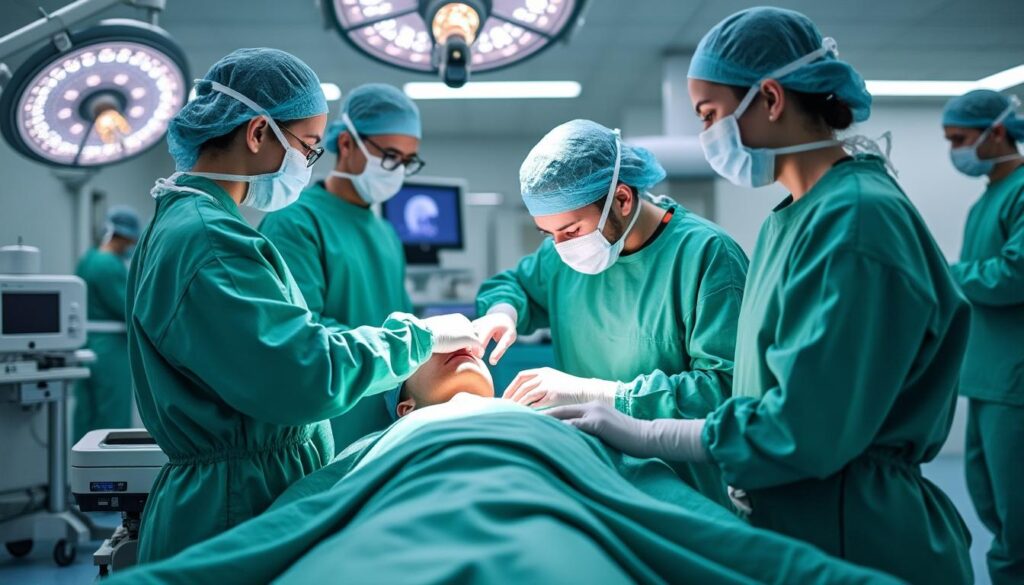
Spinal disorders are a significant health concern for many patients worldwide, yet the solutions and benefits of spine surgery often remain underappreciated. France, with its advanced healthcare infrastructure and pioneering surgical techniques, has emerged as a noteworthy destination for patients…
Scientific and Ethical Importance of Preoperative Conservative Treatment in Spinal Care
Preoperative conservative management constitutes a fundamental pillar in responsible spine care. It reflects the ethical imperative to minimize surgical interventions while optimizing clinical results. Dr. Desforges is a vocal advocate of this approach, emphasizing the necessity of a minimum three to six-month conservative phase utilizing advanced neurovertebral decompression prior to any surgical recommendation.
Key scientific benefits include:
- Mitigation of surgical risks by potentially avoiding needless operations;
- Enhanced patient physiology to promote better surgical recovery;
- Continuous evaluation enabling adjustments or the cessation of surgical plans if improvement occurs.
Documented cases reveal striking symptom alleviation in patients following robotically assisted traction therapy, resulting in deferred or avoided surgery. This patient-first strategy resonates with globally recognized guidelines and the ethical frameworks upheld by the Canadian Osteopathic College and the Quebec College of Physicians.
| Benefit | Implication | Example |
|---|---|---|
| Risk Reduction | Avoid unnecessary surgeries reducing complications | Patient with lumbar herniated disc improved with traction, delaying surgery |
| Optimized Surgical Readiness | Better general health supports recovery | Improved mobility and vitality prior to fusion surgery |
| Progress Monitoring | Adaptive management of patient condition | Adjustments to decompression program in response to symptom changes |
The role of specialized centers like TAGMED in Quebec cannot be overstated, as they provide the sophisticated platforms necessary to deliver these conservative therapies, not otherwise accessible locally.
Cousin Spine Technology and Franchir: Transforming Surgical Decision-Making
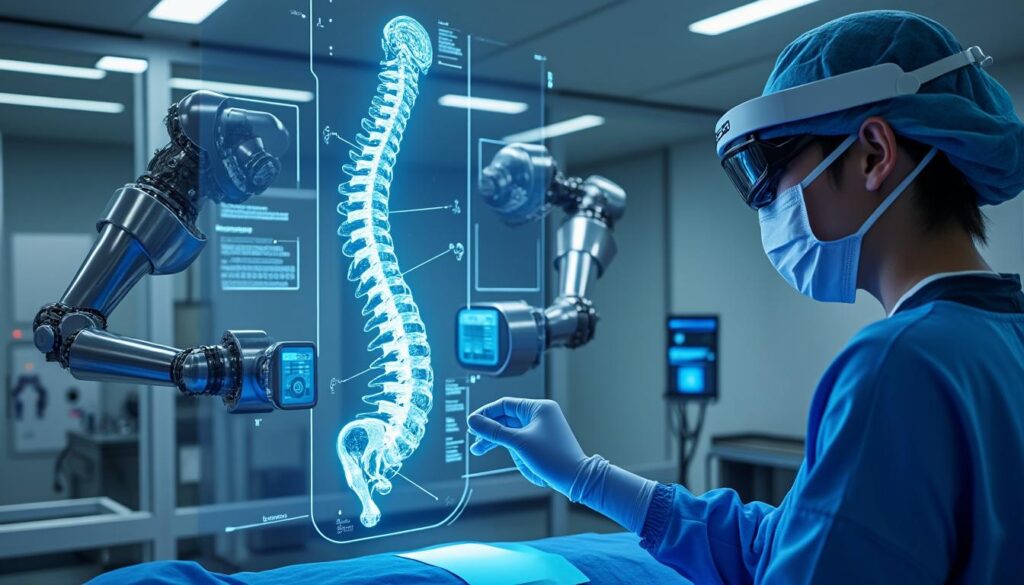
In recent years, the integration of advanced medical technologies has dramatically shifted how spinal surgeries are planned, performed, and managed. Among the transformative developments, the alliance between Cousin Spine Technology and Franchir stands out as a pioneering force redefining surgical…
Biomechanical, Economic, and Psychosocial Benefits of Transatlantic Spinal Surgery
Engaging in the transatlantic patient pathway offers diverse advantages beyond mere access. By leveraging the French healthcare ecosystem and advanced technologies, Quebec patients receive a comprehensive treatment package that addresses biomechanical integrity, economic realities, and the emotional dimensions of spinal surgery.
Biomechanically, dynamic and precise implants preserve spinal balance and function better than traditional options. Economically, patients benefit from the cost efficiency and insurance compatibility of the French system compared to Canadian private care. Additionally, attentive human support from diagnosis through rehabilitation ensures the psychosocial well-being indispensable for optimal healing.
- Unmatched implant technology — access to advanced systems like TOPS, Intraspine, and ESP;
- Streamlined pathways reducing wait times and administrative burdens;
- Psychosocial care focusing on the patient’s mental health and emotional resilience;
- Cost savings coupled with quality care thanks to France’s healthcare model and partnerships with insurers including AXA Health and UnitedHealthcare;
- Alignment with top global institutions — leveraging insights from elite providers such as Bupa UK and Imperial College Healthcare.
| Aspect | Specific Benefit | Institutional Model |
|---|---|---|
| Biomechanical | Dynamic spinal implants preserving movement and reducing wear | Mayo Clinic; Johns Hopkins Medicine |
| Economic | Cost-efficient care with inclusive insurance arrangements | AXA Health; Cigna |
| Psychosocial | Comprehensive patient support and rehabilitation programs | Cleveland Clinic; Bupa UK |
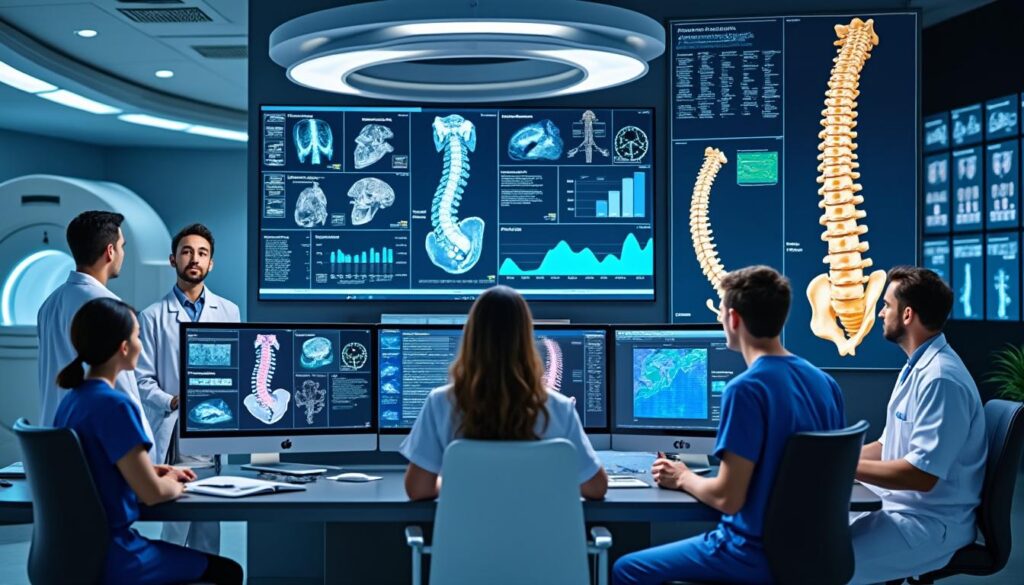
Insights from Research on Preventing Post-Laminectomy Syndrome
Post-Laminectomy Syndrome (PLS), a chronic pain condition arising after spinal surgery, remains a formidable challenge in spinal surgery and pain management. Despite advances in surgical techniques, a significant subset of patients continues to experience persistent neuropathic pain and functional limitations,…
SOS Tourisme Médical: Facilitating Seamless Multinational Care Coordination
At the heart of this innovative framework is SOS Tourisme Médical, a dedicated organization committed to empowering Quebec patients with transparent and comprehensive information on spinal surgery options in France. SOS Tourisme Médical functions as an indispensable intermediary that:
- Educates patients about surgical techniques, benefits, and risks;
- Guides them towards appropriate care pathways aligned with their clinical condition;
- Assists with administrative procedures including coverage and reimbursement processes;
- Coordinates effective communication among medical teams from both countries.
This commitment to patient empowerment fosters an informed, confident, and prepared patient community. Such an approach echoes recommendations found in recent publications on patient experience enhancement strategies such as the patient journey mapping methodologies and the ERN-RITA Patient Journey Handbook.

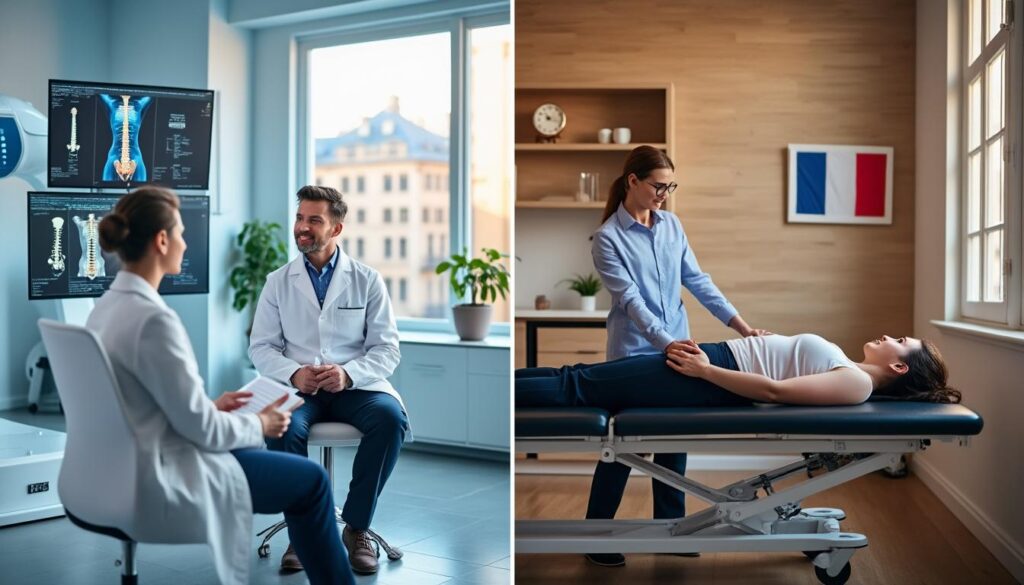
International Comparison: Spotlight on Spine Care Practices Between France and Quebec
The growing emphasis on spine health in Quebec has spotlighted the value of international collaboration in advancing patient care. With the challenges of prolonged wait times and high private care costs in Quebec, France emerges as an attractive alternative, boasting…
Patient Empowerment Through Research and Education: Role of International Expertise
To maintain the highest standards and foster innovative practice, continuous education and research are prioritized across all entities involved in the transatlantic journey. Partnerships with globally respected institutes such as Harvard Medical School and Imperial College Healthcare ensure that clinical protocols are grounded in the latest scientific evidence.
Comprehensive training programs are available both for surgeons and allied health practitioners, exemplified by diploma courses like the SFCR’s Inter-University Diploma in Spine Surgery and specialized endoscopic spine courses. These initiatives guarantee that care delivered is contemporaneous, effective, and patient-centered.
- Implementation of cutting-edge techniques with evidence-based validation;
- Fostering a culture of collaborative learning and international clinical exchange;
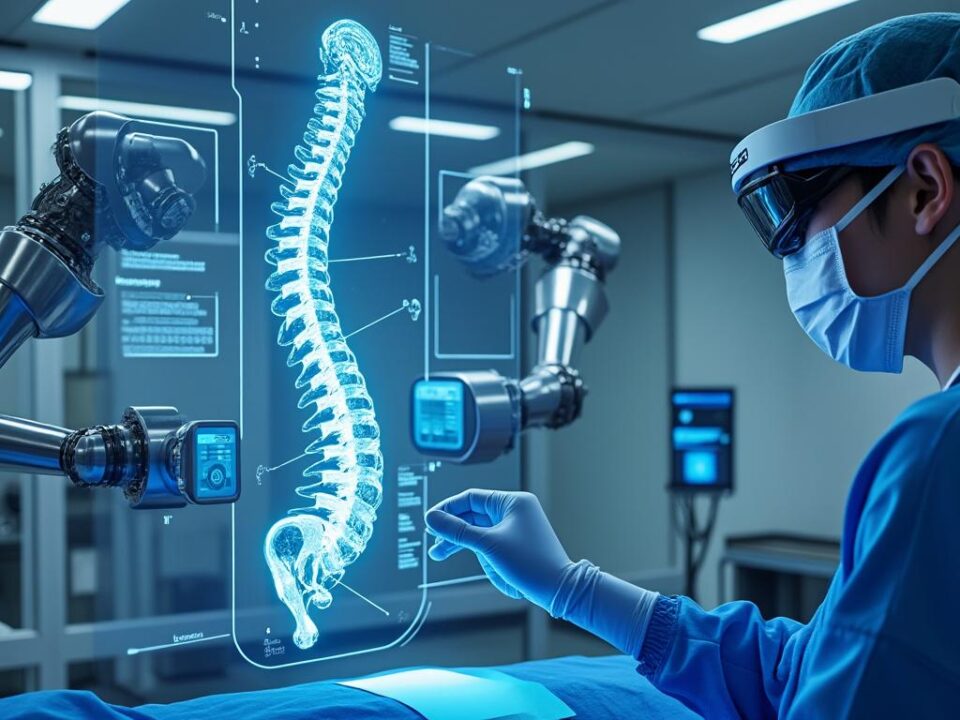
- Adoption of latest technological solutions such as robotic-assisted surgery and 3D imaging platforms;
- Integration of patient-centered data analytics to continually improve care pathways.
This commitment reflects a shared vision between French surgical centers, Quebec healthcare providers, and international leaders like Mayo Clinic and Cleveland Clinic research partnerships, raising the bar on what constitutes exemplary spinal care.

Medical Logistics and Accommodation: Central Pillars in the Patient Care Journey
In the evolving landscape of global healthcare, the interplay between medical logistics and patient accommodation has become a cornerstone for effective and patient-centric care delivery. This synergy is particularly evident in the management of international patient journeys, where cross-border coordination,…
Real-World Outcomes and Patient Testimonials From Quebec to France
Patient experiences provide invaluable insight into the efficacy and human dimension of the transatlantic journey. Stories emerging from Quebec residents reveal significant symptom relief, resumed mobility, and restored quality of life. Case studies detail:
- Successful management of complex herniated discs using endoscopic techniques;
- Enhanced postoperative recovery through coordinated rehabilitation;
- Positive psychological responses due to comprehensive patient education;
- Financial relief afforded by transatlantic options versus local private care.
Reports such as those on patient testimonials and detailed case studies underscore the importance of this integrative model. These narratives not only demonstrate the clinical robustness of the surgical offerings but also highlight the compassionate care and multidisciplinary support that defines the transatlantic pathway.
| Patient Profile | Intervention Type | Outcome Highlights | Duration of Recovery |
|---|---|---|---|
| 60-year-old with lumbar disc herniation | Endoscopic discectomy in Paris | Pain reduction, resumed walking, returned to work | 6 weeks |
| 55-year-old with cervical disc disease | Disc prosthesis implantation | Retained neck mobility, no adjacent segment degeneration | 8 weeks |
| 65-year-old with spinal stenosis | Minimally invasive decompression and fusion | Improved gait and functionality, reduced narcotic use | 12 weeks |
Transatlantic Spine Surgery Patient Journey
Select a step to view detailed information and related institutions involved in this patient’s journey.
Step details will appear here
Please select a step from the left menu.
Involved Institutions:
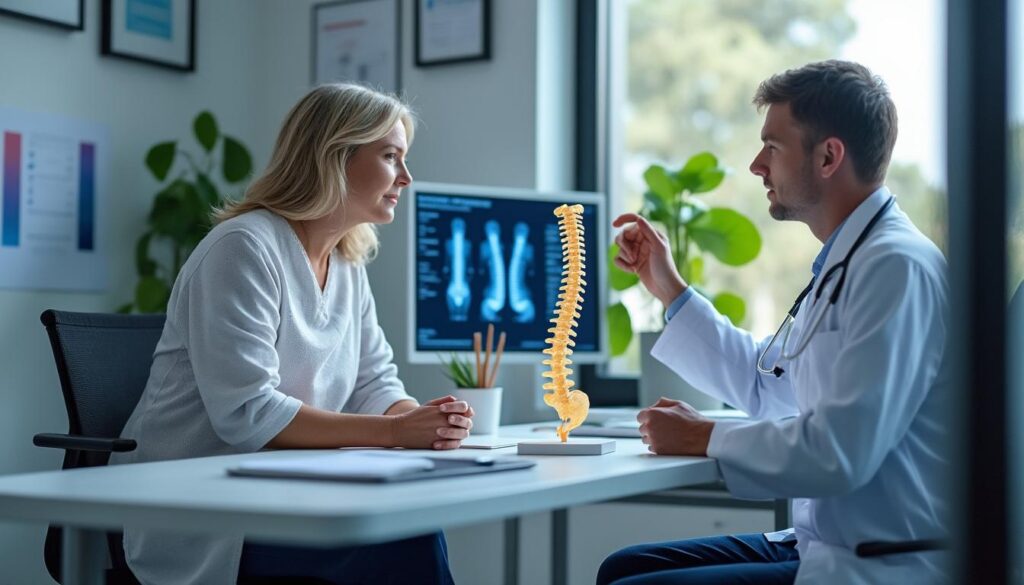
Comprehensive Guide to Eligibility Criteria for Back Surgery
The decision to undergo back surgery involves numerous complex considerations that extend beyond the presence of spinal discomfort. Through an international collaboration between healthcare experts in Quebec and France, patients facing severe spine conditions now have access to advanced surgical…
Addressing Common Questions on the Transatlantic Patient Journey
What are the typical wait times for surgery in France through this program?
Thanks to meticulous coordination by Franchir and SOS Tourisme Médical, surgery wait times are often reduced to a matter of weeks, significantly shorter than usual waiting periods in Quebec.
How are the costs for transatlantic spinal surgery managed?
Costs often offer a favorable quality-to-price ratio by leveraging the French public healthcare system, supplemented by insurance arrangements. Precise estimates are provided upon clinical evaluation, ensuring transparency.
What support is available after returning to Canada?
Neurothérapie Montréal conducts personalized postoperative care, including physical rehabilitation and regular monitoring to ensure continuous recovery.
Is every patient eligible for this pathway?
Eligibility requires a comprehensive evaluation by Dr. Desforges and the TAGMED team, thus ensuring that only appropriate candidates with strict surgical indications proceed.
What exclusive technologies are accessible via the transatlantic journey?
Innovative dynamic implants like TOPS and minimally invasive laser-assisted surgeries available in French centers offer cutting-edge advancements not widely available in Quebec.
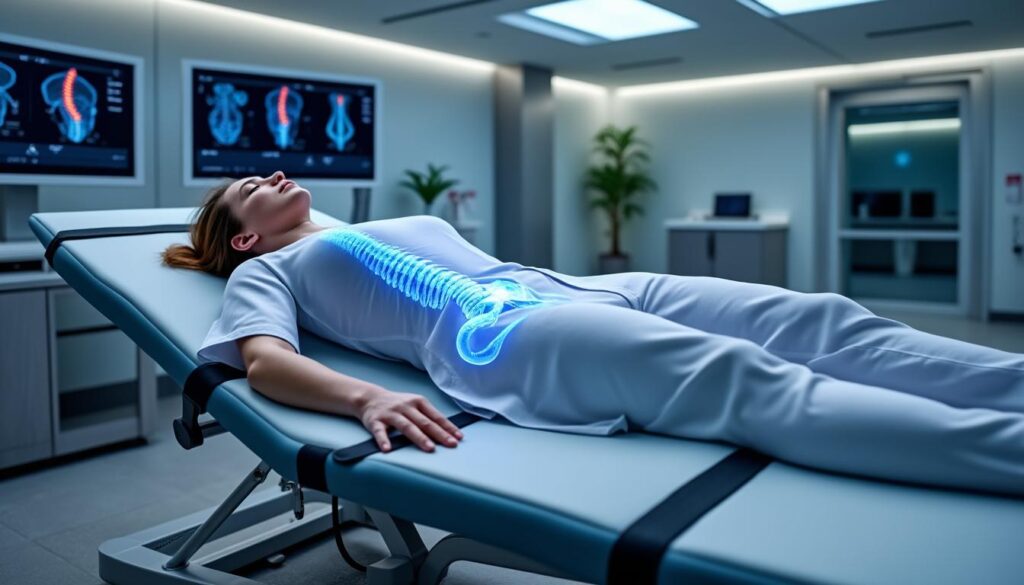
Unveiling the Hidden Benefits of Neurovertebral Decompression Therapy
Chronic back and neck pain remain pervasive health issues impacting millions, often leading to debilitating effects on daily life and overall well-being. Traditional management strategies frequently fall short due to lengthy wait times, high costs, or invasive procedures. Amid this…