Exploring the Overlooked Benefits of Spine Surgery in France
December 1, 2025
Boucherville Chronic Back Pain Solved with TAGMED’s Technology
December 3, 2025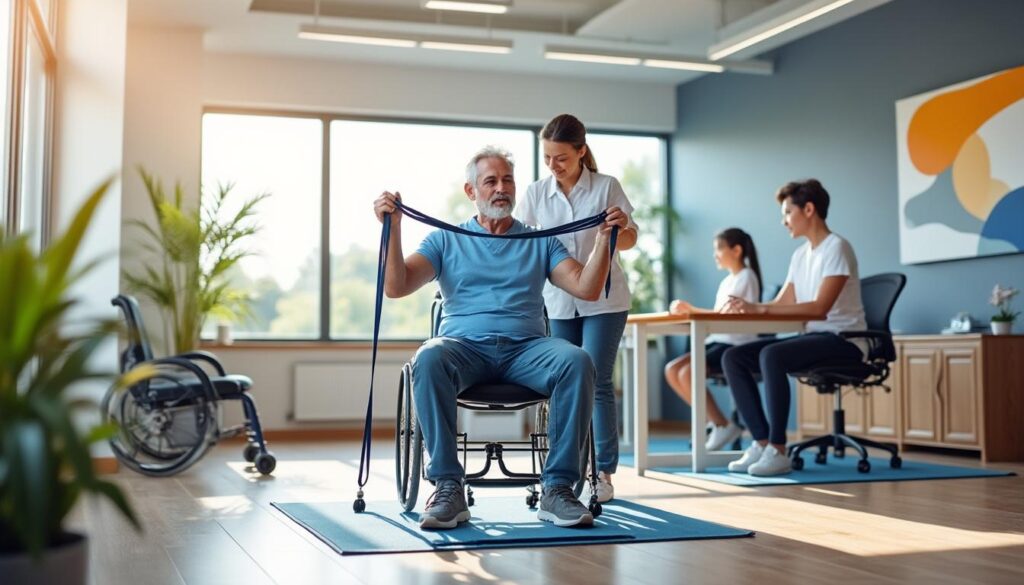
In the constantly evolving landscape of spinal healthcare, patients and practitioners alike grapple with a pivotal question: can the rigorous pathways of rehabilitation and structured return to work reduce or even eliminate the need for surgical intervention? The answer, as understood in 2025, reflects a sophisticated synthesis of multidisciplinary approaches that prioritize patient-centered care, technological advances, and evidence-based protocols. The integration of neuromodulation techniques, personalized occupational therapy, and progressive workplace rehabilitation collectively molds a pathway aimed at preserving spinal integrity and function while minimizing invasive procedures.
This nuanced debate emerges amid escalating concerns over the risks and complications associated with spinal surgery — including neurological deficits, prolonged recovery, and socio-economic impacts due to extended absence from work. Innovations in conservative treatment such as traction neurovertébrale, repetitive transcranial magnetic stimulation (rTMS), and ergonomic workplace reintegration contribute substantively to this paradigm. Particularly for patients in regions like Quebec, cross-continental collaboration with French surgical expertise ensures that decisions regarding surgery versus rehabilitation are rooted in rigorous clinical evaluation and patient motivation. This contemporary context underscores how rehabilitation and occupational therapy now transcend traditional convalescence, serving as proactive measures that can prevent surgery and foster sustainable recovery within real-life environments.
Criteria for Avoiding Surgery Through Specialized Rehabilitation Programs
The capacity to circumvent spinal surgery via tailored rehabilitation hinges on a comprehensive, multidisciplinary assessment that weighs clinical, functional, and psychosocial variables. Not all spinal conditions lend themselves equally to non-surgical treatment; however, many moderate degenerative changes and nerve compressions respond well to conservative management.
Key determinants influencing the choice of rehabilitation over surgery include:
- Severity and nature of the spinal pathology: Mild to moderate nerve compressions and disc degenerations generally respond to physical therapy and workplace rehabilitation.
- Response to conservative treatments: Techniques such as robotic cervical or lumbar traction at dedicated centers like TAGMED demonstrate efficacy in symptom relief.
- Functional and neuropsychological evaluation: Early signs of severe motor deficits or neurological impairment prompt consideration for surgical intervention.
- Psychosocial and occupational context: Availability of an adaptive work environment and psychological support reduces pain-related disability and social withdrawal.
Occupational therapy emerges as a fundamental element by not only restoring physical function but also preparing the patient for a successful return to work through task simulation and ergonomic adjustments. These preventive strategies mitigate reinjury risks while sustaining patient engagement with meaningful roles.

| Criteria | Indication Favoring Rehabilitation | Potential Limitations |
|---|---|---|
| Moderate Pain Levels | Effective response to conservative treatment | May not resolve chronic neuropathic pain |
| Preserved Mobility | Possible progressive workplace reintegration | Severe motor deficits limit non-surgical options |
| No Major Neurological Complications | Close monitoring with physical therapy and occupational therapy | Compression syndromes requiring urgent surgery |
| Favorable Psychosocial Environment | Supports adherence to rehabilitation protocol | Unmodifiable work conditions impede return to work |
This evaluative process plays a crucial role in clinical decision-making, helping avoid premature surgery and promoting the effectiveness of non-surgical treatment modalities. Collaboration among physiotherapists, occupational therapists, neurologists, and pain specialists remains essential to tailoring interventions aligned with patient-specific needs, ensuring preservation of spinal health and enhancing quality of life.
Exploring the Overlooked Benefits of Spine Surgery in France
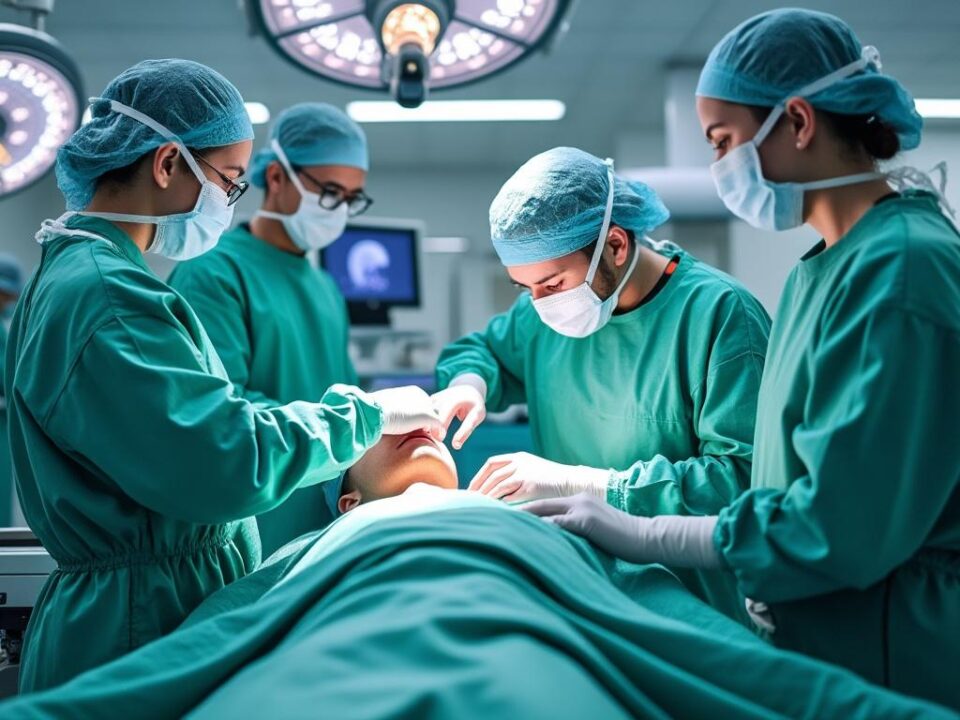
Spinal disorders are a significant health concern for many patients worldwide, yet the solutions and benefits of spine surgery often remain underappreciated. France, with its advanced healthcare infrastructure and pioneering surgical techniques, has emerged as a noteworthy destination for patients…
Workplace Rehabilitation as a Primary Strategy for Surgery Prevention
Workplace rehabilitation transcends the traditional concept of convalescence and positions return to work as a dynamic part of medical rehabilitation. A supervised and progressive reintegration approach alters the prognosis of numerous spinal pathologies by maintaining neuromuscular function, psychological well-being, and social connection.
Several mechanisms justify the importance of workplace rehabilitation in reducing the incidence of surgery:
- Neuro-muscular reconditioning: Gradual resumption of physical demands stimulates tissue healing and neuroplasticity.
- Psychological reinforcement: Confidence regained through activity reduces the risk of chronic pain syndromes and depression.
- Sustained motivation: Adaptive work schedules and ergonomic adjustments maximize adherence to therapy.
- Reduction of secondary complications: Preventing sedentarism limits muscle atrophy and joint stiffness associated with prolonged inactivity.
Securing an effective workplace rehabilitation demands a framework that fosters cooperation between the patient, employer, and healthcare providers. Tailored ergonomic modifications proposed by occupational therapists mitigate strain, while phased schedules represent a buffer against physical overload.
Maintaining open communication channels ensures continuous evaluation of recovery progress and allows timely adjustments within the rehabilitation protocol. This ecosystem of support is validated by emerging clinical research and is documented in best practice guidelines for employee rehabilitation.

| Workplace Rehabilitation Factor | Benefit in Surgery Prevention | Implementation Considerations |
|---|---|---|
| Gradual workload increment | Facilitates tissue healing and neuromuscular recovery | Close monitoring to prevent overexertion |
| Ergonomic job modifications | Reduces biomechanical strain and risk of relapse | Requires expert ergonomic assessment |
| Psychological and social support | Supports sustained engagement and pain management | Integration of counseling and peer support |
| Clear communication networks | Allows adaptive management of recovery phases | Effective coordination among stakeholders |
Cousin Spine Technology and Franchir: Transforming Surgical Decision-Making
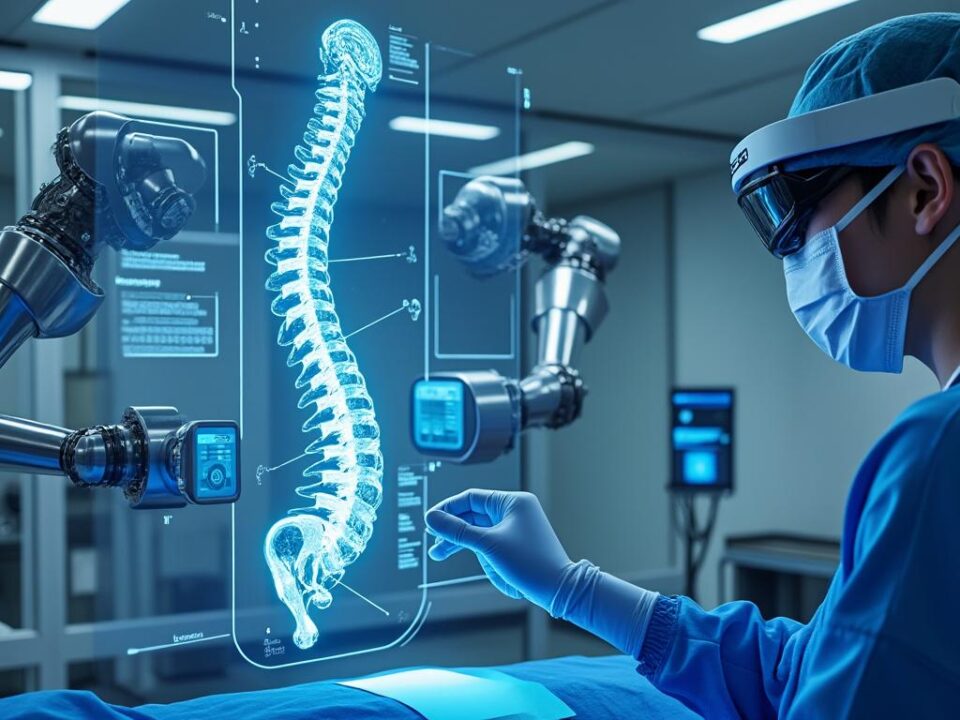
In recent years, the integration of advanced medical technologies has dramatically shifted how spinal surgeries are planned, performed, and managed. Among the transformative developments, the alliance between Cousin Spine Technology and Franchir stands out as a pioneering force redefining surgical…
Innovative Neuromodulation Techniques Complementing Conservative Care
The incorporation of advanced neuromodulation therapies adds a transformative dimension to the conservative management of spinal conditions, particularly in the realm of injury recovery and chronic pain control. Repetitive transcranial magnetic stimulation (rTMS) offers notable benefits not only through analgesic effects but also by modulating mood disorders linked with chronic spinal ailments.
The role of rTMS in non-surgical spinal care includes:
- Reduction of neuropathic pain: Adjusting brain circuits responsible for pain perception.
- Mood stabilization: Addressing anxiety and depression symptoms that often accompany long-term pain.
- Accelerated functional recovery: Enhancing connectivity for better motor control.
- Adjunct to physical and occupational therapy: Creating synergistic effects for rehabilitation progress.
Additional tools such as BrainPort and PoNS devices stimulate sensory input and proprioception, fostering neuroplasticity vital for restoring spinal function. These technologies, combined with psychological counseling, form a comprehensive neurorehabilitation program leading to quicker and safer return to work.
Patients at centers like Neurothérapie Montréal report improved outcomes with this multidimensional approach, underscoring the potential to lessen reliance on spine surgery.
| Technique | Indications | Benefits |
|---|---|---|
| Repetitive Transcranial Magnetic Stimulation (rTMS) | Neuropathic pain, post-surgical depression | Significant pain reduction, improved mood stability |
| BrainPort Device | Post-stroke sensory and motor deficits | Enhanced coordination and proprioceptive feedback |
| PoNS (Portable Neuromodulation Stimulator) | Neurocognitive and motor rehabilitation | Stimulation of brain plasticity, improved endurance |
Insights from Research on Preventing Post-Laminectomy Syndrome
Post-Laminectomy Syndrome (PLS), a chronic pain condition arising after spinal surgery, remains a formidable challenge in spinal surgery and pain management. Despite advances in surgical techniques, a significant subset of patients continues to experience persistent neuropathic pain and functional limitations,…
Clinical Cases Highlighting the Success of Rehabilitation to Avert Surgery
Real-world examples offer compelling evidence of how well-structured rehabilitation regimens can offset the need for surgical intervention. Consider the case of François, a 52-year-old factory worker suffering from lumbar disc herniation with moderate nerve compression. Following a combination of robotic neurovertebral traction and neuromodulated physiotherapy, François successfully avoided spinal fusion surgery.
His gradual and supervised return to work underscores the efficacy of integrating physical therapy with occupational therapy and advanced pain management protocols.
Similarly, Marie underwent lumbar arthrodesis surgery in France but post-operatively engaged in a protocol involving rTMS to address post-laminectomy pain and anxiety, enabling a progressive and sustainable workforce reintegration with ergonomic adaptations.
- François: avoidance of fusion surgery and return to active sports within 5 months
- Marie: significant chronic pain relief and psychological stabilization following extensive surgery
- Jean: resumption of professional activities after motion-preserving spinal surgery
- Sarah: ergonomic workplace adjustments and psychosocial support enabling a comfortable job return
| Patient | Condition | Rehabilitation Approach | Outcome |
|---|---|---|---|
| François | Lumbar disc herniation with nerve compression | Robotic traction, neuromodulated rehabilitation | Avoided fusion surgery; returned to work and sports |
| Marie | Post-operative lumbar arthrodesis complications | rTMS, psychological counseling, ergonomic adjustments | Effective pain and anxiety management; progressive return to work |
| Jean | Motion preserving spinal surgery | Targeted physical and occupational therapy | Successful workforce reintegration |
| Sarah | Workplace-related musculoskeletal discomfort | Ergonomic interventions and psychosocial support | Comfortable and lasting job resumption |
International Comparison: Spotlight on Spine Care Practices Between France and Quebec
The growing emphasis on spine health in Quebec has spotlighted the value of international collaboration in advancing patient care. With the challenges of prolonged wait times and high private care costs in Quebec, France emerges as an attractive alternative, boasting…
Practical Guidelines for Safe and Sustainable Return to Work
The execution of a successful return-to-work protocol operates as an integral facet of spinal rehabilitation, representing a preventive strategy against surgery. According to current guidelines, the process must be individualized based on the nature of the injury, the patient’s functional status, and the job’s physical requirements.
Core components of a safe return to work include:
- Assessment of work restrictions: Clear identification of physical limitations to prevent exacerbation of injury as emphasized in the workers’ compensation literature.
- Phased reintegration: Incremental resumption of work hours and duties to match the progressive recovery of function.
- Ergonomic adaptation: Custom modification of workplace layout and tools to support patient capabilities.
- Interdisciplinary collaboration: Ongoing communication between healthcare providers, occupational therapists, and employers to adjust rehabilitation goals.
- Psychological support: Addressing mental health factors that influence adherence and recovery success.
An engaged and informed approach reduces the likelihood of chronic disability and supports timely workforce reentry. Insights shared by rehabilitation experts highlight that the effective coordination of this process can significantly decrease unnecessary surgical referrals.
| Step | Description | Objective |
|---|---|---|
| Work restriction evaluation | Clarify physical tasks the patient can safely perform | Prevent re-injury and complications |
| Phased work resumption | Gradual increase in work duration and duties | Match healing and conditioning progression |
| Workplace ergonomics | Modify environment to reduce biomechanical stress | Ensure sustained functional capacity |
| Multidisciplinary liaison | Continuous feedback between health and occupational teams | Adapt interventions responsively |
| Mental health support | Provide counseling to manage anxiety and depression | Enhance recovery adherence and quality of life |
Medical Logistics and Accommodation: Central Pillars in the Patient Care Journey
In the evolving landscape of global healthcare, the interplay between medical logistics and patient accommodation has become a cornerstone for effective and patient-centric care delivery. This synergy is particularly evident in the management of international patient journeys, where cross-border coordination,…
Limitations of Rehabilitation: Indications for Surgical Intervention
Despite the growing efficacy of rehabilitation and workplace reintegration, certain critical conditions necessitate surgical intervention. These include cases where neurological compromise is severe or progressive, and where conservative treatment fails to halt damaging processes.
Indications mandating surgery comprise:
- Major motor deficits or focal neurological signs: Warranting rapid decompressive surgery to prevent permanent damage.
- Severe disc herniation with cauda equina syndrome: A surgical emergency demanding immediate intervention.
- Intractable pain resistant to all conservative measures: When quality of life is severely impacted.
- Rapid decline in spinal stability or function: Necessitating structural repair.
In scenarios demanding surgery, integrative preoperative planning and postoperative rehabilitation optimize outcomes. Cross-border collaborations provide access to modern minimally invasive techniques and robotic-assisted procedures, enhancing recovery curves.
| Condition | Surgery Required? | Role of Rehabilitation |
|---|---|---|
| Cauda equina syndrome | Emergency surgery | Not recommended pre-surgery |
| Severe motor deficit | Often requires surgery after evaluating response to conservative therapy | Supports postoperative recovery |
| Intractable chronic pain | Surgery considered after failure of comprehensive conservative care | Adjunct for enhanced healing and function |
| Spinal instability | Structural surgical repair mandatory | Integral to rehabilitation post stabilization |
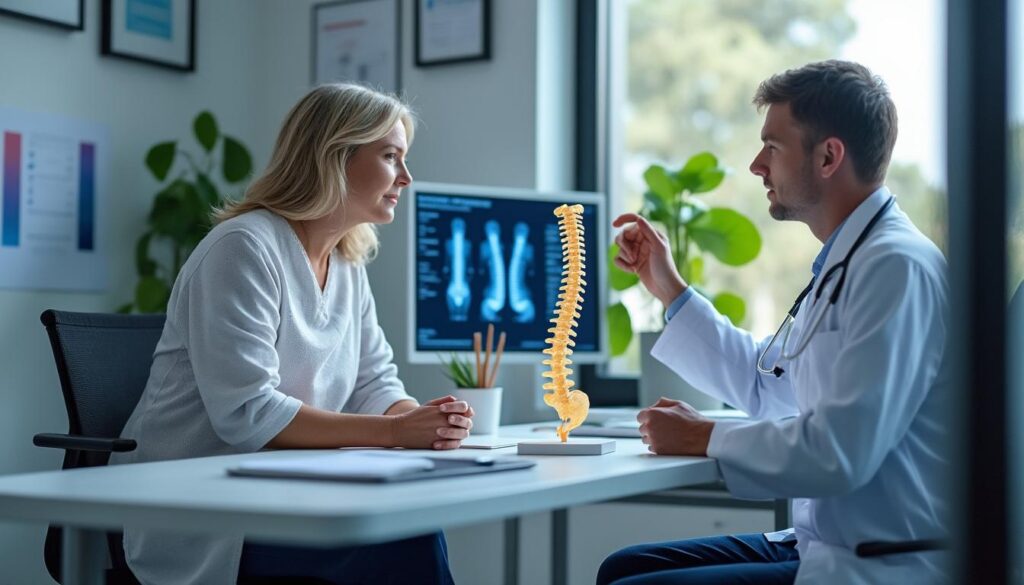
Comprehensive Guide to Eligibility Criteria for Back Surgery
The decision to undergo back surgery involves numerous complex considerations that extend beyond the presence of spinal discomfort. Through an international collaboration between healthcare experts in Quebec and France, patients facing severe spine conditions now have access to advanced surgical…
Emerging Technologies and Educational Initiatives Enhancing Rehabilitation Outcomes
Advancements in robotic-assisted surgery and 3D imaging techniques support safer, less invasive spinal interventions, but equally impactful are educational programs preparing healthcare professionals for comprehensive rehabilitation delivery. Diplomas such as the DIU Chirurgie du Rachis and international courses by organizations like EuroSpine and IRCAD foster a deeper understanding of when to choose rehabilitation versus surgery and how to manage integration.
Such training enhances clinical decision-making and coordination among multi-professional teams, ensuring that rehabilitation protocols align with the latest scientific evidence and patient values.
These initiatives emphasize the critical balance between preserving patient independence through rehabilitation and timely surgical intervention when indicated. The synergy between evolving technology and educational frameworks heralds a new era in spinal care focused on optimized, patient-tailored outcomes.
| Initiative | Focus Area | Impact on Care Delivery |
|---|---|---|
| DIU Chirurgie du Rachis (SFCR) | Spinal surgery education | Improves surgical decision-making and post-op rehabilitation |
| EuroSpine Endoscopic Courses | Minimally invasive techniques | Facilitates faster recovery with less morbidity |
| Robotic surgery platforms (eCential Robotics) | Enhanced surgical navigation | Improves surgical precision and patient outcomes |
Unveiling the Hidden Benefits of Neurovertebral Decompression Therapy
Chronic back and neck pain remain pervasive health issues impacting millions, often leading to debilitating effects on daily life and overall well-being. Traditional management strategies frequently fall short due to lengthy wait times, high costs, or invasive procedures. Amid this…
Psychosocial Support and Ergonomics: Pillars of Sustainable Recovery
The dimension of psychosocial well-being plays an indispensable role within spinal rehabilitation programs. Chronic pain syndromes correlate strongly with anxiety, depression, and social withdrawal, all of which jeopardize the efficacy of physical therapy and the likelihood of surgery avoidance.
Incorporating psychological support alongside occupational therapy interventions offers a comprehensive model that addresses both physical and mental health barriers. Ergonomic adaptations of the workplace are instrumental in preventing reinjury and fostering a sense of safety and empowerment in returning employees.
- Psychological counseling to reduce pain-related anxiety and depression
- Ergonomic job redesign improving comfort and task performance
- Work-life balance strategies to reduce stress and improve adherence
- Social support systems facilitating emotional resilience
Such holistic approaches are documented as effective strategies for work-related injuries rehabilitation and sustained symptom management, as detailed in occupational safety literature and rehabilitation research.
| Component | Benefit | Example Intervention |
|---|---|---|
| Psychological support | Enhances pain coping mechanisms and motivation | Cognitive behavioral therapy sessions |
| Ergonomic adaptation | Reduces biomechanical stress and re-injury risk | Adjustable chairs, standing desks, task rotation |
| Work-life balance | Improves overall well-being and adherence | Flexible work hours and remote working options |
| Social support | Buffers stress and reinforces recovery | Peer support groups and employer engagement |
Can Rehabilitation and Return to Work Prevent the Need for Surgery?
Explore the interactive infographic below to understand how rehabilitation steps and return-to-work milestones contribute to surgery avoidance.
Rehabilitation Steps
Return to Work Milestones
Surgery Avoidance Reasons
Which rehabilitation step do you find most crucial?

What Research Reveals About Rehabilitation and Returning to Work
Rehabilitation and the process of returning to work form a complex interplay that extends far beyond physical recovery. It is a multifaceted journey involving medical treatment, psychological adaptation, workplace accommodation, and social reintegration. Research in recent years underscores the profound…
Integrating Physical Therapy and Occupational Therapy in Injury Recovery
Physical therapy and occupational therapy collectively shape the cornerstone of effective medical rehabilitation for spinal patients. Their roles are complementary:
- Physical therapy focuses on restoring mobility, strength, and pain reduction through targeted exercise protocols and manual therapies.
- Occupational therapy concentrates on enabling patients to perform job-specific tasks safely and efficiently while recommending ergonomic interventions.
- Together, they facilitate a smooth transition back to everyday activities and professional roles.
- They form an essential foundation in surgery prevention by addressing functional deficiencies early and comprehensively.
Recent literature in the field of rehabilitation science confirms that such integrated approaches improve long-term outcomes, reduce symptoms recurrence, and positively affect quality of life indicators.
| Therapy Type | Primary Focus | Contribution to Surgery Prevention |
|---|---|---|
| Physical Therapy | Mobility restoration and pain management | Enhances physical capacity and reduces symptom severity |
| Occupational Therapy | Workplace task management and ergonomic adaptation | Prepares safe and sustainable return to work |
Understanding the Complexities of Non-Surgical Treatment in Spinal Care
While non-surgical treatment offers promising results, successful implementation requires nuanced understanding of patient-specific factors and clinical coordination. Treating complex spinal conditions demands a thorough evaluation of when rehabilitation can suffice versus when surgery becomes indispensable.
The physical therapy and occupational therapy domains face challenges such as patient adherence, psychosocial comorbidities, and workplace limitations. Effective protocols incorporate:
- Regular multidisciplinary assessments and goal reviews
- Custom rehabilitation plans balancing activity and rest
- Education about pain mechanisms and injury recovery trajectories
- Collaboration with employers to facilitate workplace rehabilitation
New evidence, including studies compiled on sites like rehabilitation and return to work guidelines, underpin the progressive integration of these strategies. Ultimately, sustained dialogue between patients, clinicians, and employers manifests as the hallmark of successful surgery prevention.
Can rehabilitation start before spinal surgery?
Yes, preoperative rehabilitation is often employed to enhance functional status and optimize surgical outcomes, as overseen by the care team.
Is neuromodulation effective for managing postoperative spinal pain?
Indeed, repetitive transcranial magnetic stimulation significantly reduces neuropathic pain and helps stabilize mood, aiding recovery.
What clinical situations necessitate surgery despite rehabilitation attempts?
Severe motor deficits, alarming nerve compression signs, or cauda equina syndrome require urgent surgical intervention.
How does occupational therapy facilitate safe return to work?
Occupational therapy customizes the workplace environment and prepares patients through task simulations to enable secure, sustainable job reintegration.
Are there non-surgical alternatives for chronic spinal pain?
Yes, a multidisciplinary approach combining specialized rehabilitation, neuromodulation, and psychological support offers viable treatment options to alleviate pain without surgery.