Common Pitfalls to Avoid in Simple Surgery, Fusion, and Motion Procedures
November 15, 2025
The Ultimate Guide to Preparing for Surgery in France: What You Need to Know
November 15, 2025
In today’s dynamic work environment, the process of rehabilitation and return to work is at the forefront of occupational health discussions. With advancements in medical technology, especially in spinal surgery and post-operative care, the pathway from convalescence to reintegration into the workforce has evolved significantly. Patients recovering from spine-related surgeries, whether simple decompression, motion preservation techniques, or spinal fusions, face complex challenges that extend far beyond physical healing. The interplay of structured rehabilitation, psychological support, and workplace adaptation underpins successful outcomes. Additionally, the globalization of healthcare access has fostered international networks, such as the collaboration between Quebec and French medical institutions, ensuring patients receive the most advanced surgical interventions followed by personalized rehabilitation programs.
Understanding the nuances of rehabilitation protocols, the benefits offered to both employees and employers, and the potential barriers that may arise during the return-to-work journey forms a critical foundation for health professionals, employers, and patients alike. The rising importance of multidisciplinary approaches highlights programs like RehabWorks and ReturnPath, which deploy comprehensive strategies focusing on proactive rehabilitation and workplace reintegration. Such initiatives consider both clinical and ergonomic perspectives tailored to individual needs, highlighting a shift towards holistic health management in occupational settings.
Comprehensive Guidelines for Rehabilitation Following Spinal Surgery: Tailoring Recovery for Return to Work Success
Rehabilitation after spinal surgery demands a multifaceted approach tailored to the specific type of surgical intervention and the patient’s individual health status. Recovery timelines differ substantially between procedures such as:
- Simple decompressive surgeries where bone or soft tissue is removed to alleviate nerve pressure;
- Motion preservation surgeries that incorporate prosthetic discs or dynamic stabilization;
- Fusion surgeries (arthrodesis) where vertebrae are permanently joined.
Each intervention brings a unique rehabilitation trajectory that influences when and how a patient can safely resume professional activities. The first phase universally emphasizes pain management and wound healing, guided by protocols that encourage early, gentle mobility to prevent stiffness and facilitate circulation. Early physiotherapy and occupational therapy sessions play a crucial role in restoring autonomy and minimizing the risk of chronic dysfunction.
Structured guidelines such as those referenced in Introduction to rehabilitation and return to work underscore the necessity for adaptable treatment plans. They recommend a comprehensive evaluation of the worker’s job requirements, modified duties, and gradual engagement in workplace activities. This approach aligns with programs like WorkWell Rehab and Back2Work Solutions that foster coordinated efforts between healthcare and occupational stakeholders.
Examples of differentiated recovery patterns include:
| Type of Surgery | Initial Mobilization | Return to Work Timeline | Sport or High-Intensity Activity Resumption |
|---|---|---|---|
| Simple decompressive surgery | Within 1 week | 6–8 weeks dependent on job demands | After 3 months |
| Motion preservation surgery | 8–10 weeks | Approximately 3 months, with ergonomic adjustments | 4–6 months based on tolerance |
| Fusion (Arthrodesis) | Progressive over 12 weeks | 4–6 months minimum for physically demanding work | Only post-consolidation approval |
This stratification is essential for optimizing rehabilitation outcomes and ensuring patient safety during reintegration.
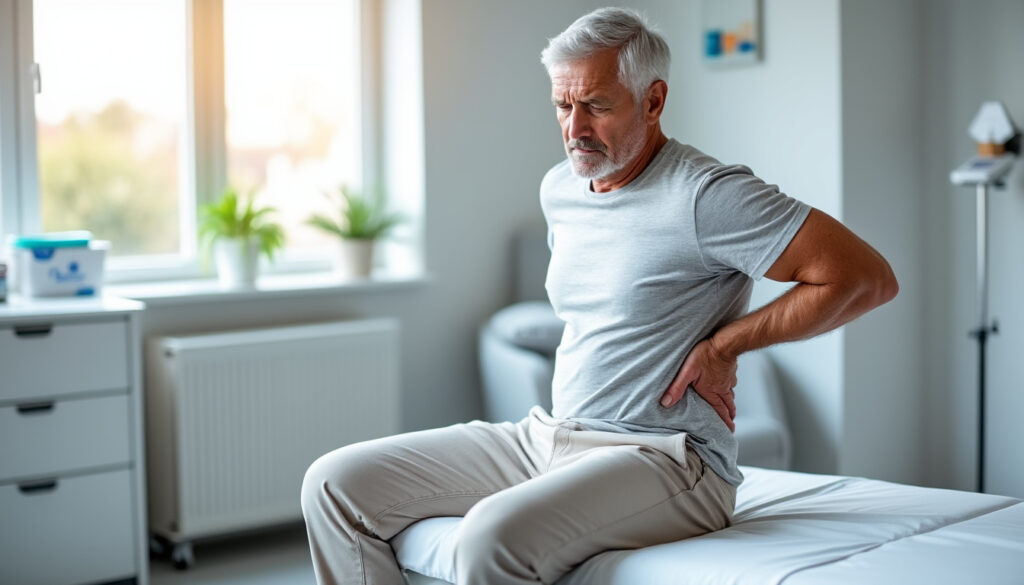
Understanding Sciatic Pain: Key Symptoms and When to Seek Medical Advice
Sciatic pain is a prevalent condition impacting a wide demographic, manifesting primarily as intense pain radiating from the lower back down the leg. This pain stems from irritation or compression of the sciatic nerve, a major nerve extending through the…

The Stepwise Role of Functional Recovery in Achieving Successful Outcomes
The journey to full recovery following spinal surgery is often complex and multifaceted, demanding a meticulously structured approach to ensure optimal functional outcomes. In recent years, the concept of functional recovery through a stepwise approach has garnered significant attention in…
Innovative Rehabilitation Techniques for Postoperative Pain and Neuropsychological Disorders
Beyond traditional physiotherapy, leading clinics like Neurothérapie Montréal have integrated advanced neuromodulation technologies such as repetitive Transcranial Magnetic Stimulation (rTMS) into their rehabilitation protocols. rTMS targets neural circuits implicated in persistent neuropathic pain and post-laminectomy syndromes frequently observed after spinal interventions.
The benefits extend from targeted pain reduction to enhancing neuroplasticity, which facilitates functional recovery and mental well-being. When combined with conventional therapies, such programs address:
- Chronic neuropathic pain management;
- Prevention and treatment of post-surgical depression and anxiety;
- Rehabilitation of motor functions through reinforced neuro-muscular pathways.
Such approaches have proven effective in promoting patient resilience and motivation, critical factors in sustained employment post-surgery. Data on sustained improvements and patient satisfaction, as documented in clinical reviews, confirm the value of integrative care models integrating neuromodulation and physical rehabilitation.
For example, patients under Neuromodulation-guided rehabilitation have reported significant reductions in pain scores and improved participation in workplace tasks, underscoring the potential for such advanced modalities to transform traditional convalescence paradigms.
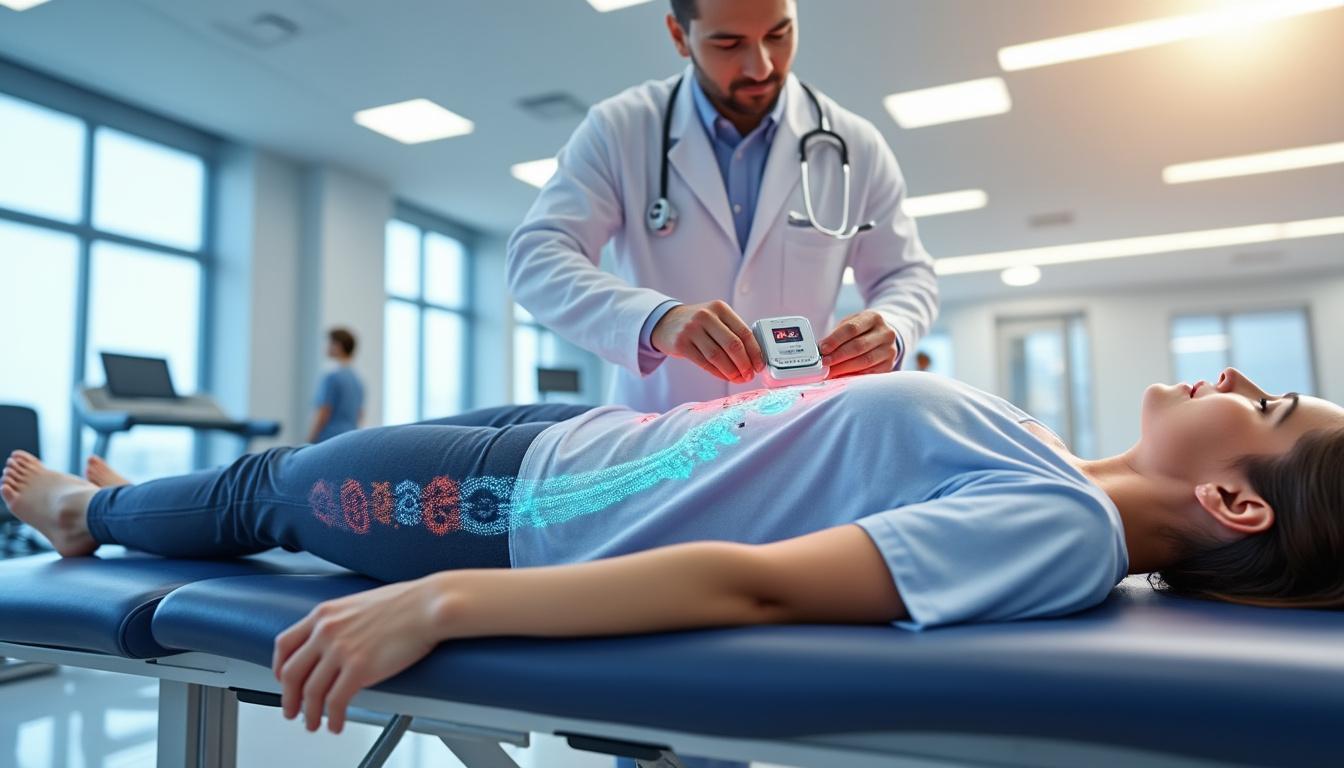

Transatlantic Patient Journey: Insights into Indications, Benefits, and Challenges
The emergence of the Transatlantic Patient Journey as a strategic model within healthcare continues to capture attention for its innovative potential, especially in specialized fields such as spinal surgery. This cross-border care pathway integrates rigorous medical evaluation from Quebec with…
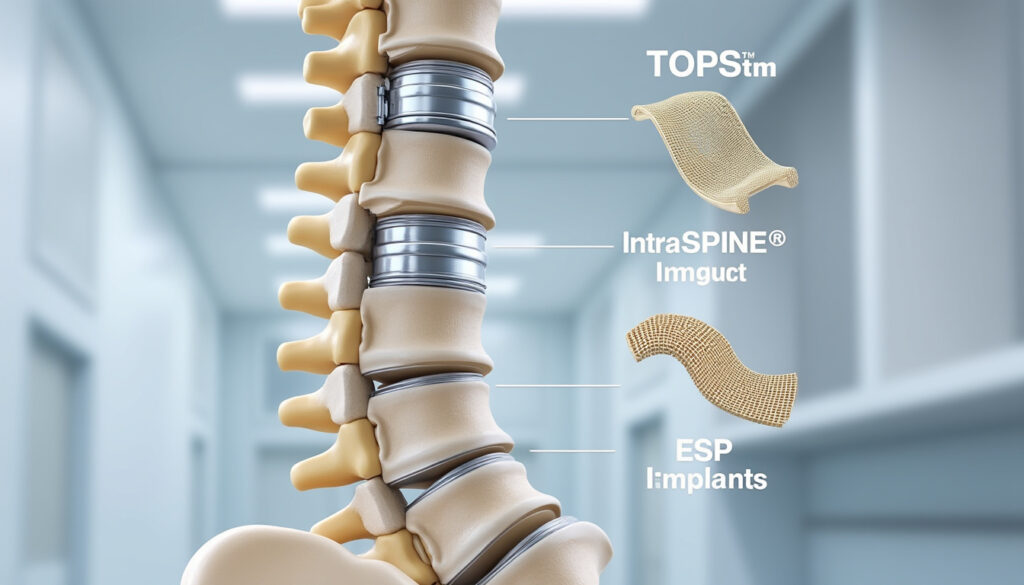
The evolving field of spinal surgery is witnessing a transformative shift, fueled by cutting-edge implant technologies such as TOPS, Intraspine, and ESP. These innovative implants redefine treatment possibilities by emphasizing preservation of natural spinal mechanics, while ensuring durable stabilization and…
International Care Coordination: Ensuring Seamless Transatlantic Rehabilitation and Return to Work
In contemporary medical tourism and cross-border patient management, the coordination between healthcare providers across countries is pivotal. For patients from Quebec seeking advanced spinal surgeries in France, seamless postoperative rehabilitation is orchestrated by specialized organizations such as Franchir and SOS Tourisme Médical alongside Neurothérapie Montréal. The collaboration exemplifies a structured care pathway encompassing:
- Initial neurofunctional assessment conducted locally;
- Preoperative planning with surgical specialists abroad;
- Personalized postoperative rehabilitation plans upon the patient’s return;
- Continuous communication between treating teams to ensure adjustments as recovery evolves.
This coordinated approach reduces reintegration delays and minimizes complications like pseudarthrosis or chronic pain syndromes. It also fosters patient confidence by ensuring support in home environments, where modifications to workplace ergonomics and lifestyle changes may be required. Services such as ReboundCare and FitReturn complement these efforts by providing follow-through programs that integrate both clinical and occupational rehabilitation components.
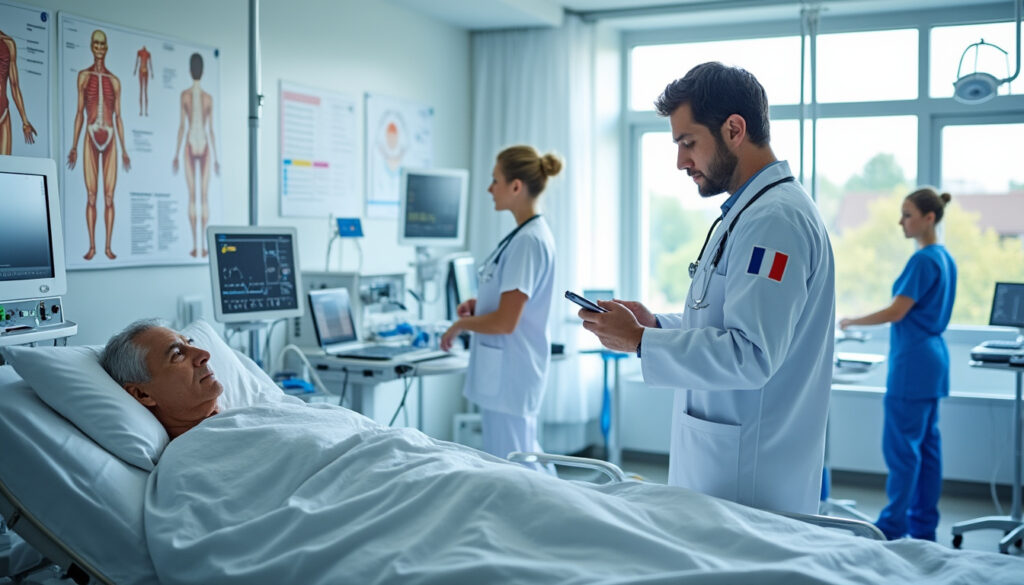
Preparing for Surgery in France: Key Indications, Benefits, and Limitations
In an evolving global healthcare landscape, France emerges as a beacon of advanced surgical expertise, particularly attracting international patients seeking expedited and innovative medical interventions. Patients from regions experiencing long wait times, such as Quebec, increasingly view France as an…

Unveiling the Hidden Benefits of Quality and Certification in Devices
The landscape of device manufacturing and clinical application in 2026 has been fundamentally shaped by the rigorous interplay between quality management and certification processes. Within this complex framework, the hidden benefits of adhering to international standards and obtaining relevant certifications…
The Crucial Role of Ergotherapy and Physiotherapy in Facilitating Successful Return to Work
Return to work programs thrive when kinésithérapeutes (physiotherapists) and ergotherapists collaborate effectively to target the worker’s functional needs and workplace demands. Ergotherapy evaluates specific task-related capabilities, recommending adaptations that prevent overexertion and reduce recurrence risk. Common interventions include:
- Posture retraining to alleviate biomechanical stress;
- Modification of workstations leveraging ergonomic principles;
- Re-education of job-specific movements;
- Recommendations for assistive devices facilitating task completion.
Meanwhile, physiotherapy emphasizes:
- Muscle strengthening to support spinal stability;
- Improvement of joint mobility and coordination;
- Development of endurance to sustain work activities;
- Education on injury prevention techniques.
Table reflecting complementary objectives:
| Discipline | Focus Area | Objective for Return to Work |
|---|---|---|
| Ergotherapy | Functional assessment and workplace adaptation | Safe resumption of professional tasks, fatigue reduction |
| Physiotherapy | Physical conditioning and motor recovery | Enhanced physical capacity and injury prevention |
Programs incorporating these disciplines align with international best practices, as outlined in resources like Creating a Safe Return to Work. Engaging employers and health professionals collaboratively promotes patient confidence and workplace productivity.
Why Experts Advocate for Comprehensive Preoperative Evaluations
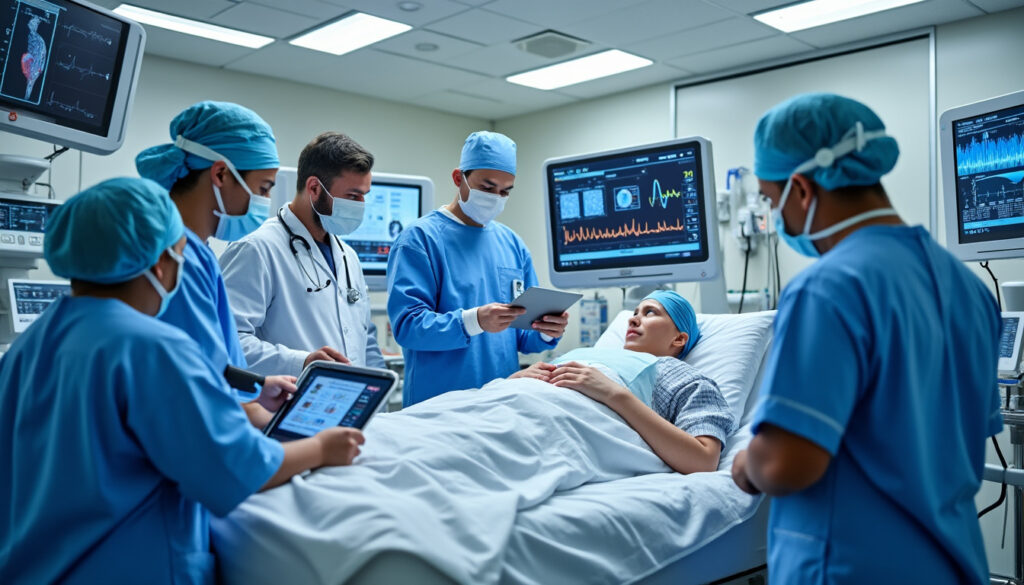
In the complex and demanding field of spinal surgery, the emphasis on comprehensive preoperative evaluations has become a fundamental pillar supporting successful surgical outcomes. These evaluations, far beyond mere routine checks, integrate detailed analyses of patient health, surgical risk assessments,…
The Future of Surgery Lies in Stepwise Functional Recovery
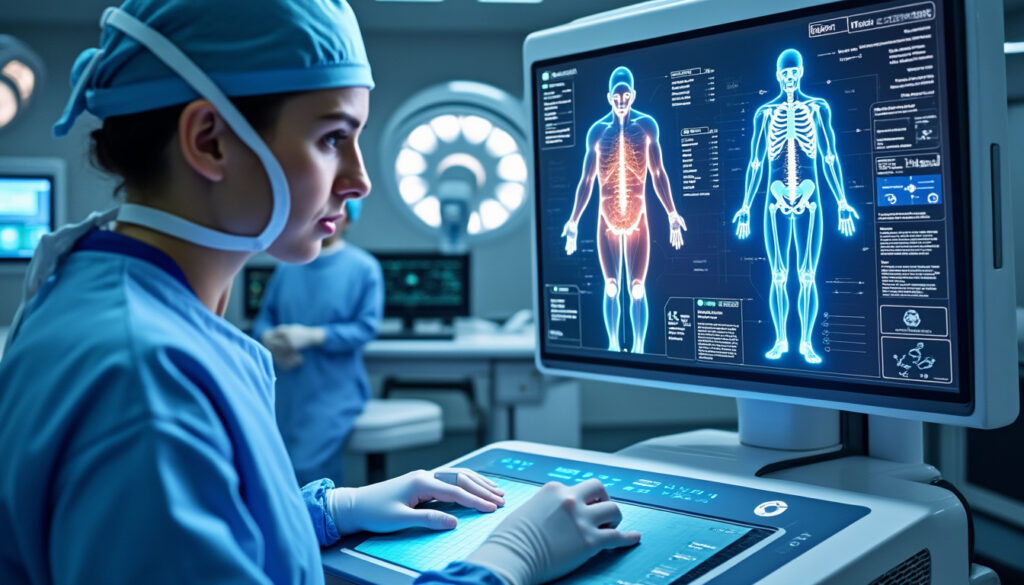
The evolution of surgical care in 2026 reveals a compelling shift toward approaches that prioritize the holistic recovery of patients, moving beyond traditional metrics like length of hospital stay or mortality rates. This modern paradigm highlights the principle that the…
Benefits of Structured Return to Work Programs for Patients and Employers
Return to work programs deliver significant advantages across health, economic, and social dimensions. For employees, structured rehabilitation reduces risks of chronic disability and psychological distress while promoting autonomy and financial stability. Employers benefit from decreased absenteeism, improved morale, and retention of experienced staff. Key benefits include:
- Acceleration of safe workforce reentry;
- Reduction in long-term disability-related costs;
- Enhanced communication fostering realistic expectations;
- Implementation of adaptive workplace measures supporting gradual reintegration.
Models such as ThriveBack and RenewWork exemplify programmatic frameworks that optimize these outcomes through personalized case management and data-driven progress monitoring. According to analyses in comprehensive guides available on return-to-work programs, multidisciplinary interventions that engage workplace stakeholders achieve better reintegration rates and employee satisfaction.
Addressing Potential Challenges and Barriers in the Return to Work Process
Despite best efforts, several obstacles can impede successful workplace reintegration post rehabilitation. Challenges frequently encountered include:
- Persistent pain or functional limitations delaying work resumption;
- Psychosocial factors such as anxiety, depression, or lack of workplace support;
- Misalignment between job demands and physical capabilities;
- Communication gaps between medical professionals, employers, and employees;
- Limited access to specialized rehabilitation resources.
Overcoming these challenges requires proactive strategies such as early return-to-work coordination, continuous education for all stakeholders, and adjustment of rehabilitation goals based on periodic evaluation. The publication Best Practices for Return-to-Work Programs highlights the importance of multidisciplinary collaboration, transparent communication, and ongoing psychosocial support to address such barriers effectively.
These interventions are essential to mitigate prolonged disability and enhance long-term satisfaction for workers and employers alike. Incorporating programs like StepAhead Recovery and Reentry Health ensures continuous holistic support fostering resilience and adaptive capabilities in demanding work environments.
Case Studies Illustrating Successful Rehabilitation and Return to Work Outcomes
Clinical case studies shed light on the tangible benefits of structured rehabilitation protocols. For instance:
- Marc, a 48-year-old executive with a cervical disc prosthesis implemented in France, engaged in a multidisciplinary rehabilitation program combining rTMS sessions, targeted physiotherapy, and occupational therapy. His return to office duties and leisure golfing was achieved within 4 months, citing significant pain reduction and functional improvement.
- Sophie, aged 52, underwent spinal fusion and faced complications including post-laminectomy syndrome and depressive symptoms. Through comprehensive neurofunctional evaluation and coordinated care managed by experts at Neurothérapie Montréal, she experienced gradual alleviation of symptoms and reintegration into educational work over 6 months.
These examples highlight key success factors:
- Personalized rehabilitation aligned with surgical specifics;
- Integration of innovative neuromodulation techniques;
- Continuous multidisciplinary follow-up and adjustment;
- International care coordination ensuring comprehensive management.
Such detailed case management reflects principles advocated in evidence-based clinical guidelines such as those described by the Journal of Orthopaedic & Sports Physical Therapy, underscoring the efficacy of individualized care pathways.

Réhabilitation et retour au travail : ligne du temps
When can rehabilitation begin after spinal surgery?
Rehabilitation typically starts during the acute postoperative phase with gentle mobilization within the first week, progressing to tailored physical therapy protocols based on the surgery type and patient tolerance.
How does repetitive Transcranial Magnetic Stimulation (rTMS) aid in post-surgical pain management?
rTMS modulates cerebral pain pathways involved in neuropathic pain syndromes, substantially reducing chronic postoperative pain and improving patients’ quality of life.
What role does ergotherapy play in facilitating return to work?
Ergotherapy assesses functional abilities, adapts workstations, educates on ergonomic postures, and retrains job-specific tasks to support a safe and sustainable workplace return.
How is international post-operative follow-up coordinated between Canada and France?
Neurothérapie Montréal coordinates post-operative care in Quebec, working closely with Franchir and SOS Tourisme Médical to ensure seamless care continuity and personalized rehabilitation throughout the transatlantic journey.
What precautions should be taken before returning to sports activities?
Sport resumption requires medical clearance and collaboration with physiotherapists to develop individualized programs emphasizing muscle strengthening, flexibility, and injury prevention.